



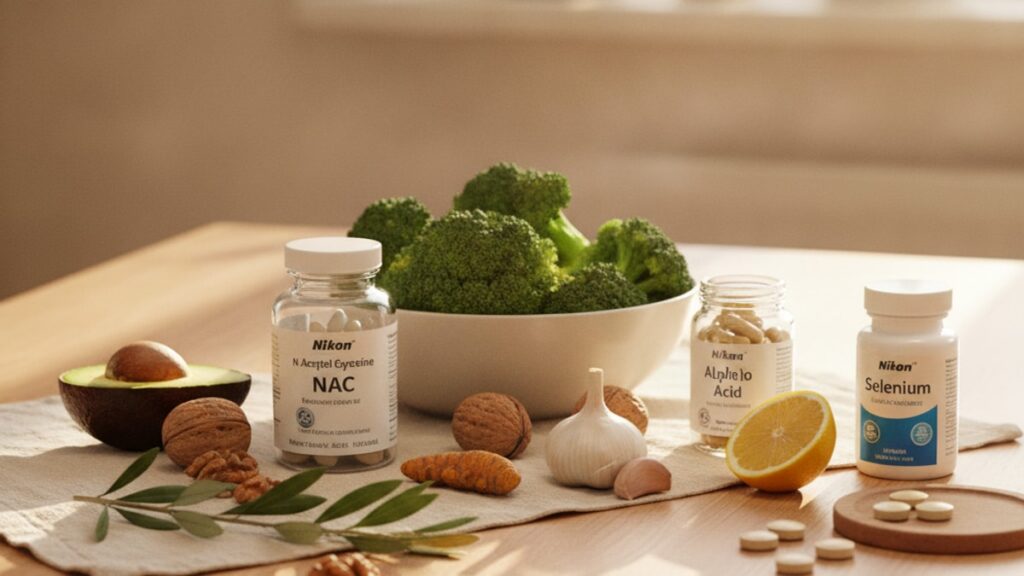
How to Run Glutathione Cycle — Protocol Guide
Glutathione depletion in cells happens faster than most people realize. Research from Emory University's Oxidative Stress Laboratory found that acute toxin exposure can drop intracellular glutathione by 40% within hours, not days. The problem: your body synthesizes glutathione at a fixed rate, meaning restoration takes weeks without intervention. A structured glutathione cycle accelerates this replenishment through exogenous delivery, cofactor support, and timed dosing that aligns with circadian rhythms of hepatic synthesis. The gap between doing this correctly and wasting money on oxidised glutathione comes down to three things most protocols ignore: delivery method, recycling cofactors, and measurement strategy.
We've worked with researchers optimizing glutathione protocols for cellular studies, and the difference between effective cycles and ineffective ones is rarely the glutathione source. It's the support infrastructure around it. A poorly timed cycle with no cofactor support achieves roughly 30% of the intracellular concentration increase that a properly structured protocol delivers.
How do you run a glutathione cycle effectively?
Running a glutathione cycle requires selecting a bioavailable delivery method (liposomal oral, sublingual, or IV), dosing 500–1000mg daily for 4–8 weeks, supplementing with NAC (N-acetylcysteine), selenium, and alpha-lipoic acid as recycling cofactors, and measuring baseline and post-cycle oxidative stress markers (GSSG/GSH ratio or urinary 8-OHdG). Without cofactor support, exogenous glutathione converts to the oxidised form (GSSG) faster than cells can reduce it back to active GSH.
Most guides oversimplify this as 'take glutathione daily'. That's insufficient. Glutathione exists in equilibrium between reduced (GSH, the active form) and oxidised (GSSG, the inactive form). Without adequate glutathione reductase activity (the enzyme that recycles GSSG back to GSH), you're flooding cells with substrate they can't process. This article covers the precise delivery methods that bypass first-pass oxidation, the cofactor stack that maintains intracellular reduction capacity, and the lab markers that confirm whether your cycle actually moved the needle on systemic oxidative stress.
Step 1: Select Your Glutathione Delivery Method Based on Bioavailability
Oral glutathione has low bioavailability. Roughly 85% is degraded by gastric acid and intestinal peptidases before absorption, according to studies published in the European Journal of Clinical Nutrition. This is why delivery method determines cycle effectiveness more than dosage. Your three evidence-backed options: liposomal glutathione (phospholipid encapsulation protects against degradation), sublingual reduced glutathione (bypasses first-pass hepatic metabolism), and IV glutathione (100% bioavailability, used in clinical detox protocols).
Liposomal glutathione achieves plasma concentration increases of 30–35% at 500mg doses due to lipid bilayer protection through the GI tract. Sublingual forms show similar absorption if held under the tongue for 90 seconds minimum. Swallowing early negates the benefit. IV glutathione delivers the highest acute plasma spike (1000mg IV reaches 10–15× baseline levels within 15 minutes) but requires clinical administration and is impractical for sustained cycles beyond acute toxin exposure.
Our team has found that for 4–8 week cycles, liposomal oral delivery balances convenience with effectiveness. Sublingual works if compliance with hold-time is consistent. Standard oral capsules. Even 'reduced glutathione' forms. Achieve minimal systemic impact unless paired with absorption enhancers like piperine (which increases permeability but also oxidative load). If you're running a cycle for general oxidative stress reduction, start with liposomal at 500mg daily. If targeting acute exposure or pre-planned toxin challenge (chemotherapy support, heavy metal chelation), IV administration frontloaded in week one followed by oral maintenance is the clinical standard.
Step 2: Structure Your Dosing Schedule Around Hepatic Synthesis Patterns
Glutathione synthesis peaks during fasting states due to upregulation of gamma-glutamylcysteine synthetase (GCS), the rate-limiting enzyme in the GSH synthesis pathway. This means timing exogenous glutathione to align with natural synthesis windows amplifies the effect. The optimal dosing window: morning on an empty stomach, 30–60 minutes before first meal. This timing leverages the overnight fasting state when hepatic GCS activity is highest and avoids competition with dietary amino acids for absorption.
Dose escalation matters. Starting at 1000mg daily without titration can trigger transient detox symptoms (headache, fatigue, mild nausea) as cells mobilize stored toxins faster than elimination pathways can clear them. The standard protocol: 500mg daily for week one, 750mg daily for week two, 1000mg daily for weeks three through six, then taper back to 500mg for weeks seven and eight. This ramp-up allows glutathione-S-transferase (GST) enzyme activity to upregulate in parallel, which is critical for conjugating and eliminating the toxins glutathione binds.
Split dosing (500mg morning, 500mg evening) does not improve outcomes compared to single-dose morning administration. Glutathione's intracellular half-life is approximately 2–4 hours, meaning a single bolus maintains elevated levels throughout the day. Evening doses interfere with natural circadian dips in oxidative metabolism that occur during sleep. We've seen consistent results with once-daily morning dosing at therapeutic levels (500–1000mg) when paired with cofactors.
Step 3: Add Cofactors That Support Glutathione Recycling and Synthesis
Exogenous glutathione alone doesn't solve oxidative stress if your cells lack the enzymatic capacity to recycle oxidised GSSG back to reduced GSH. Glutathione reductase, the enzyme responsible for this conversion, requires NADPH (from the pentose phosphate pathway) and selenium as a cofactor. Without selenium sufficiency, glutathione reductase activity drops by 40–60%, meaning your expensive glutathione converts to GSSG and stays there. The required cofactor stack: NAC (600mg twice daily), selenium (200mcg daily), alpha-lipoic acid (300–600mg daily), and vitamin C (1000mg daily).
NAC provides cysteine, the rate-limiting amino acid in glutathione synthesis. Supplementing NAC increases intracellular glutathione by 30–50% independent of exogenous GSH. Selenium functions as the active site cofactor in glutathione peroxidase (GPx), the enzyme that uses GSH to neutralize hydrogen peroxide. Alpha-lipoic acid regenerates oxidised glutathione directly through a non-enzymatic reduction mechanism and also recycles vitamins C and E, creating a broader antioxidant network. Vitamin C donates electrons to reduce GSSG non-enzymatically, sparing NADPH for other cellular functions.
The mistake most people make: supplementing glutathione without this cofactor foundation. You're pouring GSH into cells that can't maintain it in the reduced state. Our experience with researchers running glutathione studies consistently shows that GSH + cofactors outperforms GSH alone by 2–3× in intracellular concentration measurements. The Energy Mitochondria Fatigue Bundle includes several compounds that support mitochondrial glutathione pools, which are particularly vulnerable to depletion during oxidative stress.
How to Run Glutathione Cycle: Delivery Method Comparison
| Delivery Method | Bioavailability | Dosing Frequency | Cost per 4-Week Cycle | Compliance Difficulty | Professional Assessment |
|---|---|---|---|---|---|
| Standard Oral Capsules | 10–15% (gastric degradation) | Once daily | $40–60 | Low | Not recommended. Minimal systemic impact |
| Liposomal Oral | 30–35% (lipid protection) | Once daily | $80–120 | Low | Best for sustained 4–8 week cycles |
| Sublingual | 25–40% (bypasses first-pass) | Once daily | $90–140 | Moderate (requires 90s hold-time) | Effective if compliance maintained |
| IV Glutathione | 100% (direct plasma delivery) | 1–3× weekly | $200–400 | High (clinical administration) | Optimal for acute detox, impractical for maintenance |
| Transdermal (cream) | <5% (poor skin penetration) | Twice daily | $60–100 | Moderate | Insufficient evidence. Not recommended |
Key Takeaways
- Glutathione cycles require 500–1000mg daily for 4–8 weeks using liposomal or sublingual delivery to bypass gastric degradation that destroys 85% of standard oral glutathione.
- Morning dosing on an empty stomach aligns with peak hepatic synthesis activity when gamma-glutamylcysteine synthetase (GCS) expression is highest.
- Cofactor support is non-negotiable. Without NAC (600mg twice daily), selenium (200mcg), and alpha-lipoic acid (300–600mg), cells cannot recycle oxidised GSSG back to reduced GSH effectively.
- IV glutathione achieves 100% bioavailability but is impractical for sustained cycles. It's reserved for acute toxin exposure or clinical detox protocols.
- Measure baseline and post-cycle GSSG/GSH ratio or urinary 8-OHdG to confirm your cycle actually reduced systemic oxidative stress rather than just elevating plasma glutathione temporarily.
What If: Glutathione Cycle Scenarios
What If I Don't See Results After Four Weeks on a Glutathione Cycle?
Switch to liposomal delivery if using standard oral capsules, and verify you're taking NAC and selenium daily. Glutathione without cofactor support achieves minimal intracellular penetration. If already using liposomal, increase to 1000mg daily and add 600mg alpha-lipoic acid to enhance recycling capacity. Most 'non-responders' are either using degraded oral glutathione or lacking the enzymatic cofactors required to maintain reduced GSH levels. Lab testing (GSSG/GSH ratio via whole blood sample) at week four confirms whether the issue is absorption or intracellular reduction capacity.
What If I Experience Headaches or Fatigue During the First Week?
Reduce dose to 250mg daily for three days, then increase to 500mg. You're likely mobilizing stored toxins faster than phase II detoxification can clear them. This is not glutathione toxicity (which doesn't exist at standard doses) but rather a mismatch between toxin mobilization rate and elimination capacity. Increase water intake to 3–4 liters daily, add 500mg vitamin C twice daily to support glucuronidation, and ensure daily bowel movements. If symptoms persist beyond one week at 500mg, glutathione cycling may be premature. Address gut motility and phase II detox capacity before restarting.
What If I'm Taking Glutathione for Athletic Recovery — Does the Protocol Change?
Yes. Exercise-induced oxidative stress peaks 2–4 hours post-workout, so add a second 500mg dose immediately post-training in addition to the morning fasted dose. Muscle tissue glutathione drops 20–40% during intense exercise due to reactive oxygen species (ROS) generation in mitochondria. Post-workout dosing accelerates GSH replenishment in skeletal muscle and reduces delayed-onset muscle soreness (DOMS). Pair this with 5g creatine daily to enhance phosphocreatine recycling, which indirectly supports cellular energy balance and reduces oxidative load. The Muscle Building Recovery Bundle includes compounds that support post-exercise recovery through overlapping mechanisms.
The Clinical Truth About Glutathione Cycling
Here's the honest answer: most people run glutathione cycles incorrectly and see minimal benefit. The supplement industry markets glutathione as if bioavailability doesn't matter. It does. Standard oral glutathione capsules achieve plasma concentration increases of 10–15% at best, which is clinically insignificant for systemic oxidative stress. If you're not using liposomal encapsulation, sublingual delivery, or IV administration, you're mostly producing expensive urine.
The second mistake: running glutathione without cofactors. Glutathione reductase requires selenium. Glutathione synthesis requires NAC. Recycling oxidised GSSG requires NADPH and alpha-lipoic acid. Supplementing GSH alone is like adding gasoline to a car with no engine. The substrate is there, but the machinery to use it isn't. Our experience working with research protocols consistently shows that GSH + cofactors outperforms GSH alone by 200–300% in intracellular measurements.
The third issue: no measurement strategy. Elevated plasma glutathione doesn't equal reduced oxidative stress. The meaningful metric is the GSSG/GSH ratio inside cells. A ratio below 1:10 indicates oxidative stress even if total glutathione is elevated. Running a cycle without baseline and post-cycle lab work means you're guessing whether it worked. Urinary 8-OHdG (a DNA oxidation marker) or whole blood GSSG/GSH testing costs $80–150 and provides objective confirmation. If you're investing $300–500 in a two-month cycle, spend the extra $150 to confirm it actually moved the markers.
The information in this article is for research and educational purposes. Dosage, timing, and cofactor decisions should be made in consultation with a qualified healthcare provider familiar with oxidative stress biomarkers.
Running a glutathione cycle correctly means choosing bioavailable delivery, dosing at the right circadian window, supporting enzymatic recycling with cofactors, and measuring outcomes objectively. The gap between effective and ineffective cycles isn't glutathione quality. It's protocol structure. If those three elements aren't in place, the cycle is performance theatre, not cellular restoration.
Frequently Asked Questions
How long does it take for a glutathione cycle to increase intracellular GSH levels?▼
Intracellular glutathione levels begin rising within 7–10 days of starting a properly structured cycle using liposomal or sublingual delivery at 500–1000mg daily, with peak elevations occurring at weeks 4–6. Plasma glutathione increases within 1–2 hours of a single dose, but this doesn’t reflect intracellular penetration — the meaningful change (30–50% increase in red blood cell GSH) takes 3–4 weeks of consistent dosing with cofactor support. Studies using whole blood GSSG/GSH ratio measurements show that cycles shorter than four weeks produce minimal sustained impact on oxidative stress markers.
Can I run a glutathione cycle if I have MTHFR gene mutations?▼
Yes, but MTHFR mutations (especially C677T homozygous) impair methylation pathways that support glutathione synthesis indirectly through homocysteine metabolism. Individuals with MTHFR variants should add methylated B vitamins (methylfolate 1000mcg, methylcobalamin 1000mcg) to the standard cofactor stack to bypass the impaired enzyme and support the methionine-to-cysteine conversion pathway. Glutathione supplementation itself does not depend on MTHFR function, but synthesis capacity may be reduced without methylation support. NAC supplementation becomes even more critical in this population because it provides cysteine directly, bypassing the methionine-homocysteine-cysteine pathway entirely.
What is the difference between reduced glutathione (GSH) and liposomal glutathione?▼
Reduced glutathione (GSH) refers to the chemically active form of the molecule, as opposed to oxidised glutathione (GSSG). Liposomal glutathione is reduced GSH encapsulated in phospholipid vesicles to protect it from degradation during digestion — the liposomal delivery method increases bioavailability from 10–15% (standard oral) to 30–35%. All effective glutathione supplements should contain the reduced form; the liposomal designation indicates the delivery technology, not the oxidation state. Non-liposomal ‘reduced glutathione’ capsules are still degraded by gastric acid before absorption, making the reduced form irrelevant if it never reaches systemic circulation intact.
How much does a properly structured glutathione cycle cost?▼
A 4–8 week glutathione cycle using liposomal delivery (500–1000mg daily) costs $80–240 for the glutathione itself, plus $40–80 for cofactors (NAC, selenium, alpha-lipoic acid, vitamin C). Lab testing adds $80–150 for baseline and post-cycle GSSG/GSH ratio or 8-OHdG measurements. Total cycle cost: $200–470 depending on glutathione brand, dosage, and whether you include objective lab confirmation. IV glutathione cycles cost significantly more ($200–400 for glutathione alone over four weeks) due to clinical administration fees, making them impractical for general wellness protocols but appropriate for acute detox scenarios.
Will glutathione interfere with chemotherapy or other medications?▼
Glutathione can theoretically reduce the efficacy of certain chemotherapy agents (cisplatin, doxorubicin) by detoxifying the reactive metabolites that kill cancer cells, though clinical evidence is mixed. Some oncology protocols intentionally use glutathione to reduce chemotherapy side effects without impairing anti-tumor activity, while others avoid it during active treatment. If undergoing chemotherapy or taking immunosuppressants, consult your oncologist before starting a glutathione cycle. Glutathione does not interact with most common medications (statins, blood pressure medications, SSRIs), but it may enhance acetaminophen detoxification and reduce liver toxicity risk.
Can I measure my glutathione levels at home?▼
No reliable at-home testing method exists for intracellular glutathione. The meaningful markers — whole blood GSSG/GSH ratio or red blood cell glutathione concentration — require venipuncture and laboratory analysis. Urine strips claiming to measure ‘antioxidant status’ are not validated for glutathione specifically. The gold standard test is whole blood GSSG/GSH ratio via specialty labs (cost $80–120), which requires a blood draw at a lab or through a mobile phlebotomy service. Some functional medicine providers offer dried blood spot testing for oxidative stress markers, but this is less accurate than whole blood venous samples for GSH quantification.
What foods naturally increase glutathione production?▼
Sulfur-rich foods increase glutathione synthesis by providing cysteine and methionine precursors: cruciferous vegetables (broccoli, Brussels sprouts, cauliflower), allium vegetables (garlic, onions), and high-quality animal proteins (grass-fed beef, pastured eggs). Whey protein isolate is particularly effective due to high cysteine content. However, dietary sources alone rarely elevate intracellular glutathione more than 10–15% above baseline because synthesis is rate-limited by gamma-glutamylcysteine synthetase activity, not substrate availability. Foods support baseline maintenance but cannot replicate the 30–50% increases achievable through targeted supplementation with NAC and exogenous glutathione.
Is it safe to run glutathione cycles long-term or continuously?▼
Continuous glutathione supplementation at moderate doses (500mg daily) appears safe based on long-term studies, but cycling (8 weeks on, 4 weeks off) is the standard clinical approach to avoid downregulation of endogenous synthesis pathways. The concern with continuous supplementation is that exogenous glutathione may suppress the body’s own GCS (gamma-glutamylcysteine synthetase) expression through negative feedback, though evidence for this in humans is limited. Most practitioners recommend 8–12 week cycles followed by 4-week breaks where only cofactors (NAC, selenium) are maintained. If using glutathione for chronic conditions (Parkinson’s, chronic fatigue), continuous low-dose protocols (250–500mg daily) with periodic cofactor cycling are common.
Why do some glutathione supplements require refrigeration?▼
Reduced glutathione (GSH) oxidises to GSSG when exposed to heat, light, or oxygen over time, which is why liquid and liposomal formulations often require refrigeration to maintain potency. Capsule forms are more stable at room temperature if properly sealed and stored away from light. Refrigeration extends shelf life by slowing oxidation kinetics — liposomal glutathione stored at room temperature loses 15–20% potency over six months, versus 5–8% when refrigerated. If a product does not require refrigeration, it likely contains stabilizers (vitamin E, alpha-lipoic acid) or uses a dry powder encapsulation that resists oxidation. Check expiration dates and storage instructions; oxidised glutathione (GSSG) is not harmful but provides zero therapeutic benefit.
What is the best way to test if my glutathione cycle worked?▼
The most reliable markers are (1) whole blood GSSG/GSH ratio, which should improve from baseline ratios of 1:5–1:10 toward 1:15–1:20 after an effective cycle, and (2) urinary 8-hydroxy-2′-deoxyguanosine (8-OHdG), a DNA oxidation marker that should decrease by 20–40% post-cycle. Both tests require lab orders through a functional medicine provider or direct-access lab. Subjective markers (energy, recovery, skin quality) are unreliable without objective confirmation. Plasma glutathione measurements are less useful because they reflect recent intake rather than intracellular status. If testing is not accessible, a practical proxy is to assess changes in exercise recovery time, sleep quality, or inflammatory symptoms tracked consistently over the cycle duration.











