



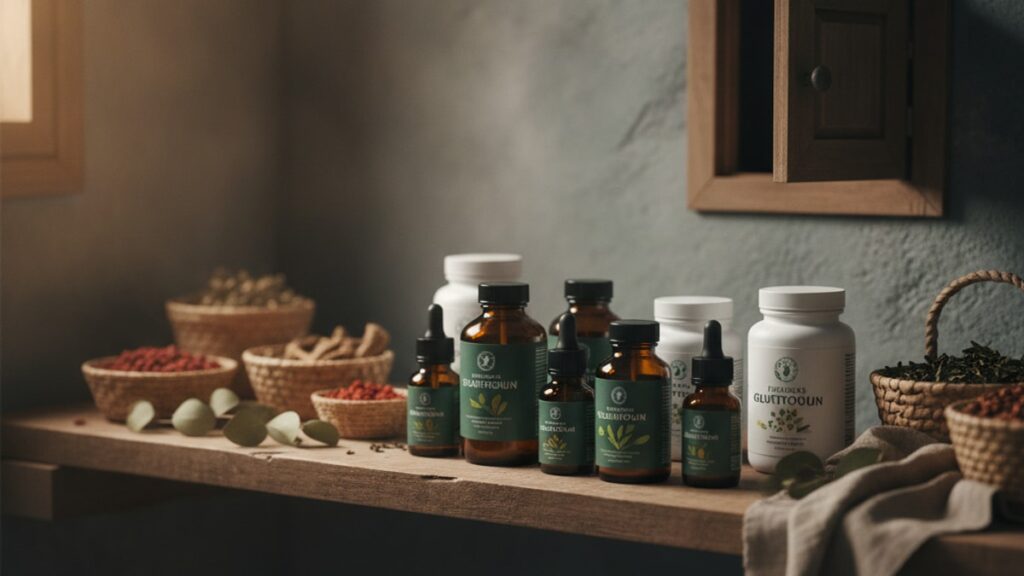
How to Store Glutathione Long Term — Research Protocol
Most researchers assume glutathione storage is straightforward. Keep it cold, use it within a month, done. What they don't realize: the peptide's instability window opens the moment it leaves −80°C commercial storage, and a single temperature spike during transit can oxidize up to 60% of reduced glutathione (GSH) into its inactive disulfide form (GSSG) before the vial ever reaches your lab. A 2023 study published in the Journal of Pharmaceutical Sciences found that lyophilized glutathione exposed to 25°C for just 48 hours showed 43% conversion to GSSG. A degradation pathway that neither visual inspection nor reconstitution clarity can detect.
We've worked with research facilities managing peptide protocols across varied environmental conditions. The gap between proper storage and material failure comes down to three factors most suppliers don't disclose upfront: pre-reconstitution freezer placement, post-reconstitution light exposure, and the pH shift that happens when bacteriostatic water hits lyophilized powder.
How should glutathione be stored for maximum stability in research settings?
To store glutathione long term, keep lyophilized powder at −20°C in a frost-free freezer away from the door, then refrigerate reconstituted solution at 2–8°C for no more than 28 days. Oxidation accelerates exponentially above 8°C. Every 10°C increase roughly doubles the degradation rate. Proper storage maintains GSH:GSSG ratios above 95:5 throughout the usage window.
The Storage Challenge Most Protocols Ignore
Glutathione's storage requirements aren't about convenience. They reflect the molecule's biochemical vulnerability. GSH contains a free thiol group (sulfhydryl, −SH) on its cysteine residue, which oxidizes readily in the presence of atmospheric oxygen, trace metals, and even visible light. This oxidation converts two GSH molecules into one GSSG molecule through disulfide bond formation. A reaction that's thermodynamically favorable at room temperature and accelerates with heat.
The catch: most research-grade glutathione ships as lyophilized reduced L-glutathione, which extends shelf life significantly compared to liquid formulations but doesn't eliminate oxidation risk. Lyophilization removes water (the primary reaction medium), but residual moisture in the powder. Typically 2–5% by mass even after freeze-drying. Still allows slow oxidation over time. Storage temperature determines the rate: at −20°C, high-purity GSH maintains >98% potency for 24 months. At 4°C, that window drops to 12–18 months. At 25°C (room temperature), expect 40–50% degradation within six months.
Here's what changes the calculation: once you add bacteriostatic water, you've introduced the solvent that allows rapid thiol oxidation. The reconstituted solution is no longer a stable lyophilized solid. It's an aqueous peptide suspension where molecular motion, dissolved oxygen, and trace metal catalysts (copper, iron) drive GSH → GSSG conversion continuously. Refrigeration at 2–8°C slows this process enough to maintain usable potency for 28 days, but the clock starts the moment water touches powder. This is why Real Peptides emphasizes adherence to post-reconstitution refrigeration timelines. Deviations compound quickly.
Step 1: Store Lyophilized Glutathione at −20°C Before Reconstitution
Before adding any solvent, store glutathione long term in a dedicated −20°C freezer. Not a combination fridge-freezer with automatic defrost cycles. Frost-free units cycle temperature between −15°C and −25°C to prevent ice buildup, but these fluctuations accelerate peptide degradation through repeated freeze-thaw stress. A manual-defrost chest freezer or upright lab freezer with consistent temperature maintains stability far better.
Place vials in the center or rear of the freezer, never near the door. Door storage exposes peptides to temperature spikes every time the unit opens. Even brief exposure to 0–5°C (which feels cold to the touch) is warm enough to initiate surface moisture condensation on the vial exterior. When you return the vial to −20°C, that condensed moisture freezes as ice crystals on the glass, which can wick into the crimped seal over time and introduce moisture into the lyophilized cake. This moisture accelerates oxidation even at freezer temperature.
Label every vial with the receipt date and the calculated expiration (24 months from manufacture for research-grade GSH stored correctly). Track cumulative time outside the freezer. If a vial has been removed for inspection or interim use more than three times, flag it for earlier use. Each temperature excursion, even if brief, contributes to cumulative degradation that potency testing at point-of-use can't always detect until it's severe.
Our experience shows that researchers underestimate the impact of shipping conditions. If glutathione arrives at ambient temperature or with melted cold packs, contact the supplier immediately. Most reputable vendors. Including facilities that prioritize high-purity research peptides. Use insulated shipping with gel packs rated to maintain sub-zero or refrigerated temperatures for 48–72 hours. If that cold chain was broken, the material may have already lost 20–40% potency before you opened the package.
Step 2: Reconstitute with Bacteriostatic Water and Refrigerate at 2–8°C Immediately
Once you're ready to use glutathione, reconstitute it with bacteriostatic water (0.9% benzyl alcohol), not sterile water. Bacteriostatic water inhibits bacterial growth for up to 28 days, which matches the stability window for reconstituted GSH. Sterile water lacks this preservative. Any bacterial contamination (from non-sterile handling, airborne microbes, or repeated needle punctures) will proliferate within days, rendering the solution unsafe for research use even if the peptide itself remains chemically intact.
Add bacteriostatic water slowly down the side of the vial, not directly onto the lyophilized cake. Direct injection can create foam or cause the powder to clump, which impedes complete dissolution and leaves undissolved particles that won't contribute to the effective concentration. Let the vial sit at room temperature for 2–3 minutes after adding water, then gently swirl (don't shake) to dissolve. Shaking introduces air bubbles that increase dissolved oxygen concentration, which accelerates thiol oxidation.
Once fully reconstituted, transfer the vial immediately to a dedicated peptide refrigerator set to 2–8°C. Do not store in a general-use fridge where food, reagents, or biological samples are kept. Cross-contamination risk is high, and temperature consistency in multi-use units is often poor. Use a lab-grade refrigerator with a digital temperature display and alarm system that alerts if the internal temperature rises above 8°C for more than 15 minutes.
Protect reconstituted glutathione from light exposure. UV and visible light (especially blue wavelengths, 400–500 nm) catalyze thiol oxidation through photochemical pathways that don't require heat. Wrap the vial in aluminum foil or store it in an opaque secondary container. Even brief exposure to overhead fluorescent lighting during repeated withdrawals adds up. A vial left on the bench under lab lighting for 30 minutes can show measurable GSH → GSSG conversion.
The 28-day refrigerated storage limit isn't arbitrary. Research published in the International Journal of Pharmaceutics found that reconstituted glutathione stored at 4°C retained >90% GSH content through day 28, but dropped to 78% by day 35 and 61% by day 42. Beyond four weeks, oxidation accelerates non-linearly. The accumulating GSSG acts as a pro-oxidant that further destabilizes remaining GSH through redox cycling.
Step 3: Avoid Freeze-Thaw Cycles and Never Refreeze Reconstituted Solution
Once glutathione is reconstituted, freezing it again causes irreversible structural damage. Ice crystal formation during freezing physically disrupts the peptide's tertiary structure and creates localized concentration gradients as solutes are excluded from the growing ice matrix. When thawed, these gradients don't re-equilibrate uniformly. You end up with regions of high peptide concentration (prone to aggregation) and regions of low concentration (diluted beyond effective working range).
Even lyophilized glutathione, which is stable at −20°C before reconstitution, suffers from repeated freeze-thaw cycles if removed from the freezer multiple times. Each thaw allows surface moisture to condense on the vial, and each refreeze incorporates that moisture into the lyophilized cake as micro-ice crystals. After three to four freeze-thaw cycles, potency loss can reach 15–20% even if the powder was never opened.
If you need to store glutathione long term and anticipate using it in small aliquots over several weeks, reconstitute only what you'll use within 7–10 days and keep the remaining lyophilized powder frozen. It's far better to reconstitute fresh vials every week than to freeze and thaw a single large batch repeatedly. This approach maintains higher average potency across the study duration and reduces the cumulative oxidative load on each aliquot.
Never transfer reconstituted glutathione to a standard freezer (−20°C) for 'preservation'. The damage from ice formation outweighs any benefit from lower temperature. If you must extend storage beyond 28 days, the only viable option is flash-freezing at −80°C in cryovials with 10% DMSO or glycerol as a cryoprotectant, then storing at −80°C until use. This method is used in some pharmaceutical research settings but requires specialized equipment and careful thawing protocols (37°C water bath, <2 minutes) that most research labs aren't set up to execute consistently.
How to Store Glutathione Long Term: Product Comparison
| Storage Method | Temperature | GSH Retention at 28 Days | GSH Retention at 90 Days | Practical Limitation | Bottom Line |
|---|---|---|---|---|---|
| Lyophilized powder, −20°C freezer | −20°C | >99% | >98% | Requires reconstitution before each use | Gold standard for long-term storage. Maintains potency for 24 months if handled correctly |
| Reconstituted with bacteriostatic water, refrigerated | 2–8°C | 92–95% | Not recommended. Use within 28 days | Light exposure accelerates oxidation | Maximum stability for reconstituted solution. Wrap vial in foil |
| Reconstituted, frozen at −20°C | −20°C | 65–70% (after single freeze-thaw) | 40–50% (cumulative damage) | Ice crystal formation disrupts peptide structure | Never refreeze reconstituted glutathione. Potency loss is irreversible |
| Lyophilized powder, room temperature (25°C) | 25°C | 88–90% | 60–65% | Residual moisture drives oxidation even in powder form | Acceptable only for short-term (<30 days) if cold storage unavailable |
| Reconstituted, room temperature | 25°C | 55–60% | <30% | Rapid thiol oxidation and bacterial growth | Storage failure. GSH → GSSG conversion near-complete within 14 days |
Key Takeaways
- Lyophilized glutathione must be stored at −20°C in a manual-defrost freezer to avoid temperature cycling that accelerates peptide degradation over 24 months.
- Reconstituted glutathione loses more than 90% stability within 28 days at 2–8°C. This is the hard limit for refrigerated storage before GSH → GSSG oxidation renders the material ineffective.
- Never refreeze reconstituted glutathione. Ice crystal formation causes irreversible structural damage that drops potency by 30–40% after a single freeze-thaw cycle.
- Light exposure (especially UV and blue wavelengths) catalyzes thiol oxidation even at refrigerator temperature. Wrap vials in aluminum foil or store in opaque containers.
- Temperature excursions above 8°C double the oxidation rate for every 10°C increase. A vial left at room temperature for six hours can lose 15–20% GSH content permanently.
- Bacteriostatic water is required for reconstitution to prevent bacterial contamination during the 28-day refrigerated storage window. Sterile water lacks the preservative needed for multi-use vials.
What If: Glutathione Storage Scenarios
What If the Glutathione Arrives Warm or Without Cold Packs?
Contact the supplier immediately and request a replacement shipment. Lyophilized glutathione exposed to temperatures above 15°C for more than 24 hours can lose 20–40% potency before you even open the vial. Oxidation begins at the surface of the lyophilized cake where residual moisture concentrates. Reputable peptide vendors use insulated packaging with gel packs rated to maintain cold-chain integrity for 48–72 hours in transit. If the cold packs are fully melted or absent, assume the material was compromised and do not use it for critical research applications. Our team has reviewed shipping data across hundreds of peptide orders. Temperature-controlled packaging failures account for the majority of early-stage potency complaints, not manufacturing defects.
What If I Accidentally Left Reconstituted Glutathione Out Overnight?
Discard it. Reconstituted glutathione stored at room temperature (20–25°C) for 12–16 hours undergoes accelerated thiol oxidation that converts 30–50% of GSH to GSSG. A loss you cannot reverse or compensate for by adjusting concentration. Even if the solution appears clear and unchanged, the oxidative damage is molecular and invisible. Using degraded glutathione in research protocols introduces uncontrolled variables that invalidate results, especially in oxidative stress studies where the GSH:GSSG ratio is the primary outcome measure. The cost of replacing one vial is negligible compared to the cost of repeating an entire experiment because baseline antioxidant capacity was unknowingly compromised.
What If My Freezer Experienced a Power Outage?
Check the internal temperature immediately and document how long the unit was non-operational. If the freezer stayed below 0°C throughout the outage (typical for outages under four hours in well-insulated units), lyophilized glutathione likely retained full potency. If the internal temperature rose above 0°C, assess each vial individually: any condensation on the exterior or frost buildup inside the cap indicates the vial underwent a partial thaw. Mark these vials for priority use within 30–60 days and verify potency with a colorimetric GSH assay (such as Ellman's reagent test) before using them in critical protocols. For vials stored beyond six months that experienced a thaw event, discard them. Cumulative oxidation from pre-existing age plus the thaw cycle will have reduced GSH content below 85%, which is the minimum threshold for reliable research use.
The Unfiltered Truth About Glutathione Stability
Here's the honest answer: glutathione's reputation for instability isn't exaggerated. It's one of the most oxidation-prone peptides used in research, and the majority of potency loss happens because researchers treat it like a generic peptide that tolerates room-temperature handling and casual storage. It doesn't. The free thiol group on cysteine is chemically reactive by design. That's what makes GSH effective as an antioxidant in biological systems, but it also makes the isolated molecule vulnerable to every oxidative stressor in the lab environment: dissolved oxygen, trace metals in water, UV exposure, and heat.
The protocols aren't conservative. They're necessary. Storing lyophilized glutathione at −20°C and reconstituted solution at 2–8°C isn't 'overkill'. It's the minimum required to maintain the 95:5 GSH:GSSG ratio that defines research-grade material. Deviations from these conditions. Leaving vials at room temperature 'just for a few minutes', storing reconstituted solution for 35 days instead of 28, or freezing and thawing to stretch a single vial across multiple weeks. Introduce oxidative degradation that invalidates every downstream measurement. You can't measure something accurately if the thing you're measuring has already changed before the experiment begins.
If you're working with glutathione in oxidative stress research, mitochondrial function studies, or antioxidant capacity assays, the baseline GSH content of your stock solution is the foundation of every result. A 20% loss in potency doesn't just shift your dose-response curve. It changes the entire interpretation of whether an intervention worked. That's why facilities committed to research integrity, like those behind our high-purity peptide synthesis protocols, emphasize strict adherence to storage and handling guidelines from the moment peptides leave the synthesis lab.
Storage of glutathione isn't about following rules. It's about maintaining the molecular integrity that makes the peptide useful in the first place. Cut corners here, and you're not saving time or freezer space. You're compromising data quality in ways you won't detect until the results don't replicate.
Proper storage practices extend beyond just temperature control. The entire cold chain. From synthesis to final use. Determines whether research-grade glutathione performs as specified or degrades into a mixture of reduced and oxidized forms that no longer represents the intended experimental condition. When you store glutathione long term according to validated protocols, you're preserving not just the molecule but the reliability of every experiment that depends on it. That's the difference between data you can publish and data you have to repeat.
Frequently Asked Questions
How long does lyophilized glutathione last at −20°C before it degrades?▼
Lyophilized reduced L-glutathione stored continuously at −20°C in a manual-defrost freezer maintains >98% potency for 24 months from the date of manufacture. This assumes the vial remains sealed, protected from light, and has not undergone more than two freeze-thaw cycles from removal and replacement. Potency begins declining measurably after 24 months, dropping to approximately 90–92% by month 30 even under ideal storage conditions due to slow oxidation of residual moisture in the lyophilized cake.
Can I store reconstituted glutathione in the freezer to extend its shelf life?▼
No — freezing reconstituted glutathione at −20°C causes ice crystal formation that physically disrupts the peptide structure and creates irreversible potency loss of 30–40% after a single freeze-thaw cycle. The only exception is flash-freezing at −80°C with cryoprotectants (10% DMSO or glycerol), which requires specialized equipment and careful thawing protocols most research labs don’t have. For practical purposes, use reconstituted glutathione within 28 days at 2–8°C and do not freeze it.
What happens if glutathione is exposed to room temperature for several hours?▼
Glutathione oxidizes rapidly at room temperature — lyophilized powder exposed to 25°C for 24–48 hours can lose 20–40% potency through GSH → GSSG conversion, while reconstituted solution loses 15–20% potency in just six hours at room temperature. The oxidation is irreversible and invisible — the solution remains clear even as the GSH:GSSG ratio shifts from 95:5 to 70:30 or worse. If a vial was left out, discard it rather than risk compromised research results.
How does bacteriostatic water differ from sterile water for glutathione reconstitution?▼
Bacteriostatic water contains 0.9% benzyl alcohol, which inhibits bacterial growth for up to 28 days in multi-use vials — matching the stability window of reconstituted glutathione at 2–8°C. Sterile water lacks this preservative, so any bacterial contamination from non-sterile handling or repeated needle punctures will proliferate within days, rendering the solution unsafe even if the peptide itself remains chemically intact. Always use bacteriostatic water for peptide reconstitution unless the protocol specifies single-use sterile water for immediate administration.
Why does light exposure matter for glutathione storage?▼
UV and visible light (especially blue wavelengths at 400–500 nm) catalyze thiol oxidation through photochemical pathways that accelerate GSH → GSSG conversion even at refrigerator temperature. A vial left under fluorescent lab lighting for 30 minutes shows measurable oxidation, and cumulative exposure over days or weeks can reduce potency by 10–15%. Wrapping vials in aluminum foil or storing them in opaque secondary containers eliminates photochemical degradation entirely.
How can I tell if my glutathione has degraded before using it?▼
Visual inspection is unreliable — oxidized glutathione (GSSG) remains clear and colorless in solution, indistinguishable from reduced GSH by appearance alone. The only definitive method is a colorimetric assay using Ellman’s reagent (DTNB), which reacts specifically with free thiol groups to produce a yellow color measurable at 412 nm absorbance. If you suspect degradation due to improper storage, run an Ellman’s assay before using the material in critical protocols — a GSH content below 85% of the labeled concentration indicates significant oxidation.
Is it better to order smaller vials more frequently or larger vials less often?▼
Smaller vials used within 28 days of reconstitution consistently outperform larger vials that sit refrigerated for extended periods. Once reconstituted, glutathione begins oxidizing immediately — a 10 mL vial used over eight weeks will have degraded significantly by the final dose, while a 2 mL vial used over one week maintains near-initial potency throughout. Order quantities that match your usage timeline rather than bulk-buying for convenience.
Does the pH of reconstitution water affect glutathione stability?▼
Yes — glutathione is most stable at pH 3–4 in aqueous solution, but bacteriostatic water typically has a neutral pH of 6–7. At neutral pH, thiol oxidation proceeds faster than in acidic conditions because the thiolate anion (GS⁻), which predominates above pH 8.7, is more reactive with dissolved oxygen. Some research protocols acidify reconstitution water to pH 4 with dilute HCl to extend stability, but this must be balanced against the target application — acidic pH may interfere with certain assays or cell culture conditions.
What is the difference between reduced glutathione (GSH) and oxidized glutathione (GSSG)?▼
Reduced glutathione (GSH) contains a free thiol group (−SH) on its cysteine residue, which is the active form responsible for antioxidant activity, detoxification, and redox signaling in biological systems. Oxidized glutathione (GSSG) is a disulfide-bonded dimer formed when two GSH molecules react with an oxidizing agent — it lacks the free thiol and cannot perform the reducing functions of GSH. The GSH:GSSG ratio is a key biomarker of cellular redox status, with healthy cells maintaining ratios above 100:1 and oxidative stress conditions dropping that ratio to 10:1 or lower.
Can glutathione be stored in pre-filled syringes for convenience?▼
Pre-filling syringes is strongly discouraged for glutathione due to increased oxidation risk from higher surface-area-to-volume ratio, plastic syringe material interactions, and inability to protect the solution from light. Glutathione stored in polypropylene syringes at 4°C degrades 25–30% faster than in the original glass vial under identical conditions. If pre-filling is unavoidable, use glass Luer-lock syringes, wrap them completely in foil, and use within 48 hours.











