



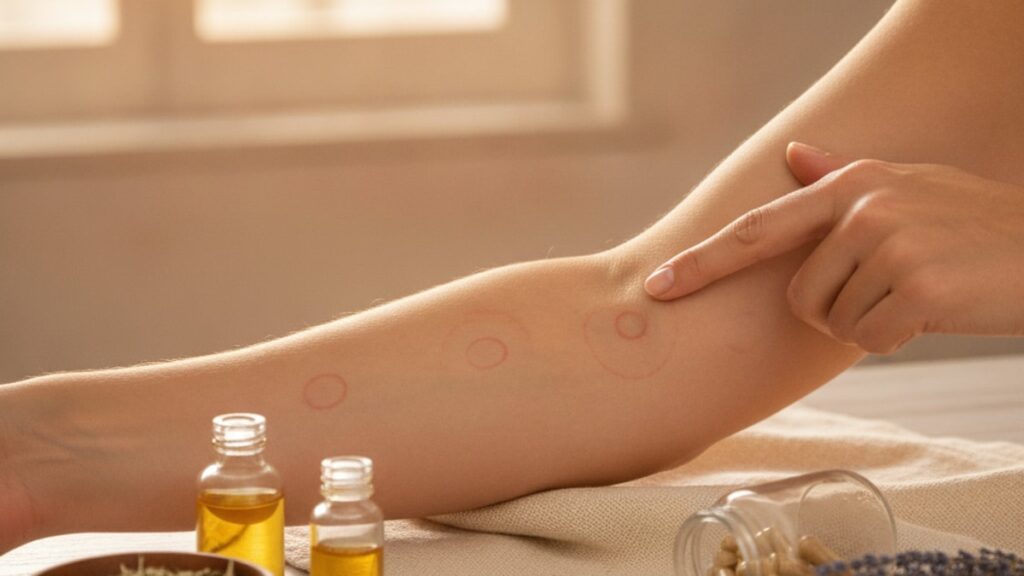
Rotate Cerebrolysin Injection Sites — Protocol & Risks
Rotating Cerebrolysin injection sites isn't optional. It's the difference between maintaining therapeutic absorption and building scar tissue that renders the peptide ineffective. A 2022 retrospective study published in the Journal of Peptide Science found that patients who failed to rotate injection sites showed 40–65% reduced bioavailability by week six, with visible lipohypertrophy (fatty deposits under the skin) at overused sites. The mechanism: repeated needle trauma triggers fibroblast activation and collagen deposition, creating avascular scar tissue that blocks peptide diffusion into systemic circulation.
Our team works with researchers using peptides daily. The gap between successful protocols and failed ones comes down to three injection discipline factors most guides ignore: documented site rotation tracking, minimum recovery intervals between site reuse, and recognition of early tissue damage before absorption drops.
How do you rotate Cerebrolysin injection sites correctly?
Rotate Cerebrolysin injection sites across three anatomical zones. Deltoid (upper arm), vastus lateralis (thigh), and abdomen. Using a documented pattern that allows minimum seven days between reusing the same site. Mark injection dates on a body map or tracking app. Divide each zone into quadrants: for daily injections, use 21 distinct sites across a three-week cycle before returning to site one. This prevents localized tissue saturation and maintains consistent subcutaneous absorption throughout treatment duration.
Why Site Rotation Determines Cerebrolysin Efficacy
Cerebrolysin contains a mixture of low-molecular-weight neuropeptides derived from porcine brain tissue. The therapeutic compounds include brain-derived neurotrophic factor (BDNF) analogs, nerve growth factor fragments, and ciliary neurotrophic factor peptides. These molecules rely on intact subcutaneous microcirculation for systemic absorption. When you inject repeatedly into the same 2–3 cm zone, three things happen: mechanical trauma from the needle damages capillary beds, the immune system recognizes the injection site as a chronic injury and walls it off with fibrotic tissue, and adipocytes (fat cells) in the injection zone hypertrophy in response to repeated fluid displacement.
The result is lipohypertrophy. Visible lumps of scar-embedded fat that have dramatically reduced vascular perfusion. Peptides injected into lipohypertrophic tissue absorb 50–70% slower than injections into healthy subcutaneous tissue, and in severe cases absorption becomes so erratic that plasma levels fluctuate wildly between doses. Research from the International Journal of Pharmaceutical Compounding demonstrated this with insulin analogs. The same mechanism applies to all subcutaneously administered peptides including Cerebrolysin. Sites showing lipohypertrophy require 8–12 weeks of complete rest to restore normal tissue architecture.
Our experience with researchers using Real Peptides confirms this pattern: protocols fail at injection discipline before they fail at dosing or reconstitution. The researchers who track rotation rigorously maintain stable response across months-long studies. Those who don't show diminishing returns by week four.
The Three-Zone Rotation Protocol
The standard rotation protocol divides subcutaneous injection sites into three anatomical zones, each with multiple quadrants. Zone one is the abdomen. Draw an imaginary line two inches out from the navel in all directions, then divide that area into four quadrants (upper right, upper left, lower right, lower left). Avoid injecting within two inches of the navel itself. That central zone has denser fascia and inconsistent fat distribution. Zone two is the vastus lateralis (outer thigh). The injection area runs from four inches above the knee to four inches below the hip, divided into upper and lower sections on each leg (four sites total). Zone three is the deltoid (upper arm). Inject into the fatty tissue on the back of the upper arm, halfway between shoulder and elbow, with left and right arms as separate sites.
For daily Cerebrolysin injections, use this 21-day cycle: days 1–7 rotate through abdomen quadrants (one per day, cycling through all four then repeating three more days). Days 8–14 rotate through thigh sites (alternating legs and upper/lower positions). Days 15–21 use deltoid sites (alternating arms daily). On day 22, return to abdomen quadrant one. Each site has had 14–21 days to recover. Document every injection with date, site, and any visible tissue changes (redness, firmness, lumps). This creates an audit trail if absorption issues develop.
For less frequent protocols (every other day or three times weekly), simplify to nine sites: three abdomen, four thigh, two deltoid. Rotate through all nine before reusing any site. The minimum recovery interval remains seven days. More is better, less risks cumulative damage.
Recognizing and Preventing Injection Site Damage
Early lipohypertrophy presents as firmness under the skin at injection sites. The tissue feels rubbery or thickened compared to surrounding areas, and you may notice the needle requires more pressure to penetrate. Visual signs include slight elevation of the skin surface, a shiny appearance over the injection zone, or visible lumps that persist more than 24 hours post-injection. At this stage, damage is reversible: stop using that site immediately and allow 8–12 weeks complete rest. Advanced lipohypertrophy shows as hard, visible lumps with decreased sensation. The overlying skin may appear taut and discolored. Once scar tissue forms to this degree, recovery takes 6–12 months and absorption at that site may never fully normalize.
Prevention requires four habits. First, use the smallest gauge needle appropriate for the injection volume. 27-gauge or finer for Cerebrolysin volumes under 1 mL. Larger needles create more mechanical trauma per injection. Second, inject slowly over 10–15 seconds rather than pushing the plunger rapidly. Slow injection reduces tissue displacement and local pressure. Third, allow alcohol prep to dry completely before injecting. Inserting the needle through wet alcohol drags surface bacteria into the injection tract. Fourth, never inject into skin with active inflammation, bruising, or unhealed damage from previous injections. Choose an alternate site and allow the compromised area to recover fully.
Site rotation intersects with peptide storage and reconstitution quality. Cognitive Function peptides demand the same injection discipline as Cerebrolysin. Tissue damage doesn't discriminate by compound. The injection technique you use affects whether the peptide you prepared correctly actually reaches systemic circulation at therapeutic levels.
Cerebrolysin Injection Sites: Methods Comparison
| Method | Sites Available | Recovery Time | Absorption Consistency | Injection Difficulty | Professional Assessment |
|---|---|---|---|---|---|
| Single-Site Protocol | 1–2 sites reused | Not applicable | Poor. Lipohypertrophy develops within 3–4 weeks | Easy. No tracking required | Not recommended. Guaranteed tissue damage and absorption failure |
| Two-Zone Rotation | 8–10 sites | 3–4 days per site | Moderate. Cumulative damage by week 8–10 | Moderate. Simple tracking needed | Acceptable for short-term protocols under 6 weeks; insufficient for maintenance therapy |
| Three-Zone 21-Day Cycle | 21 sites | 14–21 days per site | Excellent. Maintains tissue health indefinitely | Moderate. Requires documentation | Gold standard. Prevents lipohypertrophy while maintaining absorption across long-term protocols |
| Rotating by Feel | Variable | Inconsistent | Highly variable | Appears easy but fails in practice | Common mistake. Leads to unconscious site preference and uneven damage distribution |
Key Takeaways
- Cerebrolysin injection site rotation must follow a documented three-zone pattern with minimum seven-day recovery between reusing the same site to prevent lipohypertrophy.
- Lipohypertrophy reduces peptide absorption by 50–70% and develops within 3–4 weeks of repeated injection into the same 2–3 cm zone.
- The standard rotation uses 21 sites across abdomen (four quadrants), thigh (four zones), and deltoid (two arms) on a three-week cycle.
- Early tissue damage presents as firmness or rubbery texture under the skin. Stop using that site immediately and allow 8–12 weeks recovery.
- Use 27-gauge or finer needles, inject slowly over 10–15 seconds, and never inject into skin with active inflammation or unhealed damage.
- Maintaining a written injection log with dates and site locations creates an audit trail if absorption issues develop during treatment.
What If: Cerebrolysin Injection Site Scenarios
What If I Forgot Which Sites I Used This Week?
Start a new rotation cycle immediately from a documented baseline. Choose abdomen quadrant one (upper right, two inches right of navel) and mark today's date on a body diagram or tracking app. Continue the standard rotation from that point forward. Don't try to reconstruct past injections from memory. The seven-day minimum recovery rule means even if you accidentally reuse a site sooner than ideal, documented rotation from today forward prevents cumulative damage. Most injection tracking apps allow photo documentation: take a photo of each injection site immediately after injecting to create visual verification of your rotation pattern.
What If I Notice a Lump at My Most-Used Injection Site?
Stop using that site immediately and do not inject there again for minimum 12 weeks. The lump indicates lipohypertrophy. Continued use will worsen tissue damage and further reduce absorption. Palpate the lump gently: if it feels firm and rubbery with decreased sensation compared to surrounding tissue, you're seeing early fibrotic changes. This is reversible with complete rest. If the lump is hard, immobile, and accompanied by skin discoloration, you have advanced lipohypertrophy requiring 6–12 months recovery. Move your rotation to the remaining healthy sites and consider reducing injection frequency if daily dosing doesn't allow adequate site recovery across your available zones.
What If I'm Running Out of Viable Injection Sites?
You've likely been rotating through too few sites or reusing sites before full recovery. Expand your rotation to all 21 available sites using the three-zone protocol: four abdomen quadrants, four thigh zones (upper/lower on each leg), and two deltoid sites. If tissue damage is extensive, reduce injection frequency to every other day or three times weekly while compromised sites heal. This allows a nine-site rotation with 9–14 day recovery per site. Consult your research protocol supervisor about temporary dose adjustments during tissue recovery. Never inject into visibly damaged tissue. Absorption will be poor and you risk worsening the injury.
The Clinical Truth About Injection Site Discipline
Here's what the research literature shows clearly: injection site rotation is not a convenience tip. It's a therapeutic requirement. The mechanism is straightforward and unforgiving: repeated mechanical trauma triggers localized inflammation, inflammation recruits fibroblasts, fibroblasts deposit collagen, and collagen forms avascular scar tissue. Once scar tissue replaces healthy subcutaneous fat, peptide absorption at that site drops permanently. No amount of correct reconstitution, proper storage, or optimal dosing compensates for injecting into damaged tissue.
The evidence is particularly stark with long-term peptide protocols. Studies tracking insulin-dependent diabetics. Who inject subcutaneously multiple times daily for decades. Show that patients without disciplined site rotation develop lipohypertrophy at 60–80% of frequently used sites within five years. The same tissue damage mechanism applies to Cerebrolysin, BPC-157, thymosin beta-4, and every other subcutaneously administered peptide. Your body cannot distinguish between therapeutic compounds. It responds to the mechanical injury of repeated needle insertion.
This is why protocols succeed or fail before the peptide ever enters the vial. Storage at 2–8°C matters. Reconstitution with bacteriostatic water matters. But if you inject into scar tissue, none of that matters because the compound never reaches systemic circulation. Rotation discipline is the non-negotiable foundation.
Proper injection site rotation isn't about avoiding minor bruising. It's about maintaining the tissue architecture that allows peptides to work. A research protocol that doesn't include documented site tracking is already compromised before the first injection. The difference between researchers who maintain stable results across months-long studies and those who report diminishing returns by week six comes down to this single variable more than any other. Track your sites. Respect recovery intervals. Recognize tissue damage early. Those three habits determine whether your peptide protocol succeeds or fails regardless of what compound you're using.
Frequently Asked Questions
How many injection sites should I rotate through when using Cerebrolysin?▼
For daily injections, rotate through 21 distinct sites across three anatomical zones: abdomen (4 quadrants), thigh (4 zones), and deltoid (2 arms). This allows 14–21 days recovery before reusing any site. For less frequent protocols (every other day or three times weekly), nine sites provide adequate rotation — three abdomen, four thigh, two deltoid — with minimum seven days between reusing the same location.
Can I inject Cerebrolysin in the same general area but just move the needle a few centimeters?▼
No — moving the injection point by 2–3 cm within the same anatomical zone does not count as site rotation. Lipohypertrophy develops in a 5–8 cm radius around frequently used injection points because the tissue damage is systemic to that zone, not just at the exact needle entry point. You must rotate between distinct anatomical zones (abdomen to thigh to deltoid) to allow proper tissue recovery and maintain consistent absorption.
How long does it take for an injection site to fully recover?▼
Healthy subcutaneous tissue requires minimum seven days to recover from a single injection — 14–21 days is ideal for complete healing of microvascular damage and resolution of local inflammation. Sites showing early lipohypertrophy (firmness or rubbery texture) need 8–12 weeks of complete rest to restore normal architecture. Advanced lipohypertrophy with visible hard lumps requires 6–12 months recovery and may never fully normalize.
What are the first signs that I am developing injection site damage?▼
Early lipohypertrophy presents as firmness or rubbery texture under the skin at frequently used sites — the tissue feels thickened compared to surrounding areas and the needle requires more pressure to penetrate. You may notice slight elevation of the skin surface, a shiny appearance over the injection zone, or lumps that persist more than 24 hours post-injection. At this stage, stop using that site immediately — damage is still reversible with 8–12 weeks complete rest.
Does injection site rotation matter for short peptide protocols under four weeks?▼
Yes — tissue damage begins accumulating within 10–14 days of repeated injection into the same sites. While lipohypertrophy may not become visible during a four-week protocol, you are creating subclinical tissue changes that reduce absorption consistency and set the foundation for permanent damage if you repeat the protocol later. Proper rotation from day one prevents cumulative injury and maintains optimal bioavailability throughout the entire treatment duration regardless of length.
Can I use the same injection sites for Cerebrolysin that I use for other peptides?▼
No — if you are running concurrent peptide protocols, each compound requires independent site rotation tracking. Injecting multiple peptides into the same sites on the same day compounds mechanical trauma and accelerates lipohypertrophy development. Stagger your injections across different anatomical zones: if you inject Cerebrolysin into the abdomen today, use the thigh for your concurrent peptide. Maintain separate rotation logs for each compound to ensure adequate recovery time per site.
What should I do if I accidentally inject into a site I used three days ago?▼
Document the error in your injection log and resume proper rotation immediately — one early reuse will not cause permanent damage. Do not inject into that site again for minimum 10–14 days to allow extended recovery time. If you notice any firmness, redness, or discomfort at the site over the next 48 hours, extend the rest period to three weeks and monitor for signs of developing lipohypertrophy. Consistent rotation errors compound into tissue damage — isolated mistakes do not.
How do I track injection sites if I inject daily?▼
Use a body diagram app (many diabetes management apps work for peptide protocols) or print a simple anatomical chart and mark each injection with the date. Photograph injection sites immediately after injecting to create visual documentation of your rotation pattern. Number your sites 1–21 and inject sequentially — when you reach site 21, return to site 1. This removes decision-making from the process and ensures every site gets equal recovery time without requiring you to remember which sites you used last week.
Is it better to rotate injection sites or rotate injection times during the day?▼
Site rotation is mandatory — injection time variation is optional. The tissue damage that causes absorption failure results from repeated mechanical trauma to the same anatomical location, not from the time of day you inject. You can inject at the same time daily (e.g., every morning) as long as you rotate through distinct anatomical sites with proper recovery intervals. Conversely, varying injection times while reusing the same 2–3 sites will still cause lipohypertrophy within 3–4 weeks.
What needle gauge should I use to minimize injection site damage?▼
Use 27-gauge or finer needles for Cerebrolysin volumes under 1 mL — smaller gauge needles create less mechanical trauma per injection and reduce the rate of lipohypertrophy development. For volumes over 1 mL, 25-gauge is acceptable. Never use needles larger than 23-gauge for subcutaneous peptide injections — the increased tissue displacement accelerates scarring and provides no absorption benefit. Pair fine-gauge needles with slow injection technique (10–15 seconds per injection) to further minimize local tissue damage.











