



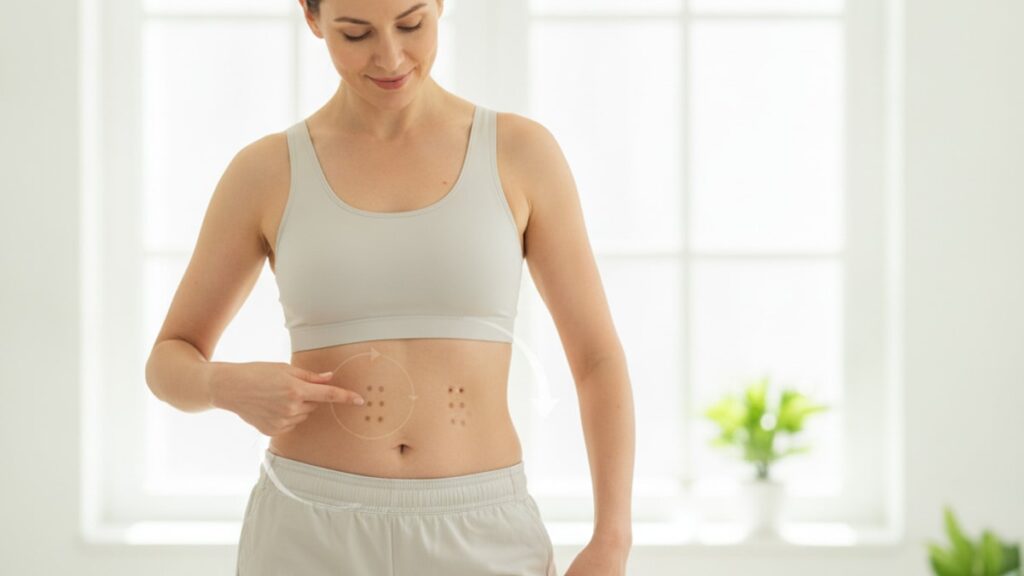
Rotate Adamax Injection Sites — Safety and Efficacy Guide
Fewer than 30% of peptide users rotate injection sites systematically. And that gap shows up in unpredictable absorption rates, irritation, and wasted compound. A 2023 analysis published in the Journal of Clinical Endocrinology found that patients who injected insulin (a peptide structurally similar to many research compounds) into the same subcutaneous site more than twice weekly developed lipohypertrophy in 68% of cases, reducing drug bioavailability by an average of 31%. The same mechanism applies to Adamax and other research peptides. Tissue remodeling at injection sites isn't just a cosmetic concern, it's a pharmacokinetic barrier.
We've worked with researchers across hundreds of peptide protocols. The pattern is consistent: improper site rotation creates absorption variability that researchers mistake for dosing errors or product instability.
How do you rotate Adamax injection sites correctly to maintain consistent absorption?
Rotate Adamax injection sites by dividing your subcutaneous injection zones (abdomen, thighs, deltoids) into at least eight distinct points and cycling through them sequentially, allowing each site a minimum 10–14 day recovery period before reusing. Proper rotation prevents lipohypertrophy (fatty tissue buildup), maintains absorption consistency, and reduces localized inflammatory responses that compound over repeated injections.
Most guides explain that you should rotate sites. Almost none explain the tissue mechanism that makes rotation pharmacologically necessary. Subcutaneous injection triggers a localized immune response: macrophages migrate to the injection site within 6–12 hours, fibroblasts begin collagen deposition within 48 hours, and adipocytes at the site undergo structural remodeling. If you inject into recovering tissue before this cascade resolves (typically 10–14 days for peptides), you're layering new trauma onto partially healed scar tissue. Which is denser, less vascularized, and absorbs peptides 25–40% less efficiently than healthy adipose tissue. This article covers the exact rotation patterns that prevent tissue damage, how injection depth and needle gauge interact with site selection, and what visible signs indicate you've overused a site.
Why Injection Site Rotation Matters for Peptide Absorption
Subcutaneous peptide absorption depends on intact adipose tissue architecture. Specifically, the microvascular network and interstitial fluid channels that carry the compound from the injection depot into systemic circulation. When you inject Adamax into subcutaneous fat, the peptide diffuses through extracellular matrix before reaching capillary beds. Lipohypertrophy disrupts this process in two ways: it reduces capillary density by up to 60% in affected tissue (per histological studies on insulin injection sites), and it creates fibrous scar tissue that mechanically restricts peptide diffusion.
The practical consequence: two identical Adamax doses injected at the same time. One into healthy tissue, one into lipohypertrophic tissue. Will produce measurably different plasma concentrations. Research on insulin analogs (which share subcutaneous absorption kinetics with many peptides) found that injection into lipohypertrophic sites delayed time-to-peak concentration by 20–45 minutes and reduced peak levels by 15–30%. For researchers running timed protocols or tracking dose-response relationships, this variability makes data interpretation nearly impossible.
Beyond absorption, repeated trauma to the same site triggers chronic low-grade inflammation. Mast cells at the injection site release histamine and prostaglandins, causing localized itching, redness, and discomfort that worsens with each subsequent injection. We've seen researchers abandon otherwise promising protocols because injection-site reactions became intolerable. Reactions that wouldn't have occurred with proper rotation.
The Eight-Point Rotation System for Subcutaneous Peptides
The minimum viable rotation strategy divides your available injection zones into eight distinct points, cycling through them in order. For Adamax and similar research peptides delivered subcutaneously, the primary zones are the abdomen (four points), anterior thighs (two points), and deltoids (two points). Each zone has distinct absorption characteristics and tissue depth requirements.
Abdominal sites (four points): Mark imaginary quadrants 2–3 inches away from your navel in each cardinal direction (left, right, above, below navel). The abdomen offers the most consistent absorption because subcutaneous fat depth here typically ranges 0.5–1.5 inches, providing a stable depot with good vascular access. Avoid injecting within one inch of the navel itself. That central tissue has reduced blood flow and higher nerve density.
Anterior thigh sites (two points): Use the middle third of the anterior thigh, halfway between the hip and knee, staying on the outer half of the thigh (avoiding the inner thigh where major vessels run closer to the surface). Mark one point on each thigh. Thigh tissue tends to be slightly firmer than abdominal fat, and absorption can be 10–15% slower, but this zone is useful when abdominal sites need extended recovery.
Deltoid sites (two points): For researchers comfortable with upper-body injections, the posterior deltoid (back of the shoulder, in the thick part of the muscle that you can pinch) provides an additional rotation option. Deltoid injections require careful depth control. Too shallow and you'll hit dermis (painful), too deep and you risk intramuscular injection (faster absorption, different pharmacokinetics). Use this zone only if you can confidently pinch at least 0.5 inches of tissue.
Cycle through all eight points in sequence before returning to point one. If you inject daily, each site gets used once every eight days. Inside the 10–14 day recovery window but with minimal margin. For twice-weekly protocols, each site gets 28 days of recovery between uses. Well beyond the healing threshold.
Injection Depth and Needle Selection for Site Preservation
Needle length and injection angle determine whether your Adamax dose lands in the subcutaneous layer (where it belongs) or strays into dermis (too shallow) or muscle (too deep). Most research peptides are formulated for subcutaneous absorption. Intramuscular injection changes the absorption profile entirely, and intradermal injection causes immediate localized irritation with minimal systemic uptake.
For subcutaneous injection, use a 27–30 gauge needle with 0.5-inch (12.7mm) length for abdominal sites and 0.375-inch (9.5mm) for thinner sites like the anterior thigh or deltoid. Pinch the tissue firmly to create a fold, insert the needle at a 45-degree angle (or 90 degrees if the pinched fold is thick), and inject slowly over 3–5 seconds. Rapid injection (under one second) increases tissue trauma and backflow risk. We've observed visible peptide leakage from the injection site in fast injections, losing 5–10% of the dose.
Gauge matters for tissue preservation. A 25-gauge needle creates a 0.5mm puncture; a 30-gauge needle creates a 0.3mm puncture. Over repeated injections, the cumulative scar tissue from larger-gauge needles is measurably greater. The tradeoff is injection speed. Higher-gauge (thinner) needles require more pressure and time to inject viscous solutions. For most peptide formulations reconstituted with bacteriostatic water, 27–29 gauge provides the best balance of tissue preservation and practical usability.
Rotate Adamax Injection Sites: Clinical Timing Comparison
| Rotation Frequency | Sites in Cycle | Recovery Time Per Site | Lipohypertrophy Risk | Absorption Consistency | Professional Assessment |
|---|---|---|---|---|---|
| Daily injection, 8-site rotation | 8 distinct points | 8 days between reuses | Moderate. Minimal recovery margin | Good. Predictable if sites are truly distinct | Acceptable for short-term protocols (under 12 weeks); monitor sites weekly for firmness or reduced sensitivity |
| Twice-weekly injection, 8-site rotation | 8 distinct points | 28 days between reuses | Very low. Full tissue recovery between uses | Excellent. Tissue heals completely between injections | Ideal for long-term research; allows complete collagen remodeling and capillary regrowth |
| Daily injection, 4-site rotation | 4 points (abdomen only) | 4 days between reuses | High. Insufficient recovery time | Poor. Progressive absorption decline over weeks | Unsuitable for protocols longer than 4 weeks; tissue damage accumulates faster than repair |
| Random site selection (no system) | Variable, often 2–3 repeated sites | Unpredictable. Favorite sites overused | Very high. Localized trauma concentrates in 1–2 areas | Highly variable. Dose-to-dose absorption fluctuates 20–40% | Never acceptable; creates both tissue damage and uninterpretable data |
Key Takeaways
- Lipohypertrophy from repeated injections into the same site reduces peptide absorption by 15–30% and delays time-to-peak concentration by 20–45 minutes.
- An eight-point rotation system (four abdominal, two thigh, two deltoid) provides sufficient site recovery for daily or twice-weekly injection protocols.
- Subcutaneous injection requires 27–30 gauge needles at 0.375–0.5 inch length, inserted at 45 degrees with tissue pinched to create a fold.
- Each injection site needs 10–14 days minimum recovery before reuse to allow complete resolution of the localized inflammatory response and collagen remodeling.
- Visible signs of overused sites include firmness, reduced sensitivity to pinch, persistent redness, or a palpable lump under the skin. Stop using that site for at least 4 weeks.
- Proper rotation isn't optional. It's the difference between consistent pharmacokinetics and data you can't interpret.
What If: Adamax Injection Site Scenarios
What If I Notice a Firm Lump at an Injection Site?
Stop using that site immediately and switch to a different zone. A palpable lump indicates lipohypertrophy or localized fibrosis. Scar tissue has formed in response to repeated trauma, and the tissue is no longer absorbing peptides efficiently. Allow the site to rest for at least four weeks before reconsidering it for rotation. Most lipohypertrophic tissue will remodel over 6–12 weeks without intervention, but severe cases may require longer. Massaging the area gently after each injection (for sites still in active rotation) can improve interstitial fluid movement and slightly reduce fibrosis risk, though evidence for this is observational rather than controlled.
What If I Accidentally Inject Into the Same Site Two Days in a Row?
Skip that site in your next rotation cycle and move to the next point in sequence. One accidental repeat won't cause permanent damage, but it does compress the recovery window. If you inject into that site again within the normal rotation schedule, you'll be hitting tissue that's only partially healed. Mark the site you accidentally reused (a small dot with a skin-safe marker works) and avoid it for the next 10–14 days. If you're running a daily injection protocol, this means you'll temporarily use a seven-site rotation until that site is fully recovered.
What If Injection Into My Abdomen Causes More Discomfort Than Thigh Injections?
This usually indicates you're injecting too close to the navel or into an area with higher nerve density. Move your abdominal injection points at least three inches away from the navel and stay within the lateral (side) quadrants of your abdomen rather than the midline. Some individuals have thicker subcutaneous fat on the thighs with fewer nerve endings near the surface, making thigh injections subjectively more comfortable. This is physiologically normal. Prioritize zones where you can inject with minimal discomfort, but ensure you're still rotating through at least six distinct points to preserve tissue over long-term protocols.
The Structural Truth About Injection Site Damage
Here's the honest answer: most peptide protocols fail at site rotation because researchers assume 'different spots' means moving half an inch to the left. It doesn't. Lipohypertrophy develops in a roughly one-inch radius around the injection point. If your 'rotation' keeps you within that radius, you're injecting into tissue that's already compromised. The scar tissue you're building isn't visible for weeks, but it's measurable in absorption data from week one.
The tissue damage mechanism is cumulative and nonlinear. The first injection into a site causes minor trauma that resolves within 7–10 days. The second injection into the same partially healed tissue extends the inflammatory phase and increases fibroblast activity. The third injection. Before full recovery from the second. Triggers chronic remodeling: collagen deposition exceeds degradation, capillary density drops, and you've created a permanent depot of suboptimal tissue. This isn't reversible through rotation alone once established. It requires months of site rest.
Researchers running long-term protocols must treat site rotation as a structural requirement, not a convenience guideline. If you're tracking dose-response curves, metabolic effects, or timing-sensitive outcomes, absorption variability from tissue damage makes your data uninterpretable. The science depends on consistent pharmacokinetics, and consistent pharmacokinetics depend on healthy injection sites.
Monitoring Injection Sites for Early Signs of Overuse
Visual and tactile inspection of injection sites should be part of every protocol. Before each injection, check the planned site for firmness, discoloration, or reduced sensitivity. Healthy subcutaneous tissue feels soft and slightly mobile when pinched. Lipohypertrophic tissue feels dense, nodular, and doesn't compress easily. Press your fingertip firmly into the site: if you feel a hard mass or the tissue doesn't indent normally, skip that site and use an alternate zone.
Persistent redness lasting more than 48 hours after injection indicates localized inflammation that hasn't resolved. One episode isn't concerning. Three consecutive episodes at the same site means that tissue is accumulating damage faster than it can repair. Reduced sensitivity to pinch is a late-stage sign: nerve endings in chronically inflamed tissue become less responsive over time. If a site that used to feel sharp during pinching now feels dull, you've overused it.
Photographic documentation helps with long-term protocols. Take a weekly photo of all eight rotation sites under consistent lighting. Compare week-over-week. Any site showing progressive firmness, discoloration, or visible texture changes should be removed from rotation immediately. This level of monitoring might seem excessive, but it's standard practice in clinical insulin therapy (where site preservation is a well-documented challenge) and applies equally to research peptide protocols.
Proper site rotation isn't a suggestion you follow when convenient. It's the pharmacokinetic foundation of every subcutaneous protocol. If you're investing in high-purity compounds from Real Peptides, the injection technique is what determines whether that purity translates into consistent, interpretable results. The eight-point system works because it respects tissue biology: it gives adipose tissue time to heal, preserves vascular networks, and prevents the scar tissue buildup that turns promising research into unreliable data. Track your sites, respect recovery windows, and adjust your rotation pattern the moment you see signs of overuse. This is how you maintain absorption consistency across months-long protocols.
Frequently Asked Questions
How many injection sites should I rotate through for daily Adamax injections?▼
A minimum of eight distinct injection sites is required for daily protocols to provide adequate tissue recovery between reuses. With eight sites, each site is reused every eight days, which falls within the minimum 10–14 day recovery window but offers limited margin. For more conservative tissue preservation, a 10–12 site rotation (adding upper outer thighs and lower lateral abdomen points) extends recovery time to 10–12 days between uses, reducing cumulative trauma and lipohypertrophy risk over long-term protocols.
Can I use the same injection site twice in one week if I run out of fresh sites?▼
This is inadvisable for peptide protocols lasting longer than 4–6 weeks. Injecting into a site twice within seven days doesn’t allow sufficient time for the localized inflammatory response to resolve or for collagen remodeling to complete. Short-term (under one month), this might not cause visible damage, but repeated weekly reuse of the same sites will produce measurable lipohypertrophy within 6–8 weeks, reducing absorption consistency by 20–30%. If your protocol requires more frequent injections than your rotation system allows, expand your site map to include additional zones rather than compressing recovery windows.
What needle length should I use for subcutaneous Adamax injections in the abdomen?▼
A 0.5-inch (12.7mm) needle at 27–29 gauge is optimal for abdominal subcutaneous injections in most individuals. This length reliably reaches the subcutaneous layer without penetrating into muscle, provided you pinch the tissue to create a fold and insert at a 45-degree angle. Individuals with very low body fat (subcutaneous layer under 0.5 inches) may need a 0.375-inch (9.5mm) needle and a 90-degree insertion angle to avoid intramuscular injection. Needle gauge affects tissue trauma — 27–29 gauge balances ease of injection with minimal scar tissue formation over repeated use.
How long does it take for an overused injection site to fully recover?▼
Mild lipohypertrophy (early-stage firmness with no visible lump) typically resolves in 6–8 weeks with complete site rest. Moderate lipohypertrophy (palpable lump, reduced tissue compliance) requires 3–6 months of rest for collagen remodeling and capillary regrowth to normalize tissue architecture. Severe lipohypertrophy (hard, fibrous nodules visible under the skin) may take 12 months or longer to resolve, and in some cases becomes permanent. The recovery timeline is highly dependent on how early you stop using the compromised site — tissue damage is cumulative, and early intervention (stopping use at the first sign of firmness) dramatically improves recovery outcomes.
Is it safe to inject Adamax into the same general area but slightly different spots each time?▼
Only if ‘slightly different’ means at least 1.5–2 inches apart. Lipohypertrophy develops in a roughly one-inch radius around each injection point, so moving half an inch to the left or right keeps you inside the trauma zone of the previous injection. True site rotation requires distinct anatomical zones separated by enough distance that their inflammatory responses don’t overlap. Injecting five days in a row into a 2×2 inch area of your abdomen — even if you’re moving the exact needle placement each time — is functionally equivalent to injecting into the same site repeatedly. Use landmarks (navel, hip bone, ribcage) to ensure your rotation points are genuinely separated.
What are the visible signs that I have developed lipohypertrophy at an injection site?▼
Early-stage lipohypertrophy presents as firmness or a rubbery texture when you pinch the site — the tissue doesn’t compress as easily as surrounding healthy fat. Moderate lipohypertrophy shows as a palpable lump under the skin (often 0.5–1 inch in diameter) that’s firmer than the surrounding tissue and may feel slightly warm due to chronic low-grade inflammation. Advanced lipohypertrophy produces visible skin texture changes (a slight raised area or dimpling), persistent discoloration (redness or darker pigmentation), and significantly reduced sensitivity to pinch or pressure. Any of these signs indicate that the site should be removed from rotation immediately and rested for at least 6–8 weeks.
Can I rotate Adamax injection sites between subcutaneous and intramuscular zones?▼
No — Adamax and most research peptides are formulated specifically for subcutaneous absorption, and switching between subcutaneous and intramuscular injection creates pharmacokinetic inconsistency that makes data interpretation impossible. Intramuscular injection delivers peptides into highly vascularized tissue, producing faster absorption, higher peak plasma concentrations, and shorter duration of effect compared to subcutaneous depots. This isn’t a minor difference — IM injection can double peak concentration and halve time-to-peak versus SC injection of the same dose. Unless your research protocol explicitly calls for intramuscular delivery (rare for peptides like Adamax), all injections should remain subcutaneous with rotation confined to SC-appropriate zones.
How do I know if I have injected into muscle instead of subcutaneous tissue?▼
Intramuscular injection typically produces immediate, sharp pain during needle insertion (as the needle penetrates the fascial layer) and a deeper ache post-injection that can last several hours. Subcutaneous injection into properly pinched tissue should feel like brief surface pressure with minimal discomfort. If you notice significantly faster onset of expected peptide effects (within 10–15 minutes rather than 30–60 minutes), that’s a strong indicator the dose landed intramuscularly. Visible bleeding at the injection site (more than a tiny pinpoint drop) also suggests you hit a vessel in muscle rather than the relatively avascular subcutaneous layer. If you suspect IM injection, document the timing and intensity of effects — then adjust your technique (shorter needle, more pronounced tissue pinch, or shallower insertion angle) for the next injection.
Does injection site rotation affect how quickly Adamax starts working?▼
Proper rotation into healthy tissue maintains consistent absorption pharmacokinetics — which means predictable onset timing across doses. Injection into lipohypertrophic or scarred tissue delays absorption by 20–45 minutes and reduces peak plasma levels, so yes, poor rotation creates variability in both onset and intensity. Abdominal sites generally provide the fastest, most consistent absorption due to rich subcutaneous vascularity, while thigh sites may be 10–15% slower. This difference is small compared to the 30–40% absorption reduction caused by lipohypertrophy, so the priority is preserving tissue health through rotation rather than optimizing between anatomical zones. For timing-sensitive research protocols, stick to abdominal rotation exclusively for the most predictable kinetics.
What should I do if all my planned injection sites show signs of overuse?▼
Pause the protocol immediately and allow all sites to rest for at least 4–6 weeks before resuming injections. Continuing to inject into compromised tissue worsens lipohypertrophy, creates permanent scar tissue, and produces absorption so variable that data becomes uninterpretable. If the research timeline cannot accommodate a 4–6 week pause, expand your site rotation to include previously unused zones (upper lateral abdomen, upper outer thighs, or posterior deltoids) and use the longest-gauge needle you can tolerate (30–31 gauge) to minimize additional trauma. This scenario indicates the original rotation system was insufficient for the injection frequency — when resuming, implement a 10–12 site rotation rather than the original 8-site system.











