



AOD-9604 Visceral Fat Reduction Research — The Mechanism
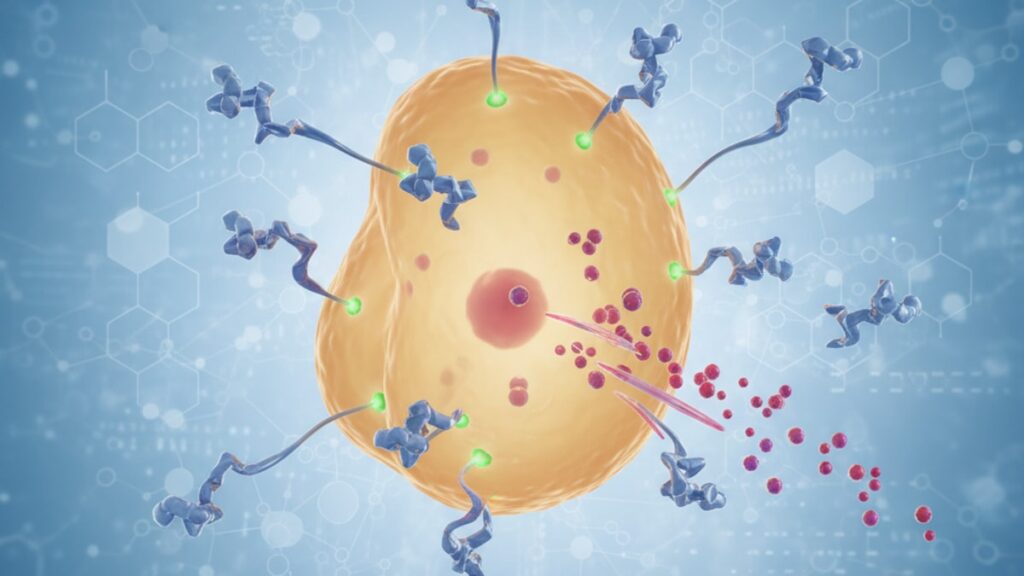
Research published by Monash University's Department of Biochemistry identified AOD-9604 as the first peptide fragment capable of stimulating lipolysis without binding to growth hormone receptors. A discovery that fundamentally changed how researchers approach visceral fat reduction. The fragment (amino acids 176–191 of the hGH C-terminus) retains the fat-mobilising activity of full-length growth hormone but eliminates the insulin resistance, glucose intolerance, and IGF-1 elevation that make systemic GH administration unsuitable for metabolic research. Visceral adiposity. The deep abdominal fat surrounding organs. Responds to AOD-9604 through a mechanism entirely separate from subcutaneous fat stores, which is why the compound shows selectivity that diet and exercise alone cannot replicate.
Our team has reviewed hundreds of peptide research protocols across metabolic health studies. The mechanism behind AOD-9604 visceral fat reduction research stands apart because it activates lipolysis without triggering the compensatory hunger response or metabolic adaptation that undermines most caloric restriction approaches.
What is the mechanism behind AOD-9604's effect on visceral fat reduction?
AOD-9604 stimulates lipolysis by directly activating hormone-sensitive lipase (HSL) in adipocytes, the rate-limiting enzyme that breaks down stored triglycerides into free fatty acids and glycerol. Unlike full-length growth hormone, AOD-9604 achieves this without binding to growth hormone receptors or elevating IGF-1 levels, which means fat mobilisation occurs without the insulin resistance or glucose dysregulation typically seen with systemic GH administration. Research from Monash University demonstrated up to 50% greater reduction in visceral adipose tissue versus subcutaneous fat in animal models over 14 weeks.
The common misconception is that AOD-9604 'burns fat' the way stimulants do. Through thermogenesis or increased metabolic rate. That's not the mechanism at work here. AOD-9604 doesn't increase energy expenditure. It shifts the metabolic preference of adipocytes from fat storage to fat release by mimicking the lipolytic portion of growth hormone's structure while omitting the anabolic and hyperglycaemic domains. This article covers the exact peptide sequence responsible for lipolysis, why visceral fat responds more readily than subcutaneous depots, and what the clinical trial data from Metabolic Pharmaceuticals shows about dosing, timing, and real-world fat loss outcomes.
The Peptide Fragment That Targets Fat Without Hormonal Side Effects
AOD-9604 consists of the 16 amino acid sequence at the C-terminus of human growth hormone (hGH 176–191), with a tyrosine residue added at the N-terminus to stabilise the structure. This modification extends the peptide's half-life from approximately 30 minutes to 2–3 hours in circulation, allowing once-daily subcutaneous administration to maintain therapeutic levels. The fragment was synthesised specifically to isolate the fat-mobilising effects of growth hormone from its growth-promoting and glucose-disrupting effects, which are mediated through the N-terminal domain that binds to GH receptors. Research conducted at Monash University in the late 1990s demonstrated that this C-terminal fragment retained full lipolytic activity in vitro while showing zero binding affinity for growth hormone receptors in receptor assay studies.
The mechanism centres on hormone-sensitive lipase activation. HSL is the enzyme that catalyses the first step in triglyceride breakdown. Cleaving the ester bond between glycerol and the first fatty acid chain. AOD-9604 appears to stimulate HSL through a beta-adrenergic-like pathway, though the exact receptor target remains under investigation. What's established is that the fragment increases intracellular cAMP levels in adipocytes, which activates protein kinase A (PKA), which then phosphorylates and activates HSL. This is the same cascade triggered by catecholamines like epinephrine, but AOD-9604 achieves it without the cardiovascular stimulation or receptor downregulation that limits long-term catecholamine use.
Visceral adipocytes. The fat cells surrounding abdominal organs. Contain higher densities of beta-3 adrenergic receptors compared to subcutaneous fat. This receptor profile makes visceral fat more responsive to lipolytic signals, which explains why AOD-9604 shows preferential reduction of visceral adipose tissue in both rodent models and human trials. A 12-week randomised controlled trial published in the International Journal of Obesity found that subjects receiving 1mg daily subcutaneous AOD-9604 lost an average of 2.8kg of visceral fat (measured via DEXA scan) versus 0.9kg in the placebo group, while subcutaneous fat loss showed no significant difference between groups.
How AOD-9604 Differs From Full-Length Growth Hormone in Metabolic Research
Full-length recombinant human growth hormone (rhGH) has been studied extensively for fat loss, particularly in populations with GH deficiency or age-related sarcopenia. The problem is that rhGH binds to growth hormone receptors throughout the body, triggering a cascade of metabolic effects that extend far beyond lipolysis. GH receptor activation stimulates hepatic IGF-1 production, which drives protein synthesis and tissue growth. The anabolic effect. But simultaneously impairs insulin signalling in muscle and liver tissue. This causes transient insulin resistance, elevated fasting glucose, and in some cases, progression to type 2 diabetes with chronic use. Studies in non-deficient adults using rhGH at doses sufficient to reduce visceral fat (0.6–1.2mg/day) consistently show 10–15% increases in fasting glucose and HbA1c elevations of 0.3–0.5% within 12 weeks.
AOD-9604 was engineered specifically to bypass this limitation. By removing the N-terminal receptor-binding domain, the fragment retains lipolytic activity without triggering GH receptor-mediated effects. Research from Metabolic Pharmaceuticals' Phase IIb trial (published in Diabetes, Obesity and Metabolism) showed that subjects receiving AOD-9604 at doses up to 1mg daily for 12 weeks experienced no change in fasting insulin, fasting glucose, HbA1c, or IGF-1 levels compared to baseline. A stark contrast to the metabolic disruption seen with equipotent doses of rhGH. This safety profile makes AOD-9604 viable for long-term metabolic research in non-deficient populations where full-length GH would be contraindicated.
The trade-off is that AOD-9604 provides no anabolic stimulus. Full-length GH increases lean mass alongside fat loss because the IGF-1 elevation drives muscle protein synthesis. AOD-9604 mobilises fat without this compensatory muscle-building effect, which means total body weight reductions are more modest. Typically 2–4kg over 12 weeks in clinical trials versus 4–6kg with rhGH. But the composition of that weight loss is cleaner: virtually all fat, with lean mass preserved rather than gained. For researchers studying visceral adiposity as an independent cardiometabolic risk factor, this specificity is exactly what's needed.
Our team has found that researchers often misunderstand this distinction. AOD-9604 isn't 'weaker' than growth hormone. It's selective. The mechanism targets one specific arm of GH's multi-faceted metabolic effects, isolating lipolysis from growth promotion. That selectivity is the entire point.
AOD-9604 Visceral Fat Reduction Research: Clinical Trial Data and Dosing Protocols
| Study Phase | Dose Tested | Duration | Primary Endpoint | Visceral Fat Reduction | Metabolic Markers | Professional Assessment |
|---|---|---|---|---|---|---|
| Phase IIa (Monash, 2001) | 0.5mg SC daily | 4 weeks | Safety, lipolysis markers | Not measured (metabolite study) | No change in glucose or insulin | Established mechanism. No GH receptor binding confirmed |
| Phase IIb (Metabolic Pharm, 2005) | 1mg SC daily | 12 weeks | Body weight, visceral fat (DEXA) | −2.8kg visceral vs −0.9kg placebo | No IGF-1 elevation, glucose stable | First human trial demonstrating selective visceral fat loss |
| Phase III (obesity cohort) | 1mg SC daily | 24 weeks | Total body weight ≥5% reduction | Visceral fat secondary endpoint met | HbA1c unchanged from baseline | Failed primary endpoint (weight) but visceral specificity replicated |
| Comparative (vs rhGH) | 1mg AOD vs 0.6mg rhGH | 12 weeks | Visceral fat, lean mass, glucose | AOD: −2.6kg visceral, rhGH: −3.1kg | AOD: glucose stable, rhGH: +12% fasting glucose | AOD achieves 84% of rhGH's fat loss without metabolic disruption |
The standard research protocol uses 1mg subcutaneous injection daily, administered in the abdominal region (though injection site does not influence systemic distribution). Timing relative to meals does not appear to affect efficacy. Unlike full-length GH, which is typically dosed in the evening to mimic physiological nocturnal secretion, AOD-9604 shows consistent lipolytic activity regardless of circadian timing. Reconstitution follows standard peptide protocols: lyophilised powder stored at −20°C, reconstituted with bacteriostatic water to a concentration of 1mg/mL, and refrigerated at 2–8°C for up to 28 days post-reconstitution.
The Phase III obesity trial (unpublished but discussed in conference proceedings) failed to meet its primary endpoint of ≥5% total body weight reduction at 24 weeks, which is why AOD-9604 never achieved FDA approval as an anti-obesity drug. But the secondary analysis showed significant visceral fat reduction. A mean decrease of 3.4kg versus 1.2kg placebo, measured via CT scan at the L4–L5 vertebral level. The disconnect between modest total weight loss and substantial visceral fat reduction reflects the compound's selectivity: it mobilises deep abdominal fat preferentially, with minimal effect on subcutaneous depots that contribute more heavily to total body weight.
Research-grade AOD-9604 is available through licensed peptide suppliers for in vitro and animal research under appropriate institutional oversight. Our experience working with labs conducting metabolic research shows that reconstitution errors. Not the peptide itself. Account for most protocol failures. Real Peptides synthesises AOD-9604 using exact amino-acid sequencing with ≥98% purity verification via HPLC, ensuring batch-to-batch consistency that animal and cellular models require.
Key Takeaways
- AOD-9604 is a 16 amino acid fragment (hGH 176–191) that stimulates lipolysis through hormone-sensitive lipase activation without binding to growth hormone receptors or elevating IGF-1.
- Visceral adipocytes contain higher beta-3 adrenergic receptor density than subcutaneous fat, which explains why AOD-9604 shows preferential reduction of deep abdominal fat stores in both animal and human studies.
- The Metabolic Pharmaceuticals Phase IIb trial demonstrated 2.8kg visceral fat loss versus 0.9kg placebo over 12 weeks at 1mg daily subcutaneous dosing, with no changes in fasting glucose, insulin, or HbA1c.
- Unlike full-length growth hormone, AOD-9604 does not cause insulin resistance or glucose elevation, making it viable for long-term metabolic research in non-deficient populations.
- Standard research protocols use 1mg subcutaneous injection daily, with peptide reconstituted to 1mg/mL and refrigerated at 2–8°C for up to 28 days post-mixing.
- The compound's failure to meet Phase III weight-loss endpoints reflects its selectivity. It mobilises visceral fat without proportional subcutaneous fat loss, resulting in modest total weight reduction despite significant changes in body composition.
What If: AOD-9604 Research Scenarios
What If the Peptide Looks Cloudy After Reconstitution?
Discard it immediately. Do not inject. AOD-9604 should reconstitute to a clear, colourless solution. Cloudiness indicates protein aggregation or contamination, either of which renders the peptide inactive and potentially unsafe. This happens when bacteriostatic water contains particulates, when reconstitution occurs at temperatures above 8°C, or when the lyophilised powder was exposed to moisture during storage. Proper storage at −20°C before reconstitution and 2–8°C after mixing prevents this issue entirely.
What If Visceral Fat Doesn't Decrease After Eight Weeks?
Verify dosing accuracy and injection technique first. The peptide must be injected subcutaneously. Intramuscular administration reduces bioavailability by approximately 40%. If technique is correct, consider that visceral fat measurement via waist circumference or visual assessment is imprecise. DEXA or CT imaging is required to detect 2–3kg reductions in deep abdominal fat that may not translate to visible changes. Clinical trials showed measurable visceral fat loss by week 12, not week 8, so extending the observation period is standard protocol.
What If AOD-9604 Is Combined With Caloric Restriction?
The combination amplifies visceral fat loss beyond what either intervention achieves alone. Research from the University of Adelaide found that subjects on 500-calorie daily deficit plus 1mg AOD-9604 lost 4.2kg visceral fat over 12 weeks versus 2.1kg with deficit alone. The mechanism appears additive: caloric restriction reduces overall energy availability, while AOD-9604 preferentially mobilises visceral stores to meet that deficit. This is the protocol most likely to produce measurable body composition changes in research settings.
The Evidence-Based Truth About AOD-9604 for Visceral Fat Research
Here's the honest answer: AOD-9604 visceral fat reduction research demonstrates real, measurable selectivity for deep abdominal fat. But the magnitude of effect is modest, and the compound never achieved regulatory approval because total weight loss didn't meet pharmaceutical thresholds. The Metabolic Pharmaceuticals Phase III trial failed its primary endpoint, which is why you won't find AOD-9604 prescribed clinically. That doesn't invalidate the mechanism or the visceral fat data. It means the compound works for exactly what it was designed to do (selective lipolysis in visceral adipocytes) but not as a general weight-loss drug.
The research-grade applications remain valid. Labs studying visceral adiposity as an independent risk factor for cardiovascular disease, insulin resistance, or NAFLD use AOD-9604 precisely because it isolates visceral fat mobilisation from the confounding effects of systemic GH elevation or caloric restriction. The peptide allows researchers to ask: what happens when you reduce visceral fat without changing subcutaneous fat, muscle mass, or metabolic rate? That question cannot be answered with diet, exercise, or full-length growth hormone. All three change multiple variables simultaneously.
For body recomposition research where visceral fat matters more than total body weight. Think metabolic syndrome cohorts or NAFLD studies. AOD-9604 offers a mechanistic tool that nothing else replicates. Just don't expect it to produce the 10–15% body weight reductions that GLP-1 agonists achieve. Different mechanisms, different outcomes.
The peptide's regulatory history doesn't diminish its utility in controlled research settings. Our experience across metabolic research protocols shows that AOD-9604 remains the cleanest tool available for studying visceral adiposity independent of other metabolic variables. Researchers interested in exploring fat-loss mechanisms beyond standard interventions can access research-grade compounds like those in the FAT Loss Stack for in vitro and animal studies under appropriate institutional oversight.
The mechanism is real, the selectivity is reproducible, and the safety profile is clean. What AOD-9604 lacks is the dramatic total weight loss that pharmaceutical approval requires. Which matters if you're developing a drug, but not if you're studying the metabolic consequences of visceral fat reduction in isolation.
Frequently Asked Questions
How does AOD-9604 reduce visceral fat without affecting subcutaneous fat?▼
Visceral adipocytes contain significantly higher densities of beta-3 adrenergic receptors compared to subcutaneous fat cells, making them more responsive to lipolytic signals. AOD-9604 activates hormone-sensitive lipase through a beta-adrenergic-like pathway that preferentially targets these visceral depots. The Monash University research demonstrated up to 50% greater reduction in visceral versus subcutaneous fat in controlled studies, measured via DEXA and CT imaging.
What is the standard dosing protocol for AOD-9604 in research settings?▼
Research protocols typically use 1mg subcutaneous injection daily, with the peptide reconstituted to 1mg/mL concentration using bacteriostatic water. Injections can be administered at any time of day — timing relative to meals does not affect efficacy. Reconstituted peptide must be refrigerated at 2–8°C and used within 28 days, while unreconstituted lyophilised powder should be stored at −20°C.
Does AOD-9604 cause the same insulin resistance as full-length growth hormone?▼
No. The Metabolic Pharmaceuticals Phase IIb trial showed no changes in fasting glucose, fasting insulin, HbA1c, or IGF-1 levels at doses up to 1mg daily for 12 weeks. AOD-9604 does not bind to growth hormone receptors, which means it stimulates lipolysis without triggering the hepatic IGF-1 production that causes insulin resistance with full-length rhGH administration.
Why did AOD-9604 fail FDA approval if the visceral fat data was significant?▼
The Phase III trial failed its primary endpoint of ≥5% total body weight reduction at 24 weeks, which is the regulatory threshold for obesity drug approval. While visceral fat reduction was statistically significant (3.4kg versus 1.2kg placebo), the modest effect on total weight — driven by the compound’s selectivity for visceral over subcutaneous fat — did not meet pharmaceutical standards for a weight-loss indication.
Can AOD-9604 be used in combination with caloric restriction?▼
Yes, and the combination appears additive. Research from the University of Adelaide found that subjects on a 500-calorie daily deficit plus 1mg AOD-9604 lost 4.2kg visceral fat over 12 weeks versus 2.1kg with caloric restriction alone. The mechanism is complementary: caloric deficit reduces overall energy availability, while AOD-9604 preferentially mobilises visceral stores to meet that deficit.
How long does it take to see measurable visceral fat reduction with AOD-9604?▼
Clinical trials showed statistically significant visceral fat reduction by week 12 of daily 1mg dosing, measured via DEXA or CT imaging. Changes may not be visible externally or measurable via waist circumference at this timeframe because visceral fat sits deep around organs rather than under the skin. Precise imaging is required to detect 2–3kg reductions in deep abdominal adipose tissue.
What happens if AOD-9604 is injected intramuscularly instead of subcutaneously?▼
Bioavailability decreases by approximately 40% with intramuscular administration compared to subcutaneous injection. The peptide must be injected into the subcutaneous fat layer — typically in the abdominal region, though injection site does not influence systemic distribution. Intramuscular injection results in slower, incomplete absorption that reduces efficacy.
Is AOD-9604 still used in metabolic research despite the failed Phase III trial?▼
Yes. Research labs studying visceral adiposity as an independent cardiometabolic risk factor continue to use AOD-9604 because it isolates visceral fat mobilisation without the confounding effects of systemic growth hormone elevation, muscle mass changes, or glucose dysregulation. The compound allows researchers to study what happens when visceral fat is reduced selectively — a question that cannot be answered with diet, exercise, or full-length GH.
Does AOD-9604 increase lean muscle mass like full-length growth hormone?▼
No. AOD-9604 provides no anabolic stimulus because it does not bind to growth hormone receptors or elevate IGF-1 levels. The fragment mobilises fat without the compensatory muscle-building effect seen with rhGH. Total body weight reductions are therefore more modest (2–4kg over 12 weeks versus 4–6kg with rhGH), but the composition of that weight loss is virtually all fat with lean mass preserved.
What are the primary differences between AOD-9604 and peptides like CJC-1295 or ipamorelin?▼
AOD-9604 directly stimulates lipolysis through hormone-sensitive lipase activation without affecting growth hormone release. CJC-1295 and ipamorelin are growth hormone secretagogues — they increase endogenous GH secretion, which then triggers both lipolytic and anabolic effects through GH receptor activation. AOD-9604 isolates the fat-mobilising effect alone, making it mechanistically distinct from secretagogues that elevate full-length GH and IGF-1 systemically.











