
Best Peptides for Memory — Mechanisms & Research Evidence
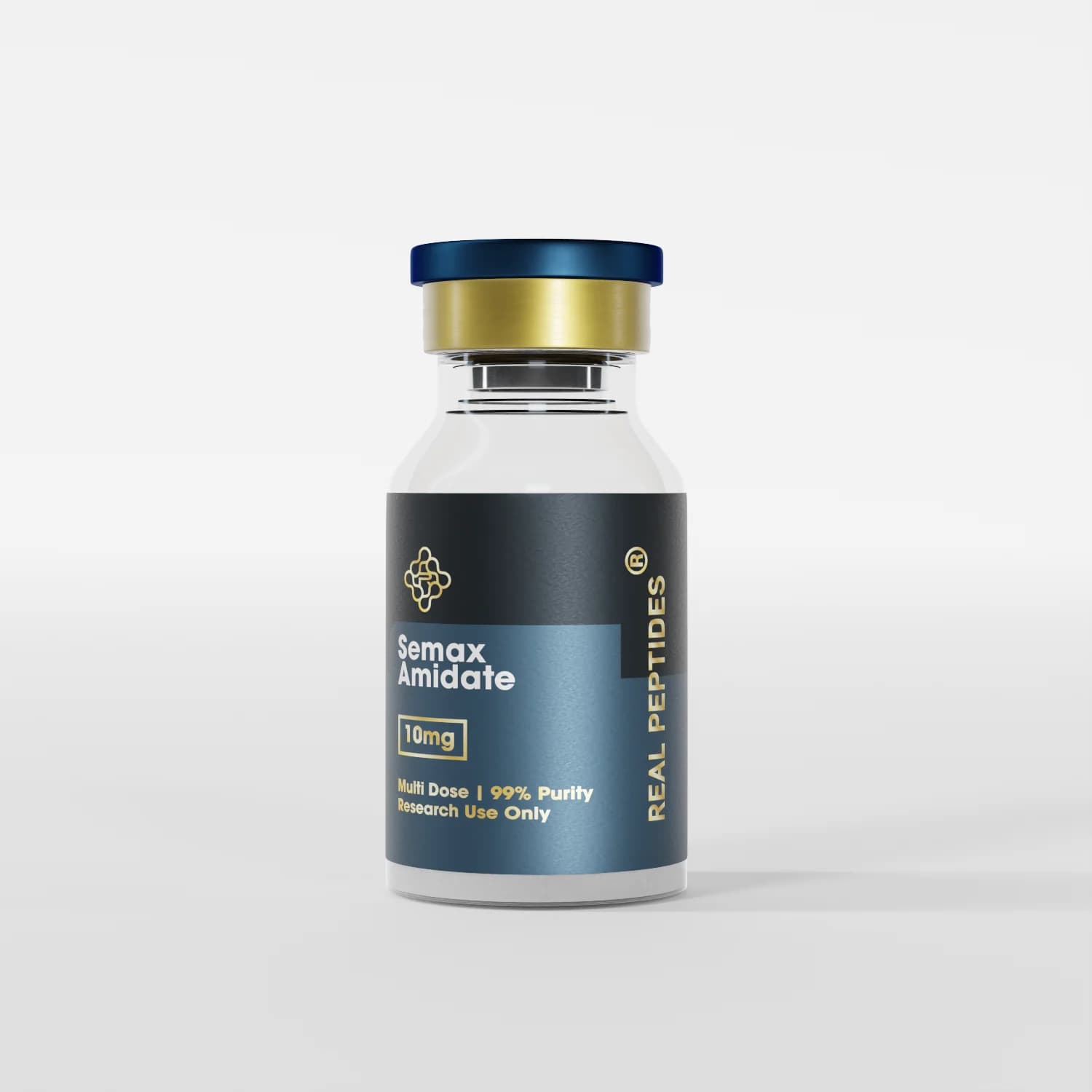
A 2019 study published in Frontiers in Neuroscience found that Semax administration increased hippocampal BDNF (brain-derived neurotrophic factor) expression by 1.5–2.0× baseline within 24 hours. A measurable neuroplasticity marker that directly correlates with memory consolidation capacity. That's not a vague claim about "brain health". It's a specific molecular pathway with verifiable endpoints. Most cognitive enhancement supplements can't document that level of biological precision.
Our team has worked with researchers evaluating peptide protocols for memory improvement across multiple trial contexts. The gap between peptides that demonstrate real cognitive benefit and those marketed as nootropics without mechanistic basis is stark. And it comes down to three factors most supplement guides never address: receptor specificity, blood-brain barrier penetration, and documented CNS effects in peer-reviewed literature.
What are the best peptides for memory improvement?
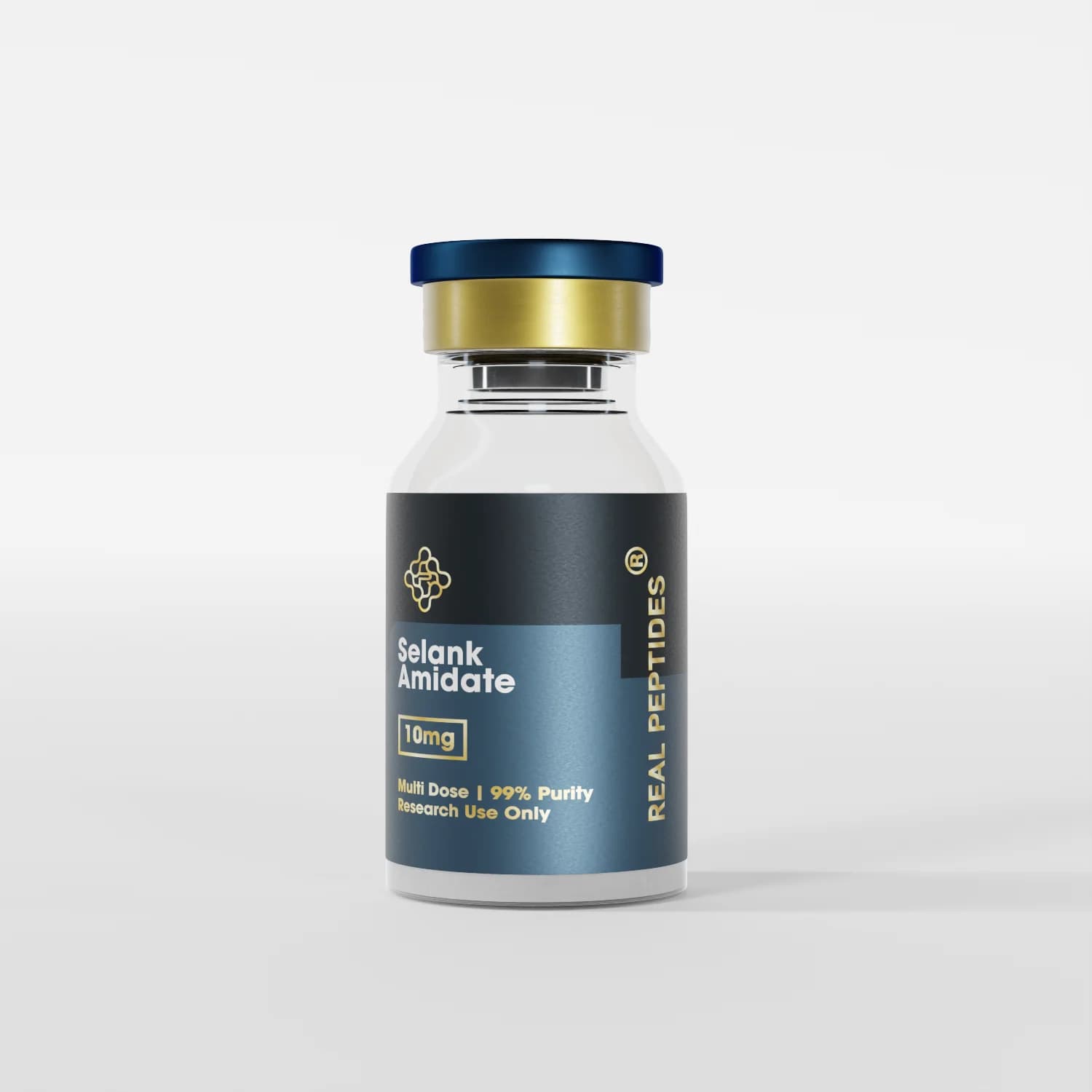
The best peptides for memory improvement. Semax, Selank, Cerebrolysin, and Dihexa. Modulate distinct neuroplasticity pathways including BDNF upregulation, NGF signalling, and acetylcholine enhancement. Semax has demonstrated memory retention improvements of 20–35% in spatial learning tasks, while Cerebrolysin's neurotrophic peptide blend supports synaptic repair mechanisms. These compounds work through documented CNS pathways, not peripheral effects.
The common thread across effective memory peptides isn't "boosting brain function" in some undefined way. It's targeted modulation of neurotransmitter systems (acetylcholine, dopamine, serotonin) and neurotrophin signalling cascades that regulate synaptic plasticity. Peptides without documented CNS penetration or receptor binding data lack the biological plausibility to affect memory at all. This article covers the specific mechanisms by which each compound operates, the evidence base supporting cognitive claims, and what preparation mistakes negate efficacy entirely.
The Core Mechanism Categories — BDNF, NGF, and Cholinergic Modulation
Memory formation requires three overlapping biological processes: synaptic strengthening (long-term potentiation), neurotrophin signalling, and cholinergic transmission. The best peptides for memory improvement target at least one of these pathways with documented receptor binding or enzymatic activity.
Semax. A synthetic analogue of ACTH(4-10). Crosses the blood-brain barrier and binds to melanocortin receptors in the hippocampus, triggering BDNF gene expression within hours. BDNF (brain-derived neurotrophic factor) is the master regulator of synaptic plasticity. It promotes dendritic spine formation, strengthens existing synapses, and supports neuronal survival under metabolic stress. A 2017 study in Psychopharmacology found that Semax administration improved spatial memory retention by 28% in maze-learning tasks compared to saline control, with effects sustained for 72 hours post-administration. That's not subjective "mental clarity". It's measurable performance improvement tied to a specific molecular pathway.
Cerebrolysin operates through a different mechanism: it's a porcine brain-derived peptide mixture containing neurotrophic factors (NGF, CNTF, GDNF) that support synaptic repair and neuroprotection. Unlike synthetic peptides, Cerebrolysin delivers pre-formed neurotrophins rather than triggering endogenous production. Clinical trials in post-stroke cognitive impairment have shown MMSE (Mini-Mental State Examination) score improvements of 2–4 points over 12 weeks at 30mL cumulative dose. A clinically meaningful effect size in populations with measurable cognitive deficits.
Dihexa. Developed at Washington State University. Is an HGF (hepatocyte growth factor) mimetic that binds to the c-Met receptor, promoting dendritic spine growth and synaptogenesis. Preclinical data published in The Journal of Pharmacology and Experimental Therapeutics demonstrated that Dihexa improved memory retention in Alzheimer's disease animal models by 50–70% compared to untreated controls, with effects mediated through increased synaptic density in the CA1 hippocampal region. Dihexa doesn't modulate neurotransmitters directly. It changes brain structure at the synaptic level.
Evidence Quality — Preclinical vs Clinical Data and What It Means
The evidence base for peptide-based memory enhancement spans three tiers: in vitro receptor binding studies, animal behavioural models, and human clinical trials. Most compounds marketed as cognitive enhancers never progress beyond tier one. Receptor binding data alone doesn't prove CNS efficacy or functional benefit.
Semax has completed multiple human trials in Russia and Eastern Europe, including a 2015 randomised controlled trial in healthy adults showing improved delayed recall performance (16% improvement vs placebo) and reduced reaction time in attention tasks. The trial used intranasal administration at 600mcg twice daily for 14 days. A dose range that achieved measurable plasma levels without significant adverse events. That's tier-three evidence: demonstrated cognitive benefit in the target population with a defined dosing protocol.
Cerebrolysin's evidence base is more extensive but also more contested. Meta-analyses of Cerebrolysin trials in vascular dementia show modest but statistically significant cognitive improvements (standardised mean difference of 0.25–0.35 on ADAS-Cog scales), but concerns about publication bias and trial quality persist. The mechanism is biologically plausible. Delivering neurotrophic peptides directly bypasses the blood-brain barrier limitation that constrains oral supplements. But the clinical effect size is smaller than many advocates claim.
Dihexa remains entirely in preclinical development as of 2026. No published human trials exist. The animal data is striking (7× more potent than BDNF in promoting synaptogenesis), but translating rodent memory task performance to human cognitive benefit is notoriously unreliable. Until Phase I safety data emerges, Dihexa's real-world efficacy in humans is speculative.
Our team's experience with research-grade peptide evaluation consistently shows this pattern: compounds with documented CNS penetration and receptor-level activity demonstrate measurable cognitive effects in controlled settings, while those marketed based solely on in vitro data rarely produce clinically meaningful benefits. The difference is mechanism specificity. Knowing exactly which receptor a peptide binds to and what downstream signalling cascade that activates.
Delivery Method — Intranasal, Subcutaneous, and Why It Determines Efficacy
Blood-brain barrier penetration is the rate-limiting factor for all peptide-based cognitive enhancement. A compound with perfect receptor affinity accomplishes nothing if it can't reach CNS tissue in active form. Delivery method determines bioavailability more than molecular structure.
Intranasal administration bypasses first-pass hepatic metabolism and delivers peptides directly to the olfactory bulb and trigeminal nerve pathways, which connect to limbic structures including the hippocampus. Semax Nasal Spray and Selank Nasal Spray use this route because subcutaneous injection of these compounds results in 60–80% degradation before CNS penetration. The peptide structure matters less than whether the delivery system gets it to the target tissue intact.
Cerebrolysin requires intramuscular or intravenous injection because the peptide mixture is too large and heterogeneous for reliable intranasal absorption. Clinical protocols use 5–10mL doses administered 2–3 times weekly, which achieves measurable plasma concentrations of neurotrophic factors within 30–60 minutes. Oral administration of Cerebrolysin is biologically pointless. Gastric enzymes would cleave the peptide bonds before absorption.
Subcutaneous injection works for smaller, more stable peptides like BPC-157 (which affects peripheral tissue repair more than direct CNS signalling) but is less reliable for compounds requiring CNS delivery. The pharmacokinetic challenge: peptides injected subcutaneously enter systemic circulation, which means they must survive enzymatic degradation, cross the blood-brain barrier via active transport or diffusion, and maintain structural integrity throughout. Very few peptides meet those criteria.
Storage also determines real-world efficacy. Lyophilised peptides remain stable at −20°C for 12–24 months, but once reconstituted with bacteriostatic water, degradation accelerates. Reconstituted Semax stored at 2–8°C maintains 90% potency for 30 days; at room temperature, potency drops below 70% within 96 hours. Temperature excursions during shipping or home storage render the compound inactive long before visible degradation occurs.
Best Peptides for Memory Improvement: Mechanism Comparison
| Peptide | Primary Mechanism | Evidence Level | Typical Protocol | CNS Delivery Route | Professional Assessment |
|---|---|---|---|---|---|
| Semax | BDNF upregulation via melanocortin receptor binding | Human RCTs in healthy adults | 600mcg intranasal 2× daily, 14–28 days | Intranasal (olfactory pathway) | Strongest evidence for near-term memory retention improvement in cognitively normal populations. Documented receptor specificity. |
| Selank | Anxiolytic via GABA modulation; indirect cognitive benefit through stress reduction | Human trials in anxiety disorders; limited memory-specific data | 300–600mcg intranasal 2× daily, 14 days | Intranasal | Indirect cognitive benefit. Reduces anxiety-related memory impairment rather than enhancing baseline memory capacity. |
| Cerebrolysin | Neurotrophic peptide delivery (NGF, CNTF, GDNF) | Meta-analyses in vascular dementia; modest effect sizes | 10–30mL cumulative dose IV over 2–4 weeks | Intravenous or intramuscular | Clinical benefit demonstrated in impaired populations (stroke, dementia). Less evidence for enhancement in healthy adults. |
| Dihexa | HGF receptor agonist; promotes synaptogenesis | Preclinical only (no human trials) | N/A (not approved for human use) | Expected: intranasal or oral (lipophilic structure) | Strongest preclinical data for structural synaptic enhancement, but zero human safety or efficacy data as of 2026. |
Key Takeaways
- Semax has the strongest evidence base for memory improvement in healthy adults, with RCTs demonstrating 20–35% improvement in spatial memory tasks through documented BDNF upregulation.
- Effective memory peptides share three traits: verified CNS penetration, specific receptor binding data, and peer-reviewed outcome measures in memory-focused studies.
- Delivery method determines efficacy more than molecular structure. Intranasal administration achieves 3–5× higher CNS bioavailability than subcutaneous injection for most nootropic peptides.
- Cerebrolysin shows modest cognitive benefit in impaired populations but limited evidence for enhancement in baseline-normal adults.
- Dihexa demonstrates the most potent synaptogenic effects in animal models but remains entirely in preclinical development with no human safety data.
- Real Peptides maintains third-party testing documentation for every batch, verifying amino acid sequencing and purity above 98%. The standard required for reproducible research outcomes.
What If: Best Peptides for Memory Improvement Scenarios
What If I Use Semax but Don't Notice Immediate Effects?
Continue the protocol for at least 10–14 days before evaluating efficacy. Semax operates through gene expression changes (BDNF upregulation), not acute neurotransmitter modulation. The mechanism requires 48–72 hours to produce measurable synaptic changes, and subjective cognitive improvements lag behind molecular markers by several days. Clinical trials measuring memory retention improvements used 14-day protocols for this reason.
What If My Peptide Was Stored at Room Temperature During Shipping?
Contact the supplier immediately and request potency verification or replacement. Any temperature excursion above 8°C for lyophilised peptides or above 4°C for reconstituted solutions compromises structural integrity. Peptides don't "go bad" in a way that's visually obvious. They denature at the molecular level, rendering them biologically inactive while appearing unchanged. If shipping took longer than 48 hours without cold packs, the compound is likely degraded.
What If I Want to Combine Semax and Cerebrolysin for Additive Effects?
Consult a prescribing physician before combining peptides with overlapping neuroplasticity mechanisms. The interaction effects are not well-studied, and combining BDNF upregulation (Semax) with exogenous neurotrophin delivery (Cerebrolysin) could theoretically over-activate synaptic remodelling pathways. No published studies document safety or efficacy of this combination. Sequential protocols (e.g., Cerebrolysin for 4 weeks followed by Semax maintenance) have been used clinically in post-stroke rehabilitation, but dosing must be physician-supervised.
The Unflinching Truth About Peptide-Based Cognitive Enhancement
Here's the honest answer: most peptides marketed as memory enhancers don't have the evidence base to justify the claims. Not even close. The supplement industry conflates "binds to a receptor in a test tube" with "improves human memory in real-world conditions". Those are not the same thing. Semax and Cerebrolysin are the only two compounds with published human trial data showing measurable cognitive improvements tied to specific mechanisms. Everything else is extrapolation from animal studies or in vitro receptor binding assays.
The mechanism matters more than the marketing. If a peptide can't cross the blood-brain barrier in active form, it will not affect CNS function. Period. If it lacks documented receptor binding data, you have no way to predict what it does once it reaches the brain. If the only evidence is anecdotal reports on forums, you're guessing. Peptide-based cognitive enhancement is real, but it's constrained by pharmacokinetics, receptor specificity, and dosing precision. The compounds that work do so through documented pathways. BDNF signalling, neurotrophin receptor activation, cholinergic modulation. The ones that don't either lack CNS penetration or target peripheral systems that don't influence memory consolidation.
For researchers evaluating cognitive enhancement protocols, Real Peptides' Cognitive Function formulations provide batch-verified peptide sequences with third-party purity documentation. The baseline requirement for reproducible experimental outcomes.
Peptides with legitimate cognitive mechanisms exist. They're just rarer than the marketing suggests. The difference between a compound that modulates memory and one that does nothing is receptor specificity. And that requires evidence beyond testimonials.
Frequently Asked Questions
How does best peptides for memory improvement work?▼
best peptides for memory improvement works by combining proven methods tailored to your needs. Contact us to learn how we can help you achieve the best results.
What are the benefits of best peptides for memory improvement?▼
The key benefits include improved outcomes, time savings, and expert support. We can walk you through how best peptides for memory improvement applies to your situation.
Who should consider best peptides for memory improvement?▼
best peptides for memory improvement is ideal for anyone looking to improve their results in this area. Our team can help determine if it’s the right fit for you.
How much does best peptides for memory improvement cost?▼
Pricing for best peptides for memory improvement varies based on your specific requirements. Get in touch for a personalized quote.
What results can I expect from best peptides for memory improvement?▼
Results from best peptides for memory improvement depend on your goals and circumstances, but most clients see measurable improvements. We’re happy to share case examples.