
Research notes
Blog
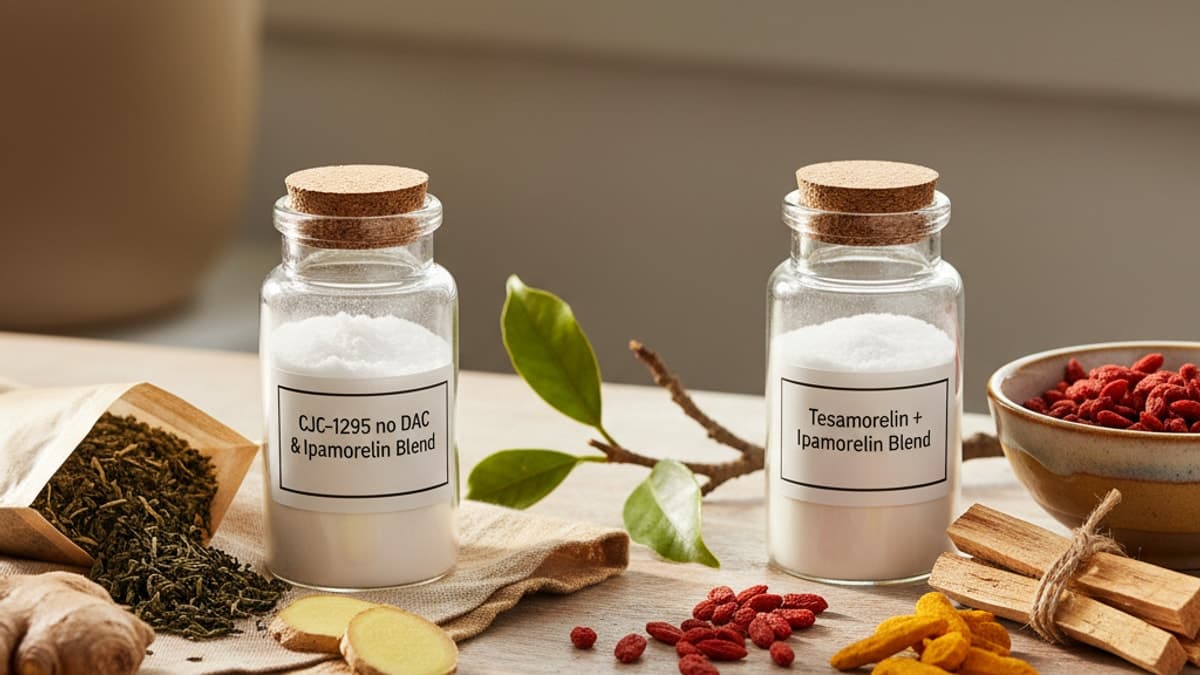
CJC-1295/Ipamorelin vs Tesamorelin/Ipamorelin Blend
CJC-1295/Ipamorelin offers sustained GH release with longer half-life. Tesamorelin/Ipamorelin targets visceral fat more precisely. Compare mechanisms,

CJC-1295 no DAC & Ipamorelin vs Sermorelin Comparison
CJC-1295 no DAC plus Ipamorelin delivers dual-pathway GH stimulation with fewer side effects than Sermorelin. Clinical comparison of protocols,

CJC-1295 no DAC & Ipamorelin vs Hexarelin Comparison
CJC-1295 no DAC with Ipamorelin offers sustained growth hormone release with minimal side effects, while Hexarelin provides rapid GH spikes with

CJC-1295 No DAC & Ipamorelin vs MK-677 — Which Is Better?
CJC-1295/Ipamorelin stimulates pulsatile GH release mimicking natural rhythms, while MK-677 provides constant elevation. Each offers distinct advantages

CJC-1295 No DAC & Ipamorelin vs GHRP-2: Which Is Better?
CJC-1295 no DAC paired with Ipamorelin offers sustained growth hormone pulse elevation with fewer cortisol spikes than GHRP-2 — here’s the mechanism.

CJC-1295 No DAC & Ipamorelin vs IGF-1 LR3 Comparison
CJC-1295/Ipamorelin targets pulsatile GH release; IGF-1 LR3 bypasses pituitary for direct anabolic action. Compare mechanisms, half-lives, suppression

CJC-1295 no DAC & Ipamorelin vs GHRP-6 Acetate Comparison
CJC-1295 no DAC + Ipamorelin offers dual-axis GH stimulation with minimal cortisol elevation, while GHRP-6 drives higher ghrelin spikes — here’s what

GHK-Cu Cosmetic vs Glow Stack: Which Better? | Real Peptides
GHK-Cu Cosmetic vs Glow Stack which better comparison: direct mechanisms, bioavailability differences, and honest performance data from peptide research
GHK-Cu vs GHK-Cu Cosmetic — Which Peptide Works Better?
GHK-Cu (copper peptide) outperforms cosmetic variants in bioavailability and tissue repair — learn the structural differences, stability factors, and why

AHK-Cu vs TB-500: Which Better Comparison | Real Peptides
AHK-Cu vs TB-500 which better comparison depends on your research focus: AHK-Cu excels in tissue regeneration and wound healing, while TB-500 drives
GHK-Cu vs Glow Stack — Which Peptide Stack Works Better?
GHK-Cu increases collagen synthesis by 70% through direct fibroblast stimulation, while Glow Stack combines multiple peptides for broader anti-aging
AHK-Cu vs GHK-Cu: Which Peptide Works Better?
AHK-Cu shows faster collagen synthesis in vitro, while GHK-Cu demonstrates broader wound healing and anti-inflammatory effects across clinical trials.

AHK-Cu vs GHK-Cu: Which Peptide Works Better for Skin?
AHK-Cu penetrates deeper and stimulates collagen synthesis faster than GHK-Cu, but GHK-Cu offers broader anti-inflammatory benefits. Here’s the breakdown.
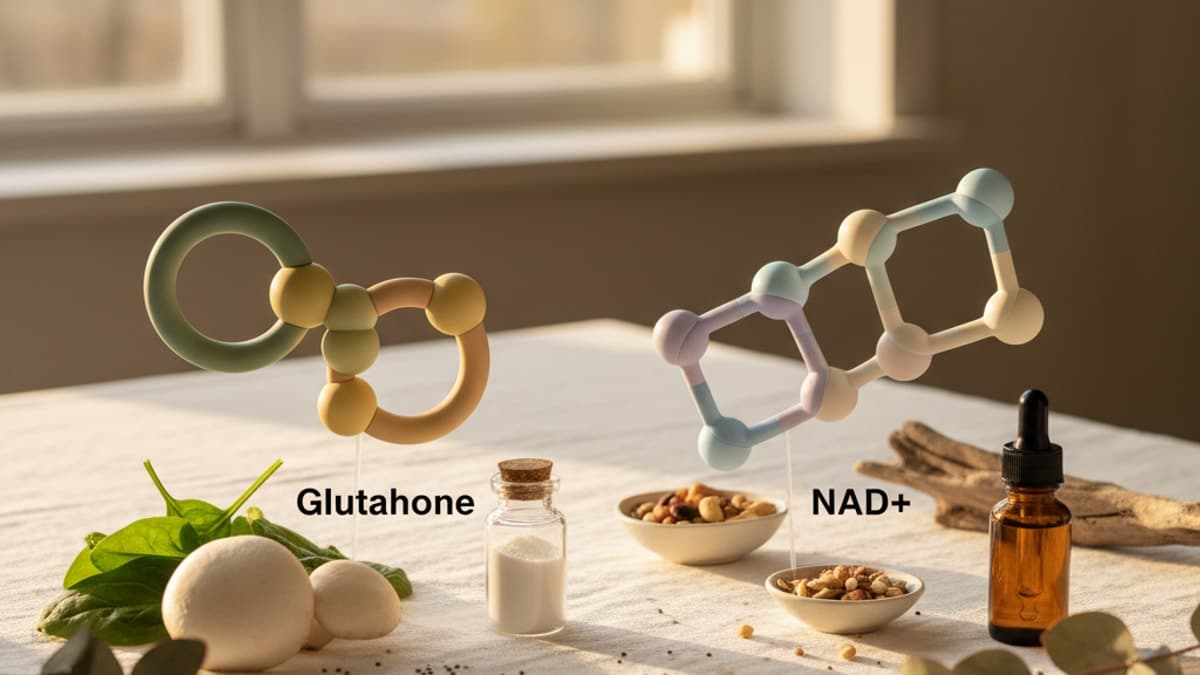
Glutathione vs NAD+ — Which Better for Longevity?
Glutathione and NAD+ target different cellular mechanisms — glutathione neutralizes oxidative damage while NAD+ powers mitochondrial energy production and

Glutathione vs LIPO-C: Which Better for Fat Loss & Health?
Glutathione supports detox and cellular health systemically, while LIPO-C targets fat metabolism directly through methionine and choline — both serve

Glutathione vs Melatonin: Which Better for Health?
Glutathione and melatonin serve entirely different biological roles—one is a master antioxidant protecting cells from oxidative damage, the other

NAD+ vs SS-31: Which Is Better? — Real Peptides
NAD+ vs SS-31: which better comparison? Both target mitochondrial function but through different mechanisms — NAD+ replenishes cellular energy currency

Epithalon vs NAD+: Which Outperforms? | Real Peptides
Epithalon activates telomerase; NAD+ powers mitochondria. Each targets aging differently — we compare mechanisms, research evidence, and real-world
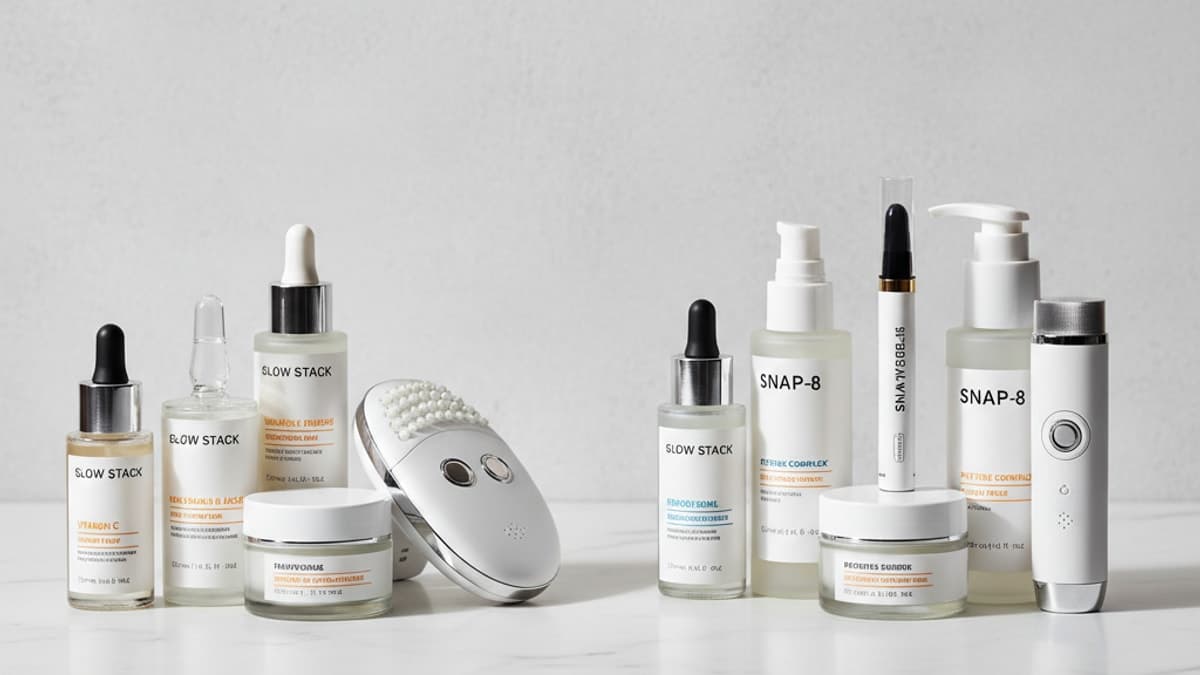
Glow Stack vs Snap-8: Which Better for Wrinkles?
Glow Stack combines multiple peptides while Snap-8 targets expression lines alone. Both work through acetylcholine inhibition but differ in mechanism

Epithalon vs FOXO4-DRI: Research Peptide Comparison
Epithalon targets telomerase activation for cellular aging, while FOXO4-DRI clears senescent cells. Different mechanisms, different research applications.

Epithalon vs Pinealon: Which Is Better? | Real Peptides
Epithalon vs Pinealon which better comparison: Epithalon excels for longevity and telomerase activation, while Pinealon targets CNS repair and

Epithalon vs Melatonin: Which Better for Longevity Research?
Epithalon targets telomerase activity and cellular aging pathways, while melatonin regulates circadian rhythms and oxidative stress. Both show distinct

FOXO4-DRI vs NAD+: Which Better for Longevity Research?
FOXO4-DRI targets senescent cells through apoptosis induction, while NAD+ replenishes cellular energy cofactors — both mechanisms address aging through

MOTS-c vs NAD+: Which Is Better? | Real Peptides
MOTS-c vs NAD+ which better comparison depends on your goals: MOTS-c targets mitochondrial efficiency and metabolic function, while NAD+ supports cellular
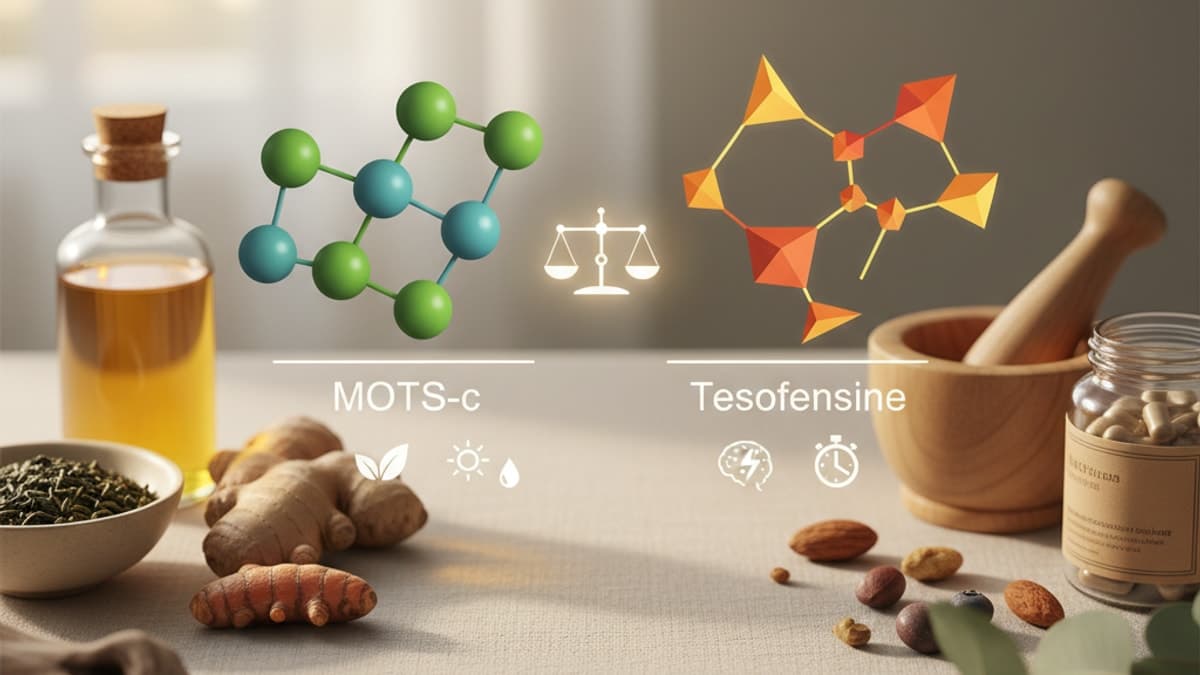
MOTS-c vs Tesofensine: Which Is Better? | Real Peptides
MOTS-c supports mitochondrial metabolism through AMPK activation; tesofensine suppresses appetite via monoamine reuptake. Both work differently—here’s

FOXO4-DRI vs P21: Which Senolytic Peptide Works Better?
FOXO4-DRI targets p53-mediated senescent cell apoptosis while P21 blocks CDK pathways — different mechanisms, different applications, neither universally
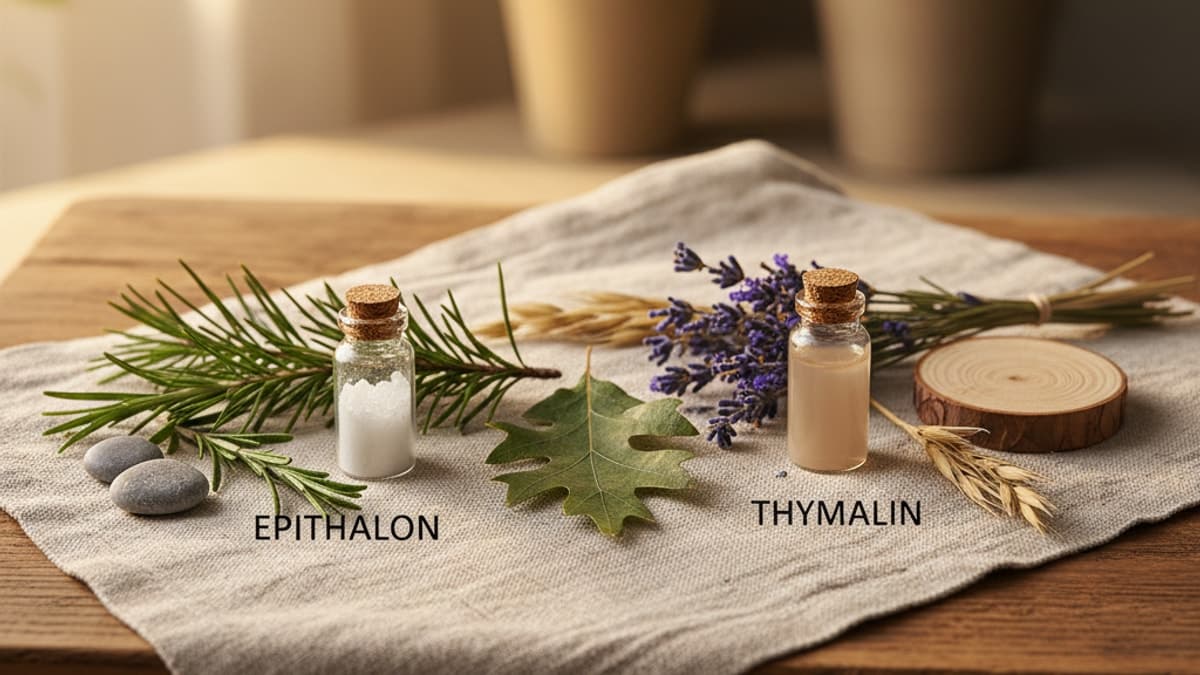
Epithalon vs Thymalin: Which Better? | Real Peptides
Epithalon activates telomerase for cellular longevity; Thymalin restores thymic function for immune response. Both target aging through distinct pathways.

MOTS-c vs SS-31: Which Peptide Works Better?
MOTS-c targets mitochondrial metabolism for energy and longevity, while SS-31 protects cristae structure under oxidative stress — neither is universally

MOTS-c vs SLU-PP-332: Which Peptide Works Better?
MOTS-c activates AMPK for metabolic support, while SLU-PP-332 targets mitochondrial function. Both show distinct mechanisms—here’s which suits your

5-Amino-1MQ vs MOTS-c: Which Is Better? | Real Peptides
5-Amino-1MQ blocks NNMT for direct metabolic effects while MOTS-c activates AMPK via mitochondrial signaling — the mechanisms differ fundamentally despite

5-Amino-1MQ vs Tesofensine: Which Is Better? | Real Peptides
5-Amino-1MQ targets NNMT enzyme for cellular fat oxidation; Tesofensine blocks reuptake of three neurotransmitters for appetite suppression. Mechanism

AOD-9604 vs Tirzepatide — Which Works Better for Fat Loss?
AOD-9604 vs Tirzepatide which better comparison: tirzepatide delivers 15–20% body weight reduction in trials, while AOD-9604 lacks Phase 3 evidence.

5-Amino-1MQ vs AOD-9604: Which Peptide Works Better?
5-Amino-1MQ targets NNMT to shift metabolism toward fat oxidation, while AOD-9604 mimics growth hormone’s lipolytic region — mechanism differences
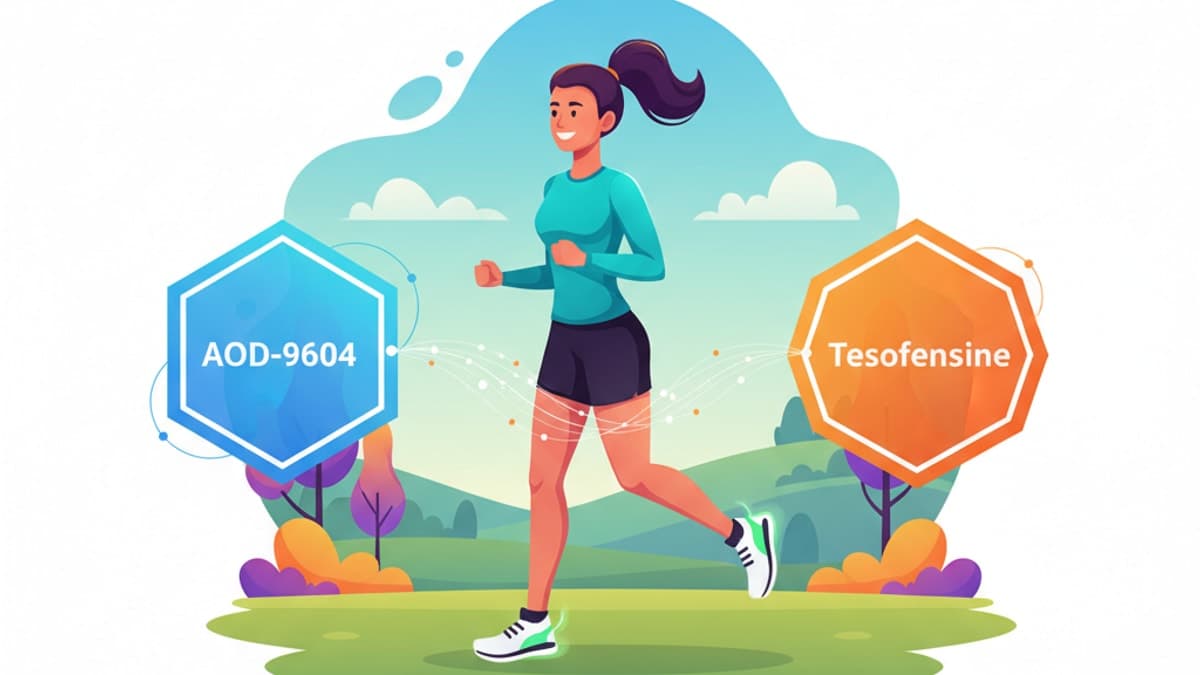
AOD-9604 vs Tesofensine: Which Is Better for Fat Loss?
AOD-9604 targets lipolysis without insulin effects; tesofensine inhibits reuptake across three pathways. Direct comparison of mechanisms, efficacy, and
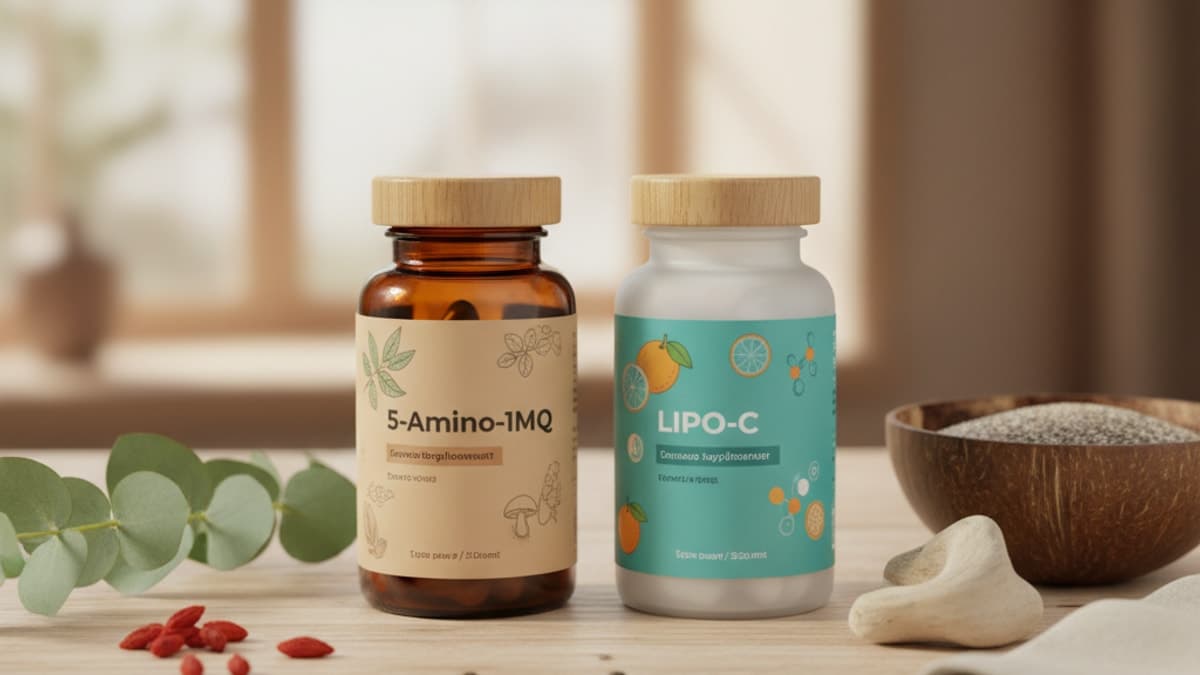
5-Amino-1MQ vs LIPO-C: Which Better for Fat Loss Research?
5-Amino-1MQ targets NNMT enzyme blockade for metabolic shifts; LIPO-C combines lipotropic compounds for hepatic fat transport. Compare mechanisms,
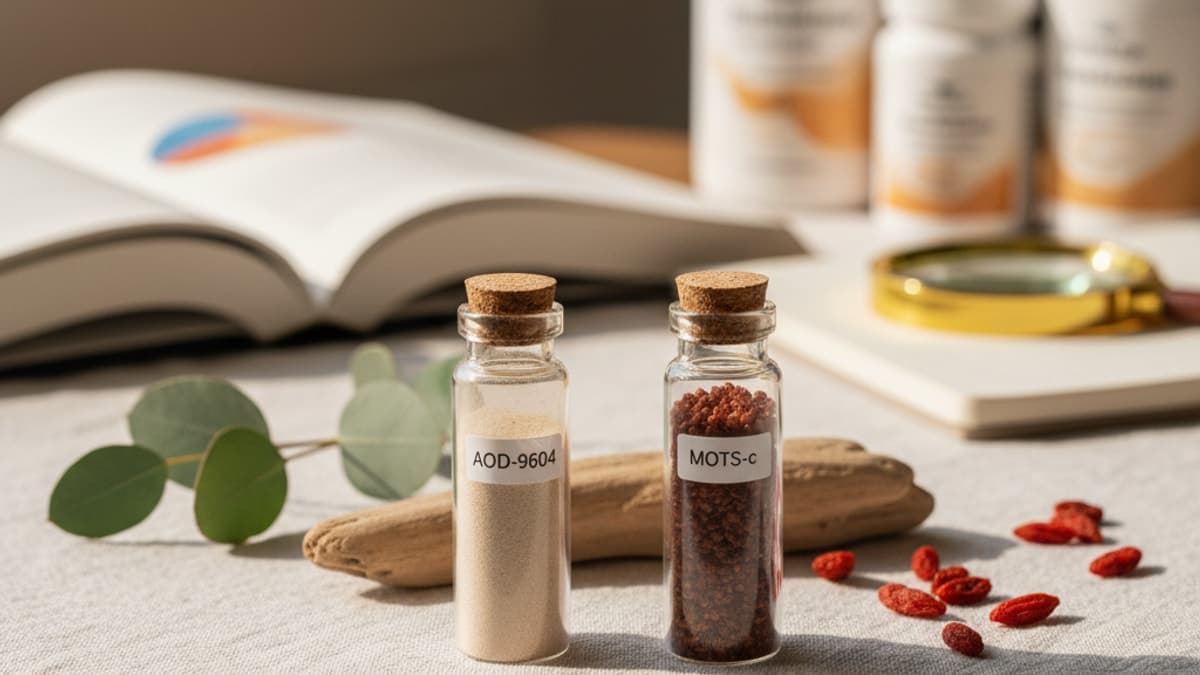
AOD-9604 vs MOTS-c: Which Peptide Wins? | Real Peptides
AOD-9604 targets fat metabolism directly through lipolysis, while MOTS-c enhances mitochondrial efficiency. Research shows distinct mechanisms with
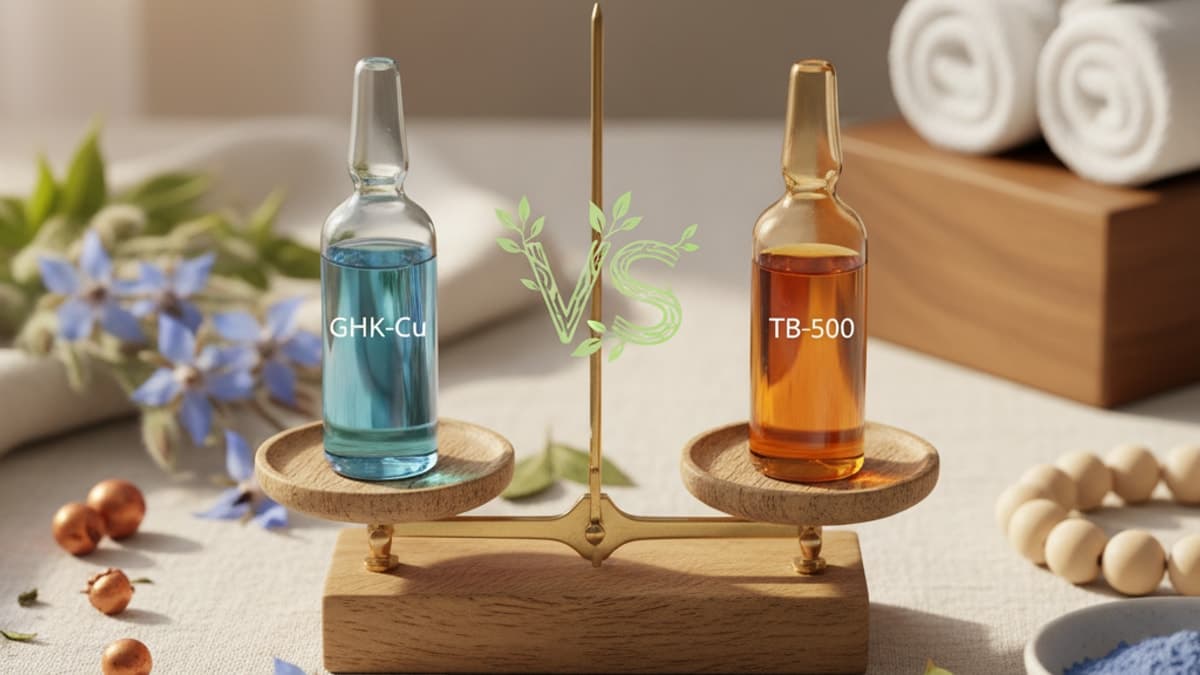
GHK-Cu vs TB-500: Which Is Better? — Real Peptides
GHK-Cu excels in skin repair and collagen synthesis; TB-500 targets deep tissue and systemic healing. Application determines which outperforms.
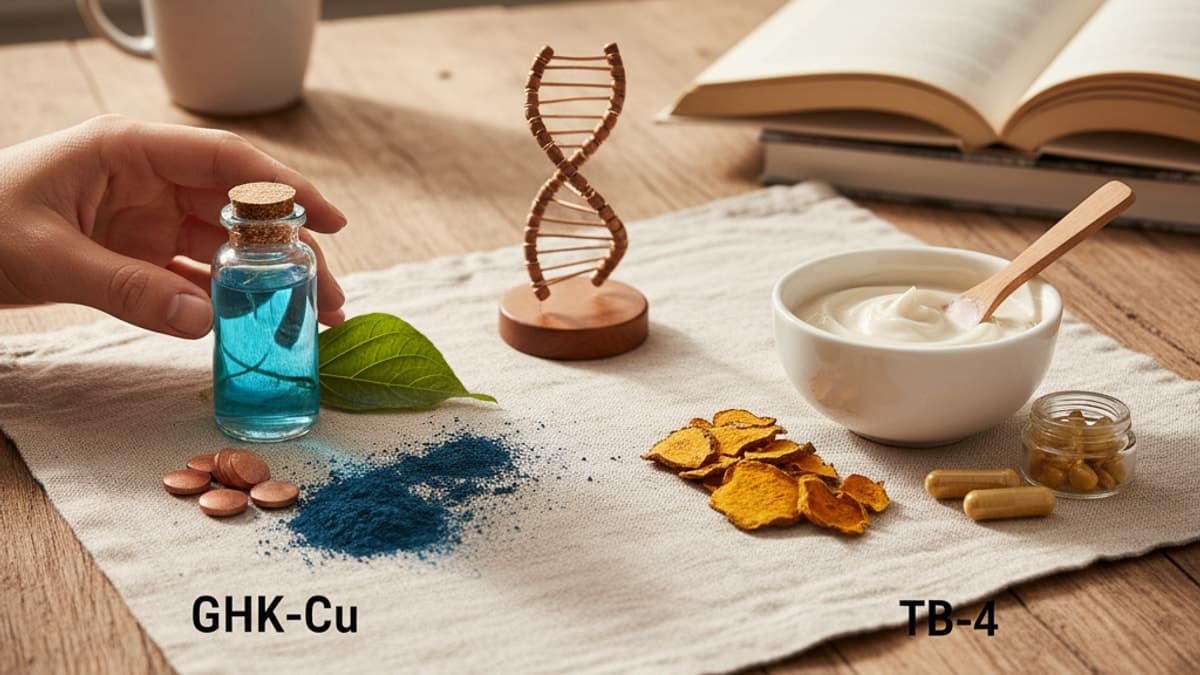
GHK-Cu vs TB-4: Which Is Better? | Real Peptides
GHK-Cu excels at collagen synthesis and skin regeneration, while TB-4 targets systemic inflammation and tissue repair. Here’s which peptide fits your

GHK-Cu vs KLOW: Which Better for Recovery? | Real Peptides
GHK-Cu delivers collagen synthesis and wound healing through direct copper-peptide binding. KLOW modulates inflammation without the tissue repair cascade

GHK-Cu vs Snap-8: Which Better for Anti-Aging Research?
GHK-Cu stimulates collagen synthesis through copper-dependent enzymatic pathways while Snap-8 inhibits SNARE complex formation reducing expression

GHK-Cu vs Snap-8: Which Peptide Delivers Better Results?
GHK-Cu stimulates collagen synthesis while Snap-8 inhibits muscle contraction. Both work through distinct mechanisms — here’s which peptide suits your

TB-500 vs Wolverine Stack: Which Better for Recovery?
TB-500 promotes systemic healing via thymosin beta-4 upregulation. The Wolverine Stack layers BPC-157 with TB-500 for targeted tissue repair and faster

BPC-157 vs Cartalax — Which Better for Recovery?
BPC-157 accelerates tissue repair through angiogenesis; Cartalax supports musculoskeletal longevity via gene regulation. Both work differently — here’s

BPC-157 vs LL-37: Research-Grade Peptide Comparison
BPC-157 excels in tissue repair via angiogenesis; LL-37 targets immune modulation and antimicrobial defense. Both serve distinct research roles in lab
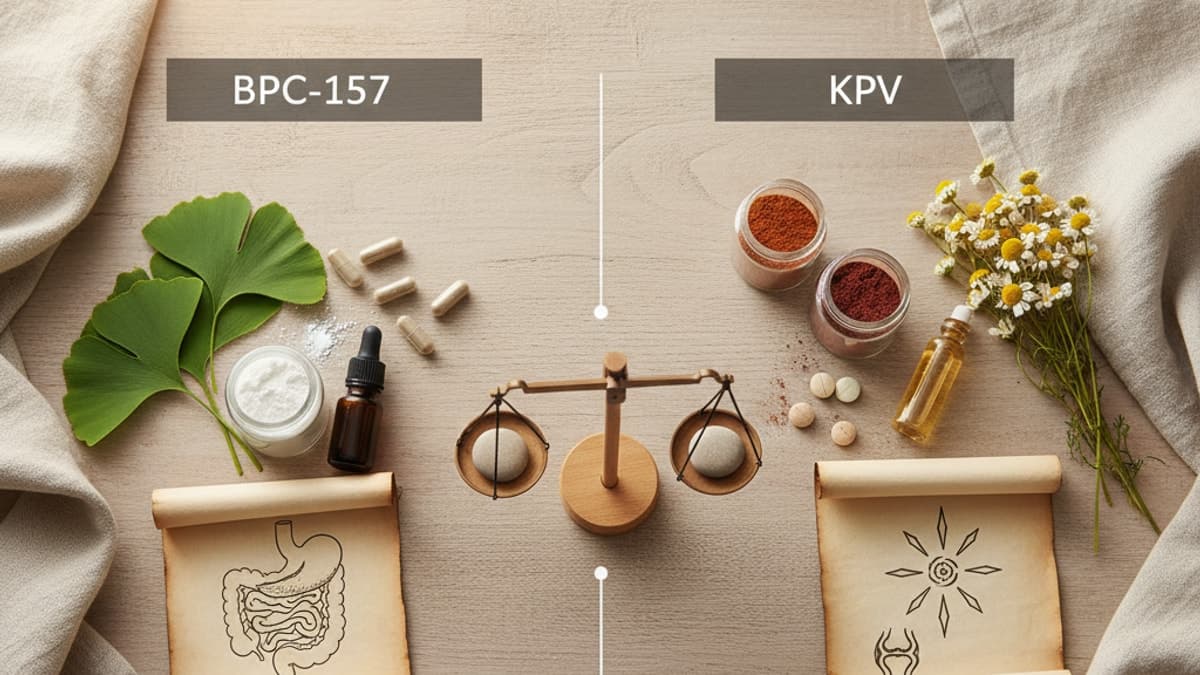
BPC-157 vs KPV: Which Peptide Better? | Real Peptides
BPC-157 excels at tissue repair; KPV targets inflammation. Both suppress inflammatory cascades but via different pathways — choose based on research goals.

BPC-157 vs GHK-Cu: Which Better? | Real Peptides
BPC-157 accelerates tissue repair through angiogenesis; GHK-Cu targets inflammation and collagen synthesis. Both work—your research goal determines which
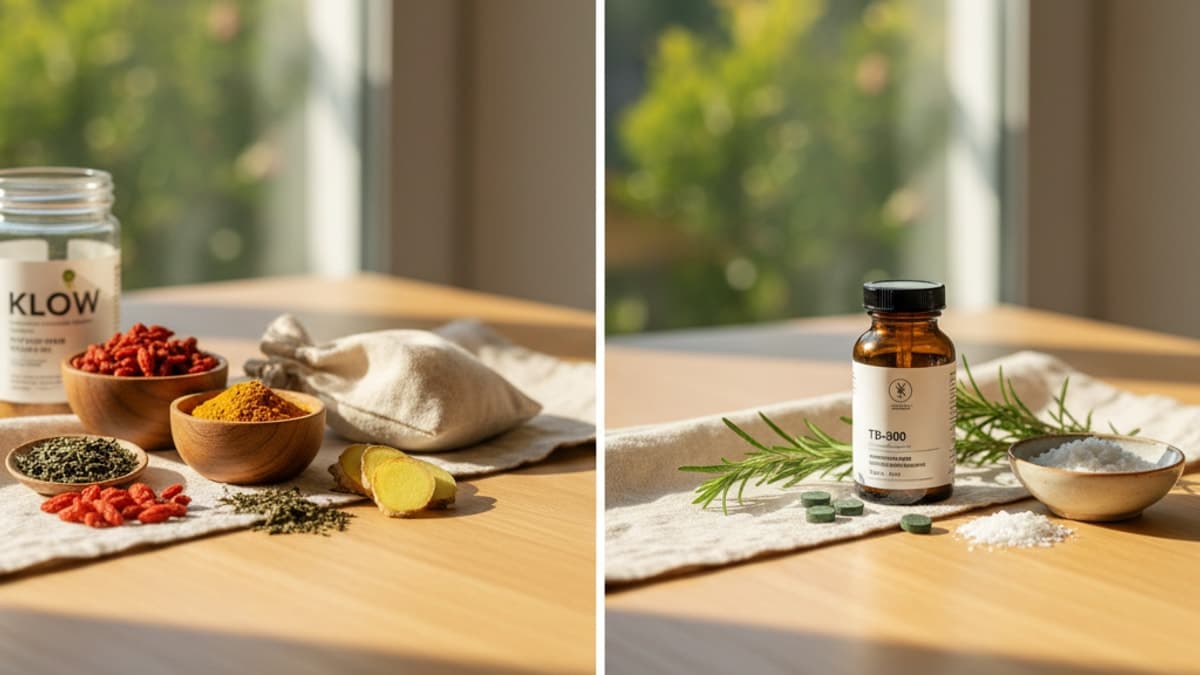
KLOW vs TB-500: Which Better Comparison | Real Peptides
KLOW and TB-500 serve different recovery pathways — KLOW focuses on systemic inflammation while TB-500 targets tissue repair mechanisms directly.

TB-4 vs Wolverine Stack: Which Protocol Delivers Better
TB-4 accelerates tissue repair via direct actin polymerization, while Wolverine Stack combines BPC-157 and TB-500 for systemic regeneration — here’s what
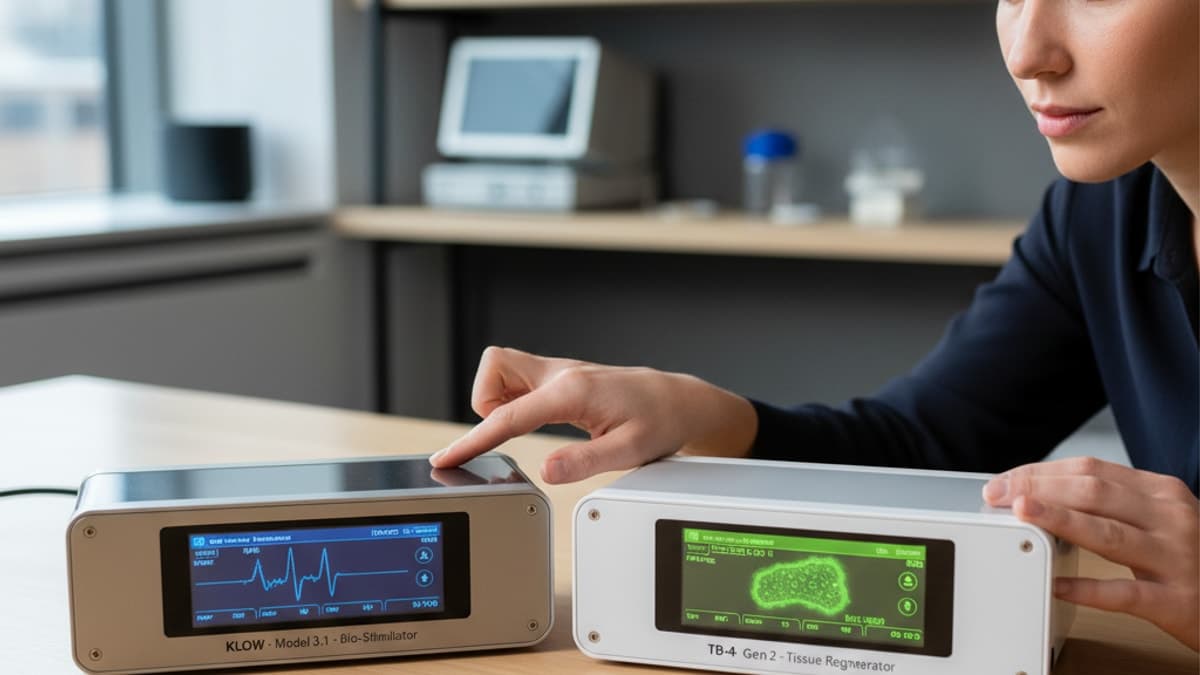
KLOW vs TB-4: Which Peptide Better for Tissue Repair?
KLOW and TB-4 both drive tissue repair through distinct pathways — KLOW activates immune modulation while TB-4 accelerates actin polymerization for cell
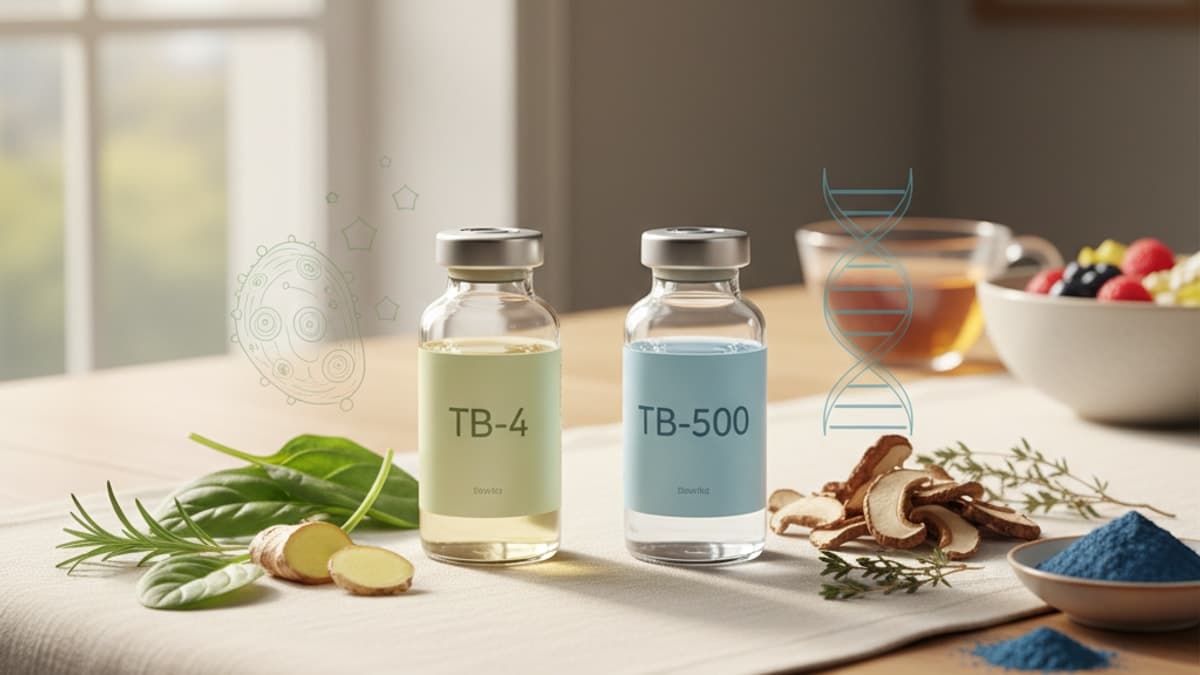
TB-4 vs TB-500: Which Peptide Works Better? | Real Peptides
TB-4 and TB-500 differ in structure, stability, and research applications. TB-500 is the synthetic fragment most commonly used in research — here’s the
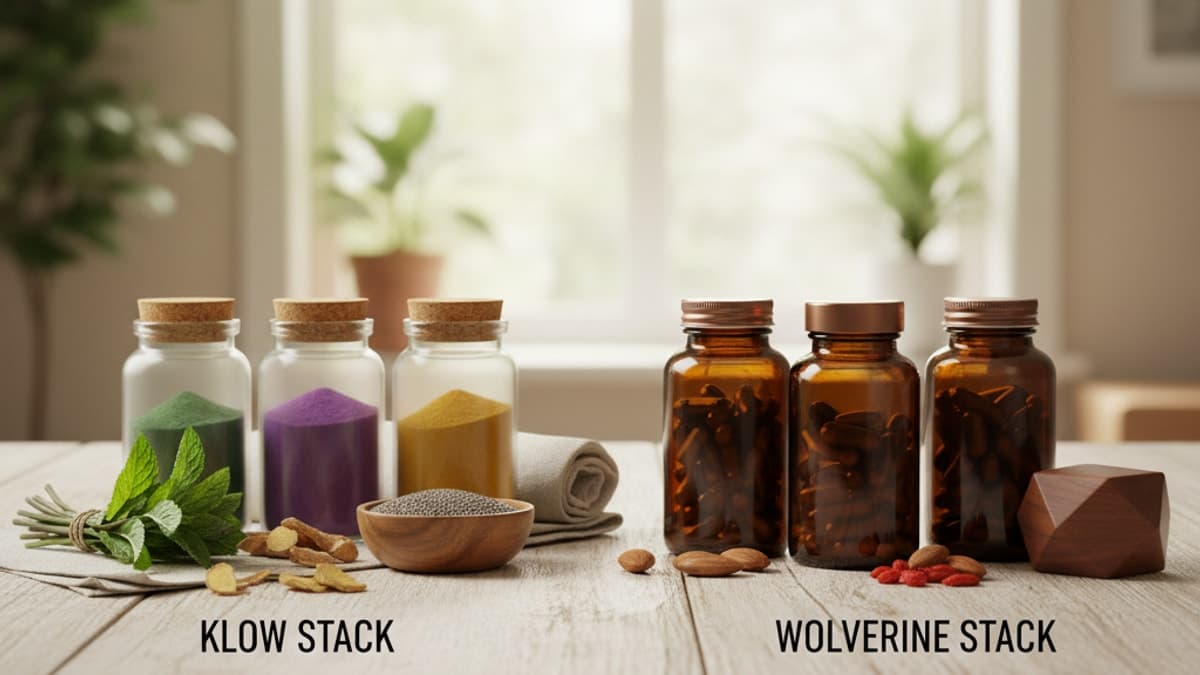
KLOW vs Wolverine Stack: Which Is Better? | Real Peptides
KLOW and Wolverine Stack both target growth hormone pathways — but through different mechanisms. Here’s which stack delivers better research outcomes and
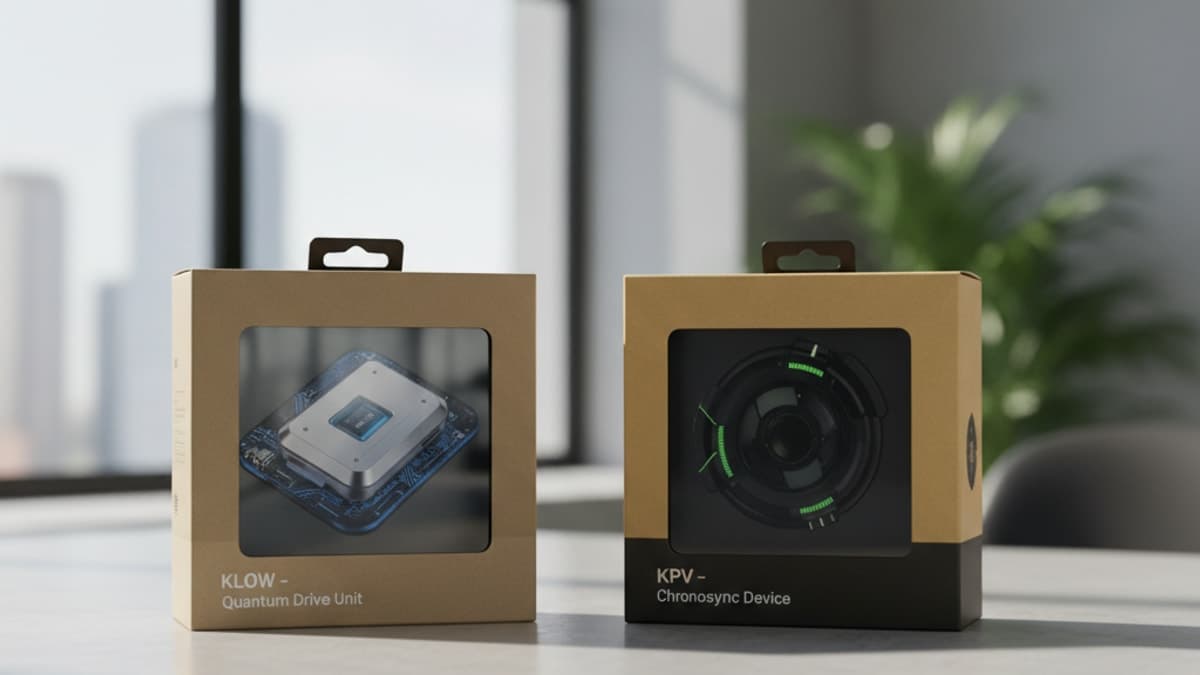
KLOW vs KPV — Which Peptide Wins for Inflammation?
KLOW and KPV both target inflammation through melanocortin pathways, but KPV’s established clinical safety profile and proven gastrointestinal efficacy

KPV vs Wolverine Stack — Which Works Better for Research?
KPV targets inflammation at receptor level, while Wolverine Stack combines multiple pathways for broader tissue response. Direct comparison shows

KPV vs VIP: Which Better Comparison | Real Peptides
KPV targets gut inflammation through α-MSH pathways while VIP modulates systemic immune response via cAMP signaling — research applications differ

KPV vs LL-37: Which Antimicrobial Peptide Is Better?
KPV vs LL-37 comparison: KPV excels in gut-targeted anti-inflammatory research, while LL-37 offers broader antimicrobial coverage with immune modulation
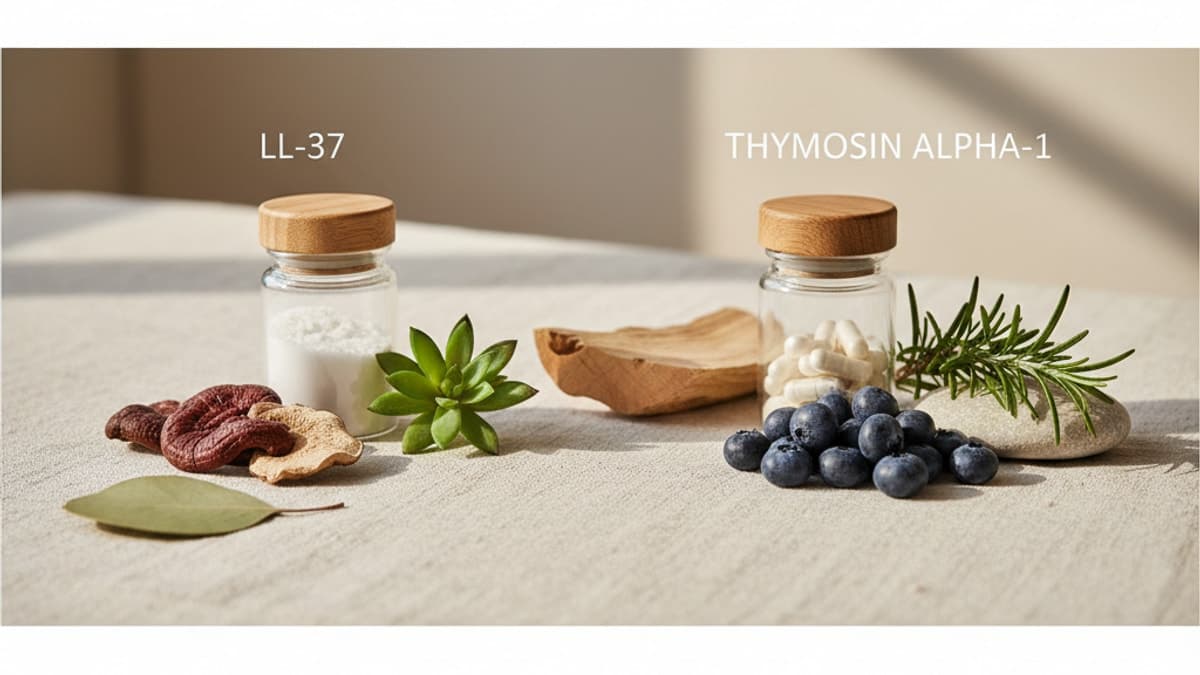
LL-37 vs Thymosin Alpha-1: Which Is Better for Research?
LL-37 enhances innate immunity through antimicrobial action, while Thymosin Alpha-1 modulates adaptive T-cell responses. Both target distinct immune

LL-37 vs VIP: Which Peptide Works Better for Research?
LL-37 and VIP serve distinct research roles — antimicrobial defense versus neuroprotection. Compare mechanisms, applications, and stability to choose the

BPC-157 vs KLOW: Which Is Better? | Real Peptides
BPC-157 offers tissue repair via direct collagen synthesis; KLOW provides systemic anti-inflammatory effects. Research context and compound purity
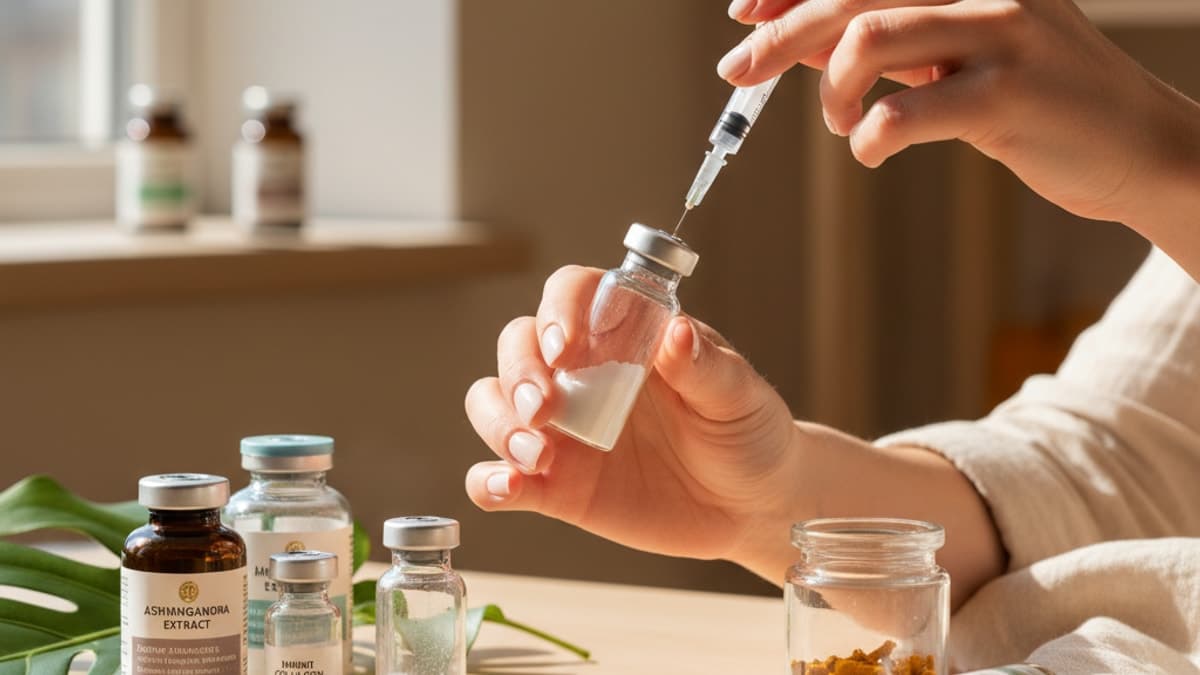
BAC Water Mixing Peptides — Reconstitution Protocol 2026
Bacteriostatic water reconstitutes research peptides by maintaining sterility for up to 28 days — proper mixing prevents contamination and protein

Best Follistatin-344 Dosage Strength 2026 — Research Guide
Follistatin-344 dosing ranges from 100–300 mcg daily in research protocols, with response variability tied to molecular stability and injection timing.