

What Does Melanotan-1 Actually Do? (Peptide Mechanisms)
Melanotan-1 stimulates melanin production through MC1R activation, triggering skin darkening



Melanotan-1 stimulates melanin production through MC1R activation, triggering skin darkening

Studies show melanotan-1 (afamelanotide) is FDA-approved for specific photosensitivity conditions

Melanotan-1 and MT-1 are identical — both refer to afamelanotide,

Melanotan-1 typically administered in research via subcutaneous injection at 0.16

Melanotan-1 remains stable for 30 days refrigerated at 2–8°C after
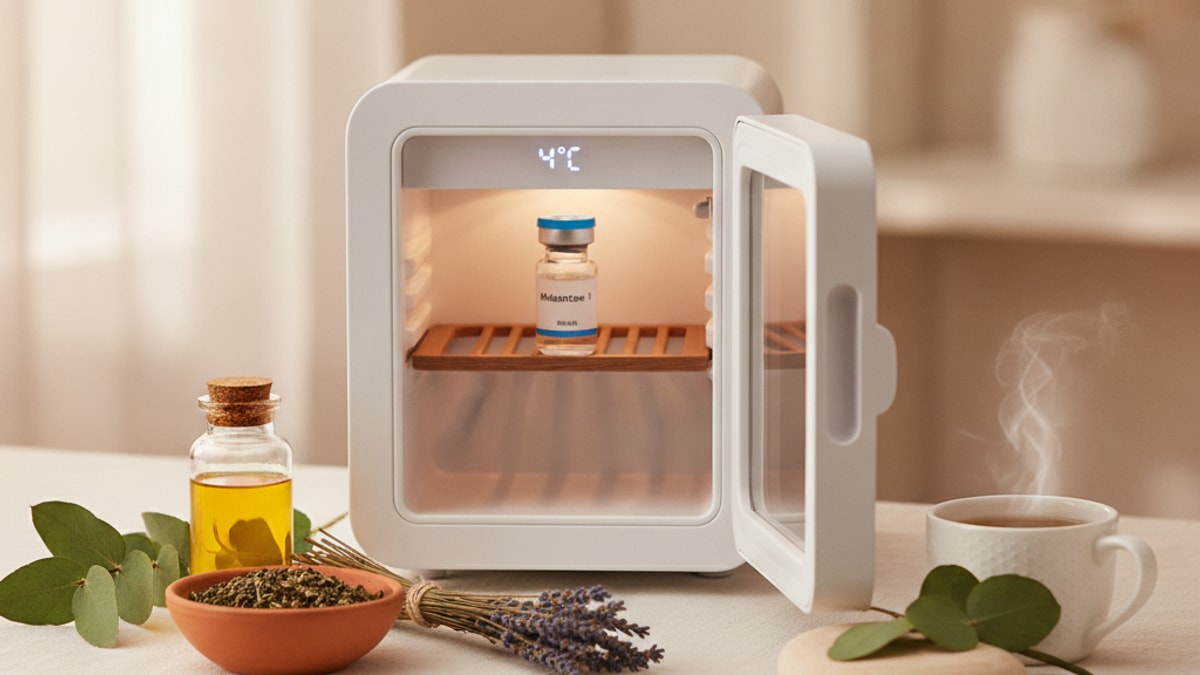
Melanotan-1 must be stored at 2–8°C once reconstituted and used

Melanotan-1 activates melanocortin receptors differently than growth hormone peptides, GLP-1

Melanotan-1 in solution appears as clear to slightly amber liquid

Melanotan-1 gained traction in research circles for its photoprotective properties

Melanotan-1 concentration ranges from 1mg/mL to 10mg/mL depending on protocol

Melanotan-1 and MT-1 are identical — the same alpha-MSH analog

Oxytocin typically demonstrates measurable effects within 15–90 minutes of administration

Studies confirm oxytocin has a strong safety profile in controlled

Oxytocin increases prosocial behavior in controlled settings but shows inconsistent

Synthetic oxytocin remains the first-line uterotonic for labor induction despite

Oxytocin and ‘bonding hormone’ refer to the same molecule —

Oxytocin remains stable for 30 days when properly refrigerated after

Oxytocin causes mild transient effects in clinical trials — headache,
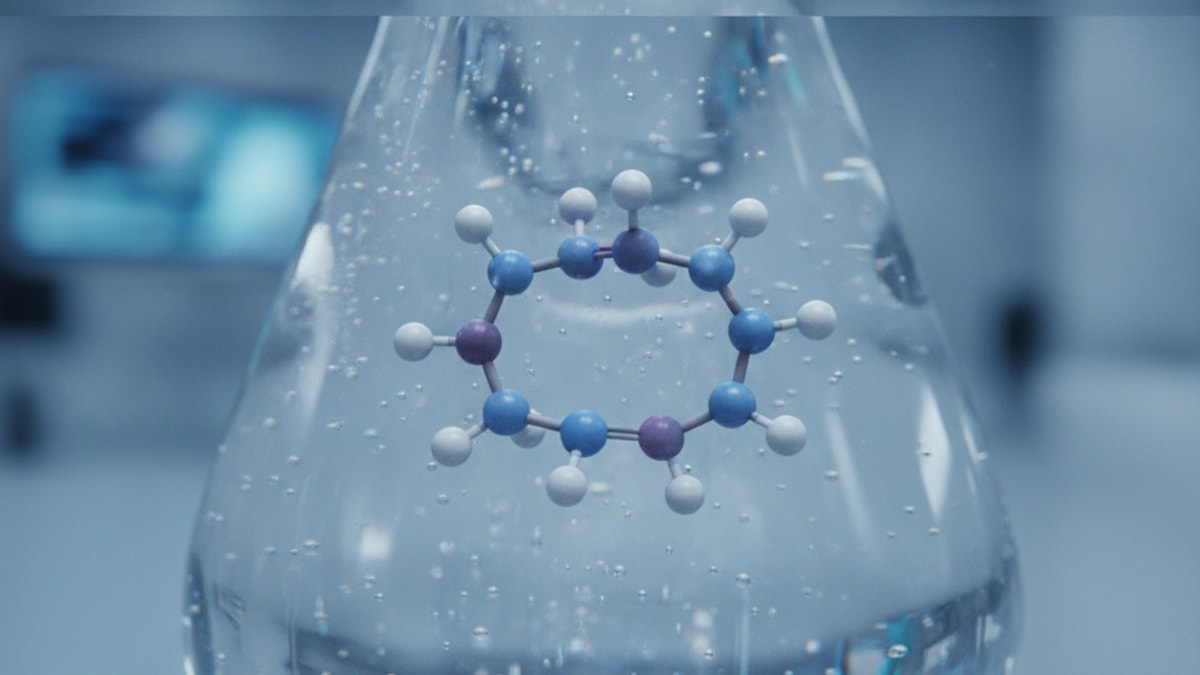
Oxytocin in solution appears as a clear, colorless liquid when

Oxytocin must be stored at 2–8°C once reconstituted and used

Best research practices for oxytocin require precise handling: store peptides
