
Does Kisspeptin Work for GnRH Axis Research? (Lab Guide)
Kisspeptin directly activates GnRH neurons in the hypothalamus — making



Kisspeptin directly activates GnRH neurons in the hypothalamus — making
Kisspeptin triggers GnRH release, initiating puberty in mammalian models. Clinical
Kisspeptin stacks safely with GHRP-2, CJC-1295, and others when targeting
Kisspeptin-10 is the 10-amino-acid C-terminal fragment of full-length kisspeptin-54, retaining

Kisspeptin typically administered in research via IV bolus or continuous
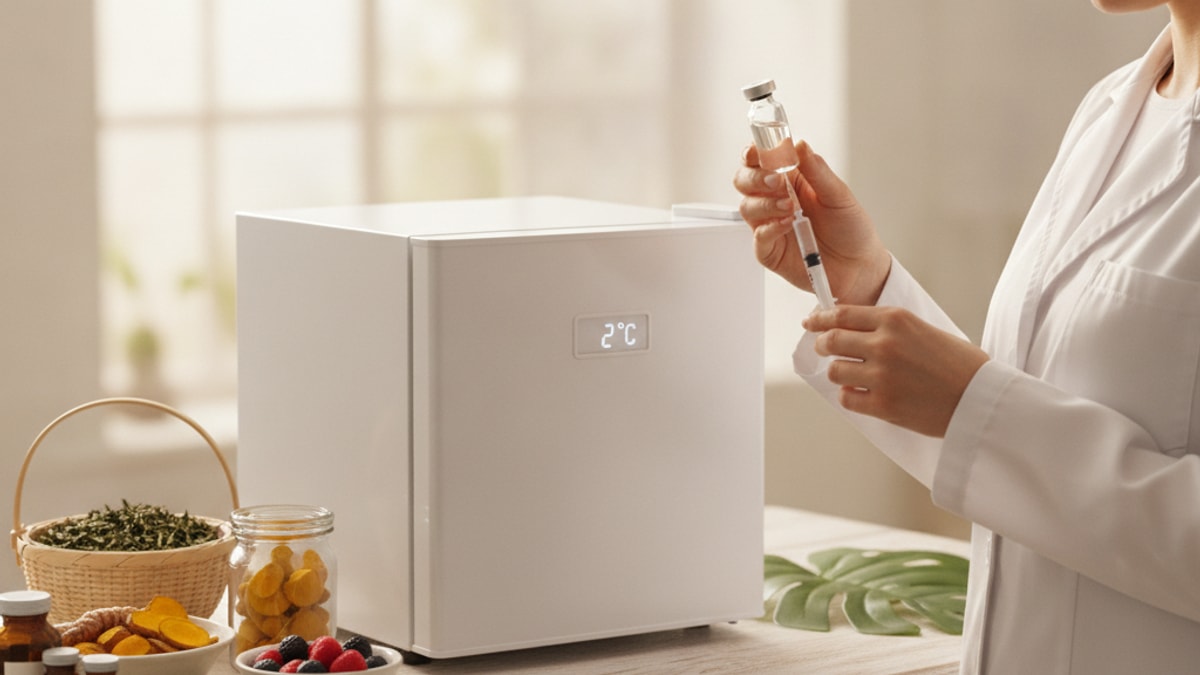
Kisspeptin must be stored at −20°C before reconstitution and 2–8°C
Reconstituted kisspeptin remains stable for 14–28 days when refrigerated at
Kisspeptin has a half-life of 20–40 minutes in serum, meaning

Kisspeptin shows minimal adverse effects in clinical trials — mild
Melanotan-1 binds to melanocortin receptors to stimulate melanin synthesis and
Melanotan-1 typically shows initial melanogenesis within 48–72 hours in cellular
PT-141 cycling protocols differ from typical peptides — melanocortin receptor
PT-141 and bremelanotide are identical—same molecule, same mechanism. Understand the
Melanotan-1 shows favorable safety markers in clinical trials with minimal

Melanotan-1 selectively activates MC1R with minimal systemic effects, making it
Melanotan-1 and MT-1 are identical — both refer to afamelanotide,

Melanotan-1 shows measurable photoprotection in EPP clinical trials, reducing phototoxic

Melanotan-1 can be combined with other peptides when proper timing,
Melanotan-1 typically administered in research uses subcutaneous injection at 0.1–1.0
Melanotan-1 shows minimal adverse effects in clinical trials — nausea
Melanotan-1 requires storage at −20°C before reconstitution and 2–8°C after
