
What Temperature Should Tirzepatide Be Stored At? (Guide)
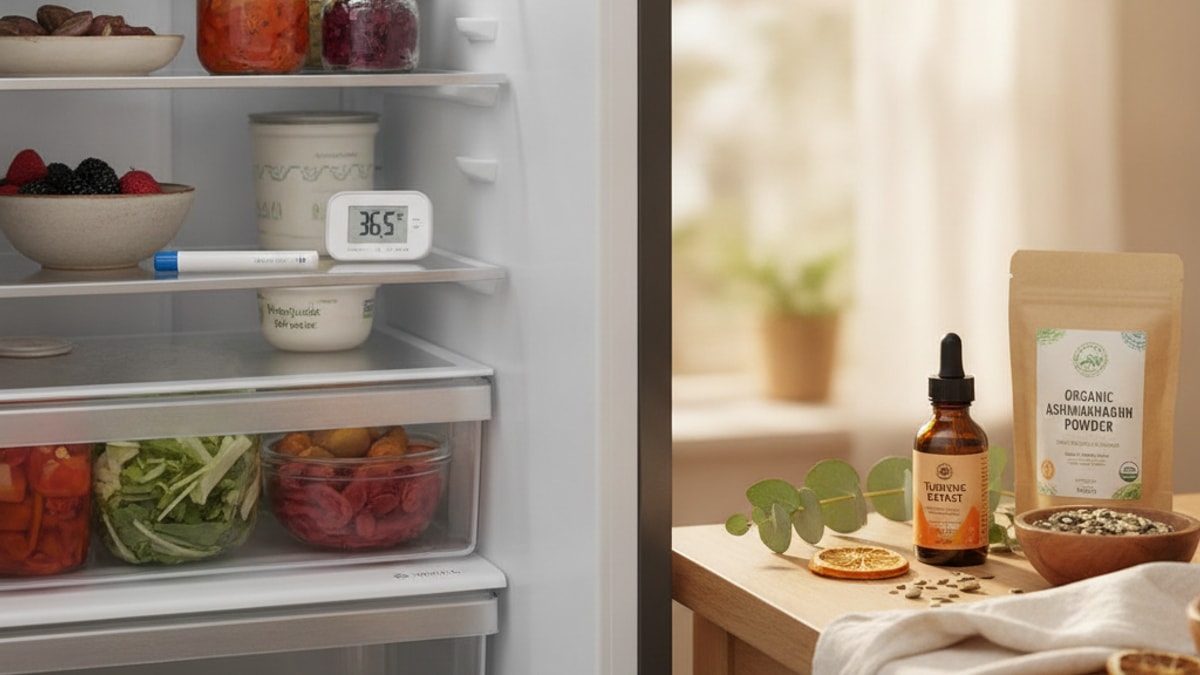
Tirzepatide must stay at 2–8°C once reconstituted and −20°C before



Tirzepatide must stay at 2–8°C once reconstituted and −20°C before
Tirzepatide has a five-day half-life, taking four to five weeks

Clinical trials report that 25–50% of tirzepatide patients experience GI

Tirzepatide typically administered in research via subcutaneous injection following standardized

Tirzepatide can be combined with select peptides if receptor pathways,

Tirzepatide demonstrated 20.9% mean weight loss and A1C reductions up
Tirzepatide and Mounjaro are identical — Mounjaro is the brand

SURMOUNT trial data shows tirzepatide delivered 20.9% mean weight reduction
Kisspeptin in solution appears as a clear to slightly opalescent
Tirzepatide shows metabolic effects within 4 hours in controlled studies,
Tirzepatide operates as a dual GIP/GLP-1 receptor agonist, demonstrating superior

Tirzepatide demonstrates a strong safety profile across multiple Phase 3

Tirzepatide activates GLP-1 and GIP receptors simultaneously, slowing gastric emptying

Kisspeptin-10 is the active fragment of full-length kisspeptin, offering higher

Kisspeptin concentration for research typically ranges 0.5–10 µM in vitro
Kisspeptin cycling isn’t standard protocol — the peptide’s half-life and

The best research practices for kisspeptin require sterile handling, accurate

Kisspeptin popular in reproductive health research activates GnRH neurons, regulates

Kisspeptin is legal to purchase for research from licensed 503B
Kisspeptin differs from GLP-1 agonists and growth peptides by targeting
Kisspeptin stimulates GnRH release with 80% ovulation success in clinical
