

Does Lipo-C Work for MIC Research? (Lab Analysis)
Lipo-C compounds—methionine, inositol, choline—show lipotropic effects in controlled research settings,



Lipo-C compounds—methionine, inositol, choline—show lipotropic effects in controlled research settings,
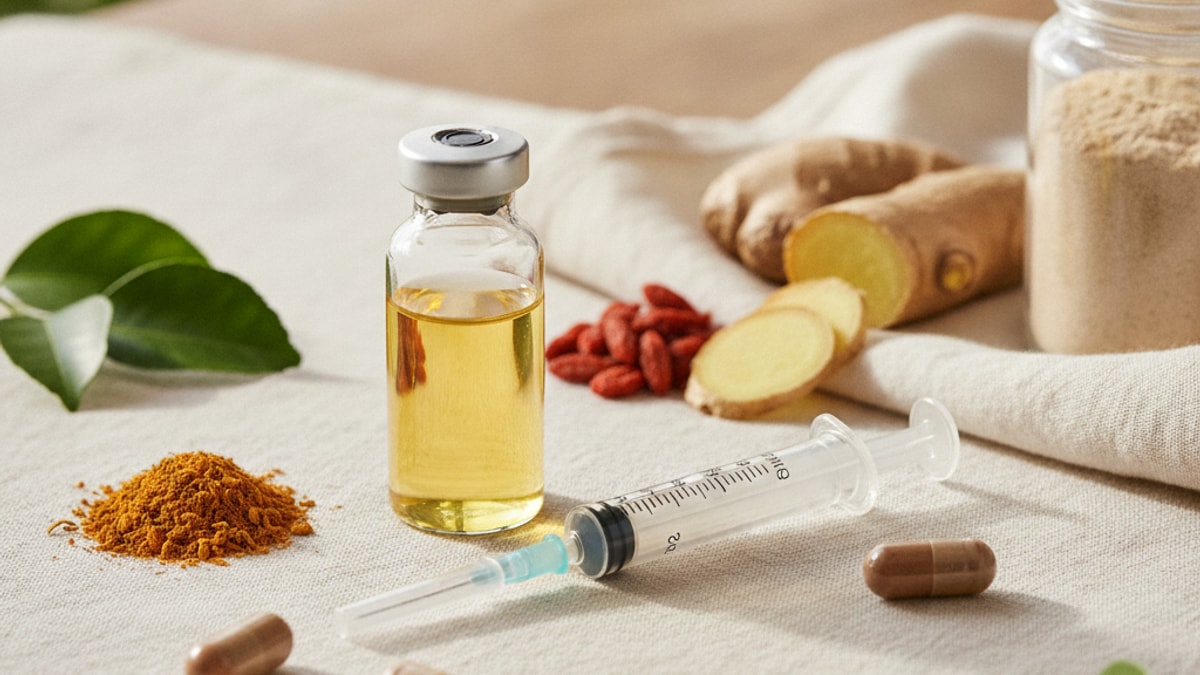
Properly reconstituted Lipo-C appears as a clear, pale yellow to

Lipo-C concentration for research protocols: 25–50mg/mL methionine, 25–50mg/mL inositol, 50–100mg/mL

Lipo-C popular in weight loss for lipotropic amino acids that

Lipo-C and Lipo C are the same compound: lipotropic formula

Lipo-C doesn’t require cycling like peptides—methionine, inositol, and choline clear

Glutathione neutralizes free radicals, regenerates vitamins C and E, and

Glutathione’s effects appear within hours at the cellular level, but

Multiple clinical trials confirm glutathione supplementation is well-tolerated in healthy

Glutathione can be safely combined with most peptides including BPC-157,

Glutathione conjugation drives Phase II detox by binding toxins for
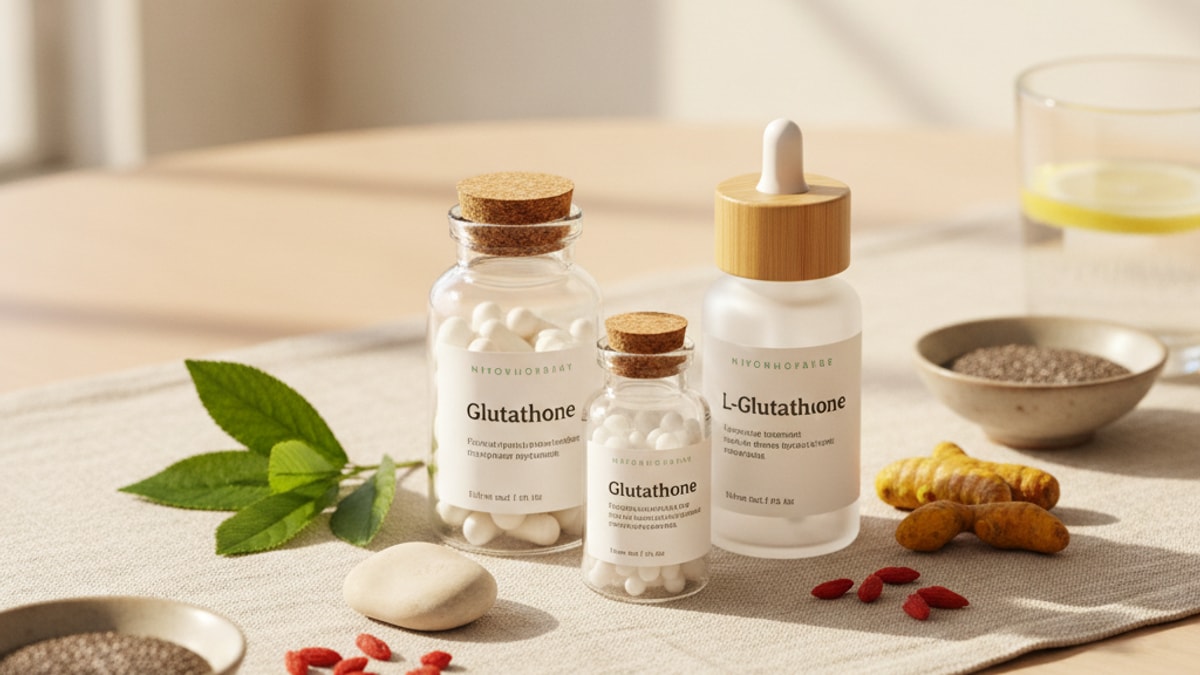
Glutathione and L-glutathione refer to the same molecule — reduced

Glutathione is typically administered in research via intravenous, intraperitoneal, oral,

Research shows glutathione is well-tolerated across trials, with gastrointestinal upset
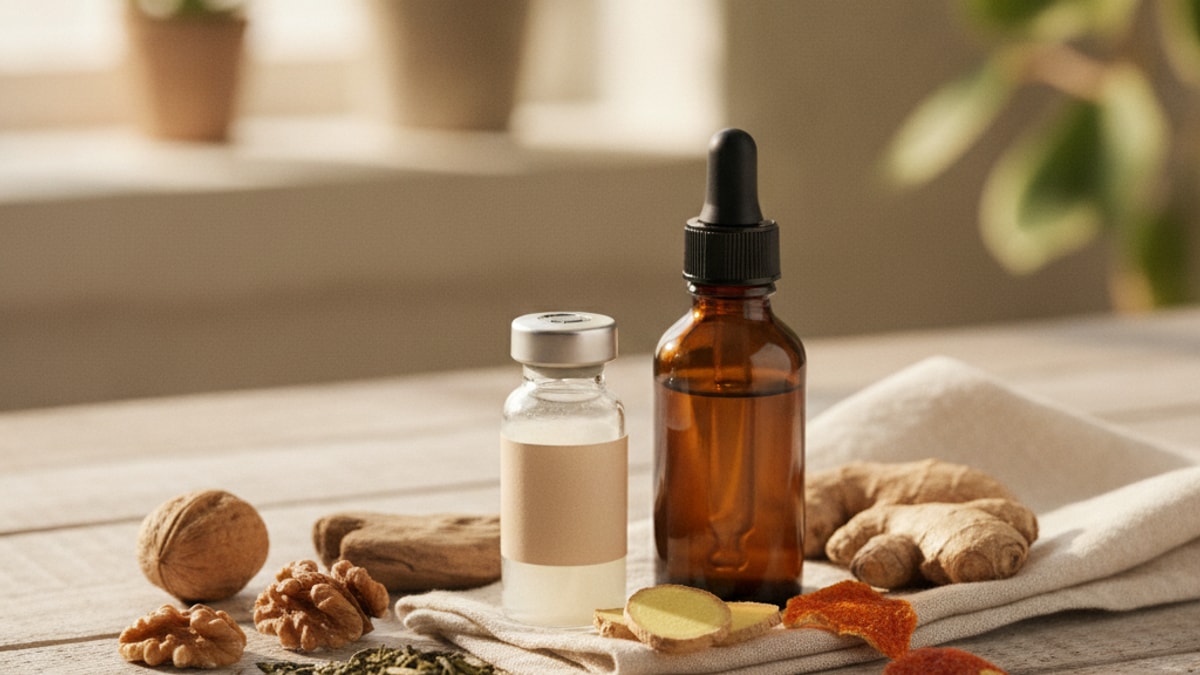
Reconstituted glutathione remains stable for 7–14 days refrigerated at 2–8°C,

Glutathione is legal to purchase for research use in the
Glutathione’s half-life ranges from 2–4 minutes in plasma to 2–3

Glutathione solution appears clear to pale yellow when properly prepared.

Glutathione differs fundamentally from most research peptides — it’s a

Best research practices for glutathione require cold storage at 2–8°C
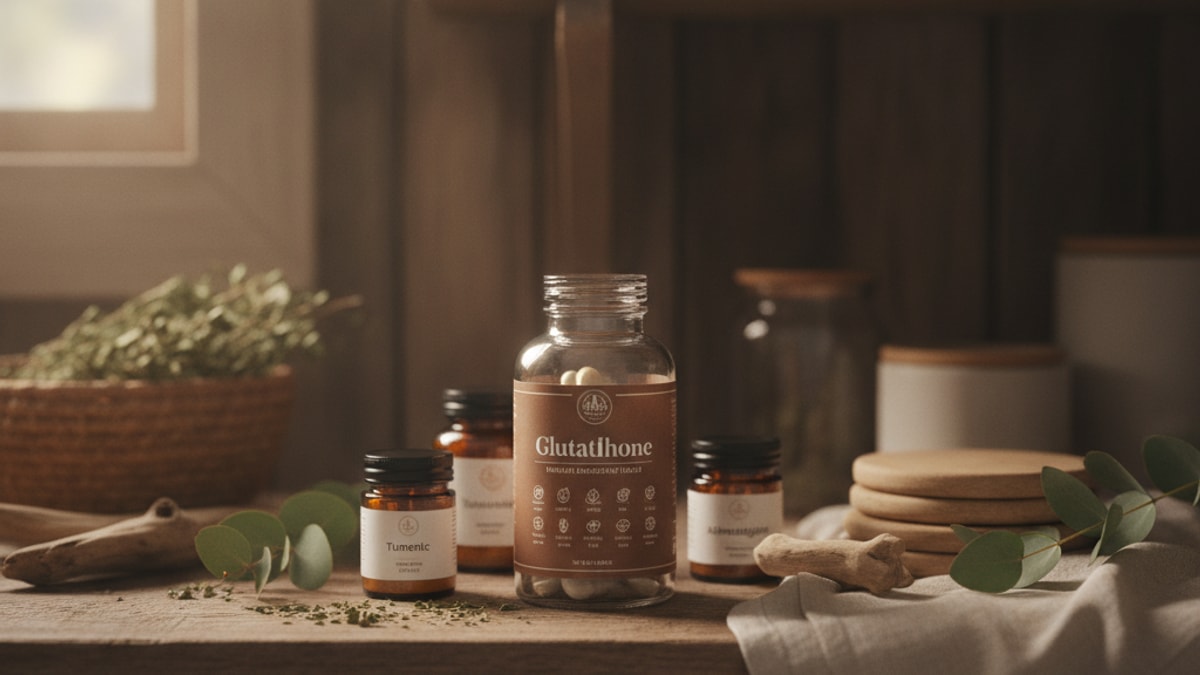
Glutathione requires refrigeration at 2–8°C once reconstituted. Learn proper storage,
