

Is MOTS-c FDA Approved Status? (Regulatory Pathway
MOTS-c has no FDA approval — it’s classified as a



MOTS-c has no FDA approval — it’s classified as a

MOTS-c legal status in 2026 remains unregulated by FDA as
MOTS-c requires refrigeration at 2–8°C after reconstitution and freezing at
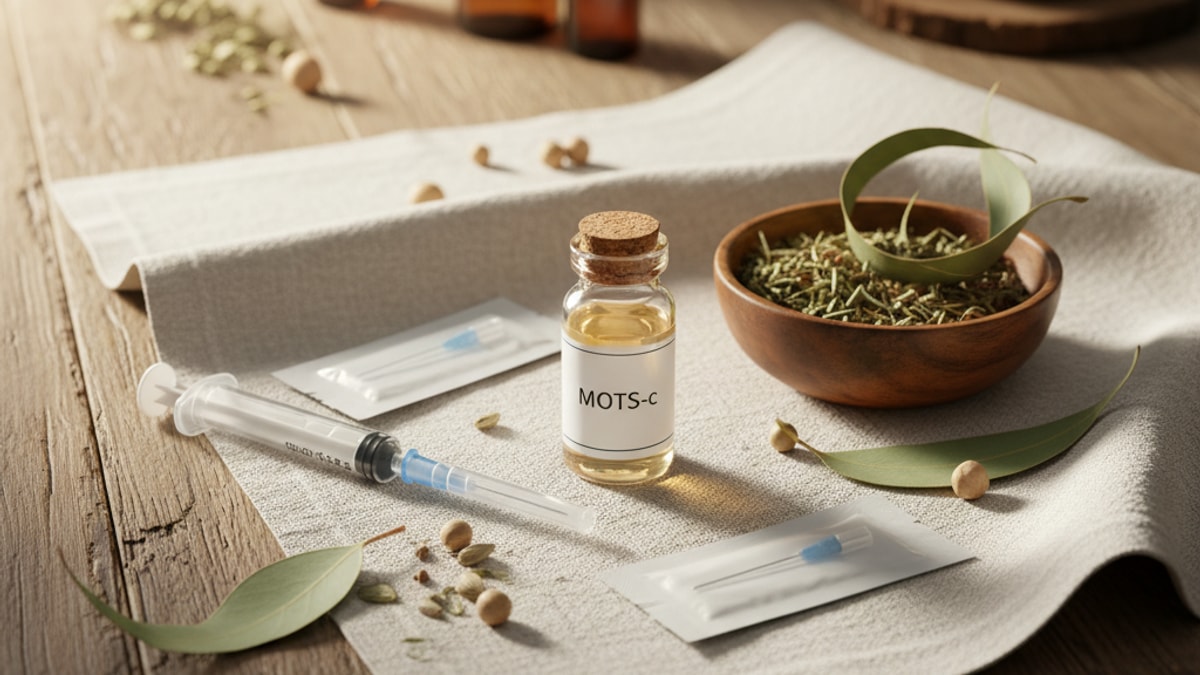
MOTS-c syringes needles supplies require insulin-type syringes, 29–31G needles, bacteriostatic

Tolerance to MOTS-c cycling develops through receptor downregulation and mitochondrial

MOTS-c activates AMPK pathways mimicking exercise adaptation without physical exertion

MOTS-c significantly improves insulin sensitivity through AMPK activation and GLUT4

MOTS-c activates AMPK pathways to shift cellular metabolism toward fat

MOTS-c help mitochondrial function research by encoding a 16-amino-acid peptide
MOTS-c help endurance research shows improved mitochondrial function and exercise

MOTS-c is a mitochondrial-derived peptide that enhances metabolic function, insulin

Mitochondrial ORF of the 12S rRNA Type-C is the genetic

The difference between 5-Amino-1MQ and MOTS-c lies in their mechanisms:
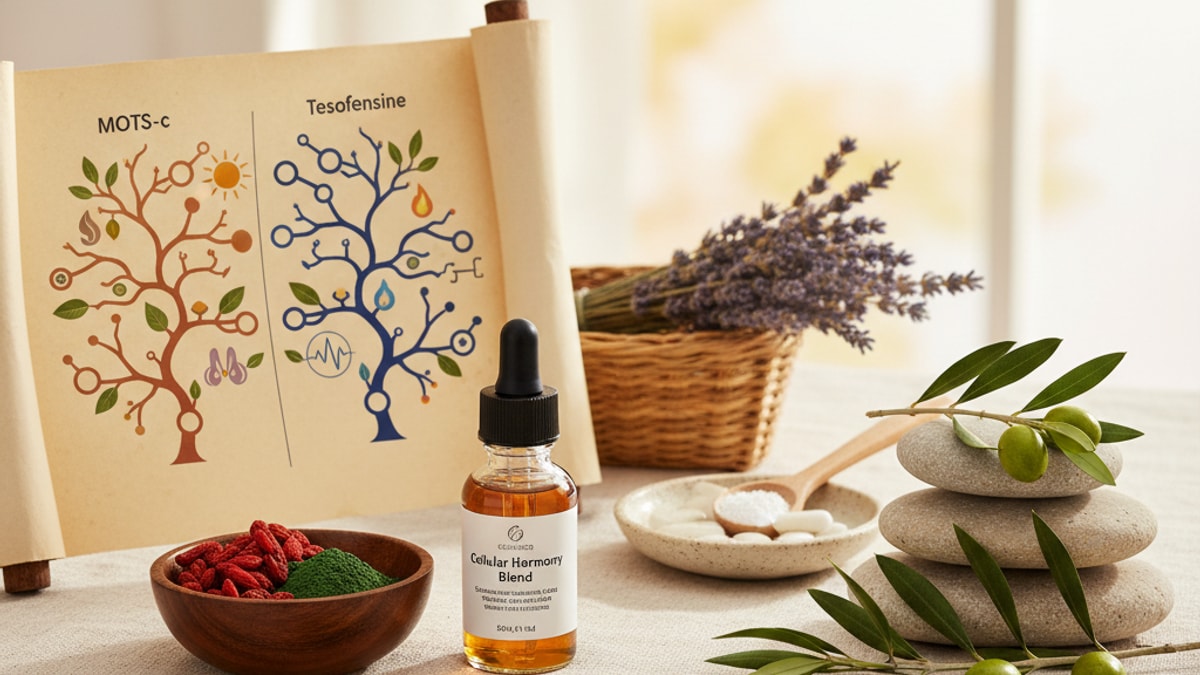
MOTS-c enhances mitochondrial efficiency through nuclear signaling; Tesofensine blocks monoamine

5-Amino-1MQ inhibits NNMT enzyme, restoring NAD+ levels and reactivating cellular
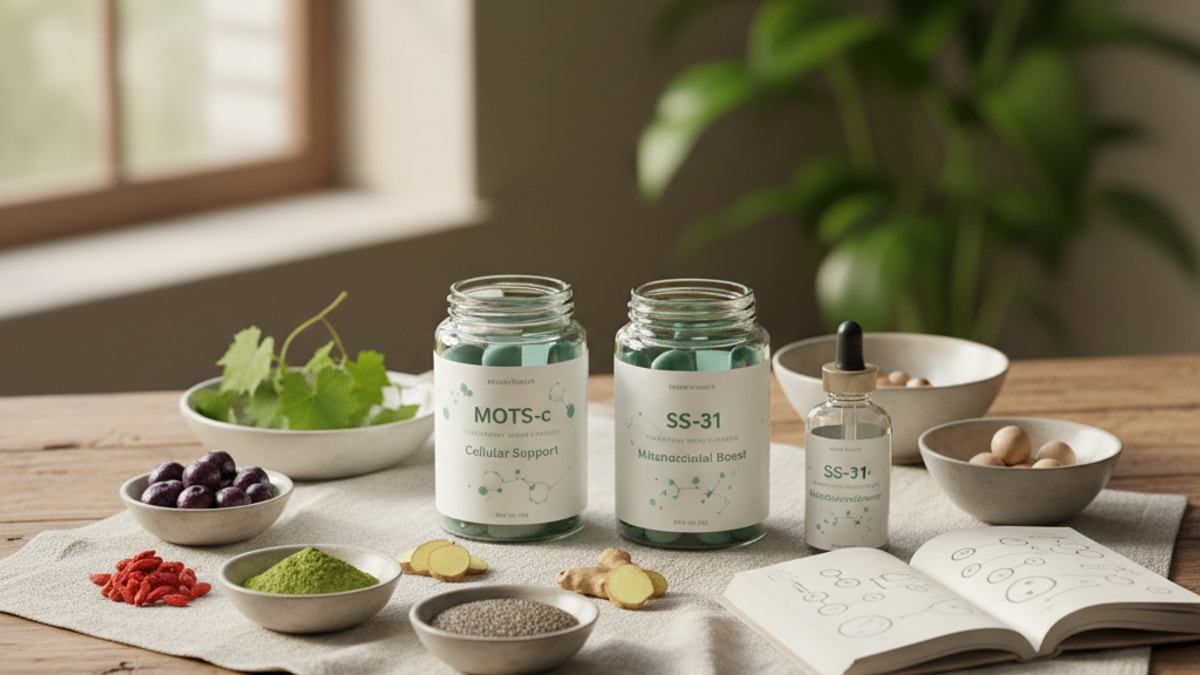
MOTS-c enhances glucose metabolism through AMPK activation, while SS-31 stabilizes

Ipamorelin peptide is a selective growth hormone secretagogue targeting ghrelin

Ipamorelin stimulates growth hormone release without cortisol spikes, accelerating tissue

AOD-9604 cycling isn’t medically necessary like anabolics — the fragment

AOD-9604 research requires temperature control, reconstitution precision, and protocol documentation.

AOD-9604 and AOD9604 are the same peptide — the hyphen
