
Research library · 17,950 articles
The peptide research blog
Mechanisms, reconstitution, storage and study summaries — every article cited to the literature, every compound linked to its lab results. Written for laboratory research use.

SS-31 Elamipretide Trial July 2026: Half-Life and Status
Elamipretide vanishes from plasma in hours, yet its effects on mitochondrial membranes persist far longer. That gap, not the half-life number itself, explains the trial record. Here is what the pharmacokinetic data shows and where each SS-31 program stands in 2026.

ARA 290 vs BPC 157: Mechanism and Research Evidence
Two peptides filed under the same catalog heading share no receptor biology at all. One is an engineered fragment of erythropoietin with human clinical study behind it. The other is a gastric protein fragment whose literature comes largely from a single research programme. That difference changes how a study should be designed.

PE-22-28 Peptide: Mechanism, Effects and Availability
PE-22-28 wasn't designed to be stronger than the peptide it came from. It was designed to survive longer. Seven amino acids, one ion channel target, and a rodent evidence base that stops well short of anything human. Here's what the literature actually says.
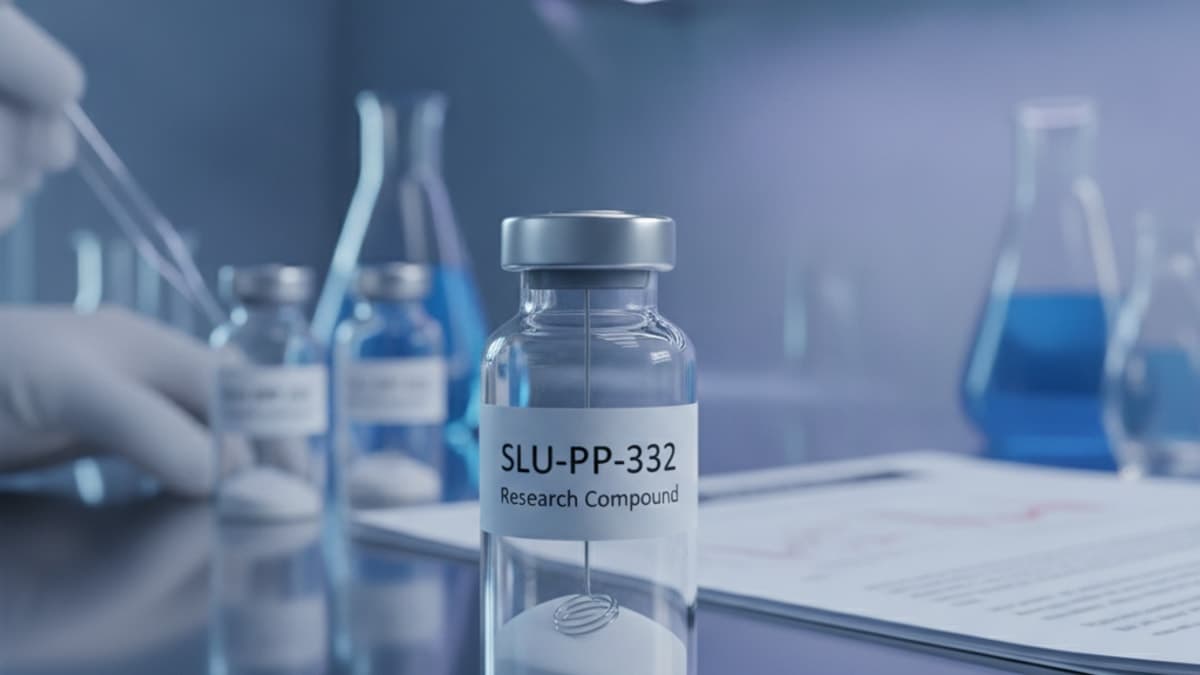
SLU-PP-332 Test Report: What a Real COA Shows
The purity percentage is the least useful line on a SLU-PP-332 test report. What matters is the method, the lot number, and whether the chromatogram exists at all. Here's how to read the documentation, and which method lines prove a certificate was cloned from a peptide template.

PE-22-28 vs Selank and Dihexa: Peptide Comparison
Three compounds constantly grouped together share almost nothing at the receptor level. One blocks a potassium channel, one shifts GABAergic and enkephalin signalling, one potentiates a growth factor receptor. Here is how the published research literature actually separates them, and what that means for study design and sourcing.

LL-37 Lab Tested: What Purity Data Should Show
Two vials labelled LL-37 can differ by more than 15% in actual peptide content, and the label won't tell you which one you have. The certificate of analysis will. Most buyers never read past the purity percentage, which is exactly where the useful information starts.

Does Sermorelin Increase Testosterone? Research Review
The arrow most people draw runs backwards. Androgens are a well-documented amplifier of growth hormone pulse amplitude, while the case for GHRH analogs lifting testosterone rests on indirect IGF-1 crosstalk. Here is what the endocrine literature actually separates, and what it does not.

High Purity Sermorelin: COA and FDA Status Explained
Sermorelin was FDA approved once. The brand Geref left the US market in the late 2000s, and no approved sermorelin product replaced it. What sells today is compounded or research-grade, which makes the certificate of analysis the only document that actually tells you what is in the vial.

Hexarelin Before and After: What the Research Shows
There are no credible transformation photos for this hexapeptide, and that's the most useful thing to know about it. What the literature actually records is acute growth hormone pharmacology, receptor desensitization, and cardiac effects running through a scavenger receptor nobody was looking for.

GMP Certified Peptide Manufacturer: COA Standards
GMP certification attaches to a facility, not to the vial on your bench. The document that actually describes your material is the lot-specific certificate of analysis, and most of the paperwork failures in this market are omissions rather than forgeries.

How to Buy Peptides in Bulk: A Lab Buyer's Guide
The costliest mistake in bulk peptide procurement isn't price per milligram. It's the certificate of analysis nobody opened. Purity percentage, net peptide content and lot identity are three different numbers, and only one of them appears in most marketing copy.

Wholesale Peptides USA — How to Vet a Supplier
Two peptide vials can both claim 99% purity and still contain different amounts of actual peptide. Purity is an area percentage; net peptide content is a separate assay entirely. Here's how to read a wholesale supplier's documentation before the purchase order goes out.
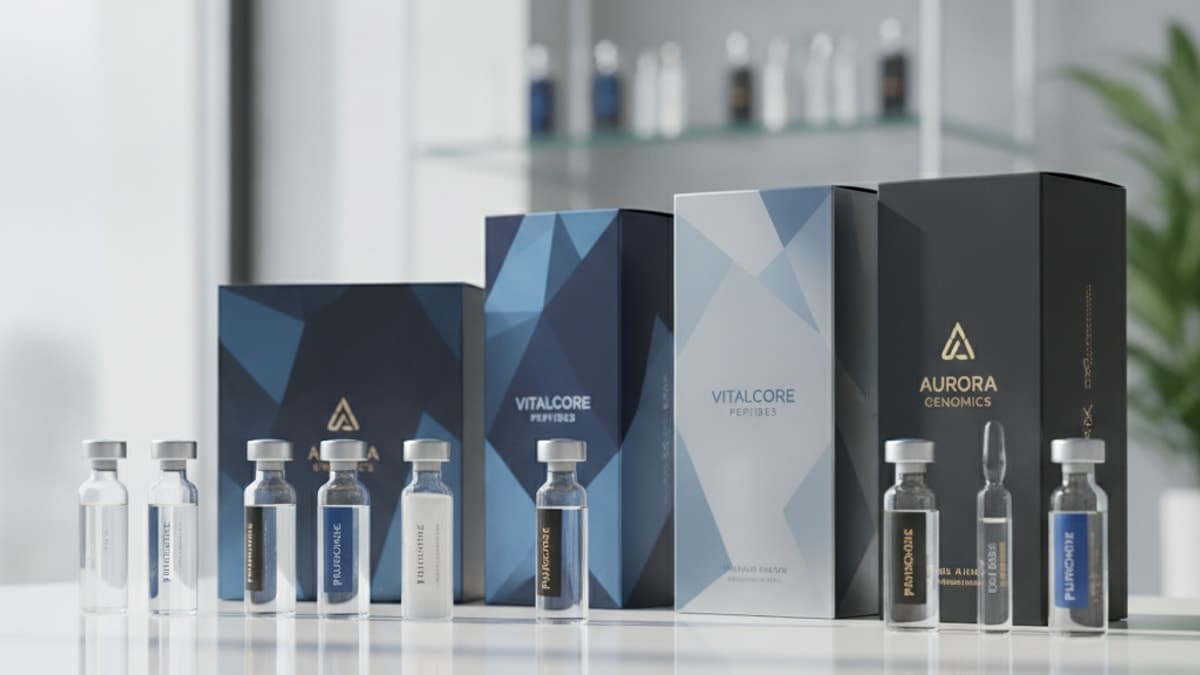
How to Sell Peptides — White Label Peptides for Sale
The label artwork is the cheapest part of launching a peptide brand, and the least likely thing to sink it. What kills distributors is paperwork: generic certificates, lots that don't match labels, and marketing copy that contradicts the research use only statement printed on the vial.

What Is Custom Peptide Synthesis? (Cost and Process)
Two labs can order the same 20-residue peptide and get quotes ten times apart, with neither vendor overcharging. Purity grade, scale and sequence difficulty explain the gap. Here is how solid-phase synthesis works, what sets the price, and which documents actually prove what you received.

Are NAD+ Supplements Worth It? NAD+ vs NADH Explained
NAD+ and NADH aren't rival products competing for shelf space. They're one molecule in two oxidation states, separated by a single hydride. That distinction changes which form a laboratory orders, how it's stored, and whether an assay reads anything at all at 340 nm.

How to Buy Peptides in Bulk From China: Risks & Checks
Gross powder weight and net peptide content are not the same number, and most overseas certificates report only one of them. Sourcing bulk peptides from China is a quality-control problem with a purchase order attached. Here is what verification, customs and landed cost actually involve.

Is GLP3 the Same as Retatrutide? Naming vs Mechanism
There is no GLP-3 hormone. The name is vendor arithmetic: one receptor for semaglutide, two for tirzepatide, three for retatrutide. Knowing that changes how you search the literature and how you verify what is actually in the vial.
GHK-Cu Cosmetic Research & Heart Rate Variability Notes
Heart rate variability has nothing to do with why a business stocks a copper peptide. It shows up in GHK-Cu searches because research notes from unrelated study designs get pooled together. Knowing which endpoints belong to the compound and which belong to someone's marketing is a sourcing skill.
GHK-Cu Cosmetic Research and Apple Health Integration
No consumer health app talks to a vial of research peptide, and no wholesale supplier can make one. What actually travels with a GHK-Cu lot is documentation: purity, batch panels, lot numbers. That paper trail, not an app integration, is what a serious buyer verifies before signing.

GHK-Cu Cosmetic Research & Garmin Integration Explained
A Garmin watch cannot see your skin. GHK-Cu research and wearable data live in completely different evidence universes, and blending them in marketing copy is how a compliant catalog quietly becomes a claims problem. The supplier question underneath all of it is much simpler — and much easier to verify.
GHK-Cu Cosmetic Research & WHOOP Integration for Buyers
A WHOOP band will never tell you whether a copper peptide formulation did anything — it measures systemic recovery signals, not skin endpoints. The integration still matters, just for a different reason: data governance. Here is how a wholesale buyer should separate the two decisions before spending on either.

GHK-Cu Cosmetic Research & Oura Ring Integration
A ring on someone's finger cannot see collagen. GHK-Cu research runs on skin imaging and biochemical assays, while wearables track sleep and heart rate — different layers of a program entirely. For a wholesale buyer, the only thing that transfers between them is documentation discipline.

GHK-Cu Cosmetic Research and CGM Notes: What Buyers Ask
Two research topics that have nothing to do with each other keep landing in the same procurement note. GHK-Cu belongs to the copper-peptide literature; continuous glucose monitoring belongs to metabolic instrumentation. If a supplier blurs the line between them, that tells you more about the supplier than the science.

GHK-Cu Cosmetic Research: Cold Exposure Considerations
Cold rarely ruins a lyophilized copper peptide — repeated freeze–thaw cycling and moisture ingress do far more damage than a cold truck ever will. For wholesale buyers, the real cold-exposure question is not the thermometer reading. It is packaging, receiving discipline, and whether the supplier's COA is something you can check yourself.

GHK-Cu Cosmetic Research: Fasting Considerations
Fasting almost never appears in cosmetic-directed copper peptide research — the compound is studied mostly in dermal and in vitro models where whole-organism metabolic state isn't part of the design. For wholesale buyers, the useful question isn't fasted or fed; it's whether the supplier can prove what's in the vial.

GHK-Cu Cosmetic Research & Wearable Tech Integration
Sensitive skin-measurement hardware doesn't just sharpen a study's conclusions — it exposes the raw material. Lot-to-lot variability that coarser methods smooth over shows up plainly in continuous sensor data, which makes analytical documentation a study-design decision rather than a purchasing formality.

GHK-Cu Cosmetic Research: Alcohol Considerations
Ethanol is not a neutral bystander around copper peptides — the same solvent that keeps a cosmetic research formulation clear can quietly change what the compound is by the time it reaches the bench. For wholesale buyers, solvent compatibility is a sourcing question, not a formulation afterthought.

GHK-Cu Cosmetic Research: Sauna Considerations
A vial that spent an afternoon in a hot storeroom looks exactly like one that didn't — which is why sauna-adjacent storage is a sourcing issue, not a facility quirk. Heat and humidity degrade lyophilized copper peptide quietly, and no visual inspection catches it.

GHK-Cu Cosmetic Research: Caffeine Considerations
GHK-Cu isn't a peptide with copper added as a bonus — the copper ion is part of the molecule. Anything in a research formulation that competes for that ion, caffeine-adjacent chemistry included, becomes a variable worth controlling before you blame the peptide. For wholesale buyers, that makes sourcing documentation a chemistry problem, not paperwork.

GHK-Cu Cosmetic Research: Time Zone Considerations
A time zone is a handling variable. Miss a supplier's cutoff by twenty minutes and a copper peptide can spend an extra weekend in a sorting hub — the same shipment, a very different chain of custody. For wholesale buyers, the calendar is a quality control document.

GHK-Cu Cosmetic Research — Long-Distance Flight Notes
The longest leg of a peptide's journey usually isn't the flight — it's the ground handling and customs dwell nobody logs. For wholesale buyers evaluating copper peptide supply, transit exposure and batch verification are the same question asked twice.

GHK-Cu Cosmetic Research Travel Considerations
The biggest risk when research material moves isn't theft or breakage — it's a lot that arrives looking perfect after a weekend in a hot customs warehouse, with no record of what it went through. Documentation, thermal history, and jurisdiction decide the outcome, in that order.

GHK-Cu Cosmetic Research and Cannabis Considerations
Two ingredient categories that look nothing alike — a copper tripeptide and hemp-derived cannabinoids — tend to fail wholesale diligence for the same reason: paperwork nobody can verify. If you are sourcing in both lanes, the questions you put to a supplier are nearly identical. The answers are what separate serious programs from resellers.
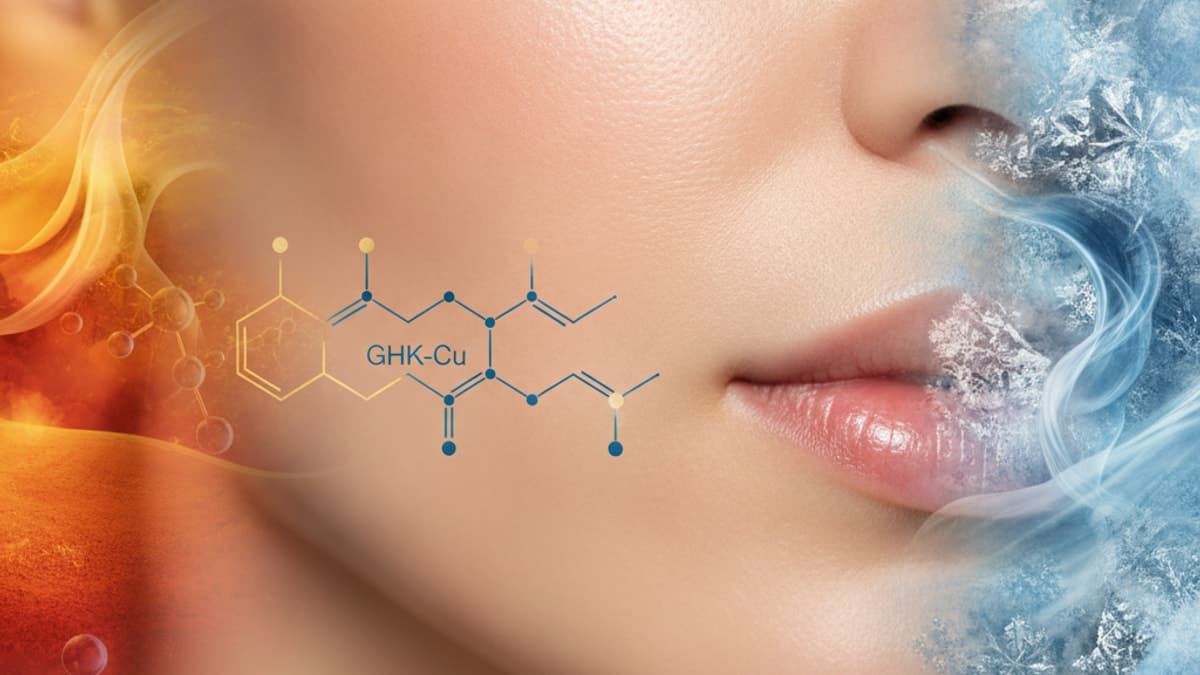
GHK-Cu Cosmetic Research: Heat and Cold Climate Notes
Lyophilized GHK-Cu survives a hot delivery truck better than most buyers assume — it's the humid stockroom and the repeated freeze-thaw cycle that quietly degrade a lot. Climate planning for copper peptide inventory is mostly a receiving-and-storage problem, not a shipping one.

GHK-Cu Cosmetic Research: Altitude Considerations
Elevation doesn't degrade a lyophilized copper peptide — but the pressure differentials, bone-dry air, and wide temperature swings that come with high-elevation freight and storage can quietly compromise the vial around it. The molecule is stable. The journey and the bench are the variables worth auditing.

GHK-Cu Cosmetic Research and Thyroid Considerations
The thyroid question that follows GHK-Cu around isn't a research finding — it's an inference people draw because the molecule carries copper. Knowing the difference changes how you write catalog copy, what you keep on file, and which questions you route to your own counsel.

GHK-Cu Cosmetic Research and Adrenal Considerations
GHK-Cu is one of the most-examined cosmetic peptides on the bench and one of the least-examined anywhere near endocrine endpoints. That gap is not a red flag — it is a sourcing problem. What you can document about a specific lot matters far more than what the literature never set out to answer.

GHK-Cu Cosmetic Research and Gut Microbiome Considerations
The gut microbiome material circulating alongside copper peptide content usually isn't copper peptide research at all — it's trace-mineral literature wearing a borrowed label. For a wholesale buyer, knowing where one evidence base ends and the other begins is the difference between describing research and implying something you cannot support.

GHK-Cu Cosmetic Research: Hepatic Considerations
The liver questions around GHK-Cu have almost nothing to do with the peptide itself — they belong to the copper it carries. For a wholesale buyer, that shifts diligence away from marketing copy and toward elemental analysis, batch-level documentation, and whether a supplier's lab results can actually be checked.

GHK-Cu Cosmetic Research: Diet Considerations Explained
Copper isn't a variable most buyers think about when they stock a copper peptide — but it's one of the first things a serious research customer asks about. Nutritional copper status appears in the literature as a study-design confounder, and it changes what documentation you should demand from a supplier.

GHK-Cu Cosmetic Pre-Cycle vs Post-Cycle Research
Pre-cycle and post-cycle GHK-Cu studies aren't two strengths of the same material — they're two different questions, and the literature answers them unevenly. For a wholesale buyer, the distinction matters less for the science than for how rigorously a supplier can document what is actually in the vial.

GHK-Cu Cosmetic Research Intermediate Strategies
A purity percentage on its own tells you almost nothing about a copper peptide. GHK-Cu is a metal complex, and the number that matters most to a wholesale buyer is often the one suppliers never publish. Here is how experienced buyers evaluate the material before it reaches a purchase order.

GHK-Cu Cosmetic Research: Beginner Pitfalls to Avoid
Most first GHK-Cu orders don't go wrong on price — they go wrong on paperwork. Buyers order the free peptide when the literature described the copper complex, or accept a purity figure that proves nothing about identity. The fix is verification, done before the purchase order.

GHK-Cu Cosmetic Research — Advanced Protocol Sourcing
The hardest part of a GHK-Cu cosmetic research protocol isn't the protocol — it's proving that vial two contains the same material as vial one. Copper complexes carry two analytical questions, not one, and most of what separates suppliers shows up in the documentation.

GHK-Cu Cosmetic Research: Exercise Considerations
GHK-Cu is one SKU serving two entirely different research audiences — and the copper atom that makes it interesting is also what makes its certificate of analysis harder to read than a standard peptide's. Wholesale buyers who skip that detail often buy on price and pay for it in returned lots.

GHK-Cu Cosmetic Research: Hydration Notes for Buyers
The hydration angle in copper peptide research isn't water — it's sugar chemistry. Most of the cited literature runs through glycosaminoglycan synthesis, the matrix molecules that bind water in tissue. For a wholesale buyer, that mechanism changes which certificate-of-analysis lines actually matter.

GHK-Cu Cosmetic Research Stress Considerations
A GHK-Cu lot can pass a purity test and still be degraded — if the HPLC method cannot separate the degradants, it reports what it can see, not what is there. Stress considerations for copper peptide research start upstream, at the supplier, long before the vial reaches your shelf.
GHK-Cu Cosmetic Research and Sleep Considerations
The sleep angle in copper-peptide skin research isn't about the compound doing anything to sleep — it's a confounder problem. Daily rhythms in skin measurements can distort a study before a single result is read. For wholesale buyers, that shifts the real question upstream to identity, purity, and verifiable batch data.

GHK-Cu Cosmetic Research Stack Considerations for Buyers
Most GHK-Cu buying mistakes have nothing to do with which compounds sit beside it on the shelf. They happen at the certificate of analysis — where HPLC purity gets mistaken for proof of copper loading, and a generic PDF gets mistaken for a batch record.

GHK-Cu Cosmetic Research: Imaging Considerations
Most cosmetic imaging studies that fall apart don't fail at the camera — they fail at the vial. Swap lot, swap purity, and every image series after that carries noise you cannot subtract out. Standardized optics only pay off when the test material is documented and consistent.
GHK-Cu Cosmetic Research — Inflammation Markers Explained
Most of what gets repeated about copper tripeptide comes from cell-culture work, not finished-product claims — and that gap is exactly where wholesale buyers get themselves into trouble. Knowing which inflammation endpoints researchers actually measure tells you what you can responsibly say about the compound you stock.

GHK-Cu Cosmetic Research: Lab Test Recommendations
A '99% pure' line on a GHK-Cu certificate tells you less than it looks like it does — for a copper complex, purity alone cannot distinguish a correctly formed complex from under-copperized peptide. Here is the test list a cosmetic-research buyer should require on every single batch.

GHK-Cu Cosmetic Research & Hormone Panel Tracking
GHK-Cu isn't interesting because it's blue. It's a copper-binding tripeptide whose research value depends entirely on whether the copper is actually complexed the way the label says — which is why batch-level documentation matters more here than for almost any other cosmetic research compound.

GHK-Cu Cosmetic Research Recovery Markers, Explained
Copper peptides are one of the few research compounds you can partly judge by eye — and the blue tells you almost nothing that matters. What separates a well-made GHK-Cu lot from a questionable one lives on the certificate of analysis, not in the vial.

GHK-Cu Cosmetic Research: Bloodwork to Track
Ceruloplasmin is also an acute-phase reactant, which means an unrelated inflammatory blip can move the same number your copper protocol is built around. In GHK-Cu cosmetic research, the bloodwork is only as readable as the material going into the study — and the COA standing behind it.

GHK-Cu Cosmetic Research: Aging Biomarkers Explained
GHK-Cu isn't interesting because it contains copper — it's interesting because the tripeptide it carries occurs naturally in human plasma and declines with age. That's why cosmetic-science laboratories keep measuring it against collagen synthesis, matrix turnover and cellular senescence rather than treating it as one more surface-level ingredient.

GHK-Cu Cosmetic Research & DEXA Scan Notes Explained
GHK-Cu cosmetic research and DEXA scan notes get filed together by search behavior, not by science — they share almost no common ground. One is copper-tripeptide literature; the other is a measurement modality. For a wholesale buyer, neither one replaces a batch-matched certificate of analysis.

GHK-Cu Cosmetic Research Performance Metrics Explained
Two vials of GHK-Cu can both read '99% pure' and still be different materials. Purity is only one column on the certificate — copper ratio, identity confirmation, endotoxin and moisture decide whether a batch behaves consistently. Here is the metric set a wholesale buyer should demand before stocking anything.

GHK-Cu Cosmetic Research & Body Composition Tracking
GHK-Cu and body composition tracking almost never appear in the same study — one belongs to dermal matrix research, the other to metabolic measurement. Buyers who conflate them end up sourcing the wrong compound with the wrong paperwork. Here is how to separate the two before you place a wholesale order.

GHK-Cu Cosmetic Research and Cognitive Tests Compared
The two GHK-Cu literatures buyers search together barely overlap. One is decades of skin-biology work; the other is mostly gene-expression and cell-culture research with no validated cognitive endpoints. Confusing them is how catalog copy turns into a compliance problem.