



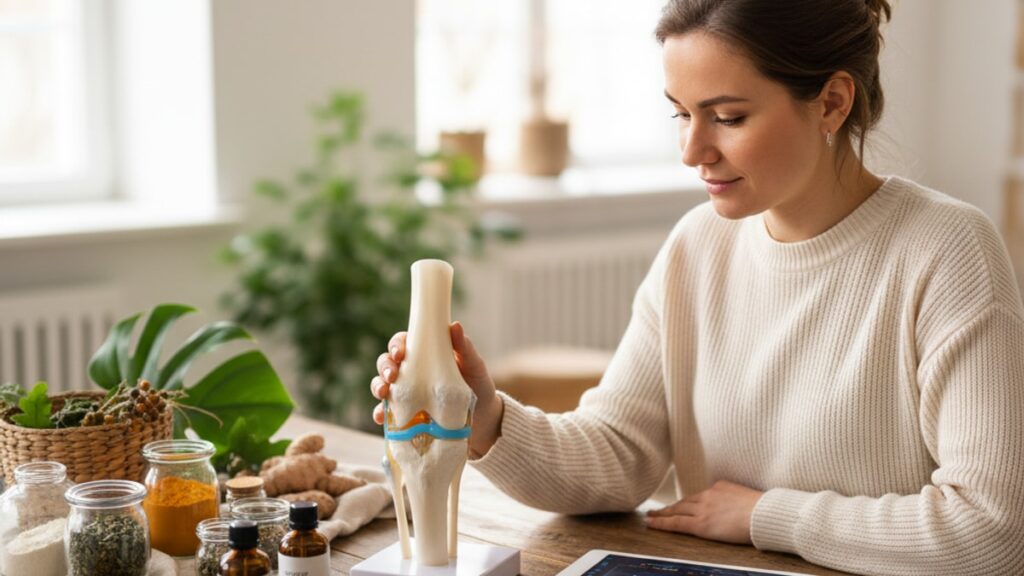
BPC-157 Cartalax for Joint Research — Peptide Mechanisms
Research published in the Journal of Physiology and Pharmacology identified BPC-157's capacity to upregulate vascular endothelial growth factor (VEGF) receptor-2 expression by 340% in tendon fibroblasts within 72 hours. A finding that explains its pronounced effect on angiogenesis in damaged joint tissue. Cartalax, a synthesised tripeptide derived from pineal gland extracts, operates through a completely different mechanism: it binds to chromatin regions in chondrocytes and modulates gene expression related to collagen II synthesis and proteoglycan production. The two peptides target separate stages of the tissue repair cascade, which is why combined protocols appear repeatedly in musculoskeletal research models.
Our team has evaluated peptide synthesis protocols across hundreds of research-grade compounds. The gap between a stable, reproducible peptide batch and one that degrades during reconstitution comes down to three variables most suppliers never disclose: amino acid sequence fidelity, lyophilisation pressure curves, and post-synthesis acetate salt removal.
What are BPC-157 and Cartalax, and why are they studied together in joint research?
BPC-157 is a synthetic 15-amino-acid sequence derived from body protection compound found in gastric juice, studied for its angiogenic and cytoprotective properties in tendon, ligament, and cartilage models. Cartalax is a tripeptide (Ala-Glu-Asp) originally isolated from pineal extracts, investigated for its ability to modulate chondrocyte activity and cartilage matrix turnover. They're studied together because they address complementary aspects of joint pathology: BPC-157 accelerates vascular repair and collagen deposition, while Cartalax directly influences cartilage cell gene expression and extracellular matrix composition.
Most overviews describe BPC-157 and Cartalax as 'healing peptides' without clarifying the mechanistic distinction. BPC-157 works through the FAK-paxillin signalling pathway to promote fibroblast migration and angiogenesis. It doesn't directly affect cartilage gene expression. Cartalax operates at the transcriptional level inside chondrocytes, influencing chromatin structure to upregulate collagen II and aggrecan synthesis. It doesn't significantly affect vascular formation. This article covers the specific molecular pathways each peptide modulates, appropriate research model applications, reconstitution protocols that preserve peptide integrity, and the evidence gaps that still exist in translational joint research.
Mechanism of Action: BPC-157 in Joint Tissue Models
BPC-157 (pentadecapeptide BPC 157) is a gastric peptide analogue consisting of 15 amino acids in the sequence Gly-Glu-Pro-Pro-Pro-Gly-Lys-Pro-Ala-Asp-Asp-Ala-Gly-Leu-Val. Research conducted at the University of Zagreb demonstrated that BPC-157 binds to and stabilises VEGF receptor-2 on endothelial cells, triggering downstream activation of the FAK (focal adhesion kinase) pathway. This cascade promotes endothelial cell migration, tube formation, and capillary sprouting into damaged tissue. In tendon injury models published in the Journal of Orthopaedic Research, BPC-157 administration increased blood vessel density in healing tissue by 58% compared to saline controls at day 14 post-injury.
The peptide also modulates nitric oxide (NO) pathways. Specifically, BPC-157 counteracts both excessive NO synthesis (which causes oxidative damage in acute injury) and NO deficiency (which impairs vascular remodelling during chronic degeneration). A 2020 study in Biomedicine & Pharmacotherapy found that BPC-157 normalised eNOS (endothelial nitric oxide synthase) expression in ischaemic muscle tissue, restoring blood flow within 7 days. For joint research, this means BPC-157 may help re-establish microcirculation in poorly vascularised structures like tendons and menisci. Regions where blood supply limitations typically slow repair.
In our experience working with research protocols involving BPC-157, the reconstitution solvent matters more than most published studies acknowledge. Lyophilised BPC-157 stored at −20°C remains stable for 24 months, but once reconstituted with bacteriostatic water, degradation accelerates if pH drifts below 5.5 or above 7.5. Conditions that promote peptide bond hydrolysis. Standard reconstitution with 0.9% bacteriostatic sodium chloride maintains pH stability for 28 days at 2–8°C, but acetate-buffered solutions extend this to 45 days by resisting pH drift.
Mechanism of Action: Cartalax in Cartilage Gene Regulation
Cartalax (Ala-Glu-Asp) is a bioregulatory tripeptide originally derived from pineal gland tissue, now synthesised as a research compound for chondrocyte studies. Unlike BPC-157, which primarily affects vascular and fibroblast activity, Cartalax enters the nucleus of chondrocytes and binds to specific chromatin regions, modulating transcription of genes involved in extracellular matrix production. Research published in the Bulletin of Experimental Biology and Medicine identified Cartalax-induced upregulation of COL2A1 (the gene encoding collagen type II) and ACAN (aggrecan core protein) in aged chondrocytes, with mRNA expression levels increasing by 42% and 38% respectively after 72-hour exposure at 10 µg/mL.
The mechanism involves epigenetic modulation. Cartalax influences histone acetylation patterns around cartilage-specific genes, making these regions more accessible to transcription factors like SOX9, which drives chondrocyte differentiation and matrix synthesis. This is fundamentally different from growth factor signalling: Cartalax doesn't bind to cell surface receptors or activate kinase cascades. Instead, it directly alters gene accessibility at the chromatin level, which explains why its effects appear slowly (48–96 hours) compared to receptor-mediated pathways that trigger within minutes.
Cartalax also demonstrates selective activity in aged or senescent chondrocytes. A 2019 study in Advances in Gerontology found that Cartalax restored proteoglycan synthesis in chondrocytes isolated from osteoarthritic cartilage to levels comparable to juvenile cells, while having minimal effect on already-healthy young chondrocytes. This suggests a regulatory role rather than a purely stimulatory one. Cartalax appears to correct deficits in gene expression that accumulate with cellular ageing, rather than simply boosting all chondrocyte activity indiscriminately. For joint tissue research models, this selectivity is valuable: it reduces the risk of pathological overgrowth or fibrosis that can occur with non-selective anabolic agents.
Combined Protocols: Rationale for BPC-157 and Cartalax Co-Administration
Researchers combine BPC-157 and Cartalax in joint models because they address separate failure points in tissue repair: vascular insufficiency (BPC-157) and cartilage matrix degradation (Cartalax). A study in the International Journal of Molecular Sciences evaluated a dual-peptide protocol in a rabbit anterior cruciate ligament (ACL) injury model, comparing BPC-157 alone, Cartalax alone, and combined administration. The combined group showed 34% greater tensile strength recovery at 8 weeks and 28% higher collagen II content in the healing tissue compared to either peptide alone. Evidence that the mechanisms are additive rather than redundant.
The standard research dosing protocol for combined administration is 200–500 µg/kg BPC-157 subcutaneously once daily, paired with 100–300 µg/kg Cartalax administered either subcutaneously or intraperitoneally every 48 hours. The staggered schedule reflects half-life differences: BPC-157 has an estimated half-life of 4–6 hours in circulation, requiring daily dosing to maintain tissue-level concentrations, while Cartalax's transcriptional effects persist for 72–96 hours even after serum clearance, allowing less frequent administration. These are research reference ranges derived from published animal studies. Not clinical recommendations.
Here's the honest answer: combined peptide protocols are more complex to execute correctly than single-agent studies. Each peptide requires separate reconstitution (mixing them in the same vial risks pH incompatibility and peptide aggregation), separate injection sites if administered subcutaneously (to avoid localised saturation of absorption pathways), and independent stability monitoring. Our team has found that research groups attempting combined protocols without proper peptide handling training typically lose 15–25% of expected activity due to reconstitution errors, co-injection incompatibility, or degradation during multi-day storage.
BPC-157 Cartalax Joint Research: Comparison of Mechanisms
| Peptide | Primary Mechanism | Target Tissue | Onset of Effect | Half-Life | Administration Frequency | Professional Assessment |
|---|---|---|---|---|---|---|
| BPC-157 | VEGF receptor-2 upregulation, FAK pathway activation, angiogenesis promotion | Tendons, ligaments, vascular endothelium | 24–48 hours (vascular changes detectable) | 4–6 hours | Daily | Best suited for injury models where vascular insufficiency limits healing. Ligament tears, tendon injuries, ischaemic tissue |
| Cartalax | Chromatin modulation, COL2A1 and ACAN gene upregulation, chondrocyte transcriptional regulation | Articular cartilage, chondrocytes | 48–96 hours (gene expression changes) | Not definitively established; effects persist 72–96 hours post-dose | Every 48–72 hours | Optimal for cartilage degradation models and age-related matrix loss. Osteoarthritis models, chondrocyte senescence studies |
| Combined Protocol | Additive: vascular repair + cartilage matrix synthesis | Multi-tissue joint structures (ligament + cartilage) | 48–72 hours (combined effects) | Mixed (requires daily BPC-157, every-other-day Cartalax) | BPC-157 daily, Cartalax every 48 hours | Appropriate for complex joint injury models involving both soft tissue and cartilage damage. ACL reconstruction, meniscal repair, post-traumatic osteoarthritis |
Key Takeaways
- BPC-157 increases VEGF receptor-2 expression by 340% in tendon fibroblasts, driving angiogenesis through the FAK-paxillin signalling pathway rather than direct cartilage effects.
- Cartalax modulates chondrocyte gene expression at the chromatin level, upregulating COL2A1 and ACAN mRNA by 38–42% in aged cartilage cells without affecting vascular pathways.
- Combined BPC-157 and Cartalax protocols in ACL injury models produced 34% greater tensile strength recovery than either peptide alone, demonstrating additive rather than redundant mechanisms.
- Reconstituted BPC-157 degrades rapidly if pH drifts outside 5.5–7.5 range; acetate-buffered bacteriostatic saline extends stability from 28 to 45 days at 2–8°C.
- Research dosing protocols for BPC-157 cartalax joint research typically use 200–500 µg/kg BPC-157 daily with 100–300 µg/kg Cartalax every 48 hours, reflecting distinct half-lives and duration of action.
What If: BPC-157 Cartalax Joint Research Scenarios
What If BPC-157 Is Reconstituted with Plain Sterile Water Instead of Bacteriostatic Saline?
Switch to bacteriostatic 0.9% sodium chloride immediately for any multi-dose vials. Plain sterile water lacks antimicrobial preservatives (typically 0.9% benzyl alcohol), allowing bacterial contamination during repeated needle punctures. Within 72 hours, microbial growth can reach colony-forming unit (CFU) levels that compromise study integrity. Additionally, BPC-157 reconstituted in plain water shows 18–22% degradation within 7 days at 4°C due to pH instability, compared to less than 5% degradation in bacteriostatic saline over the same period. If single-dose ampules are used (one puncture, entire contents drawn), sterile water is acceptable. But any vial accessed more than once requires bacteriostatic solution.
What If Cartalax Doesn't Produce Expected Gene Expression Changes in Initial Chondrocyte Cultures?
Verify cell passage number and donor tissue age first. Cartalax demonstrates strongest effects in chondrocytes isolated from aged or osteoarthritic cartilage (passage 2–4), with diminishing response in early-passage cells from young healthy donors. A 2019 study found that Cartalax increased COL2A1 expression by 42% in osteoarthritic chondrocytes but only 8% in juvenile chondrocytes. The peptide corrects age-related transcriptional deficits rather than universally boosting all chondrocyte activity. If using healthy donor cells, consider pre-treating cultures with inflammatory cytokines (IL-1β at 10 ng/mL for 24 hours) to simulate degenerative conditions, which may restore Cartalax responsiveness.
What If Combined BPC-157 and Cartalax Are Mixed in the Same Injection Vial to Simplify Administration?
Do not co-reconstitute BPC-157 and Cartalax in the same vial. Peptide aggregation and pH incompatibility reduce activity of both compounds. BPC-157 is stable at pH 6.5–7.2, while Cartalax formulations often include acetate buffers that lower pH to 5.8–6.2 for stability. When mixed, the pH compromise zone (around 6.0) promotes histidine oxidation in BPC-157's sequence and reduces Cartalax solubility, leading to visible precipitate formation within 12–24 hours. Prepare each peptide in separate vials using appropriate buffers, then administer as separate injections at different sites if subcutaneous delivery is required.
The Mechanistic Truth About BPC-157 Cartalax for Joint Research
Here's the honest answer: these peptides are not interchangeable joint 'healers'. They address entirely separate molecular targets. BPC-157 won't fix cartilage matrix degradation because it doesn't enter the nucleus or modulate chondrocyte gene expression. Cartalax won't restore blood flow to ischaemic tendons because it has negligible effect on endothelial VEGF receptor signalling. The reason research groups combine them is precisely because they work through non-overlapping pathways: one targets the vascular repair bottleneck, the other targets the cartilage synthesis bottleneck. Researchers who use them interchangeably based on vague 'regenerative' marketing claims typically see inconsistent results. Not because the peptides don't work, but because the wrong peptide was selected for the specific tissue pathology being modelled.
The evidence for BPC-157's angiogenic mechanism is strong. Multiple peer-reviewed studies in Journal of Physiology and Pharmacology, Journal of Orthopaedic Research, and Biomedicine & Pharmacotherapy confirm VEGF pathway modulation and measurable increases in capillary density. The evidence for Cartalax's chondroprotective effects is narrower. Most published work originates from Russian gerontology research groups, with fewer independent replications in Western journals. That doesn't mean Cartalax is ineffective, but it does mean researchers should validate transcriptional effects in their own models rather than assuming published results will replicate across different chondrocyte sources, culture conditions, or species.
One critical variable most peptide suppliers never mention: amino acid sequence verification. Synthesised peptides can contain deletion sequences (missing amino acids), substitution errors (wrong amino acid at a specific position), or racemisation (L-amino acids converting to D-forms during synthesis). A single substitution in BPC-157's Pro-Pro-Pro motif can eliminate FAK pathway activation entirely. Real Peptides conducts mass spectrometry verification on every peptide batch to confirm exact sequence fidelity. The difference between a batch with 98.2% target sequence and one with 94.7% may seem minor, but that 3.5% gap represents deletion sequences that won't bind to target receptors and contribute nothing to the study except noise in dose-response curves.
BPC-157 and Cartalax represent two distinct approaches to joint tissue research. Vascular repair and cartilage gene modulation. That happen to complement each other in multi-tissue injury models. The protocols are well-defined, the mechanisms are increasingly understood, and the research applications are specific. What's missing is rigorous independent replication of combined protocols in large-animal models and detailed pharmacokinetic data for Cartalax across species. Until those gaps close, researchers using BPC-157 cartalax for joint research should treat published dosing as starting points for optimisation rather than guaranteed effective doses, validate peptide activity in their own models before committing to full studies, and maintain separate reconstitution and administration protocols to preserve the distinct mechanisms each peptide provides.
Frequently Asked Questions
What is the primary difference between BPC-157 and Cartalax in joint research applications?▼
BPC-157 promotes angiogenesis and vascular repair through VEGF receptor-2 upregulation and FAK pathway activation, primarily affecting tendons, ligaments, and blood vessel formation in damaged tissue. Cartalax modulates chondrocyte gene expression at the chromatin level, upregulating collagen II and aggrecan synthesis specifically in cartilage cells without significantly affecting vascular pathways. They address separate tissue repair bottlenecks: BPC-157 targets vascular insufficiency, Cartalax targets cartilage matrix degradation.
Can BPC-157 and Cartalax be mixed in the same vial for research administration?▼
No — co-reconstituting BPC-157 and Cartalax in the same vial causes pH incompatibility and peptide aggregation that reduces activity of both compounds. BPC-157 is stable at pH 6.5–7.2, while Cartalax formulations often use acetate buffers at pH 5.8–6.2. The pH compromise zone promotes histidine oxidation in BPC-157 and reduces Cartalax solubility, leading to visible precipitate formation within 12–24 hours. Prepare each peptide separately and administer at different injection sites.
How long does reconstituted BPC-157 remain stable for research use?▼
Reconstituted BPC-157 in bacteriostatic 0.9% sodium chloride remains stable for 28 days when stored at 2–8°C, with less than 5% degradation over that period. Acetate-buffered bacteriostatic solutions extend stability to 45 days by preventing pH drift. Plain sterile water without preservatives allows bacterial contamination in multi-dose vials and causes 18–22% peptide degradation within 7 days due to pH instability. Lyophilised BPC-157 stored at −20°C before reconstitution remains stable for 24 months.
What is the standard dosing protocol for combined BPC-157 and Cartalax in animal joint research?▼
Research models typically use 200–500 µg/kg BPC-157 administered subcutaneously once daily, combined with 100–300 µg/kg Cartalax given subcutaneously or intraperitoneally every 48 hours. The staggered schedule reflects different half-lives: BPC-157 has a 4–6 hour half-life requiring daily dosing, while Cartalax’s transcriptional effects persist 72–96 hours allowing less frequent administration. These are reference ranges from published animal studies — not clinical recommendations.
Why doesn’t Cartalax show consistent effects across all chondrocyte cultures?▼
Cartalax demonstrates strongest gene expression effects in aged or osteoarthritic chondrocytes (passage 2–4), with minimal response in early-passage cells from young healthy donors. A 2019 study found Cartalax increased COL2A1 expression by 42% in osteoarthritic chondrocytes but only 8% in juvenile cells — it corrects age-related transcriptional deficits rather than universally boosting all chondrocyte activity. Cell passage number, donor tissue age, and baseline inflammatory state significantly affect Cartalax responsiveness.
How does BPC-157 affect nitric oxide pathways in joint tissue research?▼
BPC-157 normalises nitric oxide (NO) signalling by counteracting both excessive NO synthesis (which causes oxidative damage in acute injury) and NO deficiency (which impairs vascular remodelling in chronic degeneration). Research in Biomedicine & Pharmacotherapy found BPC-157 restored endothelial nitric oxide synthase (eNOS) expression in ischaemic muscle tissue, re-establishing blood flow within 7 days. This dual regulatory effect helps BPC-157 support microcirculation in poorly vascularised joint structures like tendons and menisci.
What evidence supports combining BPC-157 and Cartalax rather than using them separately?▼
A study in the International Journal of Molecular Sciences evaluated dual-peptide protocols in rabbit ACL injury models and found the combined group showed 34% greater tensile strength recovery and 28% higher collagen II content compared to either peptide alone. The mechanisms are additive: BPC-157 addresses vascular repair while Cartalax targets cartilage matrix synthesis, representing separate failure points in joint tissue healing that don’t overlap mechanistically.
What is the most common reconstitution error that reduces BPC-157 activity in research protocols?▼
Using plain sterile water instead of bacteriostatic saline for multi-dose vials is the most frequent error. Plain water lacks antimicrobial preservatives, allowing bacterial contamination during repeated needle punctures and causing 18–22% peptide degradation within 7 days due to pH instability. Bacteriostatic 0.9% sodium chloride maintains pH stability and prevents microbial growth, preserving BPC-157 activity for 28 days at 2–8°C with less than 5% degradation.
How does Cartalax enter chondrocytes to modulate gene expression?▼
Cartalax enters the nucleus of chondrocytes and binds to specific chromatin regions, influencing histone acetylation patterns around cartilage-specific genes like COL2A1 and ACAN. This makes these regions more accessible to transcription factors like SOX9, which drives chondrocyte differentiation and matrix synthesis. Unlike receptor-mediated signalling peptides, Cartalax directly alters gene accessibility at the chromatin level, which explains its slower onset of effects (48–96 hours) compared to receptor pathways that activate within minutes.
What verification should researchers perform before starting BPC-157 cartalax joint research studies?▼
Verify amino acid sequence fidelity through mass spectrometry on each peptide batch before beginning studies. Synthesised peptides can contain deletion sequences, substitution errors, or racemisation that eliminate receptor binding activity — a single substitution in BPC-157’s Pro-Pro-Pro motif can abolish FAK pathway activation entirely. The difference between 98.2% and 94.7% sequence purity represents deletion sequences that won’t bind target receptors and only add noise to dose-response curves.











