
How Long Is KPV Stable Once Reconstituted? | Real Peptides

KPV remains stable for 28 days when refrigerated at 2–8°C after reconstitution. Learn proper storage protocols, degradation signs, and how to maximize



Your blog category
KPV remains stable for 28 days when refrigerated at 2–8°C after reconstitution. Learn proper storage protocols, degradation signs, and how to maximize

LL-37 offers broad antimicrobial activity and immune modulation, unlike targeted peptides like BPC-157 or TB-500. Research shows unique pathogen defense
LL-37 in solution appears clear to slightly opalescent depending on concentration, pH, and buffer composition — turbidity signals aggregation or
LL-37 is the active form of cathelicidin — not a competitor. Learn how the human body converts hCAP-18 into functional LL-37 and what this means for

LL-37 popular in immunology research for its dual antimicrobial and immune-modulating properties, backed by clinical evidence showing broad-spectrum

LL-37 follows a different biological pathway than traditional compounds — continuous use supports immune function without receptor downregulation like
GHK-Cu signals fibroblasts to synthesize collagen I/III, modulates matrix metalloproteinases, and reduces inflammatory cytokines — here’s the molecular

GHK-Cu research shows tissue-level responses within 48–72 hours, peak collagen synthesis at 7–14 days, and full structural remodeling over 8–12 weeks in
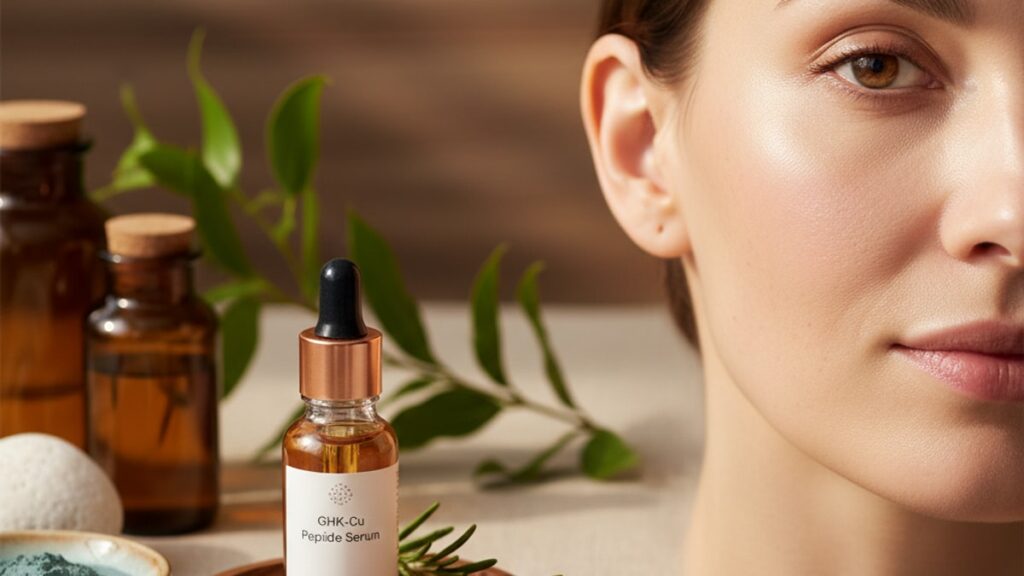
GHK-Cu works for skin remodeling by upregulating collagen I and III production through TGF-β signaling while downregulating MMP-1 activity. Evidence shows

GHK-Cu stimulates collagen synthesis by upregulating TGF-β1 and activating fibroblast progenitor cells — research shows 70% increases in collagen I and
