
Is GHK-Cu Safe According to Studies? (Research Review)

GHK-Cu demonstrates strong safety markers across human trials, with minimal adverse events reported at research-standard concentrations — here’s what



Your blog category
GHK-Cu demonstrates strong safety markers across human trials, with minimal adverse events reported at research-standard concentrations — here’s what
LL-37 remains stable for 7–10 days at 2–8°C after reconstitution with bacteriostatic water — protein degradation accelerates beyond this window.

AHK-Cu stimulates dermal papilla cells through copper-dependent enzyme activation, triggering anagen phase extension and collagen synthesis in hair

AHK-Cu animal vs human research reveals promising wound healing and hair regrowth data in rodents, but human trials remain limited. What the evidence
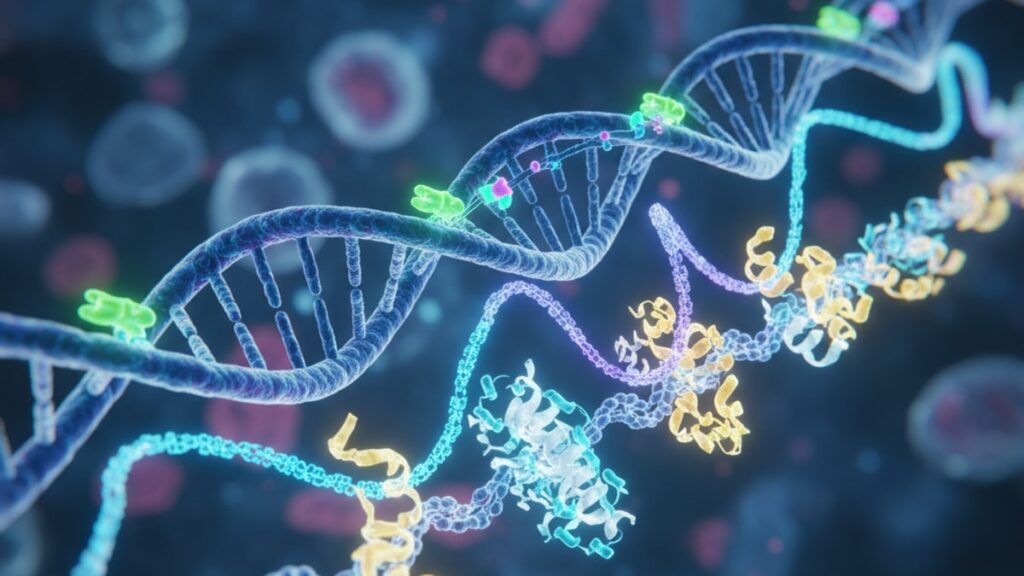
AHK-Cu influences gene expression by activating copper-dependent metallothionein pathways, upregulating collagen synthesis, and modulating inflammatory

SNAP-8 bioavailability is limited by molecular size—acetyl octapeptide-3 requires penetration enhancers or nasal delivery to reach deeper skin layers

BPC-157 demonstrates low adverse event rates in published trials, with gastrointestinal discomfort and injection site reactions in under 5% of

BPC-157 is legal to purchase for in vitro research in the U.S. under FDA guidelines — but human use and therapeutic claims remain prohibited. Here’s the
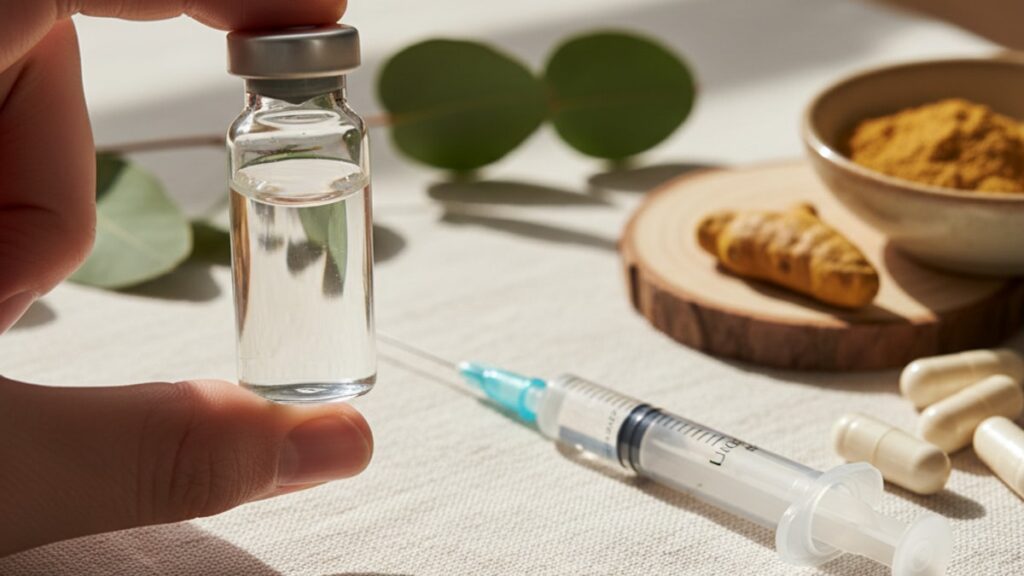
BPC-157 in solution appears clear to slightly cloudy, colorless or faintly straw-tinted — deviations from this baseline signal degradation or

BPC-157 accelerates tissue repair through angiogenesis and collagen synthesis—but how does it stack against TB-500, GHK-Cu, and other research peptides
