
BPC-157 Concentration for Research — Dosing Standards
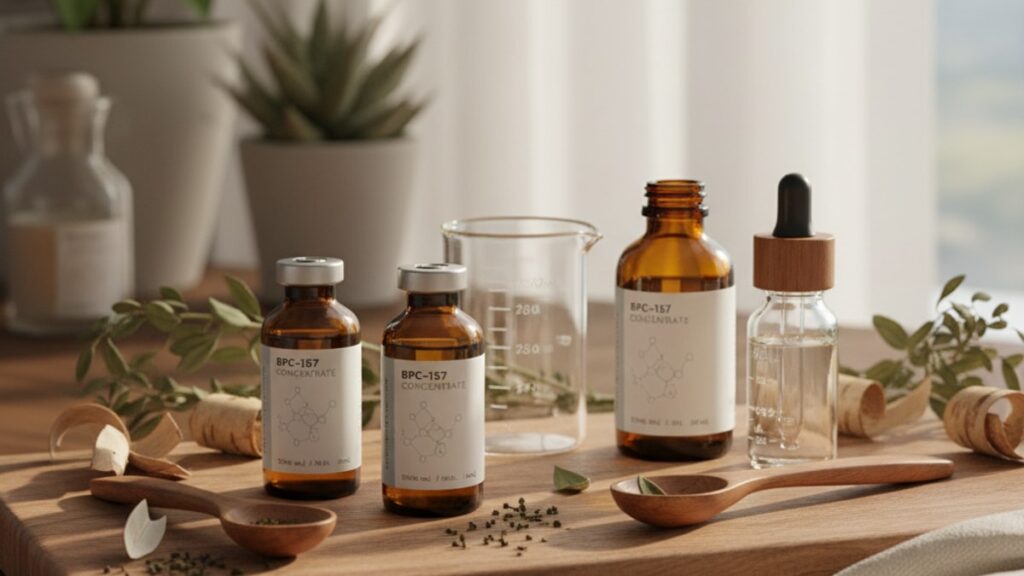
BPC-157 concentrations for research typically range from 200–1000 mcg/mL. Learn proper reconstitution protocols, stability factors, and dosing standards.



Your blog category
BPC-157 concentrations for research typically range from 200–1000 mcg/mL. Learn proper reconstitution protocols, stability factors, and dosing standards.

BPC-157 research requires exact reconstitution protocols, controlled storage conditions, and precise dosing methodologies to maintain peptide stability
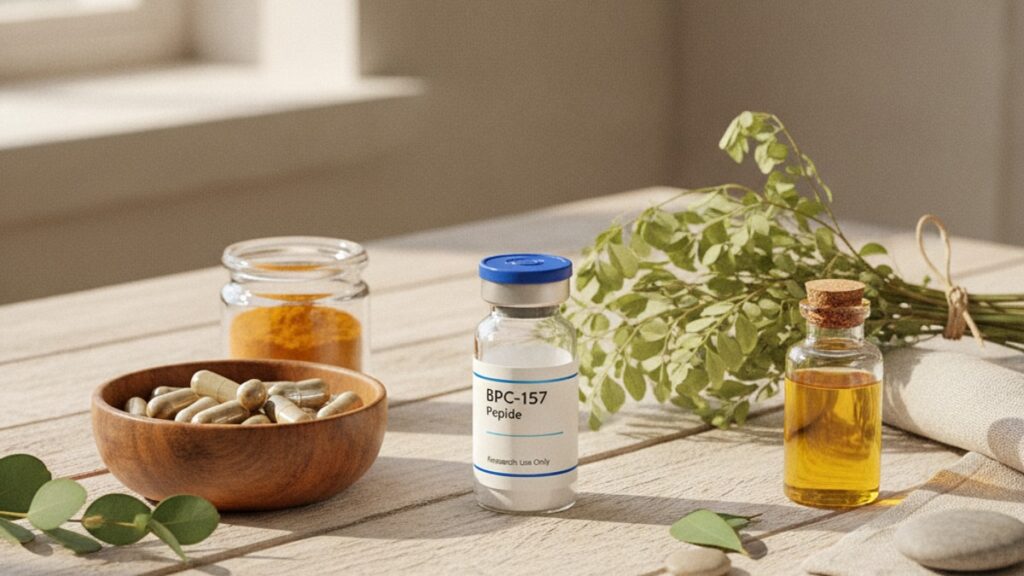
BPC-157 and BPC 157 are identical — the hyphen is formatting preference, not a chemical difference. Both refer to the same 15-amino-acid regenerative

TB-500 has a half-life of approximately 10–12 hours. This means it clears your system in 2–3 days, requiring precise multi-day dosing for therapeutic
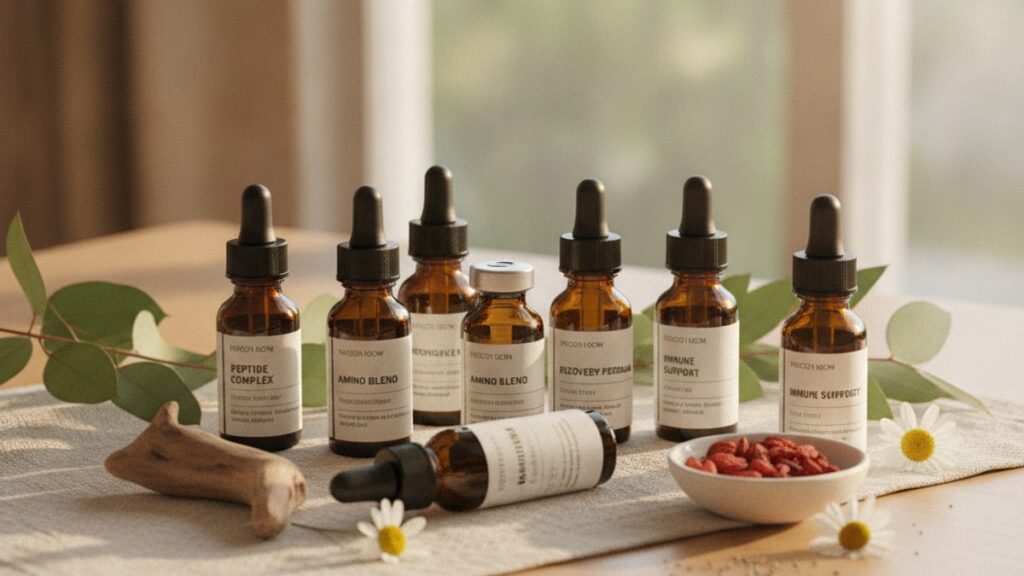
TB-500 pairs with BPC-157, GHK-Cu, and growth hormone secretagogues for synergistic effects. Here’s what actual research protocols show about peptide
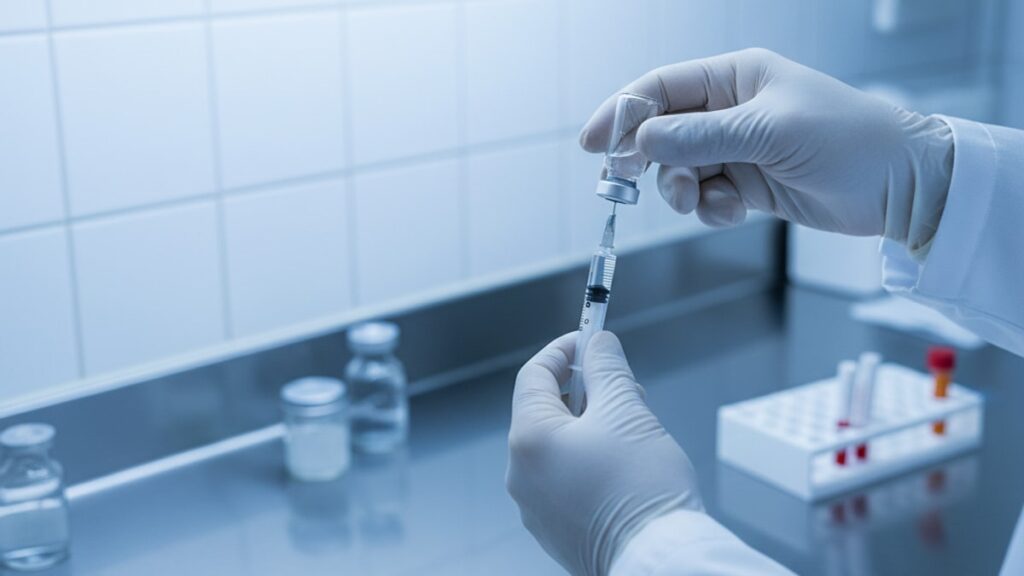
TB-500 is typically administered subcutaneously at doses ranging from 2.0–10mg per week in animal and in-vitro research. Protocols vary significantly by
TB-500 remains stable 2–4 weeks refrigerated after reconstitution. Temperature control, sterile bacteriostatic water, and storage protocol determine
TB-500 shows minimal adverse events in animal models, but human clinical data remains sparse. Most reported effects are injection-site reactions and
TB-500 is legal to purchase for research use in the United States — human use requires FDA approval. Understand lab-grade sourcing rules and compliance
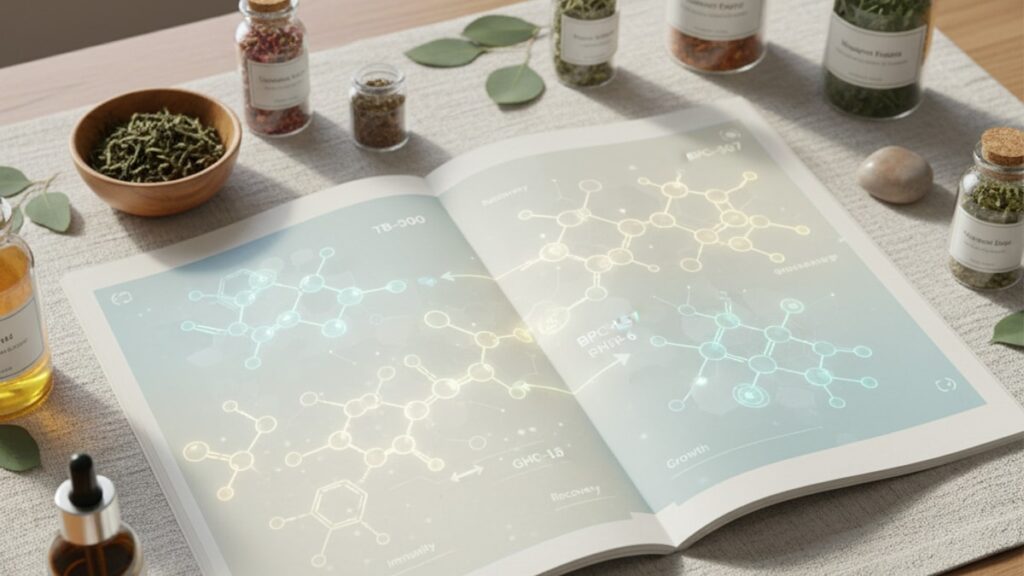
TB-500 promotes cellular migration and differentiation through Thymosin Beta-4 upregulation — most other peptides target singular pathways like GH
