
Melatonin MT1/MT2 Circadian Mechanism — How It Works
Melatonin binds MT1 and MT2 receptors in the suprachiasmatic nucleus to synchronize circadian rhythms through distinct neuronal pathways and clock gene



Your blog category
Melatonin binds MT1 and MT2 receptors in the suprachiasmatic nucleus to synchronize circadian rhythms through distinct neuronal pathways and clock gene
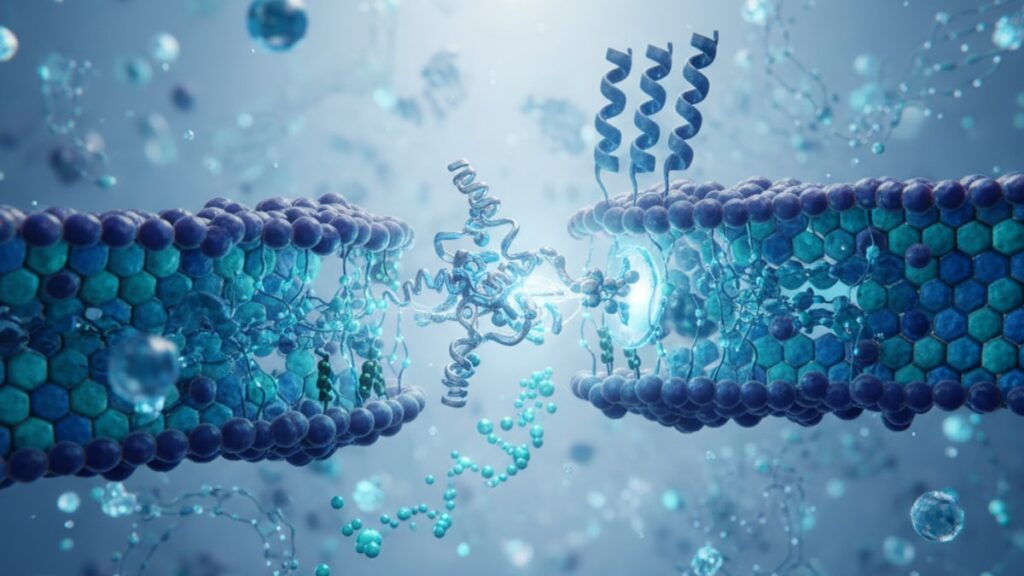
Pinealon receptor pharmacology centers on EDG neuroprotective pathways, mitochondrial signaling, and BDNF upregulation — three mechanisms driving
Pinealon’s mechanism centers on tripeptide modulation of gene expression in pineal cells, reducing oxidative damage and extending circadian regulation
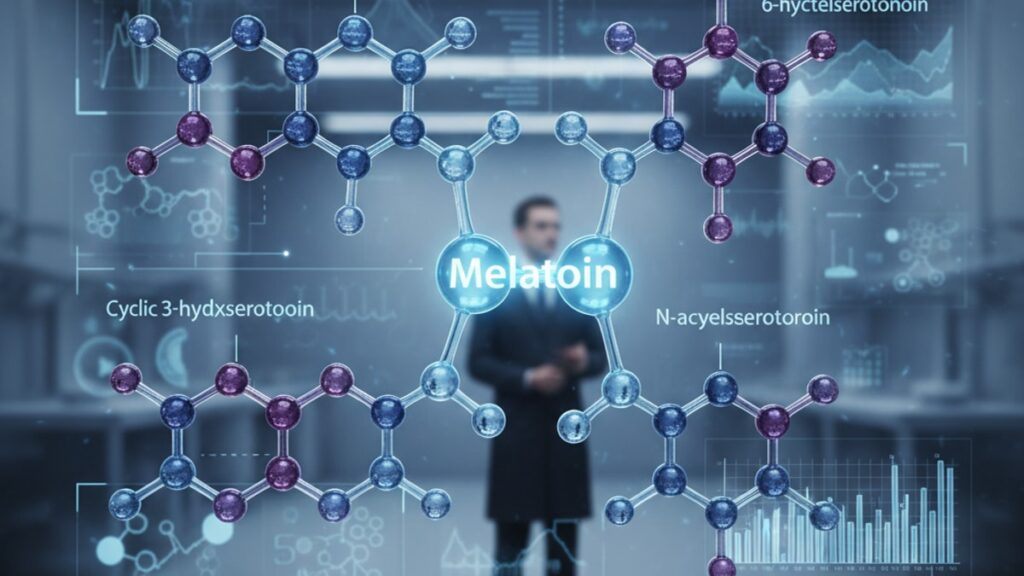
Melatonin metabolism research reveals CYP1A2 enzyme activity dictates clearance rates. Hydroxylation pathways, genetic polymorphisms, and cofactor
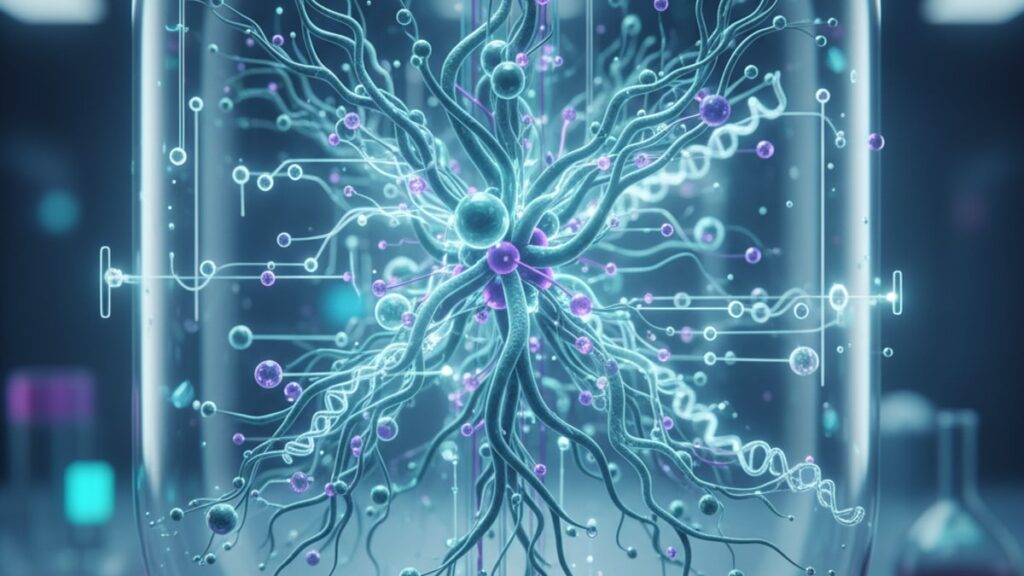
Pinealon activates brain-derived neurotrophic factor (BDNF) and synaptic protein synthesis through mTOR signaling — the neuroprotective pathway most

Pinealon downstream effects include BDNF upregulation, neuronal mitochondrial biogenesis, and synaptic plasticity enhancement through gene transcription
Pinealon animal vs human research diverges sharply: rodent trials show neurogenesis markers; human trials remain sparse with limited replication outside

Pinealon bioavailability depends on administration route and formulation stability. Intranasal delivery achieves peak plasma concentration in 15–20

Pinealon modulates gene expression tied to neuroprotection, mitochondrial function, and cellular repair — here’s what the clinical data actually

Pinealon biomarkers reveal neurological changes at the molecular level — measuring oxidative stress, synaptic markers, and mitochondrial function within
