
Does Oxytocin Help Low Libido? Mechanisms & Real Evidence

Oxytocin shows promise for low libido through improved bonding and arousal pathways, but evidence remains limited — clinical trials show mixed results.



Your blog category
Oxytocin shows promise for low libido through improved bonding and arousal pathways, but evidence remains limited — clinical trials show mixed results.

PT-141, melanotan II, and kisspeptin show promise in erectile dysfunction research through distinct neuroendocrine pathways — here’s what current
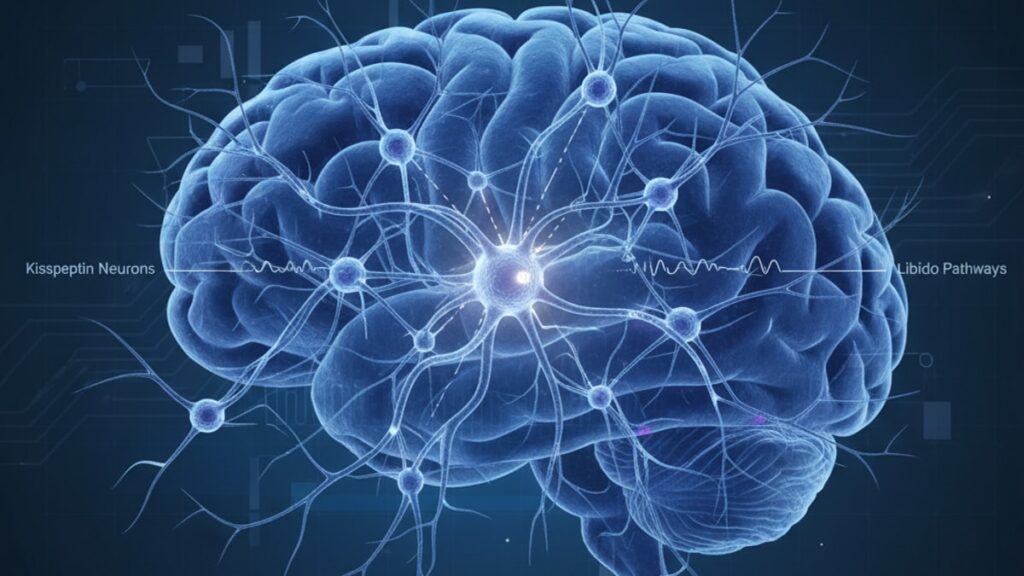
Kisspeptin activates GnRH neurons in the hypothalamus, triggering the reproductive hormone cascade that governs libido — here’s how the mechanism works.

Oxytocin modulates sexual desire through dopamine pathways and hypothalamic regulation — not as a standalone libido driver but as a social bonding

PT-141 studied low libido through Phase 3 trials showing significant improvement in desire and arousal in hypoactive sexual desire disorder patients.

Kisspeptin activates GnRH neurons to restore testosterone and estradiol signaling, addressing hormonal causes of low libido through targeted

PT-141 increases sexual desire by activating melanocortin receptors in the brain, bypassing vascular pathways. Research shows 60–80% response rates in

PT-141 activates melanocortin receptors in the brain to restore desire through neural pathways — not vascular mechanisms like PDE5 inhibitors.

Kisspeptin restores libido by activating GnRH neurons, boosting testosterone and estradiol—clinical trials show improved desire in both men and women.

Pinealon modulates pineal gland peptide signaling to normalize circadian rhythms — upregulating melatonin synthesis and restoring sleep architecture
