
Choose TB-500 Vial Size — Lab Protocol Guide

TB-500 vial sizes (2mg, 5mg, 10mg) affect reconstitution precision, storage logistics, and dosing accuracy — learn which size fits your research protocol





Your blog category
TB-500 vial sizes (2mg, 5mg, 10mg) affect reconstitution precision, storage logistics, and dosing accuracy — learn which size fits your research protocol

TB-4 reconstitution requires sterile bacteriostatic water, gentle mixing, and immediate refrigeration at 2–8°C — temperature excursions denature the
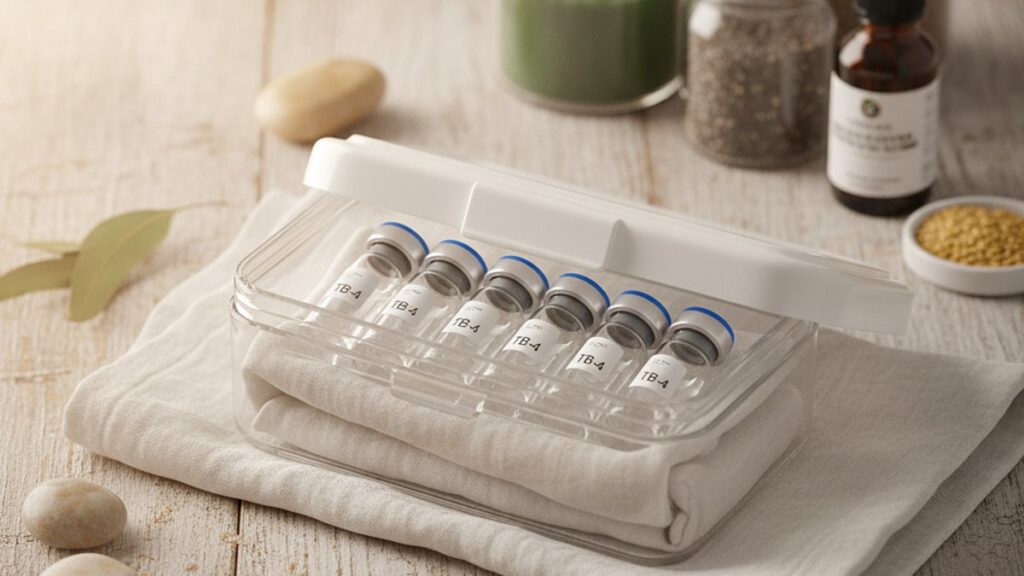
TB-4 peptides stored at −20°C retain potency for 24+ months. Learn the freezer method, avoid reconstitution errors, and prevent degradation that nullifies
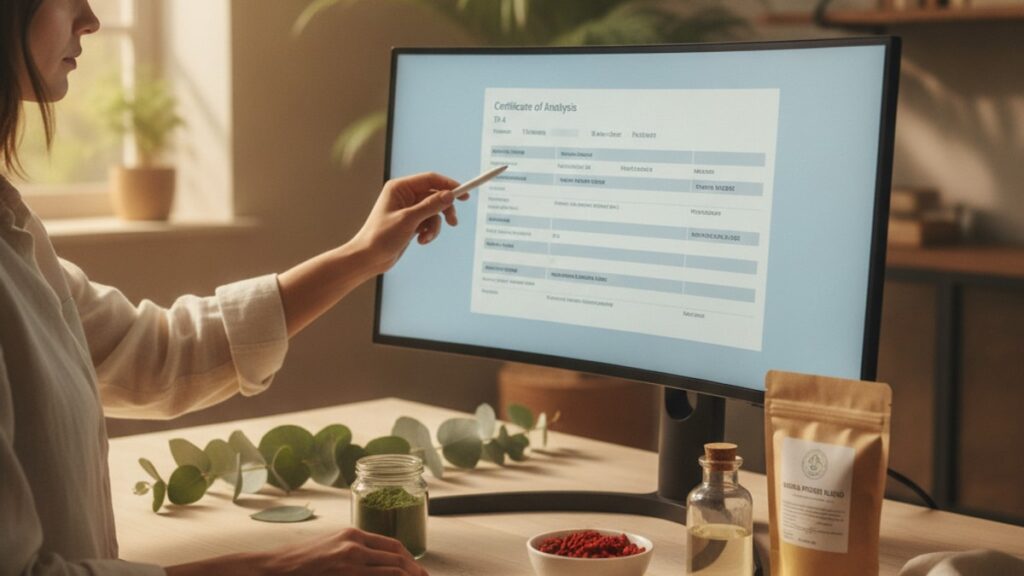
TB-4 COA analysis requires verification of purity percentage, peptide sequence confirmation via mass spectrometry, and endotoxin testing to ensure

Rotating TB-4 injection sites prevents lipohypertrophy, ensures consistent absorption, and maintains peptide efficacy across treatment cycles.

Avoid TB-4 reconstitution errors with precise protocols: temperature control, sterile technique, and proper mixing prevent protein degradation and

TB-4 vials range from 2mg to 10mg. Reconstitution volume, injection frequency, and protocol length determine optimal size. Here’s how to calculate yours.

TB-4 cycles typically run 4–8 weeks at 2–10mg weekly. Learn proper reconstitution, injection timing, and recovery protocols from research-grade peptide

TB-4 research documentation requires precise protocols for peptide handling, storage, and experimental design. Learn the methods that ensure reliable,

Third-party HPLC mass spectrometry confirms TB-4 purity above 98%. Learn which testing methods detect impurities and why batch certificates matter for
