FREE STANDARD SHIPPING ON ORDERS $250+•FREE STANDARD SHIPPING ON ORDERS $250+•FREE STANDARD SHIPPING ON ORDERS $250+•FREE STANDARD SHIPPING ON ORDERS $250+•FREE STANDARD SHIPPING ON ORDERS $250+•FREE STANDARD SHIPPING ON ORDERS $250+•FREE STANDARD SHIPPING ON ORDERS $250+•FREE STANDARD SHIPPING ON ORDERS $250+•
FREE STANDARD SHIPPING ON ORDERS $250+•FREE STANDARD SHIPPING ON ORDERS $250+•FREE STANDARD SHIPPING ON ORDERS $250+•FREE STANDARD SHIPPING ON ORDERS $250+•FREE STANDARD SHIPPING ON ORDERS $250+•FREE STANDARD SHIPPING ON ORDERS $250+•FREE STANDARD SHIPPING ON ORDERS $250+•FREE STANDARD SHIPPING ON ORDERS $250+•
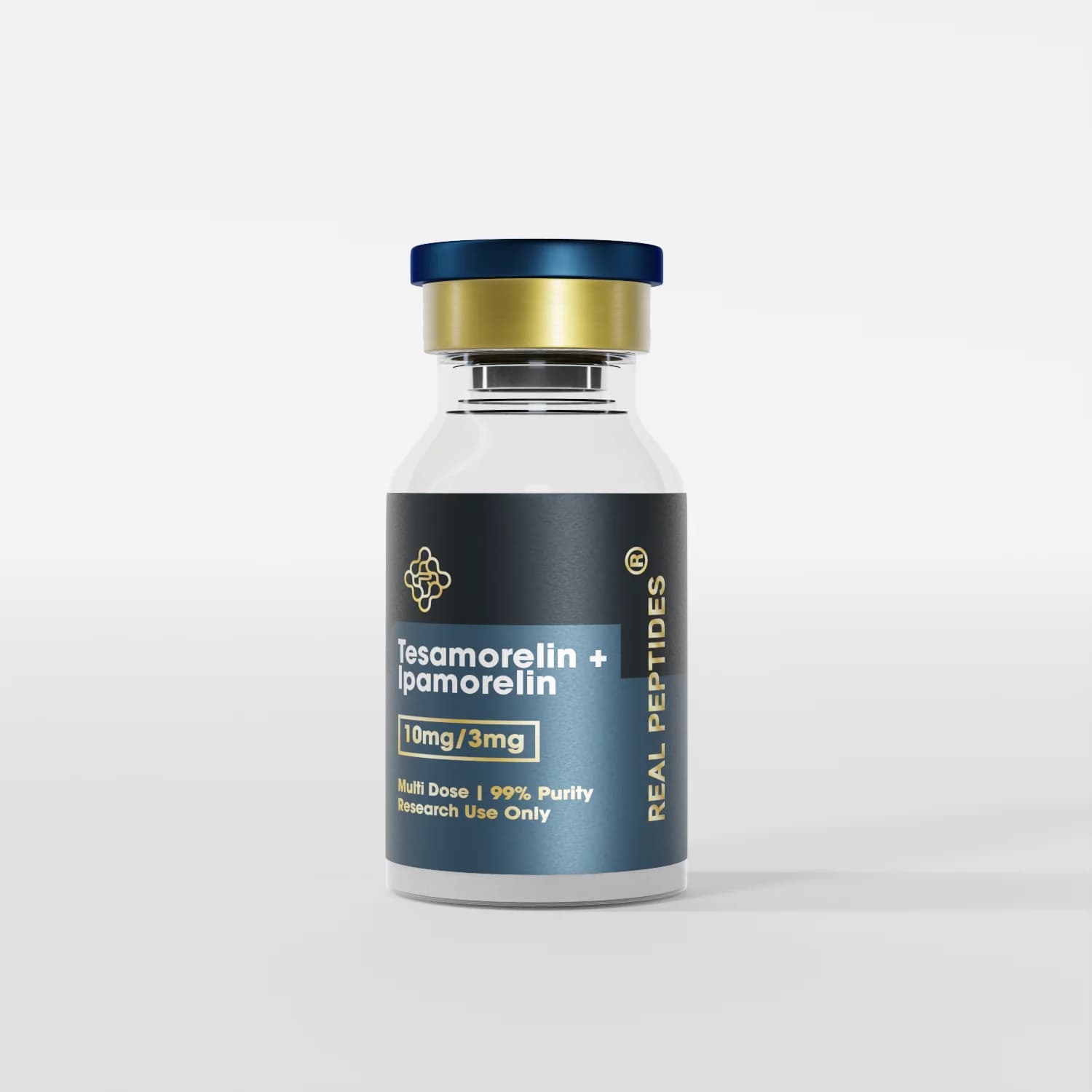
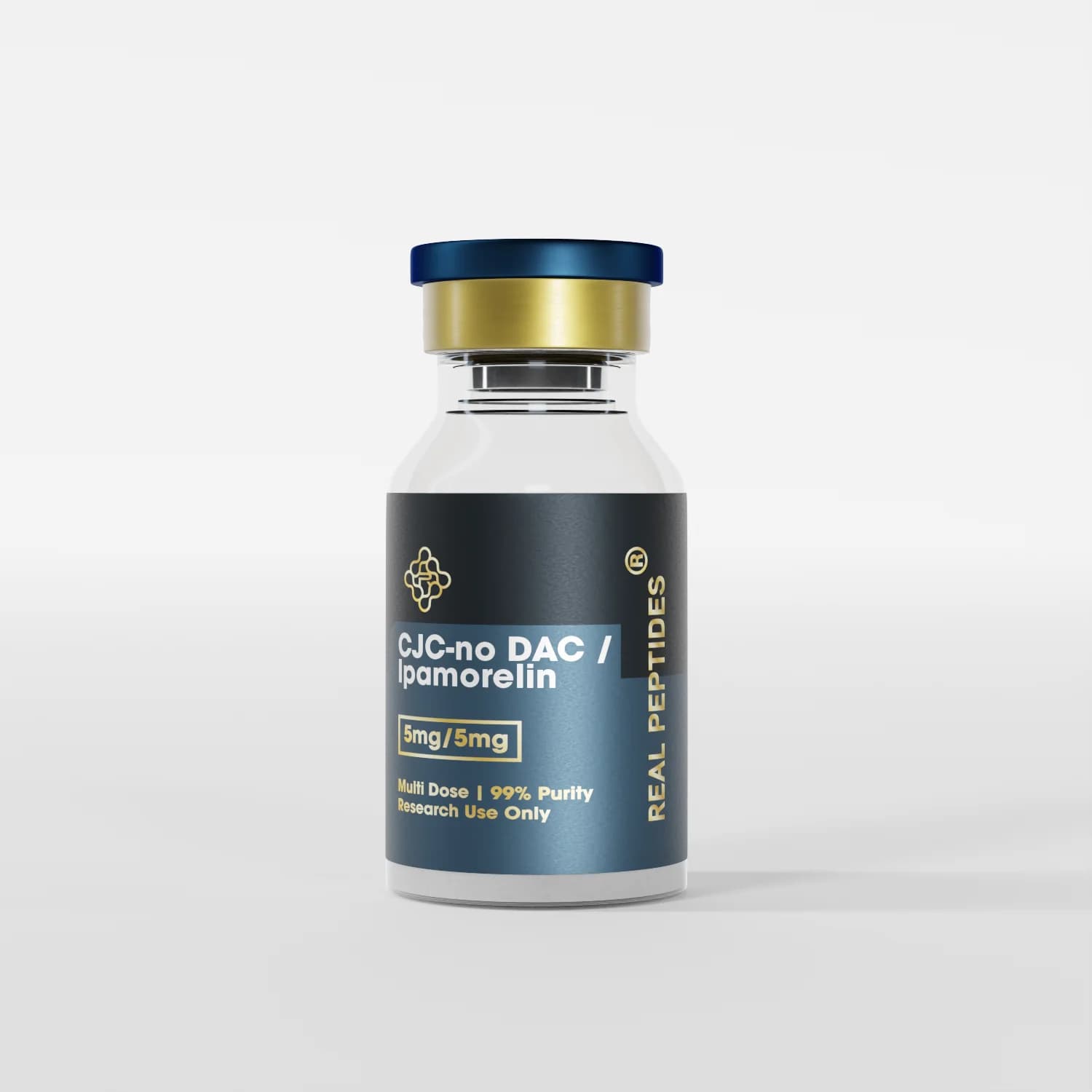
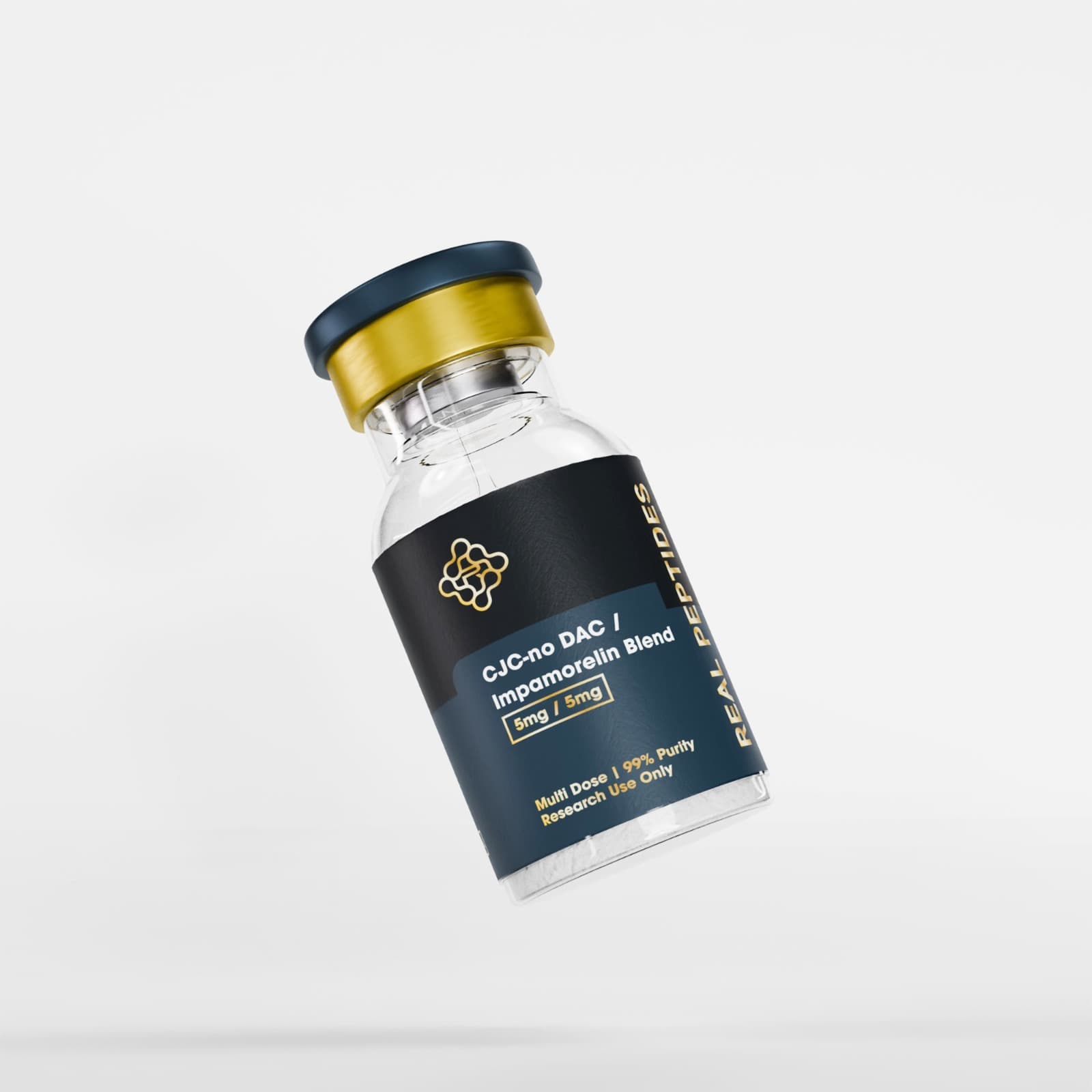
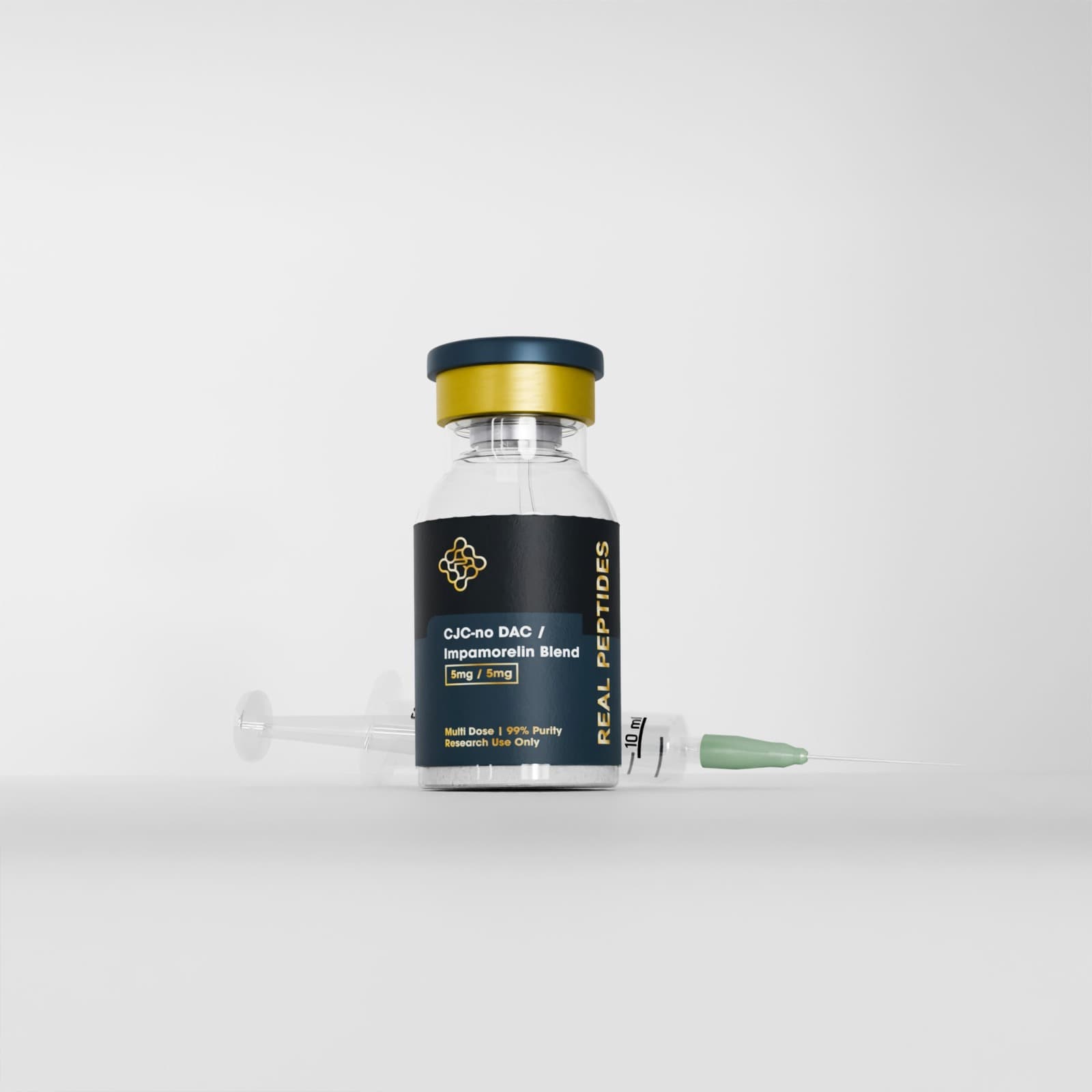
CJC-1295 Peptide (5mg) with Ipamorelin for Laboratory Research
$76.80$38.40Save 50%
CJC-1295 is a laboratory-synthesized analogue of growth hormone-releasing hormone (GHRH 1-29), modified at several positions for stability and studied in vitro and in animal models for its interaction with pituitary GHRH receptors and growth hormone secretion pathways. In this listing it is paired with Ipamorelin, a selective growth hormone secretagogue peptide, so both signalling pathways can be examined in the same experimental design.
The material is supplied as a lyophilized powder sealed in a multi-dose glass vial at the 5mg quantity shown in the product title. Identity and purity are verified by an independent analytical laboratory, and the certificate for the current lot is published on this site before purchase, so the label lot number can be matched to its report. Orders ship from Florida and California facilities within 24 hours. Research use only.
Mix and match vials, capsules, sprays and serums. The more you add, the more you save.
Build Your PackAdd products and your discount is applied automatically.Build Your Pack →
RUO
For Research Use Only. Not for human consumption or therapeutic treatment.
Finished in the USA
CJC-1295 (no DAC) combined with Ipamorelin at a balanced 5mg/5mg ratio is one of the most studied growth-hormone–releasing peptide stacks used in research to examine natural GH pulsatility, metabolic function, cellular repair, recovery pathways, and age-related decline. This synergistic pairing is designed to amplify growth-hormone secretion through both GHRH- and GHRP-based pathways, offering a dual-mechanism model for researchers studying regeneration, fat metabolism, tissue repair, and peptide-based endocrine modulation.
What Is CJC-1295 + Ipamorelin?
This combination pairs two of the most respected GH secretagogues in research: CJC-1295 (no DAC), a GHRH analog that stimulates GH from the pituitary, and Ipamorelin, a selective ghrelin receptor agonist known for its clean, cortisol-neutral profile. Together, they create a dual-action model that amplifies natural GH pulses while supporting IGF-1 activation, cellular repair pathways, and metabolic improvement.
Why Choose CJC-1295 + Ipamorelin for Research?
The synergy between CJC-1295 (no DAC) and Ipamorelin is considered one of the most predictable and physiologically relevant ways to study GH enhancement. Instead of forcing unnaturally high GH levels (as seen with DAC), this version allows researchers to model natural pulsation, receptor sensitivity preservation, and circadian GH activity. This makes it ideal for studies involving aging, tissue repair, fat metabolism, mitochondrial regeneration, and hormonal optimization.



 Ships within 24 hours
 Free standard shipping on orders $250+
 Lab report included