Compound Class and Structure
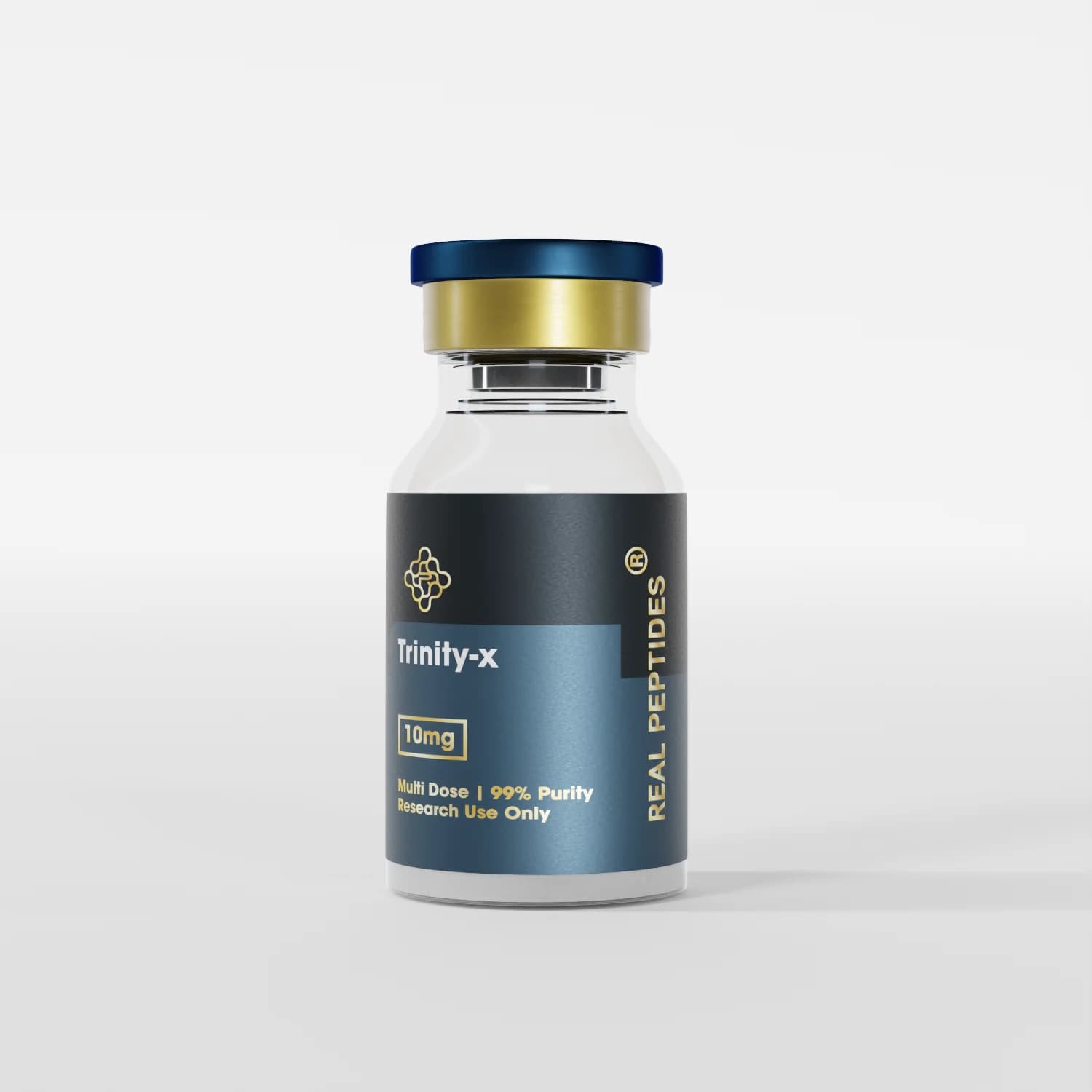
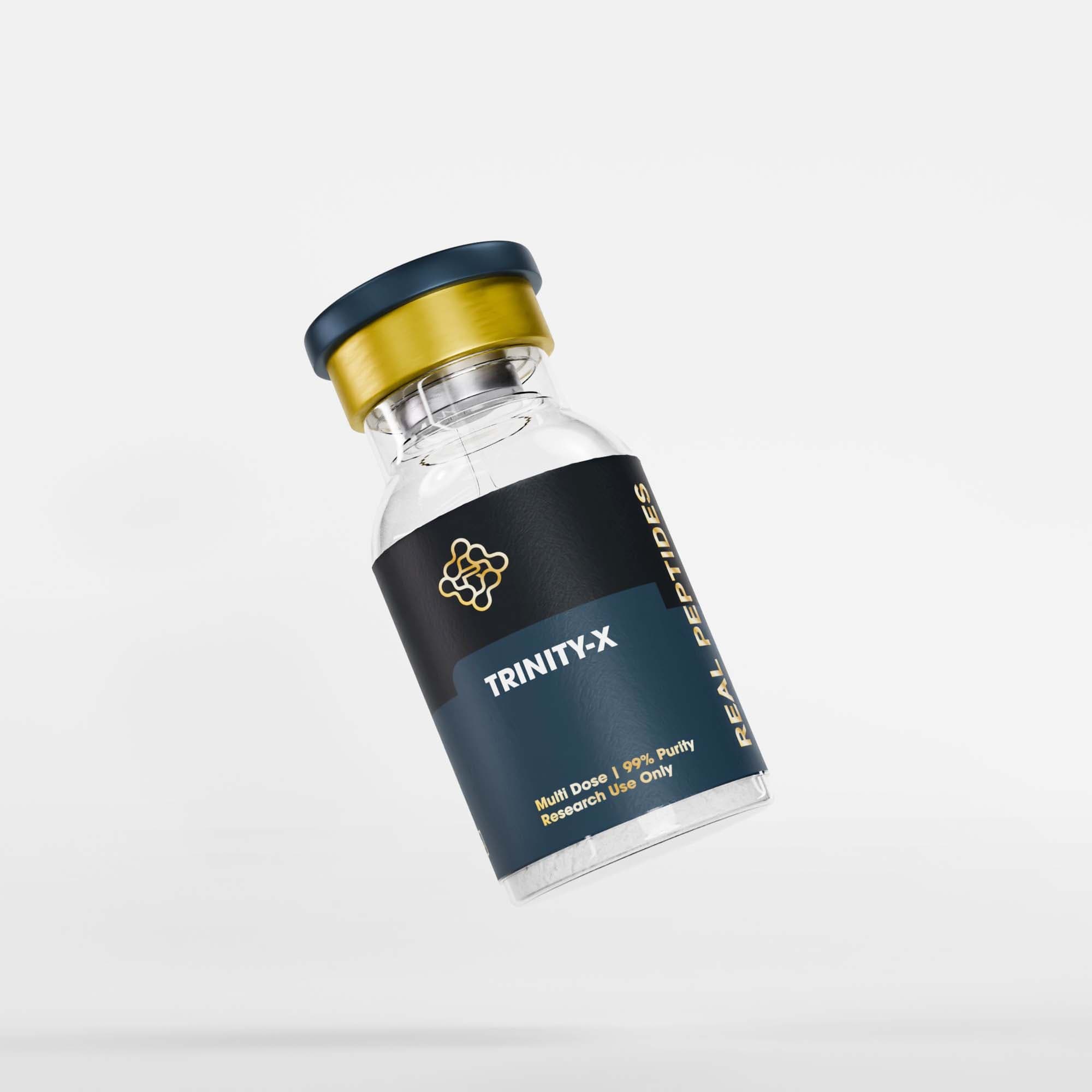
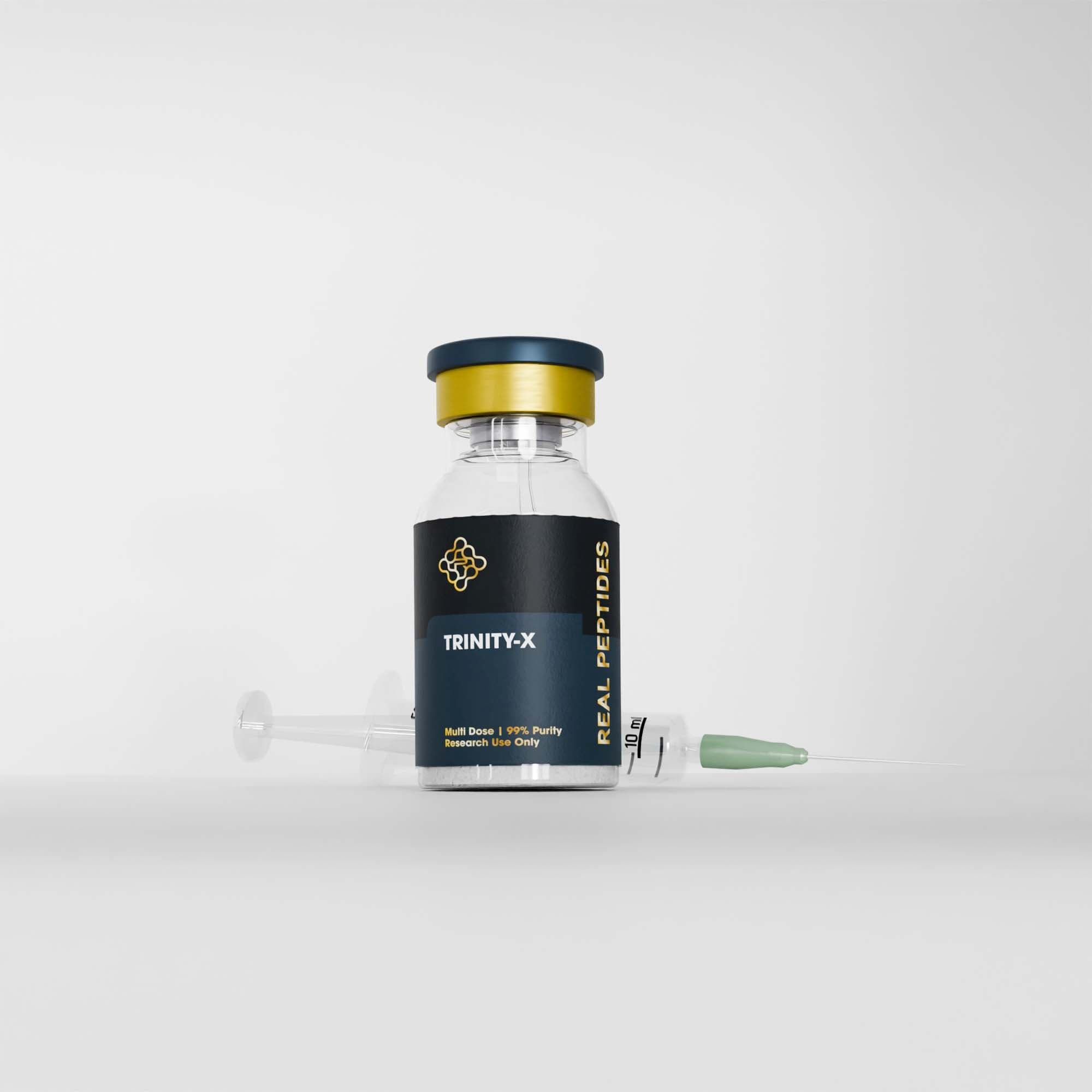
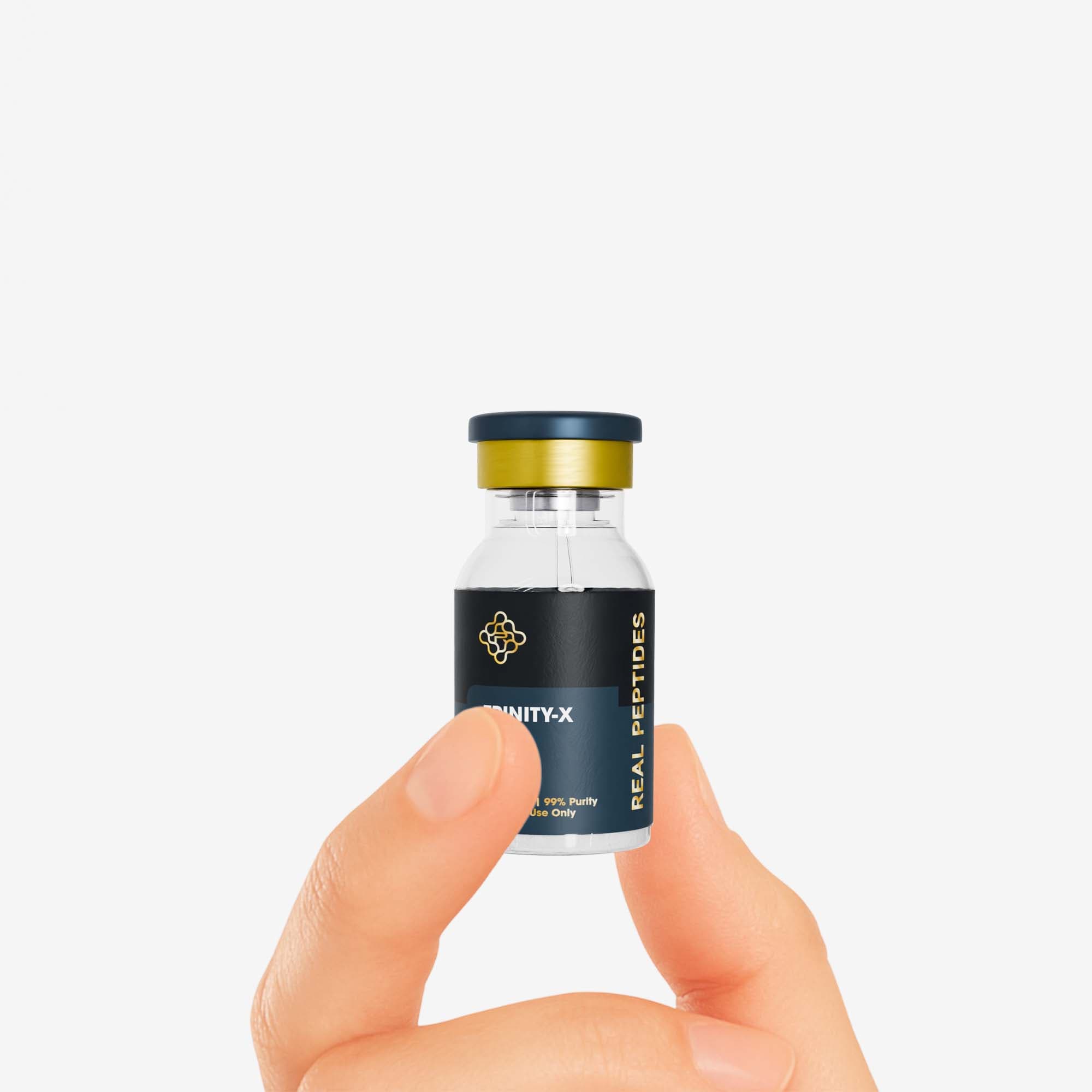
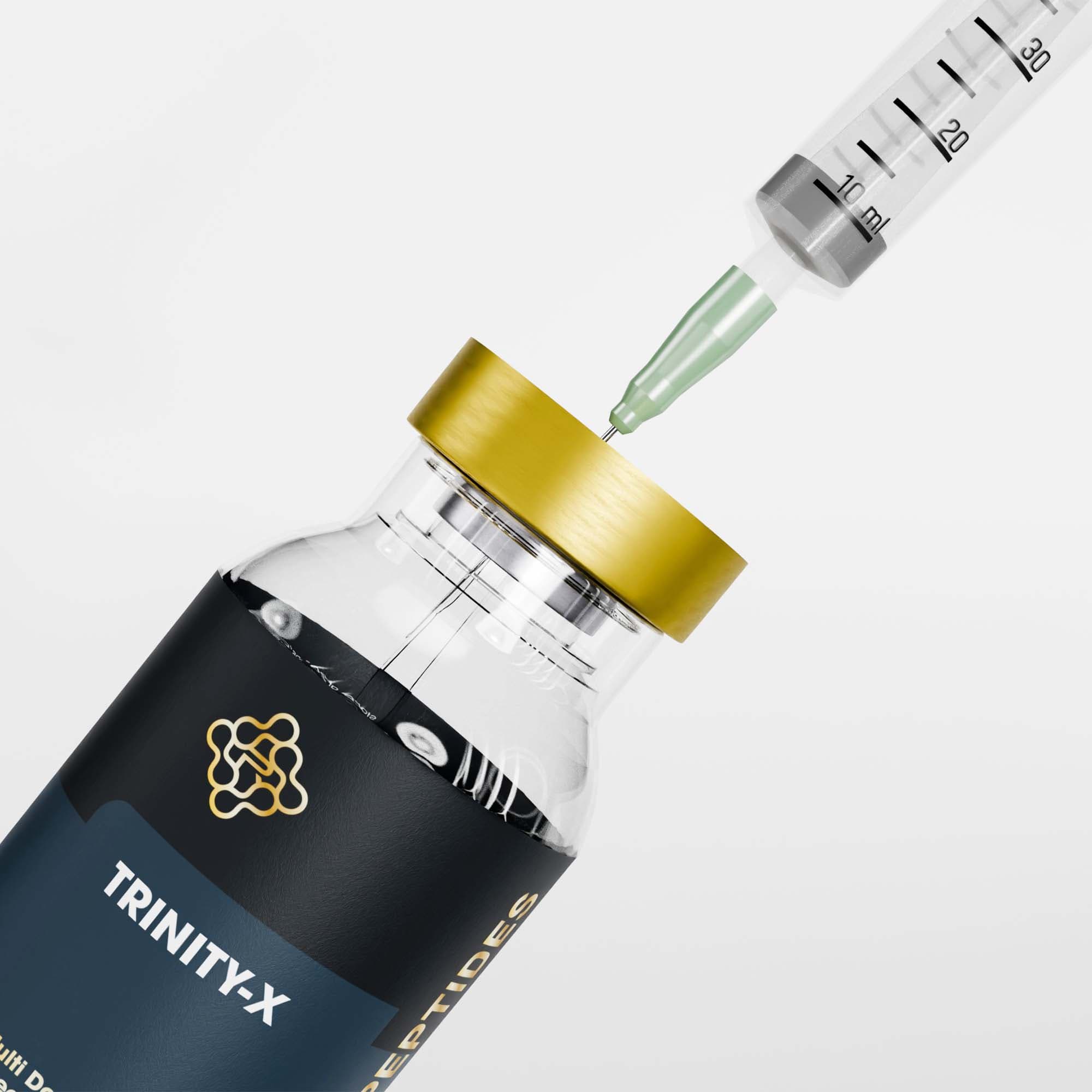
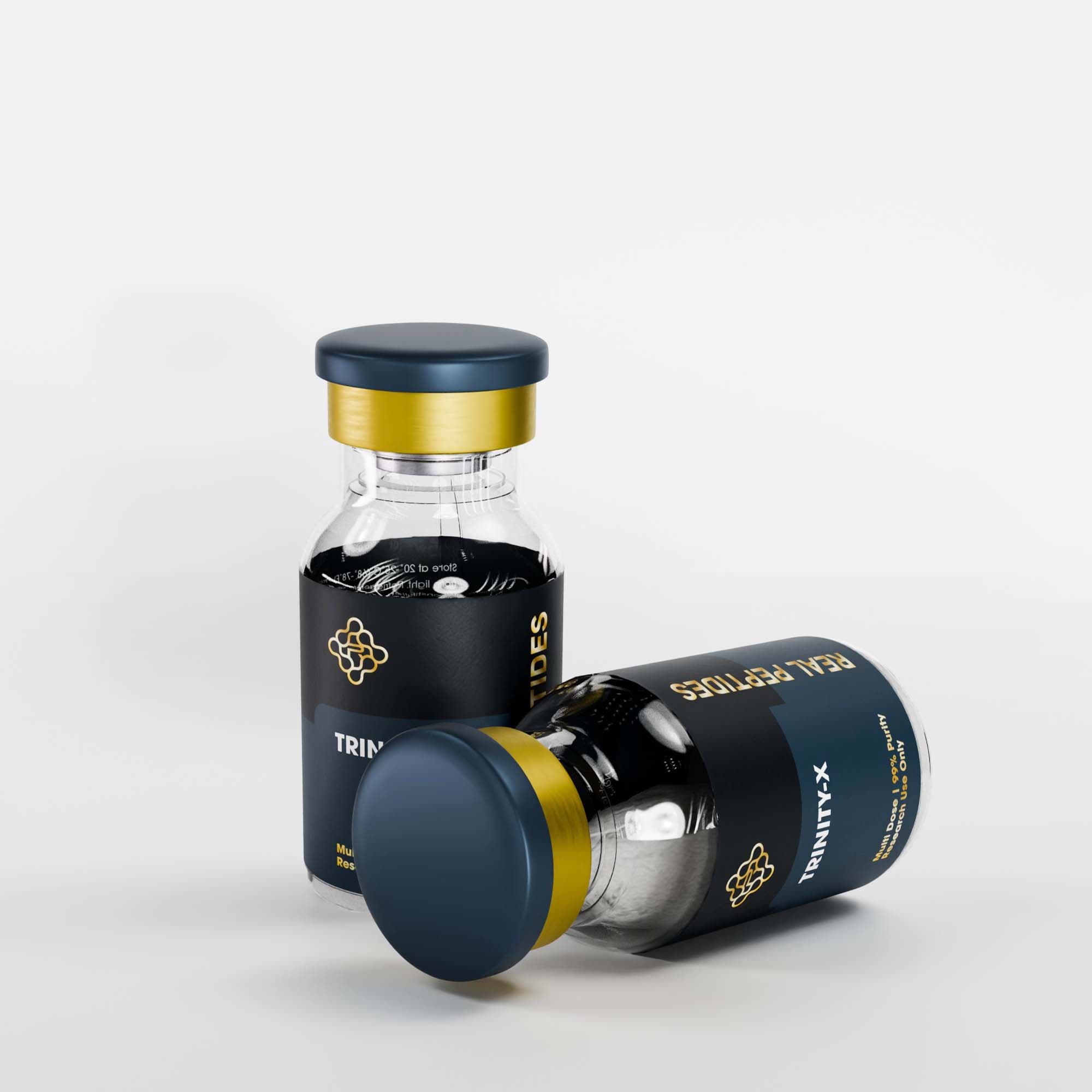
Trinity-X (GLP3-RT) is a synthetic single-chain peptide of 39 amino acids, supplied as a lyophilized solid for in vitro and preclinical laboratory research. Its sequence sits within the glucagon–secretin peptide superfamily, a family in which a conserved N-terminal segment drives receptor engagement while the central helical region and C-terminal extension govern selectivity, conformational stability and plasma residence. Engineering across all three regions, together with a fatty-acid modification that supports reversible albumin association, is intended to hold one defined tri-receptor activity profile inside a single molecule instead of requiring three separate agonist peptides in the same experimental system.
Receptor Pharmacology and Signalling
Trinity-X is characterised as a tri-agonist at three class B1 G-protein-coupled receptors: the glucagon-like peptide-1 receptor (GLP-1R), the glucose-dependent insulinotropic polypeptide receptor (GIPR) and the glucagon receptor (GCGR). All three couple predominantly to Gαs, so receptor engagement is typically read out as adenylate cyclase activation and intracellular cAMP accumulation, followed by protein kinase A activity, CREB phosphorylation and, in β-cell systems, downstream calcium flux. Secondary signalling branches examined in vitro include β-arrestin recruitment, receptor internalisation and recycling kinetics, and biased-signalling comparisons between the three receptor arms. Because relative potency differs at GLP-1R, GIPR and GCGR, investigators commonly profile the compound in receptor-transfected reporter lines to map EC50 relationships before interpreting composite readouts obtained in whole-animal studies.
Research Areas, Models and Endpoints
Published research interest clusters around three fields: incretin signalling, energy-balance mechanisms and glucose homeostasis in preclinical models. Common systems include HEK293 and CHO lines stably expressing human GLP-1R, GIPR or GCGR; isolated rodent pancreatic islets; primary hepatocyte and adipocyte cultures; and whole-animal work in diet-induced obese mice, Zucker rats and genetically modified receptor-knockout strains.
Measured endpoints vary by field. Cell-based work quantifies cAMP EC50 values, luminescence or fluorescence reporter output, receptor occupancy and arrestin recruitment. Islet and hepatocyte studies record glucose-stimulated insulin secretion by immunoassay, glucagon output, glycogen content and lipid handling markers. Whole-animal protocols track glucose excursion and area under the curve during oral or intraperitoneal glucose tolerance testing, plasma insulin and glucagon profiles, gastric emptying rate, oxygen consumption and respiratory exchange ratio by indirect calorimetry, hepatic triglyceride quantification, adipose and liver histology, and receptor or target-gene expression by qPCR and Western blot. Endpoints describe what an assay records in a model system; they are not statements about effects in people.
Storage and Laboratory Documentation
The lyophilized solid is shipped and held as a stable powder. Standard laboratory documentation for material of this class specifies storage at -20°C for long-term inventory, with short-term holding at 2°C to 8°C acceptable for active projects. Vials should be kept sealed, fully desiccated and protected from light, since peptide solids of this family are sensitive to ambient moisture and to prolonged ultraviolet exposure. Repeated warming and cooling cycles are avoided, and vials are allowed to equilibrate to ambient temperature before the seal is broken so that condensation does not form on the solid. Good practice is to log lot number, receipt date and freezer location against the certificate of analysis issued for that specific lot, keeping chain-of-custody records aligned with the analytical report. Trinity-X is sold strictly as a research material for qualified laboratory professionals. It is not a medicine, not approved for any therapeutic purpose, and not for human or veterinary use.



 Ships within 24 hours
 Free standard shipping on orders $250+
 Lab report included