Compound Class and Structure
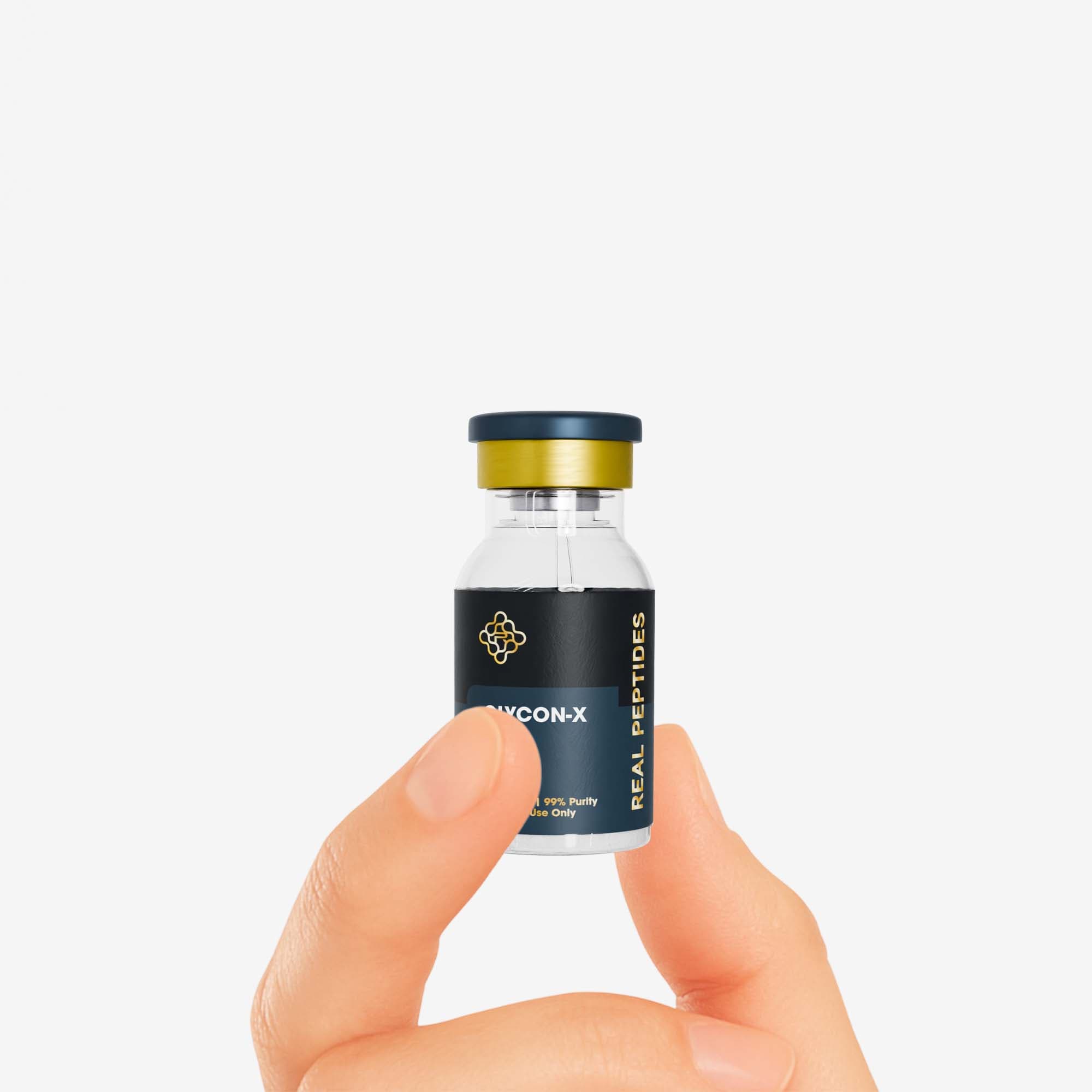
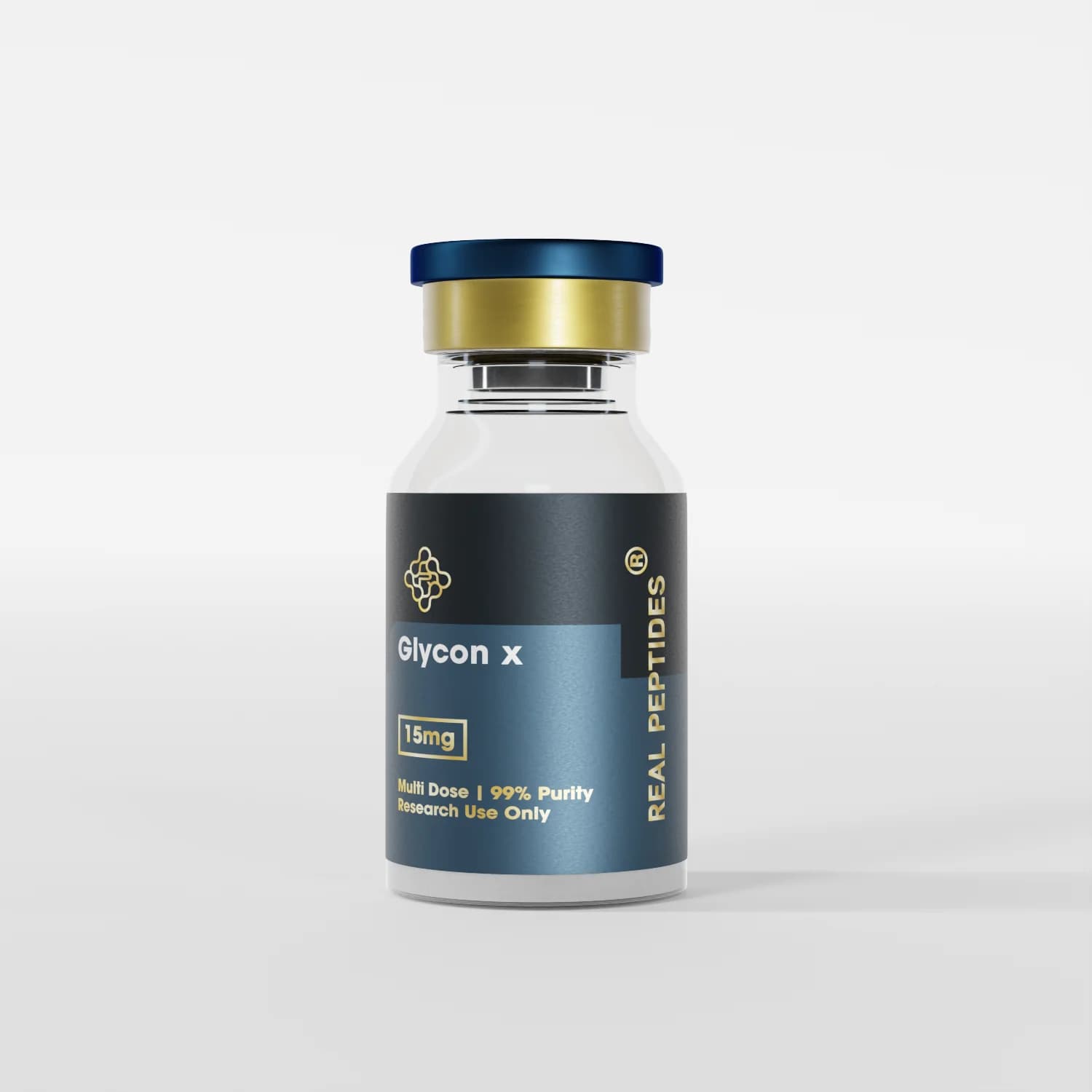
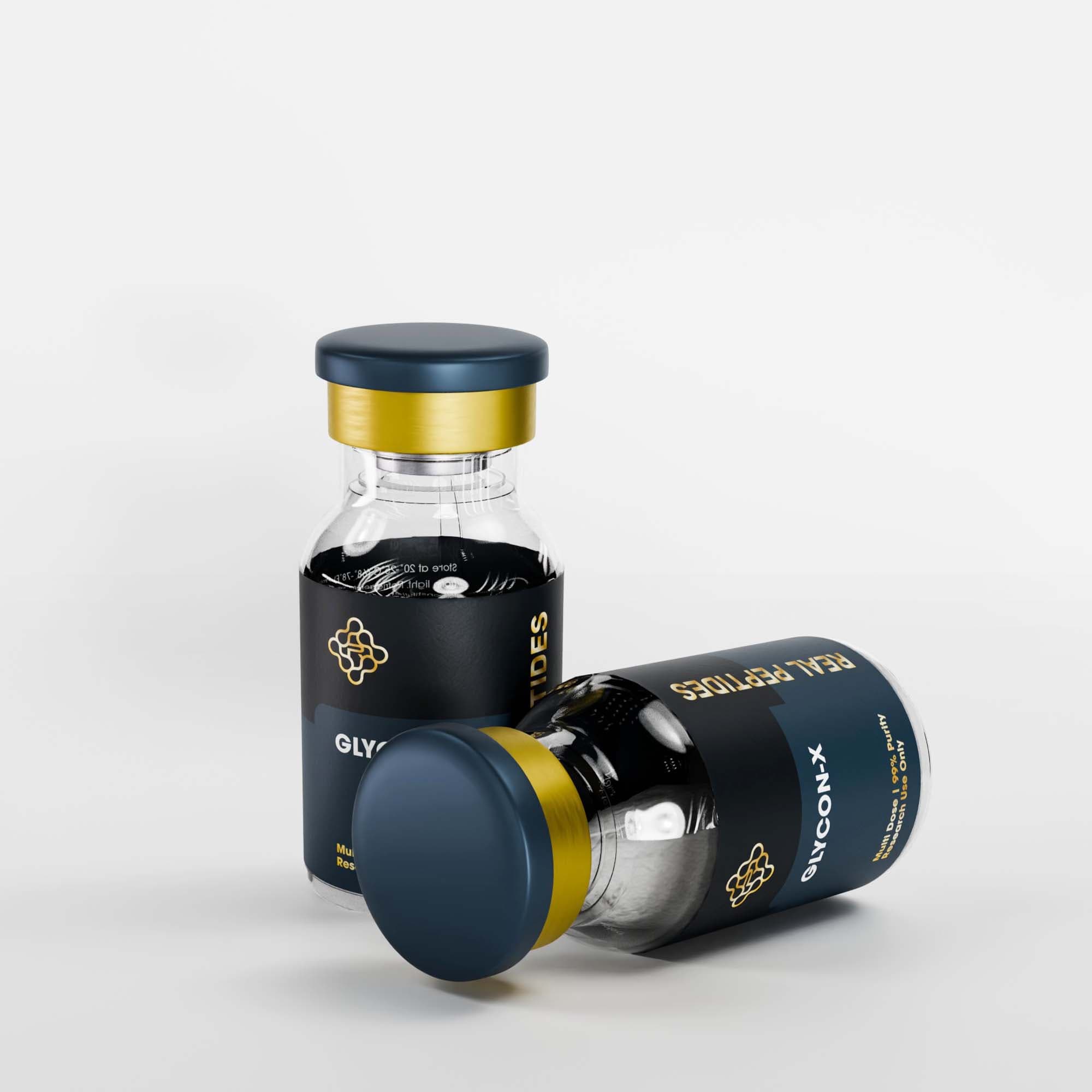
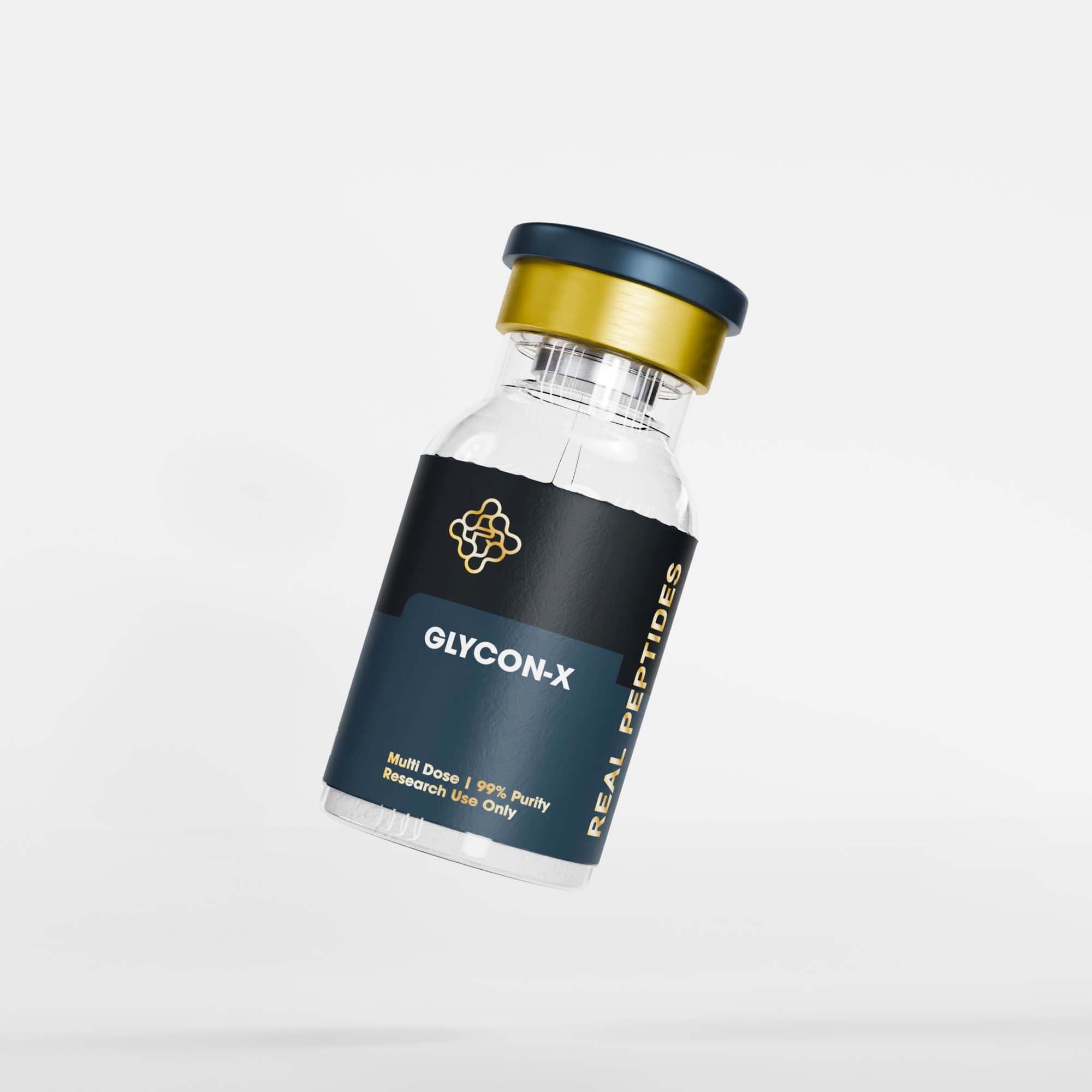
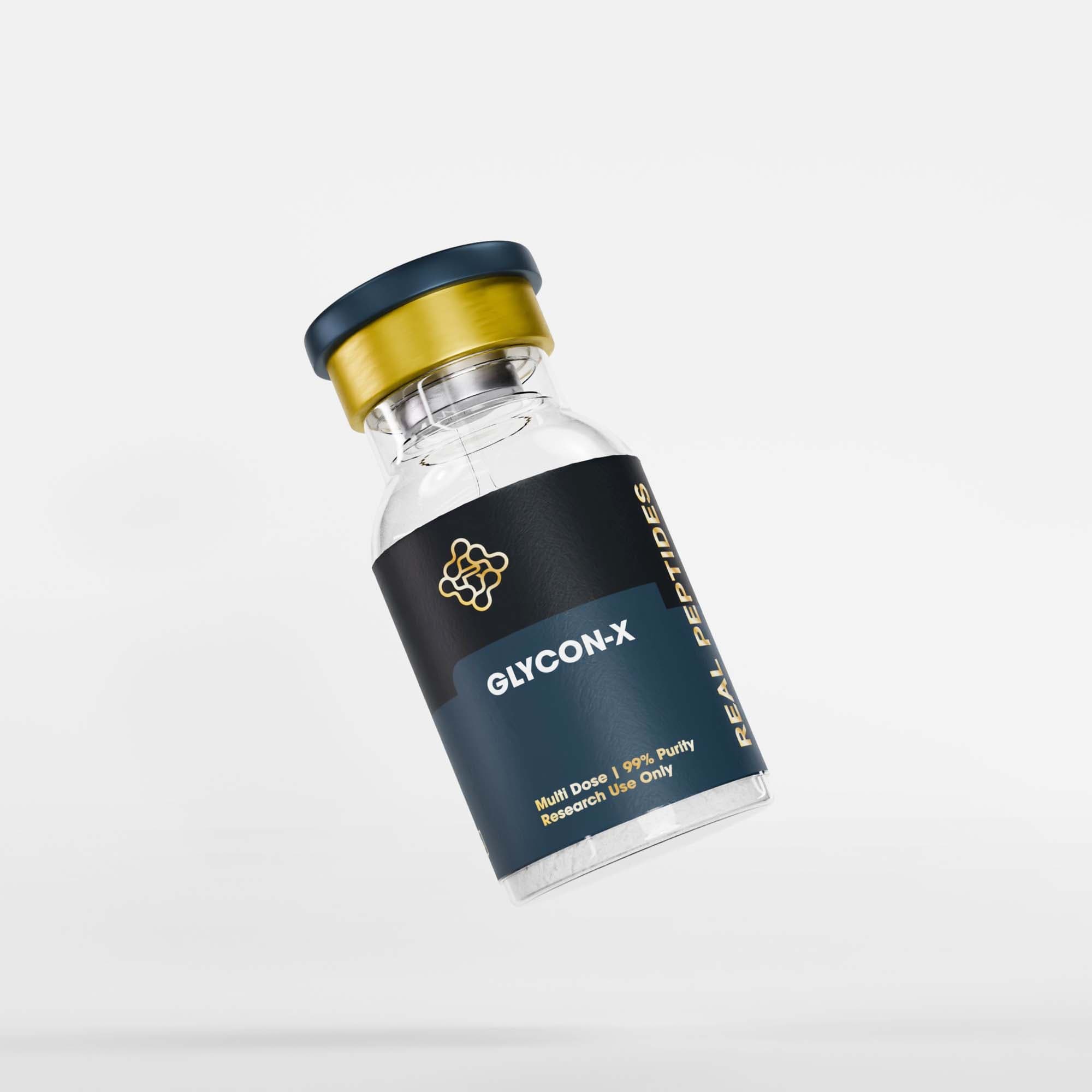
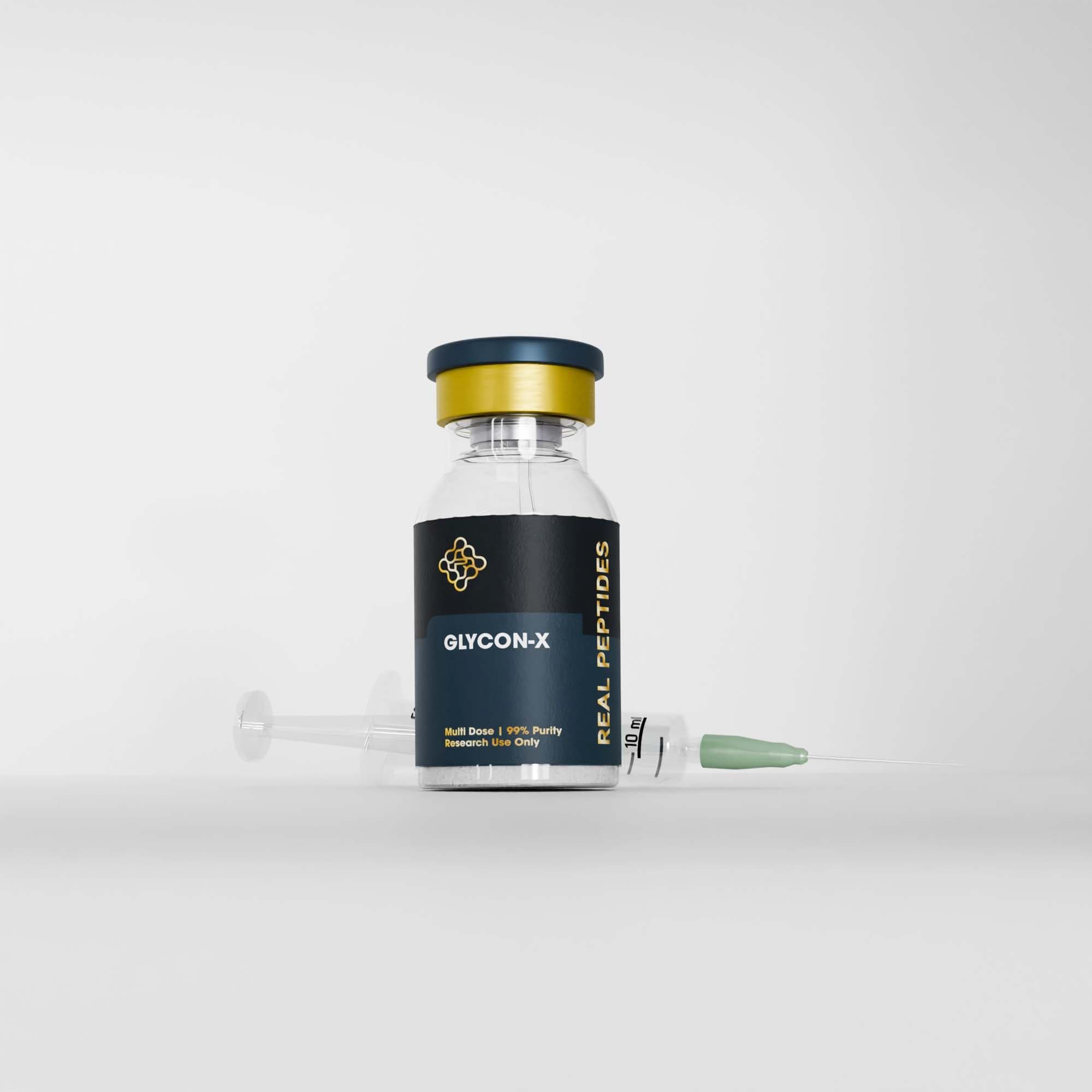
GLYCON X is a synthetic 39-amino-acid peptide in the incretin-mimetic class of laboratory research materials. Its backbone follows the glucagon superfamily architecture shared by glucagon-like peptide-1 (GLP-1) and glucose-dependent insulinotropic polypeptide (GIP), with substitutions and a lipidation handle that support extended plasma residence in rodent work and stability against dipeptidyl peptidase-4 cleavage at the N-terminus. The material is supplied as a sterile-filtered, lyophilised white powder sealed under vacuum in glass vials, offered in 15mg, 30mg and 60mg fills.
Receptor Pharmacology and Signalling
In cell-based characterisation, GLYCON X behaves as a dual agonist at the GLP-1 receptor (GLP-1R) and the GIP receptor (GIPR), two class B1 G-protein-coupled receptors. Engagement of either receptor couples principally to Gαs, elevating intracellular cyclic AMP and activating protein kinase A together with the Epac2/Rap1 axis. Secondary readouts include β-arrestin-1/2 recruitment, receptor internalisation and recycling kinetics, and ERK1/2 phosphorylation. Because one molecule addresses two receptor populations, investigators use GLYCON X to interrogate potency ratios (EC50 comparisons across GLP-1R and GIPR), signal bias between cAMP and arrestin arms, cross-desensitisation, and whether combined incretin input behaves additively or synergistically relative to single-receptor ligands.
Research Areas and Measured Endpoints
Insulin-secretion dynamics is the most common application: perifused isolated rodent islets and clonal β-cell lines such as INS-1 832/13 and MIN6, with glucose-stimulated insulin secretion quantified by ELISA, alongside intracellular calcium imaging, mitochondrial membrane potential and secretory granule exocytosis assays. Incretin receptor pharmacology work uses HEK293 or CHO lines stably expressing human GLP-1R or GIPR for competition binding, HTRF or BRET cAMP accumulation, arrestin recruitment and concentration-response curve fitting. Energy-balance and satiety signalling studies in rodent models record food-intake profiles from automated feeding monitors, indirect calorimetry variables including oxygen consumption and respiratory exchange ratio, gastric-emptying kinetics, and c-Fos immunoreactivity mapping across hypothalamic and hindbrain nuclei. Transcriptomic and immunoblot panels extend these endpoints to receptor expression and downstream effector abundance. In every case the measured quantity is an assay signal or animal-model parameter, not a therapeutic outcome.
Storage of the Lyophilised Material
For laboratory records, the sealed lyophilised vial tolerates short ambient-temperature transit intervals without loss of integrity. Long-term storage is documented at -20 C, with -80 C used for extended archival holding of reference lots. Vials are kept in the dark or in amber secondary packaging, since peptide bonds and aromatic residues are light-sensitive. Desiccated conditions matter: the powder is hygroscopic, so vials are held with desiccant, kept upright, and left sealed with the stopper and crimp undisturbed until the material enters a documented workflow. Repeated temperature cycling of the container is avoided, and freezer logs typically note receipt date, lot identifier and storage location so that each vial can be traced back to its certificate of analysis.
Compliance Statement
GLYCON X is distributed strictly as a research-use-only laboratory material for qualified professionals working in controlled facilities. It is not a medicine, supplement, food or cosmetic ingredient, and it is not intended for human or veterinary application. All descriptions above summarise published incretin-biology literature and internal analytical documentation for laboratory reference purposes only.



 Ships within 24 hours
 Free standard shipping on orders $250+
 Lab report included