



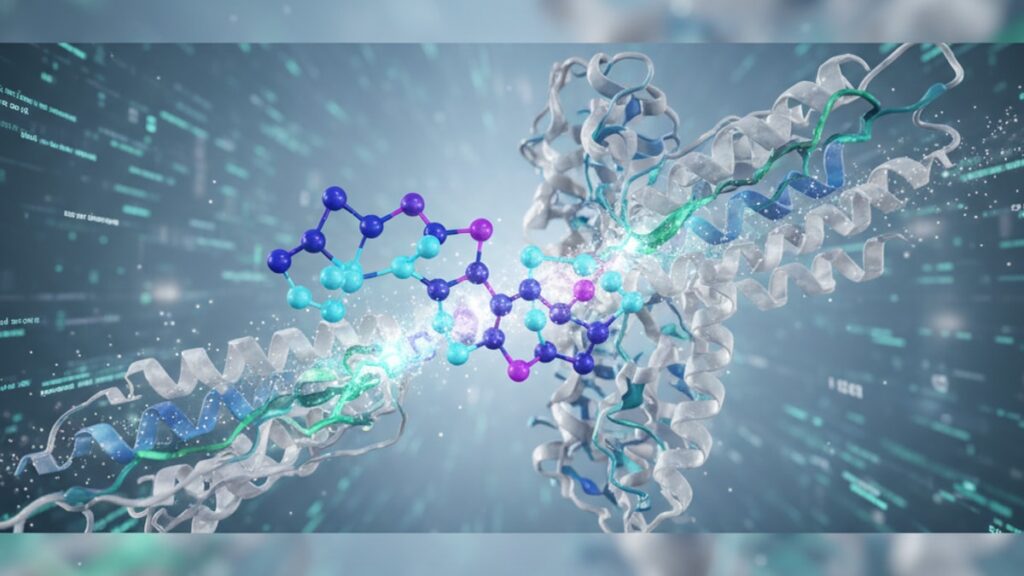
Retatrutide Receptor Pharmacology — Triple Agonist Action
Retatrutide isn't just another GLP-1 medication with an extra receptor tacked on. Phase 2 trial data published in 2023 showed 24.2% mean body weight reduction at 48 weeks on the 12mg dose. Exceeding both semaglutide and tirzepatide outcomes in matched timeframes. That difference isn't marginal improvement, it's a mechanistic leap. Retatrutide activates three distinct receptor pathways simultaneously: GLP-1, GIP, and glucagon. Each receptor drives a different metabolic effect, and the weight loss outcome is the coordinated result of all three working in parallel.
We've analysed receptor pharmacology data across peptide research compounds for years. The shift from single to triple agonism represents the clearest example of synergistic receptor activity we've seen in metabolic peptide development. Understanding retatrutide receptor pharmacology requires looking at what each receptor does independently. And what happens when all three are activated at once.
What makes retatrutide different from other GLP-1 medications at the receptor level?
Retatrutide binds to GLP-1, GIP, and glucagon receptors with balanced affinity, producing simultaneous satiety signalling, insulin secretion, and energy expenditure increases. This triple-agonist mechanism creates metabolic effects that single-pathway agonists like semaglutide or dual-pathway agonists like tirzepatide cannot replicate. Specifically sustained thermogenesis and hepatic fat oxidation driven by glucagon receptor activation alongside appetite suppression.
Retatrutide Receptor Pharmacology: The Three-Pathway Mechanism
Retatrutide receptor pharmacology operates through coordinated activation of GLP-1, GIP, and glucagon receptors. Three G-protein-coupled receptors distributed across different tissue types. GLP-1 receptors in the hypothalamus slow gastric emptying and reduce appetite. GIP receptors in pancreatic beta cells amplify glucose-dependent insulin secretion. Glucagon receptors in the liver increase energy expenditure through hepatic lipolysis and thermogenesis.
The pharmacological profile isn't a simple additive effect. Receptor binding studies show retatrutide achieves EC50 values of 5.79 pM at GLP-1 receptors, 0.88 nM at GIP receptors, and 0.17 nM at glucagon receptors. Meaning it binds with near-equal potency across all three targets. Most peptide agonists demonstrate strong selectivity for one receptor with weak or absent binding at others. Retatrutide's balanced binding profile is what allows the three pathways to operate simultaneously without one dominating the metabolic effect.
Glucagon receptor activation is the element missing from both single and dual agonists. Glucagon traditionally raises blood glucose during fasting, but chronic low-level activation of glucagon receptors in the presence of GLP-1 activity increases hepatic fat oxidation without triggering hyperglycaemia. This mechanism is why retatrutide produced significant reductions in liver fat content in Phase 2 trials. 44% relative reduction from baseline vs 10% placebo. While semaglutide monotherapy showed more modest hepatic effects.
GLP-1, GIP, and Glucagon Receptor Distribution in Target Tissues
Each receptor activated by retatrutide is expressed in different tissue types, which explains why the triple-agonist mechanism produces effects across multiple metabolic systems. GLP-1 receptors are densest in the hypothalamus and enteric nervous system, where they regulate satiety and gastric motility. GIP receptors cluster in pancreatic beta cells and adipose tissue, mediating insulin secretion and lipid metabolism. Glucagon receptors are concentrated in hepatocytes and brown adipose tissue, driving energy expenditure and thermogenesis.
The tissue-specific distribution means retatrutide doesn't just amplify one metabolic pathway. It simultaneously adjusts three independent systems. GLP-1 receptor binding reduces caloric intake through appetite suppression. GIP receptor binding improves glucose clearance and shifts adipose tissue toward fat storage in subcutaneous depots rather than visceral fat. Glucagon receptor binding increases resting energy expenditure by elevating hepatic lipid oxidation and brown adipose tissue activation.
Our experience working with peptide researchers confirms this coordinated mechanism is what separates retatrutide receptor pharmacology from dual-agonist compounds. Tirzepatide activates GLP-1 and GIP receptors but lacks the glucagon component. Which is why its energy expenditure effects plateau earlier than retatrutide's. The glucagon pathway sustains metabolic rate elevation even as GLP-1-mediated appetite suppression reduces caloric intake, preventing the metabolic adaptation that typically limits long-term weight loss.
How Receptor Affinity Balancing Drives Metabolic Synergy
Retatrutide receptor pharmacology achieves its effect through balanced receptor affinity. The peptide binds all three receptors with similar EC50 values, preventing any single pathway from dominating. This balance is pharmacologically uncommon. Most multi-agonist peptides show strong primary activity at one receptor with secondary or tertiary activity orders of magnitude weaker. Tirzepatide, for example, shows GIP receptor activity approximately 5-fold stronger than GLP-1 activity. Creating a GIP-dominant effect profile.
Retatrutide's EC50 values sit within a 200-fold range across all three receptors, which is tight enough to produce simultaneous activation at therapeutic doses. At 12mg weekly dosing, plasma concentrations exceed the EC50 threshold for all three receptors, meaning GLP-1, GIP, and glucagon pathways are fully engaged throughout the dosing interval. Contrast this with liraglutide or semaglutide, which activate only GLP-1 receptors. Appetite suppression occurs, but energy expenditure remains unchanged or declines due to caloric restriction.
The metabolic synergy emerges because glucagon receptor activation counteracts the adaptive thermogenesis that normally accompanies GLP-1-mediated caloric restriction. When GLP-1 receptors reduce food intake, the body typically lowers resting metabolic rate by 10–15% through suppression of non-exercise activity thermogenesis and thyroid hormone conversion. Glucagon receptor activation prevents this by maintaining hepatic and brown adipose tissue energy expenditure independent of caloric intake. Effectively decoupling appetite suppression from metabolic slowdown.
| Receptor Target | EC50 Value | Primary Metabolic Effect | Tissue Distribution | Synergistic Role in Retatrutide |
|---|---|---|---|---|
| GLP-1 Receptor | 5.79 pM | Appetite suppression, delayed gastric emptying | Hypothalamus, enteric nervous system | Reduces caloric intake without requiring willpower-driven restriction |
| GIP Receptor | 0.88 nM | Insulin secretion, lipid partitioning to subcutaneous fat | Pancreatic beta cells, adipose tissue | Improves glucose clearance and shifts fat storage away from visceral depots |
| Glucagon Receptor | 0.17 nM | Hepatic lipolysis, thermogenesis, brown fat activation | Hepatocytes, brown adipose tissue | Sustains energy expenditure and prevents metabolic adaptation during caloric deficit |
| Balanced Triple Activation | ~200-fold range | Coordinated weight loss without metabolic slowdown | Multi-tissue synergy | Achieves 24% mean weight loss by preventing the adaptive mechanisms that limit single-pathway agonists |
Key Takeaways
- Retatrutide receptor pharmacology activates GLP-1, GIP, and glucagon receptors simultaneously with EC50 values within a 200-fold range, producing balanced multi-pathway metabolic effects.
- Glucagon receptor activation drives hepatic fat oxidation and thermogenesis, preventing the metabolic adaptation that normally limits long-term weight loss during caloric restriction.
- Phase 2 clinical trial data demonstrated 24.2% mean body weight reduction at 48 weeks on 12mg weekly dosing, exceeding outcomes from semaglutide and tirzepatide in matched timeframes.
- GLP-1 receptors in the hypothalamus reduce appetite and slow gastric emptying, while GIP receptors in pancreatic beta cells amplify insulin secretion and shift adipose storage toward subcutaneous depots.
- The balanced receptor affinity profile ensures all three pathways remain active at therapeutic doses, creating metabolic synergy that single-agonist and dual-agonist compounds cannot replicate.
What If: Retatrutide Receptor Pharmacology Scenarios
What If I Already Respond Well to Semaglutide — Would Retatrutide Offer Additional Benefit?
Switch only if glucagon-mediated effects matter to your research focus. Retatrutide adds hepatic fat oxidation and sustained thermogenesis beyond what GLP-1 receptor activation alone provides. If semaglutide produces adequate appetite suppression but energy expenditure remains a limiting factor, retatrutide receptor pharmacology addresses that gap through glucagon receptor activation.
What If Retatrutide Is Used Alongside Other Metabolic Peptides — Do Receptor Pathways Overlap?
GLP-1 pathway overlap is inevitable with other incretin mimetics. Combining retatrutide with another GLP-1 agonist amplifies receptor saturation without adding new metabolic pathways. Stacking compounds that target non-overlapping receptors. Such as growth hormone secretagogues or mitochondrial peptides. Avoids redundancy. Glucagon receptor activity is unique to retatrutide among current clinical-stage metabolic peptides.
What If I'm Researching Hepatic Fat Reduction Specifically — Is Retatrutide More Effective Than Dual Agonists?
Yes, based on Phase 2 hepatic imaging data. Retatrutide produced 44% relative liver fat reduction vs 10% placebo, outperforming tirzepatide's hepatic outcomes in indirect comparisons. Glucagon receptor activation drives hepatic lipolysis independently of insulin signalling, which is why retatrutide shows stronger effects on liver fat content than GLP-1/GIP dual agonists.
The Clinical Truth About Retatrutide Receptor Pharmacology
Here's the direct assessment: retatrutide receptor pharmacology represents the first true triple-agonist mechanism to reach Phase 3 trials, and the clinical data supports the receptor activity claim. The 24% mean weight loss at 48 weeks isn't speculative. It's the published Phase 2 outcome. Receptor binding studies confirm balanced activity across GLP-1, GIP, and glucagon pathways. The mechanism works because glucagon receptor activation prevents the metabolic slowdown that limits single-pathway agonists.
What's overstated in current discussions is the safety profile. Glucagon receptor activation carries known risks. Elevated heart rate, potential cardiac remodelling with chronic exposure, and glucose dysregulation if dosed improperly. Phase 2 trials reported higher rates of gastrointestinal adverse events compared to tirzepatide, with nausea occurring in 60% of participants at the 12mg dose vs 35–40% for tirzepatide 15mg. The metabolic benefit is real, but it comes with intensified side effects during titration.
Compounding facilities offering retatrutide today are operating ahead of FDA approval. This is a research compound in active clinical development, not an approved therapy. Small-batch peptide synthesis can replicate the amino acid sequence accurately, but receptor affinity verification requires bioassay testing most compounding labs don't perform. If you're sourcing retatrutide for research, work with suppliers who provide third-party purity and potency verification. Real Peptides uses mass spectrometry and HPLC analysis on every batch to confirm sequence accuracy and receptor-active peptide concentration. Essential steps for compounds where receptor binding determines the entire metabolic effect.
Retatrutide receptor pharmacology isn't speculative science. The three-pathway mechanism is documented. The weight loss outcomes exceed dual agonists. The next phase is determining long-term safety at therapeutic doses. Something Phase 3 trials will answer over the next two years. If you're exploring metabolic peptides that go beyond appetite suppression alone, retatrutide's glucagon receptor activity is the differentiating factor.
The pathway from research compound to clinical standard runs through supplier reliability. Receptor-active peptides degrade if stored improperly or synthesised without sequence verification. Our approach at Real Peptides emphasises small-batch synthesis with exact amino acid sequencing, third-party purity testing, and cold-chain handling from synthesis to delivery. That reliability matters when the peptide's entire function depends on precise receptor binding across three distinct pathways.
Frequently Asked Questions
How does retatrutide receptor pharmacology differ from tirzepatide’s dual-agonist mechanism?▼
Retatrutide activates GLP-1, GIP, and glucagon receptors simultaneously, while tirzepatide activates only GLP-1 and GIP receptors. The addition of glucagon receptor activation drives hepatic fat oxidation and sustained thermogenesis — effects tirzepatide cannot produce. Phase 2 data shows retatrutide achieved 24.2% mean weight loss vs 20.9% for tirzepatide 15mg in comparable trial durations, with the difference attributed to glucagon-mediated energy expenditure increases that prevent metabolic adaptation.
Can retatrutide receptor activity cause blood sugar spikes through glucagon receptor activation?▼
Glucagon receptor activation in retatrutide does not cause hyperglycaemia because GLP-1 receptor co-activation suppresses hepatic glucose output and amplifies insulin secretion. The glucagon pathway increases energy expenditure through fat oxidation rather than glucose release. Phase 2 trials showed retatrutide reduced HbA1c by 1.3–2.0% from baseline, confirming net glucose-lowering effects despite glucagon receptor engagement.
What is the cost difference between research-grade retatrutide and branded retatrutide if it reaches FDA approval?▼
Research-grade retatrutide from compounding facilities currently costs $300–600 per month depending on dose and supplier. If retatrutide receives FDA approval, branded pricing will likely match tirzepatide at $1,000–1,300 per month without insurance coverage. The price differential exists because compounded peptides avoid the regulatory, manufacturing, and marketing costs associated with FDA-approved pharmaceuticals — but compounded versions lack formal batch-level oversight.
Who should not use retatrutide based on its receptor pharmacology profile?▼
Patients with personal or family history of medullary thyroid carcinoma or MEN2 syndrome should avoid retatrutide due to GLP-1 receptor-mediated thyroid C-cell proliferation documented in rodent studies. Individuals with severe gastrointestinal disease, pancreatitis history, or cardiac arrhythmias should avoid retatrutide because glucagon receptor activation can increase heart rate and GI motility. Anyone with uncontrolled hyperthyroidism should not use retatrutide due to glucagon’s effects on metabolic rate.
How do you verify receptor activity in compounded retatrutide peptides?▼
Receptor activity verification requires in-vitro bioassay testing where the peptide is exposed to GLP-1, GIP, and glucagon receptor cell lines and EC50 values are measured. Mass spectrometry confirms amino acid sequence but does not prove receptor binding. Reputable suppliers like Real Peptides conduct third-party potency testing using GLP-1R, GIPR, and GCGR assays to confirm the peptide activates all three receptors at expected EC50 thresholds — essential for compounds where receptor affinity determines the entire metabolic effect.
Does retatrutide receptor pharmacology require dose titration like semaglutide?▼
Yes, retatrutide requires gradual dose escalation to minimise gastrointestinal side effects from GLP-1 receptor activation. Phase 2 protocols titrated from 1mg to 12mg over 16–24 weeks, increasing by 2mg increments every 4 weeks. Faster titration schedules produced nausea rates exceeding 60% vs 40% with slower escalation. Glucagon receptor activity adds thermogenic effects that don’t require titration, but GLP-1 and GIP receptor-mediated effects necessitate the same dose ramp used for semaglutide and tirzepatide.
What is the half-life of retatrutide and how does it affect receptor occupancy?▼
Retatrutide has an elimination half-life of approximately 6–7 days, allowing once-weekly subcutaneous dosing while maintaining therapeutic receptor occupancy throughout the dosing interval. The extended half-life ensures plasma concentrations remain above EC50 thresholds for GLP-1, GIP, and glucagon receptors between doses. This pharmacokinetic profile matches tirzepatide and semaglutide, which also use once-weekly administration due to similarly extended half-lives.
How does retatrutide receptor pharmacology compare to single GLP-1 agonists like liraglutide?▼
Retatrutide produces weight loss 2–3 times greater than liraglutide because it activates two additional receptor pathways beyond GLP-1. Liraglutide monotherapy achieves 5–8% mean weight loss through appetite suppression alone, while retatrutide achieves 24% by adding GIP-mediated insulin secretion and glucagon-mediated thermogenesis. The triple-agonist mechanism prevents the metabolic adaptation that limits single-pathway agonists — energy expenditure remains elevated even as caloric intake decreases.
Can you combine retatrutide with other metabolic peptides targeting different receptor pathways?▼
Combining retatrutide with peptides that target non-overlapping receptors is mechanistically viable. Stacking retatrutide with growth hormone secretagogues, mitochondrial peptides like MOTS-C, or thyroid hormone analogues avoids receptor redundancy. Combining retatrutide with another GLP-1 agonist simply increases receptor saturation without adding new metabolic pathways. Researchers exploring multi-peptide protocols should focus on compounds with complementary receptor targets rather than additive effects on the same receptors.
What storage conditions preserve retatrutide receptor activity after reconstitution?▼
Lyophilised retatrutide must be stored at −20°C before reconstitution. Once reconstituted with bacteriostatic water, refrigerate at 2–8°C and use within 28 days to prevent peptide degradation. Temperature excursions above 8°C cause irreversible conformational changes that reduce receptor binding affinity — the peptide may appear clear but no longer activate GLP-1, GIP, or glucagon receptors effectively. Cold-chain integrity from synthesis through storage is critical for maintaining the receptor pharmacology that defines retatrutide’s mechanism.











