
Avoid KPV Reconstitution Errors — Setup and Storage Guide
Avoid KPV reconstitution errors by following proper mixing protocols, bacteriostatic



Avoid KPV reconstitution errors by following proper mixing protocols, bacteriostatic
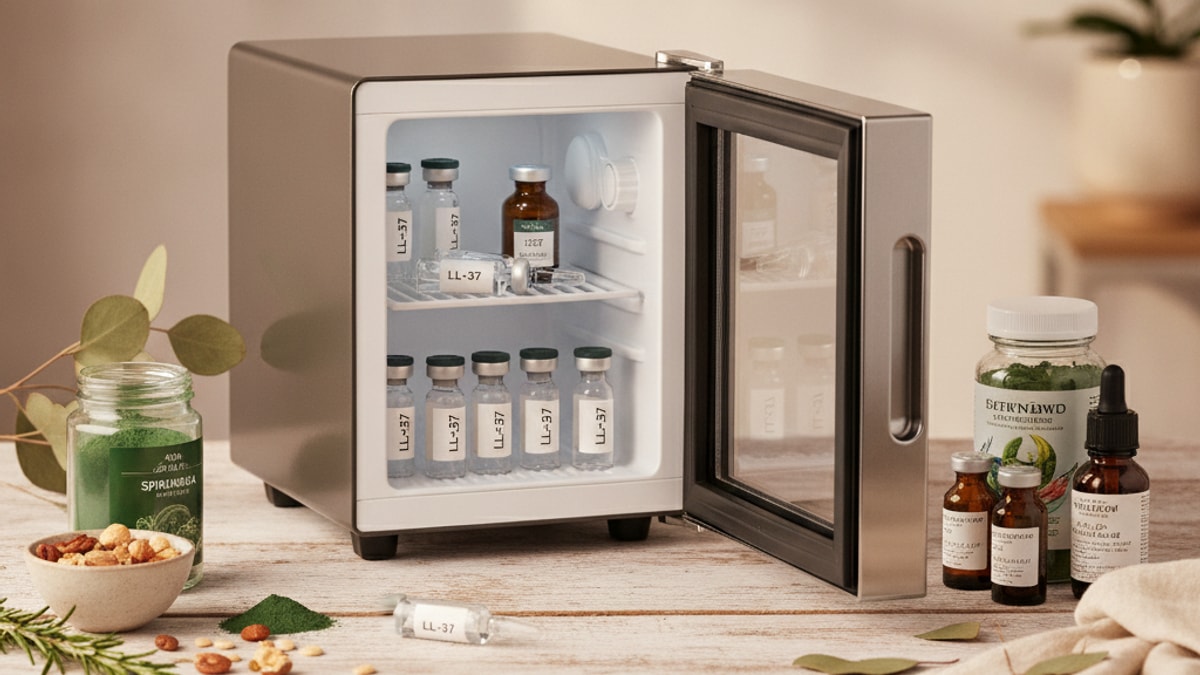
Store LL-37 long term at −20°C lyophilised or 2–8°C reconstituted

Calculate LL-37 concentration using spectrophotometry at 280nm or ELISA. Reconstitution

LL-37 COA reports reveal peptide purity through HPLC analysis, molecular
LL-37 purity verification requires HPLC analysis, mass spectrometry, and third-party
Run LL-37 cycle correctly: 5mg daily subcutaneous for 4–8 weeks,
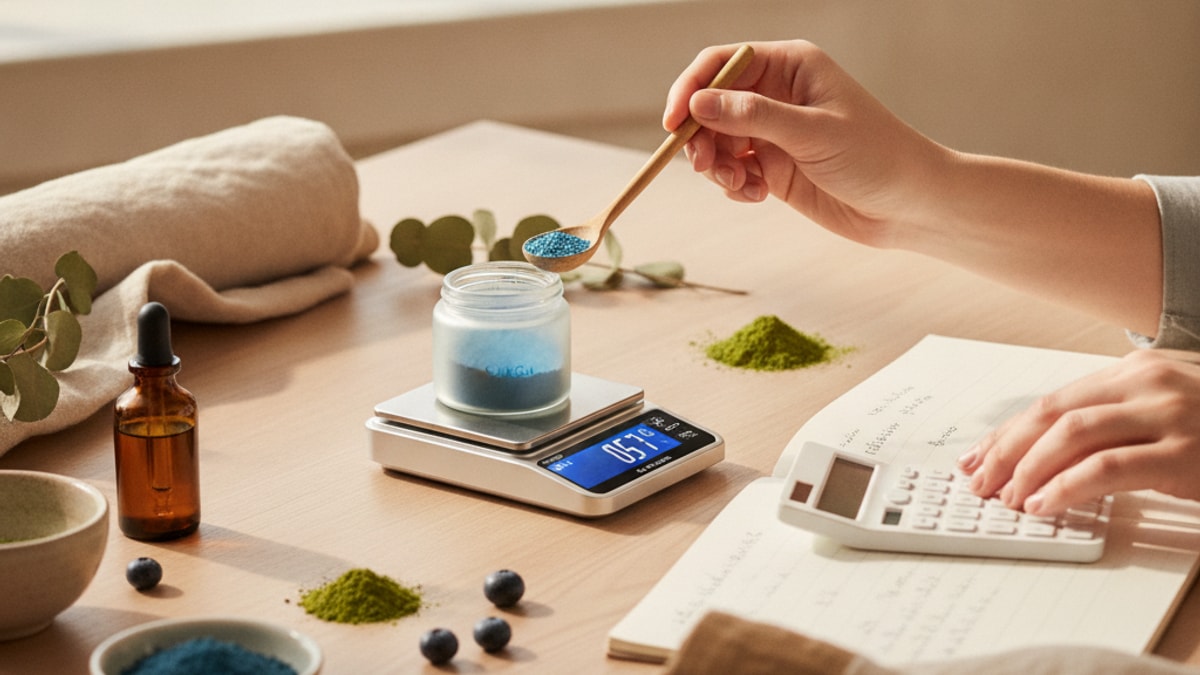
Calculate GHK-Cu concentration using molecular weight, milligrams, and bacteriostatic water

GHK-Cu subcutaneous injection requires reconstitution with bacteriostatic water, precise dosing,
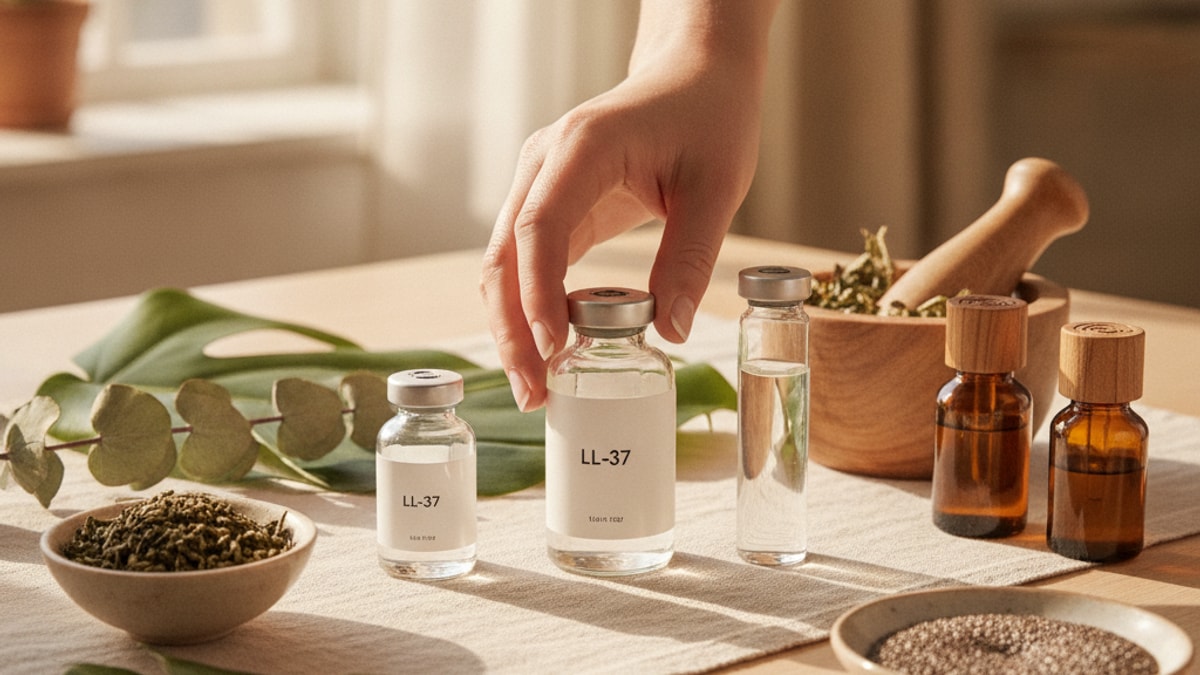
LL-37 vial size determines dosing frequency, reconstitution volume, and shelf
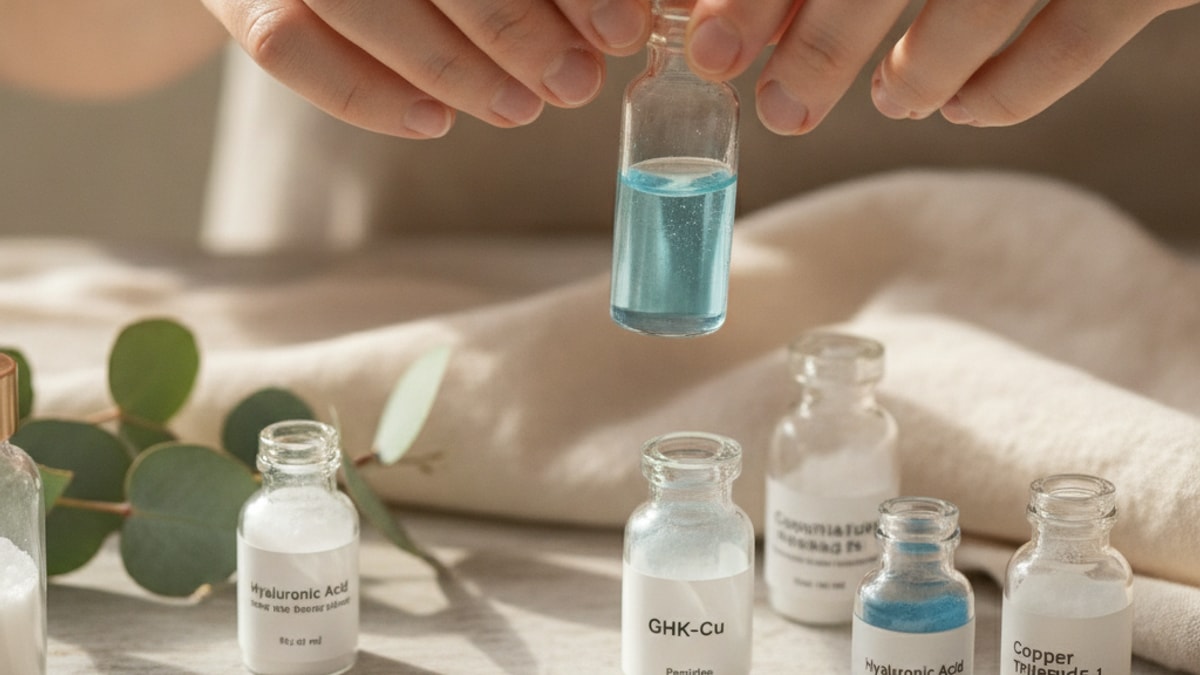
GHK-Cu requires precise reconstitution with bacteriostatic water at specific ratios.
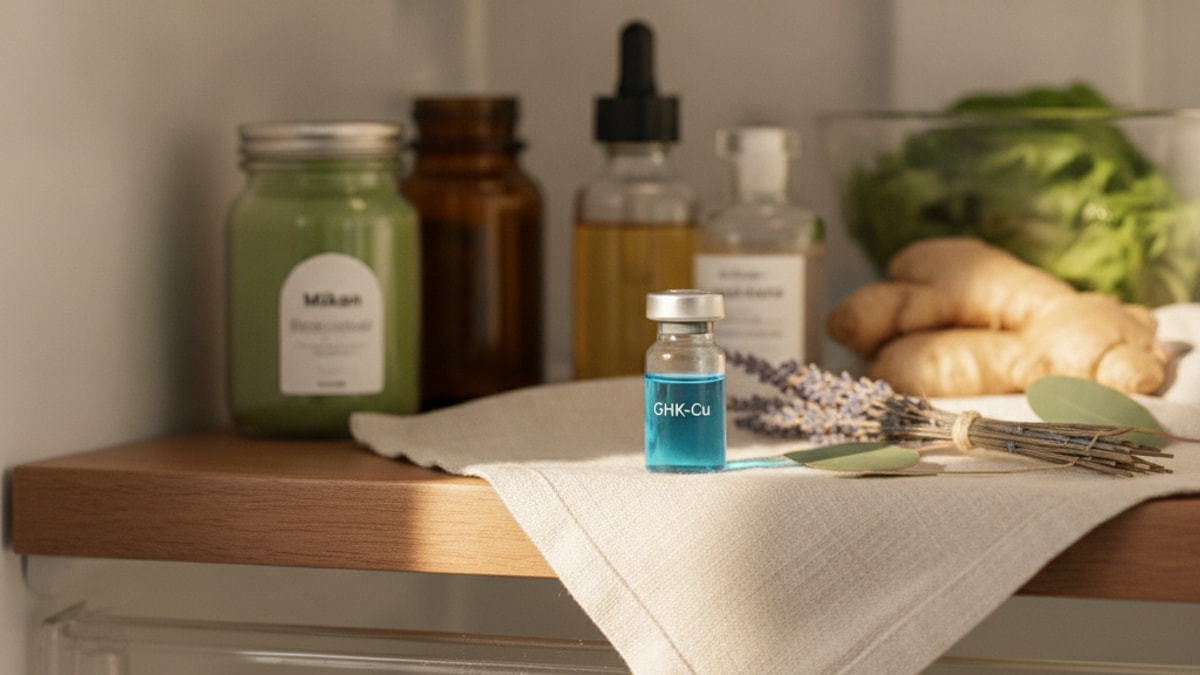
GHK-Cu peptides degrade rapidly at room temperature — proper storage

Rotating GHK-Cu injection sites prevents tissue scarring, maintains absorption consistency,
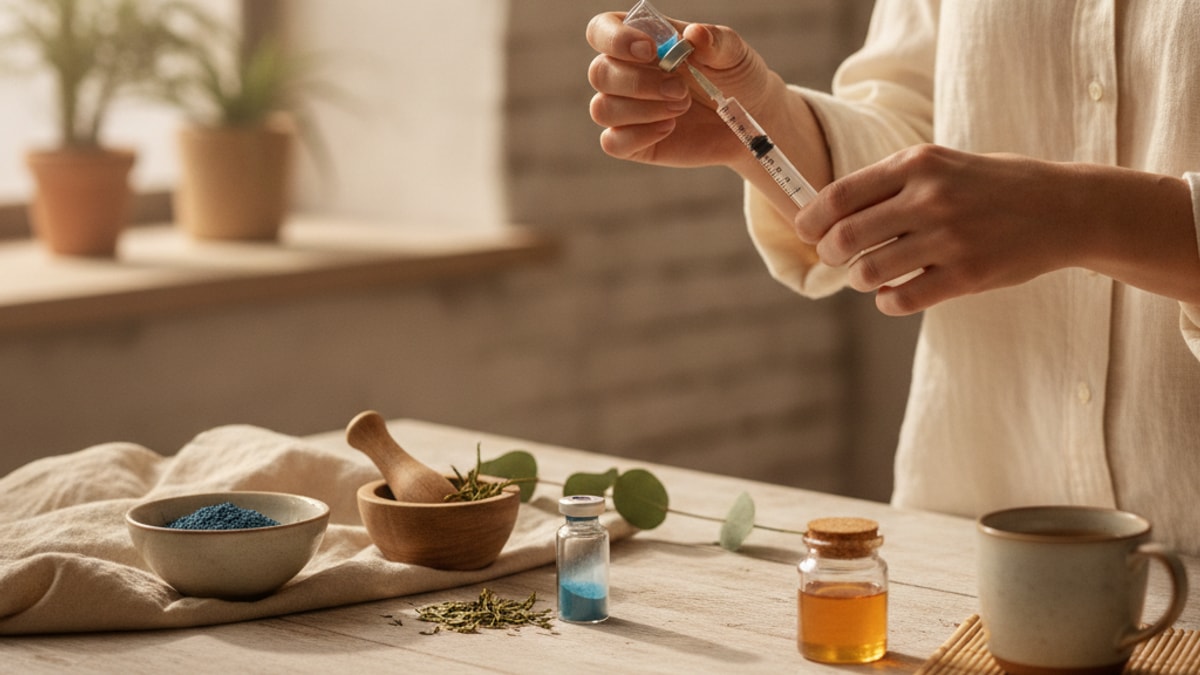
GHK-Cu degradation happens during reconstitution, not after. Follow temperature control,
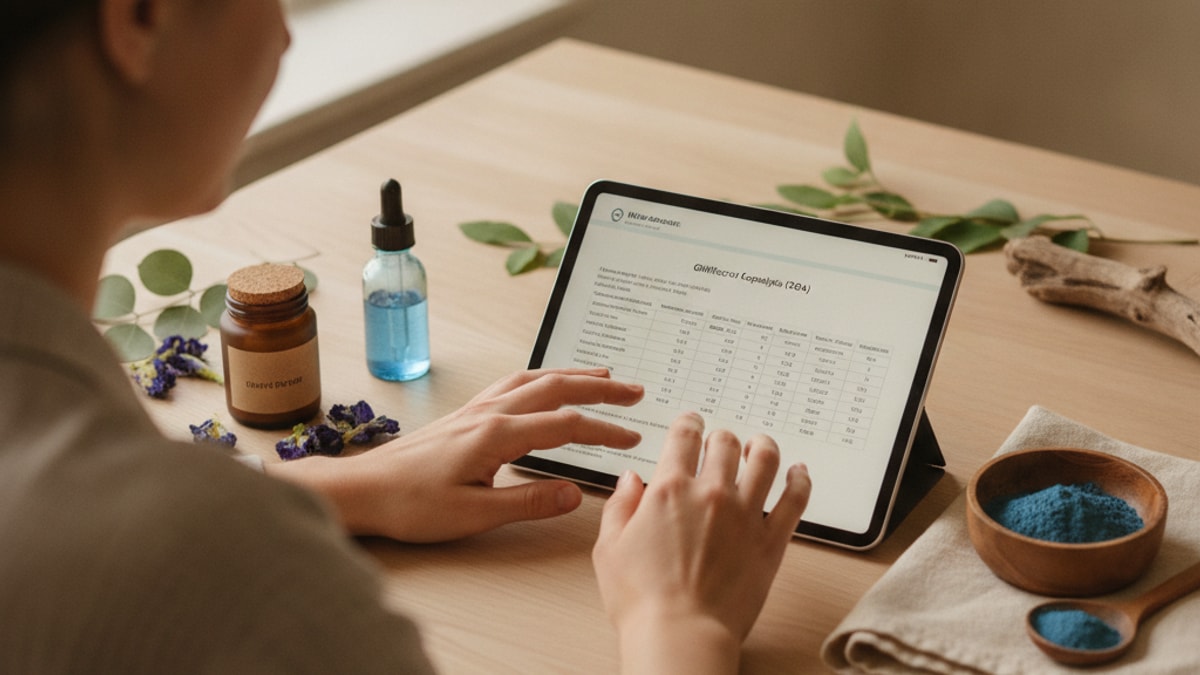
Learn to read GHK-Cu COA documents by identifying purity percentages,
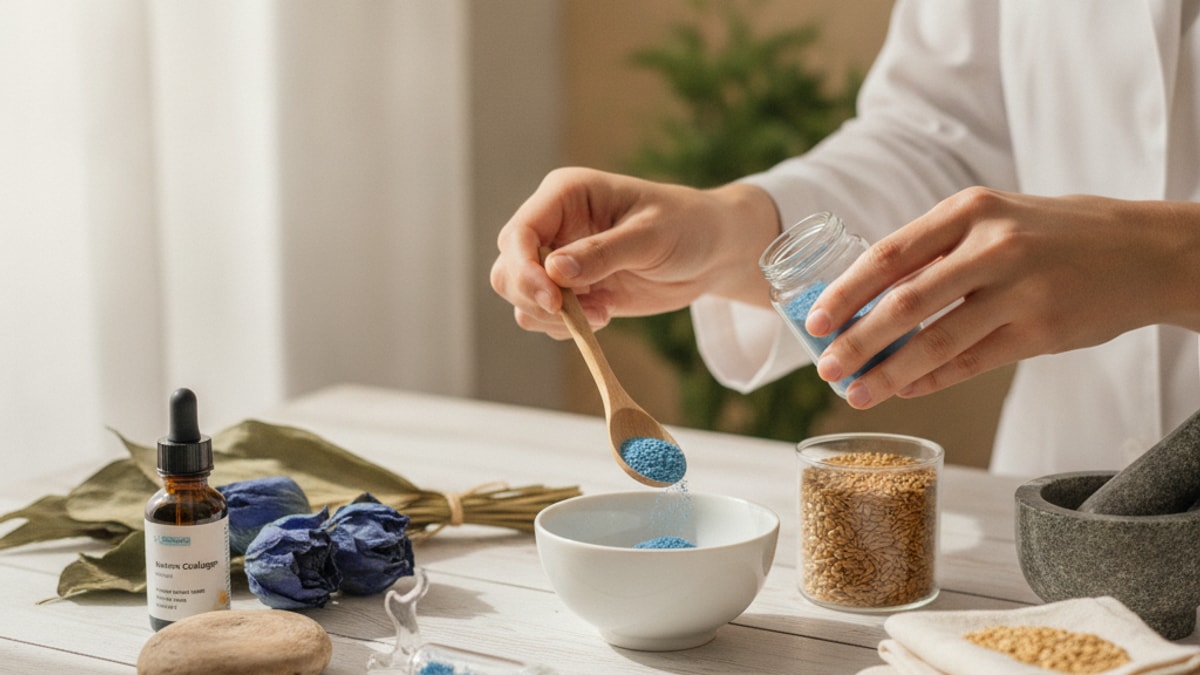
Verify GHK-Cu purity using HPLC, mass spectrometry, and third-party certificates.

GHK-Cu research spans over 50 years, documenting wound healing, collagen

Run GHK-Cu cycles with precision: 4–8 week protocols at 1–3mg
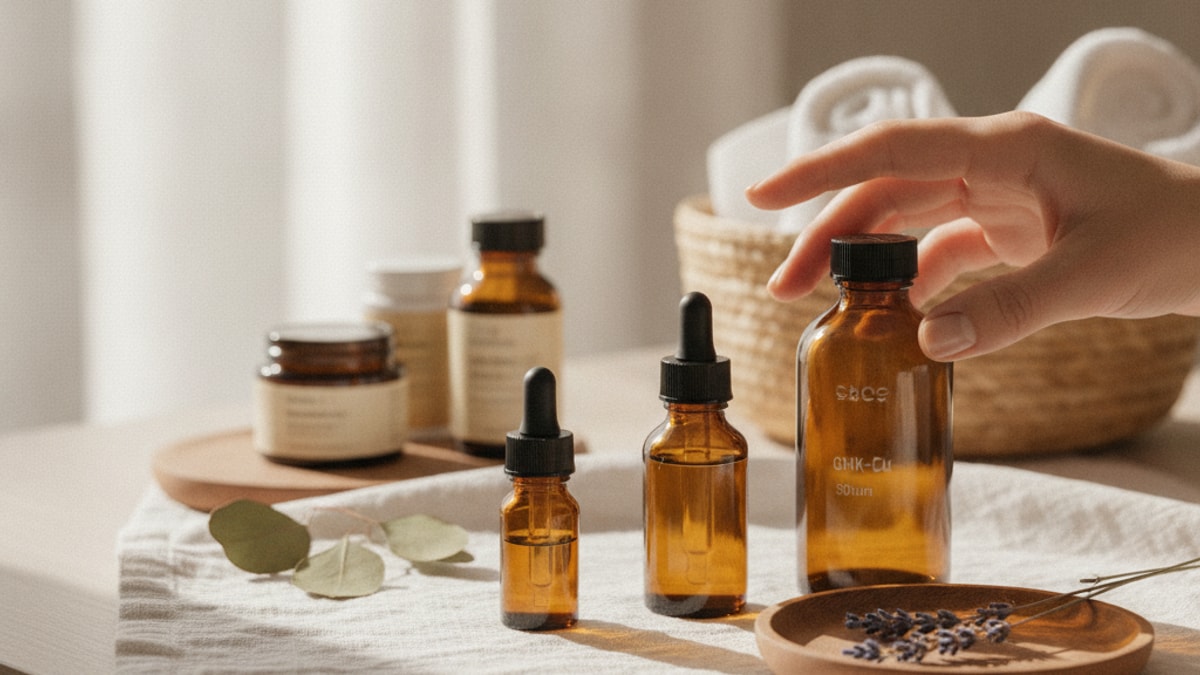
GHK-Cu vial size selection depends on dosing frequency and protocol

GHK-Cu timing matters: split daily doses maximize bioavailability and receptor

Calculate GHK-Cu cosmetic concentration with precision using molecular weight, target
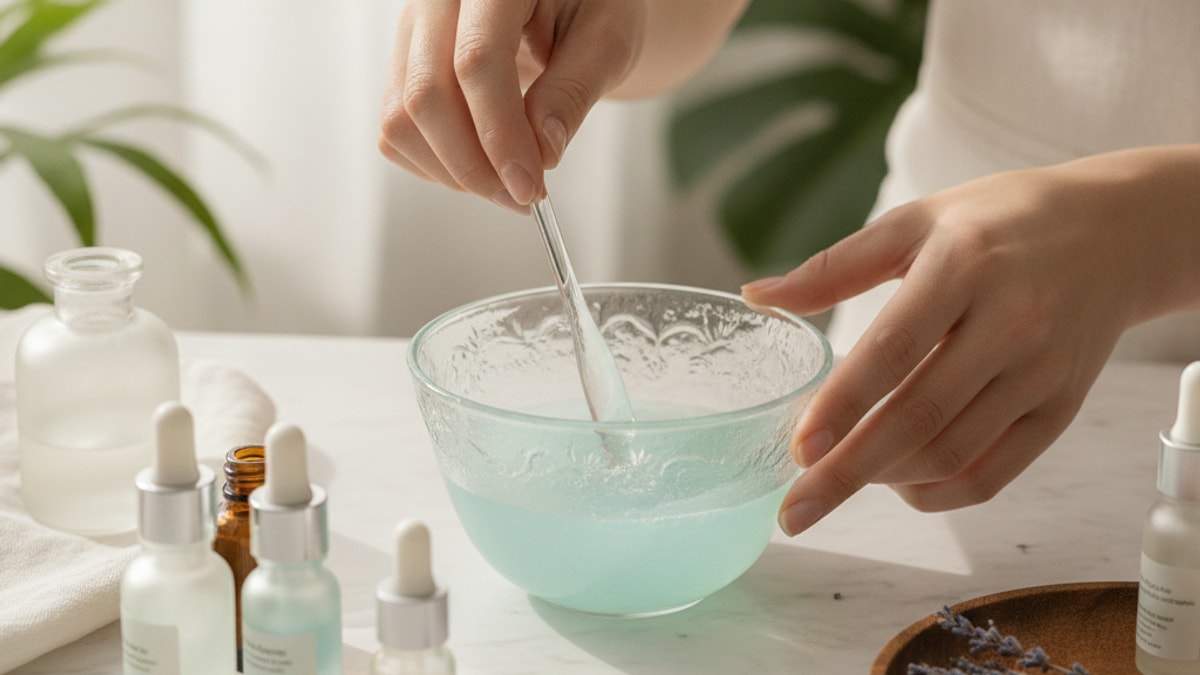
Mix GHK-Cu cosmetic by reconstituting lyophilised peptide with bacteriostatic water
