

Glutathione Animal Research — Findings & Applications
Glutathione animal research reveals mechanisms of oxidative stress, antioxidant pathways,



Glutathione animal research reveals mechanisms of oxidative stress, antioxidant pathways,
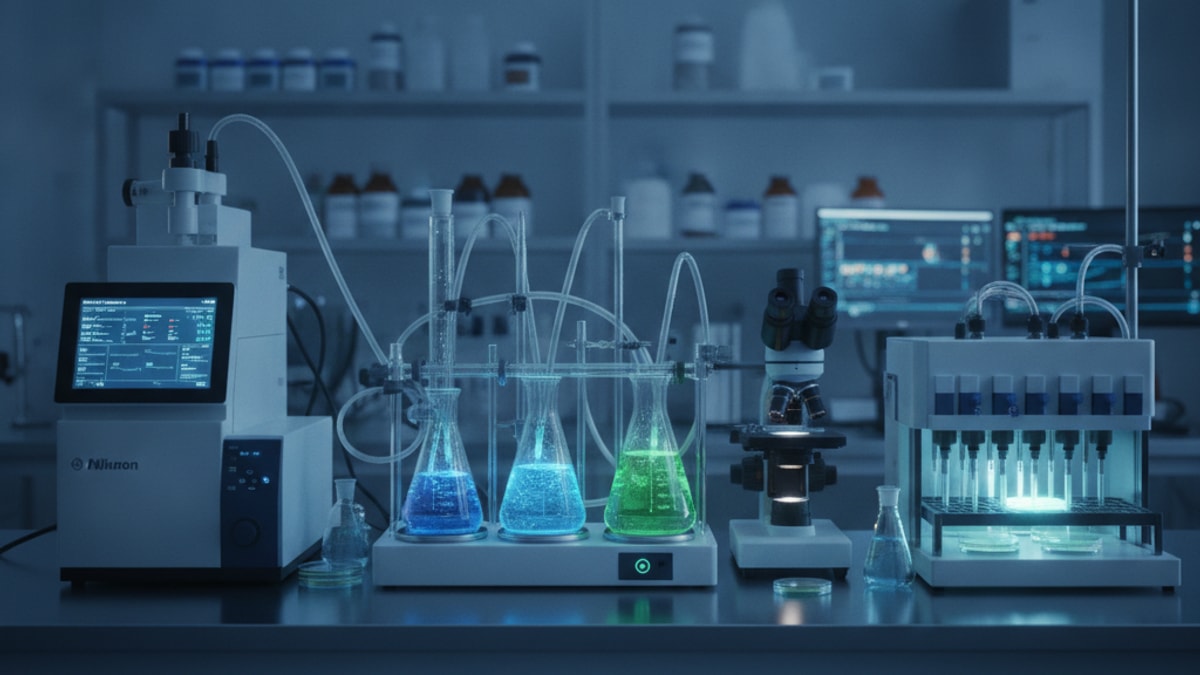
Glutathione in vitro research reveals how this tripeptide regulates oxidative

Glutathione dose response research shows 500–1,000mg daily achieves measurable oxidative

Glutathione long term studies reveal mixed results on oral supplementation

Glutathione safety studies show consistent tolerability at standard doses, though

Glutathione comparative studies reveal significant absorption differences between oral reduced,

Bacteriostatic water studies show 0.9% benzyl alcohol prevents contamination for
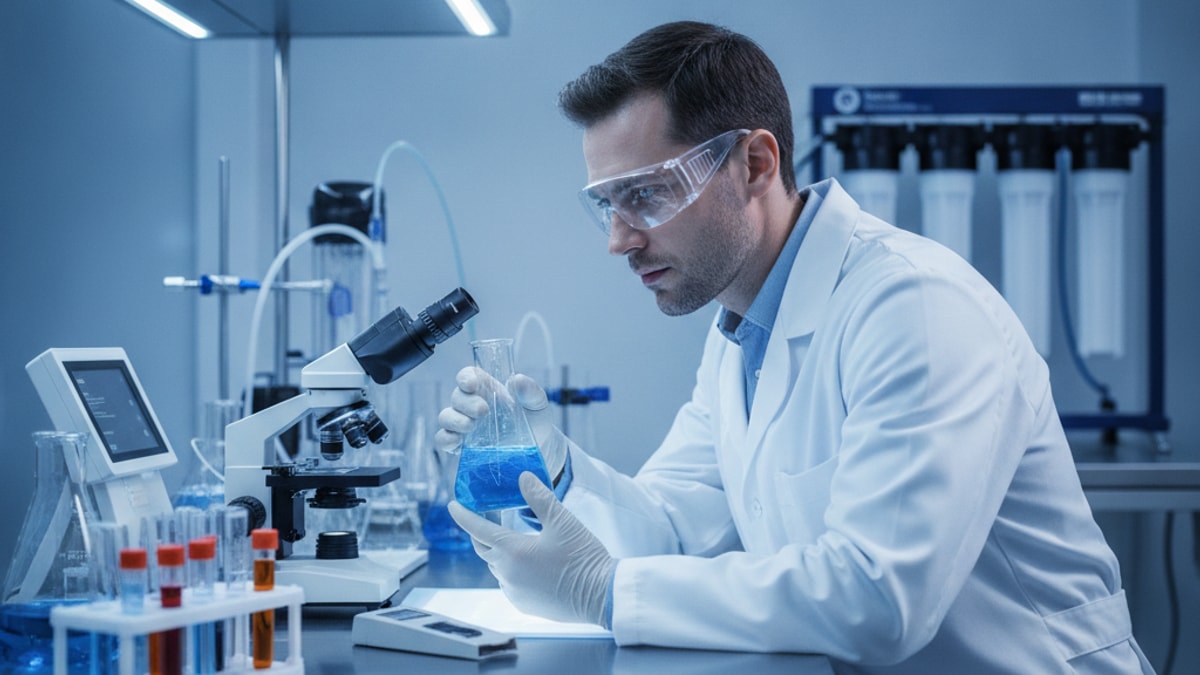
Bacteriostatic water safety studies show sterility for 28 days under

Bacteriostatic water maintains sterility for 28 days once opened due
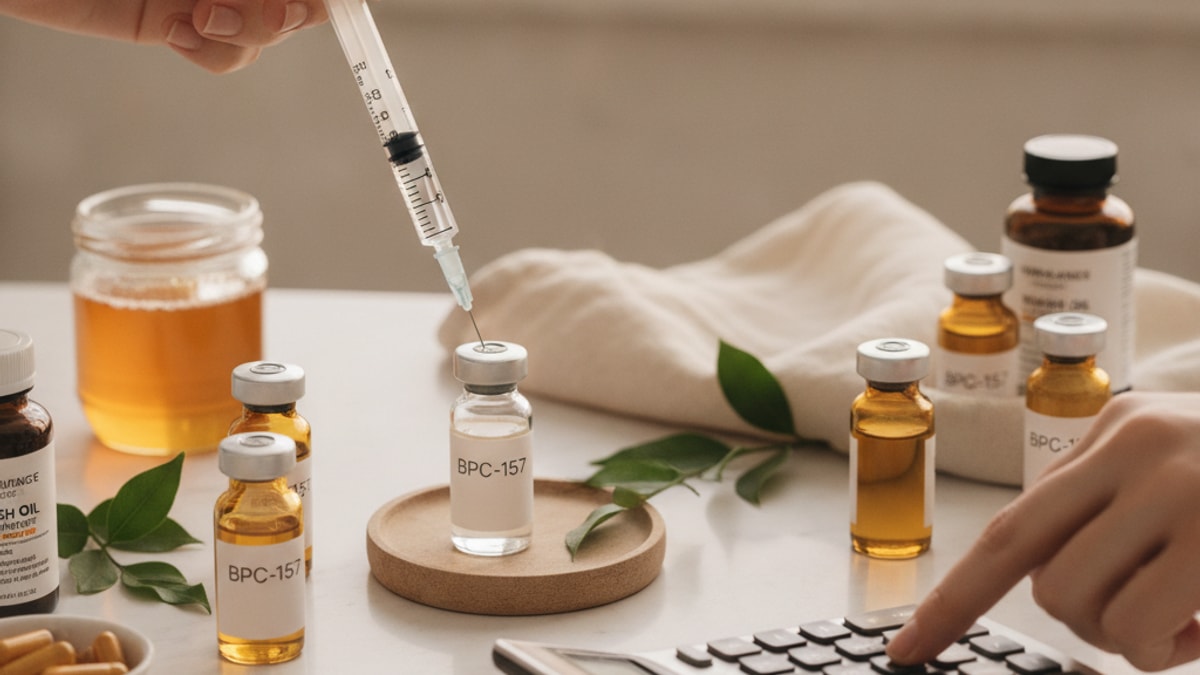
Calculate BPC-157 concentration accurately using mass-to-volume ratios: divide peptide mass
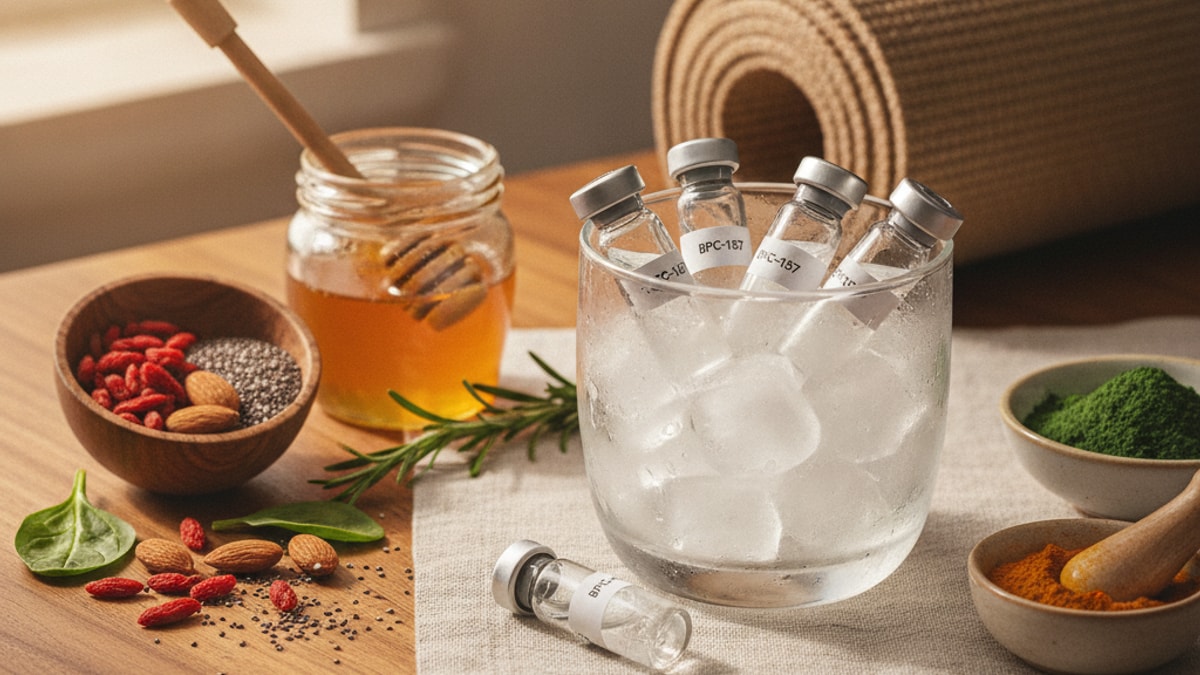
Store BPC-157 long term at −20°C before reconstitution; once mixed
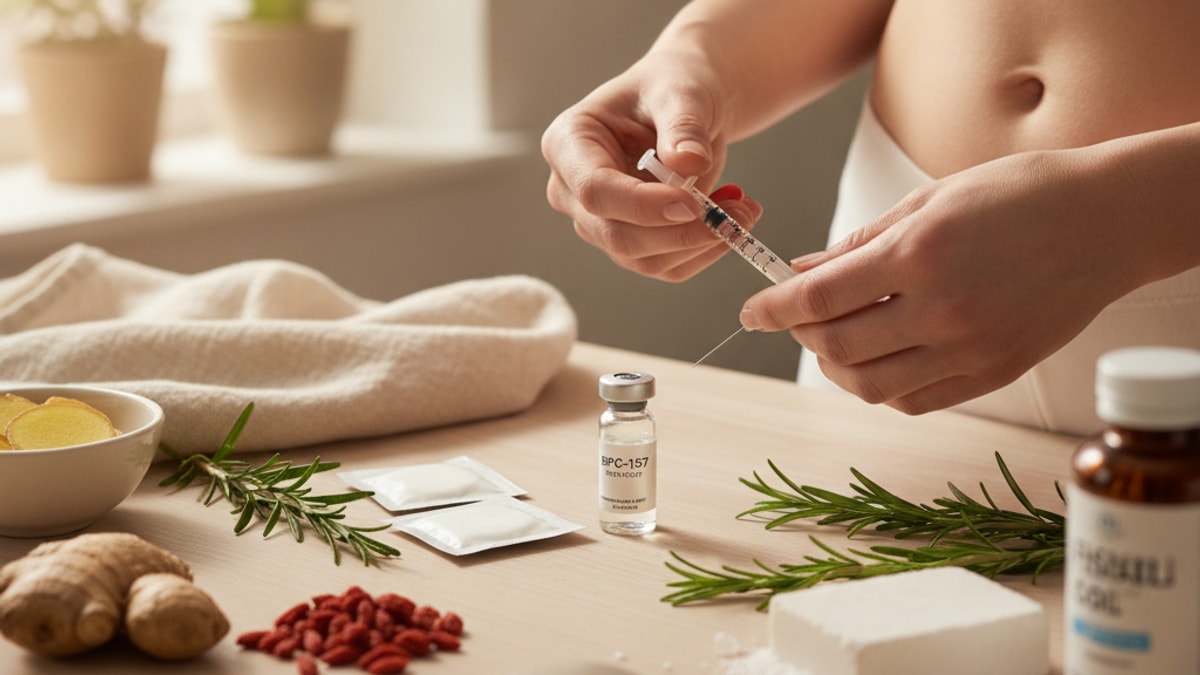
Learn how to inject BPC-157 subq properly. This guide covers
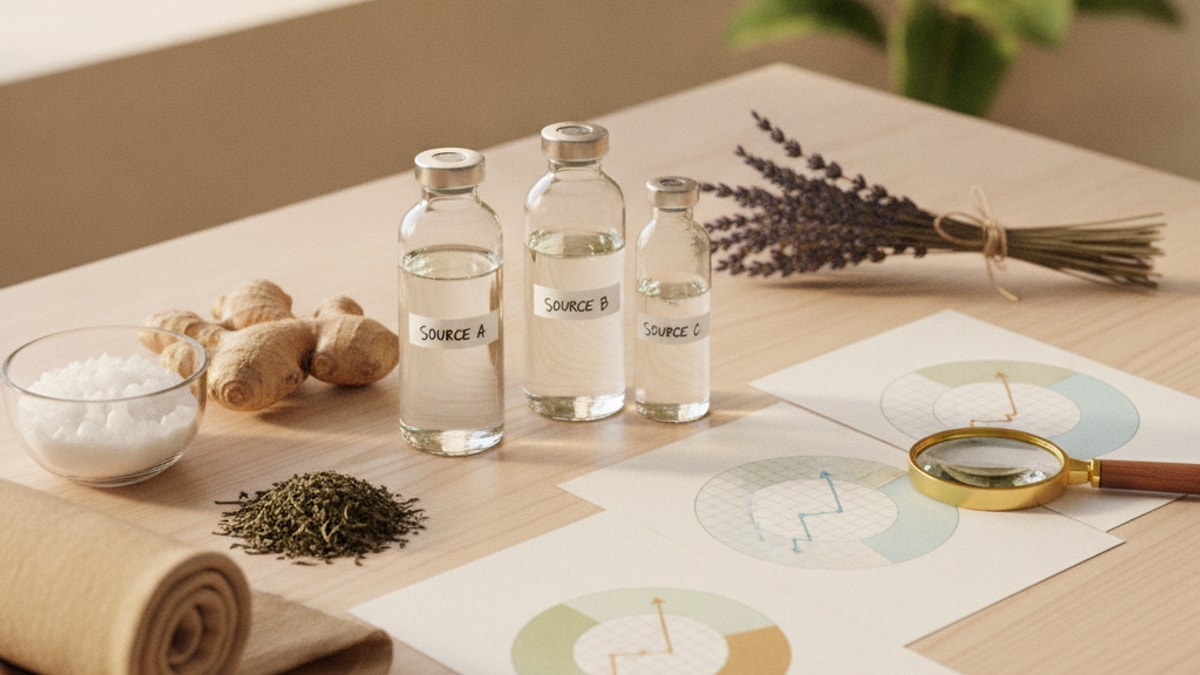
Bac water comparative studies reveal that benzyl alcohol concentration, pH
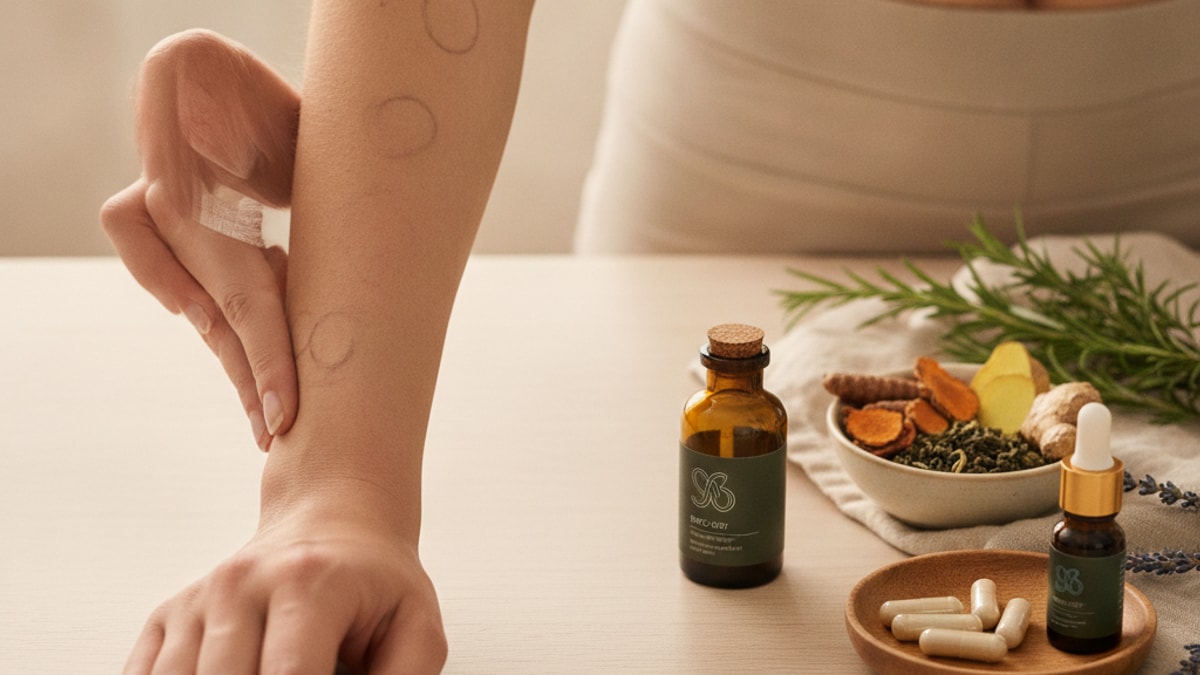
BPC-157 injection site rotation prevents lipohypertrophy, tissue fibrosis, and absorption
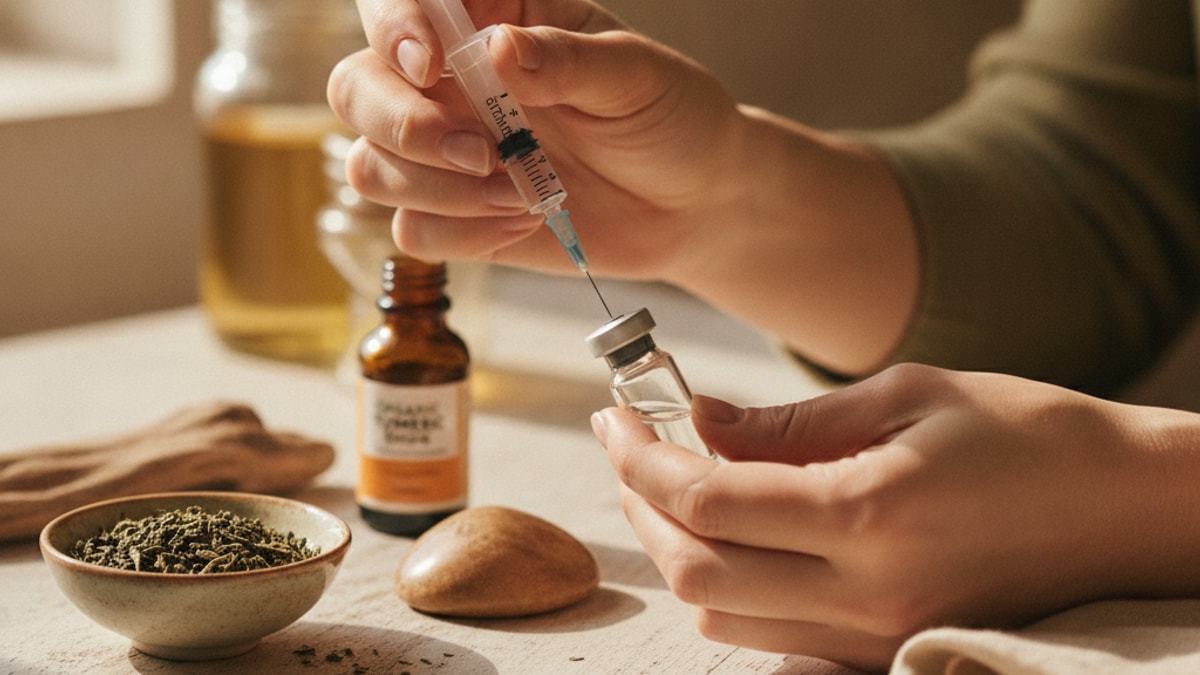
BPC-157 reconstitution errors destroy peptide integrity before injection. Learn the

Reading a BPC-157 COA correctly means verifying purity percentage, peptide

Research-grade BPC-157 cycles typically run 4–8 weeks with subcutaneous injections
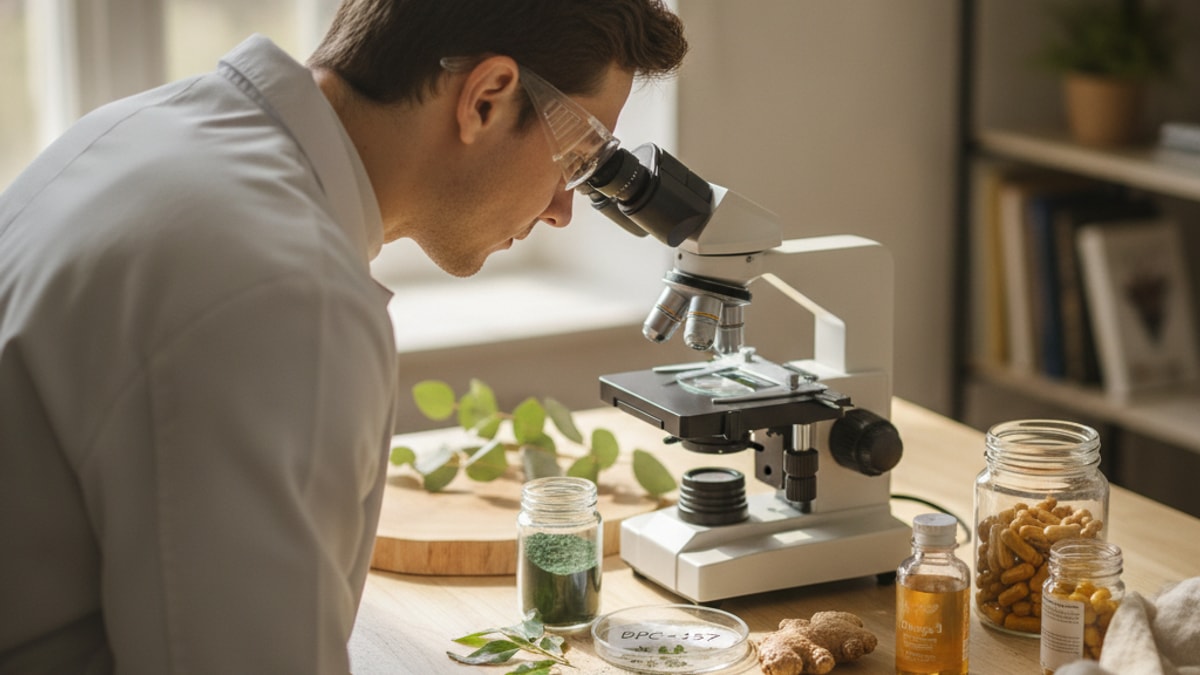
Third-party COA testing is the only reliable method to verify

Document BPC-157 research with proper lab protocols, storage validation, and
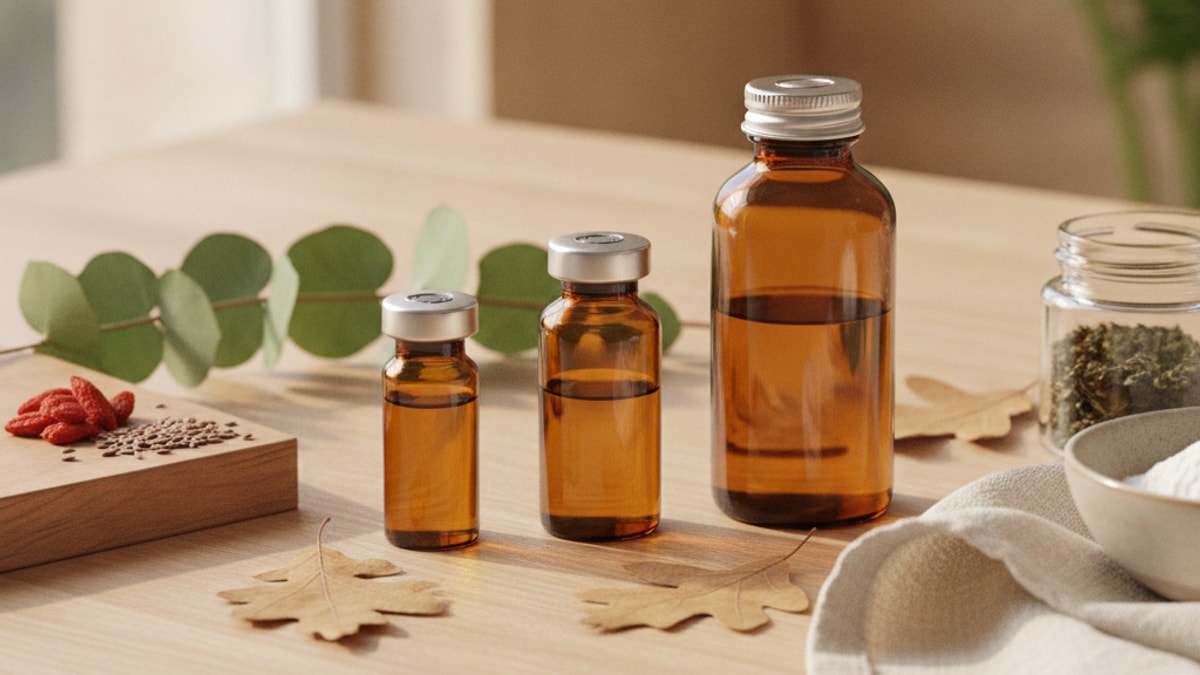
Choose BPC-157 vial size based on protocol length, injection frequency,

TB-500 subcutaneous injection requires proper reconstitution, precise dosing, and sterile
