

Post-Surgery Patients GHK-Cu Protocol — Recovery Guide
GHK-Cu accelerates post-surgical wound healing by upregulating collagen synthesis 30–40%



GHK-Cu accelerates post-surgical wound healing by upregulating collagen synthesis 30–40%
Long COVID researchers are studying thymosin alpha-1 as a potential

GHK-Cu accelerates wound healing and reduces inflammation after surgery through

Long COVID researchers thymosin alpha-1 protocol includes 1.6mg subcutaneous injections

The VIP protocol uses vasoactive intestinal peptide supplementation to address

BPC-157 shows promise in Long COVID research through tissue repair

Long COVID researchers are investigating BPC-157 for tissue repair and
Researchers studying Long COVID are exploring BPC-157 protocols targeting tissue
Lyme disease researchers are investigating BPC-157’s immune modulation and tissue
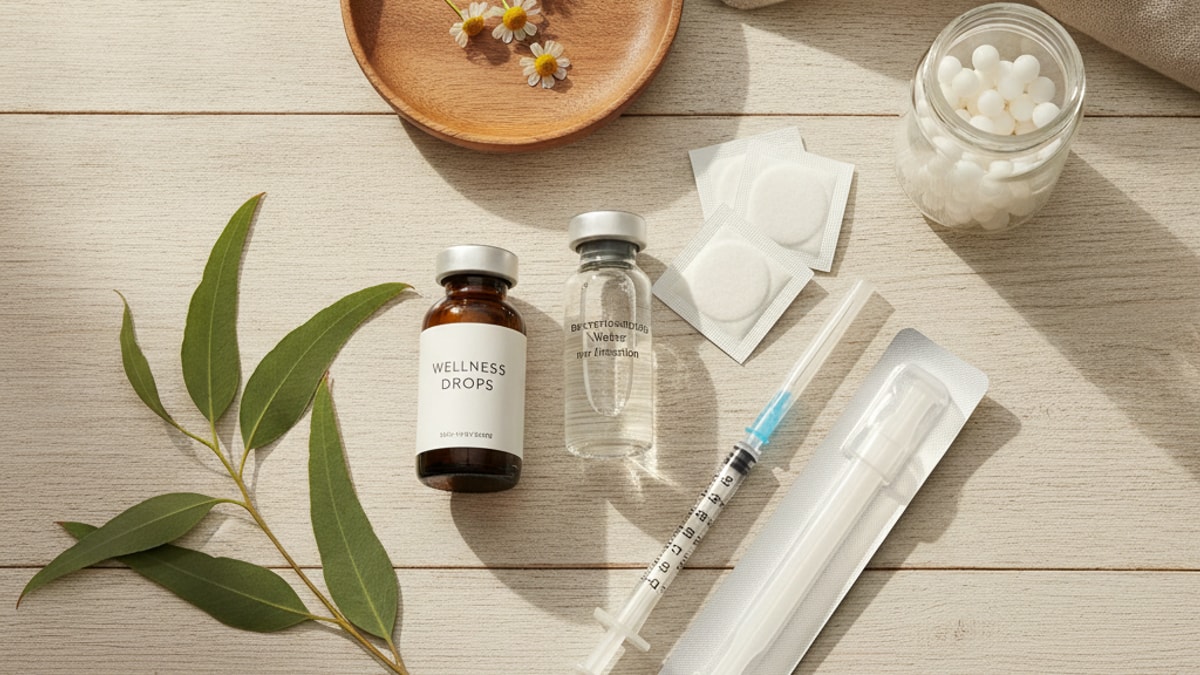
Subcutaneous bacteriostatic water injection follows five key steps: prep, vial
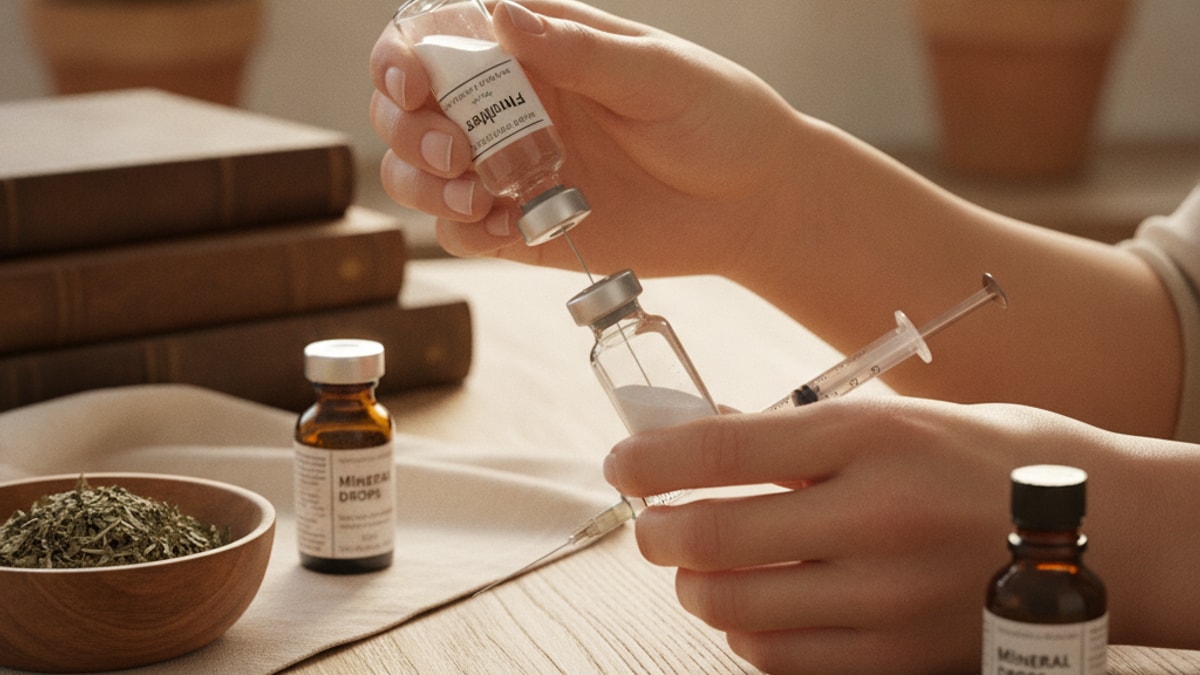
Learn how to mix bac water with lyophilized peptides safely.
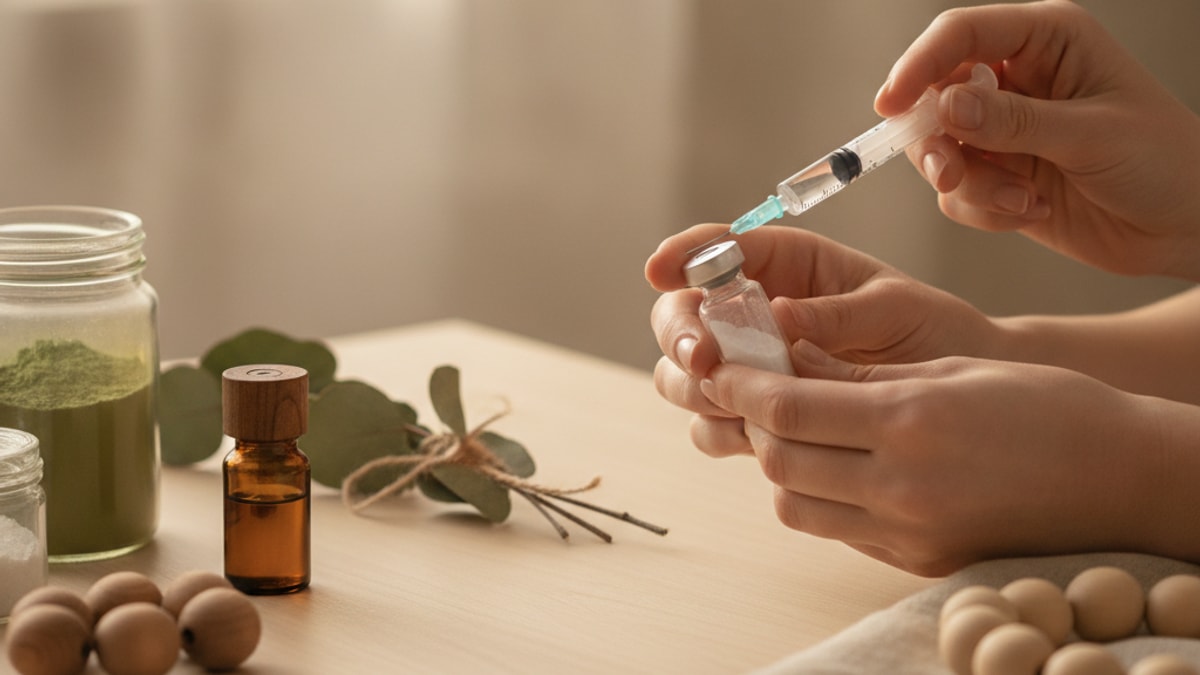
Learn how to avoid BAC water reconstitution errors with peptides.
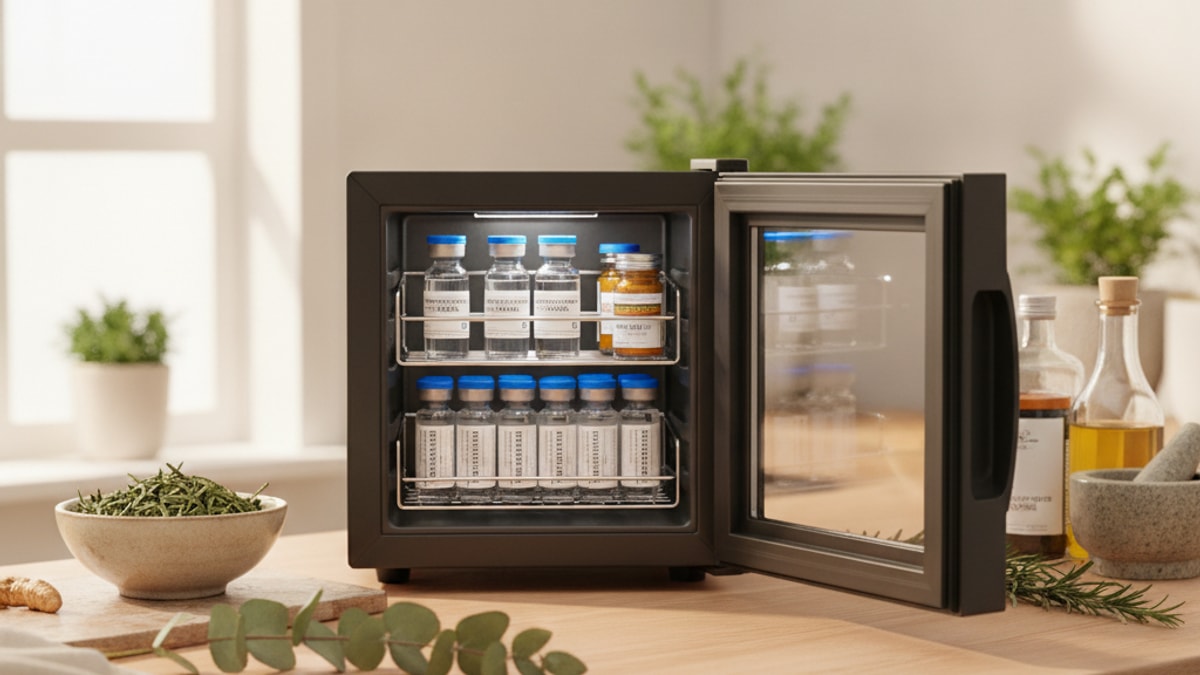
Store BAC water long term properly to maintain sterility for
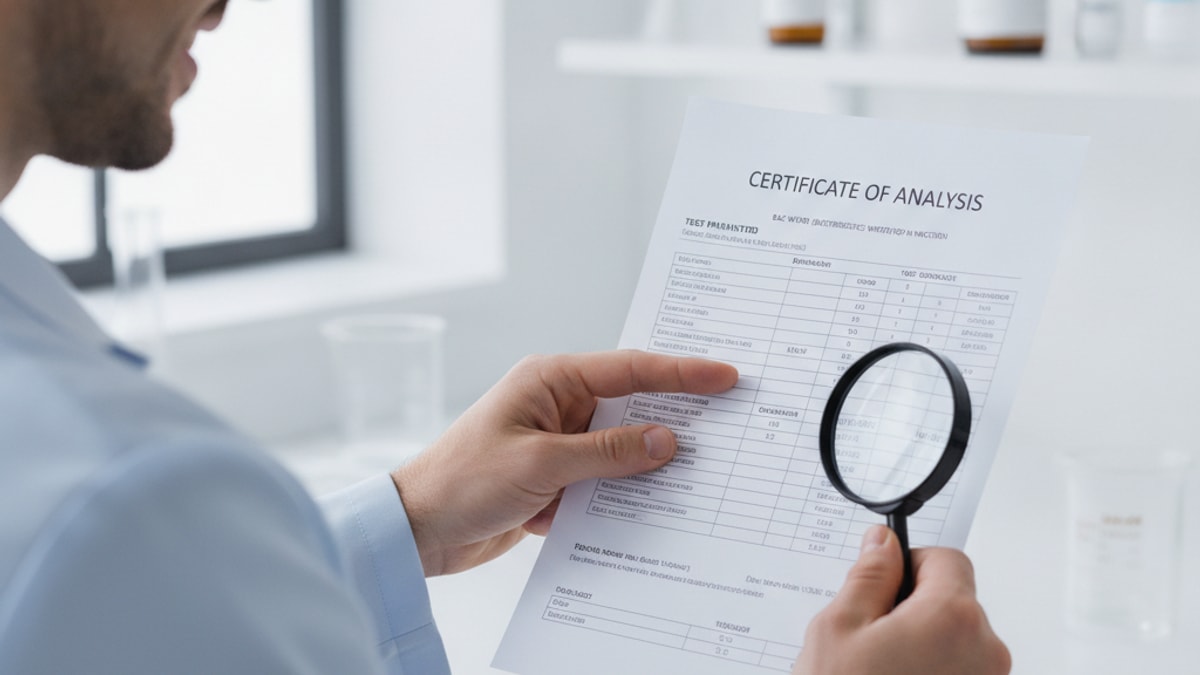
Learn to read bacteriostatic water COA documents correctly. Understand sterility,
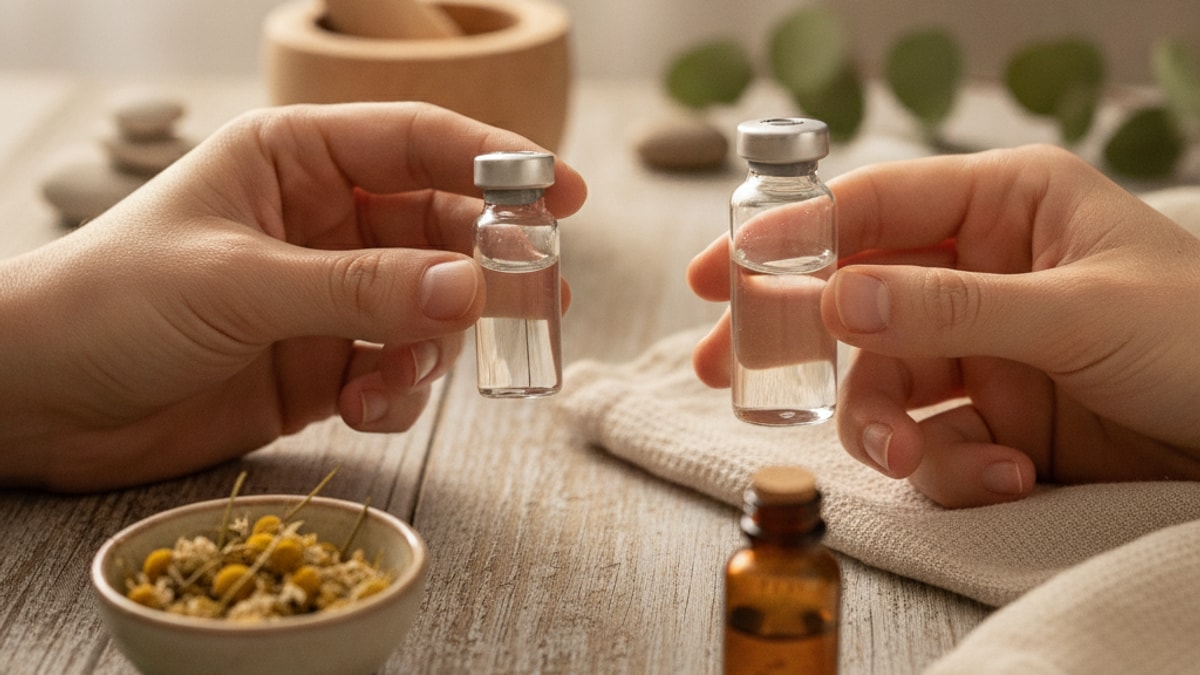
Choose BAC water vial size based on peptide quantity and
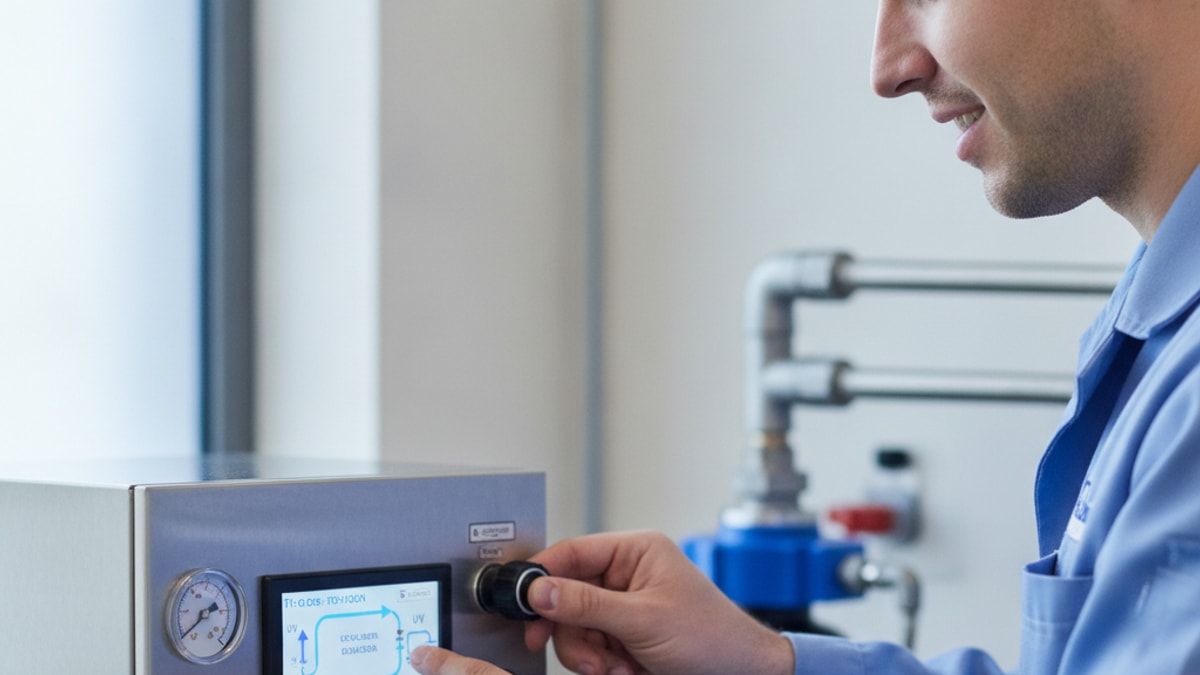
Learn how to run bac water cycle correctly for peptide
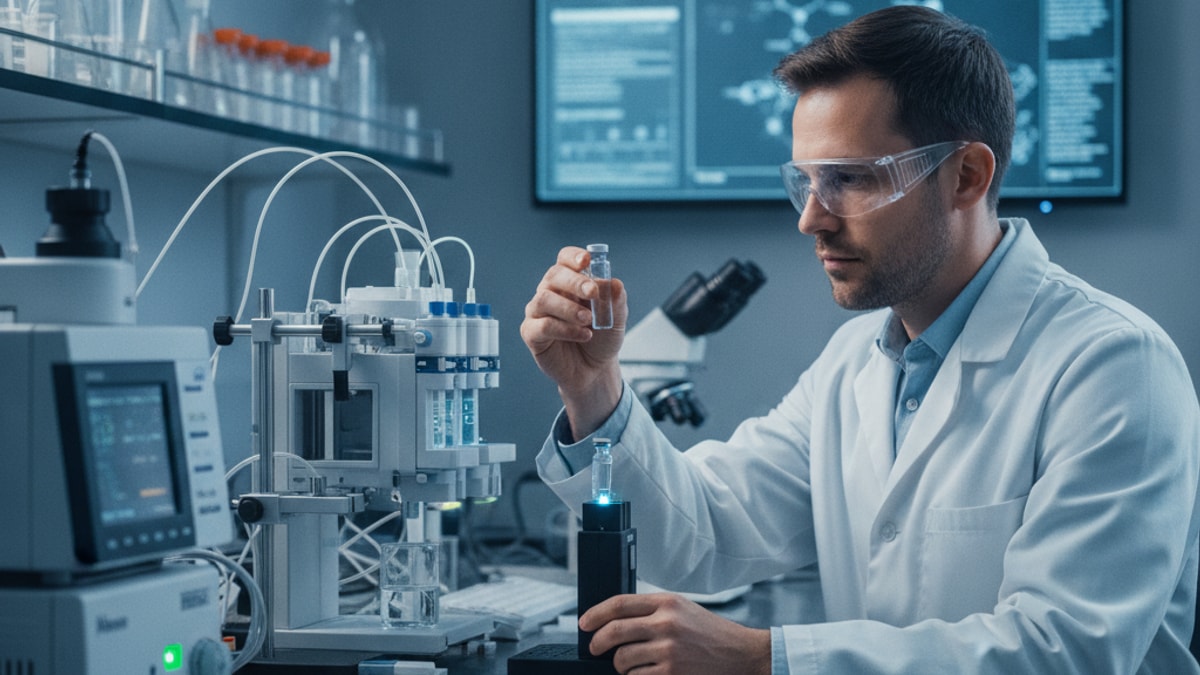
Verify BAC water purity through sterility testing, endotoxin analysis, pH
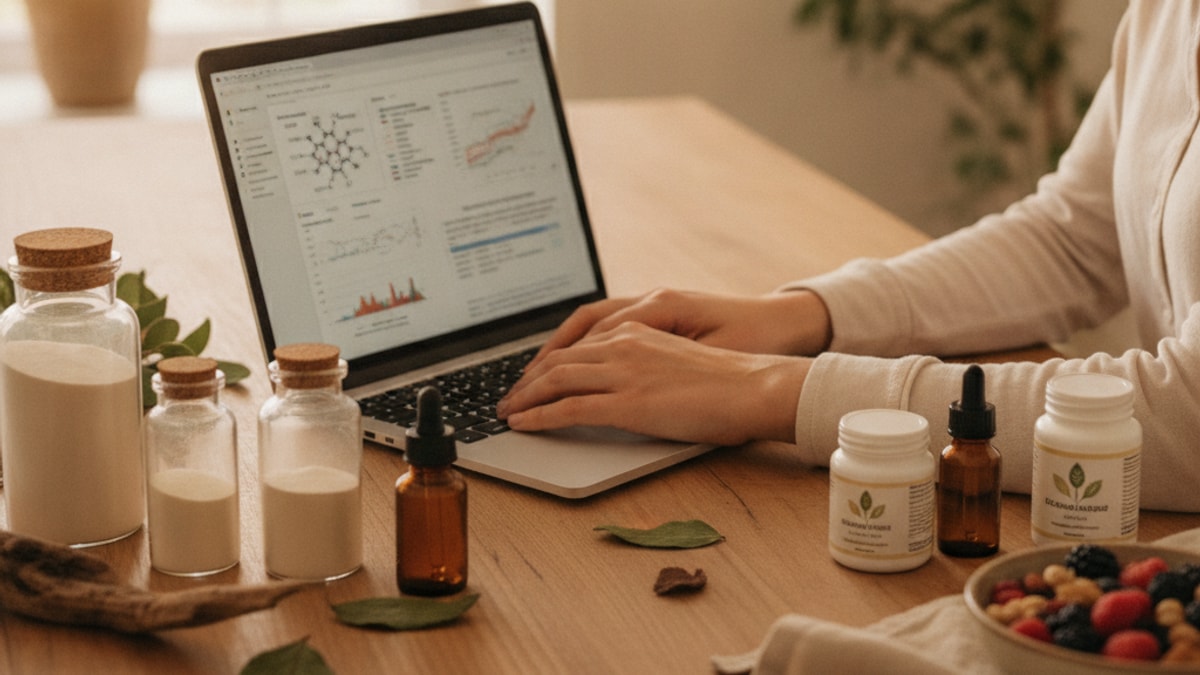
BPC-157 buying guide for researchers: sequence verification, analytical purity testing,
TB-500 stability depends on reconstitution accuracy, storage temperature control, and

BPC-157 research drives tissue repair mechanisms, wound healing acceleration, and

Proper BPC-157 research documentation requires specific chain-of-custody protocols, temperature logging,
