

Selank Amidate Dosing Schedule — Timing Research Protocols
Selank amidate doses follow 150-500 mcg protocols split twice daily.



Selank amidate doses follow 150-500 mcg protocols split twice daily.
Learn how to mix semax amidate correctly: reconstitute 5mg lyophilized
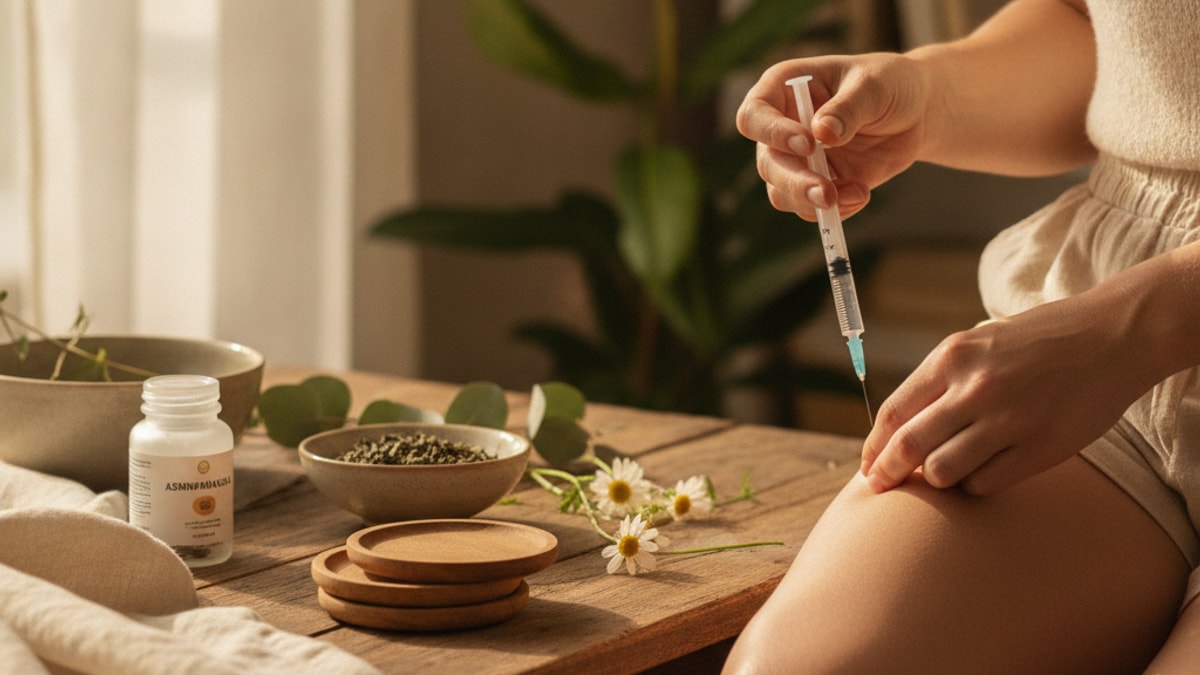
Learn how to inject semax amidate subq safely. Covers reconstitution,
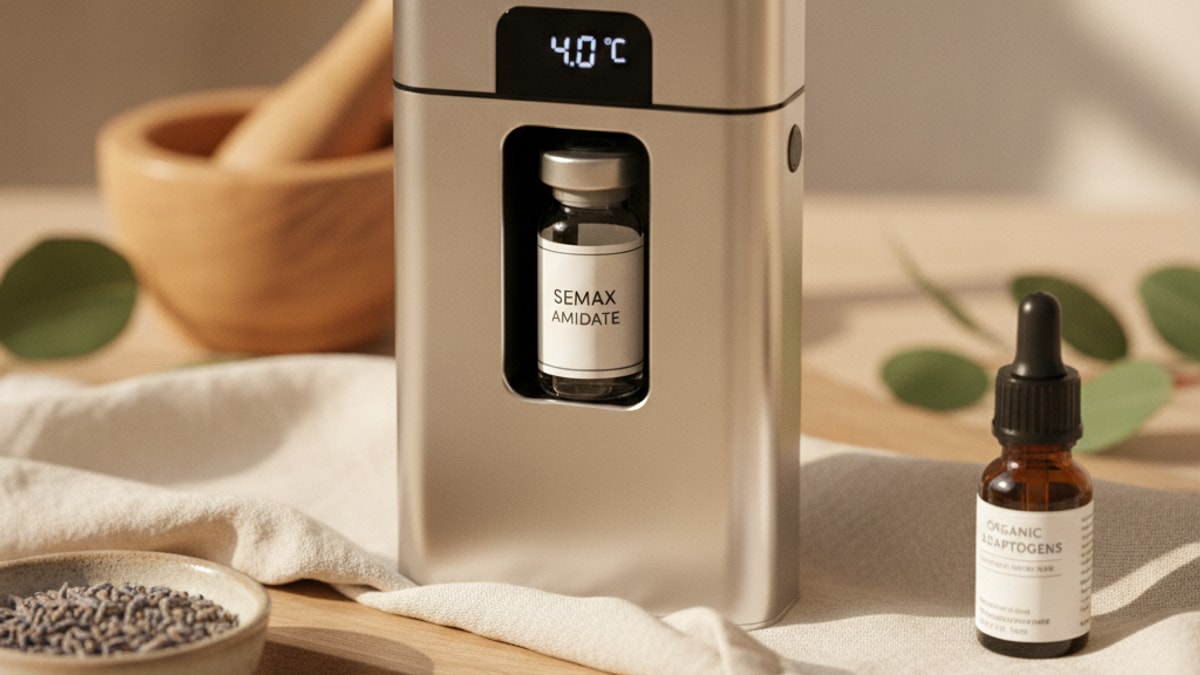
Store semax amidate long term by keeping lyophilized powder at

Rotating Semax Amidate injection sites prevents tissue damage and maintains

Learn how to read Semax Amidate COA documents. Verify purity,

Semax amidate concentration is calculated by dividing the peptide mass

Verify semax amidate purity through COA analysis, HPLC testing, and

Semax amidate cycle protocol requires 30-day minimum active phases with

Choosing the right Semax Amidate vial size depends on study

Semax amidate requires precise timing: intranasal doses work within 15–30
Learn how to avoid semax amidate reconstitution errors with precise
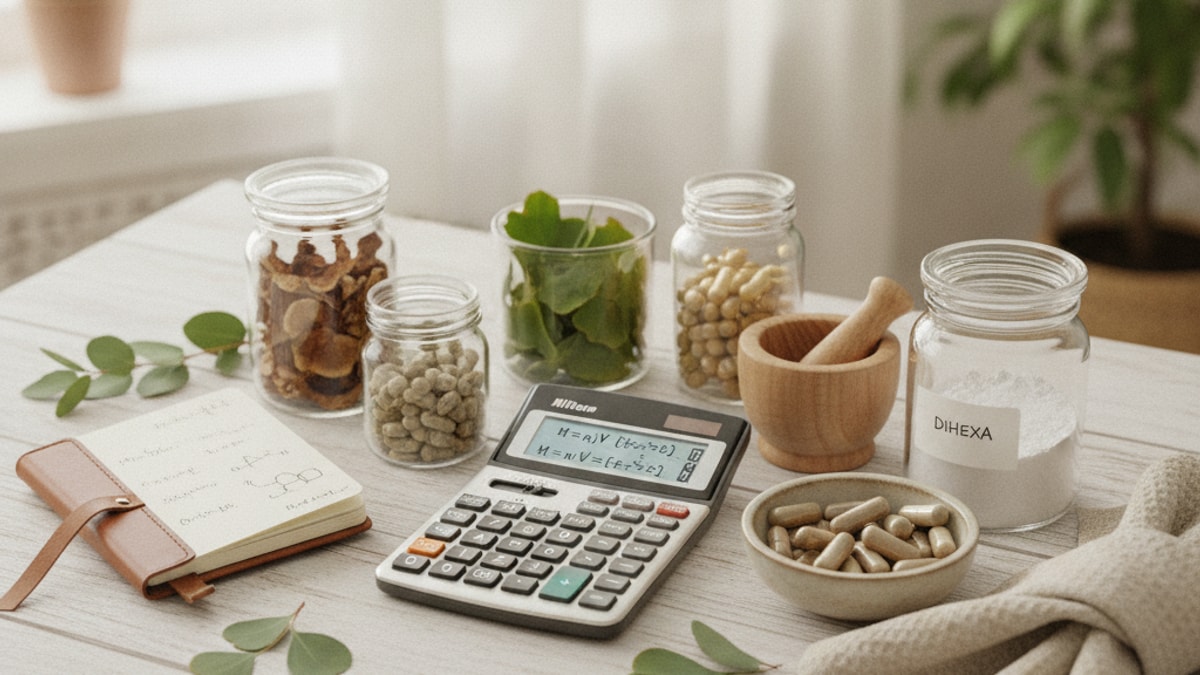
Calculate dihexa concentration accurately using mass, volume, and molecular weight.
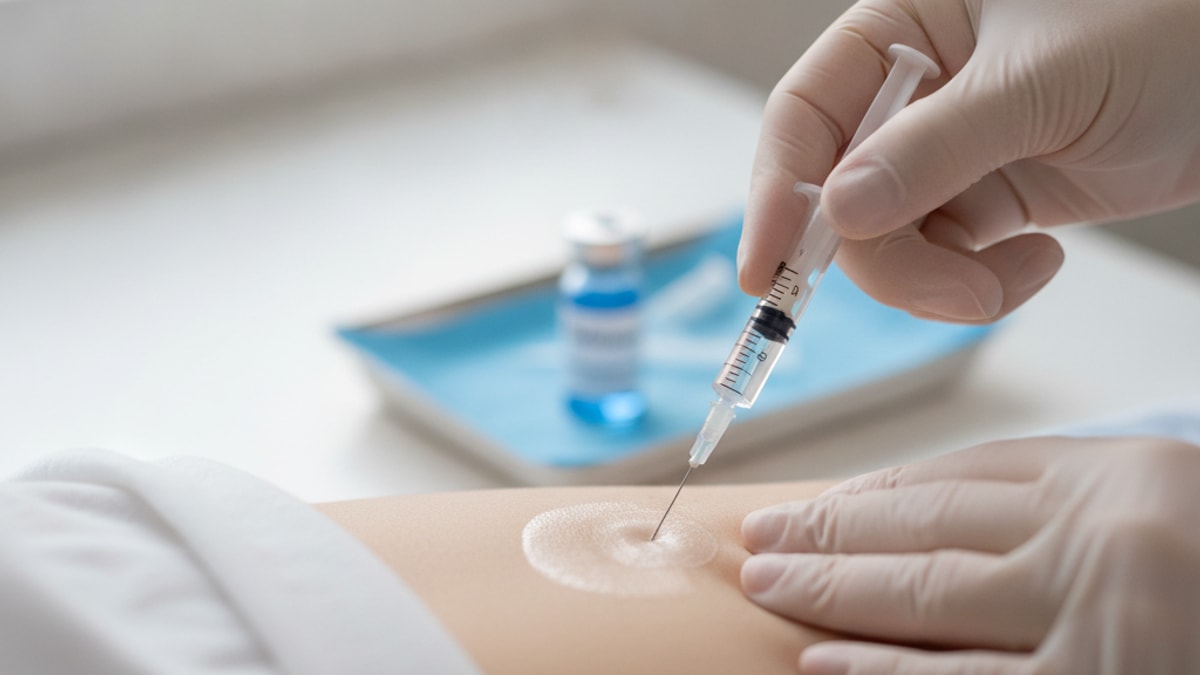
Dihexa subcutaneous injection requires precise technique: reconstitute sterile powder with
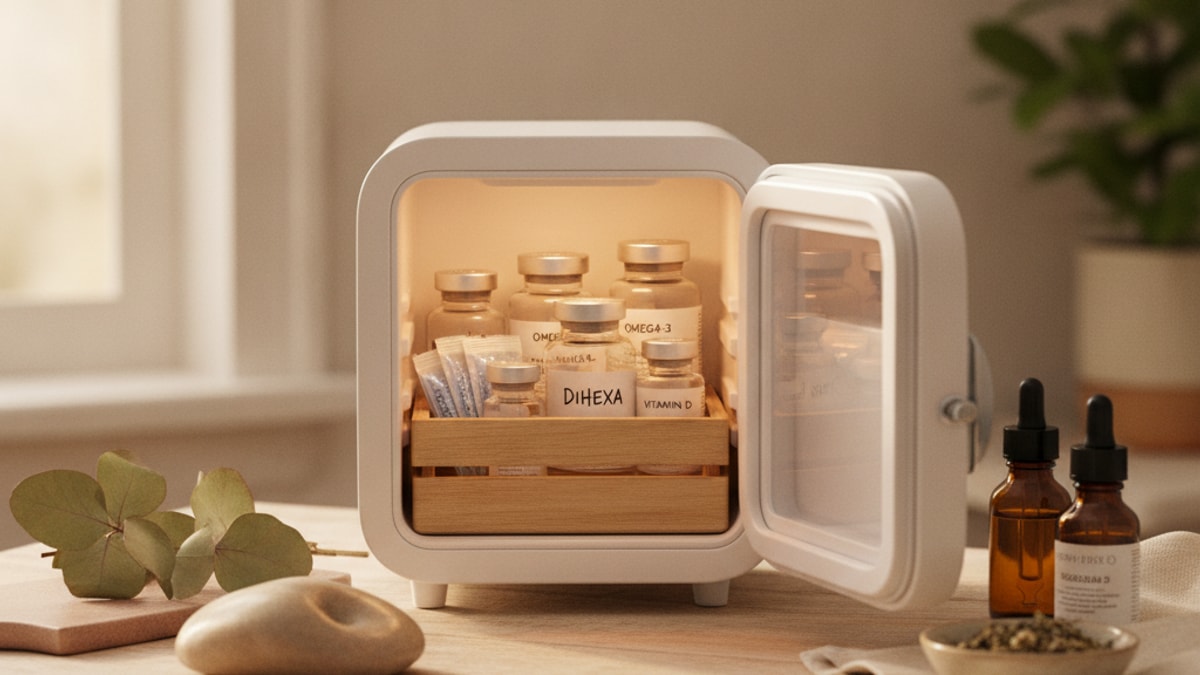
Store dihexa long term at −20°C in lyophilised form. Once
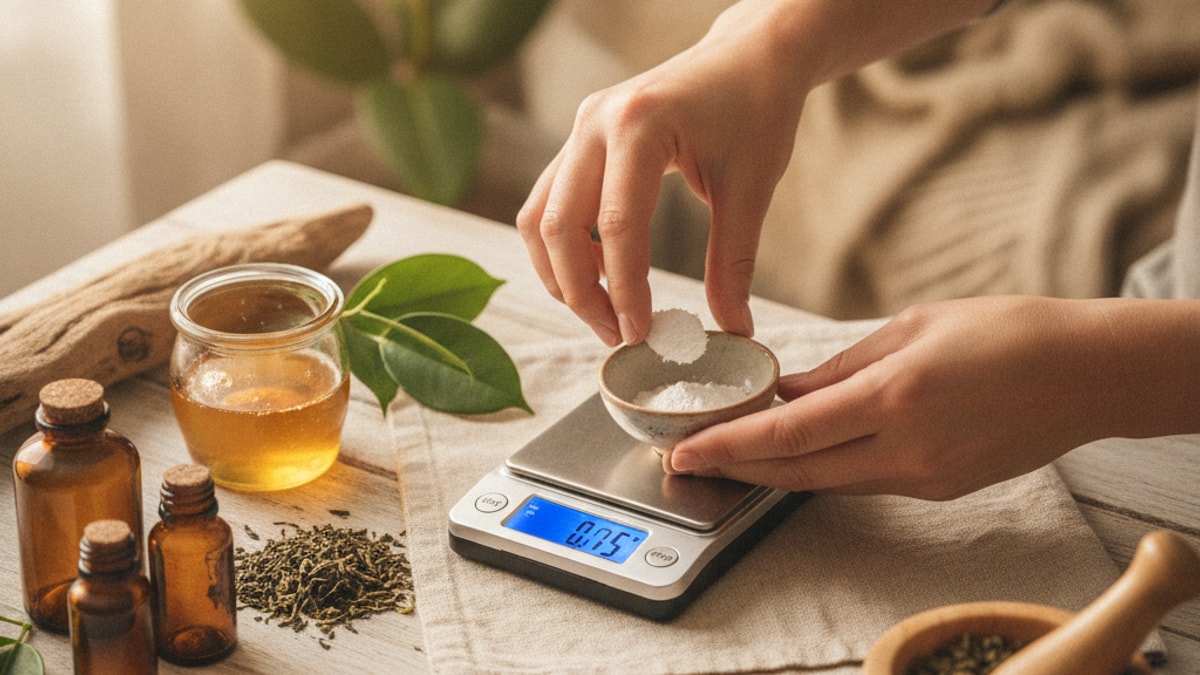
Mix dihexa by adding bacteriostatic water slowly to lyophilised powder,

Dihexa reconstitution errors compromise potency through temperature deviations, improper mixing

Certificate of Analysis for Dihexa shows purity, identity, and contamination

Verify dihexa purity through HPLC analysis, mass spectrometry, and third-party

Dihexa research spans cognitive enhancement, neurogenesis, and synaptic plasticity. Studies

Learn how to run dihexa cycle safely with precise dosing
