
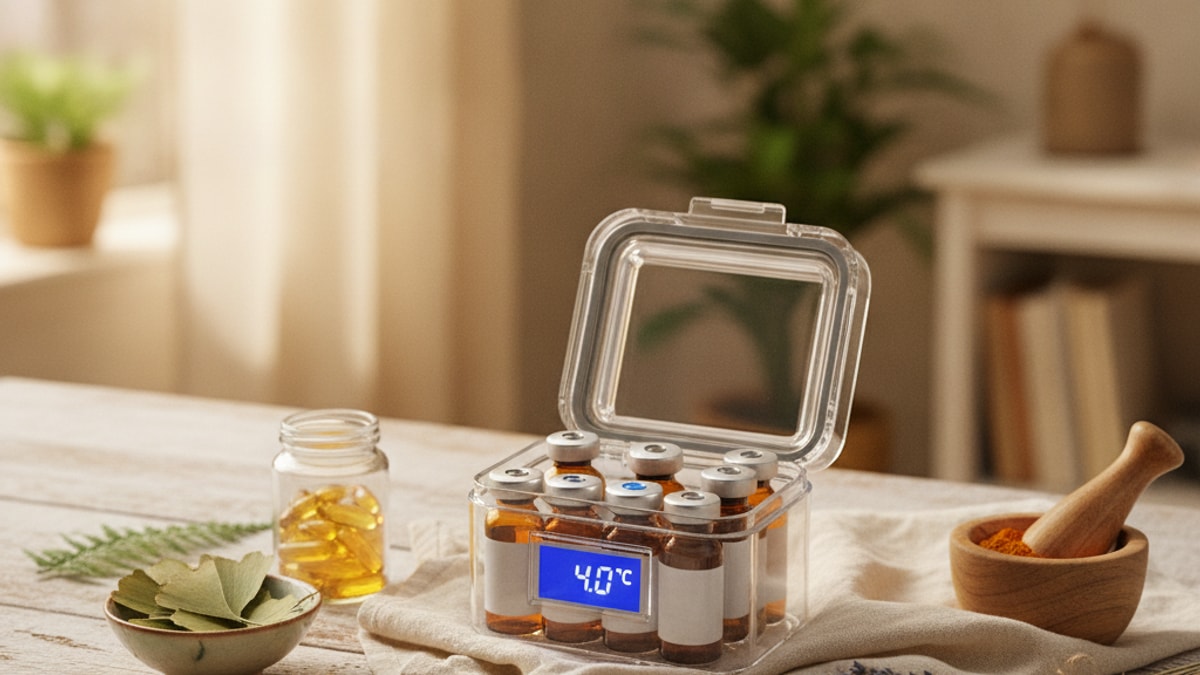
How to Store Cerebrolysin Long Term — Cold Storage Guide
Cerebrolysin requires continuous 2–8°C refrigeration after reconstitution to prevent irreversible



Cerebrolysin requires continuous 2–8°C refrigeration after reconstitution to prevent irreversible
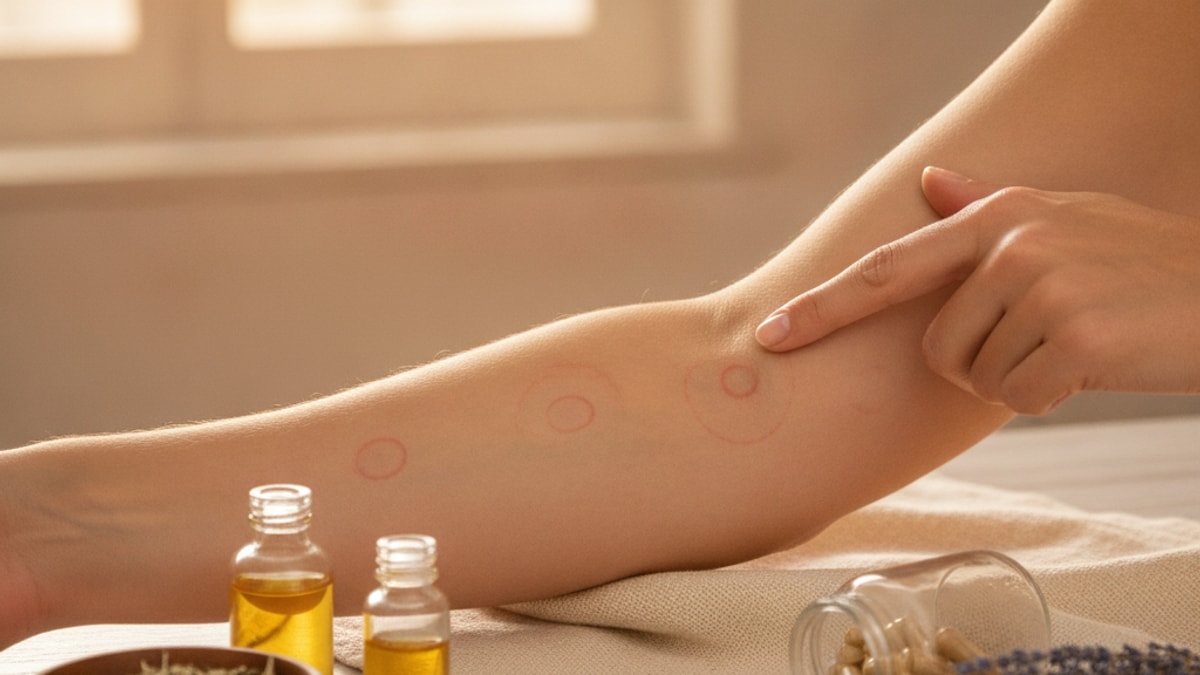
Rotating Cerebrolysin injection sites prevents tissue damage and maintains absorption.
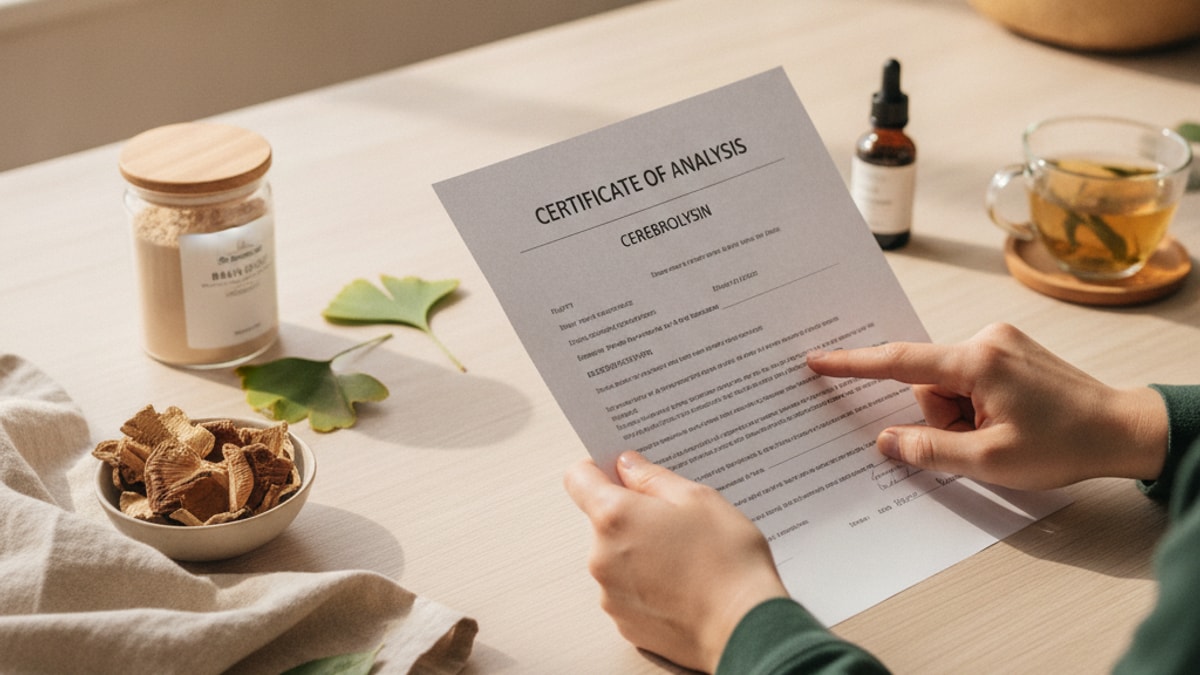
Cerebrolysin COA documents verify peptide purity, potency, and sterility through

Cerebrolysin cycling requires 10–30-day protocols with 5–10mL daily dosing, mandatory

Cerebrolysin vials range from 1mL to 30mL. Research dosing typically

Cerebrolysin timing protocols require specific intervals between doses to maintain

Cerebrolysin reconstitution failures stem from three specific mistakes: incorrect diluent

Calculate p21 concentration using Bradford assay, spectrophotometry, or ELISA. Learn
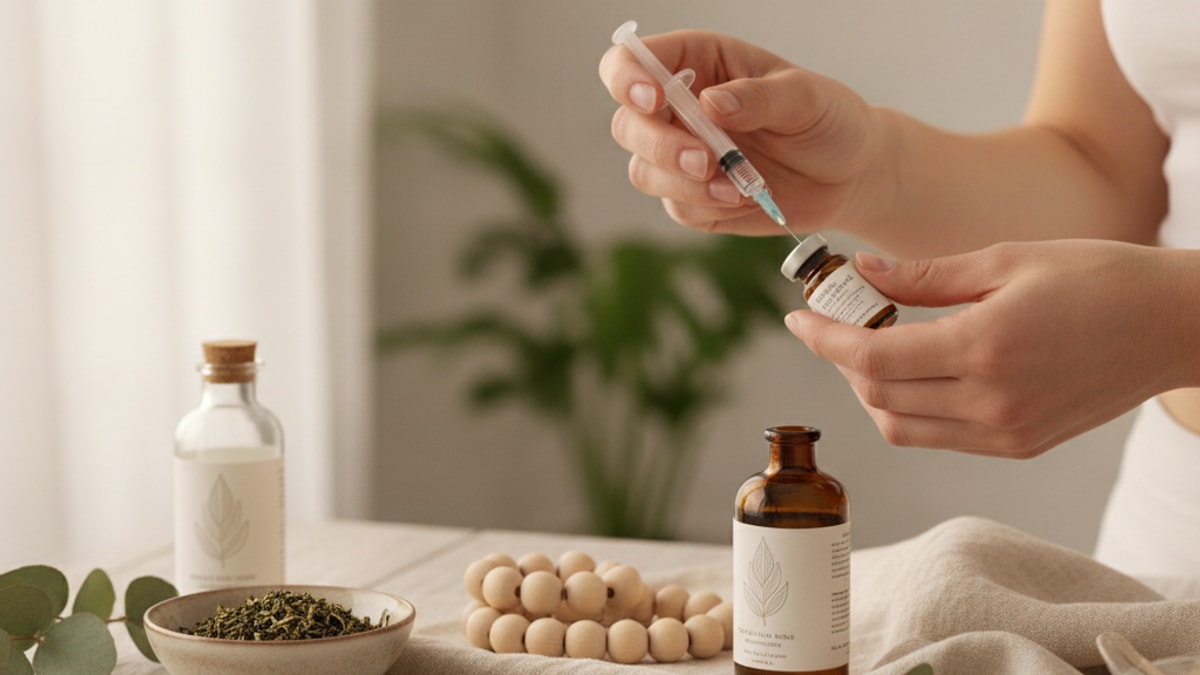
P21 subcutaneous injection requires precise reconstitution, insulin-syringe technique, and proper
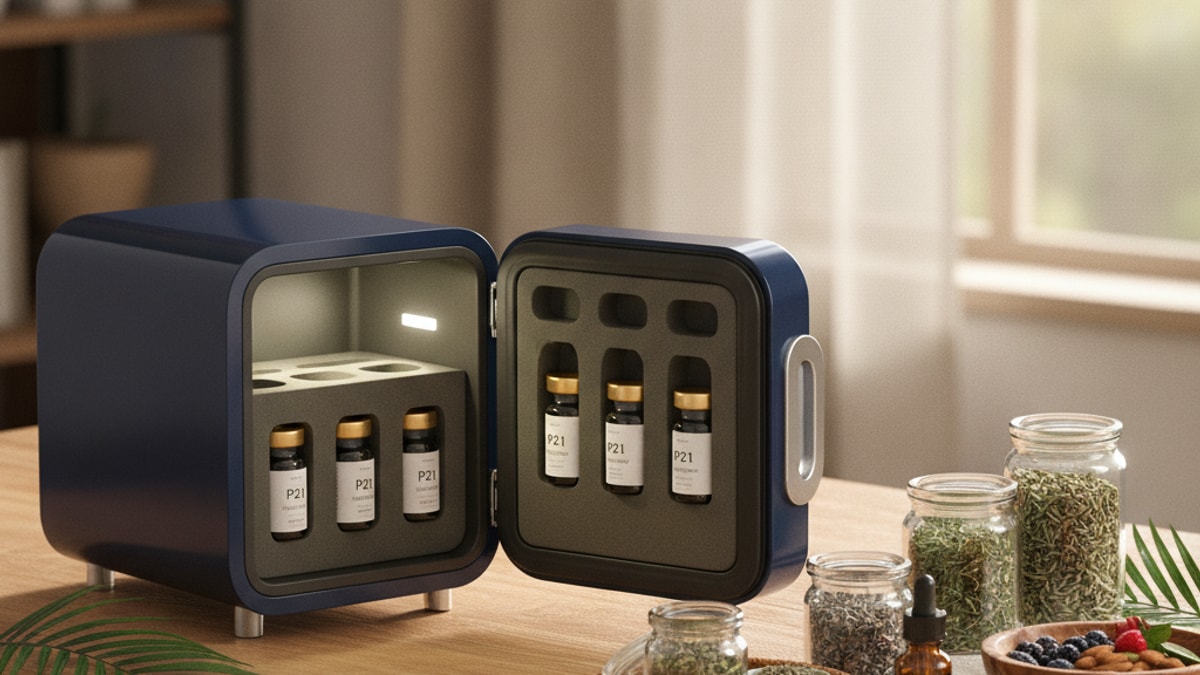
Store P21 long term by freezing lyophilized powder at −20°C
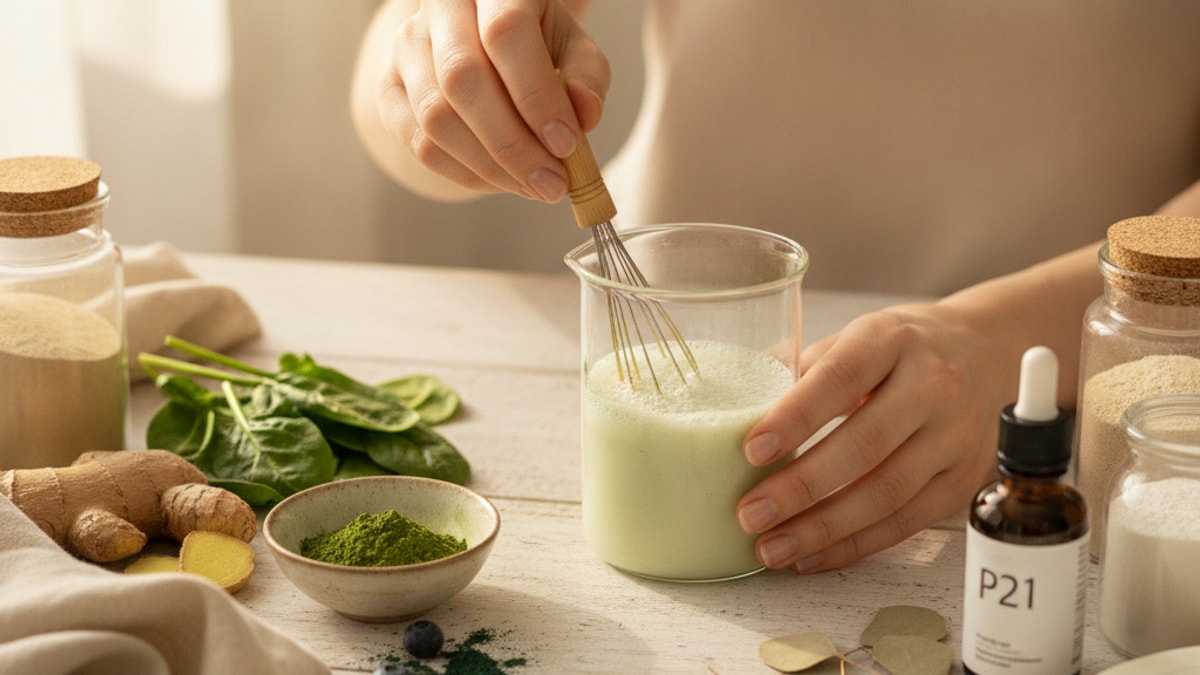
Learn how to mix P21 properly with bacteriostatic water. Includes

Rotating P21 injection sites prevents lipohypertrophy, preserves peptide absorption, and

Avoid p21 reconstitution errors with precision techniques: exact volume control,

Learn how to read P21 COA reports to verify peptide

Verify p21 purity through HPLC analysis, mass spectrometry, and certificate

Run p21 cycle safely with precise peptide reconstitution, daily 300mcg

Document P21 research reveals senolytic pathways and mitochondrial signaling that

Calculate DSIP concentration accurately using molecular weight, peptide mass, and

Choose P21 vial size based on dosing frequency, reconstitution ratio,
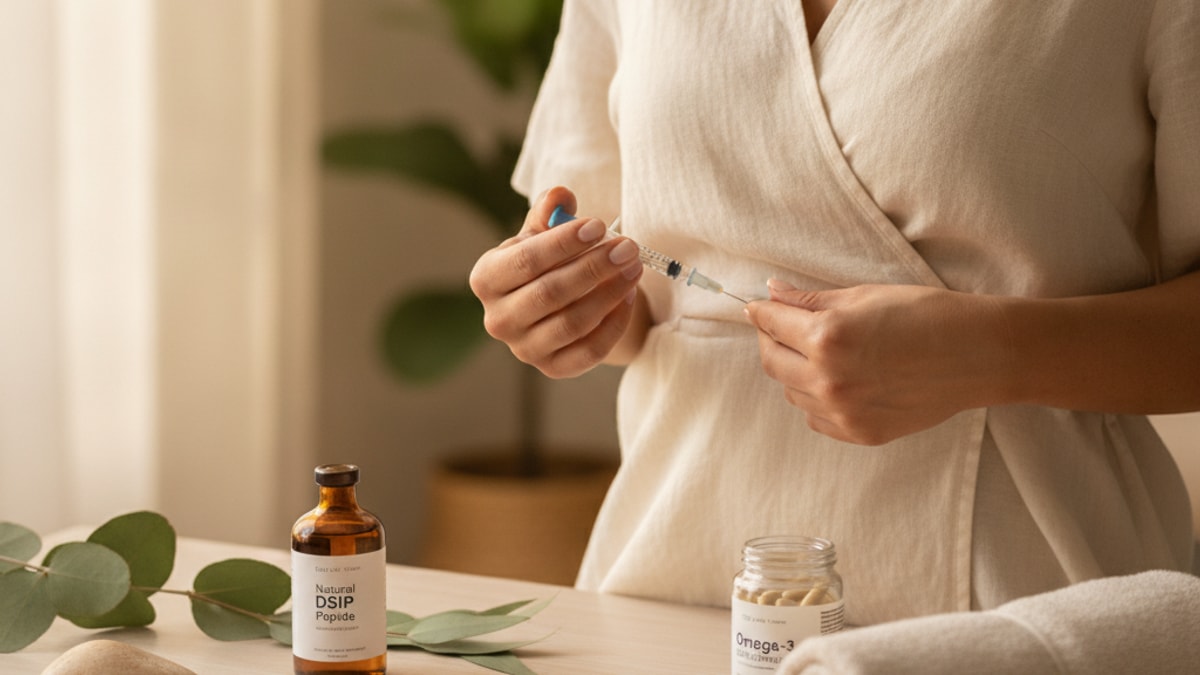
DSIP subq injections require a 45-degree angle, sterile reconstitution, and
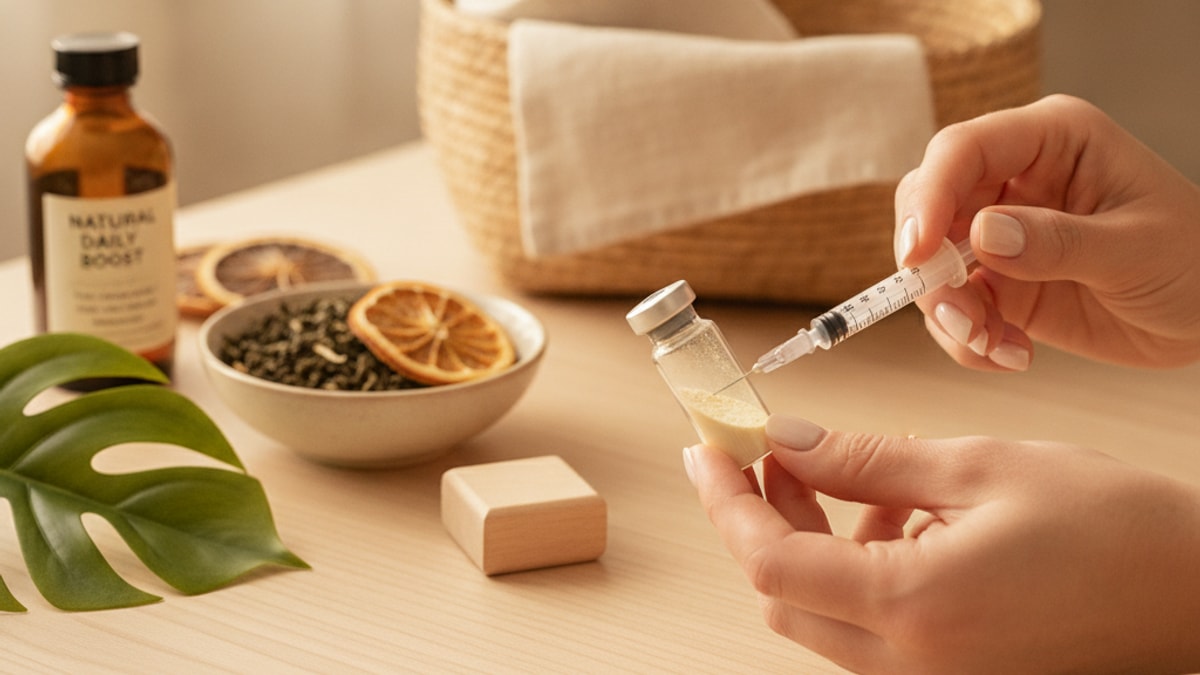
DSIP reconstitution errors cause protein denaturation and complete potency loss.
