
How to Store Pinealon Long Term — Research Peptide Guide
Store pinealon long term at −20°C before reconstitution, then 2–8°C



Store pinealon long term at −20°C before reconstitution, then 2–8°C
Choose melatonin vial size based on protocol duration, injection frequency,

Pinealon COA documents verify purity (≥98%), contamination levels, and molecular
Rotating pinealon injection sites prevents lipohypertrophy and maintains peptide absorption.

Run pinealon cycle correctly with precise timing, reconstitution, and dosing
Verify pinealon purity through HPLC, mass spectrometry, and third-party lab
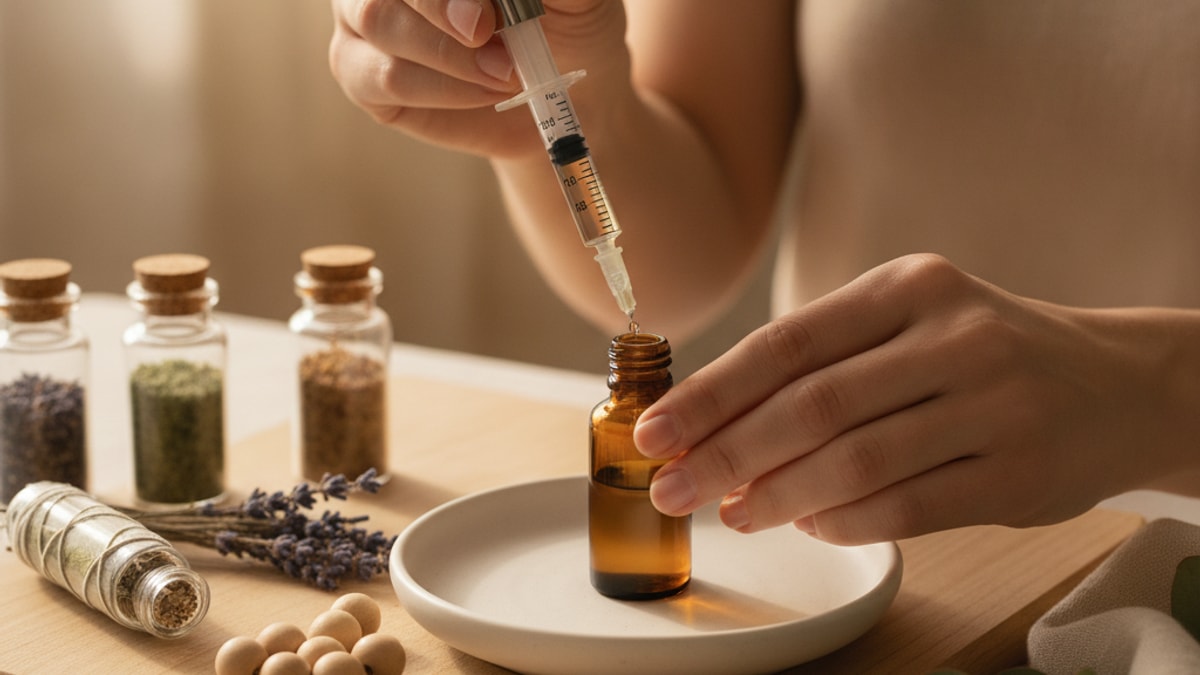
Pinealon reconstitution errors compromise potency and safety. Learn exact protocols

Pinealon shows neuroprotective effects through geroprotective peptide signaling in peer-reviewed

Pinealon vial sizes range from 10mg to 60mg — selection

Time Pinealon doses in cycles: most research protocols use 10mg
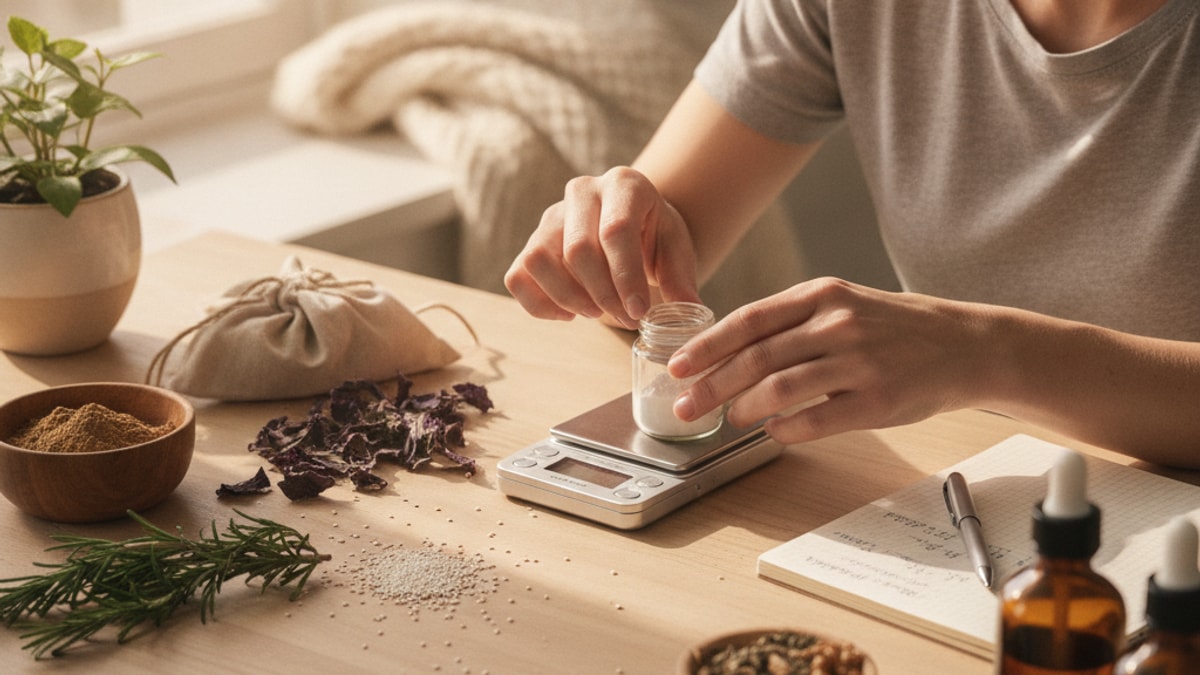
Calculate epithalon concentration accurately using mg/vial, diluent volume, and dose
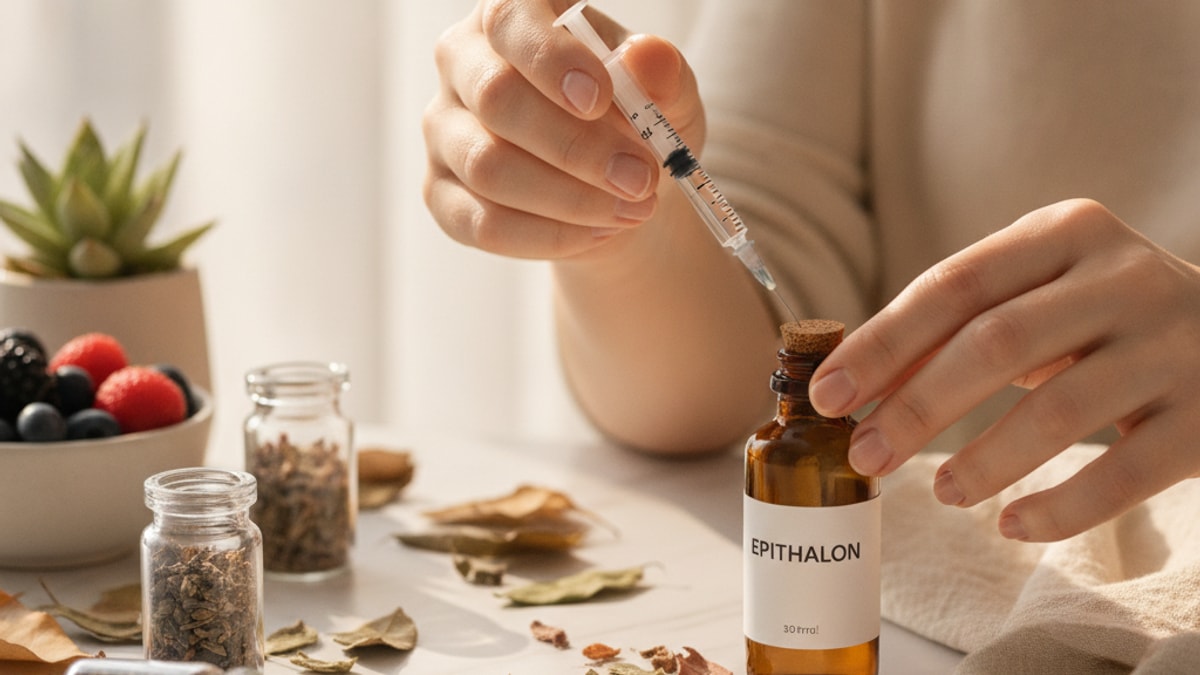
Subcutaneous epithalon injection requires sterile technique, correct reconstitution ratios, and

Epithalon must be stored at −20°C before reconstitution and 2–8°C
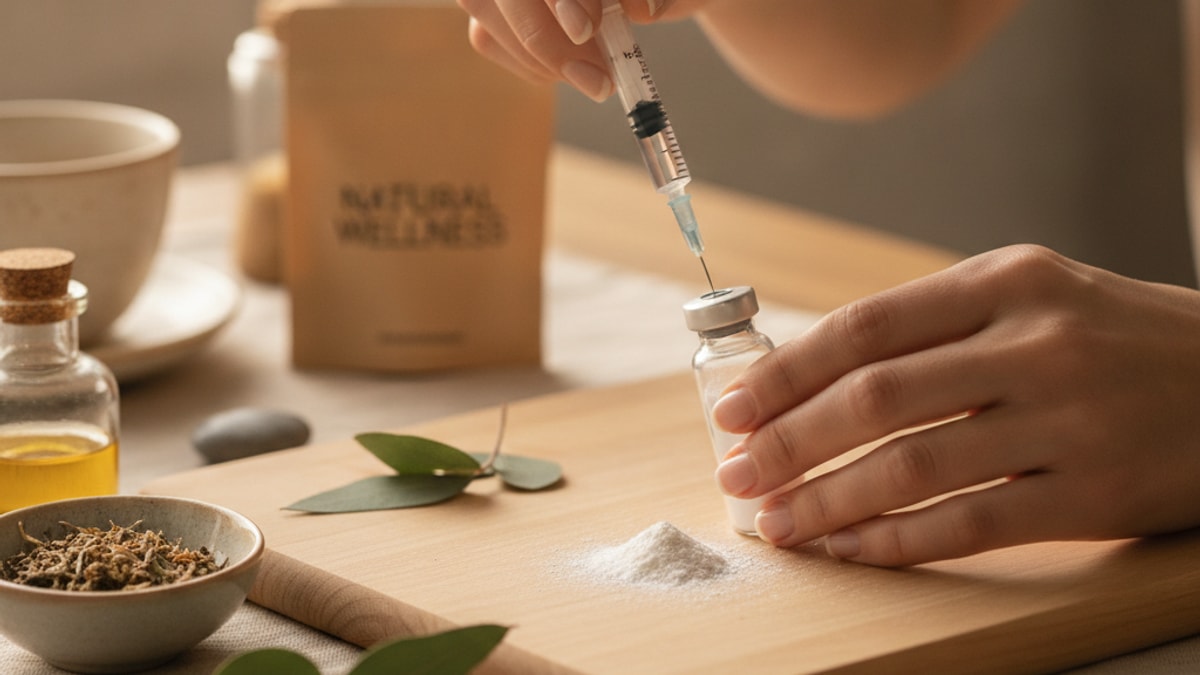
Mixing epithalon requires bacteriostatic water, sterile technique, and 2–8°C storage.
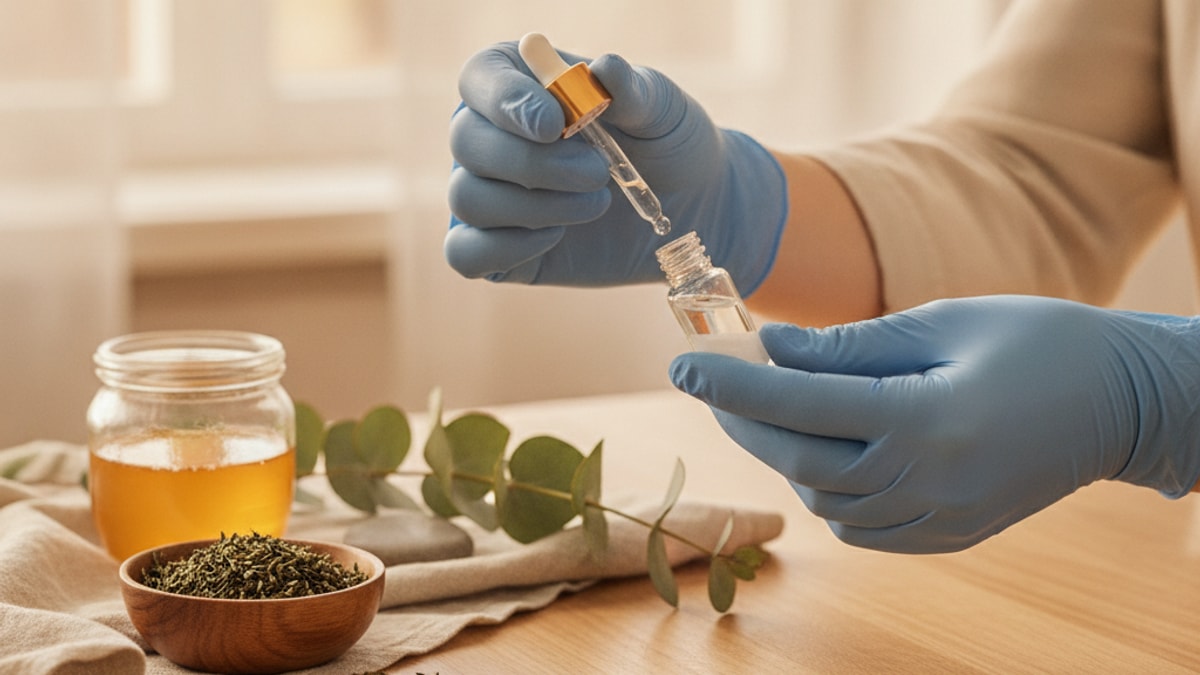
Avoid epithalon reconstitution errors by following exact dilution ratios, sterile

Rotating epithalon injection sites prevents tissue damage and maintains absorption.
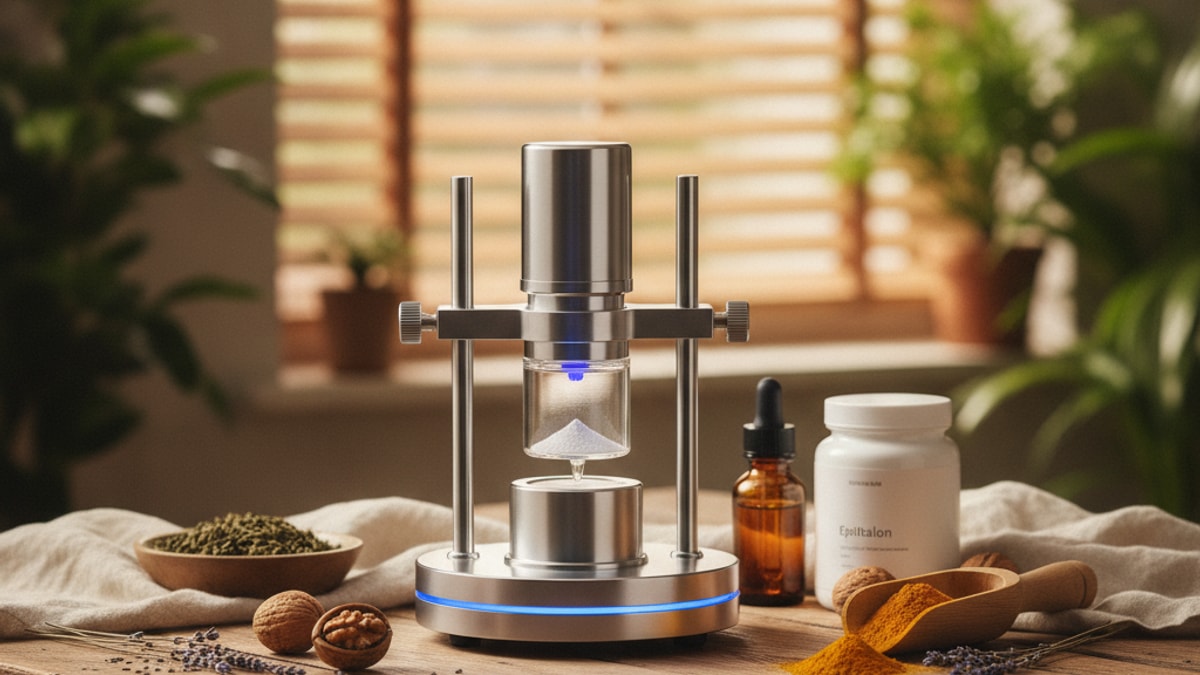
Verify epithalon purity through HPLC testing, certificate of analysis review,

Run epithalon cycle safely with precise dosing, timing, and storage

Epithalon telomerase activation shows 33% telomere lengthening in human trials.

Choose epithalon vial size based on protocol duration and reconstitution

Epithalon dosing cycles range from 5–20 days with 1–6 month
