

Time NAD+ Doses — Spacing & Timing for Optimal Results
NAD+ dosing timing impacts bioavailability by 30-40%. Learn exact spacing



NAD+ dosing timing impacts bioavailability by 30-40%. Learn exact spacing

Cartalax peptide requires −20°C freezer storage long term. Reconstituted vials

Cartalax COA reports reveal purity, peptide content, and contamination levels

Run cartalax cycle correctly: 10–20 days at 10mg/day, subcutaneous or

Cartalax peptide works best when dosed at specific intervals —

Calculate SS-31 concentration using mass, volume, and molecular weight—precision matters
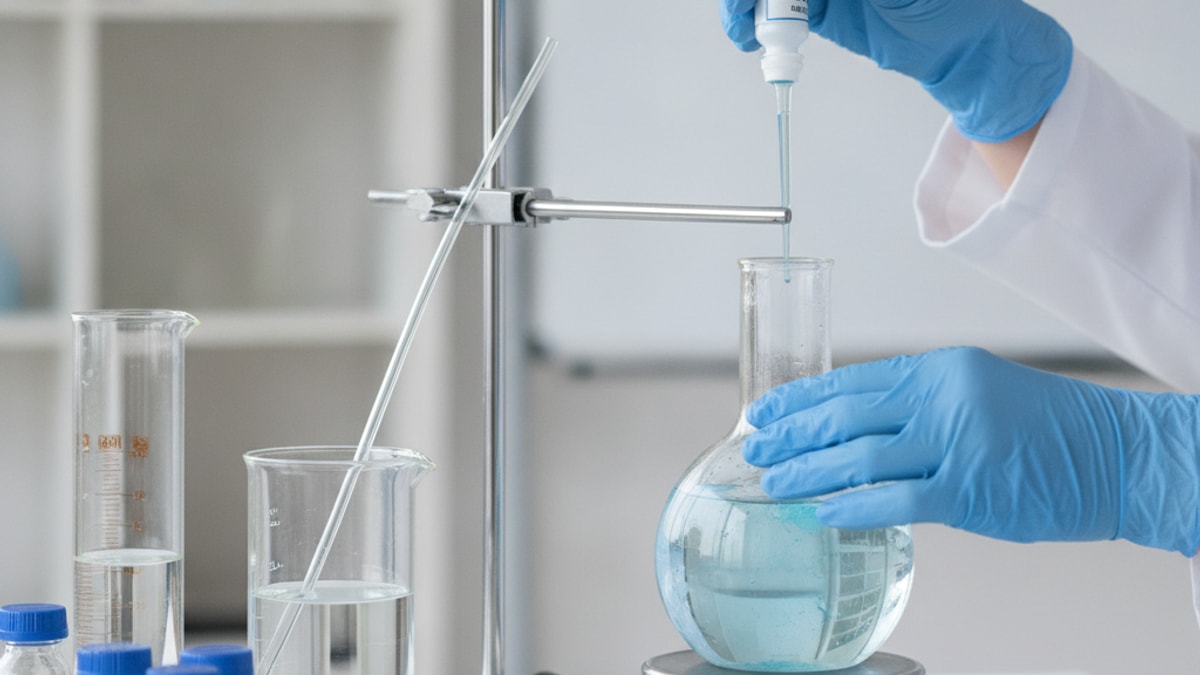
SS-31 reconstitution requires bacteriostatic water, sterile technique, and gentle mixing
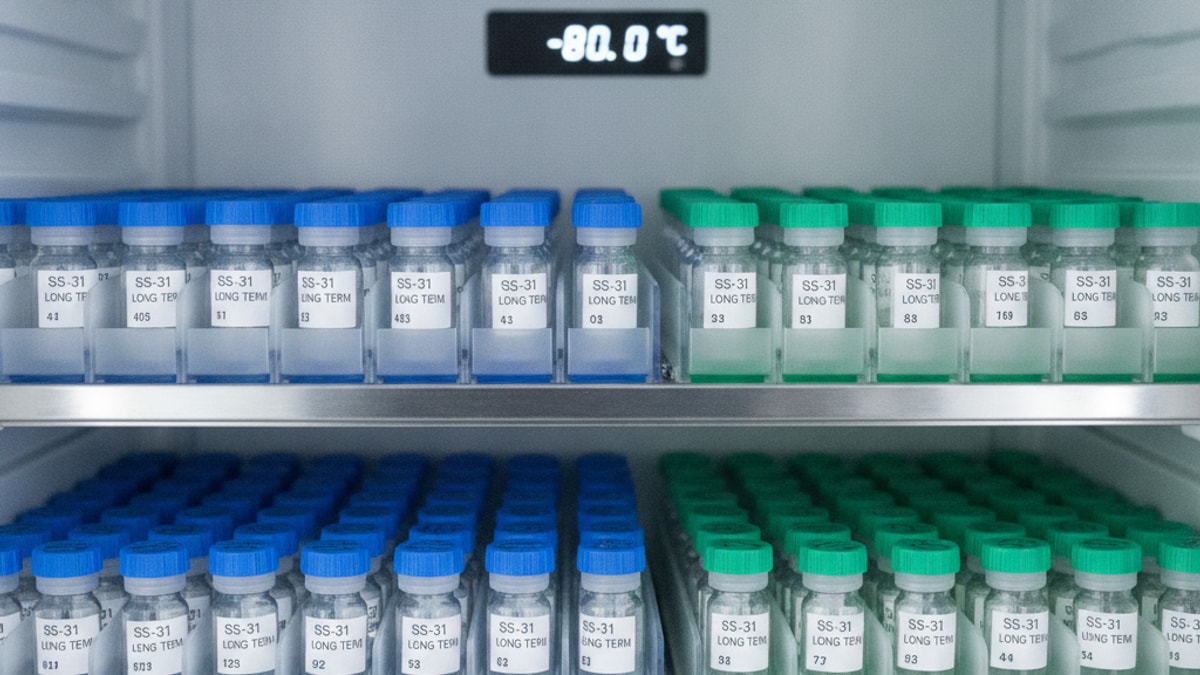
SS-31 peptide requires −20°C storage before reconstitution and 2–8°C after

SS-31 subcutaneous injections require bacteriostatic water reconstitution, 27–30 gauge needles,
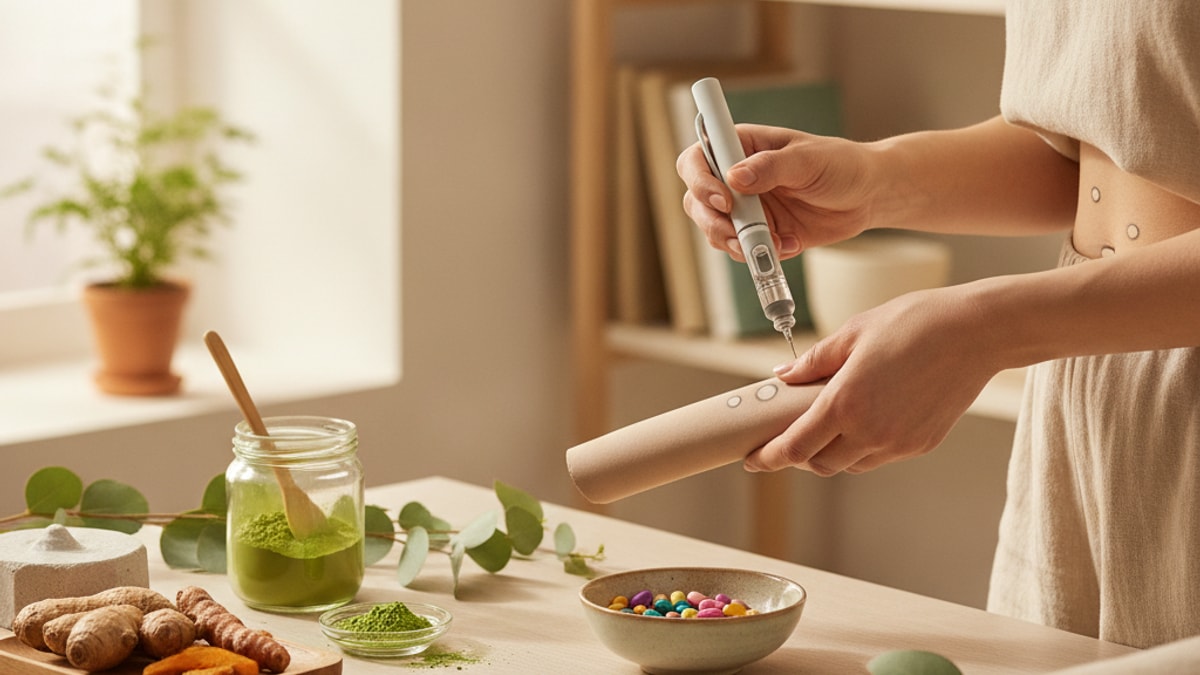
Rotating SS-31 injection sites prevents lipohypertrophy, tissue damage, and absorption

Learn how to read SS-31 CoA documents with confidence. Understand
Mass spectrometry confirms SS-31 purity by measuring exact molecular weight

SS-31 (elamipretide) cycles typically run 28 days subcutaneously at 4–40mg
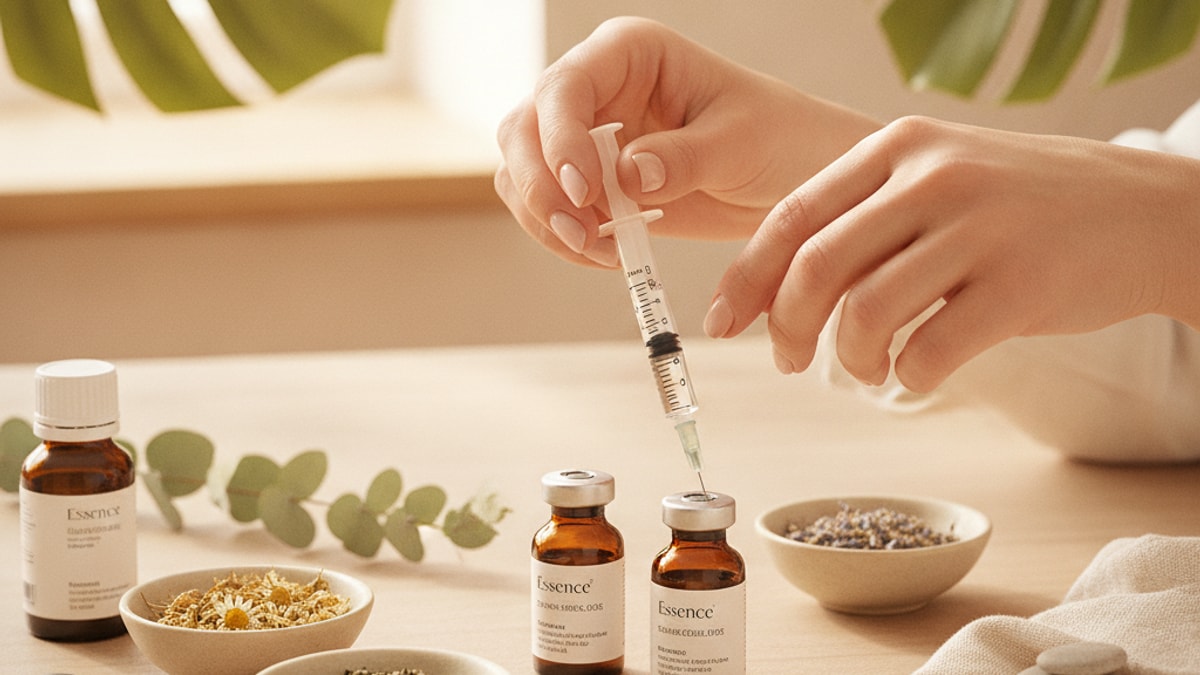
SS-31 reconstitution demands precision — one sterile water error ruins

SS-31 (elamipretide) protects mitochondrial cristae through cardiolipin binding — reducing

Choose SS-31 vial size based on study duration, dosing schedule,

SS-31 dosing intervals impact mitochondrial protection—research shows twice-daily subcutaneous administration

Learn how to read SS-LUP-332 COA documents with HPLC data,

Learn how to run SS-LUP-332 cycle with exact dosing, timing

Thymosin alpha-1 requires proper subcutaneous injection technique to maintain potency.
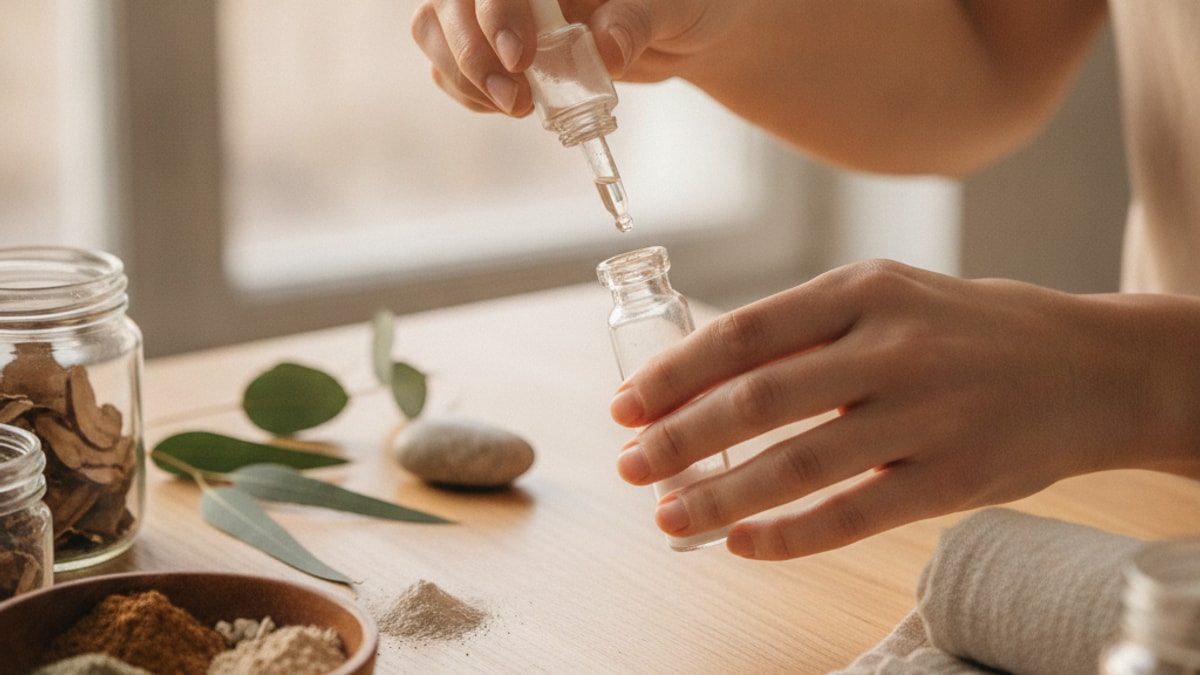
Learn the exact steps to safely mix thymosin alpha-1 peptide
