
Can Tesamorelin Be Combined With Other Peptides? (Protocol)

Tesamorelin can be safely combined with certain peptides when dosing protocols and receptor interactions are carefully managed — here’s how it works.



Your blog category
Tesamorelin can be safely combined with certain peptides when dosing protocols and receptor interactions are carefully managed — here’s how it works.
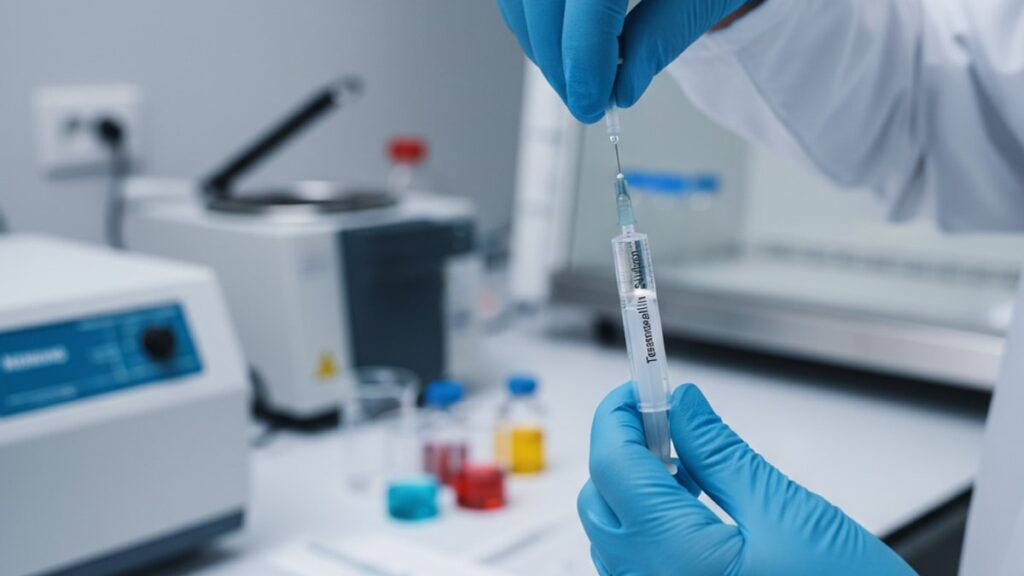
Tesamorelin is administered subcutaneously in research at 1–2mg daily, typically in the abdomen. Proper reconstitution and injection technique are

Tesamorelin stimulates pulsatile growth hormone release through GHRH receptor activation, reducing visceral adipose tissue by 15–20% while preserving lean

Tesamorelin remains stable for 28 days when refrigerated at 2–8°C after reconstitution with bacteriostatic water — exceeding this window risks potency

Tesamorelin caused injection site reactions in 26% of trial participants and mild joint pain in 15%, with side effects decreasing after the first 12 weeks
Tesamorelin legal to purchase for research depends on your affiliation and compliance. FDA-registered suppliers can sell to qualified institutions only —

Tesamorelin has a plasma half-life of 26–43 minutes with effects lasting 2–3 hours. Here’s what that means for injection timing, dosing protocols, and

Tesamorelin solution appears clear to slightly opalescent after reconstitution — any cloudiness, discoloration, or particulate matter signals degradation
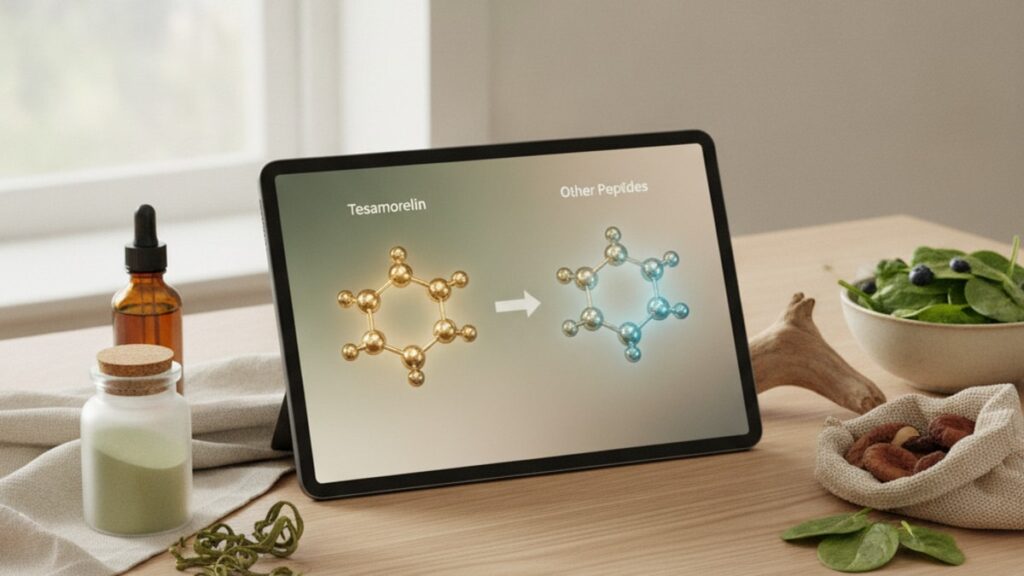
Tesamorelin stimulates endogenous growth hormone by binding to GHRH receptors — other peptides use entirely different pathways. Here’s the complete

Tesamorelin reconstitution requires 2mg lyophilised peptide in 2mL bacteriostatic water for 1mg/mL concentration—the standard for most research protocols
