
LL-37 Animal Research — Immune Function Studies

LL-37 animal research demonstrates broad-spectrum antimicrobial activity and immunomodulation across multiple species — findings critical for





Your blog category
LL-37 animal research demonstrates broad-spectrum antimicrobial activity and immunomodulation across multiple species — findings critical for
KPV mechanism studies reveal this tripeptide modulates NF-κB signaling and reduces pro-inflammatory cytokine production. Research shows 40–60%
LL-37 study findings reveal this antimicrobial peptide’s role in immune function, wound healing, and inflammation. Research explores therapeutic potential
LL-37 in vitro research demonstrates antimicrobial activity through membrane disruption and immune modulation, with protocol design determining
LL-37 demonstrates strong safety across clinical trials with minimal adverse events. Research from multiple institutions confirms tolerability in wound

Research shows LL-37 demonstrates consistent antimicrobial activity across multiple years of investigation, with ongoing trials evaluating safety and

GHK-Cu study data shows tissue repair acceleration through copper-peptide signaling. Clinical trials document wound healing rates, collagen density

Top GHK-Cu studies reveal wound healing, collagen synthesis, and antioxidant mechanisms. Review clinical trial data from major research institutions here.
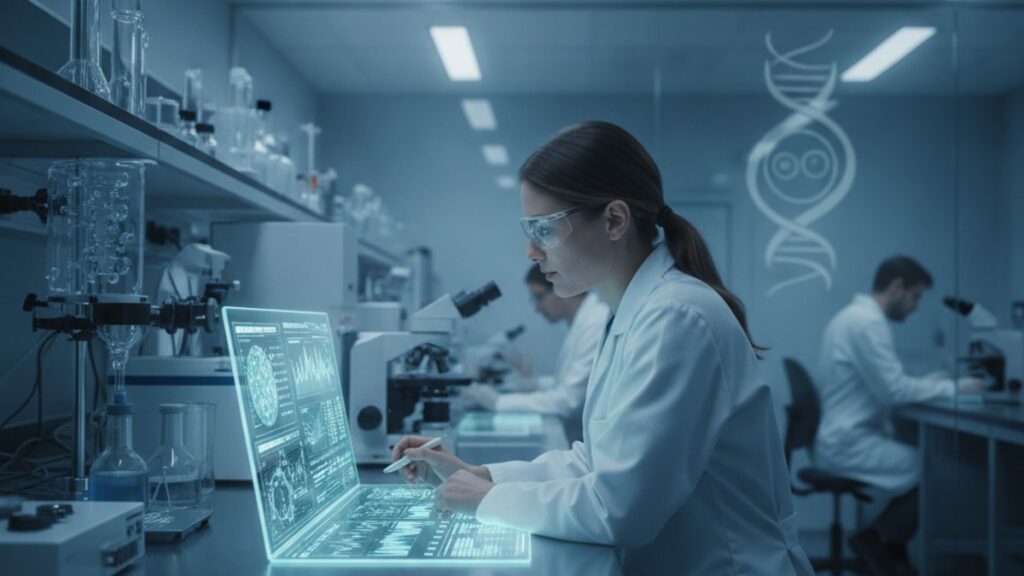
GHK-Cu animal research demonstrates accelerated wound closure, collagen synthesis, and tissue regeneration. Studies show 30–50% faster healing in
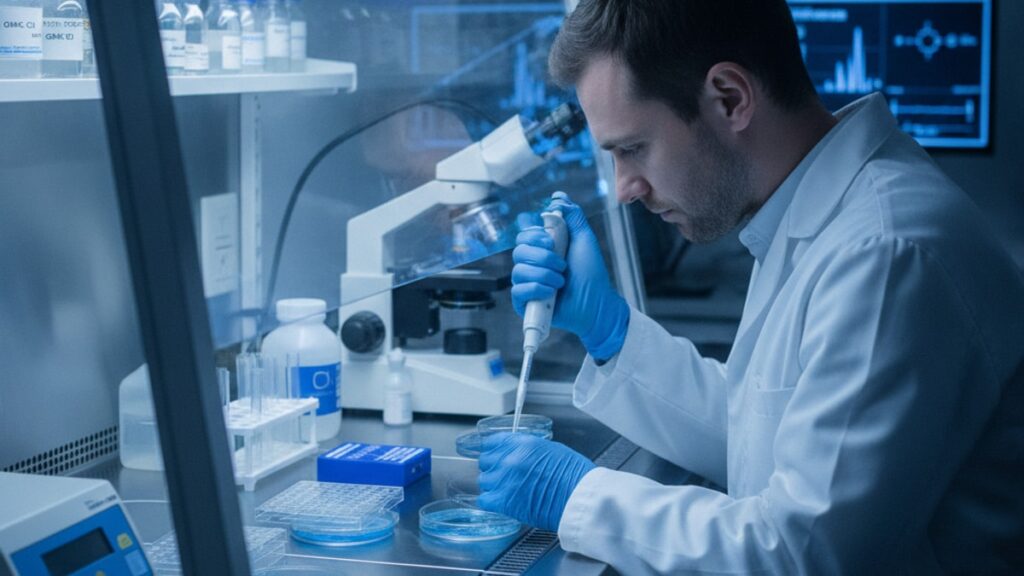
GHK-Cu in vitro research reveals copper-peptide mechanisms in wound healing, collagen synthesis, and gene expression — data from controlled cellular
