Halloween Sale Ends On October 31st•Halloween Sale Ends On October 31st•Halloween Sale Ends On October 31st•Halloween Sale Ends On October 31st•Halloween Sale Ends On October 31st•Halloween Sale Ends On October 31st•Halloween Sale Ends On October 31st•Halloween Sale Ends On October 31st•
Halloween Sale Ends On October 31st•Halloween Sale Ends On October 31st•Halloween Sale Ends On October 31st•Halloween Sale Ends On October 31st•Halloween Sale Ends On October 31st•Halloween Sale Ends On October 31st•Halloween Sale Ends On October 31st•Halloween Sale Ends On October 31st•
1 / 6
Verified Lab Results
Finished in the USA
Research Use Only
Inflammatory Pathway Peptides · Gastrointestinal & Epithelial Research
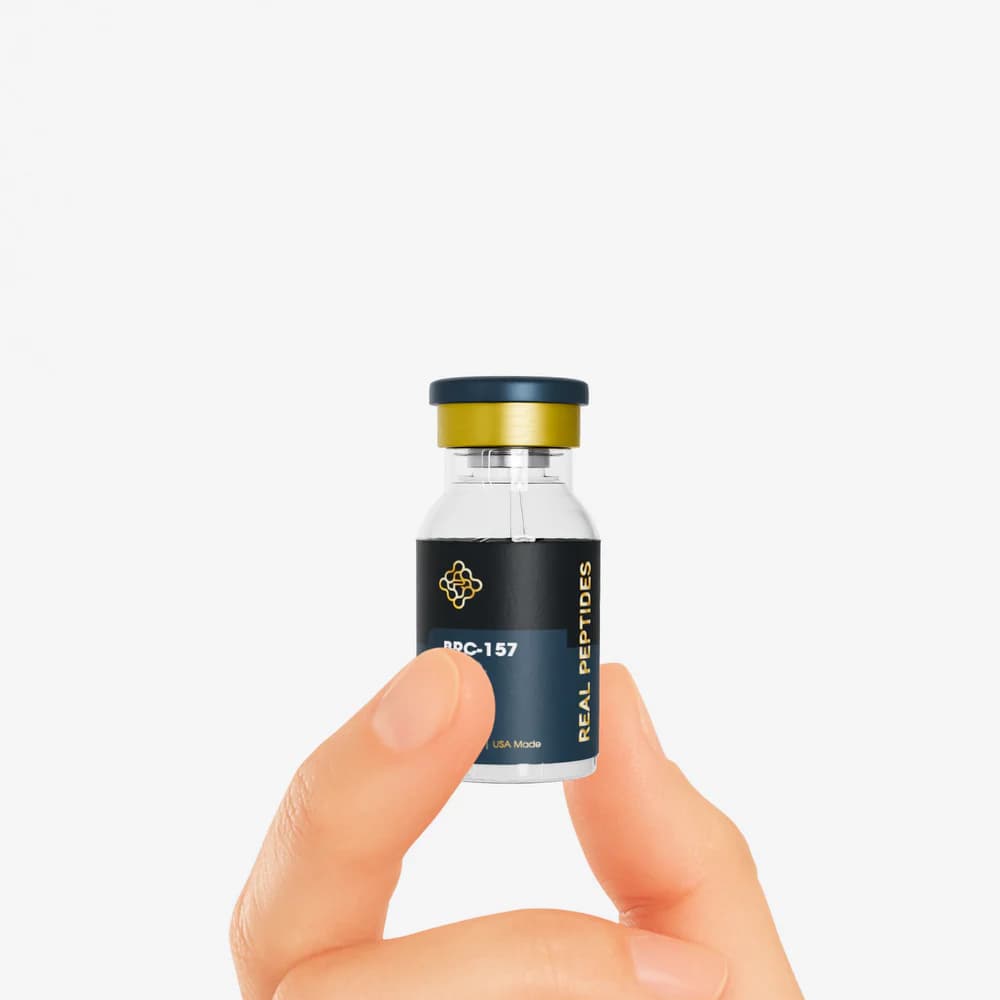
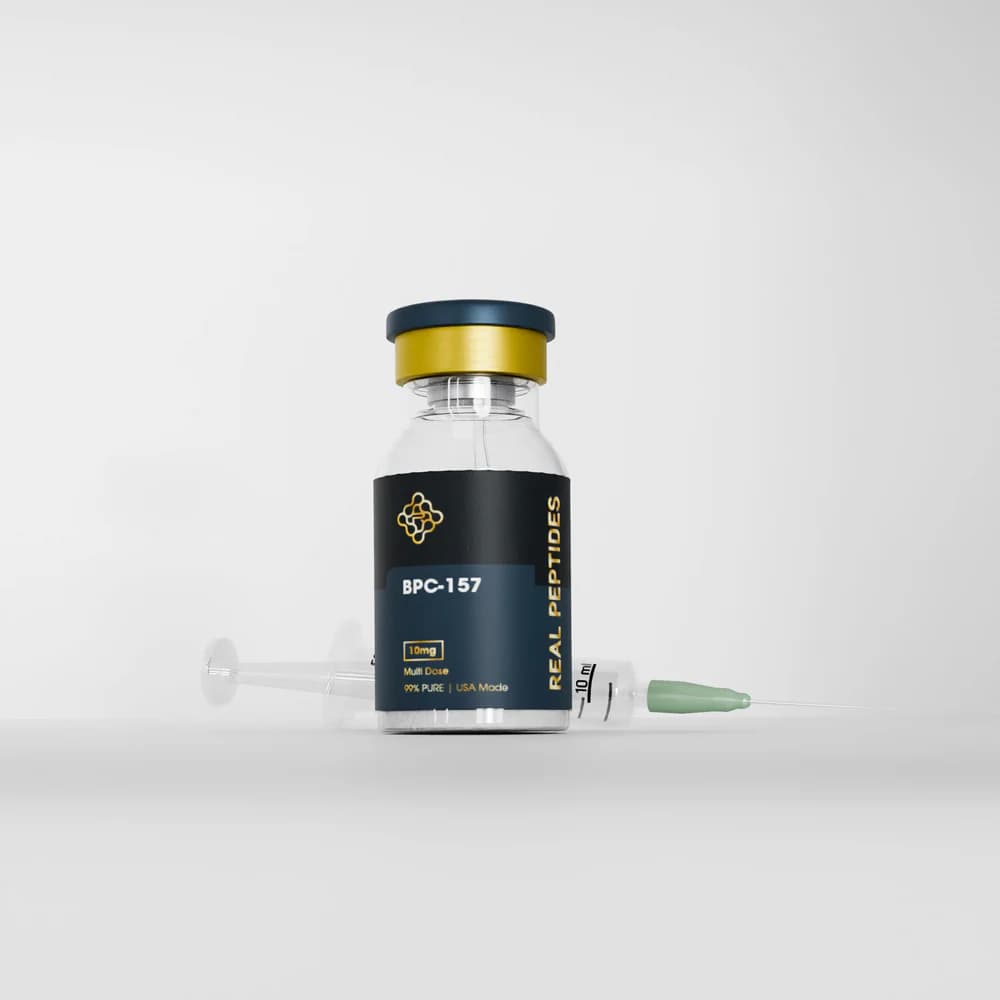
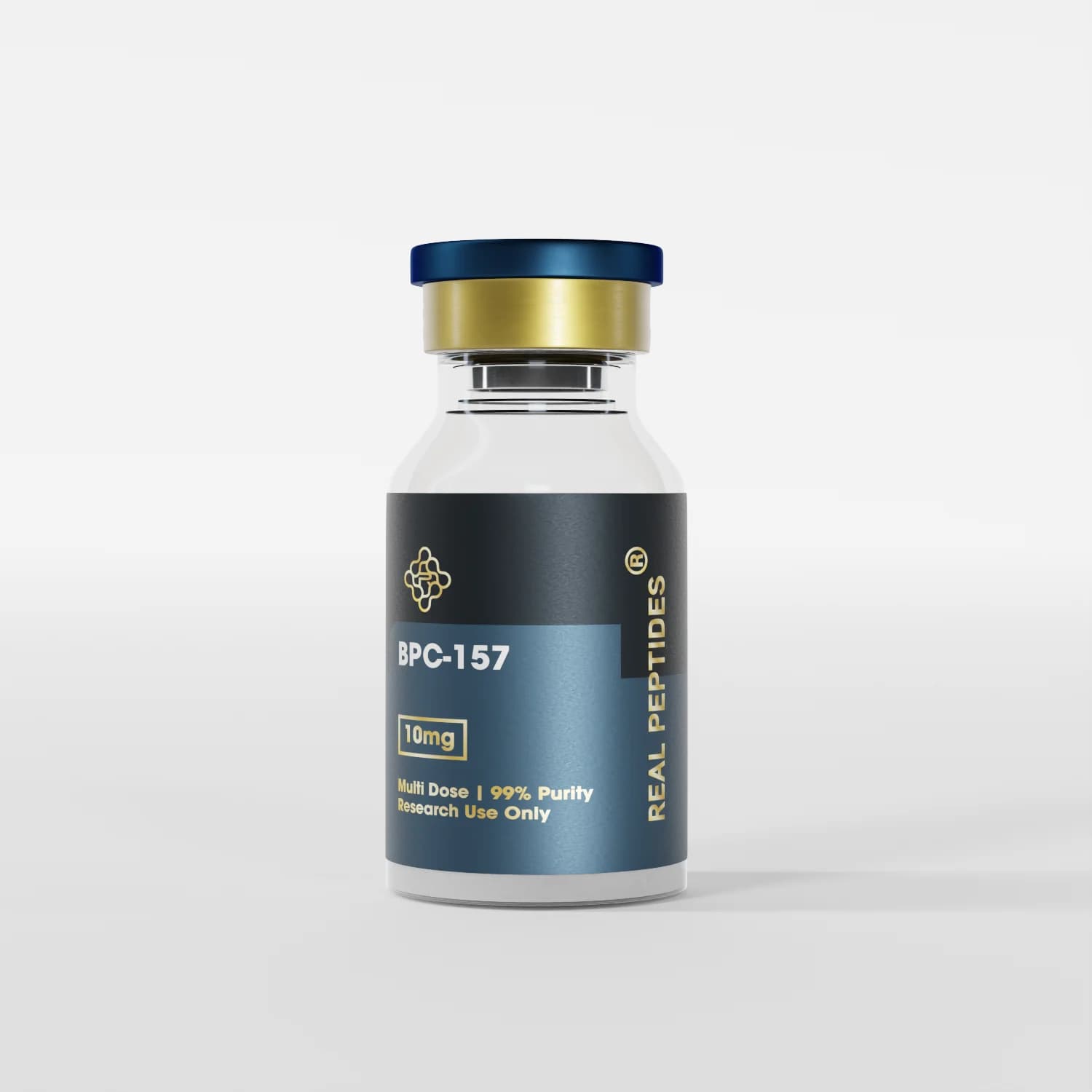
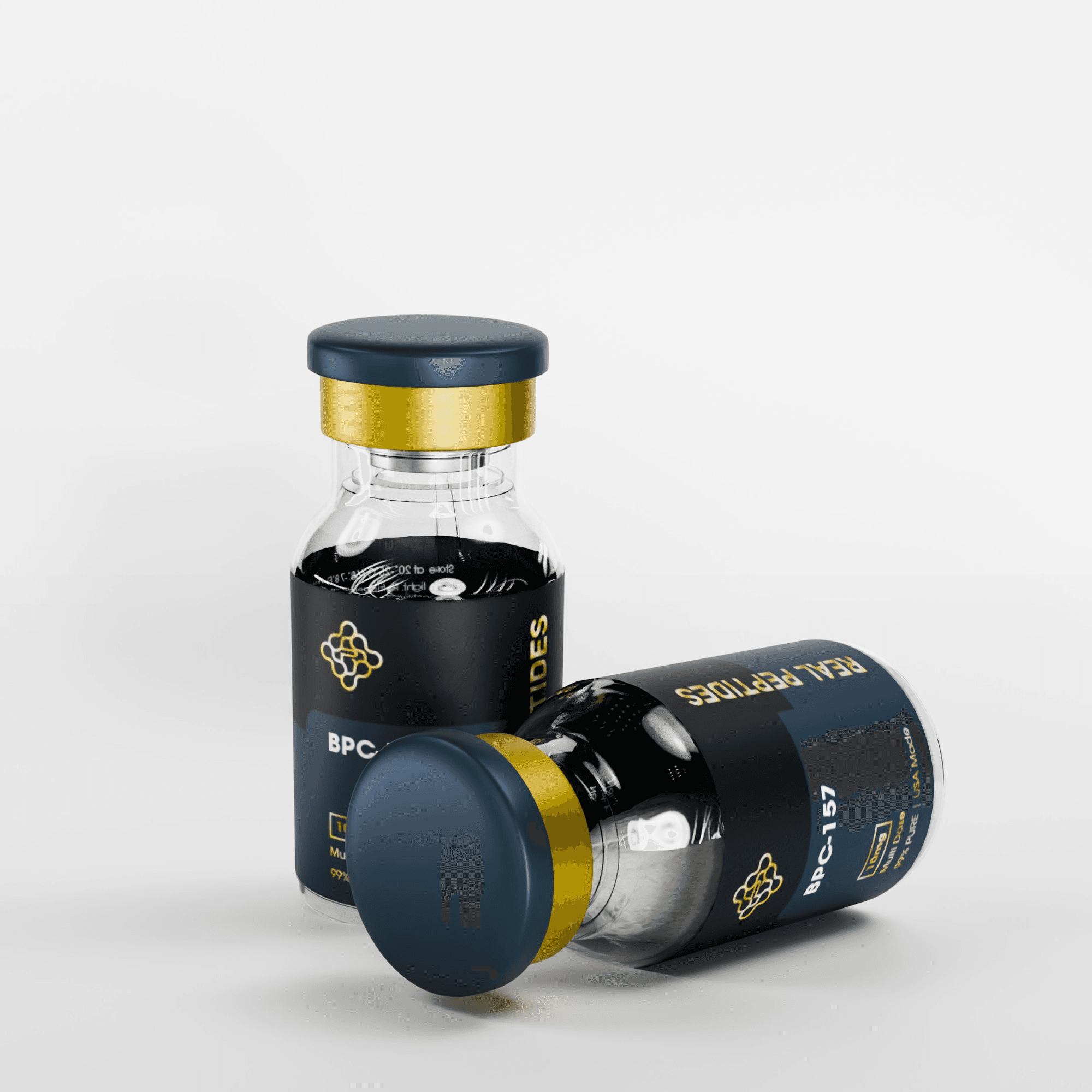
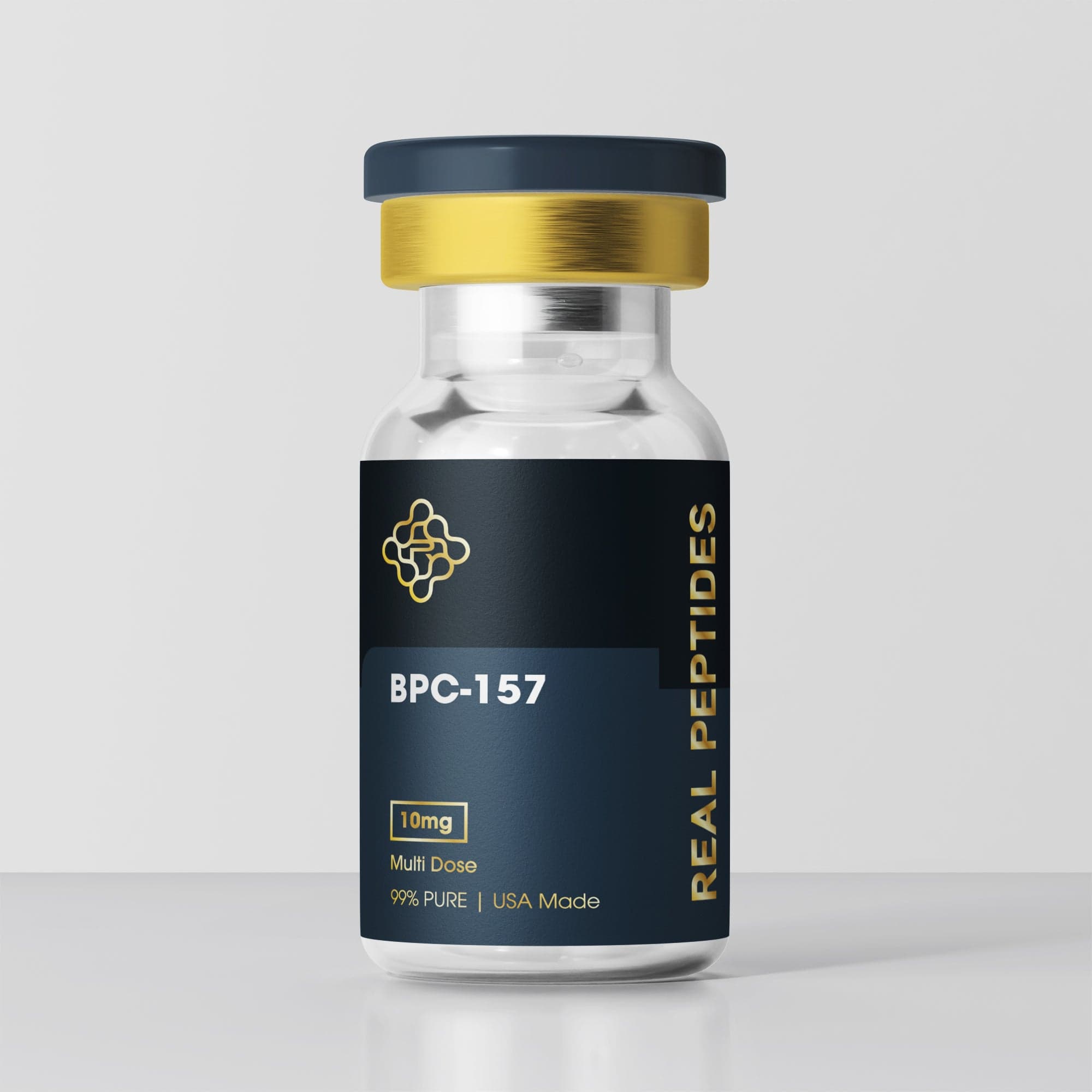
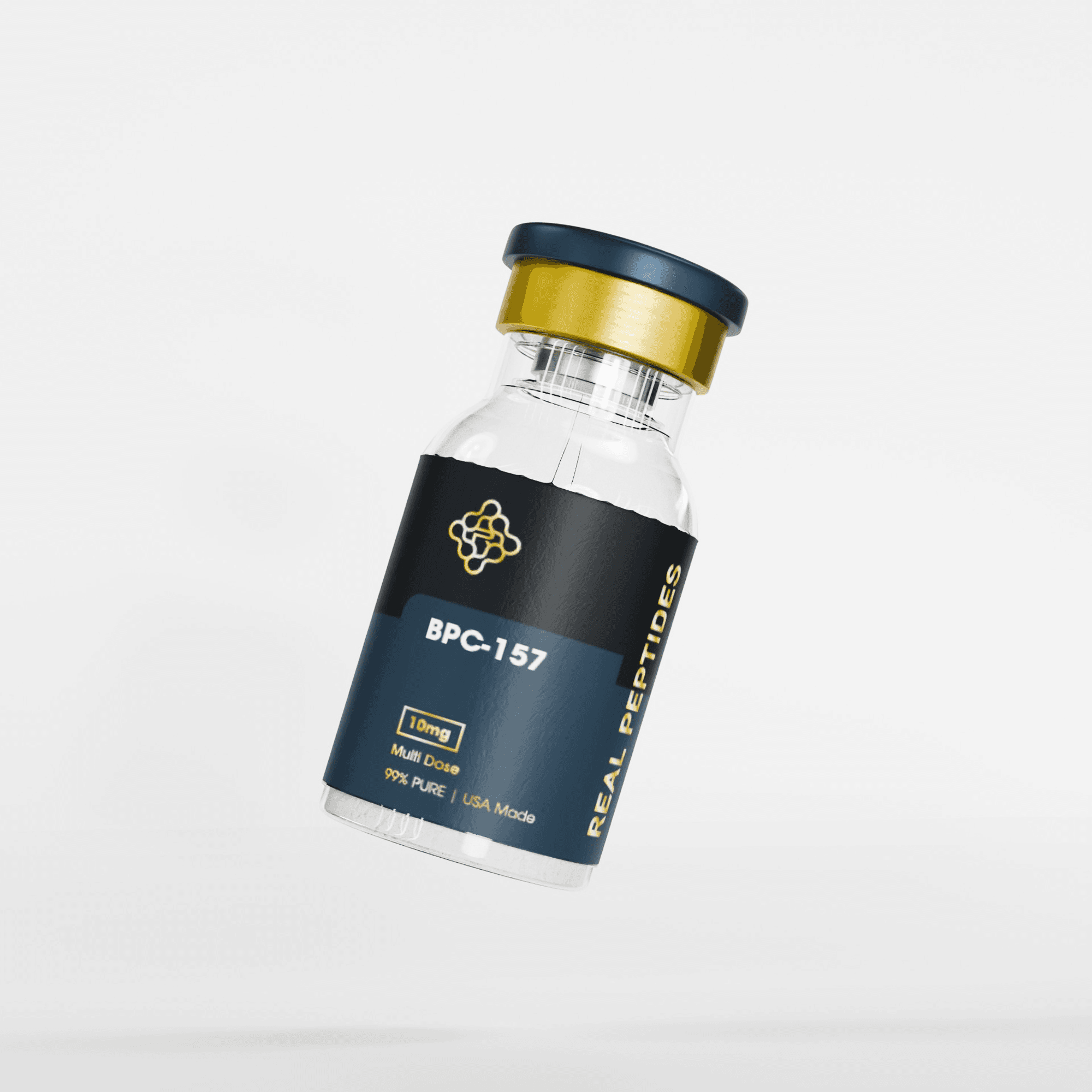
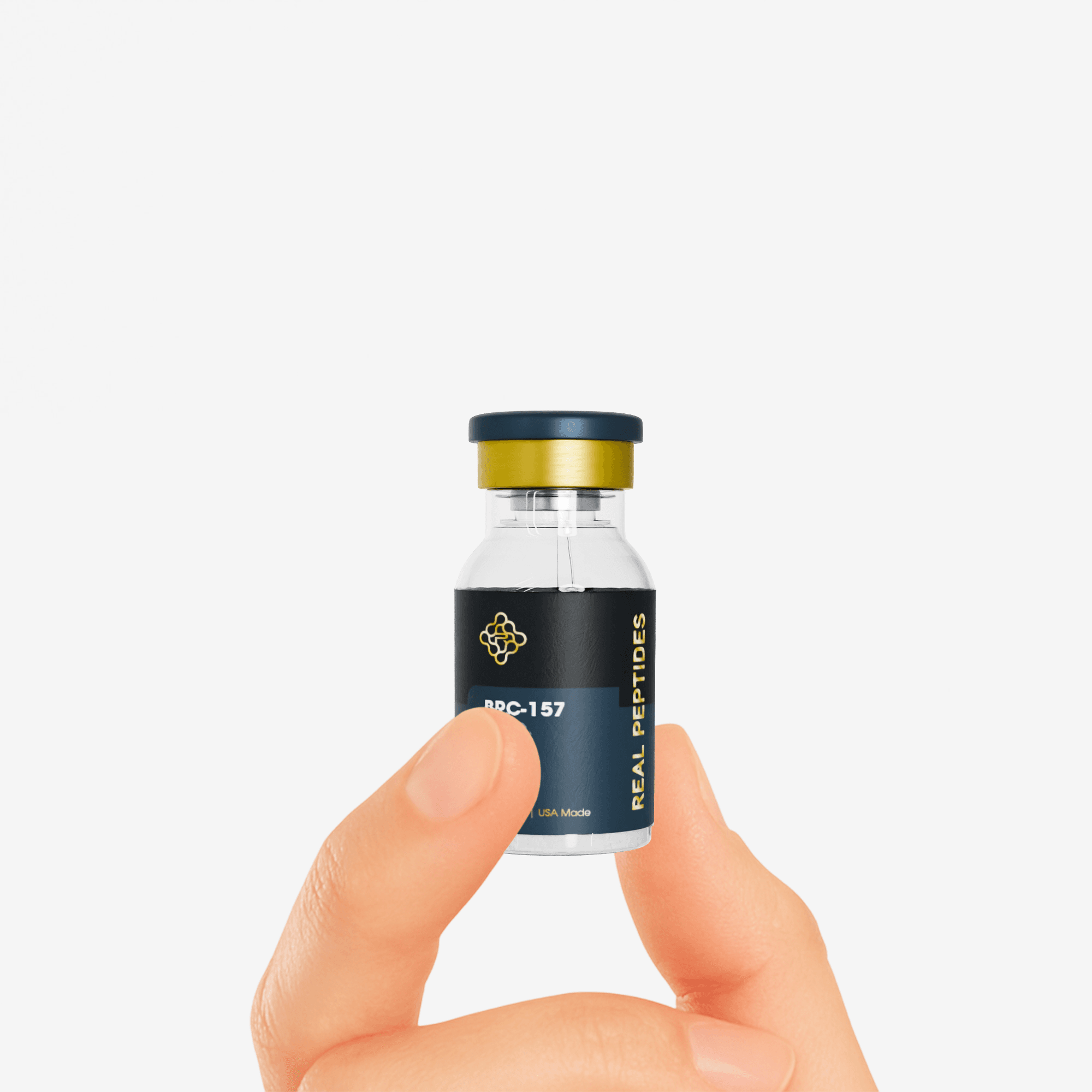
BPC-157 Peptide (10mg) for Laboratory Research
$86.40$43.20Save 50%
BPC-157 is a synthetic peptide of 15 amino acids, based on a partial sequence of a protein isolated from human gastric juice, and it appears in laboratory models of tissue-repair, epithelial and angiogenic signaling.
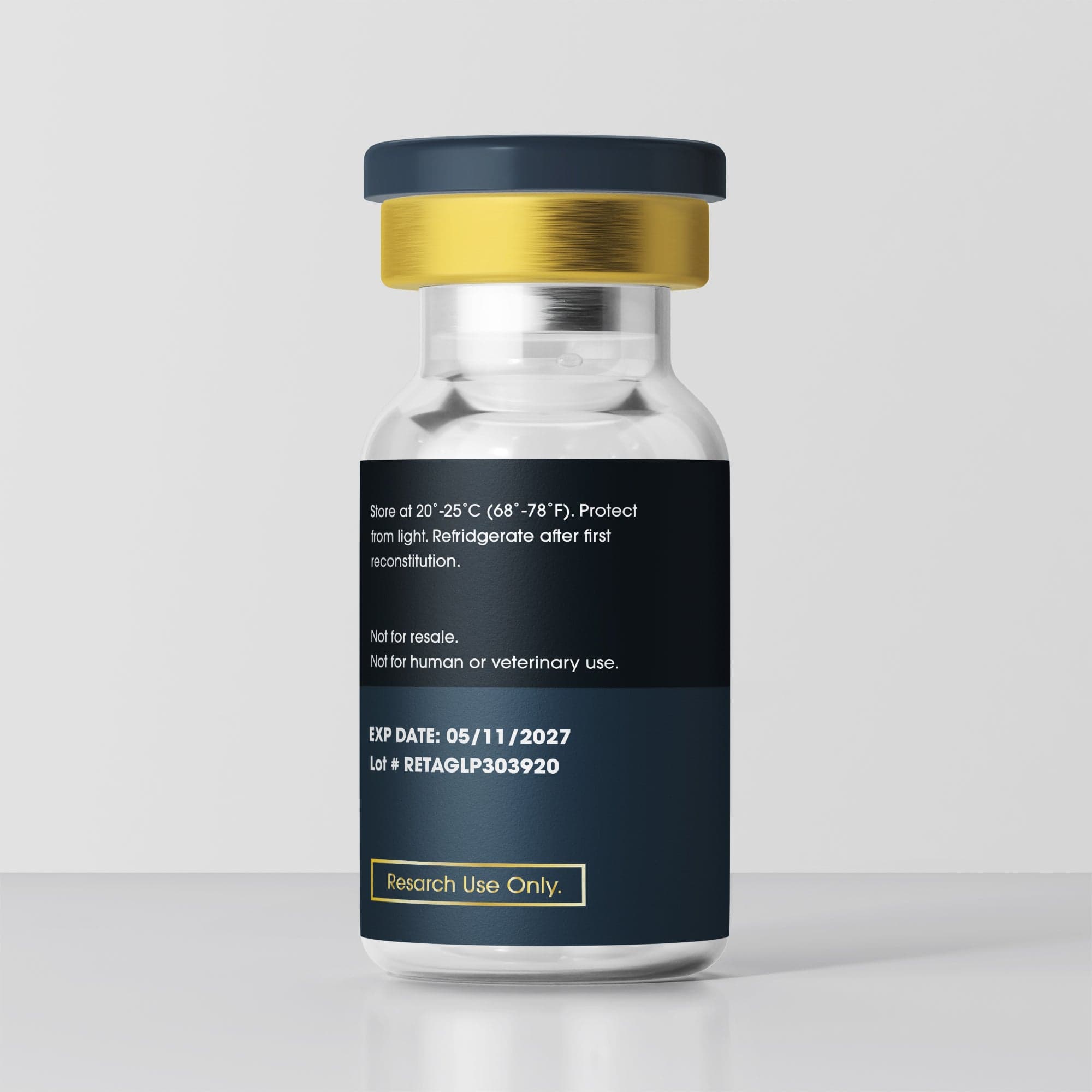
Real Peptides supplies BPC-157 as a 10mg multi-dose research vial, finished in the United States. Purity and identity are verified by an independent analytical laboratory, and the certificate of analysis for the current lot is published on the lab results pages so it can be reviewed before purchase. Orders ship from facilities in Florida and California within 24 hours. The material is sold strictly as a research chemical for laboratory use; it is not a drug, supplement, or cosmetic and is not intended for human or animal use.
Mix and match vials, capsules, sprays and serums. The more you add, the more you save.
Build Your PackAdd products and your discount is applied automatically.Build Your Pack →
RUO
For Research Use Only. Not for human consumption or therapeutic treatment.
99% Pure | Multi Dose | Finished in the USA
BPC-157 is a synthetic 15-amino-acid peptide derived from a naturally occurring gastric-juice protein, prized in laboratory models for its potent tissue-repair and angiogenic signaling. In preclinical assays, BPC-157 accelerates wound closure, supports blood-vessel formation, and protects the gut mucosa—without any systemic growth-hormone activity. Each 10 mg vial is verified ≥99% purity by HPLC, screened for endotoxin (<0.1 EU/mg), and shipped with a Certificate of Analysis for your protocols.
What Is BPC-157?
BPC-157 (Body Protection Compound-157) is a laboratory-synthesized pentadecapeptide modeled on a human gastric peptide fragment. It is used in cell cultures and animal assays to investigate extracellular matrix remodeling, vascular signaling, and mucosal defense. By engaging growth-factor and nitric-oxide pathways, BPC-157 offers a versatile platform for studying tissue dynamics in skin, gut, and nervous-system models.
Why Choose BPC-157?
Researchers choose BPC-157 for its uniquely broad profile: it accelerates tissue repair, drives new blood-vessel formation and protects gastrointestinal lining all within a single peptide. Its efficacy across dermal wound-healing, ulcer-protection, and neurovascular assays has made it a staple in regenerative-medicine protocols. Manufactured in facilities and validated by rigorous HPLC and endotoxin testing, every vial ensures reproducible, high-quality results.
What Sets BPC-157 Apart?
Unlike narrow-spectrum peptides, BPC-157 simultaneously modulates angiogenic, cytoprotective, and anti-inflammatory pathways—without systemic hormone effects. Its stability in gastric environments and compatibility with diverse lab models (in vitro, ex vivo, in vivo) make it an indispensable research tool for exploring multi-tissue repair and vascular health mechanisms.



 Ships within 24 hours
 Free standard shipping on orders $250+
 Lab report included