Halloween Sale Ends On October 31st•Halloween Sale Ends On October 31st•Halloween Sale Ends On October 31st•Halloween Sale Ends On October 31st•Halloween Sale Ends On October 31st•Halloween Sale Ends On October 31st•Halloween Sale Ends On October 31st•Halloween Sale Ends On October 31st•
Halloween Sale Ends On October 31st•Halloween Sale Ends On October 31st•Halloween Sale Ends On October 31st•Halloween Sale Ends On October 31st•Halloween Sale Ends On October 31st•Halloween Sale Ends On October 31st•Halloween Sale Ends On October 31st•Halloween Sale Ends On October 31st•
1 / 6
Verified Lab Results
Finished in the USA
Research Use Only
Inflammatory Pathway Peptides · Gastrointestinal & Epithelial Research
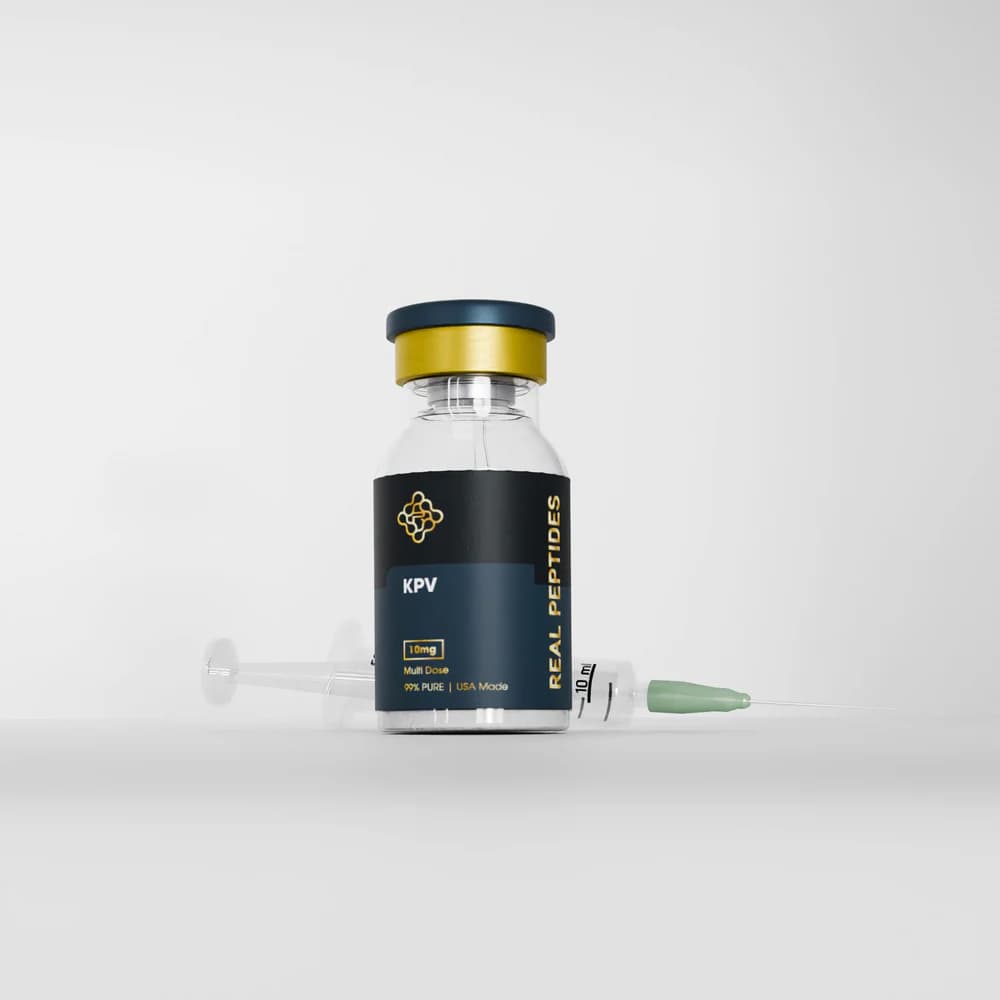
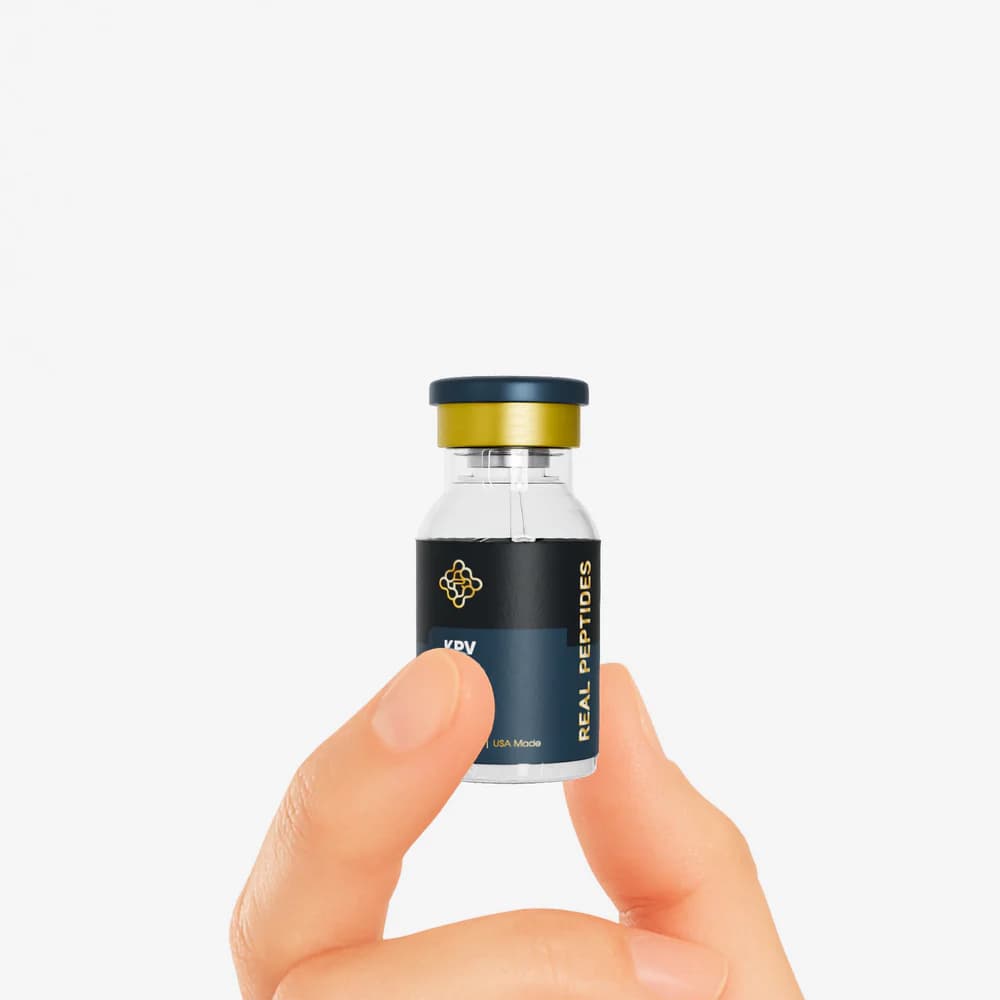
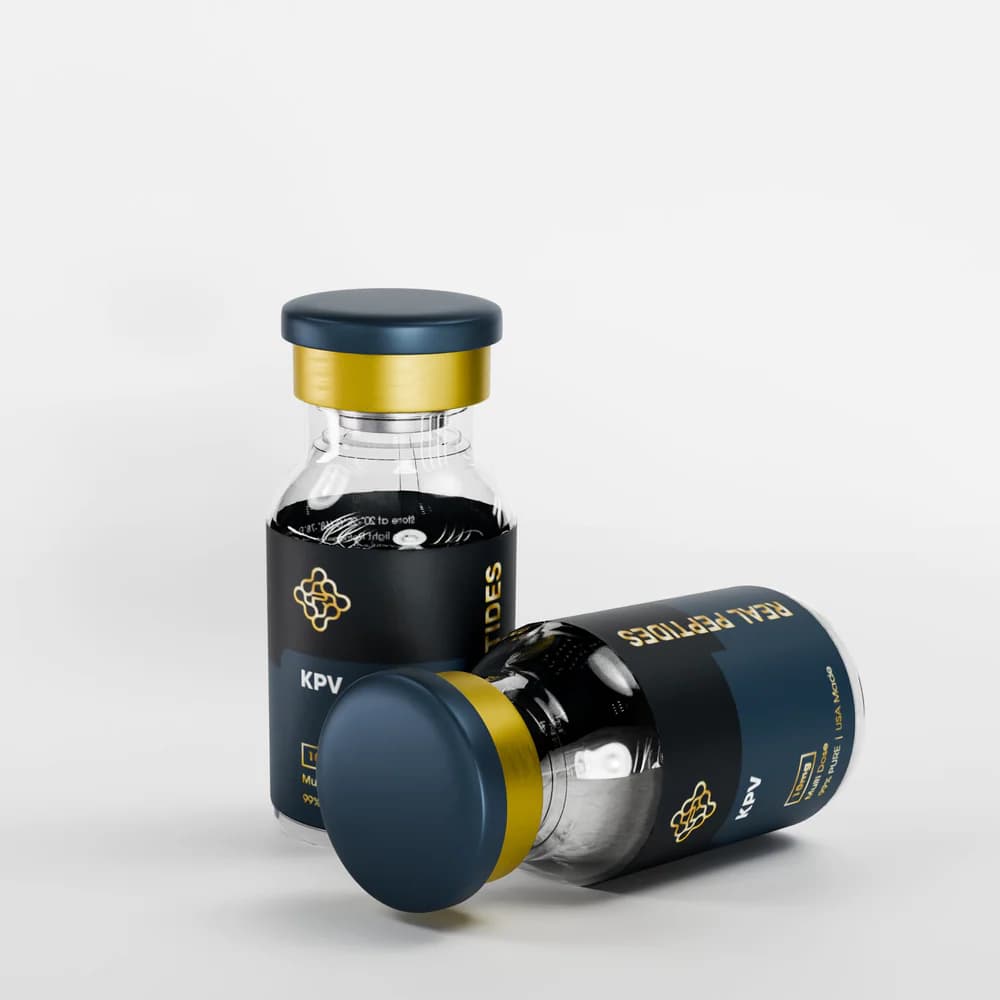
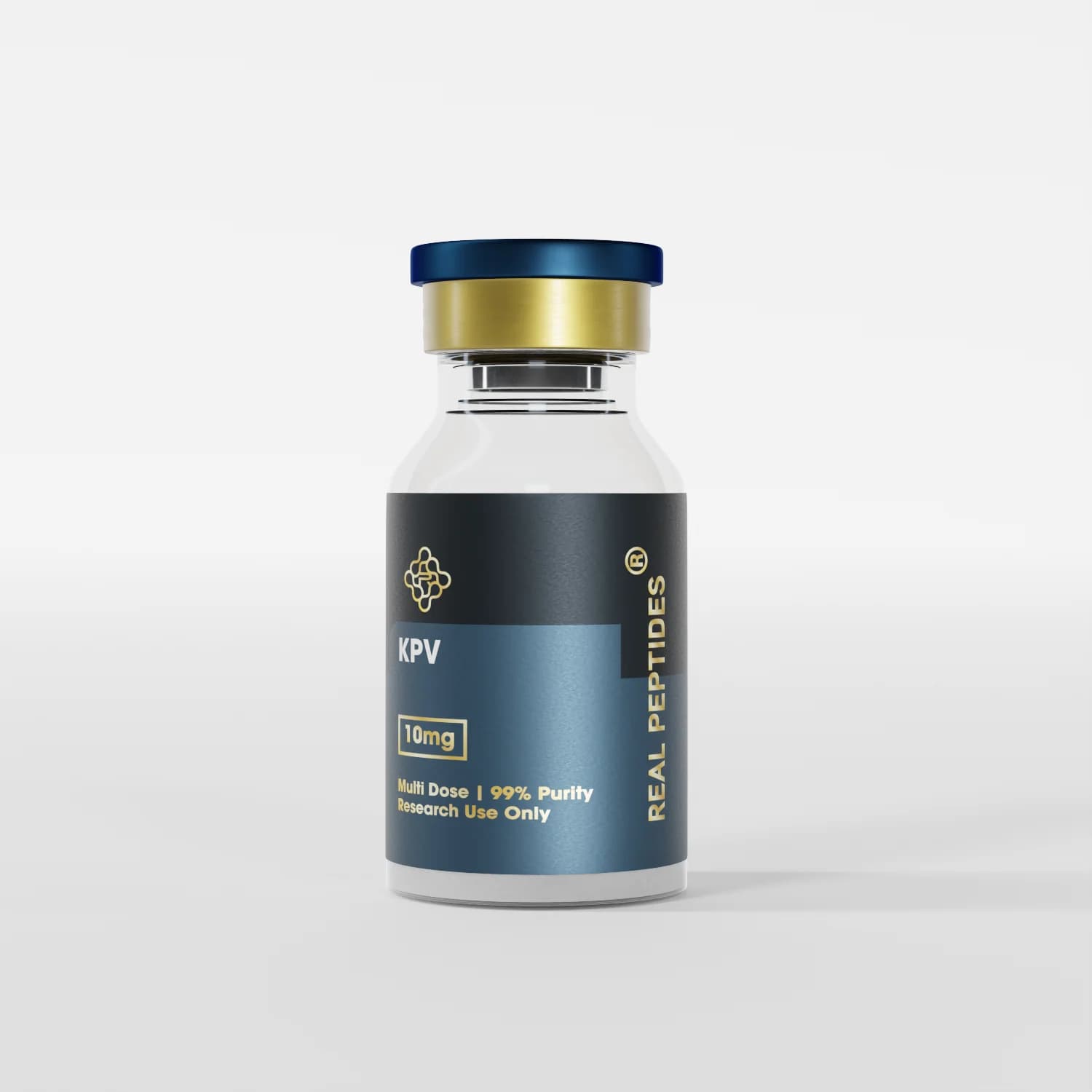
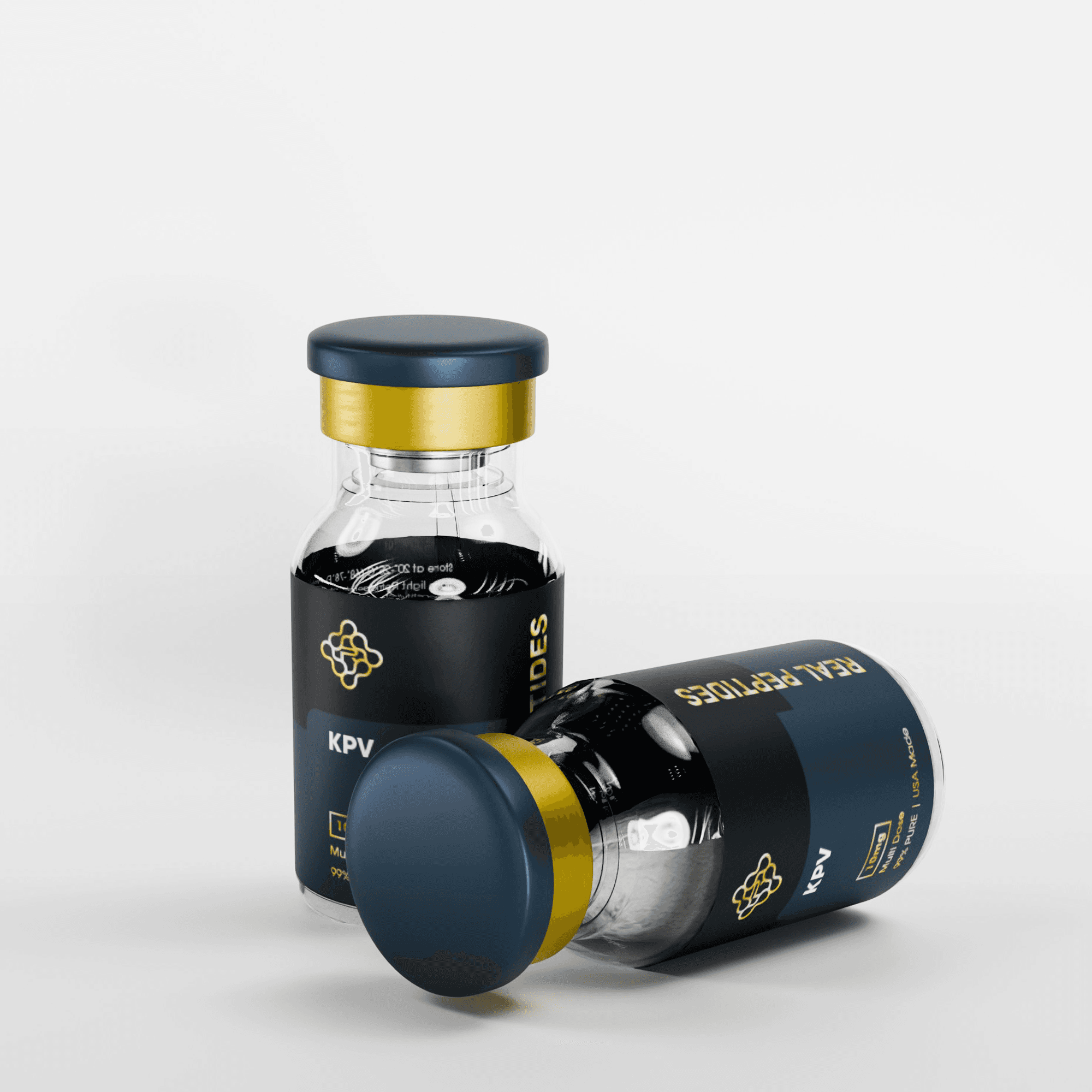
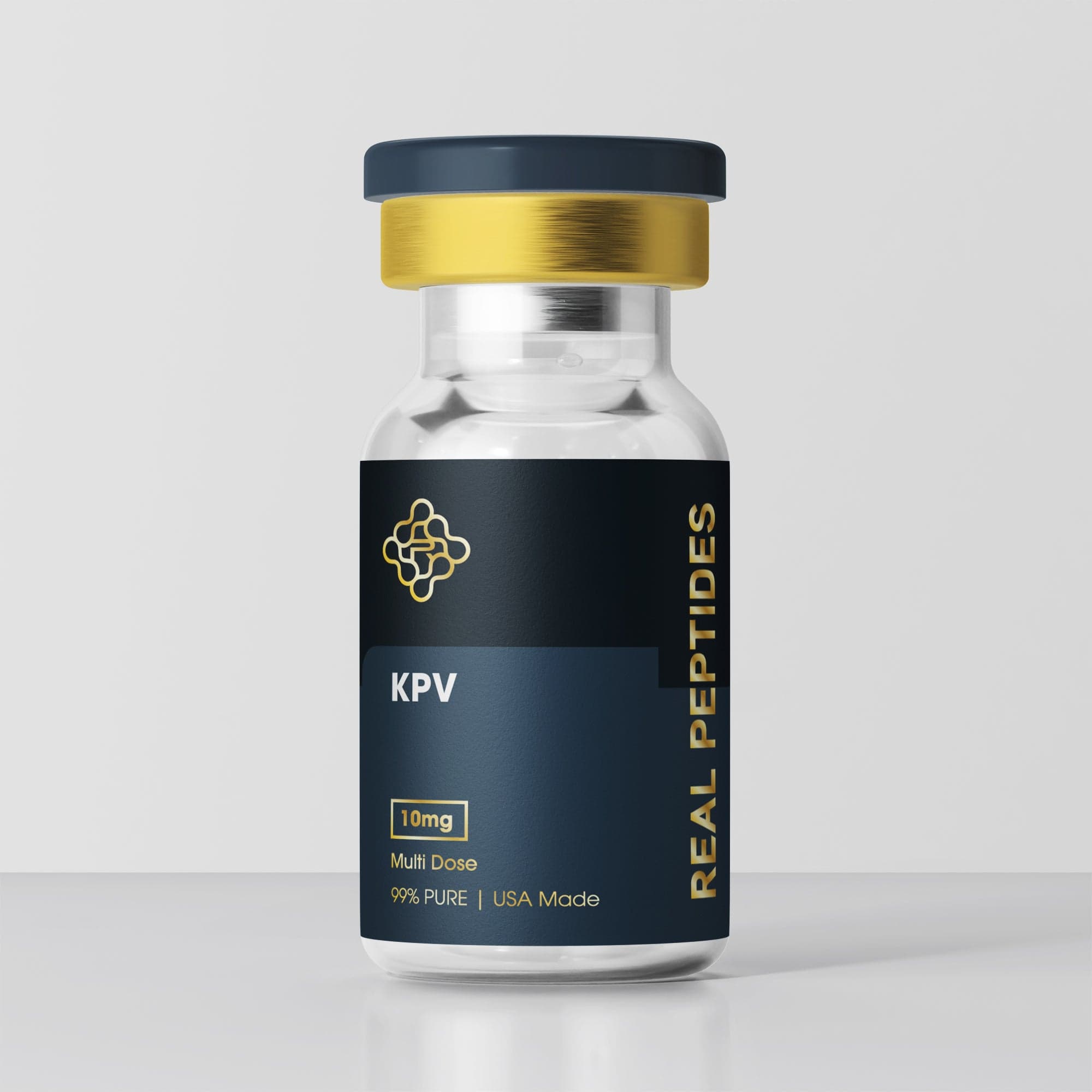
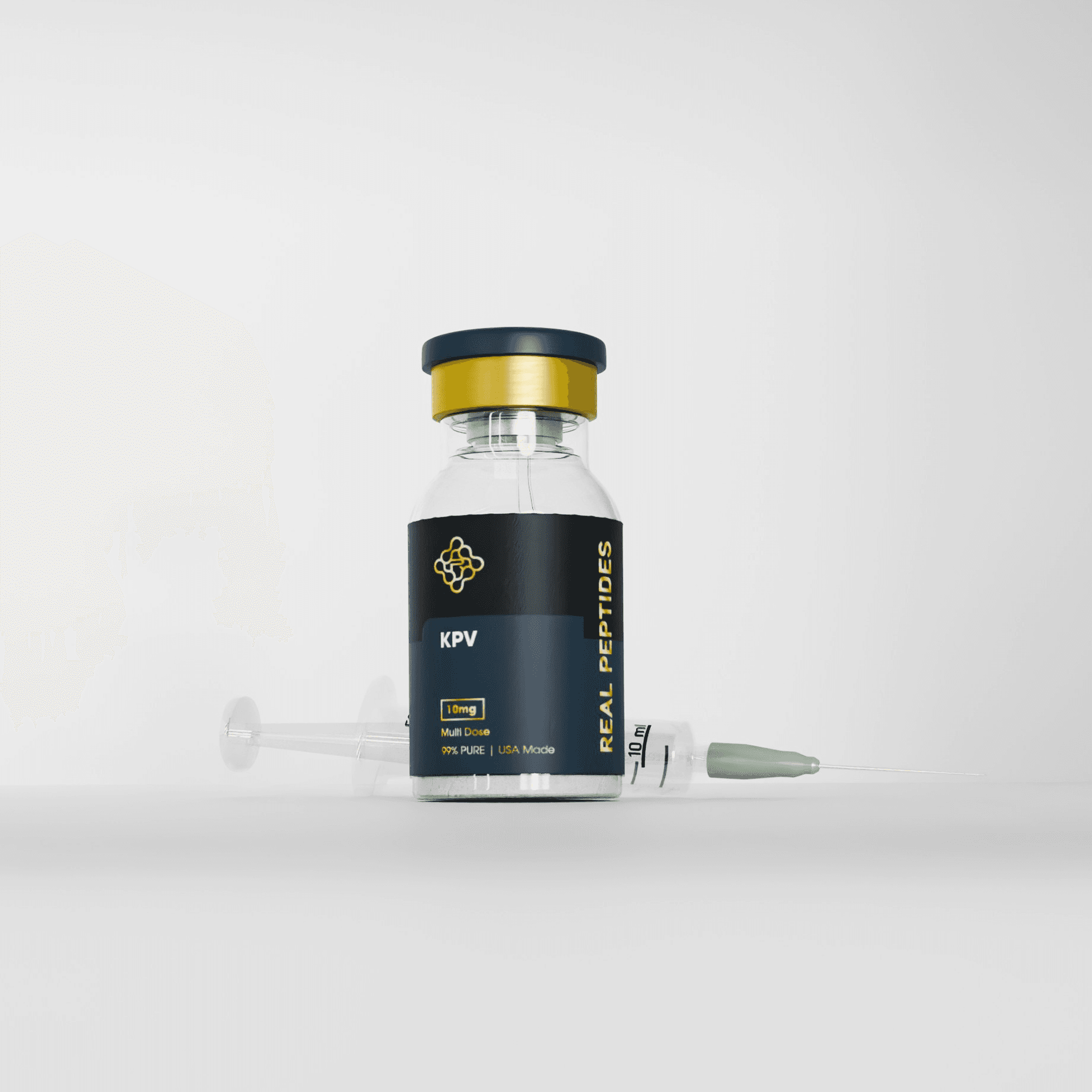
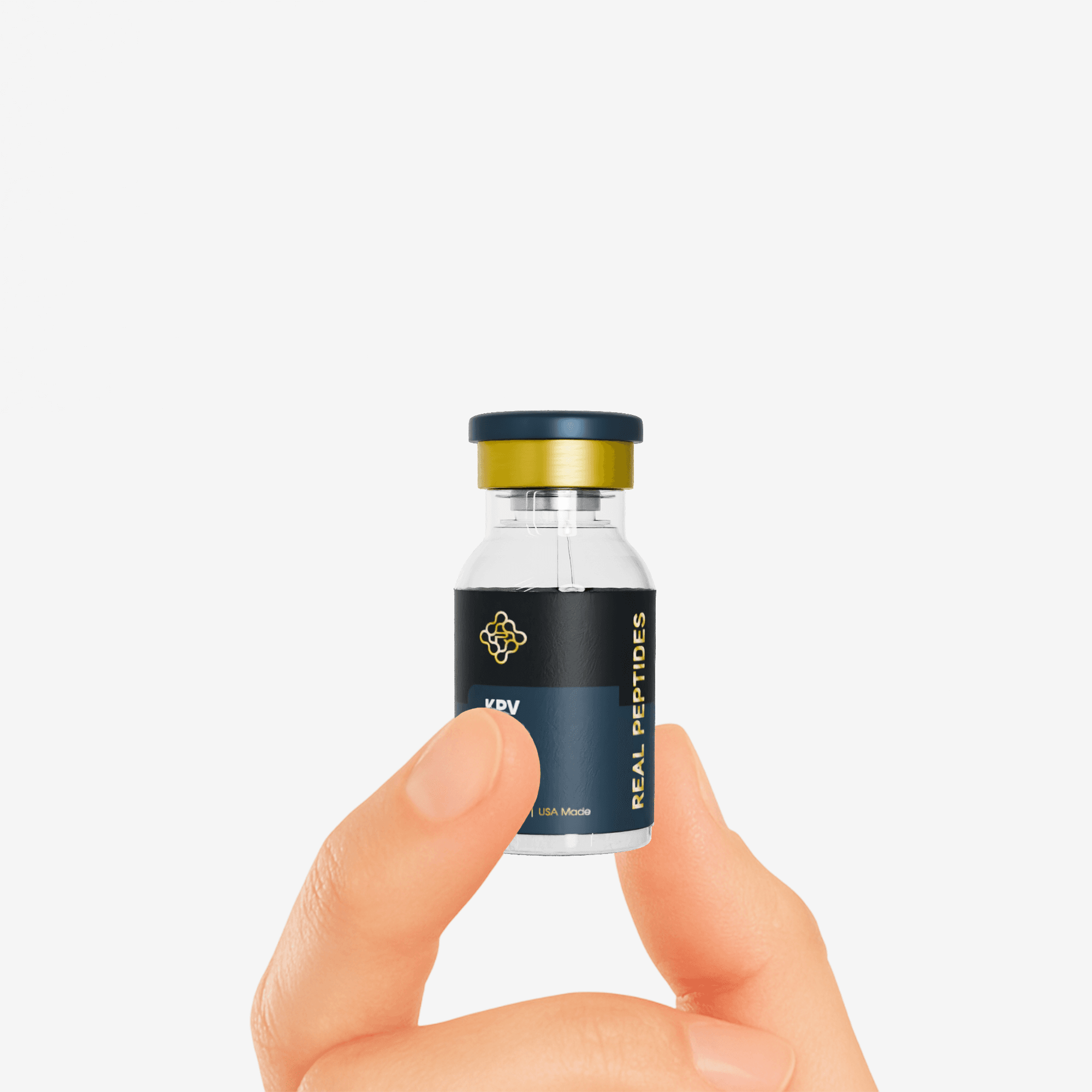
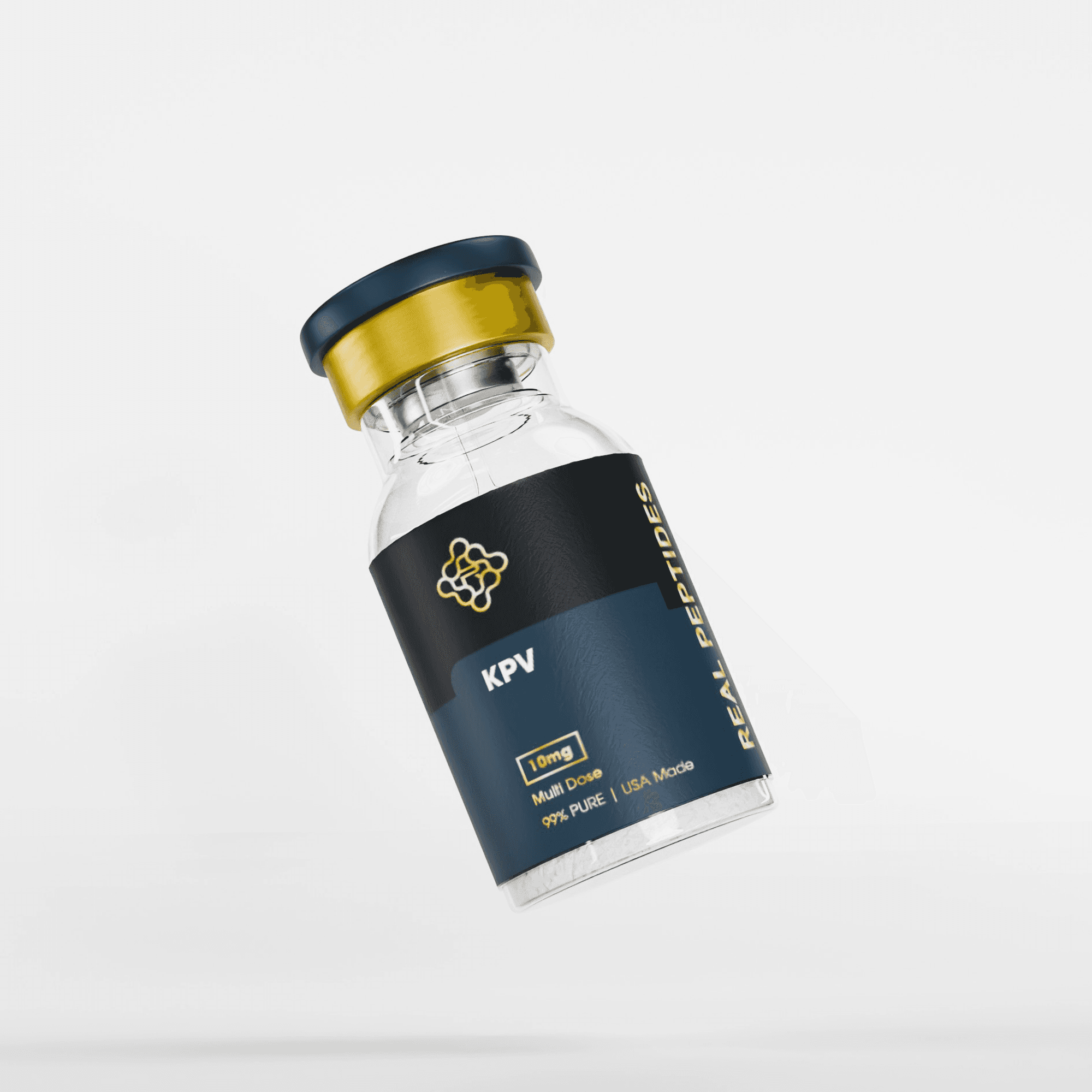
KPV Peptide (10mg) for Laboratory Research
$81.60$40.80Save 50%
KPV is a naturally occurring tripeptide (lysine-proline-valine) corresponding to the C-terminal fragment of alpha-melanocyte-stimulating hormone, and it is used in vitro and in preclinical models as a research tool for studying inflammatory signaling, epithelial barrier function and tissue-repair pathways.
Real Peptides supplies KPV as a 10mg lyophilized powder in a sealed multi-dose vial. Purity and identity are verified by an independent analytical laboratory, and the certificate of analysis for the current lot is published in the Lab Results section so it can be reviewed before purchase. Orders ship from facilities in Florida and California within 24 hours of order placement. This material is sold strictly for laboratory research use and is not for human or veterinary use.
Mix and match vials, capsules, sprays and serums. The more you add, the more you save.
Build Your PackAdd products and your discount is applied automatically.Build Your Pack →
RUO
For Research Use Only. Not for human consumption or therapeutic treatment.
Finished in the USA
99% Pure | Multi Dose
KPV peptide (Lys-Pro-Val) is a naturally derived tripeptide used to study anti-inflammatory and tissue-repair pathways in preclinical models. In macrophage, keratinocyte, and ex vivo skin assays, KPV modulates cytokine release, accelerates wound closure, and supports barrier recovery. Each 10 mg vial is HPLC-verified to ≥ 99% purity, endotoxin-screened (< 0.1 EU/mg), and ideal for your in vitro and in vivo research.
What Is KPV Peptide?
KPV peptide (Lys-Pro-Val) is a tripeptide fragment derived from α-melanocyte-stimulating hormone, prized in research for its cell-level anti-inflammatory and tissue-repair actions. In controlled lab settings—covering macrophage, keratinocyte, endothelial, and neural-glial models—KPV probes how cytokines, cell migration, and barrier function interact during inflammation and healing.
Why Choose KPV Peptide?
Researchers choose KPV peptides when they need a high-precision tool to model inflammation resolution and barrier restoration. Its rapid cellular uptake and clear dose–response make it ideal for scratch assays, cytokine profiling, and barrier studies. Manufactured and verified to ≥ 99% purity—each batch is endotoxin-screened (< 0.1 EU/mg)—ensuring consistent, reproducible data for KPV peptide research.
What Sets KPV Peptide Apart?
Unlike broad-spectrum anti-inflammatory agents, KPV peptide acts through a specific Lys-Pro-Val sequence to simultaneously modulate immune and epithelial cell functions. Its dual capacity to induce antioxidant enzymes, suppress pro-inflammatory mediators, and accelerate barrier repair in ex vivo explants makes KPV a uniquely versatile reagent for integrated skin, neural, and vascular inflammation research.



 Ships within 24 hours
 Free standard shipping on orders $250+
 Lab report included