
Research notes
Blog

Can you Combine Tesamorelin and Retatrutide
Can you Combine Tesamorelin and Retatrutide Combining tesamorelin and retatrutide is being explored in research for their potential complementary effects on metabolic health. Tesamorelin, a growth hormone-releasing hormone analog, reduces visceral fat and supports muscle preservation. Retatrutide, a triple receptor agonist, aids in weight loss, glucose regulation, and liver fat reduction. Together, they may target fat loss and metabolic improvements through distinct mechanisms. However, no studies have yet confirmed their combined safety or effectiveness, so careful research protocols and monitoring are essential. Both peptides are available for laboratory use under strict guidelines. Retatrutide: The Triple Hormone Drug That Melts Fat Without Dieting How Tesamorelin and Retatrutide Work These two peptides operate through distinct biochemical pathways, offering unique opportunities for addressing metabolic challenges. Their differing mechanisms suggest potential synergy in metabolic research, as each targets separate aspects of metabolic regulation. Tesamorelin’s Growth Hormone Pathway Tesamorelin is a synthetic analog of growth hormone-releasing hormone (GHRH) designed to bind to GHRH receptors in the pituitary gland. Once administered, it stimulates the pituitary to produce and release growth hormone, which subsequently increases levels of insulin-like growth factor‑1 (IGF‑1) and IGFBP‑3. This cascade of events supports growth, reduces cell death, and regulates both glucose and lipid metabolism. However, tesamorelin’s absolute bioavailability is quite low, at less than 4% for a standard 2 mg subcutaneous dose. Clinical trials have shown that tesamorelin can reduce visceral fat by about 20% over a year and lower triglyceride levels by roughly 25% within 26 weeks. These effects underscore its potential for influencing metabolic health. Retatrutide’s Triple Receptor Activation Retatrutide works by activating three key receptors – GIP, GLP‑1, and glucagon. While it is less potent than natural ligands at the glucagon and GLP‑1 receptors (0.3 and 0.4 times as active, respectively), it is significantly more potent at the GIP receptor, with activity approximately 8.9 times higher than that of the endogenous ligand. A 2023 phase II trial led by Jastreboff and colleagues highlighted retatrutide’s effectiveness across various doses. For participants receiving a 12 mg dose, the least-squares mean percentage change in body weight was −17.5% at 24 weeks and −24.2% at 48 weeks, compared to −1.6% and −2.1% in the placebo group. Notably, every participant in the 12 mg group achieved at least a 5% reduction in body weight after 48 weeks. Complementary Biochemical Effects Tesamorelin and retatrutide offer complementary benefits by targeting different metabolic pathways. Tesamorelin’s impact on the GH/IGF‑1 axis promotes fat reduction and muscle density, while retatrutide, through its triple receptor activation, supports weight loss, glucose regulation, and liver fat reduction. A 2024 study by Sanyal and colleagues found that retatrutide normalized liver fat levels (defined as <5%) in 89% of participants on an 8 mg dose and 93% of those on a 12 mg dose over 48 weeks. Aspect Tesamorelin Retatrutide Primary Target GHRH receptors (pituitary) GLP‑1, GIP, and glucagon receptors Mechanism Stimulates GH release → IGF‑1 production Triple receptor activation Primary Effects Visceral fat reduction; improved muscle density Weight loss; glucose control; liver fat reduction Approved Use HIV-associated lipodystrophy (2010) Investigational for obesity/T2DM By combining tesamorelin’s ability to enhance the GH/IGF‑1 axis with retatrutide’s broader metabolic effects, researchers can explore new ways to tackle metabolic issues from multiple angles. This dual approach could open doors to advanced studies and potential breakthroughs in addressing obesity, type 2 diabetes, and related conditions. For those conducting laboratory studies, Real Peptides offers both tesamorelin and retatrutide, making it possible to investigate their individual and combined effects in controlled environments. Combined Effects and Research Uses Tesamorelin and retatrutide, with their distinct mechanisms of action, open up intriguing possibilities for metabolic research, particularly in the areas of fat reduction and muscle preservation. Tesamorelin stimulates growth hormone (GH) to target visceral fat, while retatrutide activates specific receptors to reduce overall fat. Together, they create a dual-pathway approach that researchers can explore to better understand body composition changes. Synergistic Fat Loss Mechanisms These peptides excel at targeting different fat stores, making their combination especially effective. Tesamorelin has been shown to reduce visceral adipose tissue by 15–20% over 6–12 months. Meanwhile, retatrutide complements this by reducing liver fat by 81–86% in patients with MASLD, while also improving insulin sensitivity and lipid profiles. This pairing allows researchers to investigate both targeted visceral fat reduction and broader body composition improvements. Muscle Preservation and Body Composition One of the key benefits of combining these peptides is their ability to preserve muscle tissue while promoting fat loss. Tesamorelin boosts the GH/IGF-1 axis to support muscle synthesis, while retatrutide’s glucagon activation helps protect muscle during significant fat loss. This dual effect provides researchers with a clearer picture of fat loss versus lean tissue preservation, which is vital for studying overall body recomposition. Broader Metabolic Research Applications The combination also offers unique insights into appetite regulation. Retatrutide suppresses hunger through GLP-1 and GIP activation, while tesamorelin does not directly influence appetite. This difference allows researchers to examine metabolic changes without the confounding factor of caloric restriction. Early findings suggest that combining these peptides could lead to 20–30% visceral fat loss in six months, alongside 25–30% total weight loss, all while preserving muscle mass. These results highlight the potential benefits of a dual-therapy approach compared to single-peptide use. Ideal Research Conditions This dual-pathway strategy shows promise for studying conditions like metabolic syndrome and type 2 diabetes, where visceral fat accumulation and metabolic dysfunction are key concerns. Research protocols often include high-protein diets (1.6–2.2 g/kg body weight) and resistance training (3–4 times per week) to maximize the muscle-preserving effects of these peptides. Real Peptides offers tesamorelin and retatrutide for laboratory use, enabling researchers to explore their individual and combined effects in controlled settings. These tools pave the way for deeper insights into metabolic health and body composition. sbb-itb-9529e2d Safety and Research Guidelines Understanding the rules and safety considerations surrounding peptides like tesamorelin and retatrutide is essential for conducting responsible research. Tesamorelin, marketed as EGRIFTA WR™, has received FDA approval for reducing excess abdominal fat in adults with HIV-associated lipodystrophy. This

How to Get Retatrutide
How to get Retatrutide Retatrutide, a synthetic peptide developed by Eli Lilly, is primarily used in metabolic research. It targets GLP-1, GIP, and glucagon receptors and has shown promising results in weight reduction and glycemic control studies. To obtain high-quality retatrutide for research purposes, follow these steps: Find Reliable Suppliers: Look for U.S.-based suppliers with ISO 9001 and GMP certifications. Ensure they provide batch-specific Certificates of Analysis (COAs) with detailed quality metrics like purity (≥99%), molecular weight, and endotoxin levels. Check Product Formats: Retatrutide is typically sold as lyophilized powder. Start with small test orders (e.g., 10 mg) to evaluate quality before scaling up. Ensure Proper Shipping and Storage: Maintain cold chain shipping (-20°C) to preserve peptide integrity. Store lyophilized vials at -20°C and reconstituted solutions at 2–8°C. Verify Documentation: Request COAs, inspect HPLC/MS results, and consider third-party testing to confirm authenticity. Follow Regulatory Guidelines: Ensure peptides are labeled “For research use only” and sourced from FDA-compliant suppliers. Suppliers like Real Peptides meet these standards, offering high-purity retatrutide with transparent documentation and rigorous shipping protocols to support research needs. Inside the world of internet peptides Finding Suppliers and Product Options Securing high-quality retatrutide for research demands careful selection of suppliers and a clear understanding of the available product formats. Quality can vary widely, so due diligence is key. How to Find Reliable Suppliers When sourcing retatrutide, focus on U.S.-based suppliers that are transparent and hold ISO 9001 and GMP certifications. Suppliers with academic affiliations or research partnerships often provide an added layer of trustworthiness. For example, Real Peptides offers U.S.-manufactured, research-grade peptides that meet these standards. Their products undergo HPLC verification to ensure ≥99% purity, and they provide detailed documentation and rigorous quality checks. This makes them a reliable option for scientific research. You can explore their retatrutide offerings with confidence. Before placing a large order, start small – such as with a 10 mg sample – to verify the supplier’s reliability and the product’s purity and stability. Once satisfied, review the available formats and packaging options to streamline your procurement process. Product Formats Available Retatrutide is commonly sold as a lyophilized (freeze-dried) powder in sterile vials. Pricing varies across suppliers, and some also provide pre-blended research stacks. These stacks combine retatrutide with complementary peptides, which can simplify workflows for studies focusing on metabolic pathways or comparative analyses. Real Peptides offers both individual peptides and research stacks. They even provide discounts – 10% off for two products and 20% off for three. These ready-to-use formats eliminate the potential for weighing errors, saving time in the lab. Bulk ordering options are also available for larger projects, so it’s worth inquiring about lead times and volume discounts. Remember, all research peptides should be labeled clearly as “For laboratory research use only. Not for human or veterinary use”. Packaging and Shipping Requirements Maintaining temperature control is critical to preserving retatrutide’s integrity. The peptide begins to degrade rapidly at temperatures above –20°C, and a 2023 study revealed that improper shipping can lead to a 30% loss in potency within 72 hours. Reputable suppliers use insulated packaging with GPS-enabled temperature loggers to ensure the peptide remains cold throughout transit. Some carriers also offer real-time temperature tracking, which helps monitor shipping conditions. Amber vials with vacuum seals are typically used to protect against photodegradation and moisture exposure. Upon delivery, inspect shipments immediately for any signs of temperature breaches, such as ice crystallization. To avoid delays, schedule shipments during off-peak hours. Reliable suppliers often provide replacements if delays compromise the order. Once received, transfer the retatrutide to a –20°C freezer within 15 minutes and consider aliquoting it into single-use vials to minimize freeze-thaw cycles. Following these steps is essential to ensure consistent and reproducible research results. Real Peptides adheres to strict temperature-controlled shipping protocols, ensuring that your retatrutide arrives in peak condition and ready for immediate use in the lab. Their thorough packaging and shipping processes safeguard the peptide’s stability from their facility to your freezer, supporting dependable research outcomes. Checking Peptide Quality and Authenticity Ensuring peptide quality goes hand-in-hand with selecting the right supplier. This step is essential for reliable research outcomes. Alarmingly, in 2025, the FDA discovered that 41% of third-party Certificates of Analysis (COAs) had been digitally altered, underscoring the need for careful scrutiny when evaluating peptide quality. Using subpar peptides can jeopardize your entire study. How to Read Certificates of Analysis (COAs) A Certificate of Analysis (COA) is your go-to document for verifying peptide quality. Always request a batch-specific COA before making a purchase – generic COAs can signal potential quality issues. When reviewing a COA, here’s what to look for: Purity Levels: Ensure the peptide shows a purity of at least 99%, verified through HPLC and mass spectrometry. Molecular Weight: Confirm the molecular weight matches the expected value exactly. Endotoxin Levels: These should be below 0.1 EU/mg. Higher levels could indicate contamination that may compromise your research. The COA should also include detailed HPLC-UV/MS chromatograms that clearly display peptide peaks and any impurities. A recent case highlights the importance of this: in May 2025, Janoshik reported that discount retatrutide contained endotoxin levels of 8,000 EU/mg – 80,000 times the safe limit. Additionally, check for residual solvent testing and ISO 10993 compliance. Some suppliers have been caught selling retatrutide with unsafe residual solvent levels, posing serious safety risks. For example, Real Peptides provides detailed, batch-specific COAs for their retatrutide products. Their documentation includes HPLC verification, mass spectrometry results, and endotoxin testing. You can explore their retatrutide offerings for more insights into their quality control measures. After reviewing the COA, take further steps to verify authenticity using a systematic checklist. Authenticity Verification Checklist A structured approach to verifying authenticity safeguards your research and ensures consistent results. The stakes are high: 68% of “discount” retatrutide has been found to be sub-potent. Here’s how to verify authenticity: Supplier Credentials: Confirm the supplier is ISO 9001 or GMP certified. Also, check pricing – authentic retatrutide typically costs $28–$32 per mg. Significant price deviations should raise concerns.
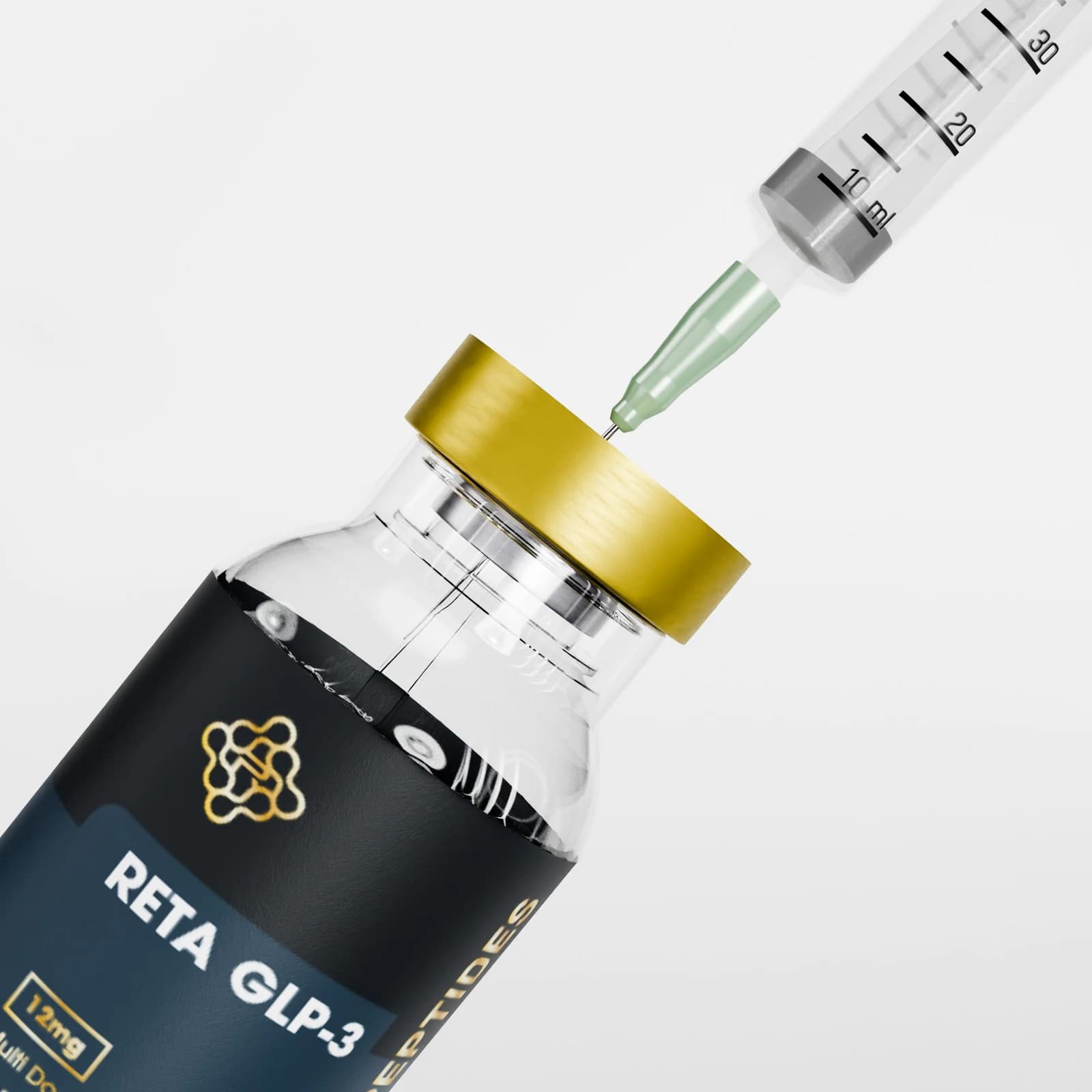
Retatrutide Dosage Schedule After High Dose Tirzepatide in Research
By diligently applying these monitoring strategies, researchers can effectively manage and interpret peptide sequencing studies, ensuring that the effects observed during the retatrutide dosage schedule after tirzepatide are clear and robust. Real Peptides provides high-purity Retatrutide and Tirzepatide, enabling the kind of precise and controlled research necessary to monitor these complex interactions.
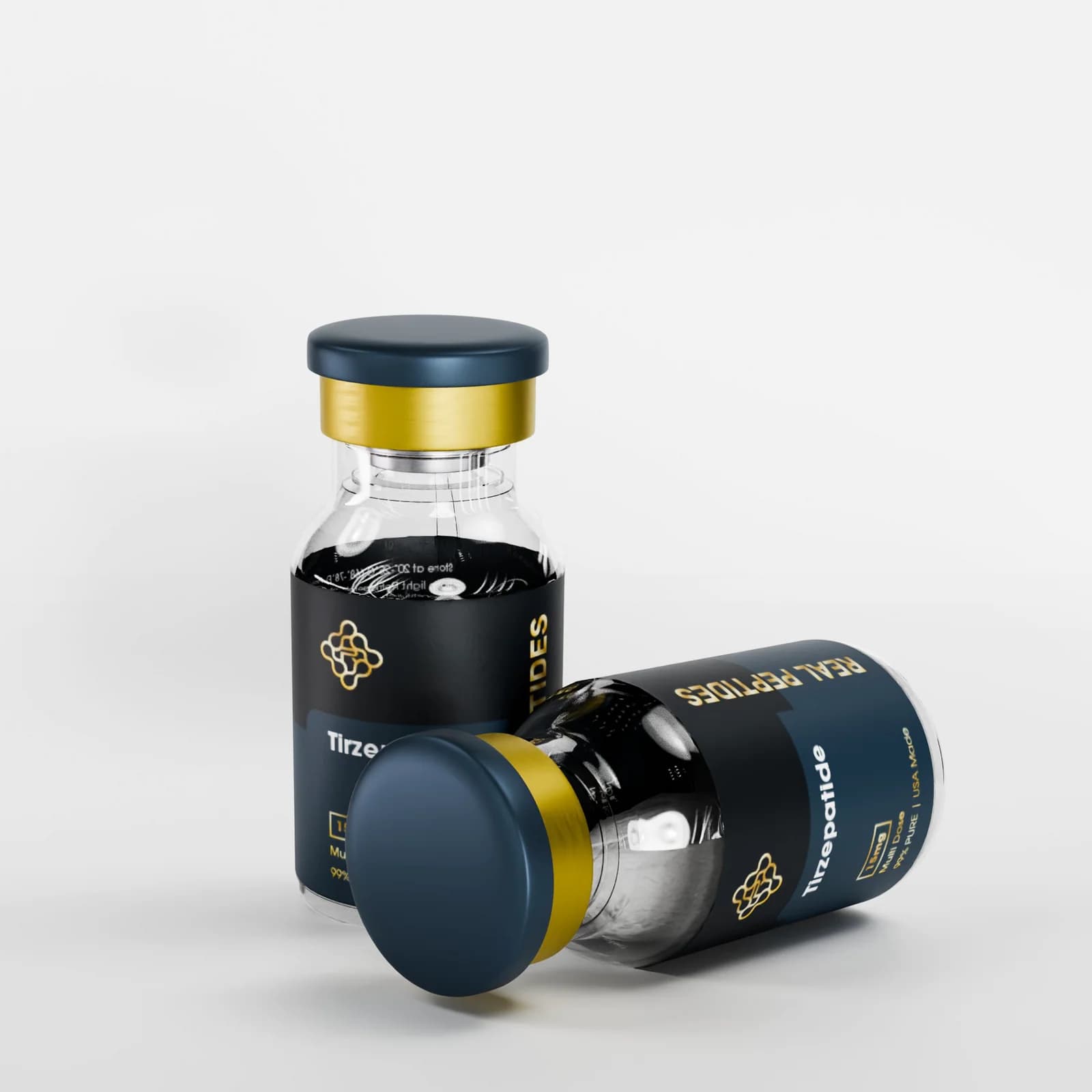
Retatrutide vs Tirzepatide: How Do These Peptides Compare in Research?
In summary, while Tirzepatide currently dominates the research landscape due to its maturity, Retatrutide is quickly gaining traction as a powerful new investigational peptide. Researchers aiming for well-established experimental models might lean towards Tirzepatide, while those exploring cutting-edge, potentially more impactful metabolic interventions might prioritize Retatrutide. For both current and future research needs, Real Peptides provides high-purity Retatrutide and Tirzepatide, enabling scientists to conduct comprehensive studies and accurately compare retatrutide and tirzepatide peptides. Other peptides like Semax Amidate Peptide or Epithalon Peptide serve different research areas, highlighting the diverse needs of the scientific community.
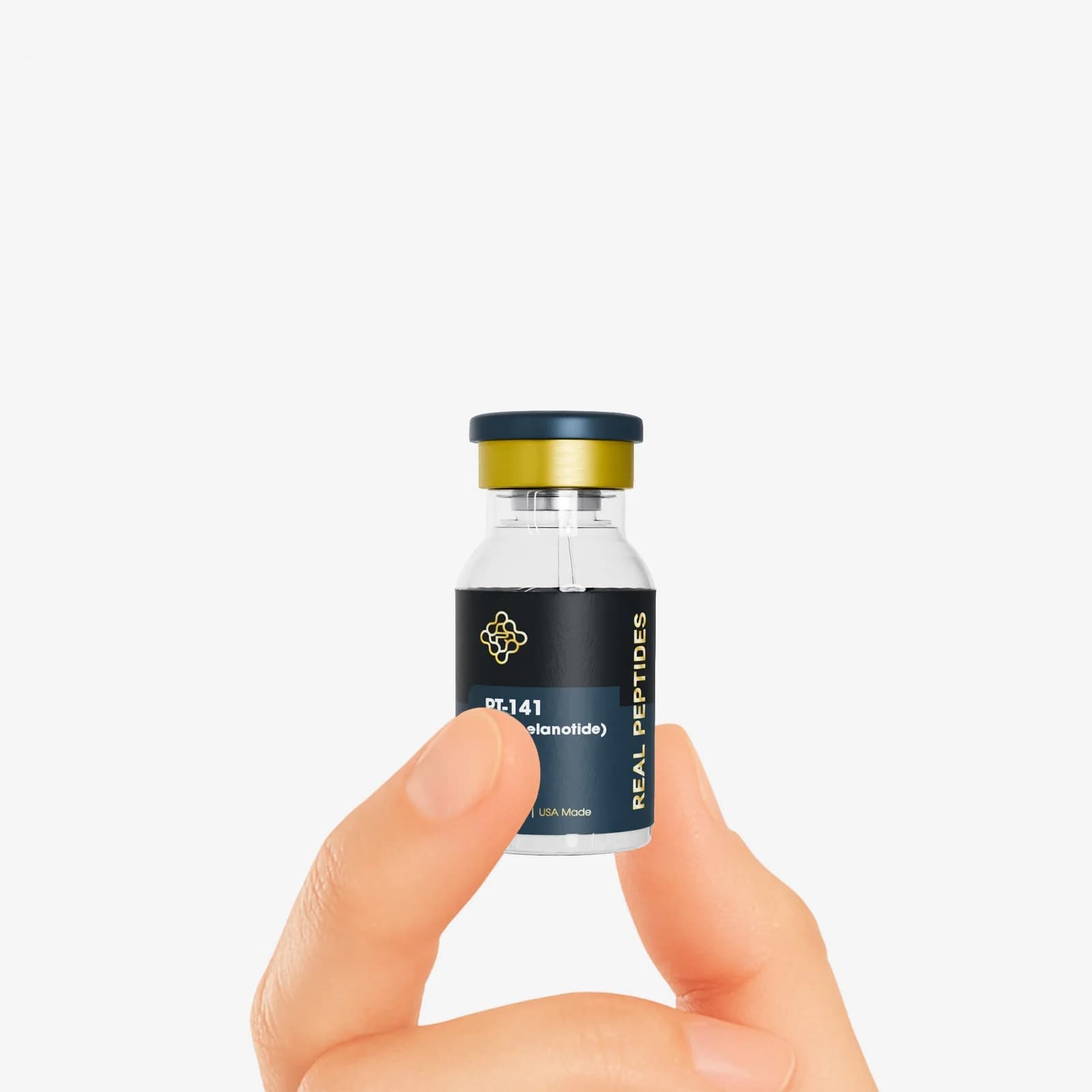
How Long Does PT-141 Last in Lab-Based Research?
Real Peptides provides high-purity PT-141 (Bremelanotide) to ensure that its inherent properties are consistent, allowing researchers to accurately determine the optimal reapplication frequency for their specific studies and precisely characterize how long does pt 141 last and optimize their research timing for pt-141 peptide.
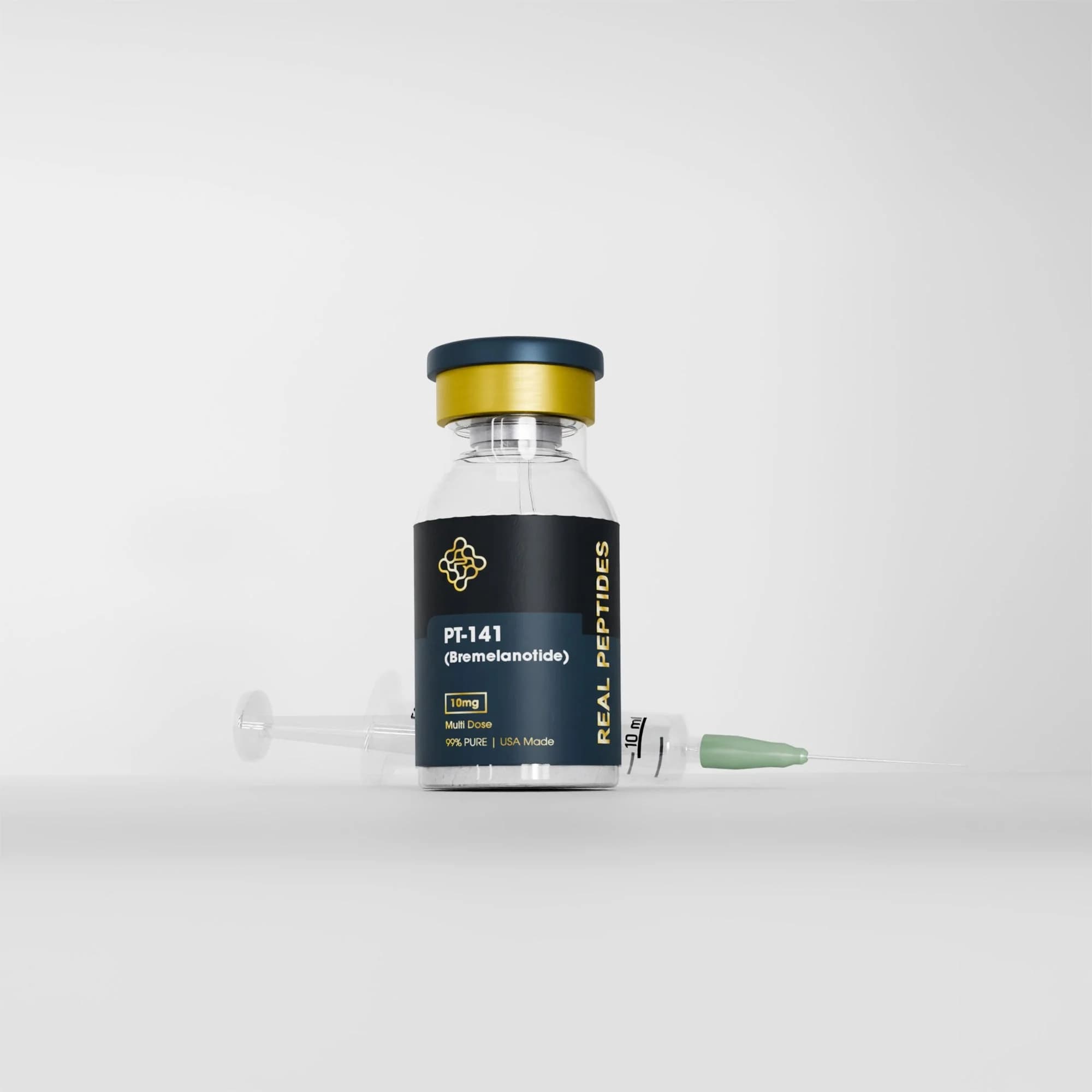
What Is PT-141 Peptide? Bremelanotide Research Explained
Real Peptides is a leading provider of high-quality research compounds, including PT-141 (Bremelanotide). We understand the critical need for purity and reliability in scientific research. Our commitment to rigorous third-party testing ensures that every batch of what is PT-141 peptide meets stringent quality standards. We provide transparent analytical data, allowing researchers to have full confidence in the material they are using for their pt-141 peptide analysis and generation of valid bremelanotide compound research data. By choosing Real Peptides, you are partnering with a supplier dedicated to supporting your scientific endeavors with the highest quality research materials, enabling robust and reproducible experimental outcomes.
How Does MK 677 Work in Controlled Research Settings?
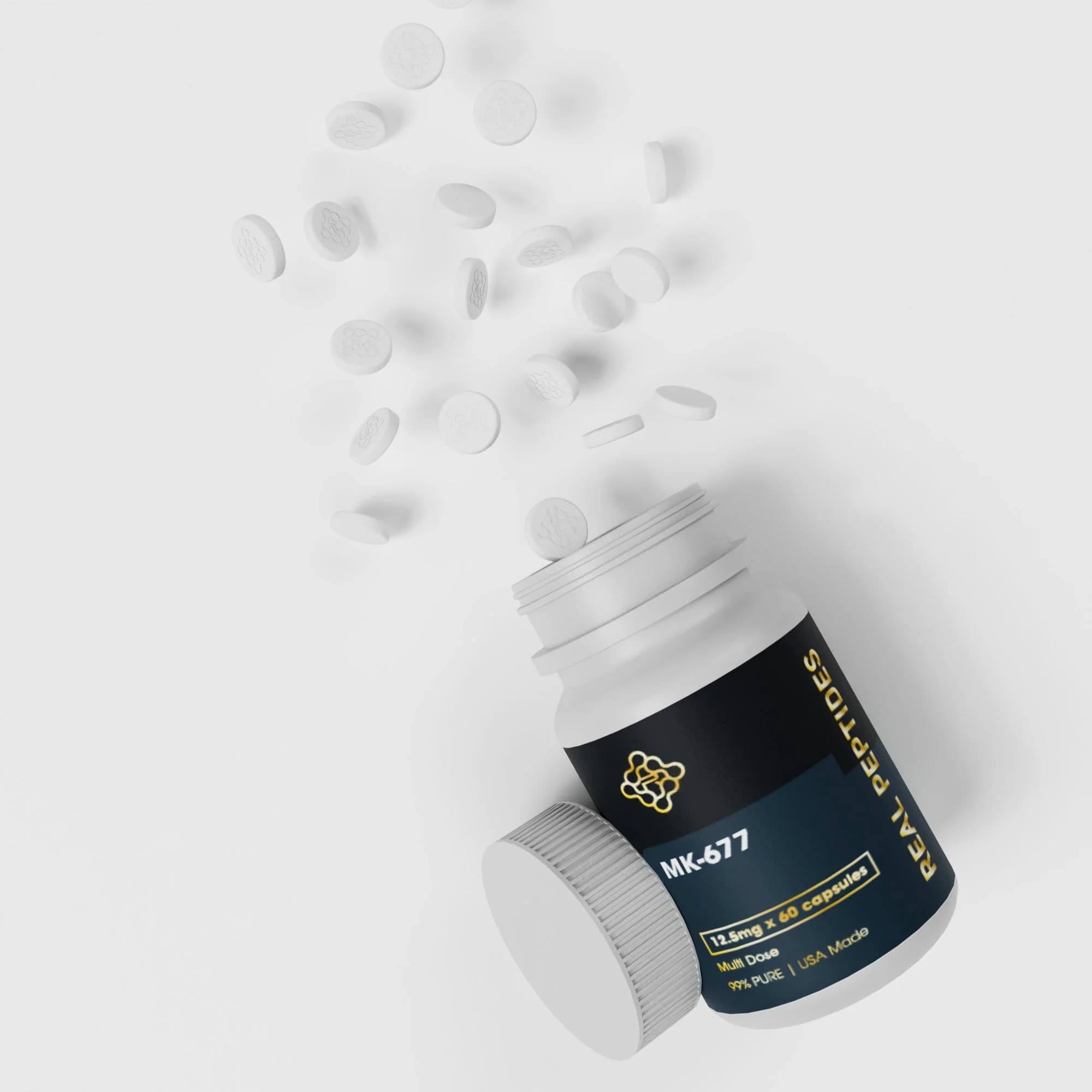
These ongoing experiments continually refine our understanding of how does mk 677 work and its multifaceted actions. Real Peptides supports this cutting-edge research by providing high-quality MK-677 and other compounds like Tesamorelin that enable scientists to push the boundaries of knowledge, advancing our comprehension of the mk-677 mechanism in lab conditions and the broader scope of mk677 peptide function in studies.
Is MK 677 a Peptide? Classification in Research Context
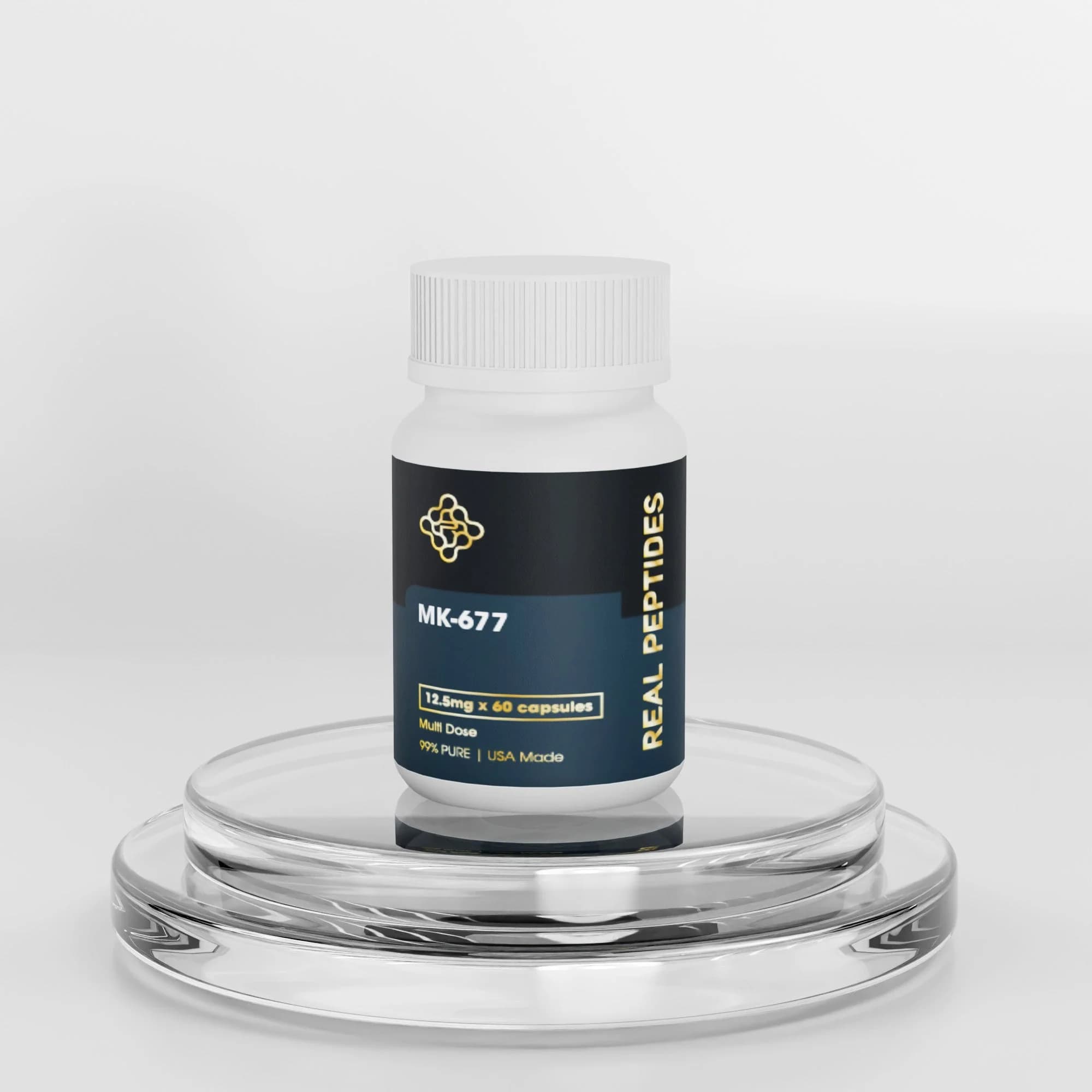
Even though it’s often discussed alongside actual peptides like GHRP-6 or Tesamorelin due to shared functional outcomes (GH release), the scientific literature is clear on its distinct chemical identity. This precise mk-677 classification in peptide research allows for accurate comparison and avoids misinterpretation. Real Peptides aligns with these scientific findings, providing researchers with accurately categorized and high-purity MK-677 to ensure their studies are based on sound scientific principles, correctly addressing What does current research say about its categorization? and its distinct ibutamoren peptide vs non-peptide status.
What Does MK 677 Do in Scientific Research?
These robust research-based observations of mk-677 from controlled studies underscore its utility as a research tool. Real Peptides is dedicated to supplying high-purity MK-677 to ensure that your experiments can build upon these consistent findings, providing reliable data for what does MK 677 do and furthering the understanding of its various effects.

What Is MK 677? Ibutamoren Peptide Research Overview
Real Peptides is a prime example of where can researchers acquire MK 677 for experimental use reliably. We specialize in providing high-quality research-grade peptides and compounds, including MK-677, ensuring that our products meet the stringent requirements of scientific investigation. Our commitment to transparent quality control and comprehensive product information positions us as a trusted mk-677 compound overview provider, empowering researchers to confidently explore what is MK 677 in their studies.
What Does IGF-1 Do in Research-Based Applications?
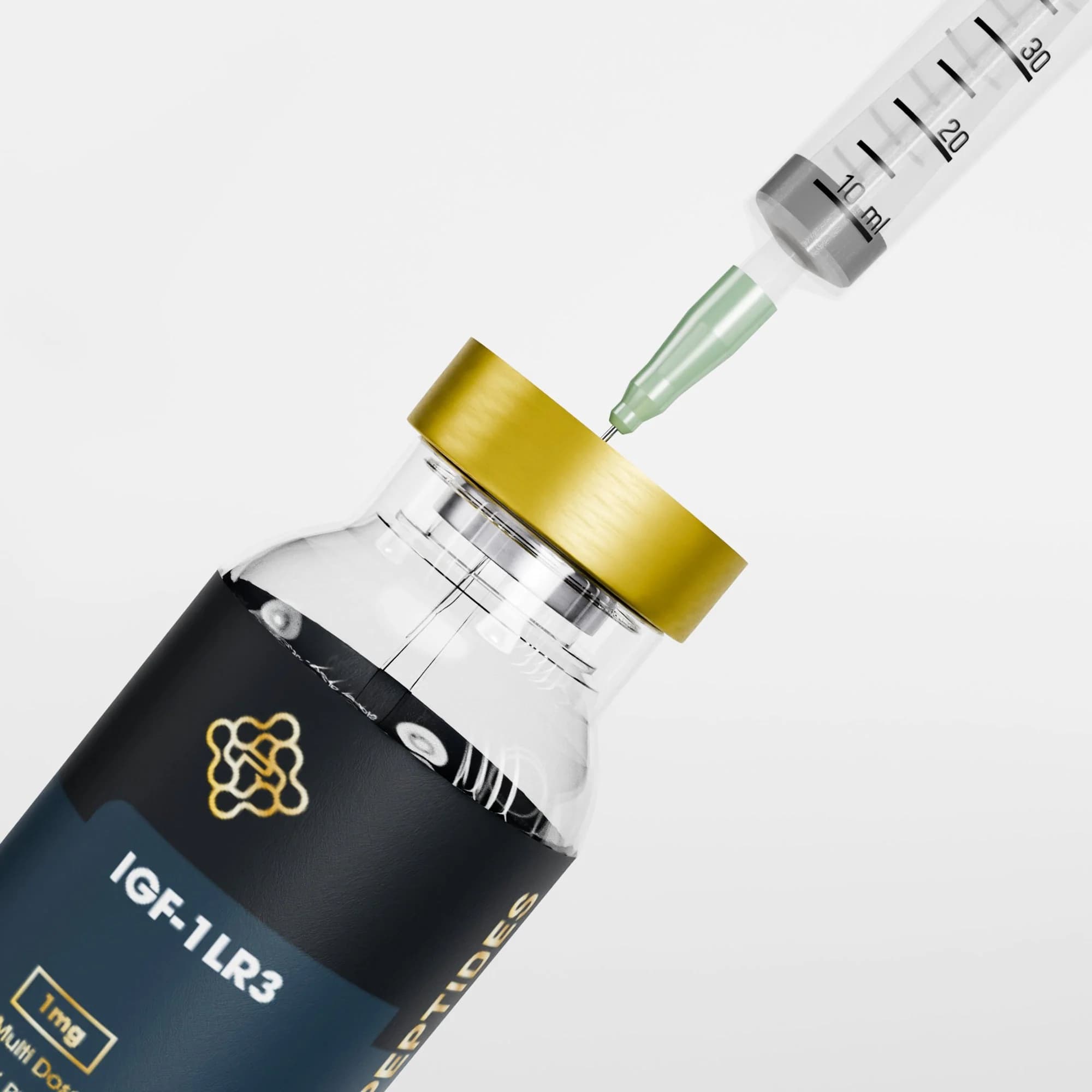
Researchers must conduct pilot studies to establish the optimal dose and frequency for their specific experimental setup and desired igf1 observed research outcomes. Real Peptides understands the critical importance of dose and frequency in research. Our commitment to providing high-quality IGF-1 LR3 ensures that when you meticulously control these variables, you can confidently determine what does IGF-1 do in your unique experimental model, leading to reliable scientific findings.

Where to Get IGF LR3 for Research Purposes Only
By adhering to these careful handling procedures, researchers can ensure the IGF-1 LR3 retains its full potency, allowing for reliable investigation into what is igf-1 responsible for and accurate lab analysis of igf-1 effects. Real Peptides provides high-quality compounds, understanding the importance of meticulous preparation for uncovering the true igf-1 biological function in vitro.