
Research notes
Blog
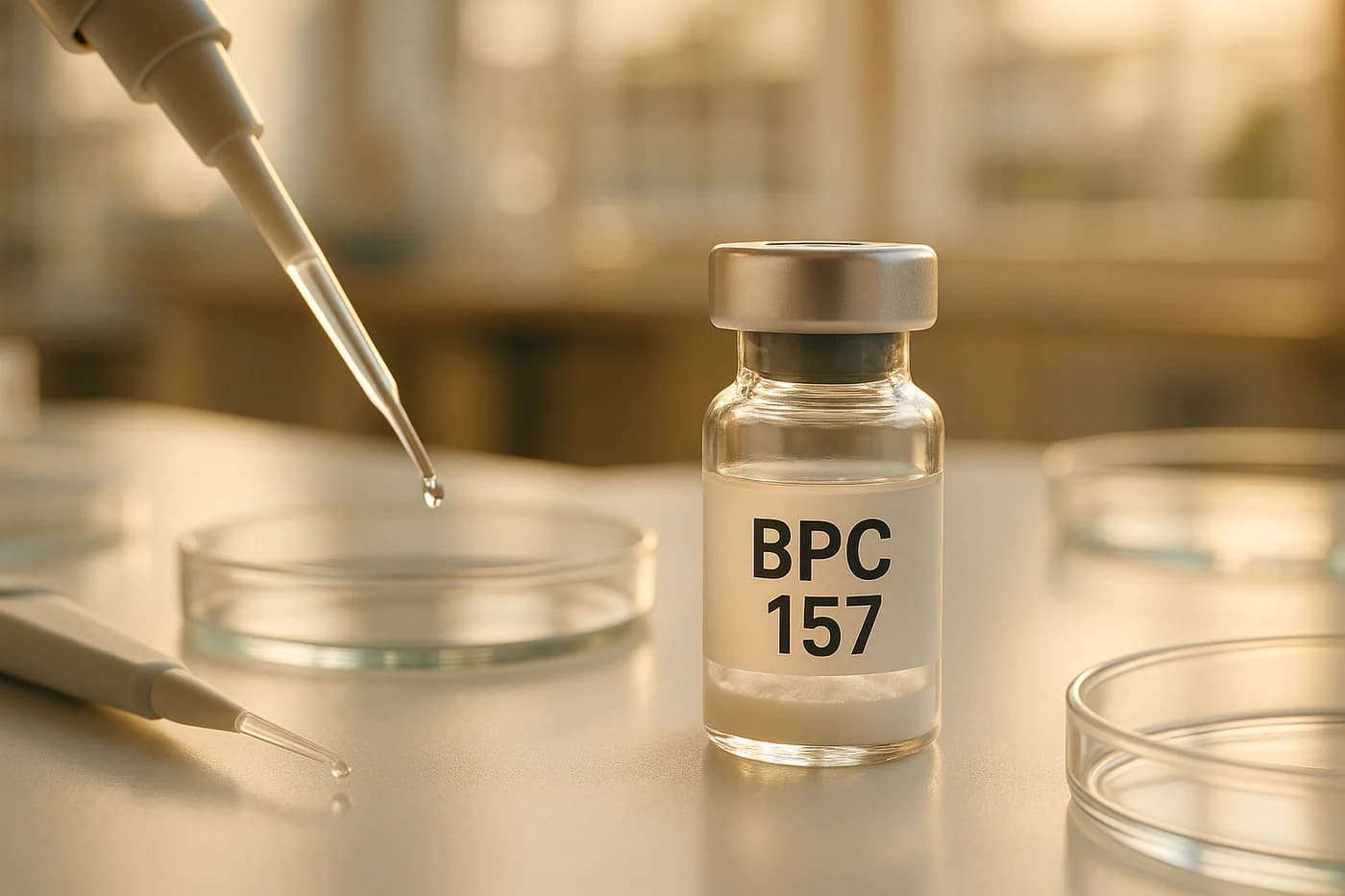
What is BPC 157 Peptide?
What is BPC 157 Peptide? BPC 157 is a synthetic peptide consisting of 15 amino acids, derived from a protein found in the stomach. Known as the Body Protection Compound, it has been developed for research purposes, particularly in regenerative medicine. This peptide is not approved for human use and is classified as research-use-only under U.S. regulations. Key Highlights: Purpose: Studied for tissue repair, wound healing, and inflammation management. Stability: Resistant to hydrolysis, enzyme digestion, and gastric juice, making it reliable for experiments. Applications: Research focuses on muscle recovery, tendon repair, and gastrointestinal healing. Regulations: Restricted to laboratory research; not approved for therapeutic use. BPC 157 shows potential in controlled studies for its ability to support healing and protect cells. Researchers must follow strict guidelines for storage and handling to ensure its integrity during experiments. Always consult regulatory standards before use. Biochemical Properties and Stability Amino Acid Sequence and Molecular Weight BPC 157 is a peptide made up of 15 amino acids with the sequence Gly-Glu-Pro-Pro-Pro-Pro-Gly-Lys-Pro-Ala-Asp-Asp-Ala-Gly-Leu-Val, often abbreviated as GEPPPGKPADDAGLV in single-letter code. It has a molecular weight of 1,419 Da, with an exact mass calculated at 1,418.70415882 Da. Stability in Research Conditions One standout feature of BPC 157 is its stability under standard lab conditions. The peptide resists hydrolysis, enzyme digestion, and even the harsh environment of gastric juice. According to research: “Although the mechanism of action of BPC157 remains unclear, BPC157 has demonstrated significant effects at very low doses with very good stability… It can be stored at room temperature and is resistant to hydrolysis, enzyme digestion, and even gastric juice.” This makes it ideal for use in aqueous solutions and cell cultures, as it maintains its integrity throughout experiments. How Stability Affects Research Results The exceptional stability of BPC 157 contributes to reliable and reproducible results in research. Since the peptide remains intact during experiments, researchers can attribute outcomes to the compound itself rather than breakdown products. This stability also allows for longer experimental durations and simplifies handling by removing the need for specialized storage, such as ultra-cold freezers. These biochemical properties make BPC 157 a valuable tool in regenerative medicine studies. For researchers looking to include BPC 157 in their work, Real Peptides provides high-quality BPC 157 tailored for research purposes. BPC-157: Everything You Need to Know – Benefits, Risks, Dosing, & Delivery Methods How BPC 157 Works Studies indicate that BPC 157 plays a role in supporting tissue repair, reducing inflammation, and protecting cells. Let’s break down how this peptide functions in these areas. Tissue Repair and Regeneration BPC 157 contributes to tissue repair by promoting the movement of cells to injured areas. This cell migration is crucial for healing muscles, tendons, and other soft tissues, making it a key player in regeneration. Inflammation Control This peptide is known for its anti-inflammatory properties. It helps regulate the body’s inflammatory response while shielding cells from stress, which can be particularly beneficial in recovery processes. Protection Across Organ Systems BPC 157 has shown potential in safeguarding various organ systems, including the gastrointestinal, cardiovascular, and neurological systems. By maintaining tissue integrity in these areas, it opens doors for further exploration into its regenerative applications. For researchers looking to delve deeper into these mechanisms, Real Peptides provides research-grade BPC 157 that meets the rigorous standards required for advanced studies and cellular research. sbb-itb-9529e2d Research Applications in Regenerative Medicine Tissue Repair in Trauma and Injury Models Recent studies continue to shed light on the regenerative potential of BPC 157, particularly in addressing severe tissue injuries. One notable investigation, published in January 2025 by the Department of Pharmacology at the University of Zagreb‘s School of Medicine, examined BPC 157’s effects on severe muscle-bone detachment injuries in a rat model. In this experiment, researchers surgically detached the quadriceps muscle from its attachments to the femur and iliac bone. While untreated rats in the control group showed no significant recovery, those treated with BPC 157 at doses of either 10 µg/kg or 10 ng/kg daily (administered orally) displayed remarkable healing outcomes. “BPC 157 therapy improved walking, resolved leg contracture, and promoted muscle reattachment with minimal gap. Microscopic analysis showed reattachment fibers extending into new bone, with increased mesenchymal cells and periosteum reactivation observed by day 3”. The study provided a detailed evaluation of the peptide’s restorative effects. By the three-month mark, treated rats exhibited stable reattachment, with newly formed cortical bone and mature muscle fibers firmly integrated with the bone. This dual-sided healing – addressing both muscle and bone – demonstrates BPC 157’s ability to restore critical tissue junctions, such as neuromuscular, osteotendinous, and myotendinous connections. Additionally, it supported the repair of severely damaged tendons, ligaments, and bones. These findings highlight the potential of BPC 157 in regenerative medicine, particularly for repairing complex injuries and restoring essential tissue connections. Researchers interested in exploring these applications further can access high-purity BPC 157 through Real Peptides. Laboratory Use Guidelines Regulatory Compliance for Research Use BPC 157 is strictly intended for laboratory research and is not approved for human consumption, therapeutic use, or clinical applications. U.S. regulations specify that peptides like this are only accessible to qualified researchers, institutions, and laboratories. Researchers must adhere to all relevant federal and institutional regulations, obtaining necessary approvals before conducting clinical or animal testing. These rules ensure experiments are designed rigorously and conducted safely. Storage and Handling Protocols To maintain the integrity of BPC 157, store the lyophilized powder at –20°C. Once reconstituted with sterile water, keep it between 2°C and 8°C and use it within the recommended period. Avoid repeated freeze-thaw cycles, and gently swirl the solution during reconstitution to preserve its quality. Following these steps helps ensure consistent and reliable experimental results. Available Formats and Lab Integration Real Peptides offers BPC 157 in a 5 mg lyophilized vial, providing flexibility for accurate dosing and varied experimental setups. Each vial undergoes HPLC verification, ensuring a purity level of ≥99%, along with rigorous endotoxin screening for added safety. For researchers managing more intricate studies, Real Peptides also supplies pre-blended
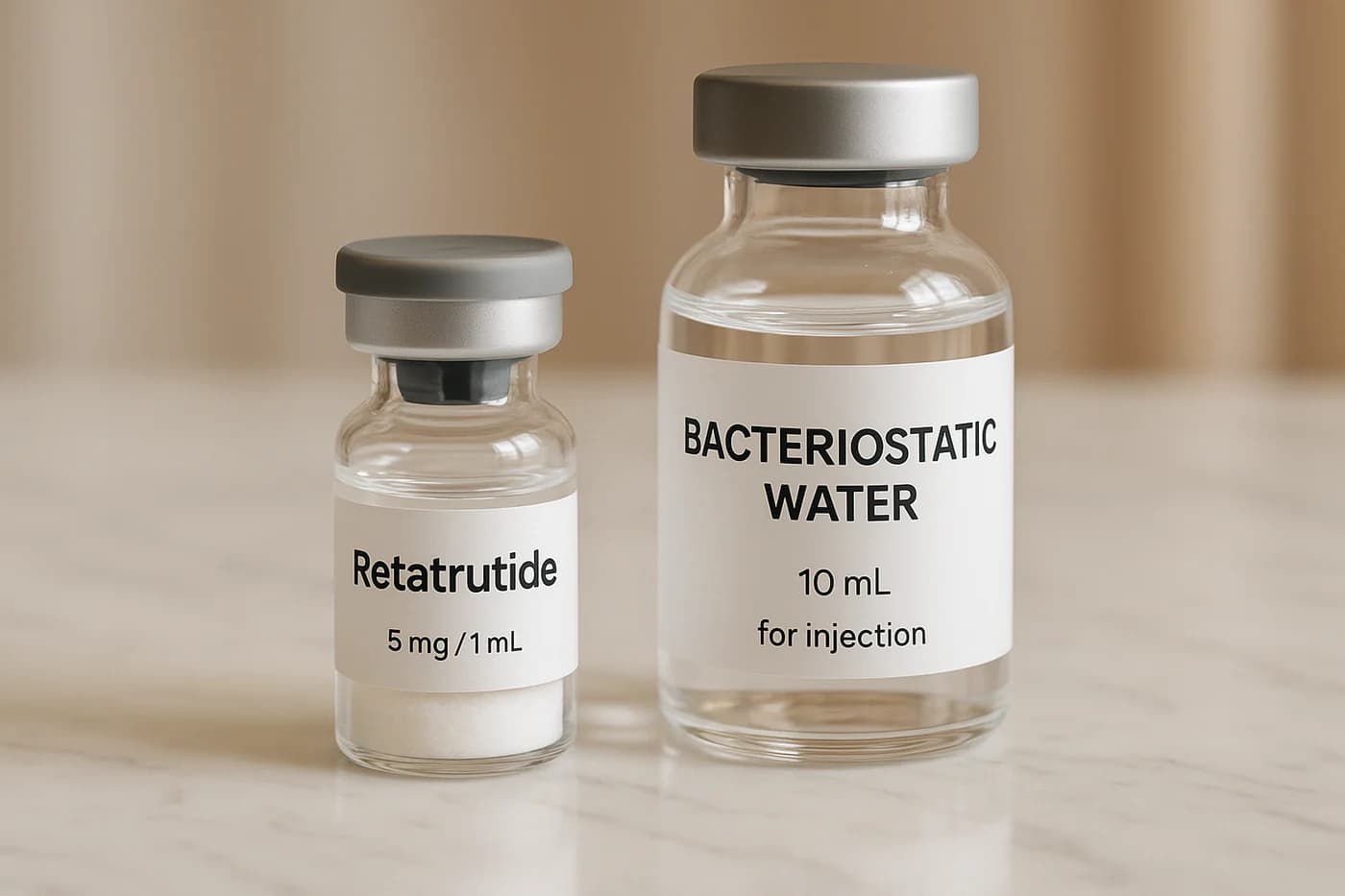
Is Reconstitution solution good to Reconstitute Retatrutide?
Is Reconstitution solution good to Reconstitute Retatrutide? When reconstituting retatrutide, choosing the right solution is critical to maintain its stability, solubility, and effectiveness in research. Here’s a quick breakdown of the options: Sterile Water: Pure but lacks preservatives, making it suitable only for immediate use. It offers poor storage stability and increases the risk of contamination. Bacteriostatic Water: Contains benzyl alcohol as a preservative, allowing for longer refrigerated storage (up to 30 days) and multi-dose use. This is the most reliable choice for maintaining retatrutide’s activity. Acetic Acid Solutions: Useful for peptides requiring improved solubility in acidic environments. Best for long-term storage when aliquoted and frozen, but requires careful handling to avoid degradation. Conclusion: Bacteriostatic water is the preferred option for reconstituting retatrutide, balancing stability, ease of use, and storage flexibility. Proper preparation ensures consistent research outcomes and preserves peptide integrity. 1. Sterile Water Chemical Compatibility Sterile Water for Injection is generally not suitable for reconstituting retatrutide. While the peptide may dissolve in sterile water, the absence of preservatives like benzyl alcohol makes it prone to bacterial contamination. This lack of protection also raises concerns about the solution’s stability over time. Stability and Storage Solutions prepared with sterile water must be used immediately due to the absence of preservatives. In comparison, bacteriostatic water allows for refrigerated storage for up to 30 days. This instability can impact the peptide’s biological activity, making it less effective for future applications. Impact on Retatrutide Activity The solvent used for reconstitution plays a critical role in maintaining retatrutide’s activity and reliability in research. Using sterile water can lead to reduced efficacy and altered pharmacokinetics, which may increase safety concerns. Regulatory agencies caution against using diluents without preservatives, as this can result in peptide degradation and precipitation. These issues can directly affect the reproducibility of experiments. Adhering to recommended reconstitution practices is crucial to ensure peptide integrity and reliable experimental results. 2. Bacteriostatic Water Chemical Compatibility Bacteriostatic Water for Injection is a common choice for preparing retatrutide in research settings. It contains 0.9% benzyl alcohol, which acts as a preservative to guard against microbial contamination during storage. With a pH range of 4.5 to 7.0, this solution provides an environment that can support the stability of peptide formulations like retatrutide. The specific compatibility, however, depends on the unique properties of the peptide, making it essential for researchers to consider these factors for optimal results. Stability and Storage To ensure retatrutide solutions remain stable, they should be stored under refrigerated conditions at 2–8°C, following established protocols. Proper storage helps preserve the pharmacological properties of retatrutide, ensuring it remains effective for research purposes. Impact on Retatrutide Activity Using bacteriostatic water not only stabilizes retatrutide but also helps maintain its pharmacological activity, ensuring consistent and reliable experimental outcomes. This approach supports reproducible results and accurate dosing. Real Peptides offers research-grade retatrutide designed for easy reconstitution with bacteriostatic water. This allows researchers to prepare larger volumes for multiple doses, streamlining workflows and reducing waste by enabling precise, multi-dose usage from a single preparation. 3. Acetic Acid Solutions Chemical Compatibility Acetic acid solutions provide an acidic alternative to water-based reconstitution, particularly for peptides that require improved solubility. These solutions come in various concentrations, such as 0.1%, 10%, and 25%, offering an environment that can enhance the dissolution of peptides that struggle to dissolve at neutral pH. When preparing retatrutide with acetic acid, ensure the peptide is fully dissolved in the solution before any dilution. To aid dissolution, gently sonicate the mixture in a water bath for a few minutes. Be cautious to avoid excessive heat, as it may compromise the peptide’s stability. Once the peptide is completely dissolved, follow appropriate storage protocols. Stability and Storage Reconstituted solutions should be stored at -20°F or colder. To maintain stability, aliquot the solution to avoid repeated freeze-thaw cycles. Impact on Retatrutide Activity Keeping an acidic environment is essential to preserve retatrutide’s activity. When diluting the solution, add the peptide dropwise while gently agitating to prevent localized concentration spikes. Real Peptides offers high-quality retatrutide designed for research purposes. Their products are compatible with acetic acid-based reconstitution methods, giving researchers the flexibility to maintain peptide integrity while meeting their experimental needs. sbb-itb-9529e2d How to Reconstitute Retatrutide Peptide Comparison of Reconstitution Solutions This section highlights the main differences among the available reconstitution methods for retatrutide. Each option comes with its own set of advantages and limitations, making it essential for researchers to weigh factors like chemical compatibility, antimicrobial properties, ease of handling, and storage requirements when deciding which method is most suitable for their experiments. Here’s a quick breakdown of the three reconstitution options: Sterile Water Sterile water is a simple, additive-free option, ideal for immediate use. Since it lacks preservatives, it’s best suited for applications requiring immediate preparation or short-term storage. Bacteriostatic Water With the addition of benzyl alcohol as a preservative, bacteriostatic water allows for multi-dose usage. Its antimicrobial properties make it a practical choice for experiments involving multiple aliquots or repeated dosing over time. Acetic Acid Solutions Acetic acid solutions are particularly effective for dissolving peptides and maintaining an acidic environment, which helps preserve peptide integrity. This method is especially beneficial when working with peptides prone to aggregation or precipitation. Selecting the right reconstitution method for retatrutide largely depends on the experimental timeline, storage needs, and the laboratory’s handling capabilities. For more tailored advice, Real Peptides offers detailed guidance and technical support to help researchers optimize their reconstitution practices. This comparison underscores the importance of choosing the appropriate method to ensure the best performance and reliability of retatrutide in research applications. Conclusion Based on the analysis, bacteriostatic water stands out as the ideal solution for reconstituting retatrutide. The choice of reconstitution solution plays a critical role in preserving retatrutide’s stability and effectiveness. Bacteriostatic water not only ensures chemical compatibility but also provides antimicrobial properties, helping maintain the peptide’s integrity during storage, as highlighted in the comparisons above. On the other hand, using non-recommended diluents like 0.9% sodium chloride injection can negatively impact the
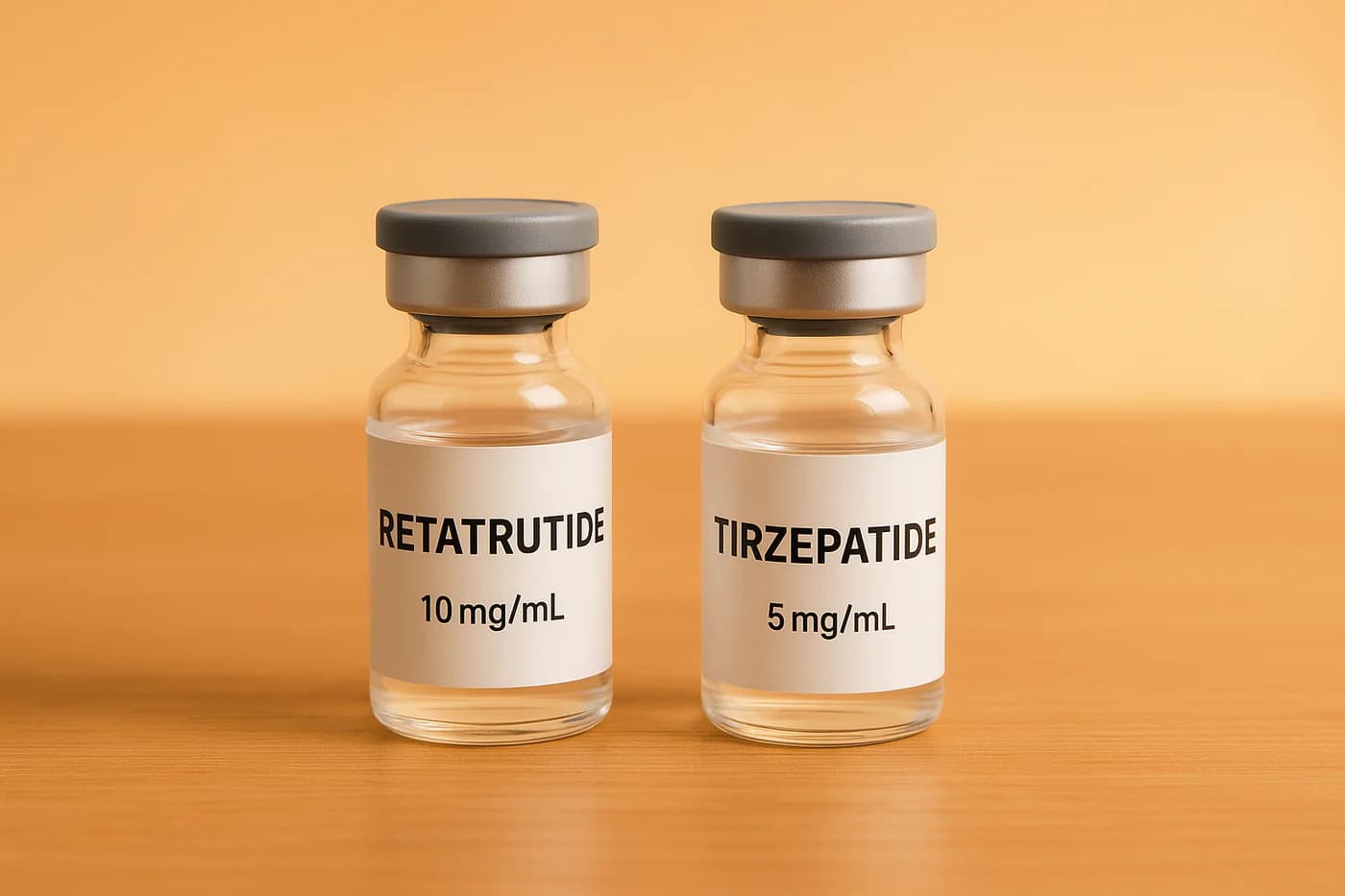
How long takes Retatrutide to kick after Tirzepatide?
How long takes Retatrutide to kick after Tirzepatide? Switching from tirzepatide to retatrutide involves a gradual adjustment period due to differences in their mechanisms. Tirzepatide targets GIP and GLP-1 receptors, while retatrutide activates GIP, GLP-1, and glucagon receptors, creating a broader metabolic impact. The onset of retatrutide’s effects typically depends on several factors: Timing: The transition period varies due to the lingering effects of tirzepatide and the time required for retatrutide to fully activate its triple-receptor mechanism. Washout Period: Researchers often consider a washout period to minimize overlapping effects. Individual Response: Metabolic conditions, receptor sensitivity, and dosage affect how quickly retatrutide takes effect. Efficacy: Both drugs are dose-dependent, with retatrutide showing potential for enhanced weight loss and blood sugar regulation over time. Careful planning and monitoring are essential during this transition to ensure safety and effectiveness. Side effects like nausea and injection site reactions may occur but generally subside with continued use. Further research is needed to refine transition protocols and optimize outcomes. Tirzepatide vs Retatrutide: Should You Switch Yet? 1. Retatrutide Retatrutide is an experimental compound gaining attention for its potential in managing metabolic conditions. Researchers exploring advancements in metabolic therapies are closely examining its unique properties. Mechanism of Action Retatrutide is designed to target multiple metabolic receptors, setting it apart from treatments with a dual-action mechanism. Early studies suggest it may trigger a broader range of metabolic responses, though the exact pathways remain under investigation. This multi-receptor activation also explains the differing onset of effects when transitioning from tirzepatide. Onset of Action Switching from tirzepatide to retatrutide involves distinct timing challenges. As tirzepatide’s effects diminish, retatrutide begins to take hold, with its full impact developing gradually. During this period, there may be some overlap in their activity, making precise management critical to ensure a smooth transition. Efficacy (Weight Loss and Metabolic Changes) Research indicates that retatrutide leads to dose-dependent improvements in weight loss and blood sugar regulation. However, these effects vary between individuals and depend on the dosage, emphasizing the need for ongoing studies to fully understand its metabolic impact and optimize its use. Adverse Effects Common side effects include nausea, vomiting, and mild injection site reactions. These symptoms generally improve with continued use. Injection site issues, while noted, are typically minor and resolve over time. For researchers needing high-quality retatrutide for their studies, Real Peptides provides detailed documentation and dependable sourcing through their retatrutide product page, ensuring smooth integration into research efforts. 2. Tirzepatide Tirzepatide is a dual-action medication targeting both GIP and GLP-1 receptors, making it a key player in metabolic research. By stimulating these receptors, it helps regulate blood sugar levels and manage appetite. This dual approach is particularly relevant when considering a transition to newer medications like retatrutide. Understanding tirzepatide’s effects is crucial for determining the best timing for such a switch. Mechanism of Action Tirzepatide improves metabolic function by activating both GLP-1 and GIP receptors. When the medication is discontinued, its influence on these pathways gradually diminishes, leading to a metabolic shift. This change is a critical factor in deciding the ideal transition period to retatrutide, as it ensures a smooth shift without overlapping or diminished effects. Onset of Action Patients typically begin noticing tirzepatide’s effects within a few weeks, with its full impact becoming evident over several months. Even after stopping the medication, some residual activity may linger. This makes it essential for researchers to carefully plan the transition period to avoid any overlap in the effects of tirzepatide and retatrutide. Efficacy: Weight Loss and Metabolic Changes Tirzepatide has shown dose-dependent benefits in managing weight and controlling blood sugar. These metabolic improvements provide a foundation that can influence how patients respond to retatrutide. However, individual outcomes may vary, highlighting the importance of personalized treatment plans during the transition. Adverse Effects Common side effects of tirzepatide include gastrointestinal issues like nausea, diarrhea, and reduced appetite. These symptoms usually subside as the body adjusts to the medication. However, they can play a role in the transition to retatrutide, as some patients may notice changes in their side effect patterns during the switch. For researchers conducting comparative studies, Real Peptides offers high-quality tirzepatide with detailed product documentation and quality assurance. Their tirzepatide product page provides valuable information for ensuring reliable study results. Understanding tirzepatide’s action timeline is essential for determining the optimal moment to introduce retatrutide. sbb-itb-9529e2d Benefits and Drawbacks When evaluating retatrutide and tirzepatide for clinical study design, it’s essential to weigh their advantages and disadvantages. Both medications are associated with common gastrointestinal side effects, which should be considered during patient monitoring. However, their clinical profiles differ significantly. Tirzepatide has an established track record, though it comes with notable warnings. These include a boxed warning for thyroid tumors, as well as potential risks of pancreatitis, gallbladder disease, and acute kidney injury caused by dehydration. On the other hand, retatrutide is a newer entrant, and its long-term safety data remain limited, making its risk profile less defined. For researchers, Real Peptides offers comprehensive documentation on both drugs, enabling detailed comparative studies. This information is invaluable for designing protocols that optimize transitions between tirzepatide and retatrutide. Conclusion Shifting from tirzepatide to retatrutide requires careful planning to maintain effectiveness while prioritizing safety. Since both drugs have unique timelines and pharmacokinetics, transition strategies must be customized to account for these differences. Researchers are working to create protocols that align with the specific characteristics of each compound. Close monitoring throughout the process is critical – not just for patient safety, but also to collect data that can shape future clinical guidelines. As highlighted earlier, this transition is a complex process, and continued research will play a key role in refining evidence-based practices.

What is GHK Cu?
What is GHK Cu? GHK-Cu is a naturally occurring copper peptide made up of three amino acids: glycine, histidine, and lysine. Discovered in 1973 by Loren Pickart, this compound is found in plasma, saliva, and urine. It binds copper ions, forming a stable complex that plays a role in wound healing, tissue repair, and cellular regeneration. Key Points: Structure: GHK-Cu is a copper-bound tripeptide with the formula C14H24N6O4Cu. Function: Supports collagen production, reduces inflammation, and promotes cell adhesion. Applications: Used in research on skin regeneration, extracellular matrix (ECM) studies, and gene expression. Stability: GHK-Cu is more stable and biologically active than the free GHK peptide. Researchers prioritize high-purity GHK-Cu for reliable results. Proper storage and handling, like keeping it at low temperatures and protecting it from light, are critical for maintaining its integrity. Molecular Structure and Copper Binding Structure of GHK and GHK-Cu GHK, short for glycine-histidine-lysine, is a tripeptide that binds copper ions through its histidine residue and amino terminus. The histidine acts as the primary site for copper attachment, while the amino terminus provides additional support for this coordination. When copper binds to GHK, it forms a square planar complex. In this arrangement, the copper ion is coordinated by nitrogen atoms from the histidine’s imidazole group and the amino terminal groups, creating a stable chelate. This binding significantly alters the peptide’s properties. GHK-Cu, the copper-bound version of the peptide, has the molecular formula C14H24N6O4Cu and weighs approximately 404 daltons. The copper ion in this complex is predominantly in the Cu²⁺ oxidation state, a configuration critical for its biological roles. The bond between GHK and copper is exceptionally strong, with a dissociation constant in the nanomolar range, making it one of the most stable naturally occurring copper-peptide complexes. GHK vs. GHK-Cu: Key Differences The transition from GHK to its copper-bound form, GHK-Cu, fundamentally changes its properties and biological behavior. These differences are crucial for researchers exploring its applications in scientific studies. Property GHK (Free Peptide) GHK-Cu (Copper Complex) Stability Less stable, prone to degradation Highly stable due to copper coordination Biological Activity Limited activity in most assays Potent activity across multiple pathways Solubility Water-soluble but less stable in solution Improved solubility and stability in solution Color Colorless to pale yellow Blue, due to copper Research Applications Mainly used as a control compound Preferred for regenerative studies Storage Requirements Standard peptide storage conditions Requires protection from light and oxidation The free GHK peptide has minimal biological activity in most experimental systems. Its primary use is as a control compound in comparative studies. Without copper, GHK lacks the redox capabilities and receptor interactions necessary for significant biological effects. On the other hand, GHK-Cu demonstrates robust biological activity. The copper ion enables the complex to engage in redox reactions, activate enzymes, and interact with cellular receptors in ways that GHK alone cannot. This makes GHK-Cu the go-to choice for research into areas like wound healing, tissue regeneration, and cellular repair. Another key distinction is stability. Free GHK is prone to degradation in aqueous solutions, particularly at physiological pH and temperatures. GHK-Cu, however, maintains its structural integrity over longer periods, making it more reliable for extended studies and storage. For researchers, Real Peptides provides high-purity GHK-Cu, specifically designed for laboratory use. Its stability and biological activity make it the standard option for experiments requiring consistent and reliable results. Whether studying tissue repair or cellular function, GHK-Cu’s unique properties are indispensable for advancing regenerative medicine and related fields. All About GHK-Cu Peptide | More Than Just Cosmetic Biological Functions and How GHK-Cu Works GHK-Cu, with its stable copper-binding structure, plays a central role in repair and regeneration processes. The copper ion it binds is key for redox reactions that drive cellular repair, while the peptide itself directs specific biological functions, making it a versatile tool in experimental research. Let’s dive into its key roles in cellular repair, inflammation control, and tissue regeneration. Role in Cellular Repair and ECM Regulation GHK-Cu actively remodels the extracellular matrix (ECM), which is crucial for tissue integrity and repair. It stimulates fibroblasts to ramp up collagen production, regulates enzymes responsible for collagen turnover, and supports the synthesis of glycosaminoglycans, essential components of the ECM. Additionally, it modulates TGF-β pathways, striking a balance between effective repair and minimizing scarring. Anti-Inflammatory and Antioxidant Properties Inflammation and oxidative stress can hinder healing, but GHK-Cu addresses both issues. It reduces inflammation by adjusting cytokine levels and acts as a powerful antioxidant, neutralizing reactive oxygen species. This dual action protects cellular membranes and fosters an environment conducive to repair. Cell Adhesion and Tissue Regeneration When it comes to tissue regeneration, GHK-Cu proves invaluable. It strengthens cell adhesion through interactions with integrins, enhances cell migration, and promotes angiogenesis by stimulating the proliferation of endothelial cells. Beyond that, it supports nerve regeneration by encouraging neurite outgrowth. By orchestrating these interconnected processes, GHK-Cu plays a pivotal role in advancing regenerative medicine research. sbb-itb-9529e2d Key Research Applications of GHK-Cu GHK-Cu plays a pivotal role in regenerative research, finding its place in numerous laboratory applications. From exploring wound healing mechanisms to delving into gene expression, this copper peptide complex is a cornerstone for advancing knowledge in regenerative medicine and tissue engineering. Applications in Wound Healing and Skin Regeneration One of the most prominent uses of GHK-Cu is in wound healing research. Scientists use it to investigate tissue repair processes and to develop advanced treatments for wounds. In labs, GHK-Cu is a key component in scratch assays, where controlled wounds are created in cell cultures to monitor healing. By stimulating fibroblast activity, it boosts dermal repair. Additionally, researchers employ GHK-Cu in 3D tissue models that replicate human skin layers, providing a closer look at how it affects tissue repair and regeneration. Burn injury studies also highlight GHK-Cu’s capabilities. It promotes faster healing in burn models by encouraging angiogenesis and reducing inflammation. These studies often measure factors like healing speed, scar formation, and tissue quality under controlled conditions. For consistent and reliable results, researchers often turn to Real Peptides’ GHK-Cu.
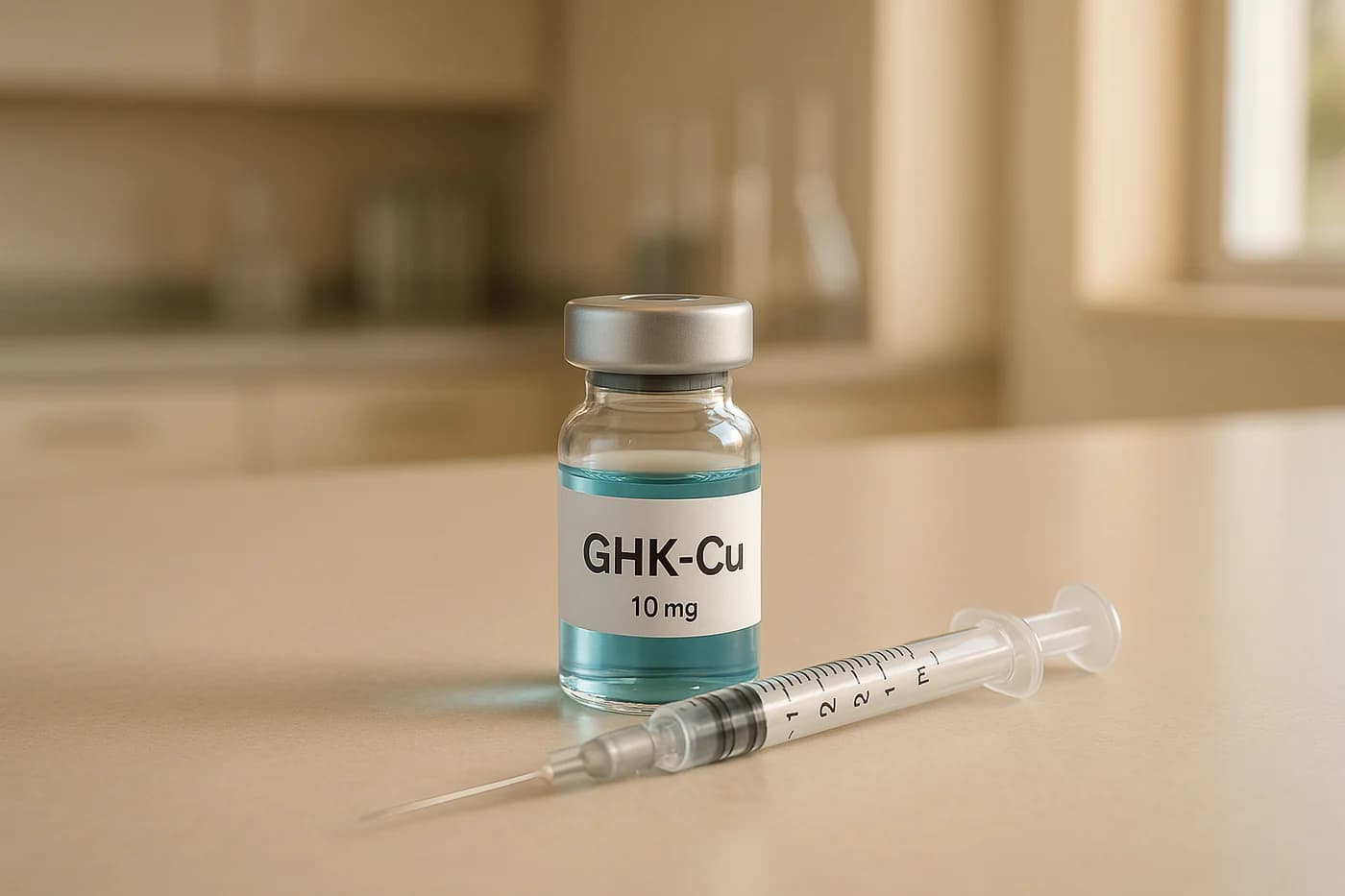
GHK-Cu: Laboratory Handling, Storage and Stability
Storage, stability and correct laboratory handling of GHK-Cu for research use only. Not for human or veterinary use.

When to take MOTS-c peptide?
When to take MOTS-c Peptide MOTS-c peptide is a research compound derived from mitochondrial DNA, known for its role in regulating energy, metabolism, and cellular stress. Timing its use is critical for research accuracy, as its effects depend on factors like exercise, daily rhythms, and metabolic conditions. Here’s what you need to know: Exercise Impact: MOTS-c levels naturally rise during and after exercise, peaking for up to 4 hours. Rapid Action: It translocates to the nucleus under stress within 30 minutes, returning to baseline within 24 hours. Age Influence: Levels decline with age, impacting research outcomes in older subjects. Dosing: Common doses range from 0.5–15 mg/kg, with higher doses for short-term studies and lower doses for long-term observations. Consistency: Administer at the same time daily, controlling variables like fasting and activity. For reliable results, researchers should carefully plan dosing schedules and control pre-administration conditions. When To Take Mots-C Peptide Factors That Affect MOTS-c Timing Getting the timing right for MOTS-c peptide administration is key to achieving consistent and reliable results in your experiments. Here’s what you need to consider to design an effective study. Research Goals and Study Design The timing of MOTS-c administration depends heavily on your research objectives. For instance, if you’re studying mitochondrial function, metabolic responses, or cellular stress, you’ll need to administer the peptide during a specific window to observe its biological effects. Running pilot experiments can help identify the best timing for your assays. Daily Rhythms and Time-of-Day Effects Biological rhythms, like the body’s natural daily cycles, can impact how effective MOTS-c is. To reduce variability, administer the peptide at the same time each day and control external factors such as exercise, fasting, and sleep. Dosing Schedule Options Choose a dosing schedule that aligns with your study’s needs. Here are a few options: Single doses: Ideal for observing immediate effects. Daily dosing: Useful for maintaining stable peptide levels over time. Intermittent dosing: Allows for recovery periods, which can help in assessing baseline changes. If you’re investigating acute effects, consider administering MOTS-c right before introducing a metabolic challenge. For researchers looking for reliable MOTS-c peptides with high purity and potency, Real Peptides’ MOTS-c peptide is a dependable option for achieving consistent results. Dosing and Administration Guidelines Precise dosing and proper administration are key to obtaining consistent and reliable results with MOTS-c. Standard Dosing Ranges The appropriate MOTS-c dose depends on the study’s goals and duration. Lower doses, typically between 0.5–5 mg/kg, are commonly administered over a period of 8–12 weeks. On the other hand, higher doses, ranging from 10–15 mg/kg, are generally used in shorter studies lasting 2–4 weeks. For example, a study published in Frontiers in June 2025 explored the effects of administering MOTS-c at 15 mg/kg daily via intraperitoneal injection over three weeks. This approach successfully restored mitochondrial respiration in heart models of type 2 diabetes. In another instance, a 2021 study on autoimmune diabetes utilized a much lower dose of 0.5 mg/kg/day, also delivered intraperitoneally, enabling extended observation periods without causing adverse effects. Higher doses are often employed to examine acute metabolic responses, while lower doses are better suited for studying long-term physiological adaptations. Once the appropriate dosing range is determined, selecting the right injection method becomes crucial to ensuring consistent and effective delivery. Injection Methods Intraperitoneal injection is the most commonly used method, offering reliable absorption and reproducible results. For researchers requiring MOTS-c peptides with dependable potency and purity, Real Peptides’ MOTS-c peptide is an excellent option to support rigorous research efforts. sbb-itb-9529e2d Managing Variables for Better Results Keeping experimental variables in check is key to assessing how effective MOTS-c can be. Controlling Study Conditions To ensure consistency, store reconstituted MOTS-c as directed and select subjects with similar age and body composition. This helps reduce variability in results. It’s also a good idea to standardize pre-administration factors, like ensuring a consistent fasting period before dosing, to establish predictable metabolic baselines. Additionally, maintaining lighting conditions that mimic natural day-night cycles can help support stable metabolic activity throughout the study. Dose Effects and Potential Reactions Once study conditions are standardized, focus on how different doses influence outcomes. Establishing a clear dose-response relationship is critical for optimizing both timing and results. Lower doses may require longer observation periods to detect subtle metabolic shifts, while higher doses might trigger faster responses but could necessitate recovery periods between doses. Using flexible sampling schedules can help account for individual variations in response. Repeated dosing might lead to cumulative effects, with responses potentially stabilizing over time. Monitoring these trends closely is essential for designing experiments that yield reliable and repeatable results. For researchers aiming for consistent and dependable outcomes, Real Peptides’ MOTS-c peptide provides a high-quality, reliable option to minimize variables in your studies. Summary: Getting MOTS-c Timing Right Precise timing for MOTS-c administration plays a crucial role in ensuring consistent and reliable research outcomes. By aligning your dosing schedule with specific research goals and maintaining strict control over experimental conditions, you can significantly improve the reliability of your data. When planning your study, consider how the timing of administration interacts with natural biological rhythms. For research focusing on acute responses, a single-dose approach might be sufficient. However, if your study aims to observe cumulative effects, a multi-dose protocol with recovery intervals is often necessary. To further enhance baseline consistency, establishing a pre-administration state – such as implementing an appropriate fasting period to minimize dietary variability – can be highly effective. Creating a controlled environment is equally important. This includes maintaining stable temperature settings, consistent lighting, proper storage conditions, and rotating administration sites to ensure reproducibility across experiments. For dependable MOTS-c research, Real Peptides’ MOTS-c peptide provides a reliable option to minimize variables and enhance the impact of your studies. By combining accurate timing with high-quality peptides, you can drive meaningful and precise research outcomes.

How does BPC 157 work?
How does BPC 157 work: BPC-157 is a synthetic peptide derived from human gastric juice, primarily researched for its potential in tissue repair, reducing inflammation, and promoting blood vessel growth. It works by increasing the sensitivity of tendon fibroblasts to growth hormone, enhancing collagen production, and activating key cellular pathways like JAK2. Animal studies suggest it speeds up healing of tendons, muscles, and bones while also supporting blood vessel formation for better oxygen and nutrient delivery. Additionally, it may reduce inflammation markers, ease pain perception, and protect tissues at a cellular level. While promising, BPC-157 is strictly for research purposes and not approved for human use. BPC-157: Everything You Need to Know – Benefits, Risks, Dosing, & Delivery Methods How BPC-157 Works at the Cellular Level BPC-157 plays a crucial role in cellular repair by increasing the sensitivity of tendon fibroblasts to growth hormone. It achieves this by regulating growth hormone receptors in a way that depends on both dosage and timing. Growth Hormone Receptor Effects Research published in Molecules in 2014 revealed that BPC-157 can amplify growth hormone receptor levels in tendon fibroblasts by as much as sevenfold. This was confirmed through RT-PCR and Western blot analysis. By doing so, the cells are better prepared for growth hormone exposure, leading to increased cell proliferation and higher PCNA expression, which are essential for tissue regeneration. Cell Signaling and Collagen Production When growth hormone receptors are upregulated, critical signaling pathways are activated. For example, BPC-157 pretreatment enhances the activation of JAK2 once growth hormone is introduced. This heightened activation stimulates fibroblast activity, which, in turn, speeds up tissue repair by promoting collagen production and other regenerative processes. BPC-157’s Role in Tissue Repair and Blood Vessel Formation Early research suggests that BPC-157 may play a key role in speeding up tissue repair and supporting the growth of blood vessels. It appears to achieve this by influencing important cellular processes. Accelerated Healing Observed in Animal Studies Animal studies provide compelling evidence that BPC-157 can speed up the healing of tendons, stimulate the regeneration of muscle fibers through satellite cell activation, and enhance bone repair by boosting osteoblast activity. Additionally, it has been shown to improve the closure of skin wounds. These effects collectively contribute to better blood vessel development during the healing process. Supporting Blood Vessel Growth and Nutrient Delivery BPC-157 doesn’t just help tissues heal faster – it also promotes the formation of new blood vessels. Research shows that it activates endothelial signaling pathways, which are crucial for angiogenesis, the process of creating new blood vessels. This leads to improved oxygen and nutrient supply to the affected areas. Experimental models reveal that tissues treated with BPC-157 develop more organized vascular networks compared to untreated ones. Collagen Production and Bone Protein Regulation BPC-157 also appears to influence the production of collagen and bone-related proteins, adding another layer to its regenerative effects. Studies indicate that it enhances fibroblast-driven collagen synthesis and modulates BMP (bone morphogenetic protein) signaling. This helps maintain a balance between osteoblasts (cells that build bone) and osteoclasts (cells that break down bone), supporting healthy bone formation. For researchers exploring these regenerative properties, BPC-157 from Real Peptides offers reliable quality for consistent experimental outcomes. sbb-itb-9529e2d Anti-Inflammatory and Cell Protection Effects BPC-157 plays a dual role in managing inflammation and safeguarding cells. These actions not only reduce inflammation but also complement the peptide’s repair and regeneration capabilities discussed earlier. Reducing Inflammation Markers Research shows that BPC-157 helps minimize inflammation markers, creating an environment that supports faster and more efficient healing. This reduction in inflammation lays the groundwork for the tissue repair processes mentioned earlier. Modulating Pain Response Studies suggest that BPC-157 may influence how pain is perceived, reducing discomfort during the recovery process. This ability to ease pain adds another layer to its potential therapeutic benefits observed in experimental settings. Protecting Tissues and Organs BPC-157 has also been shown to protect tissues, promote gastrointestinal health, and maintain overall tissue integrity. These effects go beyond localized repair, offering broader protection and preservation at the cellular level. For researchers seeking reliable sources, high-quality BPC-157 is available at Real Peptides. Laboratory Use and Best Practices To ensure reliable research outcomes, proper storage and handling of BPC-157 are essential. Following the recommended guidelines provided by the manufacturer helps maintain the peptide’s stability and ensures compliance with research standards. Storage and Handling Guidelines Preserving the integrity of BPC-157 starts with adhering to its specific storage requirements. Lyophilized (freeze-dried) BPC-157 should remain frozen until use. Once reconstituted with a sterile solvent, it should be stored in a refrigerator and used within the suggested timeframe. During preparation, it’s crucial to use sterile techniques and handle the peptide carefully to prevent degradation. Maintaining a consistent cold chain from storage to usage is key to achieving accurate and reproducible research results. Quality Standards and Compliance Research-grade BPC-157 is held to high purity standards to ensure consistent and reliable outcomes. A purity level of ≥99%, verified through HPLC testing, is a benchmark for quality peptides. Additionally, thorough endotoxin screening minimizes assay interference, while ISO-certified manufacturing processes guarantee batch-to-batch consistency. Independent laboratory tests confirm that our BPC-157 meets HPLC-verified purity levels and passes rigorous endotoxin checks. Streamlining Research Workflows Proper handling practices go hand in hand with efficient research workflows. Ready-to-use formats eliminate the need for precise handling of small powder quantities, reducing errors and saving time. Pre-measured vials help minimize variability, while research stacks that combine BPC-157 with complementary peptides simplify the process by removing the need to source and mix individual components. Temperature-controlled shipping ensures that peptides like BPC-157, which are sensitive to temperature changes, arrive in perfect condition, maintaining their integrity from production to the lab. For researchers in need of dependable, high-quality BPC-157 paired with robust handling and storage protocols, Real Peptides provides tailored solutions to support advanced scientific research. Conclusion The research discussed highlights how BPC-157 interacts with various cellular pathways, making it a promising focus in regenerative medicine studies. This peptide supports collagen production, speeds up tissue
What is BPC 157 used for?
What is BPC 157 used for? BPC-157 is a synthetic peptide derived from a protein in human gastric juice, primarily used in research settings. It has not been approved for medical use by the FDA or other regulatory bodies and is limited to laboratory studies. Researchers study BPC-157 for its potential roles in: Tissue repair: Examining its effects on musculoskeletal injuries and fibroblast activity. Wound healing: Investigating its support for blood vessel formation and oxygen delivery. Anti-inflammatory effects: Studying its ability to reduce inflammation and protect the gastrointestinal lining. BPC-157 works by activating cellular pathways like VEGFR2 and the Akt-eNOS axis, which promote angiogenesis, cell survival, and anti-inflammatory responses. It is also studied for its impact on oxidative stress and cellular regeneration. While promising in lab models, its applications remain restricted to preclinical research. Proper storage, handling, and sourcing are critical for maintaining the peptide’s stability and ensuring reliable research outcomes. Suppliers like Real Peptides provide research-grade BPC-157 with verified purity for laboratory use only. What is BPC-157? The Benefits, Risks, and Research behind BPC-157 How BPC-157 Works in Laboratory Studies BPC-157 functions through a network of cellular pathways, as demonstrated in various laboratory studies. These mechanisms shed light on its potential in areas like tissue repair and anti-inflammatory research. By understanding its molecular activity, researchers can better explore its applications in cell-based experiments. “BPC-157 activates several overlapping pathways, notably VEGFR2 and nitric oxide synthesis via the Akt-eNOS axis, promoting angiogenesis, fibroblast activity, and neuromuscular stabilization.” – Flynn P McGuire et al., Department of Physical Medicine & Rehabilitation, University of Utah Key Molecular Pathways One of the most studied mechanisms is the ERK1/2 signaling pathway. Research shows that BPC-157 enhances ERK1/2 phosphorylation in endothelial cells, which promotes cell growth, migration, and blood vessel formation. This activation triggers transcription factors like c-Fos, c-Jun, and EGR-1, which are crucial for these processes. Notably, when the ERK pathway is pharmacologically inhibited, BPC-157’s effects on cell movement and angiogenesis disappear, highlighting this pathway’s importance. Another critical mechanism involves angiogenesis pathways. BPC-157 supports blood vessel formation by stimulating VEGFR2 activity and nitric oxide (NO) production through the Akt-eNOS pathway. In animal models, it increases VEGF and nitric oxide synthase (NOS) expression, which leads to endothelial cell growth, vessel dilation, and capillary development. BPC-157 also offers cytoprotective benefits. It enhances eNOS activity via Src kinase-caveolin-1 signaling and boosts antioxidants like heme oxygenase-1 (HO-1). These actions help reduce oxidative stress, protect mitochondria, and prevent apoptosis. Its anti-inflammatory properties are equally noteworthy. BPC-157 reduces inflammation by suppressing pro-inflammatory pathways and cytokines, such as cyclooxygenase-2 (COX-2), interleukin-6 (IL-6), and tumor necrosis factor-alpha (TNF-α). It also promotes tissue regeneration by shifting macrophages from an inflammatory (M1) to a reparative (M2) state. For tissue repair, BPC-157 enhances fibroblast activity and collagen production through the FAK-paxillin signaling pathway. Studies using tendon fibroblast cultures have shown increased FAK and paxillin gene expression, which are essential for cell adhesion, migration, and survival. Applications in Cell-Based Assays These molecular pathways translate into specific cellular responses, which researchers analyze through various in vitro models. Endothelial cell assays: BPC-157 enhances cell migration, proliferation, and tube formation. Studies in both cell cultures and animal models show that it triggers early expression of EGR-1 and its corepressor NAB2, creating a feedback loop that regulates angiogenic gene activity during wound healing. Fibroblast culture studies: In tendon fibroblast cultures, BPC-157 boosts growth hormone receptor expression, supporting cell proliferation and tissue repair via the FAK-paxillin pathway. Cell survival assays: Research demonstrates that BPC-157 increases AKT phosphorylation and KRAS gene expression, which are linked to cell survival and proliferation. These findings highlight its ability to protect cells from stress and promote recovery. What’s particularly intriguing is the peptide’s long-lasting effects despite its short half-life. “The sustained effects are thought to result from BPC-157’s activation of multiple gene expression pathways within minutes of administration (including genes like Akt1, VEGFR2, eNOS, and numerous growth factors), which then trigger cascading cellular processes that continue independently. Essentially, the peptide acts as a biological ‘switch’ that initiates self-sustaining healing programs rather than requiring continuous presence.” – Flynn P McGuire et al., Department of Physical Medicine & Rehabilitation, University of Utah To ensure accurate and reliable results in such advanced studies, using high-quality research-grade BPC-157 is essential. Real Peptides offers peptides that meet the rigorous purity standards necessary for laboratory research. Primary Research Uses Preclinical studies have been exploring how BPC-157 affects tissue repair, blood vessel growth, and inflammation control. The findings from these studies highlight its potential in triggering self-sustaining healing mechanisms, as seen through the molecular processes discussed earlier. Tissue Repair and Regeneration Research into tissue repair focuses on BPC-157’s ability to aid musculoskeletal injury recovery. Scientists examine how it supports the cellular processes involved in rebuilding tissue, shedding light on its promise for regenerative treatments. Wound Healing and Blood Vessel Growth BPC-157 has been studied for its role in speeding up wound healing and encouraging the formation of blood vessels. By improving the delivery of oxygen and nutrients through new vessels, it could play a key role in more efficient wound recovery. Lab models analyzing blood vessel development provide valuable insights into this process. Anti-Inflammatory and Gastrointestinal Effects Experimental research shows that BPC-157 can influence inflammatory responses and protect the gastrointestinal lining when under stress. These findings open doors for its potential use in managing inflammation and maintaining gut health. sbb-itb-9529e2d Benefits and Limitations of BPC-157 in Research BPC-157 offers researchers a mix of advantages and challenges in laboratory settings. Its stability makes it ideal for controlled experiments, but its use remains limited to preclinical studies. Additionally, the lack of long-term data poses obstacles for designing and interpreting experiments. Here’s a breakdown of the key benefits and limitations to consider when working with BPC-157 in research: Comparison of Benefits and Drawbacks The table below highlights the main factors that researchers encounter when using BPC-157 in laboratory studies: Benefits Limitations High purity and stability – Research-grade BPC-157 retains its molecular structure when stored correctly. Exclusive preclinical

What does 5 Amino 1MQ do
What does 5 Amino 1MQ do? 5-Amino-1MQ is a molecule that inhibits the NNMT enzyme, which plays a role in cellular metabolism. By blocking NNMT, it helps maintain NAD⁺ levels, a crucial molecule for energy production and cellular repair. This makes it a key focus in research related to: Metabolic health: Studying fat metabolism and obesity. Muscle and tissue health: Exploring muscle preservation and tissue repair. Glucose regulation: Investigating insulin sensitivity and metabolic disorders. It works by improving mitochondrial function, increasing energy efficiency, and supporting cellular processes. Researchers use it to study potential interventions for metabolic and regenerative medicine. Proper handling, storage, and high-purity sourcing are critical for reliable lab results. 5-Amino-1MQ: Your Comprehensive Guide to The Compound’s Role in Diabetes, Obesity and Cancer How 5-Amino-1MQ Works 5-Amino-1MQ interacts with nicotinamide metabolism to influence cellular energy balance. This process affects enzyme activity, mitochondrial performance, and NAD⁺ levels, offering insights into its potential applications in metabolic research. NNMT Enzyme Inhibition 5-Amino-1MQ directly inhibits NNMT (nicotinamide N-methyltransferase), an enzyme responsible for nicotinamide methylation. Elevated NNMT activity can deplete nicotinamide, a key component for NAD⁺ production. By blocking this enzyme, 5-Amino-1MQ helps preserve nicotinamide levels, which is particularly beneficial in metabolic tissues like fat and muscle. These tissues often exhibit higher NNMT activity during periods of metabolic stress or aging. This inhibition allows researchers to explore how NNMT modulation impacts cellular processes in these critical tissues. Effects on Mitochondrial Function Lowering NNMT activity enhances mitochondrial efficiency by conserving NAD⁺, a vital molecule for the electron transport chain. This improvement supports oxidative phosphorylation, increases ATP production, and promotes fatty acid oxidation. These changes offer researchers a framework to study how shifts in cellular energy production can affect overall metabolic health. For laboratory experiments, researchers can source high-purity 5-Amino-1MQ from Real Peptides, ensuring reliable and consistent results. Increasing NAD⁺ Levels By preserving nicotinamide, 5-Amino-1MQ indirectly supports NAD⁺ levels. NAD⁺ is essential for processes like DNA repair and metabolic regulation. For researchers examining metabolic interventions, tracking NAD⁺ levels provides a valuable marker of improved cellular function. This indirect mechanism offers a practical model for studying the long-term effects of NAD⁺ modulation in cellular and metabolic health research. Research Applications of 5-Amino-1MQ Researchers are delving into how 5-Amino-1MQ affects cellular energy regulation, with a focus on its potential roles in metabolic processes, regenerative medicine, and insulin sensitivity. Let’s take a closer look at these areas of study. Metabolic Disorders and Obesity Studies Scientists are investigating whether 5-Amino-1MQ can influence how fat tissue functions and improve overall metabolic efficiency. Specifically, they’re exploring how altering NNMT activity might affect fat storage and the activity of thermogenic cells, like brown and beige fat cells. Another key focus is whether inhibiting NNMT could improve metabolic flexibility – essentially, the body’s ability to switch between different energy sources. Regenerative Medicine and Muscle Preservation In the field of regenerative medicine, 5-Amino-1MQ is being studied for its potential to aid in tissue repair and muscle health. Researchers are examining whether it can counteract age-related muscle loss and support regeneration. There’s also interest in how improved mitochondrial function might boost stem cell activity and enhance tissue healing processes. Insulin Sensitivity Research Another promising area of research is the relationship between NNMT inhibition and insulin sensitivity. Scientists are testing whether 5-Amino-1MQ can improve glucose metabolism in muscle and liver tissues. Early findings suggest it may enhance glucose uptake, which could play a role in addressing insulin resistance. For researchers conducting studies in these fields, sourcing high-quality 5-Amino-1MQ from Real Peptides is recommended to ensure reliable and consistent experimental results. sbb-itb-9529e2d Laboratory Use of 5-Amino-1MQ When working with 5-Amino-1MQ, maintaining rigorous laboratory practices is essential to ensure reliable and reproducible results. This compound’s sensitivity demands strict adherence to quality standards, handling procedures, and standardized protocols. These measures safeguard the integrity of your research and the compound itself. High-Purity Peptide Requirements The purity of 5-Amino-1MQ plays a vital role in determining the success of your experiments. For the best outcomes, aim for a purity level of at least 98%, though in some cases, purities above 95% may be acceptable depending on the type of analysis being conducted. When sourcing 5-Amino-1MQ, choose suppliers that offer robust quality assurance and provide detailed documentation. A Certificate of Analysis (COA) is particularly important – it verifies the peptide’s identity, purity, composition, and physical properties, ensuring it meets your research needs. Reliable suppliers also perform advanced analytical testing, such as High-Performance Liquid Chromatography (HPLC) and Mass Spectrometry (MS). These tests confirm molecular structure, verify purity, and check for contaminants like endotoxins, as well as bacterial or yeast contamination. For example, Real Peptides offers 5-Amino-1MQ with HPLC-verified ≥99% purity and rigorous endotoxin screening, ensuring it meets the highest standards for experimental accuracy. Storage and Handling Best Practices Proper storage and handling are key to preserving 5-Amino-1MQ’s stability throughout your research. Store the compound at -20°C (-4°F) in a dry, light-protected environment, and avoid repeated freeze-thaw cycles, as they can degrade the peptide. When preparing solutions, use sterile, distilled water or a suitable buffer tailored to your study’s needs. Research has shown that 5-Amino-1MQ demonstrates strong passive and active transport across membranes in cell assays, making it highly applicable for studies involving cell culture and membrane transport. Always handle the peptide using sterile techniques and appropriate personal protective equipment (PPE). Prepare fresh working solutions as needed, and document storage conditions meticulously to maintain traceability. Research Protocol Guidelines Establishing standardized protocols is crucial for consistent experimental results. Begin by setting baseline measurements for your study’s focus, whether it involves metabolic markers, mitochondrial activity, or cellular energy regulation. This approach helps you accurately evaluate 5-Amino-1MQ’s effects. Document your samples thoroughly, including the peptide name, CAS number, and batch or lot number. Keep detailed records of the specific batch used in each experiment, as even minor differences between batches can influence reproducibility. Notably, some suppliers have published over 300 lab reports since 2019, reflecting their dedication to thorough batch testing. Design your experiments with proper controls and
Where to get Retatrutide
Where to get Retatrutide? Looking for research-grade retatrutide? Here’s what you need to know: Retatrutide is a synthetic peptide used in metabolic research, requiring high purity and precise handling. Quality matters: Ensure suppliers provide ≥99% HPLC purity, Certificates of Analysis (CoA), and compliance with U.S. research regulations. Top pick: Real Peptides offers U.S.-manufactured retatrutide with strict quality controls, detailed documentation, and temperature-controlled shipping. Key sourcing tips: Request detailed CoAs, including HPLC-MS batch data and endotoxin screenings. Verify supplier credentials, including ISO certifications and GMP compliance. Avoid low-cost options with questionable purity or incomplete documentation. For reliable research materials, visit Real Peptides. Inside the world of internet peptides Requirements for Reliable Retatrutide Suppliers When sourcing research-grade retatrutide, it’s crucial to scrutinize supplier certifications, compliance with regulations, and shipping protocols. These factors are key to ensuring the quality and reliability of the product for research purposes. Purity and Certification Standards The quality of retatrutide hinges on its purity and the certifications backing it. Look for suppliers that provide HPLC purity certifications of at least 99% and adhere to ISO-certified manufacturing practices. These standards help minimize impurities and ensure consistent production. Every batch should come with a Certificate of Analysis (CoA) that includes detailed information on purity, molecular weight, and contamination testing. For example, Real Peptides offers comprehensive documentation for their retatrutide products. Their CoA reports meet stringent quality benchmarks, giving researchers the assurance needed for regulatory compliance and academic publications. Compliance with Research Regulations Beyond certifications, suppliers must align with U.S. research regulations. Products should be clearly labeled as ‘For Research Use Only’ and must comply with FDA requirements that separate research-grade from pharmaceutical-grade operations. It’s also essential to verify legal documentation, such as import/export certifications and evidence of proper distribution practices, to ensure compliance with all applicable laws. Shipping and Storage Protocols Proper shipping and storage are non-negotiable for maintaining retatrutide’s integrity. The peptide should be shipped in temperature-controlled conditions (between -4°F and -20°F) and stored at -20°F or lower in a moisture-free environment. Suppliers should use vacuum-sealed, inert gas–purged packaging with desiccants to protect the product from contamination or degradation. Additionally, temperature monitoring during transit is essential. Real Peptides excels in these areas, employing specialized cold-chain logistics to safeguard their products. Their packaging includes temperature monitoring and protective measures, ensuring the peptide’s quality is preserved from their facility to your lab. This attention to detail underscores their commitment to delivering research-grade materials of the highest standard. Checklist for Verifying Supplier Credibility When sourcing peptides, verifying the credibility of your supplier is critical. A staggering 77% of peptides labeled as “US-manufactured” are actually sourced from unregulated providers, and 52% of suppliers have been found to reuse Certificates of Analysis (CoAs). These statistics highlight why a thorough vetting process is essential. Steps to Check Supplier Credentials Start by requesting detailed documentation. Specifically, ask for timestamped HPLC-MS batch chromatograms that correspond to your specific order. A trustworthy supplier will provide precise and relevant records, while unreliable vendors might offer generic or outdated data. Another crucial step is endotoxin screening. Insist on Endotoxin ISO 10993 Reports from FDA-registered labs, confirming endotoxin levels below 0.1 EU/mg. Alarmingly, recent FDA investigations revealed that 78% of research-grade retatrutide shipments failed endotoxin screenings, with some samples exceeding 100 EU/mg. Additionally, 63% of these samples showed peptide fragmentation when analyzed via mass spectrometry. Mass spectra confirmation is equally important. Ensure molecular weight accuracy stays within a ±0.05% margin. Also, verify stability data and temperature logs to confirm that transit conditions remained below –4°F, safeguarding the peptide’s integrity. Steer clear of suppliers relying on outdated UV assays, typically priced around $60. Instead, opt for MS/MS assays, which cost $120 or more but are far more reliable, detecting impurities that cheaper tests often miss. For example, Real Peptides stands out by offering detailed CoAs and adhering to stringent analytical standards. Another key factor is GMP (Good Manufacturing Practice) compliance. Seek suppliers with valid GMP or cGMP certifications, as these standards ensure higher purity and better endotoxin compliance. Before committing to bulk orders, consider placing a small test order – around 10 mg – to verify the accuracy of documentation and product quality. These steps lay the groundwork for evaluating pricing and customer support. Pricing and Support Requirements Reliable suppliers maintain transparent pricing in US dollars, free of hidden fees. Be wary of offers that seem too cheap; for instance, peptides sold via social media for $90 per 10 mg often have just 68.4% purity and a 9% endotoxin pass rate. Reputable vendors also provide robust educational resources and responsive technical support. This includes detailed information on product handling, storage, reconstitution, and analytical data. Suppliers committed to quality often back their products with guarantees. For example, demand: Endotoxin guarantees of less than 0.05 EU/mg, paired with refund policies. Stability guarantees, offering free replacements if peptides degrade within 12 months. Clear return policies for damaged or impure products. Documentation of temperature monitoring during shipping. Research shows that vendors unwilling to provide detailed documentation fail quality tests 92% of the time. This makes a thorough review of their records a vital step in identifying dependable suppliers. Real Peptides exemplifies these standards, offering comprehensive quality assurance, transparent pricing, and outstanding customer support. Their commitment makes them a trusted choice for researchers seeking high-quality retatrutide. sbb-itb-9529e2d Where to Source Retatrutide for Research When you’re sourcing retatrutide for research, it’s crucial to choose a supplier that adheres to strict quality standards. One such provider is Real Peptides, offering research-grade retatrutide that aligns with U.S. research standards. Why Choose Real Peptides? Real Peptides checks all the boxes when it comes to quality and reliability. Their products boast HPLC-verified purity of ≥99%, undergo intensive endotoxin screening, and are manufactured in the U.S. under ISO-certified conditions. Each batch is independently lab-verified, ensuring it meets stringent research requirements. Additionally, they provide detailed educational resources to help researchers handle and store peptides correctly. To maintain product integrity, Real Peptides uses specialized shipping methods that protect the peptides from manufacturing to delivery.
Where to buy Retatrutide
Where to buy Retatrutide? Retatrutide is a research-grade peptide used to study metabolic disorders, diabetes, obesity, and cardiovascular health. It targets GLP-1, GIP, and glucagon receptors, helping researchers explore glucose regulation, energy balance, and fat metabolism. However, it is strictly for research purposes and not approved for human or clinical use. Key Points: Purity: Retatrutide must have ≥99% purity, verified via HPLC or MS. Regulations: Only sold as “Research Use Only” in compliance with U.S. laws. Suppliers: Choose vendors offering detailed Certificates of Analysis (COAs) and ISO-certified manufacturing. Shipping & Storage: Requires temperature-controlled shipping and proper storage at freezer temperatures (-20°C/-4°F). For reliable sourcing, suppliers like Real Peptides provide high-purity retatrutide with batch-specific documentation and secure shipping options. How does Retatrutide work? Breakthrough Weight-loss drug | GGG Agonist Requirements for Choosing a Retatrutide Supplier When it comes to sourcing research-grade retatrutide, selecting the right supplier is crucial. The reliability of your research hinges on obtaining peptides that meet rigorous laboratory standards and adhere to regulatory guidelines. Purity and Testing Standards Retatrutide must meet a minimum purity level of 99%, confirmed through advanced testing methods like HPLC and MS. Top-tier suppliers rely on High-Performance Liquid Chromatography (HPLC), Mass Spectrometry (MS), and Ultra-Performance Liquid Chromatography-Mass Spectrometry (UPLC-MS) to ensure thorough analysis of their products. Batch-specific Certificates of Analysis (COAs) are non-negotiable. These documents provide detailed insights into the purity, composition, and quality of each batch. Suppliers who conduct independent third-party testing demonstrate a higher level of transparency and commitment to quality. Another key consideration is trifluoroacetic acid (TFA) removal. Residual TFA can interfere with experimental data, particularly in cell-based or in vivo studies. Reputable suppliers will clearly indicate whether TFA has been removed from their retatrutide products. When reviewing documentation, confirm that testing methods include HPLC-MS or UPLC-MS. Some suppliers go a step further by using Nuclear Magnetic Resonance (NMR) for identity verification, offering additional confidence in the product’s authenticity. Manufacturing and Regulatory Requirements ISO-certified manufacturing facilities located in the U.S. set the benchmark for peptide production. These facilities operate under strict quality management systems and comply with current Good Manufacturing Practices (cGMP). U.S.-based production also ensures adherence to FDA regulations and minimizes supply chain risks. All research-grade retatrutide should be labeled “Research Use Only” to comply with federal regulations. This designation confirms the product is intended exclusively for laboratory research and not for human or clinical use. Choose suppliers who maintain transparent documentation of their manufacturing processes, quality control systems, and regulatory compliance. This information should be readily accessible to researchers. Additionally, consider the product formats and shipping methods offered, as these can significantly impact the integrity of your research materials. Product Formats and Shipping Methods Lyophilized powder in sealed, sterile 10 mg vials is the preferred format for retatrutide. To preserve peptide stability, suppliers must use temperature-controlled shipping that includes insulated packaging, cold packs, and tracking. Proper storage conditions are critical to preventing degradation. Retatrutide should be stored in a cold, dry, and dark environment, ideally at freezer temperatures. Suppliers must provide shipping methods that protect against temperature changes and light exposure during transit. Evaluate suppliers based on their shipping protocols. Look for those who offer temperature monitoring throughout delivery. Avoid suppliers who cannot guarantee temperature-controlled shipping, as compromised peptides can lead to unreliable research results. Reputable suppliers also provide detailed storage instructions and stability data. This includes guidance on avoiding repeated freeze-thaw cycles and proper reconstitution procedures to maintain product integrity. If you’re searching for high-purity, research-grade retatrutide with reliable documentation and shipping, Real Peptides offers ISO-certified products manufactured in U.S. facilities, complete with batch-specific COAs and temperature-controlled delivery options. How to Verify Research-Grade Retatrutide Quality Ensuring the quality of research-grade retatrutide is critical. This involves carefully reviewing supplier documentation and testing protocols. Here’s how you can independently confirm the authenticity and purity of the product before making a purchase. Independent Testing and Batch-Specific COAs Always request a Certificate of Analysis (COA) that outlines the peptide’s identity and purity. Make sure the COA comes from an independent laboratory rather than relying solely on in-house testing. Compare the findings in the COA against the supplier’s advertised product specifications. If there are any inconsistencies, it’s a red flag that warrants further investigation. Supplier Information and Customer Support A trustworthy supplier should be transparent about their manufacturing processes, quality certifications, and adherence to regulatory standards. Look for clear contact details, including a physical address and phone number, to ensure accountability. Additionally, ask about their storage, handling, and stability protocols. This will give you insight into their technical expertise and commitment to product integrity. For research-grade retatrutide backed by detailed documentation and excellent customer support, consider exploring Real Peptides. Learn more about their offerings at Real Peptides. sbb-itb-9529e2d Checklist for Purchasing Retatrutide When it comes to buying research-grade retatrutide, ensuring quality and authenticity is crucial. Follow this three-step guide to evaluate suppliers and make informed decisions. Step 1: Assess the Supplier’s Focus Look for “Research Use Only” disclaimers. Reputable suppliers will clearly state that their products are intended strictly for research purposes. Ensure the supplier caters to professional researchers. Their website and product details should emphasize serving academic institutions, laboratories, and researchers – not casual buyers. Examine their product catalog. A legitimate supplier will offer a range of research compounds, not just trending peptides aimed at non-research customers. Step 2: Inspect Product Information Check purity levels. Research-grade retatrutide should have a purity of at least 98%. The supplier should also provide information about molecular weight and formula. Confirm the product format. Look for formats like lyophilized powder in sterile vials, with clear details on the quantity (in milligrams). Look for batch numbers and preparation instructions. Each product should include a batch number and detailed reconstitution guidelines. Verify storage recommendations. Short-term storage should be at 36-46°F (2-8°C), while long-term storage requires freezing at -4°F (-20°C). Step 3: Verify Documentation and Standards Request Certificates of Analysis (COAs). These should include details like HPLC purity, mass spectrometry results, and endotoxin levels, dated within the last
When will Retatrutide be available
When will Retatrutide be available? Retatrutide, a triple-agonist peptide targeting GLP-1, GIP, and glucagon receptors, is currently in Phase 3 clinical trials for conditions like obesity and type 2 diabetes. While no official release date has been announced, the drug’s availability depends on the completion of trials, submission of a New Drug Application (NDA), and FDA approval. This process can take several years, with potential delays arising from safety data requirements or manufacturing challenges. Here’s what you need to know: Current status: In Phase 3 trials. Next steps: Completion of trials, FDA review, and approval. Timeline: Uncertain; approval could take years depending on trial outcomes and regulatory reviews. Regulatory challenges: Focus on cardiovascular safety and manufacturing reliability. For updates, follow FDA announcements and the manufacturer’s communications. Current Clinical Development Status Phase 3 Trials and Active Studies Retatrutide is currently in Phase 3 clinical trials, where researchers are assessing its potential to treat metabolic conditions like obesity and type 2 diabetes. While specifics about the study design, inclusion criteria, and endpoints are not yet available, these trials aim to refine our understanding of the drug’s effectiveness and safety. Key Clinical Trial Details Details such as trial identifiers and precise design elements have not been disclosed. However, the clinical program follows the rigorous protocols expected in Phase 3 studies, focusing on long-term evaluations of safety, tolerability, and effectiveness. Maintaining high-purity retatrutide is essential to ensure reliable and consistent results throughout the trials. For the most up-to-date and complete information on retatrutide’s progress, keeping an eye on regulatory announcements and published findings is recommended. Regulatory Process and Expected Approval Timeline FDA Review Process After completing Phase 3 trials, drug manufacturers must submit a New Drug Application (NDA) to the FDA. This application includes extensive clinical data, manufacturing details, and a thorough risk assessment. The FDA follows a structured timeline for these reviews, which can be expedited through Priority Review if the treatment addresses critical or unmet medical needs. During the review, the FDA may request additional data, conduct facility inspections, or consult external experts through Advisory Committees. While the recommendations from these committees are not binding, they often carry significant weight in the final decision. This step-by-step process underscores the potential challenges that drug developers might face. Expected Challenges and Past Examples The regulatory path for drugs, particularly those tackling metabolic conditions, is often fraught with challenges. One key hurdle is the FDA’s growing focus on cardiovascular safety data, a requirement that intensified after issues arose with earlier diabetes medications. Another common obstacle lies in manufacturing. For instance, during the scale-up phase, some GLP-1 receptor agonists faced production challenges, emphasizing the need for demonstrating reliable manufacturing processes in regulatory filings. Strong clinical evidence paired with dependable production capabilities is crucial for navigating these hurdles successfully. Projected Approval Timeline Given the complexities of the review process and potential challenges, the approval timeline for retatrutide remains uncertain. Historically, post-Phase 3 reviews have taken considerable time. Factors like the quality of the NDA submission, the efficiency of the review process, and eligibility for expedited programs will heavily influence the timeline. If the clinical results are compelling, the drug might qualify for a faster review. However, delays could arise if additional safety data is required or manufacturing issues emerge. For researchers working on retatrutide, understanding these regulatory nuances is essential. Continuing preclinical studies and refining protocols will be vital during this period. Researchers can source high-purity peptides from Real Peptides to support early-stage investigations while staying updated through official FDA communications and announcements from the drug’s manufacturer. Staying informed will be key to navigating the regulatory landscape effectively. Impact on Laboratory and Biomedical Research Preclinical Research Uses Retatrutide is under investigation in preclinical studies focusing on metabolic regulation and cellular repair. Scientists are exploring its role in addressing metabolic disorders like obesity and diabetes, as well as its influence on cellular repair mechanisms and inflammatory responses. These early findings provide a foundation for future clinical research, helping to shape the direction of more advanced studies. Obtaining High-Purity Peptides For research purposes, retatrutide must meet strict purity standards, with a minimum purity level of 99% verified through HPLC. Researchers often turn to Real Peptides, a trusted U.S.-based supplier, for lab-tested retatrutide that adheres to these stringent requirements. Each batch undergoes independent testing, including thorough endotoxin screening, ensuring it meets the demands of sensitive biological assays and cell culture experiments. Real Peptides also simplifies laboratory workflows by offering pre-measured, ready-to-use vials, minimizing handling errors and saving researchers valuable time. Research Ethics and Compliance Rules Ethical considerations are as crucial as quality when working with retatrutide. It’s essential to adhere to research-use-only guidelines, ensuring the peptide is strictly used for laboratory studies and not for human consumption or unapproved clinical applications. Institutional Review Boards (IRBs) enforce rigorous compliance to uphold the integrity of research efforts. Key requirements include detailed documentation of usage, protocols, and safety measures. Laboratory safety protocols should cover the use of personal protective equipment, proper ventilation, and emergency procedures. Researchers should consult their institution’s safety office and complete relevant training on peptide handling, lab safety, and research ethics before working with compounds like retatrutide. These measures ensure both safety and adherence to ethical standards in scientific investigations. sbb-itb-9529e2d Conclusion: Key Points on Retatrutide Availability Current Status and Accessibility Retatrutide is undergoing Phase 3 clinical trials, and its release for public use is still uncertain. The timeline for its availability will largely depend on the outcomes of these trials and regulatory processes, which can vary. Keeping an eye on updates from clinical evaluations will provide more clarity on its future. Opportunities for Further Research With its development still in progress, there’s a lot of potential for additional research. Scientists can focus on exploring its metabolic pathways and refining experimental methods. Access to high-quality, research-grade retatrutide is critical for these efforts. Suppliers such as Real Peptides offer compounds that meet strict testing standards, ensuring reliability for laboratory studies. Preparing standardized safety and handling protocols now will also make