

How to Read CJC-1295 No DAC & Ipamorelin COA | Real Peptides
Reading a COA correctly separates legitimate peptides from underdosed products



Reading a COA correctly separates legitimate peptides from underdosed products
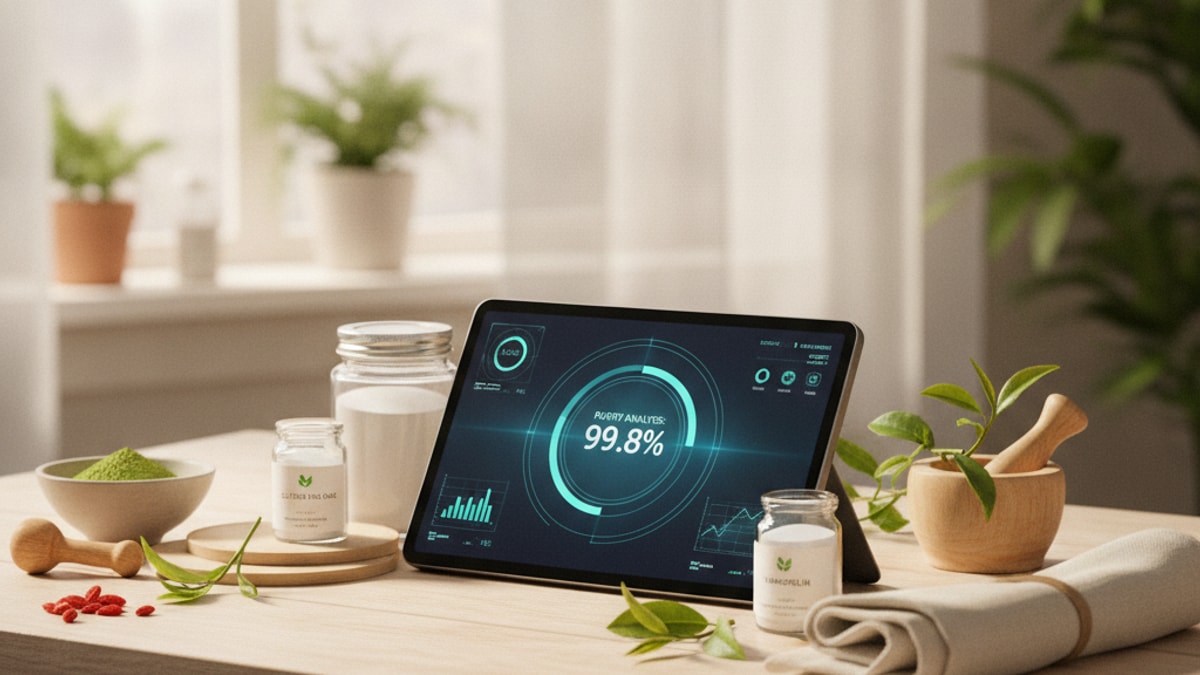
Learn how to verify CJC-1295 No DAC and ipamorelin purity

Run CJC-1295 No DAC & Ipamorelin cycles using 100-200mcg doses

CJC-1295 No DAC paired with ipamorelin creates synergistic growth hormone

CJC-1295 No DAC & Ipamorelin vial sizes range from 2mg

CJC-1295 No DAC and ipamorelin doses are typically taken once

Inject ipamorelin subq correctly: reconstitute with bacteriostatic water, inject into
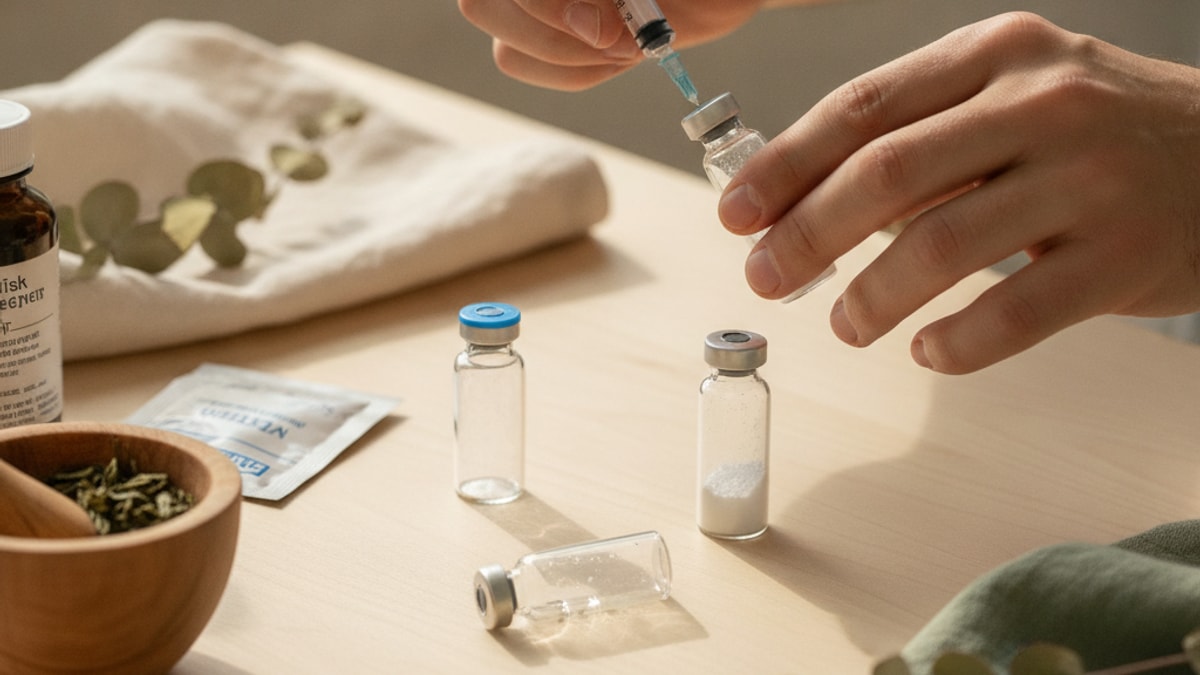
Mix ipamorelin by reconstituting lyophilised powder with bacteriostatic water using
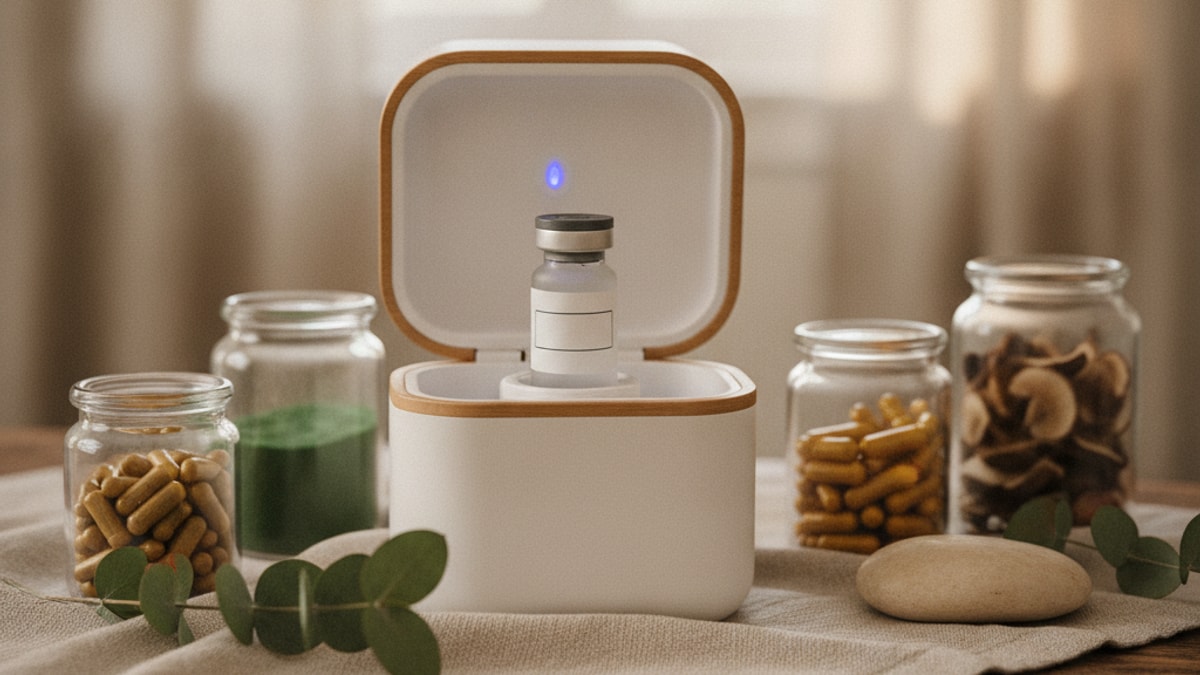
Learn how to store ipamorelin long term: freeze lyophilized powder

Calculate ipamorelin concentration using peptide mass, volume, and molecular weight.

Rotate ipamorelin injection sites to prevent tissue damage, nodules, and

Avoid ipamorelin reconstitution errors by following precise protocols: correct bacteriostatic

Learn how to read ipamorelin COA documents to verify peptide

Verify ipamorelin purity with HPLC, mass spectrometry, and third-party COAs.

Ipamorelin cycles run 8–12 weeks at 200–300mcg doses 2–3x daily.

Ipamorelin activates growth hormone release through ghrelin receptor binding without
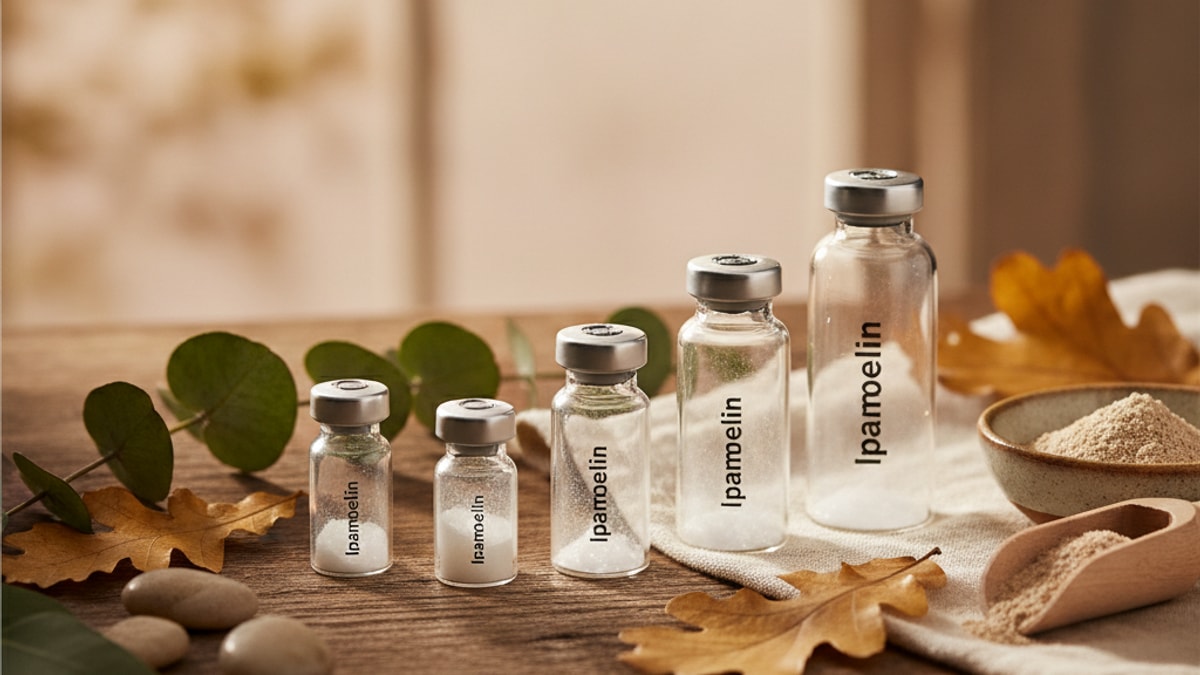
Choosing the right ipamorelin vial size depends on your protocol
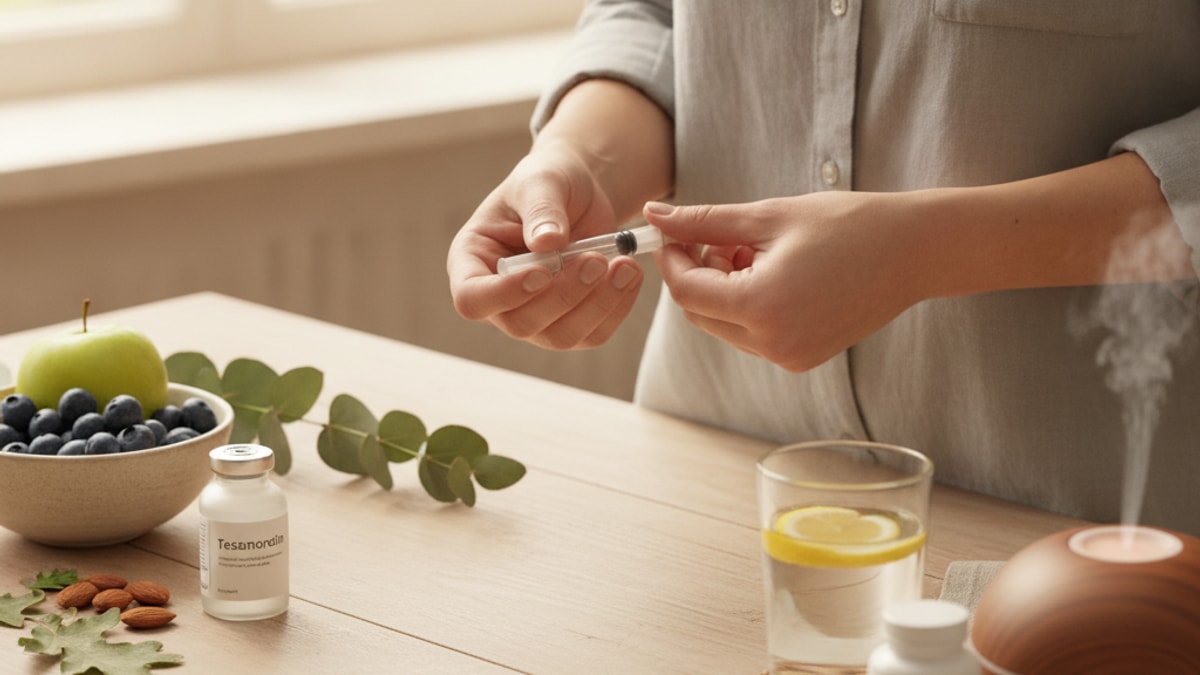
Learn how to inject tesamorelin subq with proper technique, dosing,
Tesamorelin must be stored at 2–8°C after reconstitution and used

Rotating tesamorelin injection sites prevents lipohypertrophy, maintains absorption consistency, and
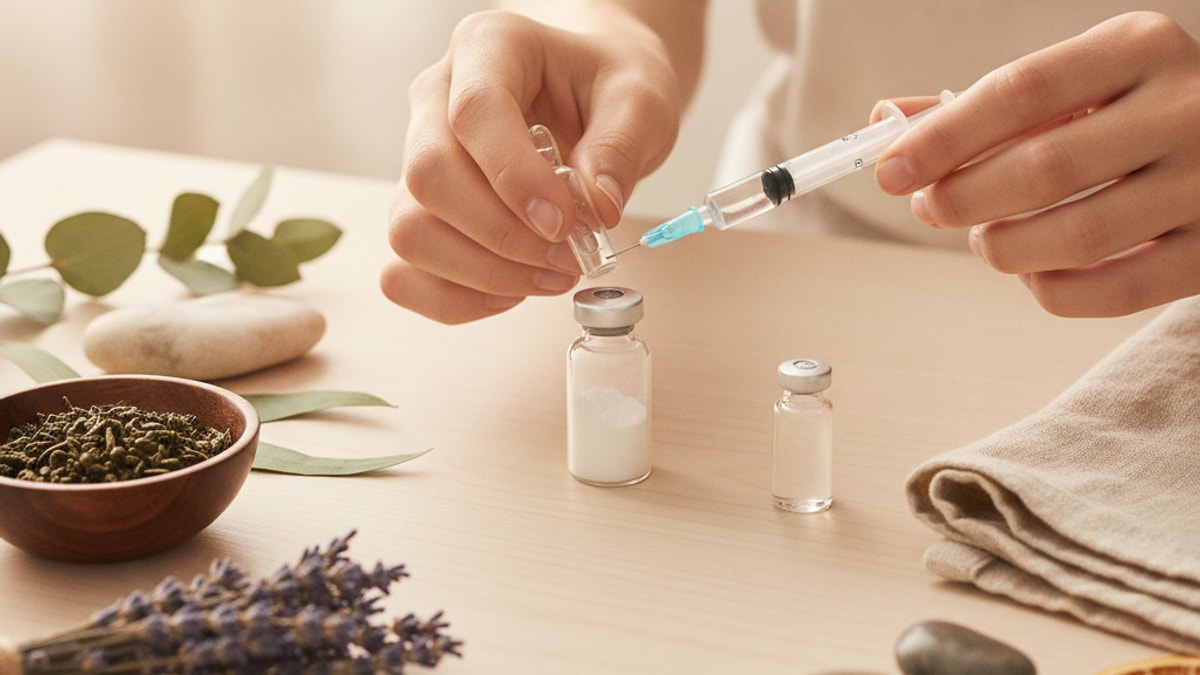
Tesamorelin reconstitution errors destroy peptide integrity before the first injection.
