

How to Read Tesamorelin COA — Lab Verification Decoded
Learn how to read tesamorelin COA documents to verify peptide



Learn how to read tesamorelin COA documents to verify peptide

Ipamorelin’s half-life is approximately two hours, requiring twice-daily dosing spaced
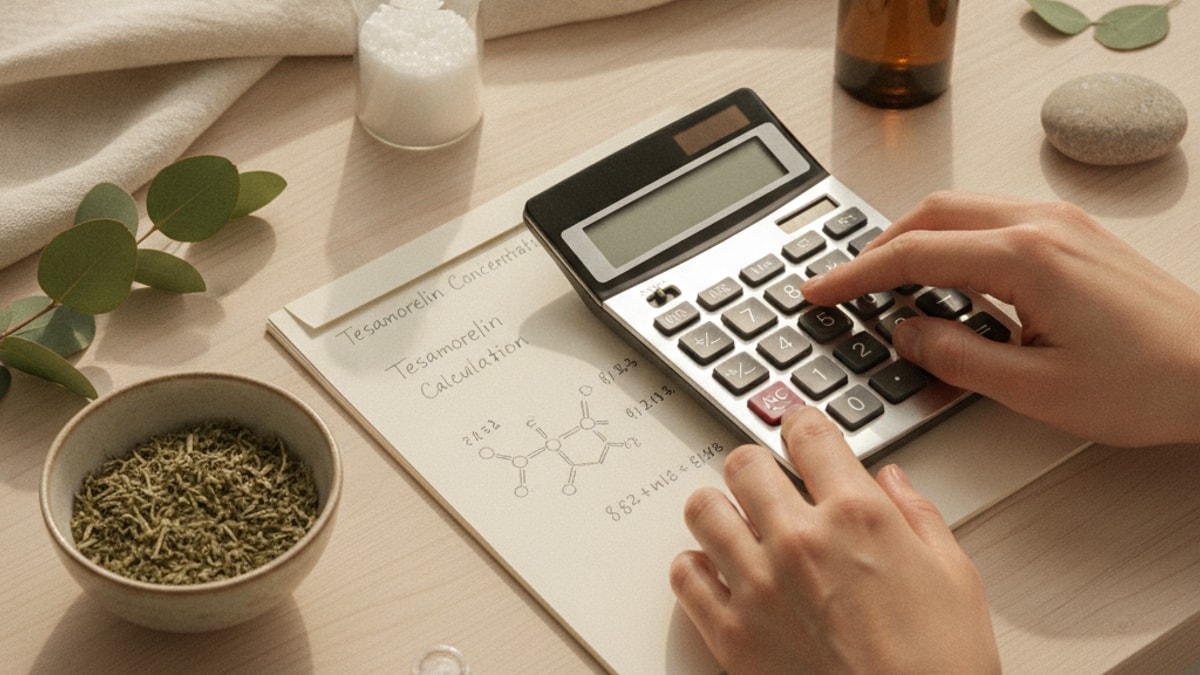
Calculate tesamorelin concentration accurately using reconstitution ratios, vial mg, and

Learn how to run tesamorelin cycle correctly with proper dosing,
Verify tesamorelin purity through third-party COA analysis, peptide content assays,
Tesamorelin requires evening subcutaneous injection daily for optimal growth hormone

Document tesamorelin research with precision: proper reconstitution, dosing protocols, and
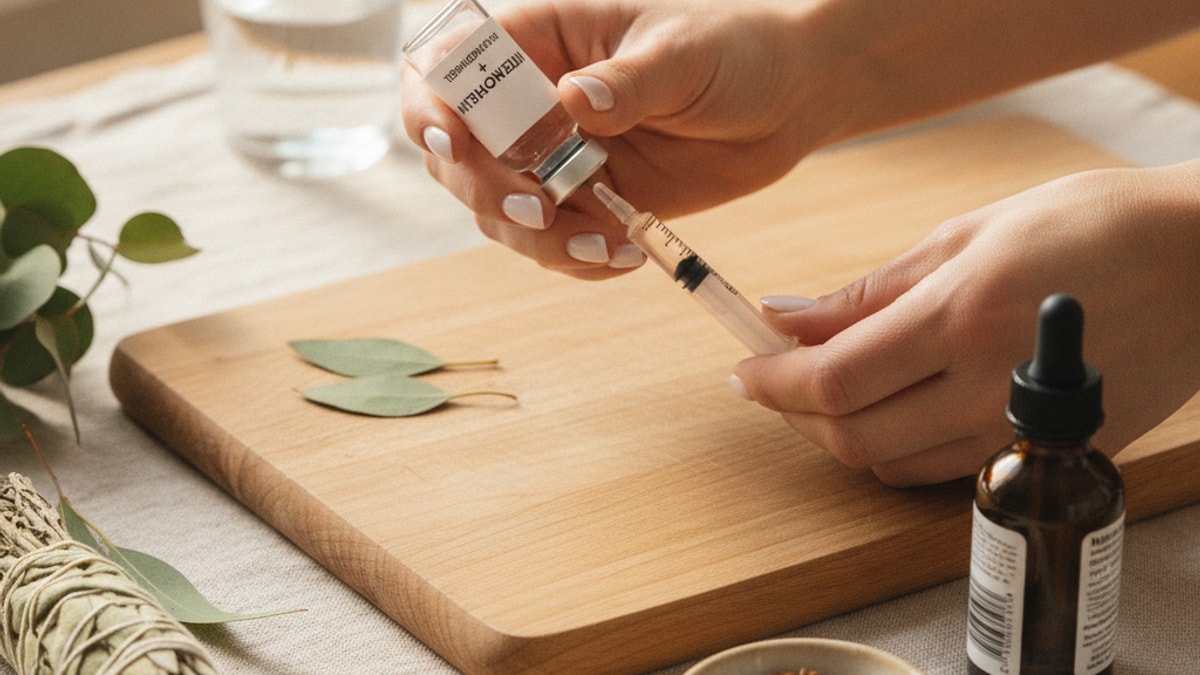
Master subcutaneous injection of tesamorelin + ipamorelin blend with proper
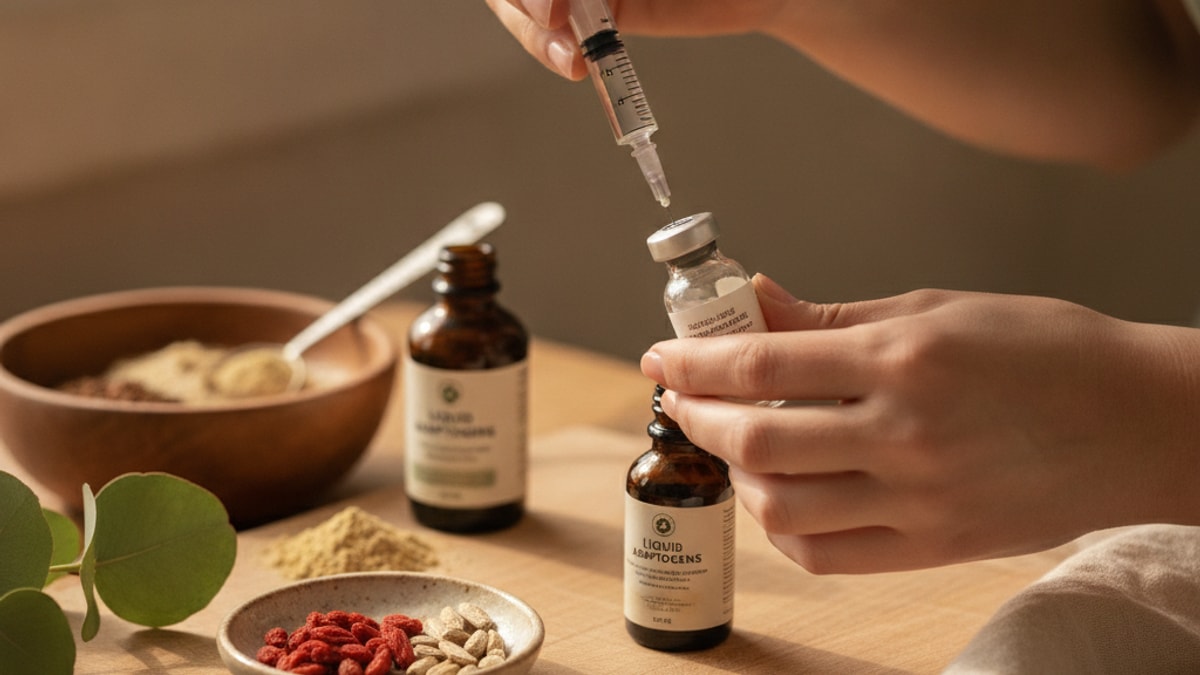
Learn how to mix tesamorelin + ipamorelin blend correctly with
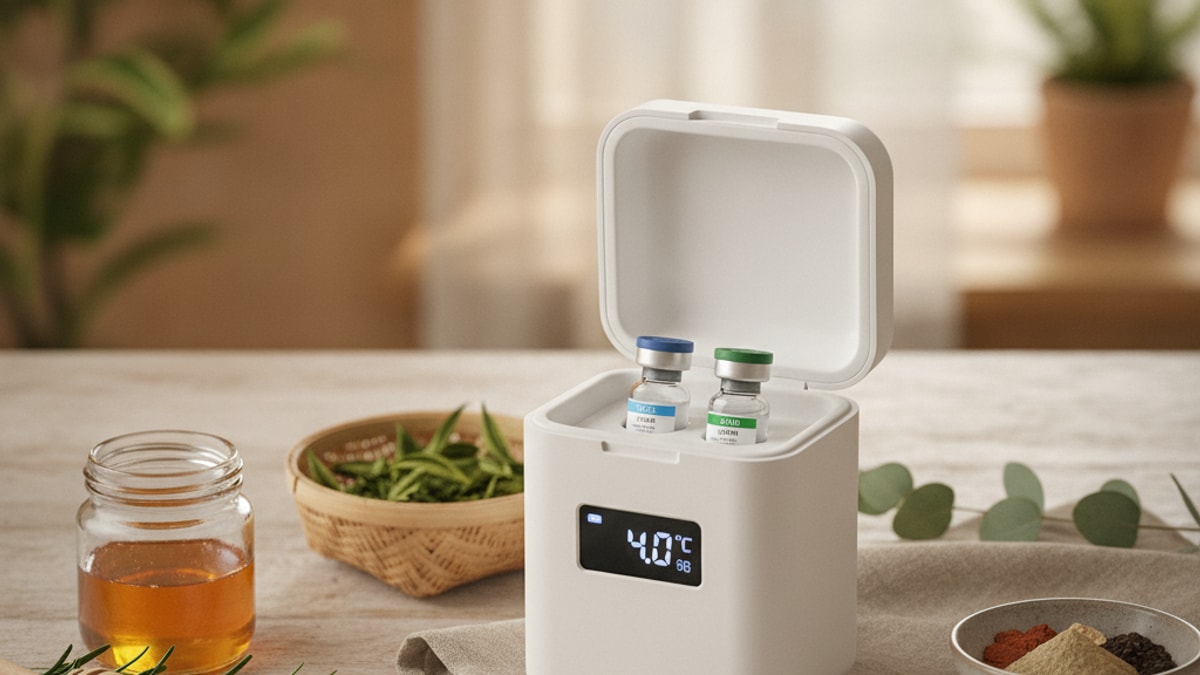
Tesamorelin + ipamorelin blend requires −20°C storage before reconstitution, 2–8°C
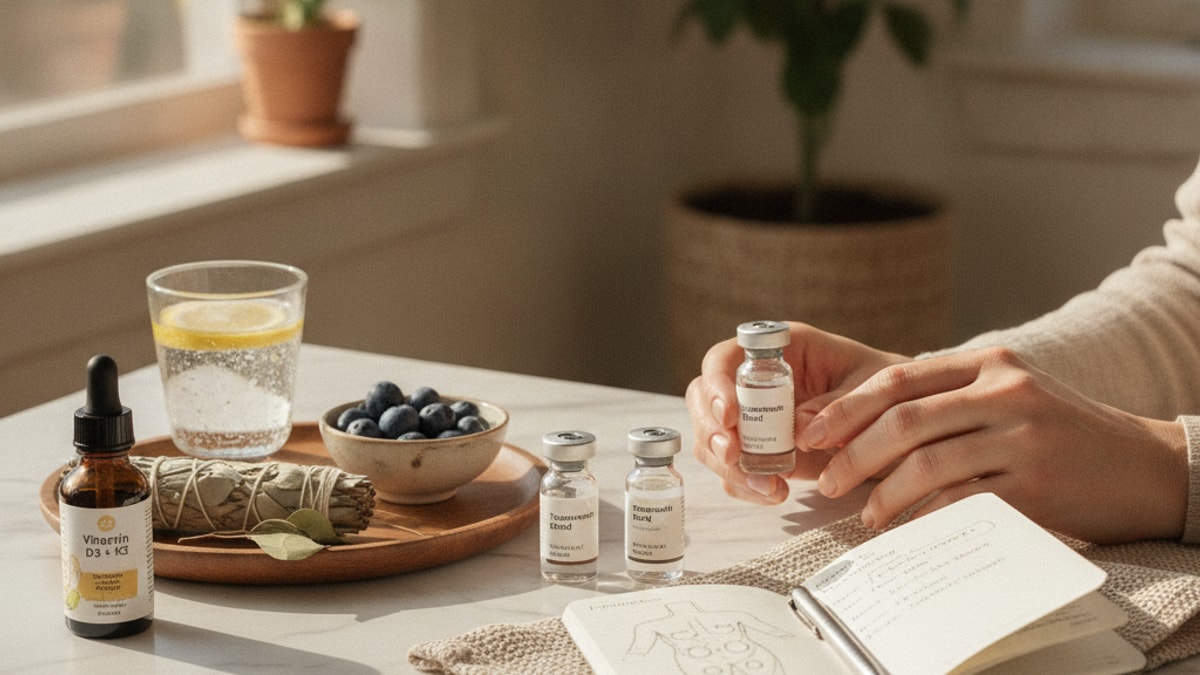
Rotating tesamorelin + ipamorelin blend injection sites prevents lipodystrophy, maintains
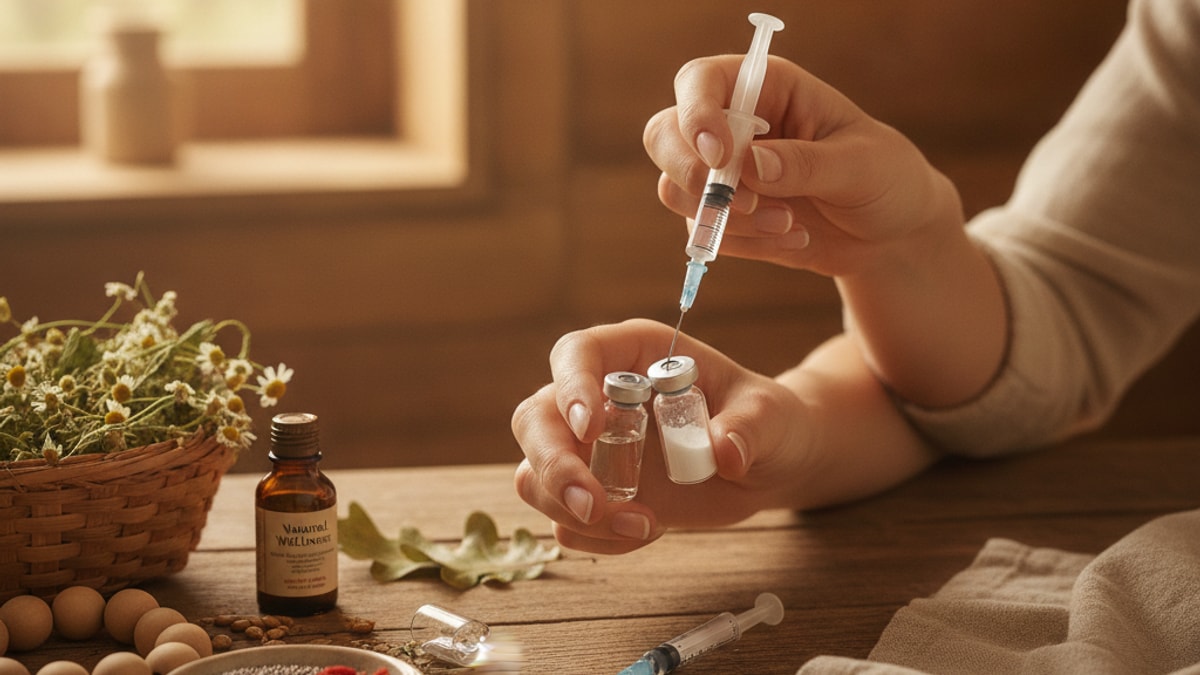
Avoid tesamorelin + ipamorelin blend reconstitution errors by mastering proper
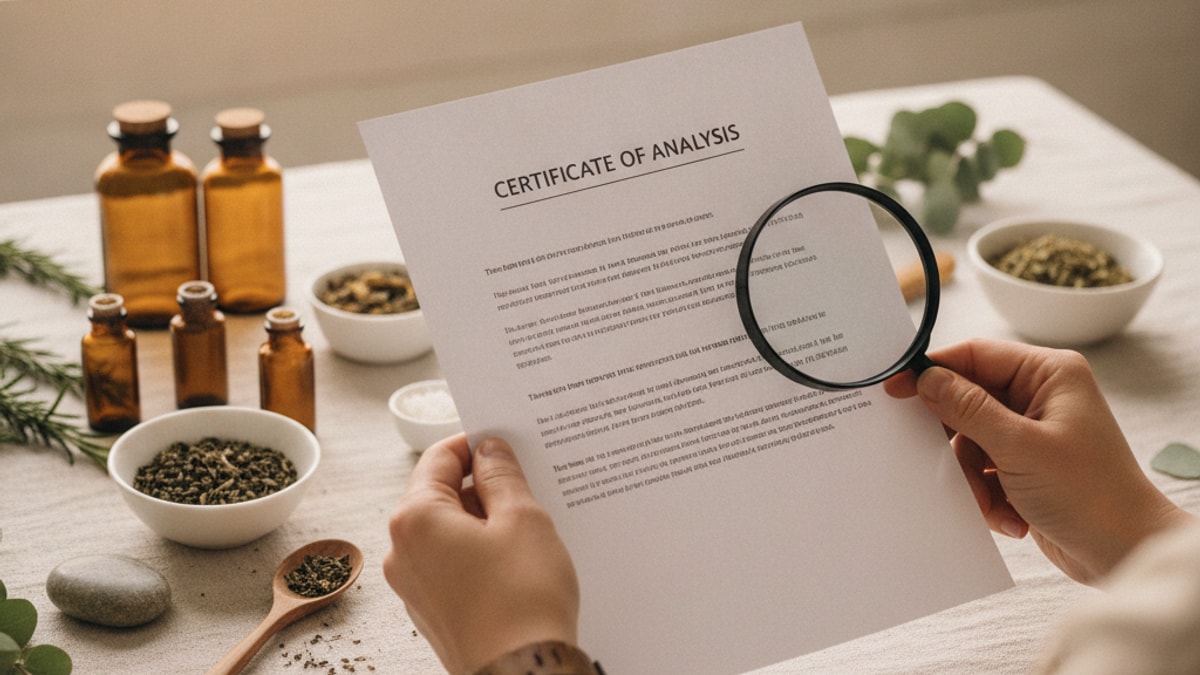
Learn how to read tesamorelin + ipamorelin blend COA —
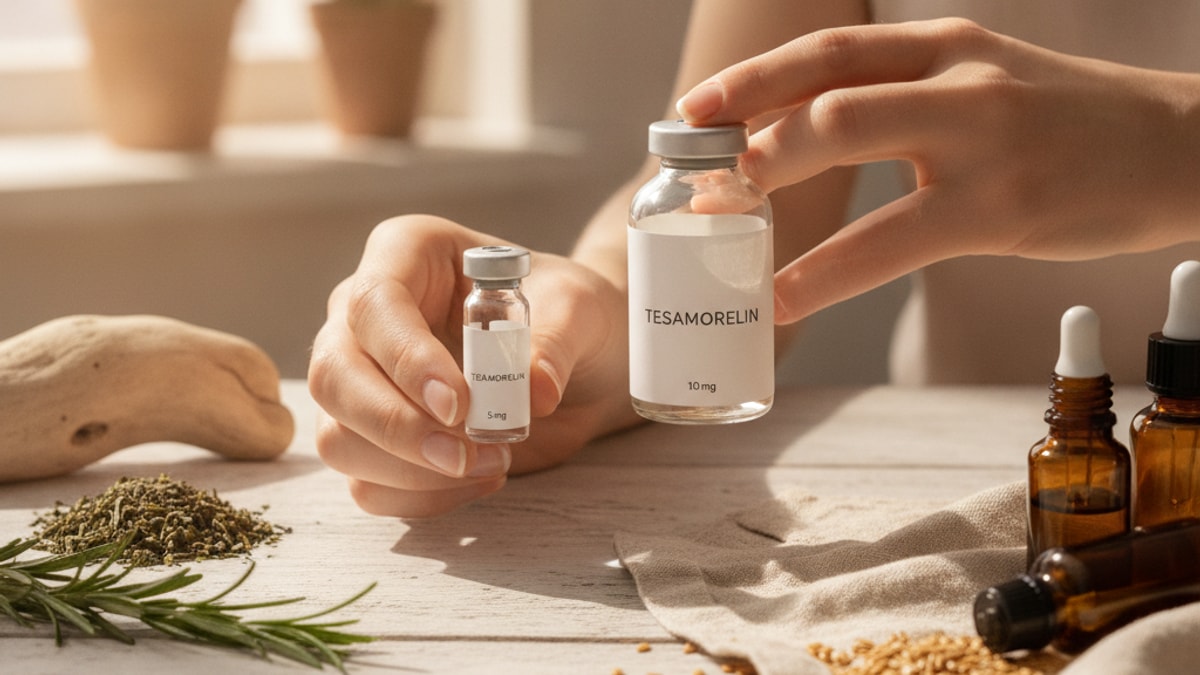
Choose tesamorelin vial size based on protocol duration and injection

Tesamorelin + ipamorelin blends target visceral fat and muscle recovery

Verify tesamorelin + ipamorelin blend purity through HPLC, mass spectrometry,

Run tesamorelin + ipamorelin blend cycle with proper reconstitution, dosing,
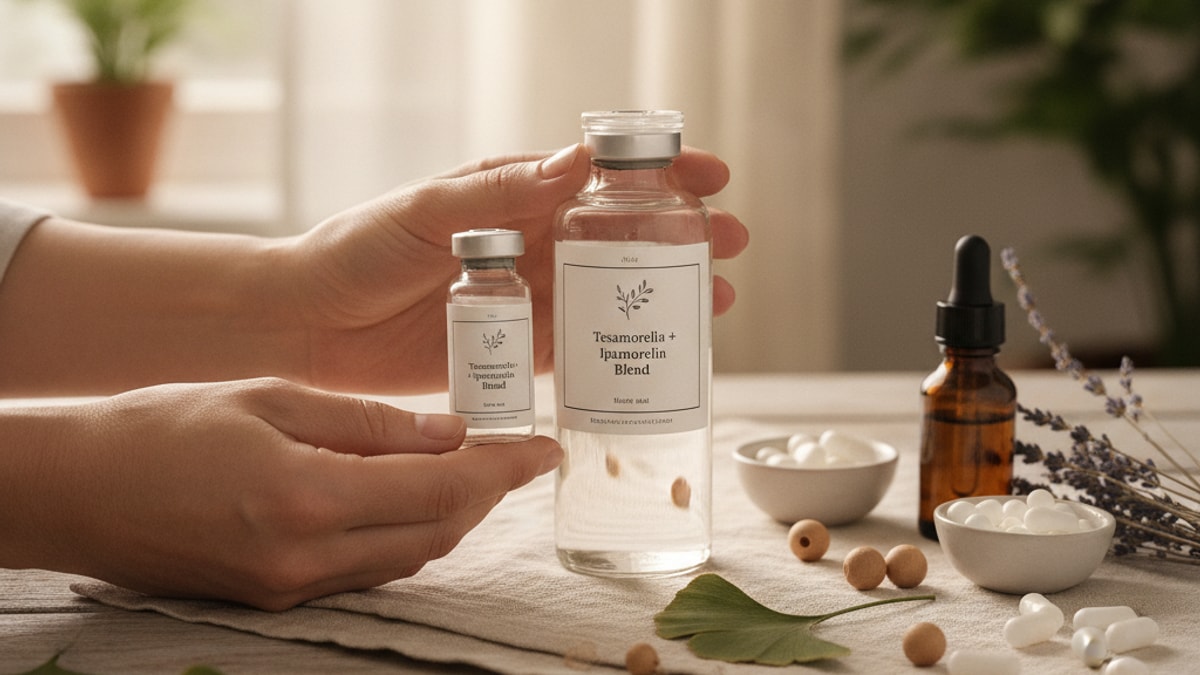
The 10mg blend vial delivers 30 doses at research-standard concentrations
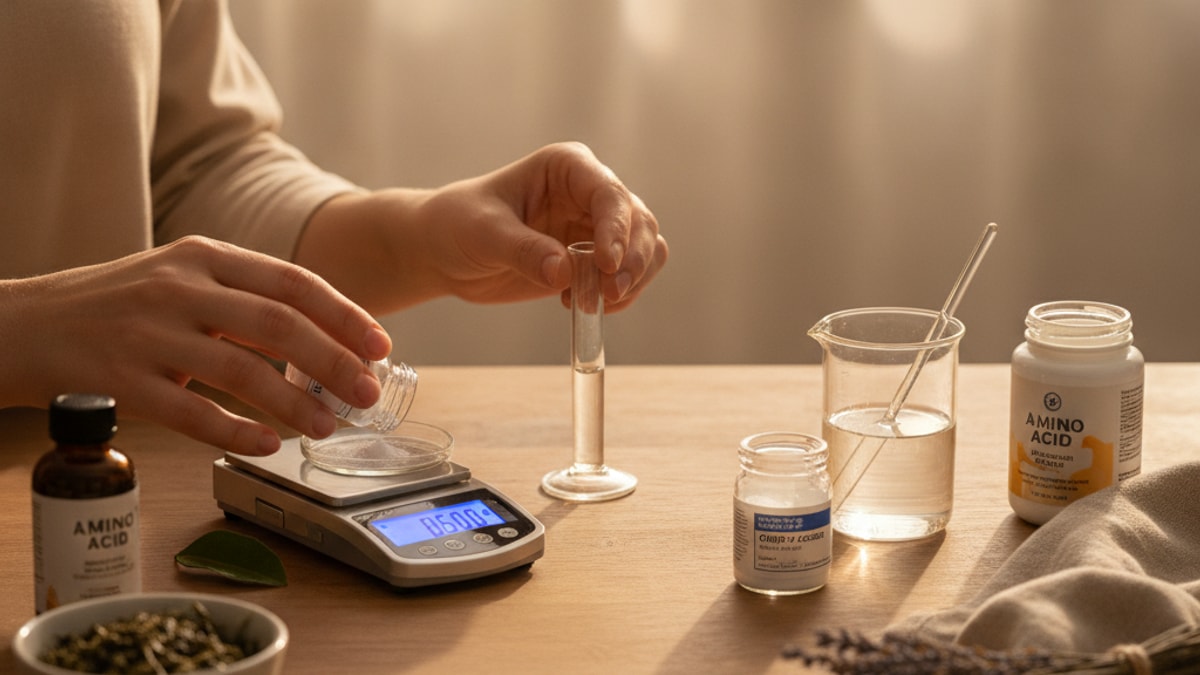
Calculate GHRP-2 acetate concentration using molecular weight (817.9 g/mol), peptide
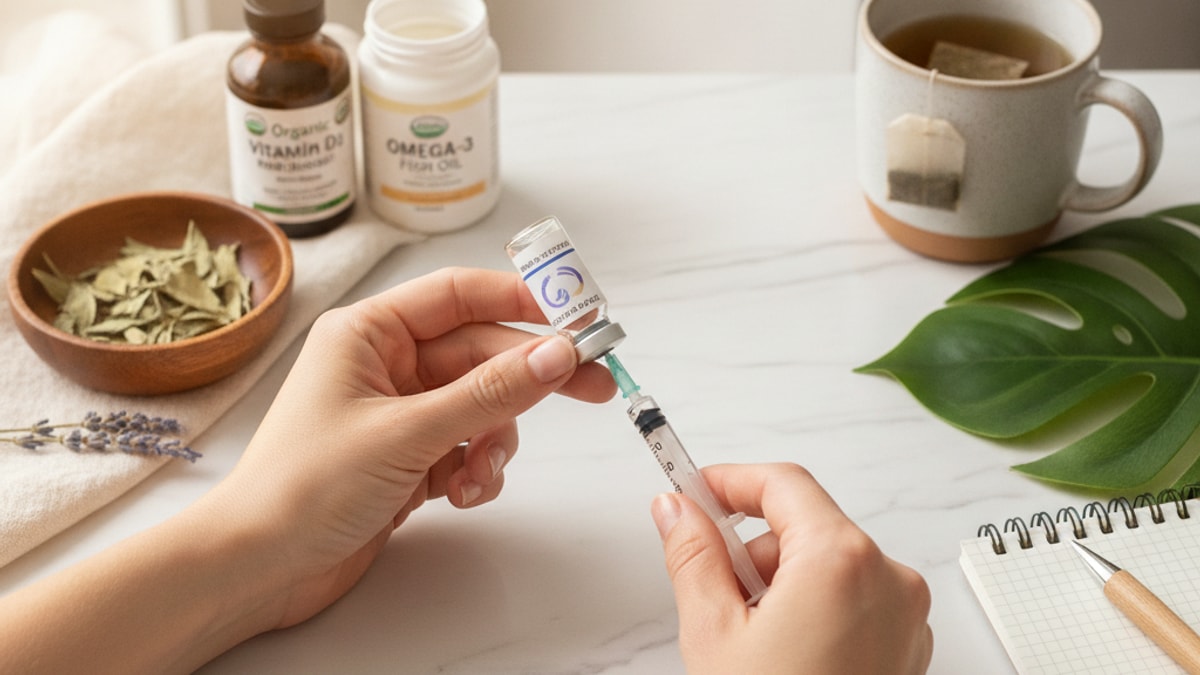
GHRP-2 acetate subQ injections require precise technique to avoid degradation
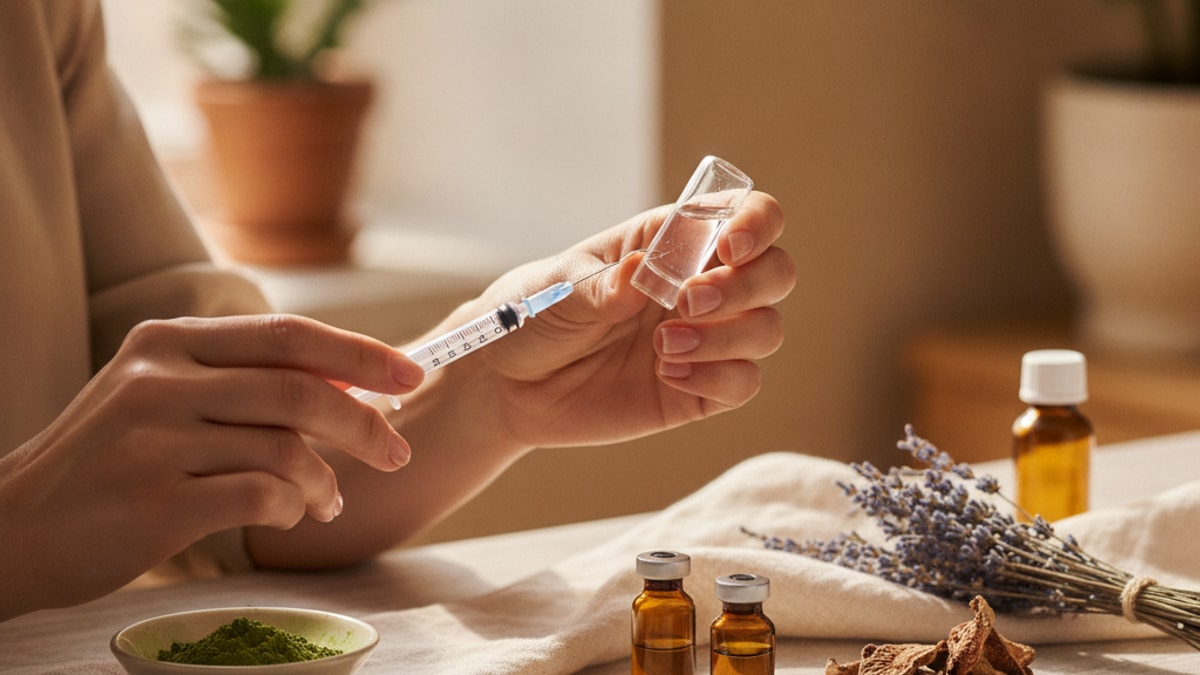
GHRP-2 acetate reconstitution requires bacteriostatic water, sterile technique, and precise
