

Kisspeptin Dose Response Research — Clinical Findings
Kisspeptin dose response research reveals nonlinear activation of the hypothalamic-pituitary-gonadal



Kisspeptin dose response research reveals nonlinear activation of the hypothalamic-pituitary-gonadal

Kisspeptin safety studies show the peptide is well-tolerated across controlled

Kisspeptin mechanism studies reveal how KISS1 neurons trigger GnRH pulsatility,

Kisspeptin comparative studies reveal dose-dependent effects on reproductive hormones, with

Tirzepatide study data reveals 20.9% mean weight reduction at 72
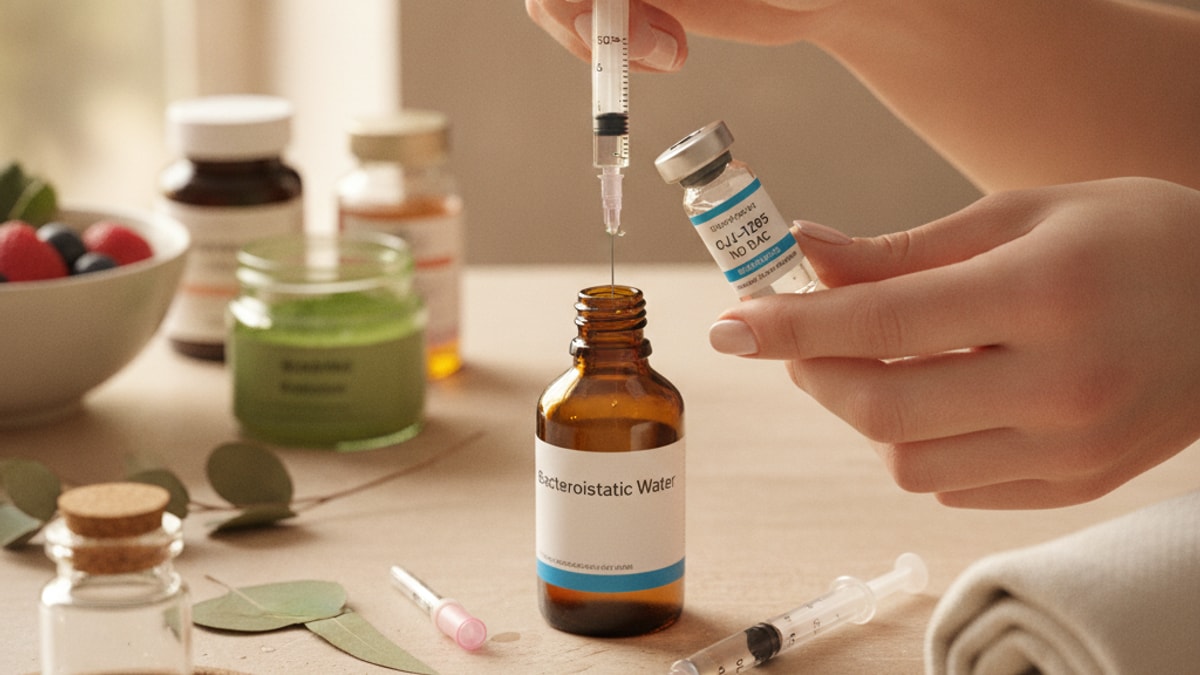
Learn the exact protocol to mix CJC-1295 No DAC safely.

Rotating CJC-1295 no DAC injection sites prevents lipohypertrophy and tissue

CJC-1295 cycles typically run 8–12 weeks at 100–200mcg per dose,

Reading a CJC-1295 no DAC certificate of analysis reveals purity,

CJC-1295 No DAC reconstitution errors destroy peptide stability before injection.

CJC-1295 No DAC requires dosing every 3–5 days at 100–200mcg

CJC-1295 without DAC pulses growth hormone for 2–3 hours, mimicking
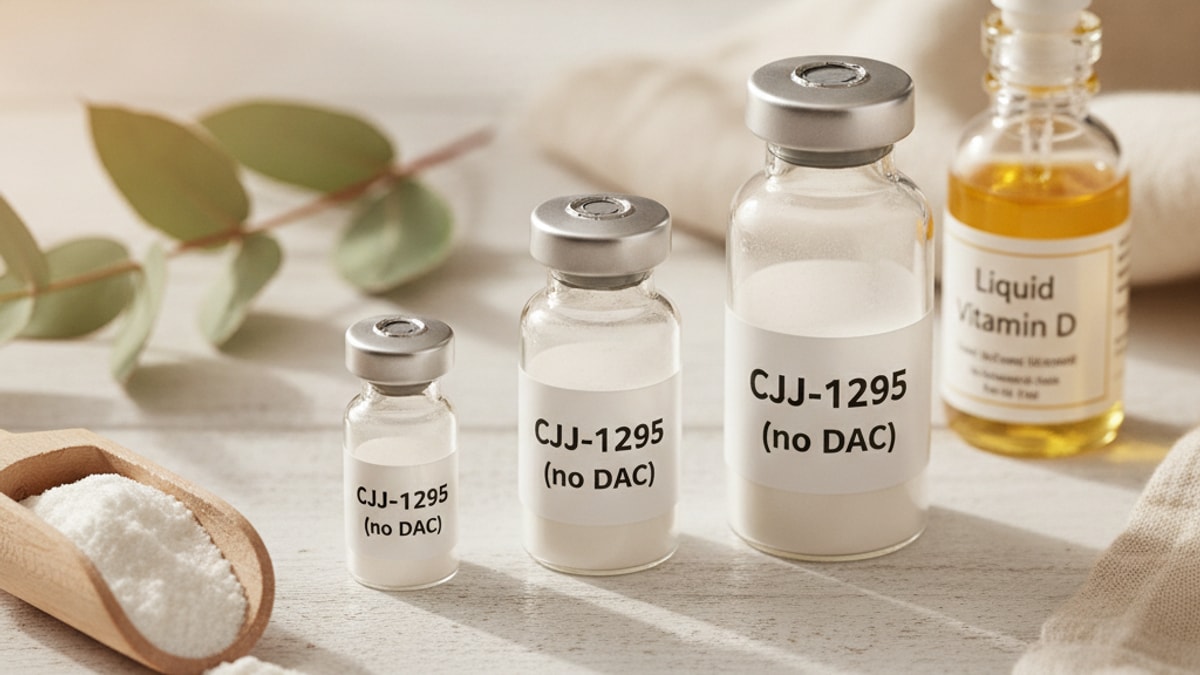
Choosing CJC-1295 no DAC vial size depends on dosing frequency

CJC-1295 No DAC requires precise timing—doses should align with natural

Calculate CJC-1295 No DAC & Ipamorelin concentration using precise peptide

Subcutaneous injection of CJC-1295 No DAC and Ipamorelin requires proper
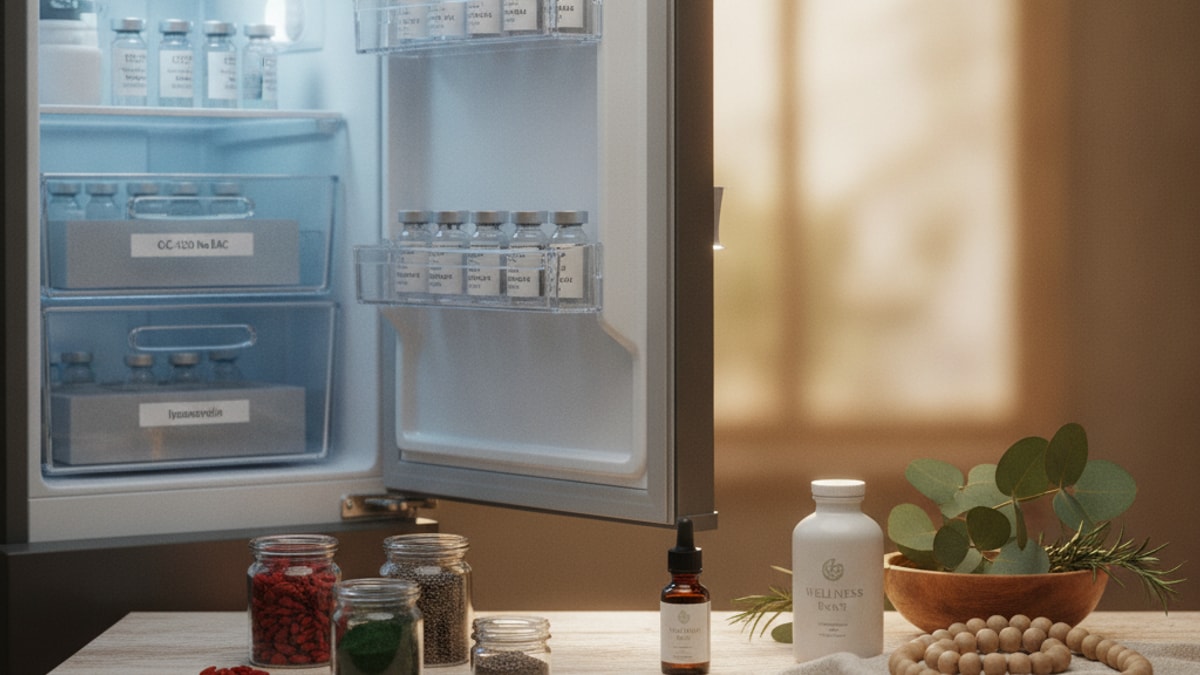
Store CJC-1295 no DAC & ipamorelin long term at −20°C

CJC-1295 No DAC purity verification requires HPLC analysis with UV
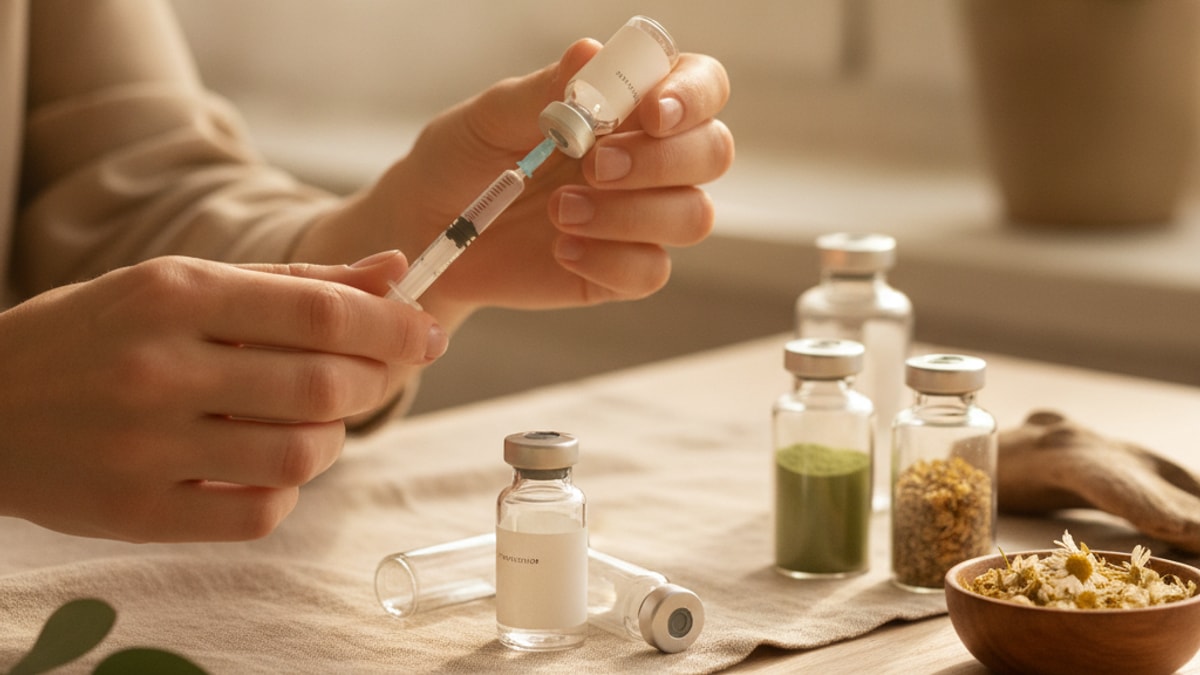
Mix CJC-1295 no DAC & ipamorelin by reconstituting each peptide

Peptide reconstitution errors destroy potency before the first injection. Learn

Rotating injection sites for CJC-1295 no DAC and ipamorelin prevents
