
BAC Water vs Bacteriostatic Water — What’s the Difference?
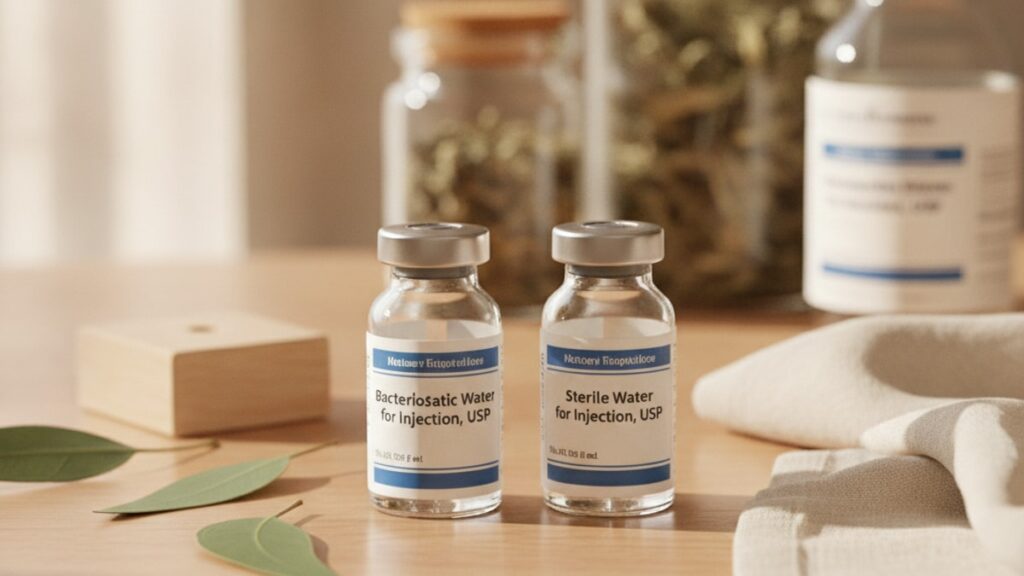
BAC water and bacteriostatic water are the same compound — both contain 0.9% benzyl alcohol as a preservative. Here’s what the naming confusion obscures.



Your blog category
BAC water and bacteriostatic water are the same compound — both contain 0.9% benzyl alcohol as a preservative. Here’s what the naming confusion obscures.
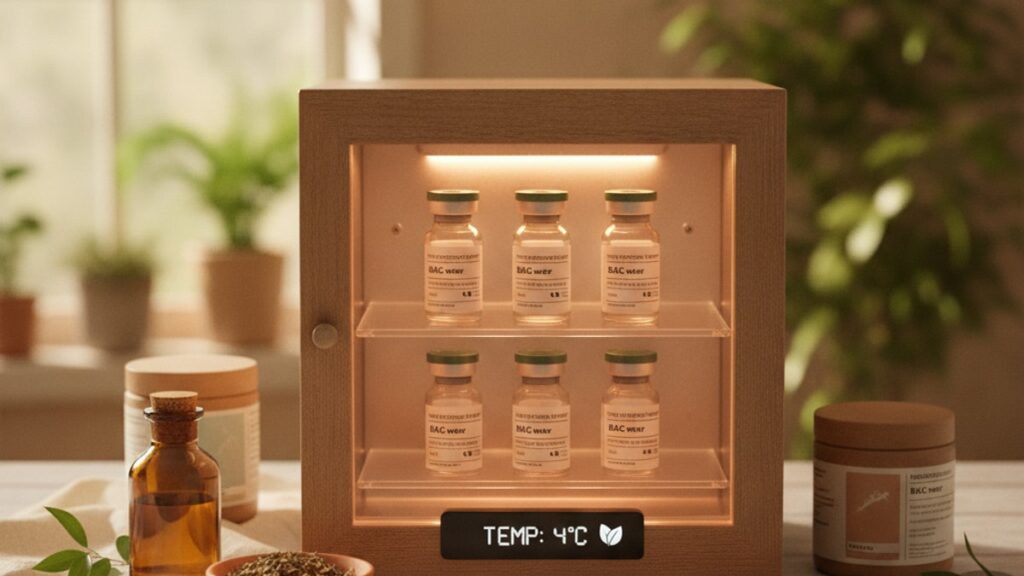
Bacteriostatic water must stay refrigerated at 2–8°C after reconstitution to prevent bacterial growth and maintain peptide stability for 28 days.
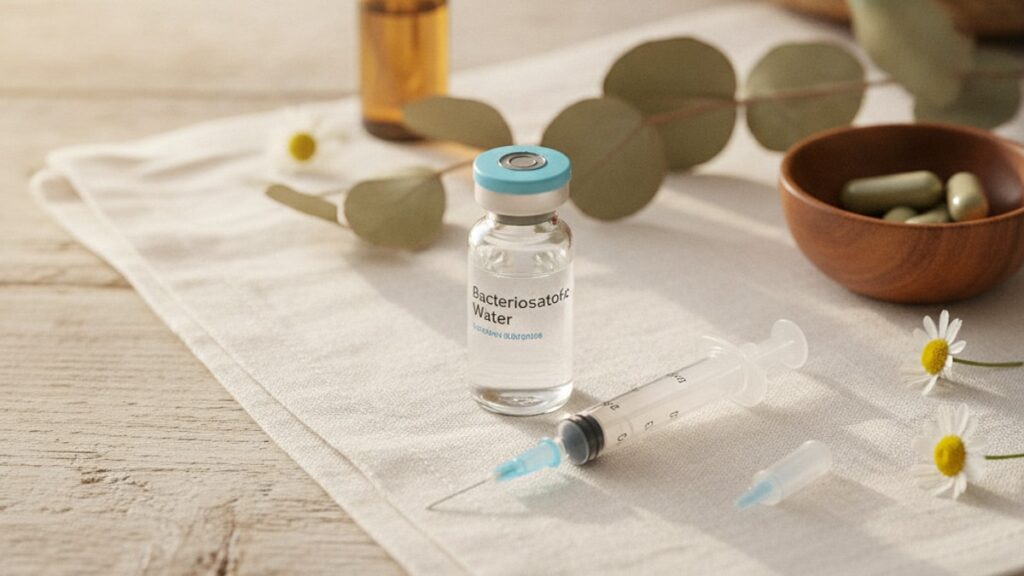
Reconstituted bacteriostatic water remains stable for 28 days at 2–8°C. Storage temperature, vial integrity, and sterile technique determine actual shelf

Bacteriostatic water (BAC water) has demonstrated a strong safety profile in clinical studies, with adverse events occurring in fewer than 0.5% of
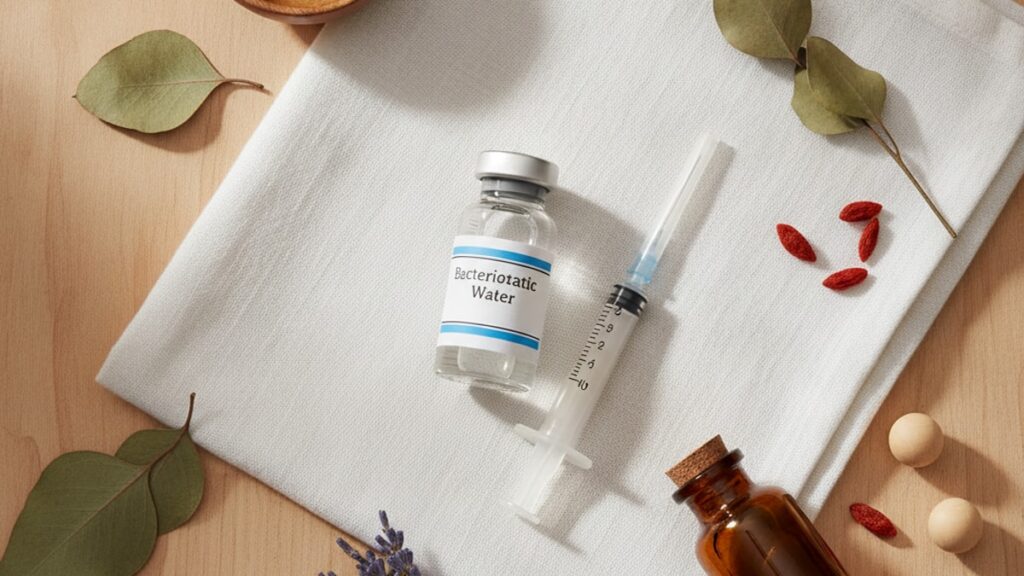
Bacteriostatic water retains antimicrobial efficacy for 28 days after opening when refrigerated at 2–8°C — beyond that, benzyl alcohol degrades and

Yes, bacteriostatic water is legal to purchase for research when sourced from licensed 503B facilities or state-licensed compounding pharmacies under FDA
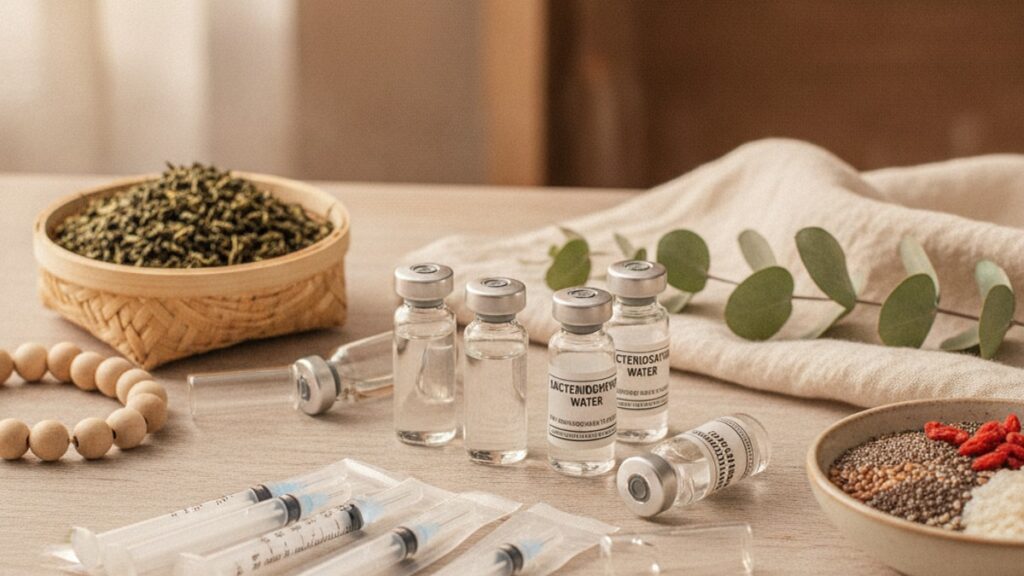
BAC water isn’t a peptide — it’s the sterile diluent that makes reconstituted peptides injectable. Learn storage rules, contamination risks, and
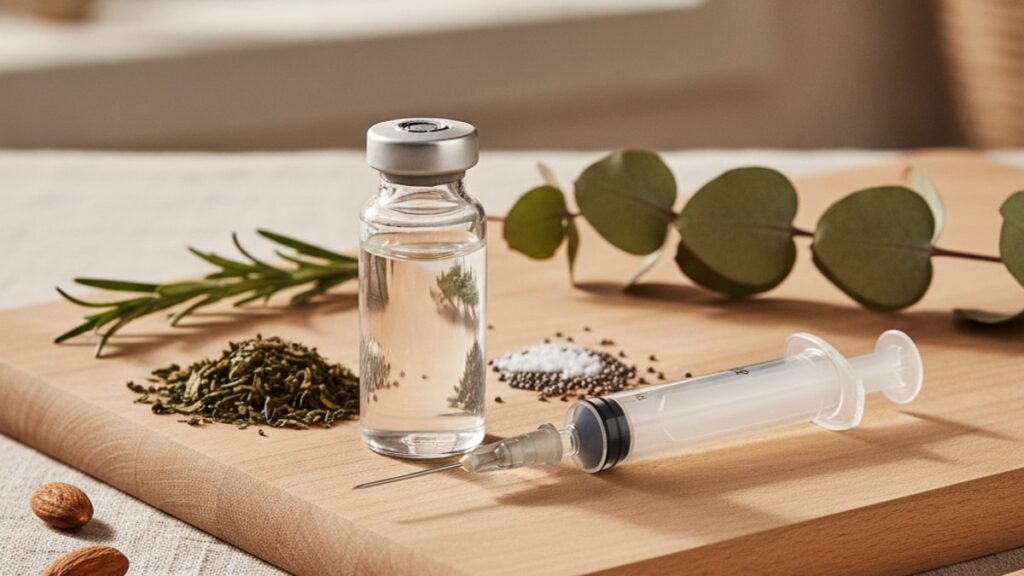
BAC water looks completely clear and colorless in solution — any cloudiness, particles, or discoloration means contamination. Here’s how to verify
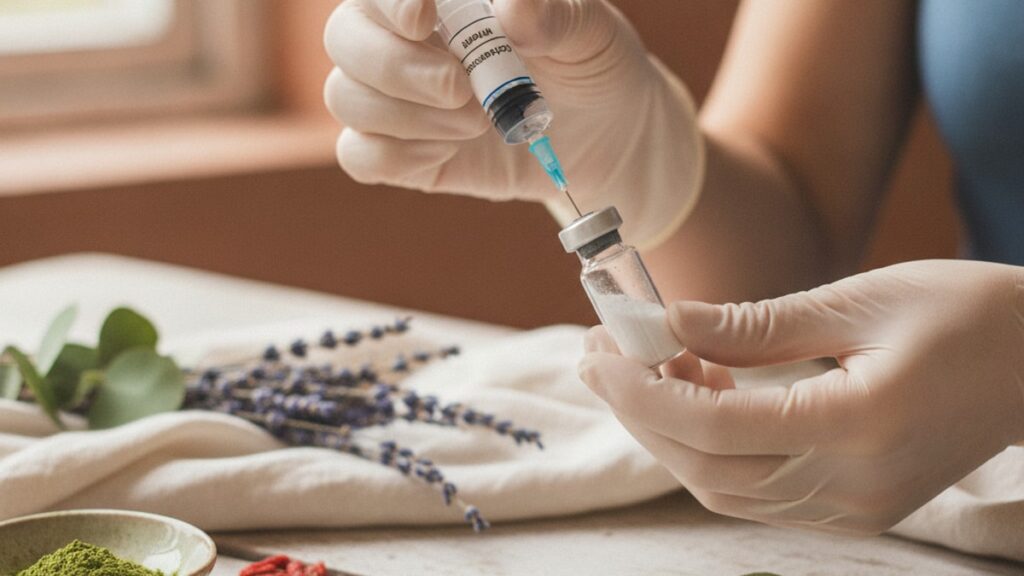
BAC water’s antimicrobial preservative extends peptide viability up to 28 days post-reconstitution — standard sterile water offers none of this protection.

BAC water storage, sterile technique, and reconstitution protocols directly affect peptide stability — improper handling degrades research compounds
