
Avoid BPC-157 Reconstitution Errors — Lab-Grade Protocol
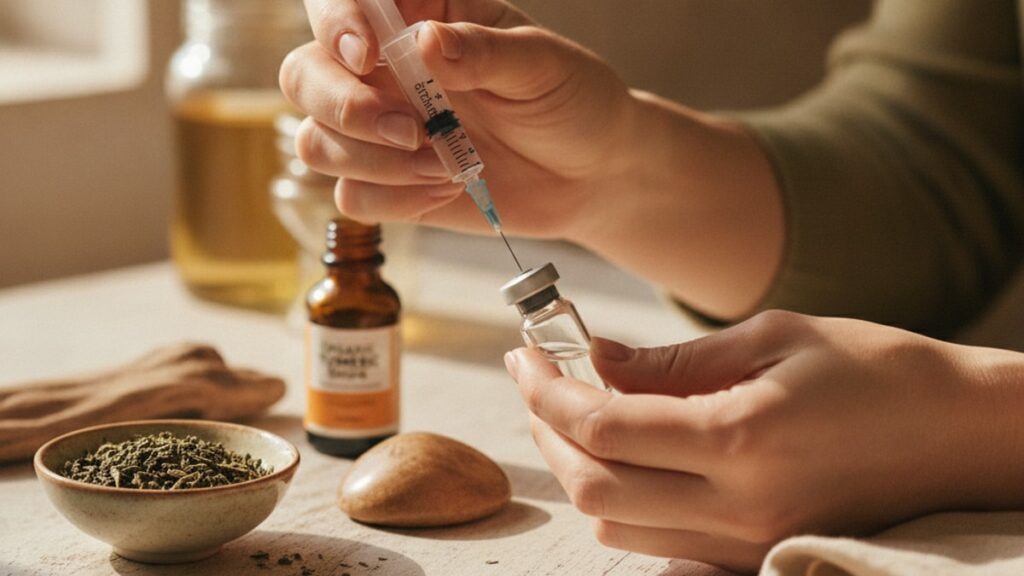
BPC-157 reconstitution errors destroy peptide integrity before injection. Learn the exact protocol for sterile mixing, accurate dosing, and contamination





Your blog category
BPC-157 reconstitution errors destroy peptide integrity before injection. Learn the exact protocol for sterile mixing, accurate dosing, and contamination

Reading a BPC-157 COA correctly means verifying purity percentage, peptide content, and third-party testing credentials — not just scanning for a passing

Research-grade BPC-157 cycles typically run 4–8 weeks with subcutaneous injections of 250–500 mcg daily. Learn proper dosing protocols, injection timing,

Third-party COA testing is the only reliable method to verify BPC-157 purity — HPLC analysis quantifies peptide content while mass spectrometry confirms

Document BPC-157 research with proper lab protocols, storage validation, and citation standards. Stability data, contamination controls, and

Choose BPC-157 vial size based on protocol length, injection frequency, and storage capacity — 5mg covers 25–50 days; 10mg runs 50–100 days at standard

TB-500 subcutaneous injection requires proper reconstitution, precise dosing, and sterile technique. Learn the exact protocol researchers use for peptide
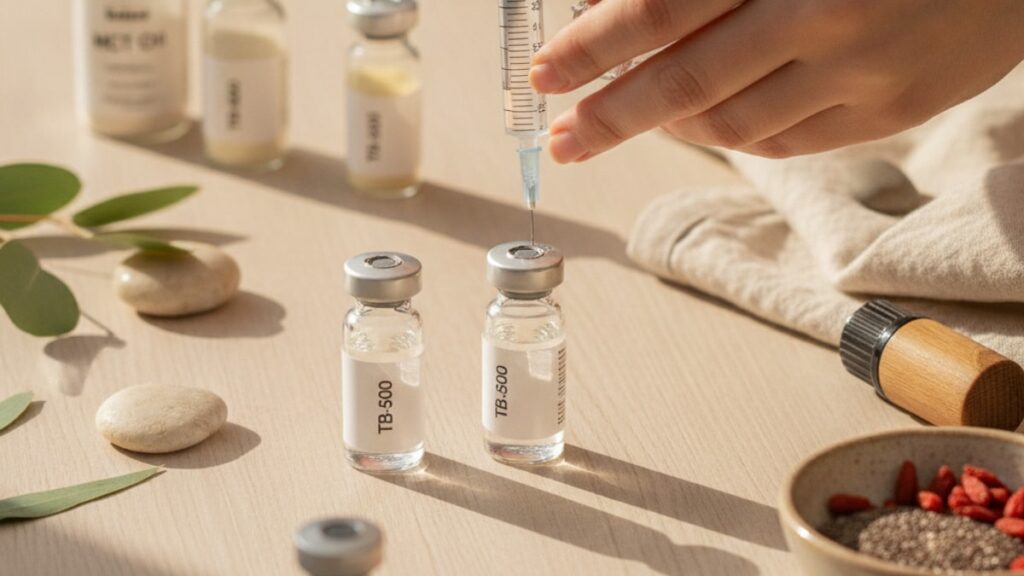
TB-500 reconstitution requires bacteriostatic water, sterile technique, and slow injection to preserve peptide structure. Here’s the step-by-step protocol
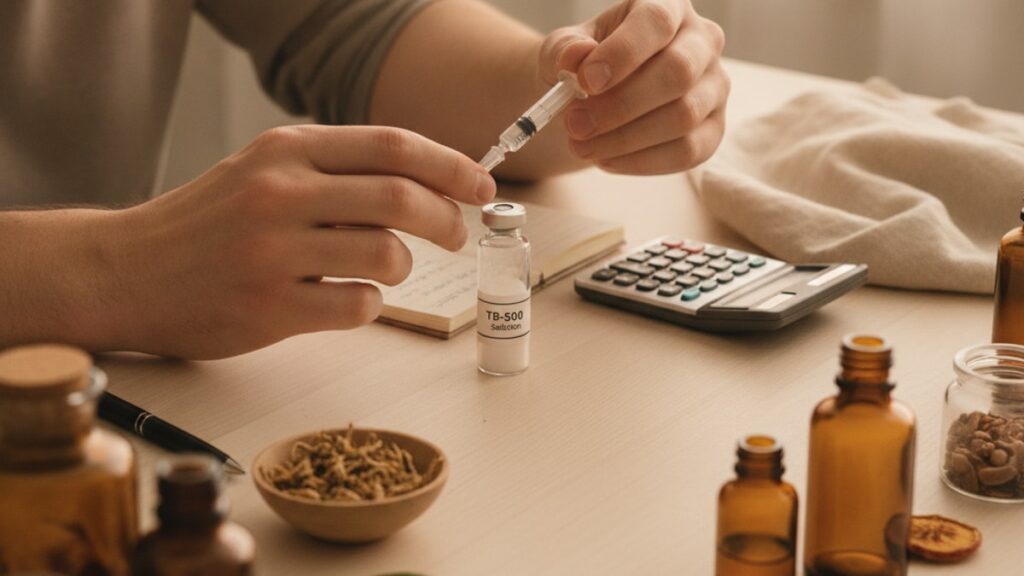
Calculate TB-500 concentration accurately using vial volume, bacteriostatic water, and target dosing. Learn the formula that ensures precise peptide

TB-500 site rotation prevents scar tissue, maintains absorption, and avoids localized inflammation. Skip this step and you risk compromised peptide
