1 / 3Gastrointestinal & Epithelial Research · Popular Peptides
$259.20$129.60Save 50%
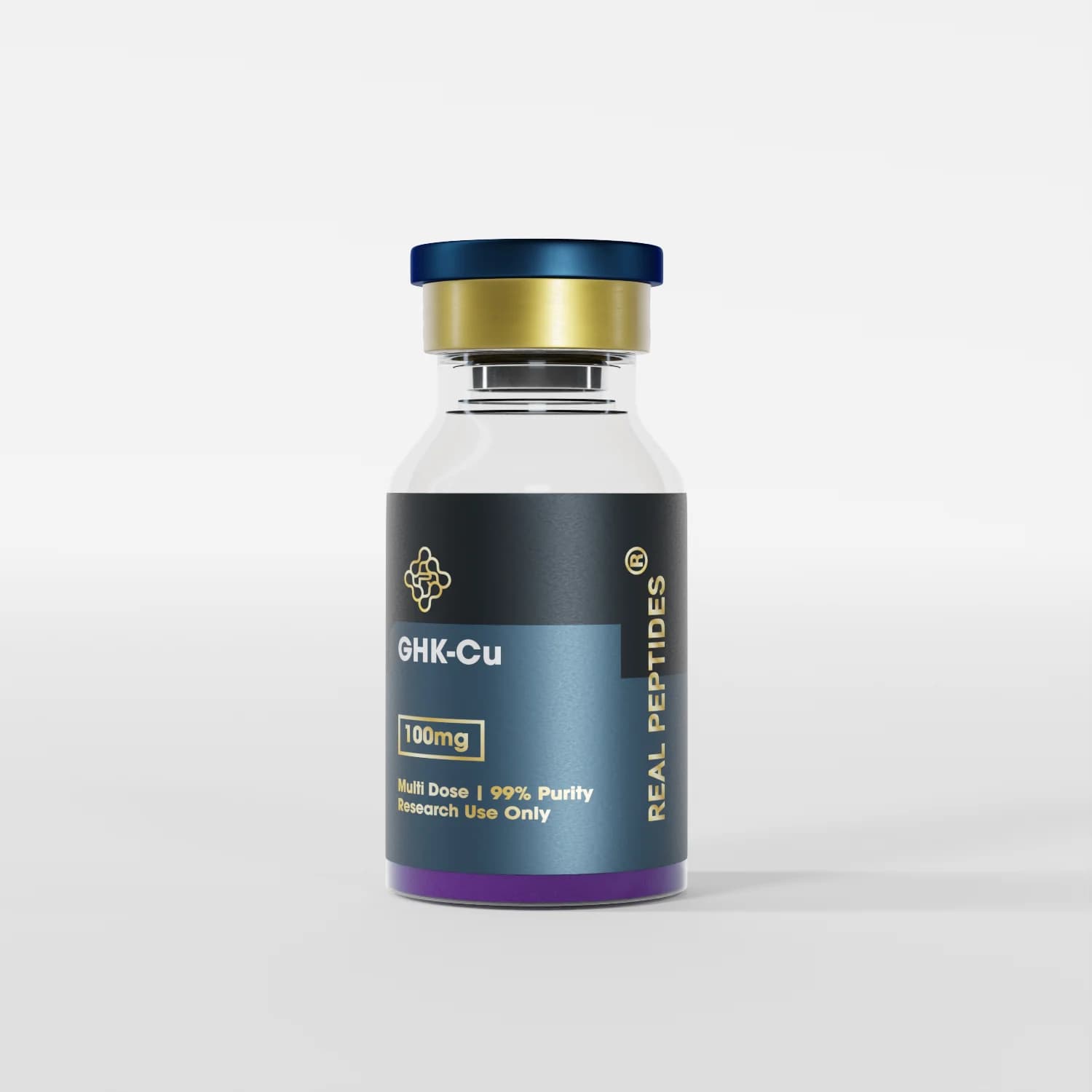
GHK-Cu is a naturally occurring copper-binding tripeptide — glycyl-L-histidyl-L-lysine complexed with copper(II) — originally isolated from human plasma and one of the most frequently cited compounds in dermal and extracellular matrix research literature.
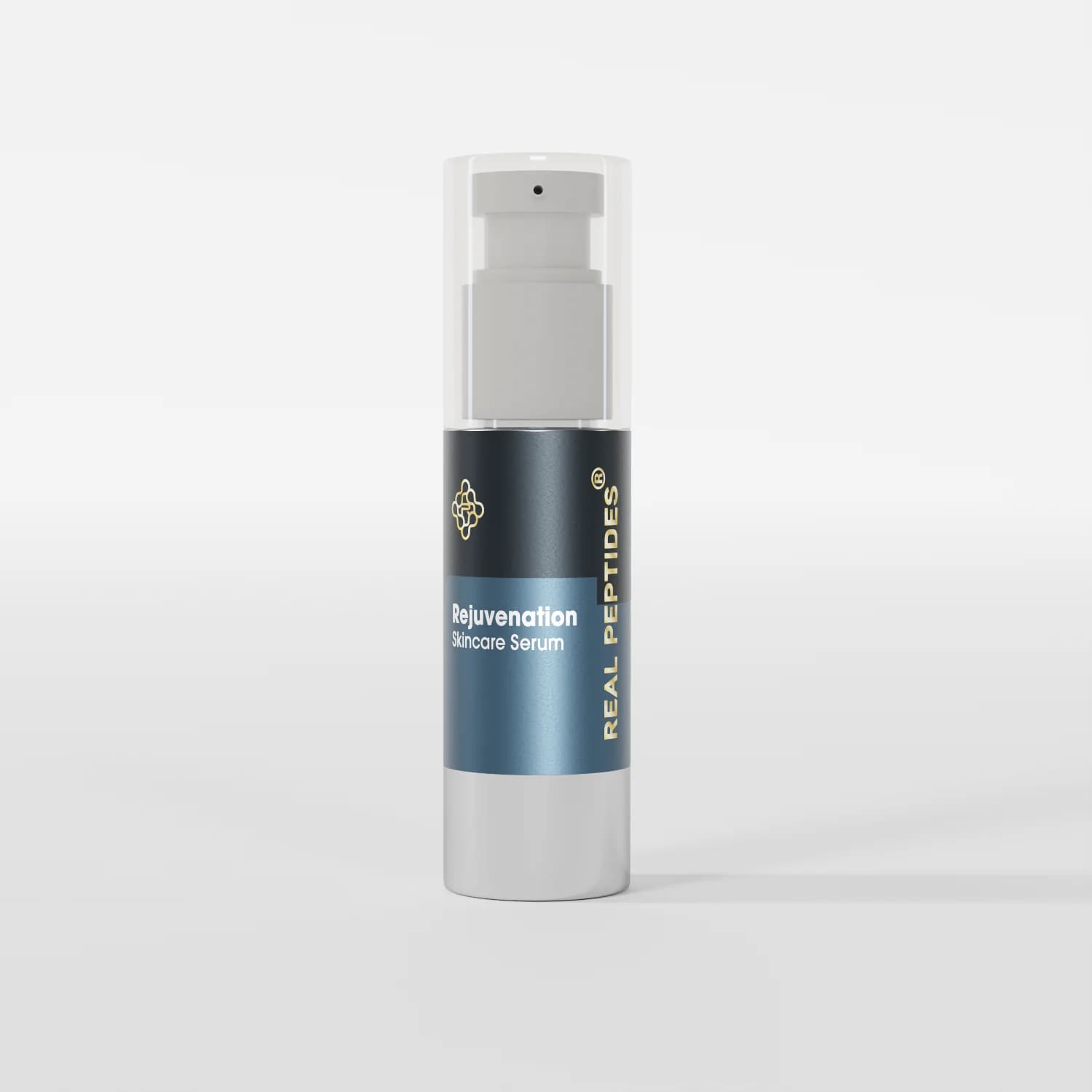
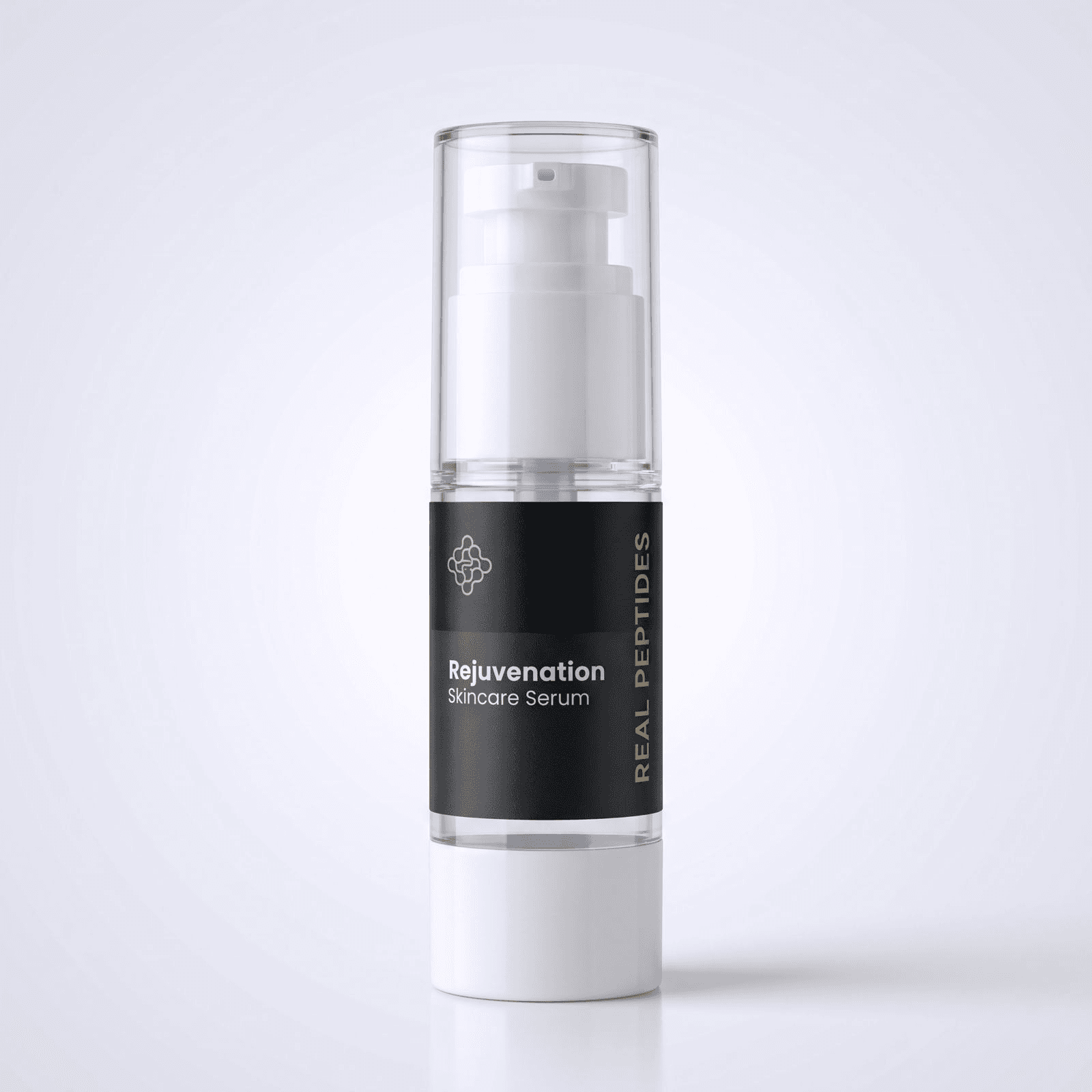
Real Peptides supplies GHK-Cu in the topical serum format listed on this page, a multi-active cosmetic-format research blend that also includes BPC-157, TB-500, niacinamide, sodium hyaluronate and panthenol in a botanical base. Every batch is tested by an independent laboratory, and the certificate of analysis for the current lot is published in the Lab Results section so it can be reviewed before purchase. Orders ship from facilities in Florida and California within 24 hours. Sold strictly for laboratory research use.
Quantity
$129.60
Copper Peptide Rejuvenation Serum · Default
$129.60$259.20
For Research Use Only. Not for human consumption or therapeutic treatment.
Cosmetic-Format Research Blend | Fragrance-Free | Finished in the USA
This is a multi-active topical research formulation combining GHK-Cu (one of the most-researched peptides in dermal literature), BPC-157, TB-500, niacinamide, sodium hyaluronate, and panthenol in a botanical base of aloe, rose water, cucumber, and chamomile.
Each active is included for its own studied research profile: GHK-Cu and TB-500 are examined in dermal-fibroblast and wound-model literature for collagen/elastin synthesis and tissue-repair signaling; BPC-157 is studied in similar tissue-repair research contexts; niacinamide and panthenol are established research compounds for epidermal-barrier studies; the botanical base provides a low-irritant carrier for in vitro and ex vivo formulation research.
For Research Use Only. Not for human consumption or therapeutic treatment. This formulation is not evaluated or intended for personal topical application.

A peptide rejuvenation serum is a leave-on skincare product that combines skin-signaling peptides with hydrators and barrier-supporting actives to improve the look and feel of skin. This one is built around GHK-Cu — a copper tripeptide (glycyl-L-histidyl-L-lysine) that occurs naturally in human skin and declines with age — and pairs it with niacinamide, sodium hyaluronate, panthenol, and a calming botanical base.
The point of the combination is that no single ingredient does everything. Sodium hyaluronate and the botanical waters deliver the immediate feel — refreshed, hydrated, plumper-looking — the moment it goes on. Niacinamide and panthenol support the barrier and the look of tone and texture. GHK-Cu is the longer game, working on the appearance of firmness over weeks. Together they give you something you feel on day one and see over time.
It's a cosmetic product. It works on the appearance and feel of your skin. It is not a drug, not a medical procedure, and not a substitute for one.

You'll get the most out of this if:
This probably isn't your product if:

It works because it's built as a system, not a single hero with filler around it. Four jobs, handled by ingredients chosen for each:
1. The immediate feel. Sodium hyaluronate is the low-molecular-weight, spreadable form of hyaluronic acid — it pulls water into the upper layers of the skin for instant plumpness. The botanical waters (aloe, rose, cucumber, chamomile) make it feel cool and refreshed the second it lands. This is the part you notice on day one.
2. The peptide. GHK-Cu is a copper-carrying tripeptide and one of the few peptides in skincare with a real body of peer-reviewed literature behind it rather than a single supplier-funded study. It's the reason for the firmer look that builds over weeks.
3. The barrier and tone work. Niacinamide (vitamin B3) supports the skin barrier and helps with the appearance of tone, pores, and texture. Panthenol softens and soothes. These are what make the peptide's slow work visible while you wait for it — and what let the serum sit comfortably next to the rest of your routine.
4. The delivery. Peptides are large, water-loving molecules, and a greasy occlusive base fights them. The lightweight aqueous base here carries the actives into the upper layers of the skin and then gets out of the way — which is also why it feels like nothing and never turns tacky.

Gastrointestinal & Epithelial Research compounds
Research library