Compound Class and Structure
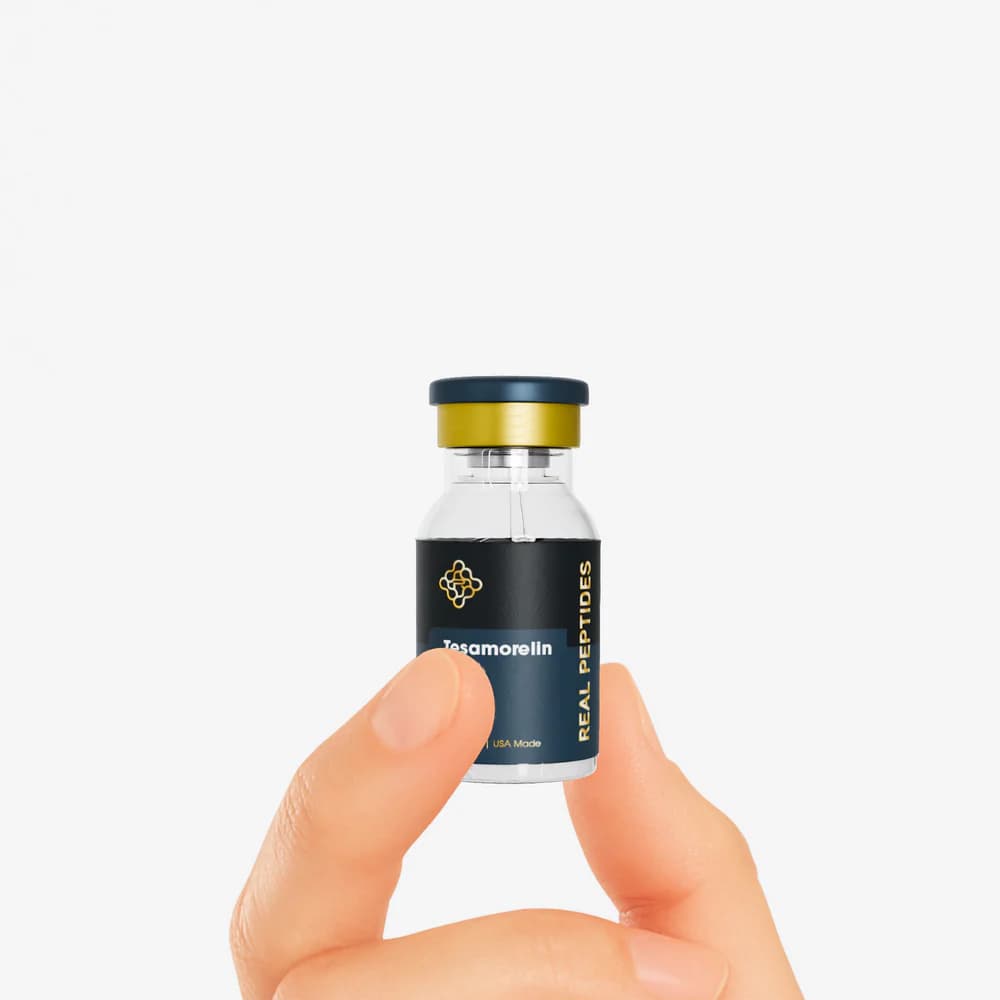
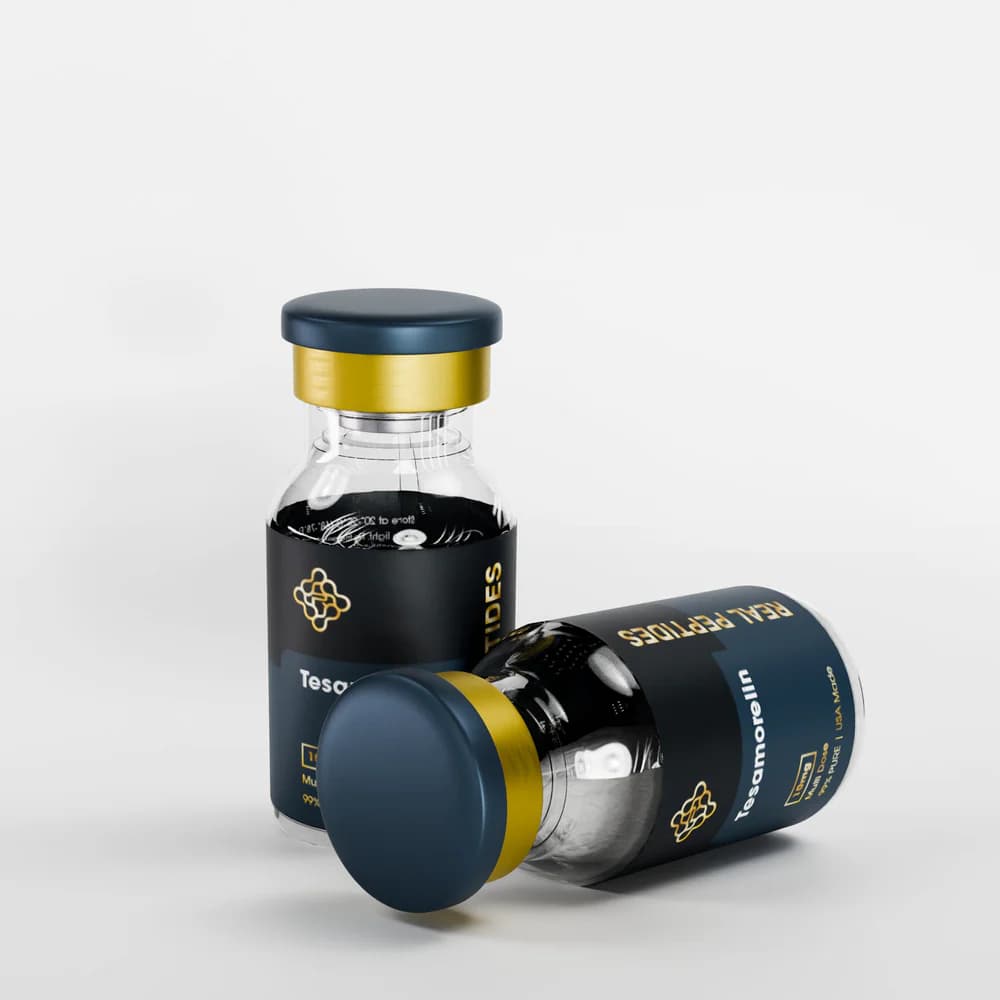
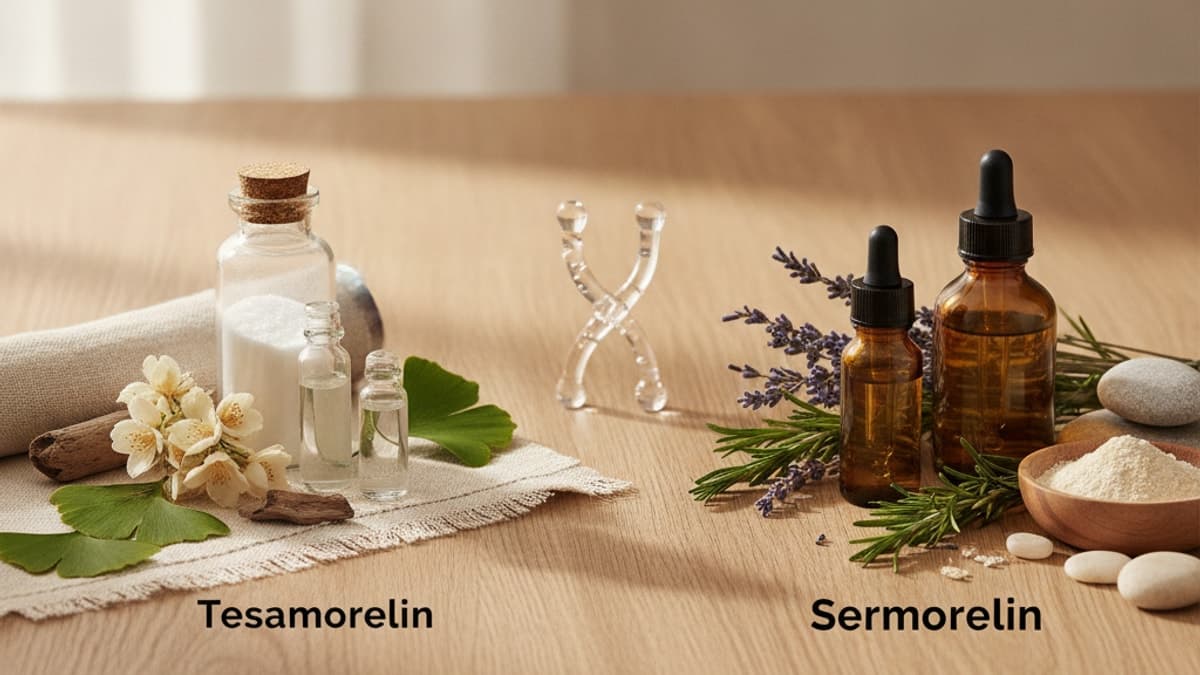
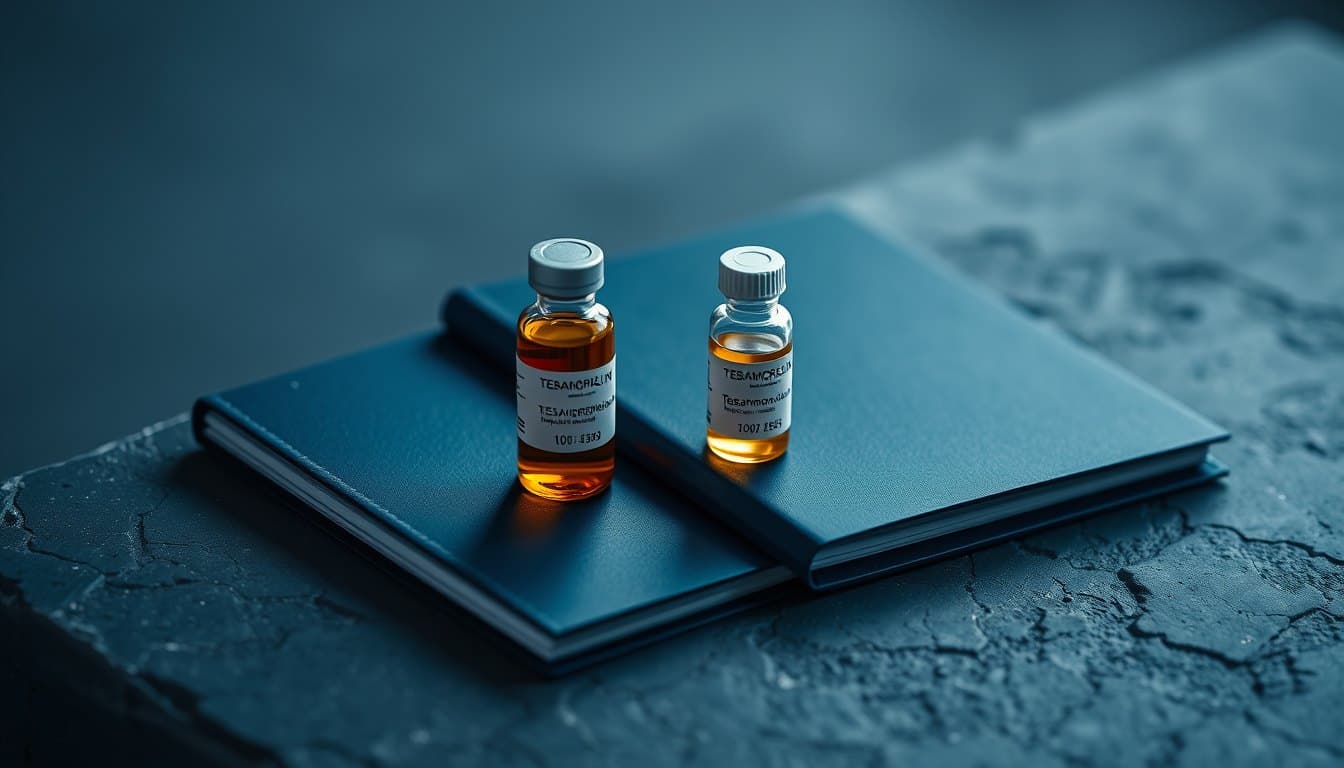
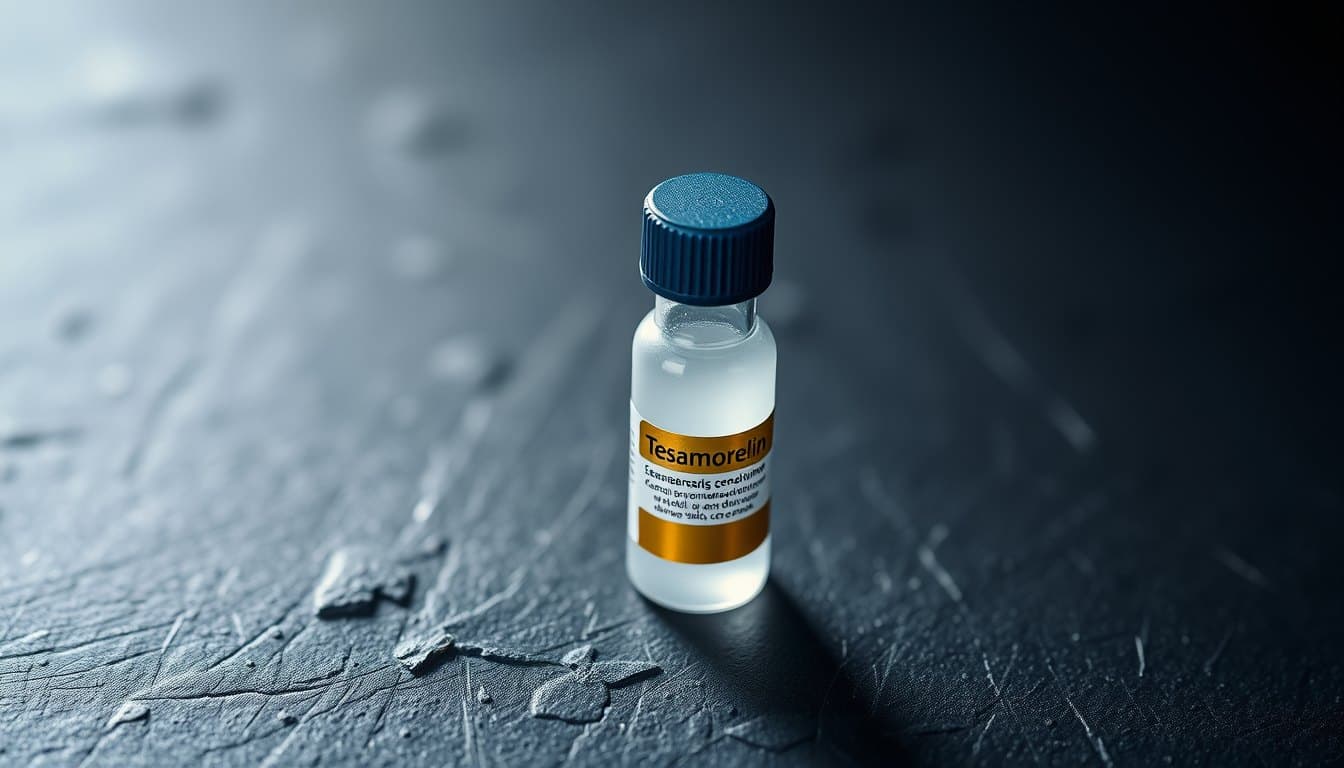
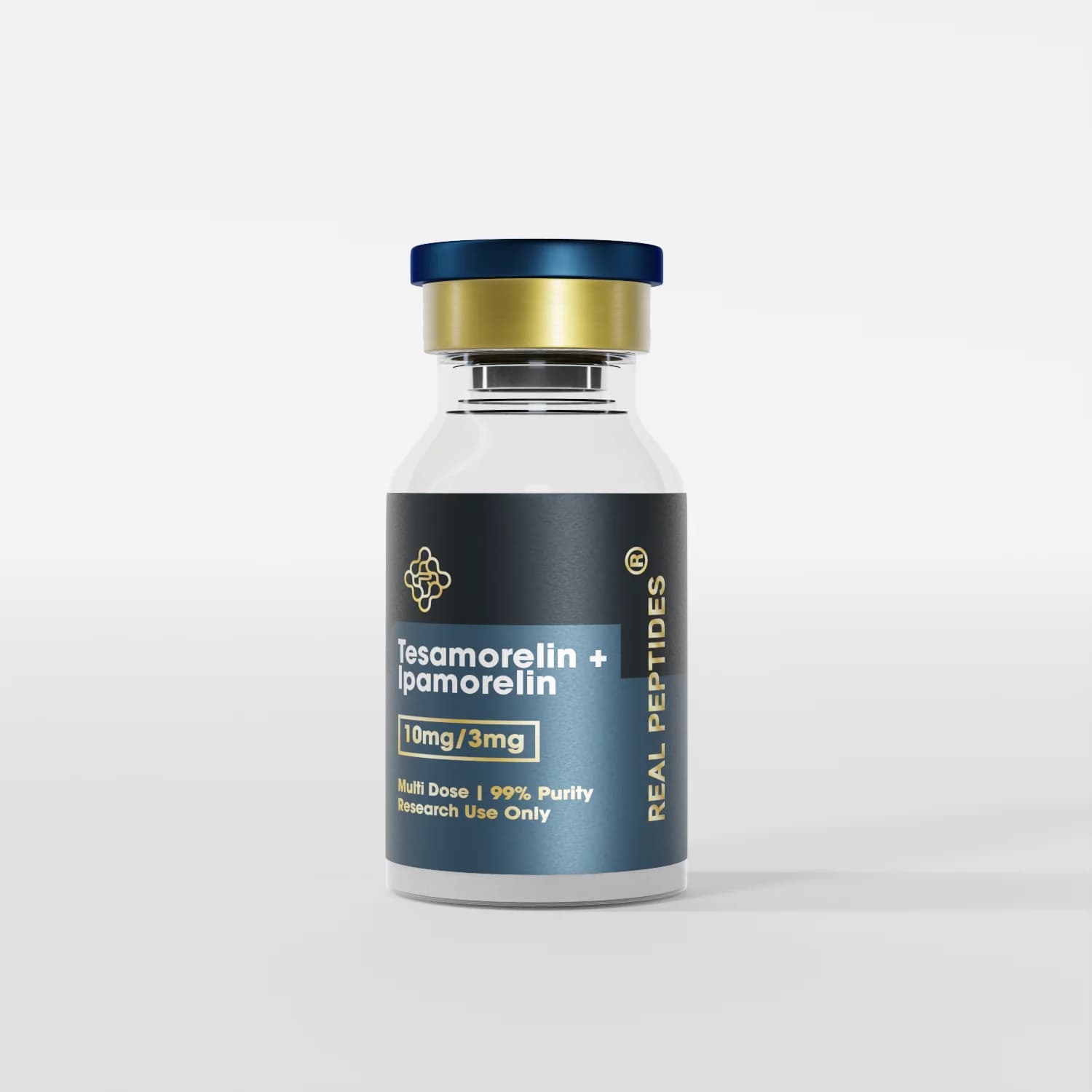
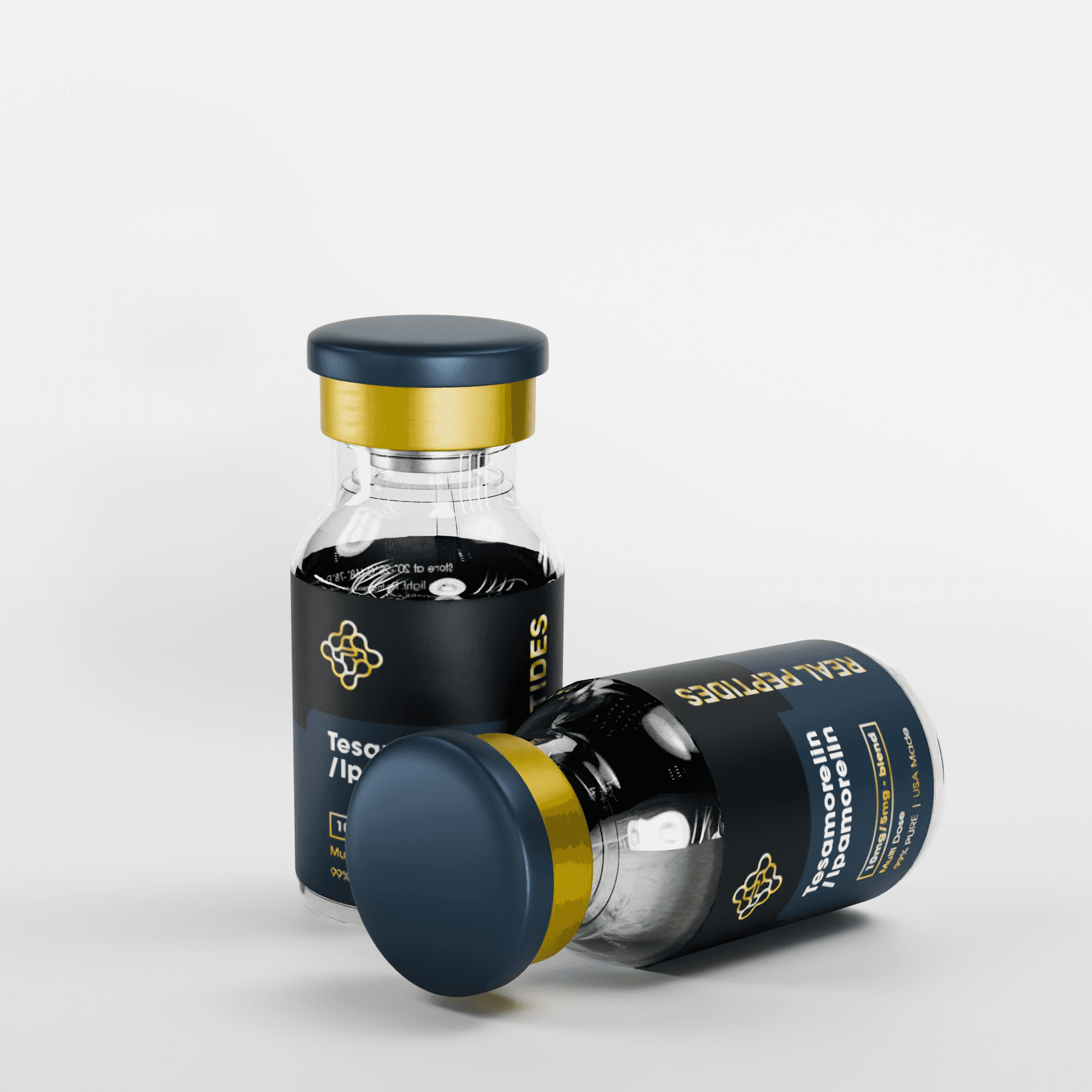
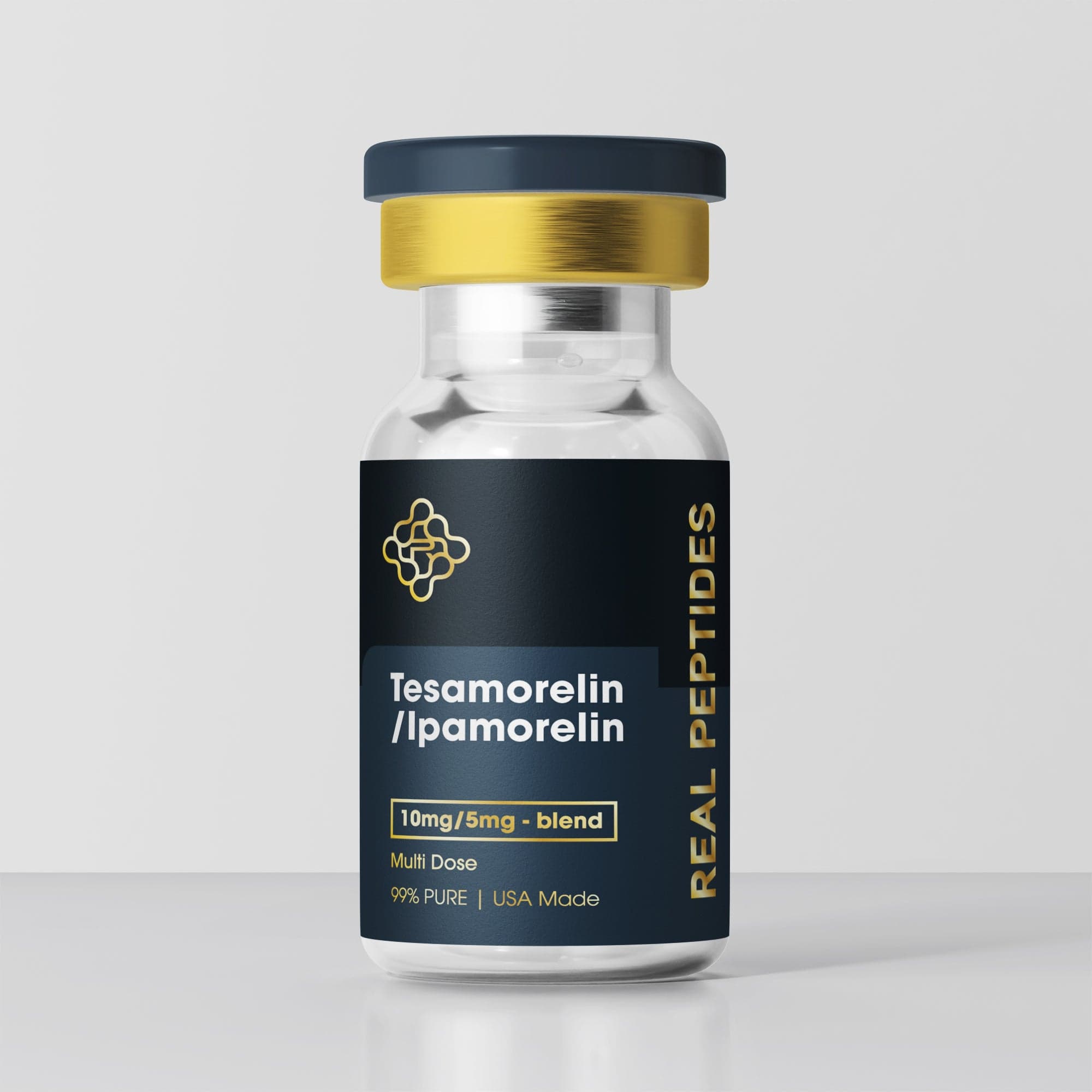
Tesamorelin & Ipamorelin blend is a co-formulated preparation of two synthetic peptides supplied as a lyophilised powder in a sealed glass vial. Tesamorelin is a stabilised analogue of human growth hormone–releasing hormone, built on the 44-amino-acid GRF(1-44) amide sequence and carrying a trans-3-hexenoyl group at the N-terminus, a modification associated in the literature with slower enzymatic cleavage by dipeptidyl peptidase-4. Ipamorelin is a short pentapeptide growth hormone secretagogue (Aib-His-D-2-Nal-D-Phe-Lys-NH2) with C-terminal amidation and non-natural residues that confer resistance to exopeptidase trimming. The two molecules belong to separate structural and pharmacological families and are combined so that both receptor routes can be examined within a single experimental article.
Receptor Pharmacology and Signalling
Tesamorelin engages the GHRH receptor (GHRHR), a class B1 G protein-coupled receptor expressed on pituitary somatotrophs. Canonical coupling runs through Gs, adenylyl cyclase and cAMP accumulation, with downstream protein kinase A activity, CREB phosphorylation and Pit-1/POU1F1-associated transcriptional regulation of the GH1 locus. Ipamorelin is a selective agonist at the growth hormone secretagogue receptor (GHSR1a), a class A GPCR that signals principally through Gq/11, phospholipase C-beta, inositol trisphosphate generation and mobilisation of intracellular calcium; GHSR1a is also studied for constitutive activity and beta-arrestin recruitment. Because the two ligands converge on the same secretory cell population through distinct second-messenger cascades, the blend is a common tool article for examining pathway additivity, synergy, heterologous desensitisation and interaction with somatostatin tone.
Research Areas, Models and Endpoints
Investigators apply this material in recombinant systems such as HEK293 or CHO lines expressing GHRHR or GHSR1a, in primary pituitary cell culture, in perifusion preparations of dispersed somatotrophs, and in rodent and other preclinical models. Measured endpoints typically include cAMP accumulation, calcium flux kinetics, competition binding and receptor occupancy, beta-arrestin recruitment, receptor internalisation time-courses, and transcript or protein levels for GHRHR, GHSR and GH1. Whole-animal work commonly relies on serial sampling with deconvolution analysis of secretory profiles, quantifying pulse amplitude, interpulse interval and secretory mass, alongside circulating IGF-1 and IGFBP-3 as downstream indices and JAK2/STAT5 pathway markers in target tissue. Comparative and stability chemistry — mass spectrometry confirmation, chromatographic profiling and peptide mapping — is a further research use.
Storage and Laboratory Documentation
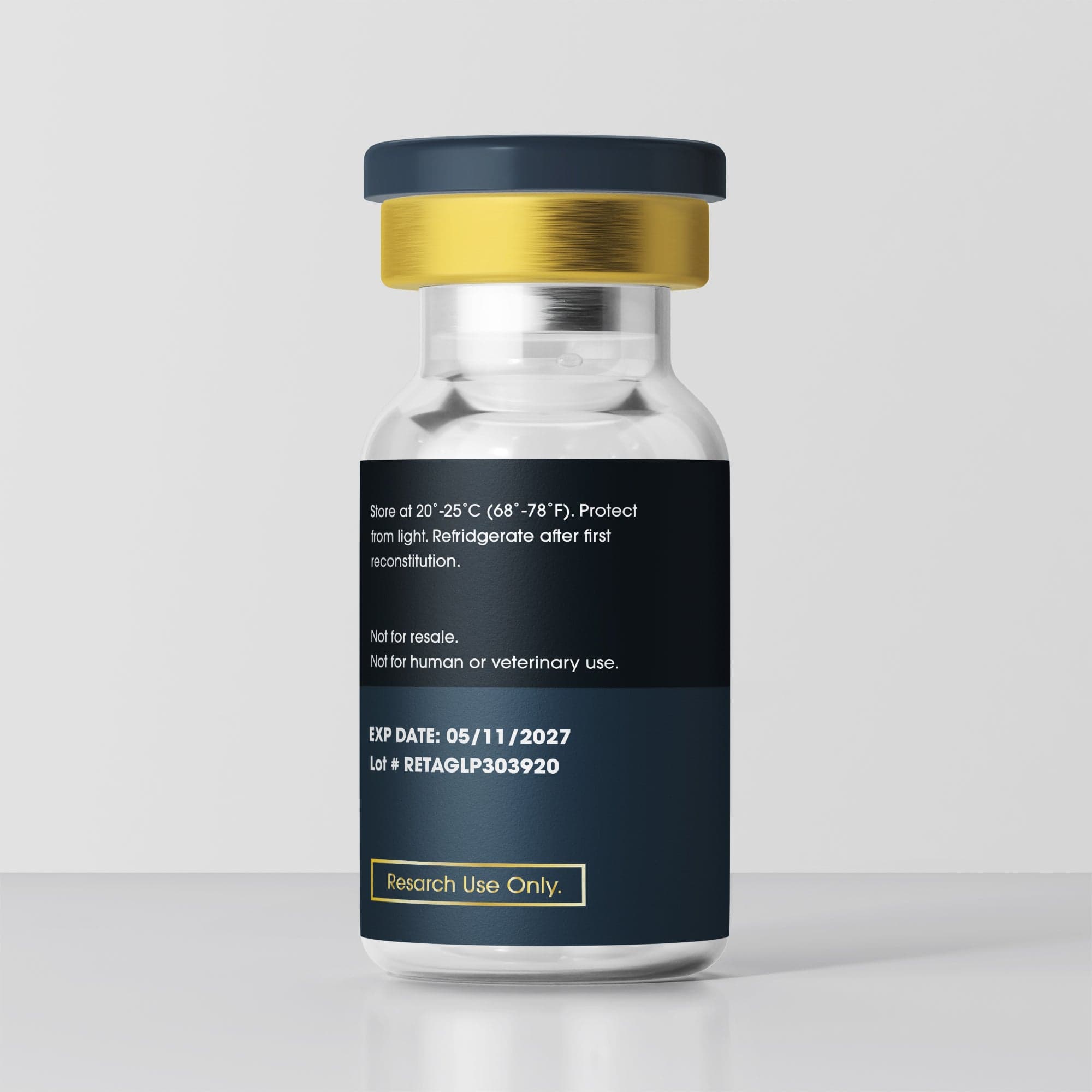
The lyophilised blend is documented for freezer storage, typically at or below −20°C for long-term inventory, with short-term refrigerated holding where laboratory records require it. Vials are kept sealed, protected from light, and maintained in a dry, desiccated environment, since peptide powders are hygroscopic and moisture uptake is a recognised source of variability. Repeated warming and cooling cycles should be avoided and recorded when they occur. Good practice is to log the lot number, receipt date, storage location and temperature monitoring alongside the corresponding certificate of analysis, so that analytical identity can be traced for any result set generated with that lot.
Compliance Statement
This material is sold strictly for laboratory research. It is not a medicine, not approved for therapeutic use, and not intended for human or veterinary consumption.



 Ships within 24 hours
 Free standard shipping on orders $250+
 Lab report included