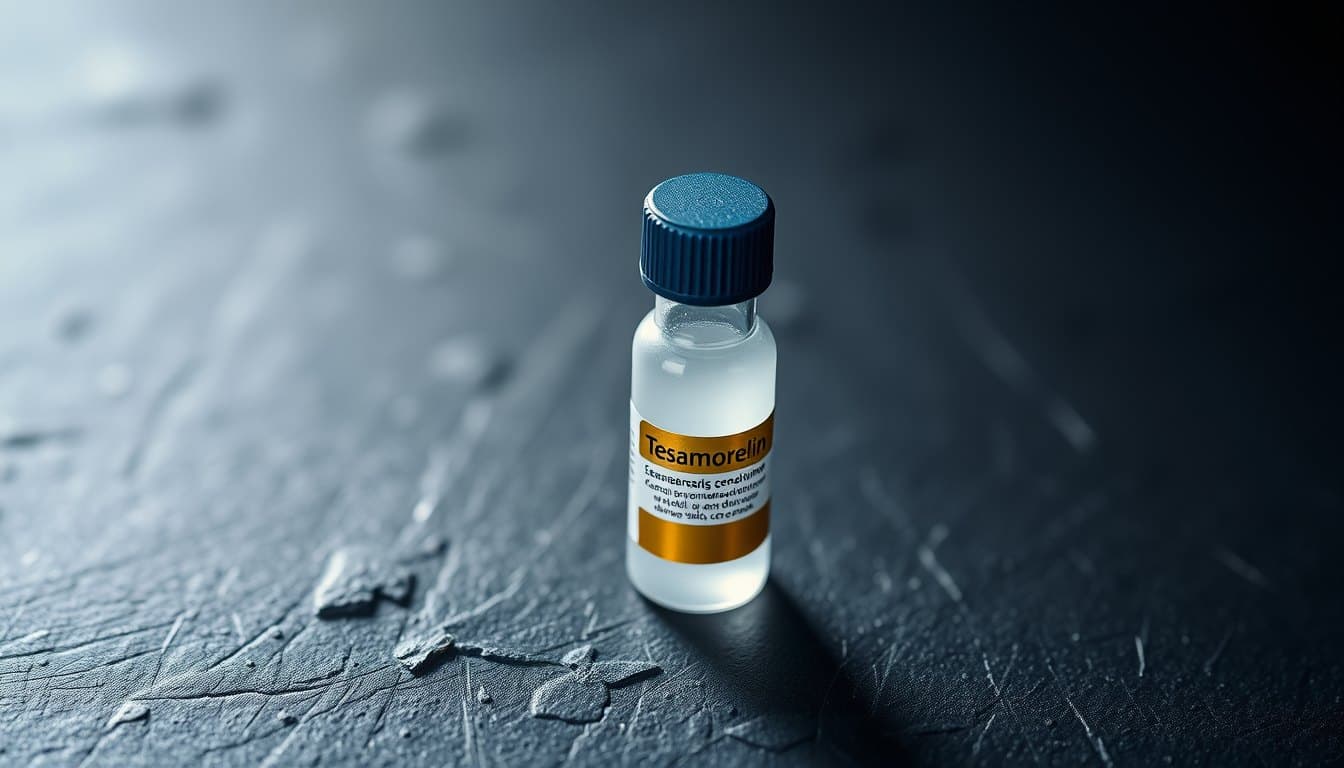
Compound Class and Structure
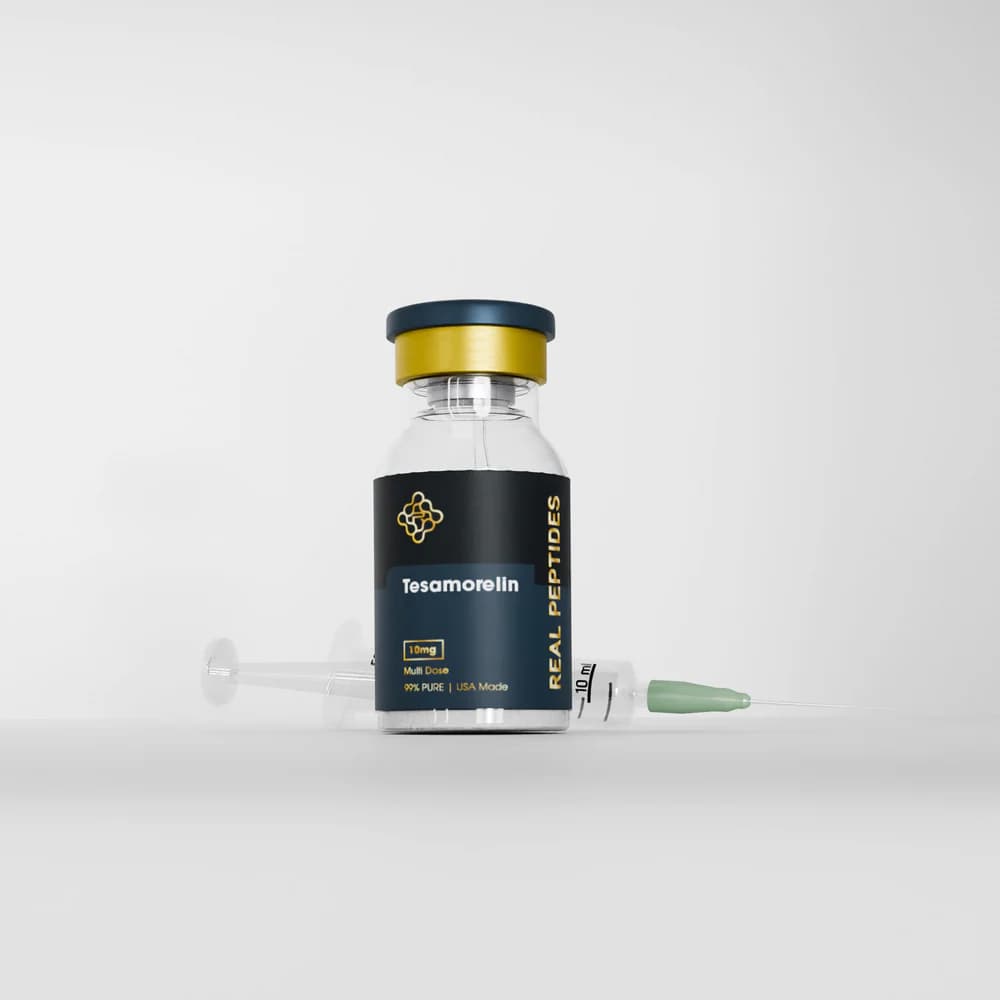
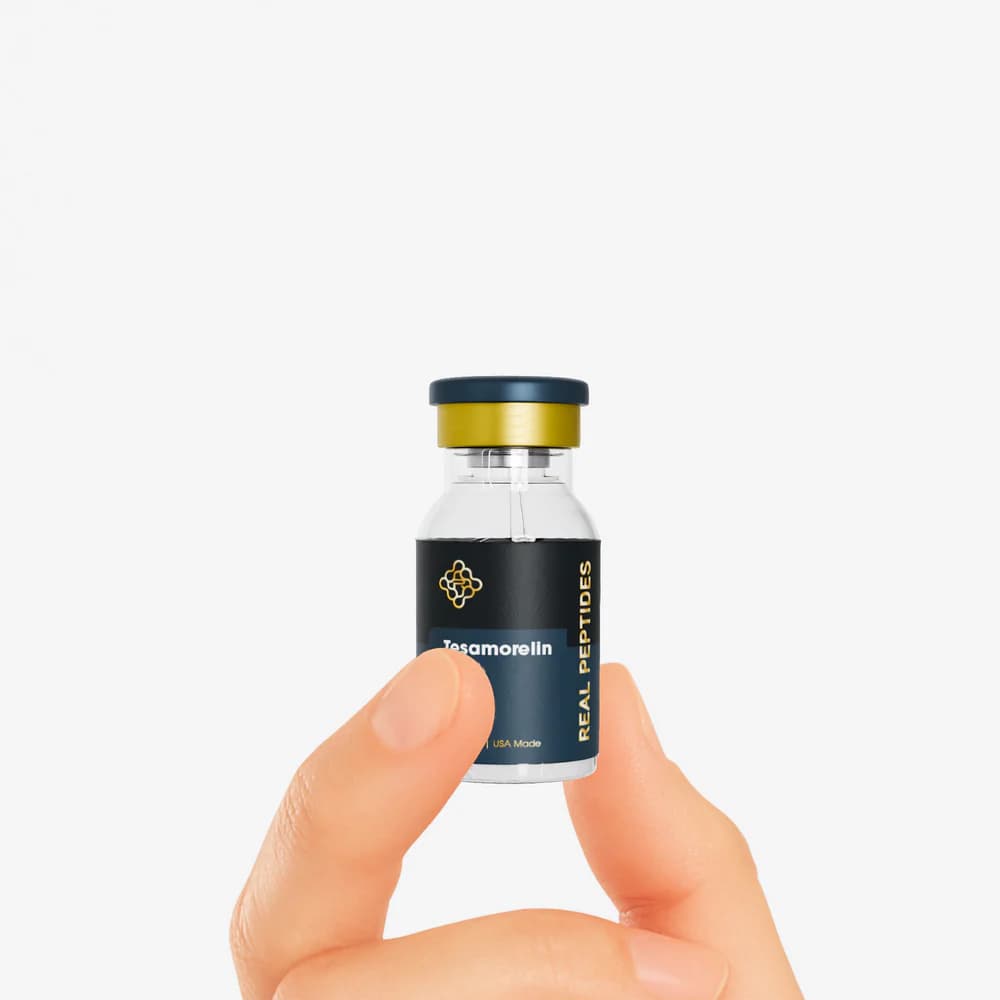
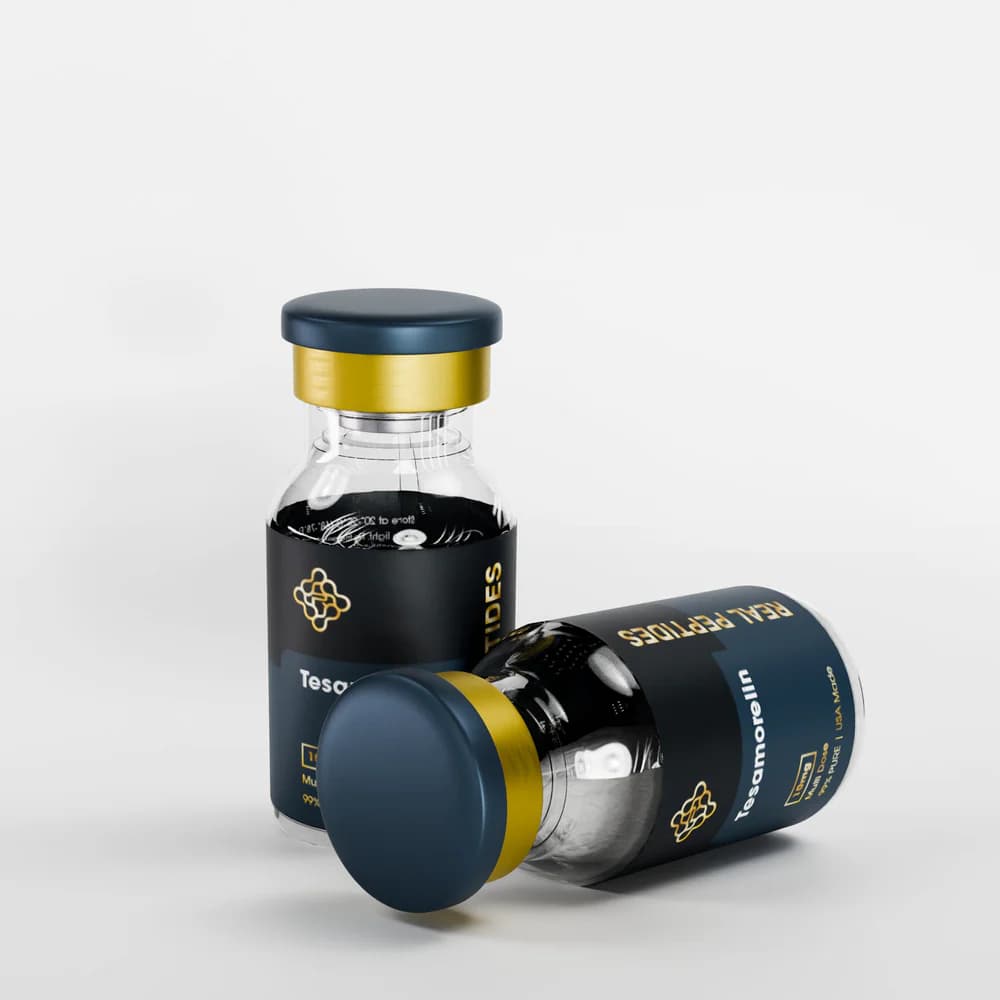
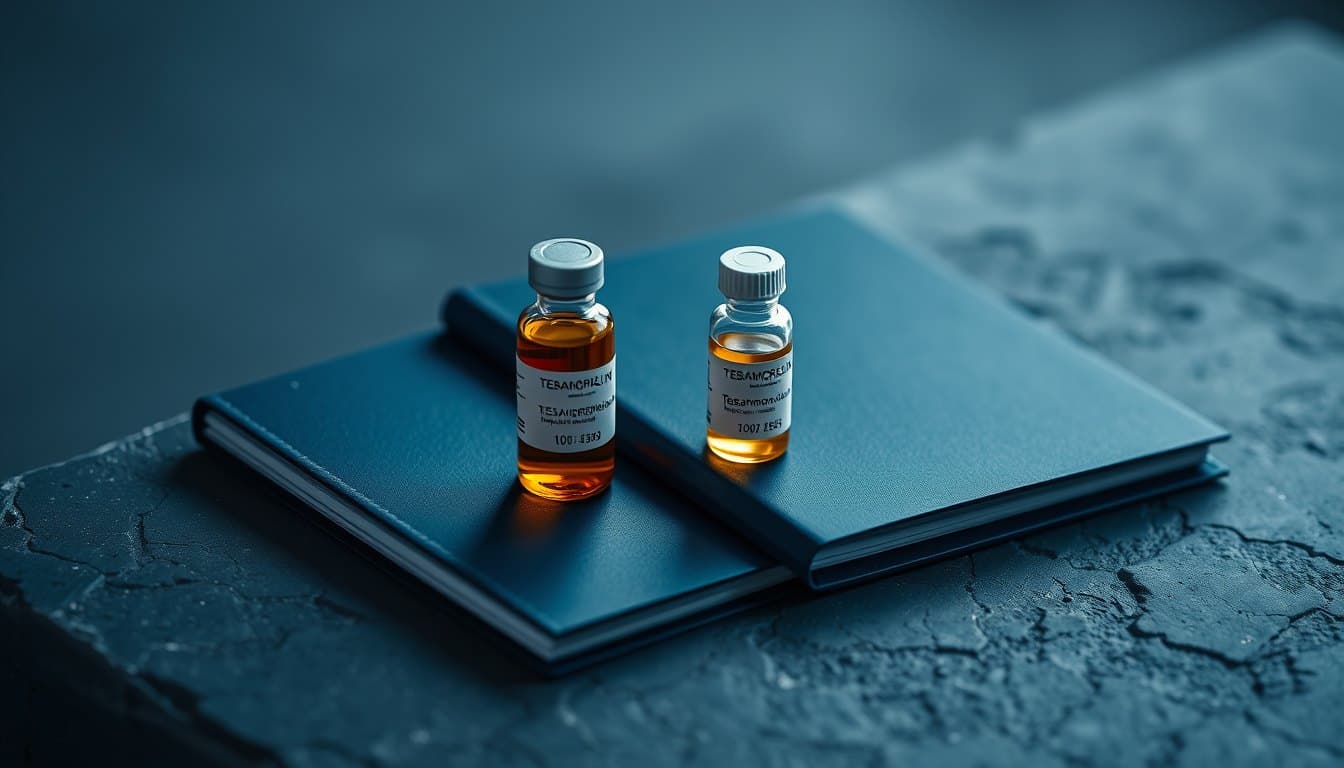
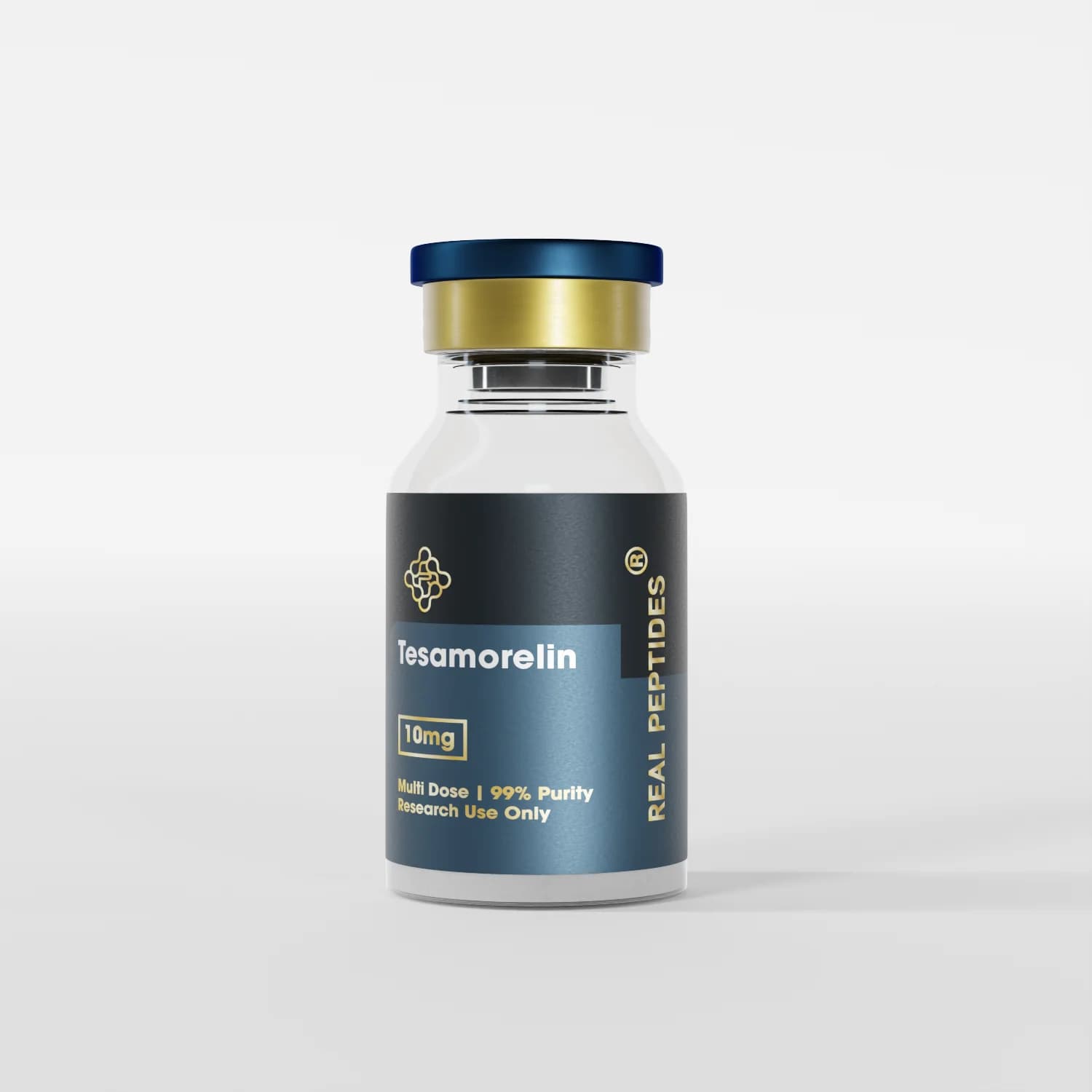
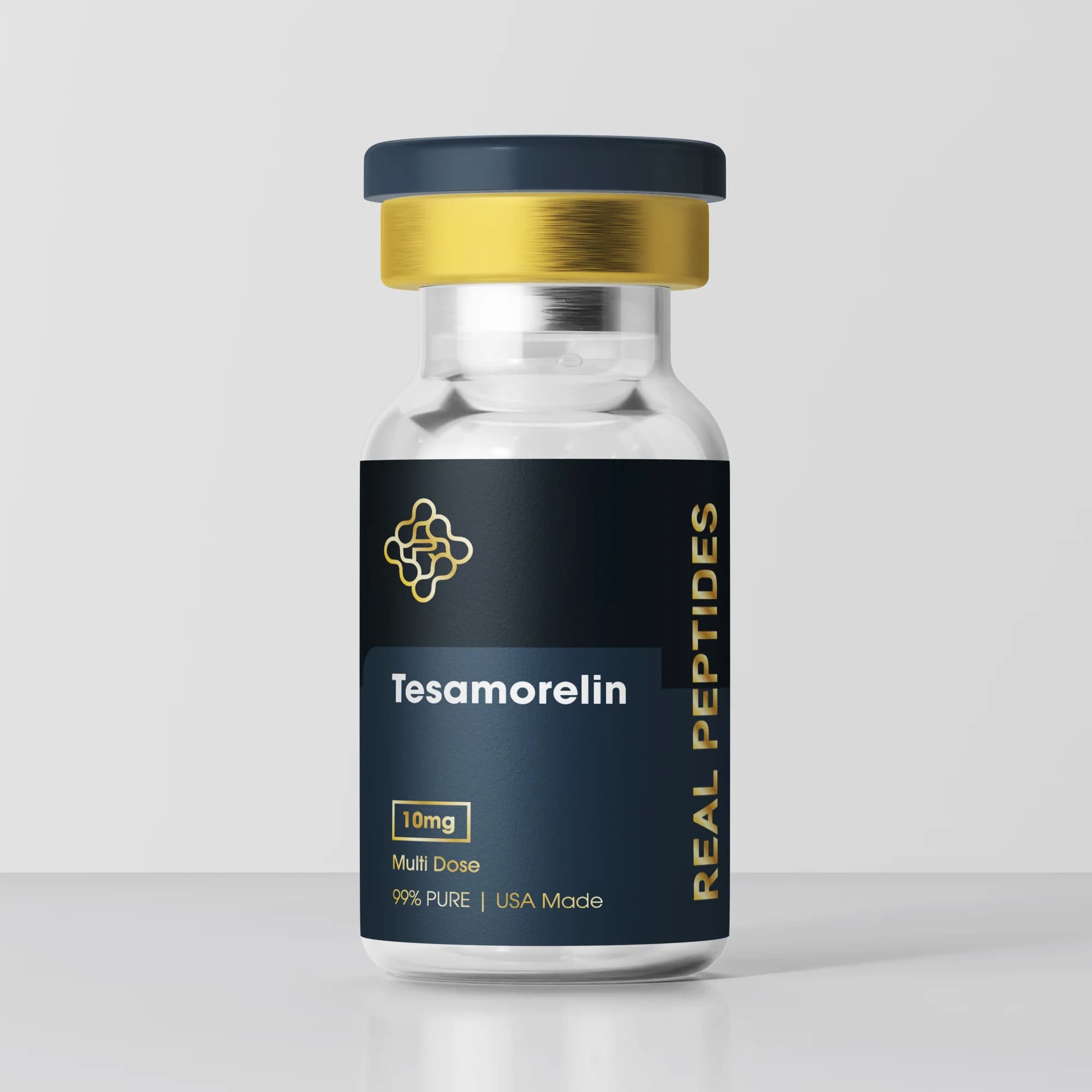
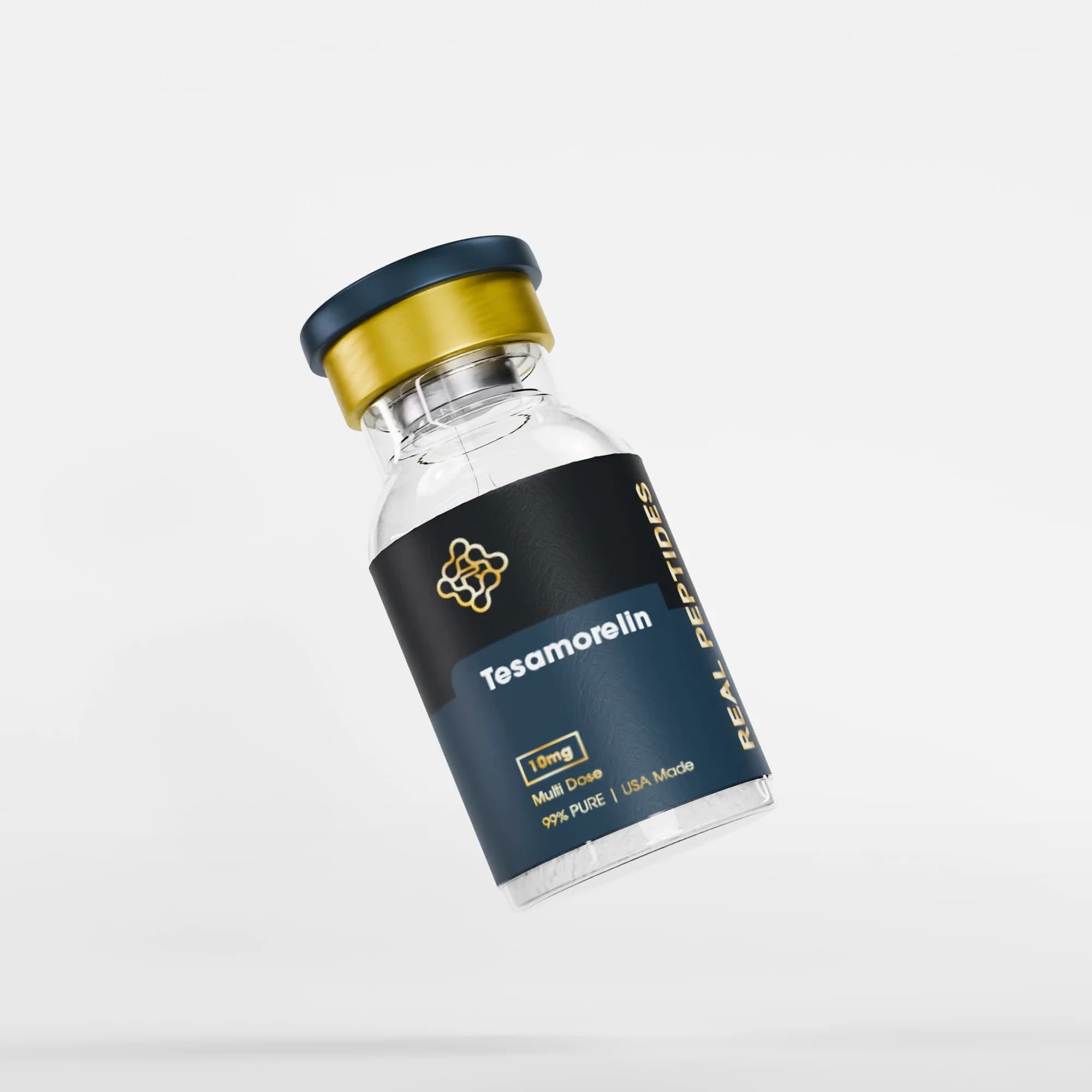
Tesamorelin is a synthetic 44-amino-acid analogue of human growth hormone releasing hormone (GHRH), supplied as a lyophilized white powder in sealed vials for laboratory research use only. The sequence corresponds to full-length GHRH(1–44), with a trans-3-hexenoyl group attached at the N-terminal tyrosine. This acyl modification sterically shields the N-terminus from dipeptidyl peptidase-4 (DPP-4) cleavage — the principal enzymatic route that fragments native GHRH in plasma and serum-containing culture media — so the intact molecule persists across longer assay windows than the unmodified parent sequence.
Receptor Pharmacology and Signalling
The molecular target is the GHRH receptor (GHRHR), a class B1 secretin-family G protein-coupled receptor expressed densely on anterior pituitary somatotrophs. Agonist occupancy drives Gs coupling, adenylyl cyclase activation and cyclic AMP accumulation, with downstream protein kinase A activity, CREB phosphorylation and GH1 transcriptional readouts, alongside voltage-gated calcium entry that supports secretory granule release. Released growth hormone then engages hepatic and peripheral growth hormone receptors, activating JAK2/STAT5 signalling and IGF-1 and IGFBP-3 expression. Because somatostatinergic tone and IGF-1 feedback shape the same circuit, the analogue is widely used as a probe of feedback architecture rather than of a single receptor in isolation.
Research Areas, Models and Endpoints
In vitro work uses primary pituitary cell cultures and GHRHR-transfected reporter lines, with endpoints including radioligand or fluorescent binding affinity, cAMP accumulation, luciferase reporter output, secreted growth hormone measured by immunoassay, and transcript abundance by qPCR. In rodent and other preclinical models, serial sampling protocols characterise pulse amplitude, interpulse interval and area-under-curve profiles of circulating growth hormone, together with IGF-1, IGFBP-3 and somatostatin-related markers. Adipose research applies isolated adipocyte and explant systems, measuring glycerol and non-esterified fatty acid release into supernatant, hormone-sensitive lipase and ATGL phosphorylation states, perilipin turnover, and depot-specific lipolytic gene expression indices. Analytical and enzymology groups use DPP-4 incubation assays with chromatographic and mass-spectrometric fragment profiling to compare degradation kinetics against unmodified GHRH.
Storage and Laboratory Documentation
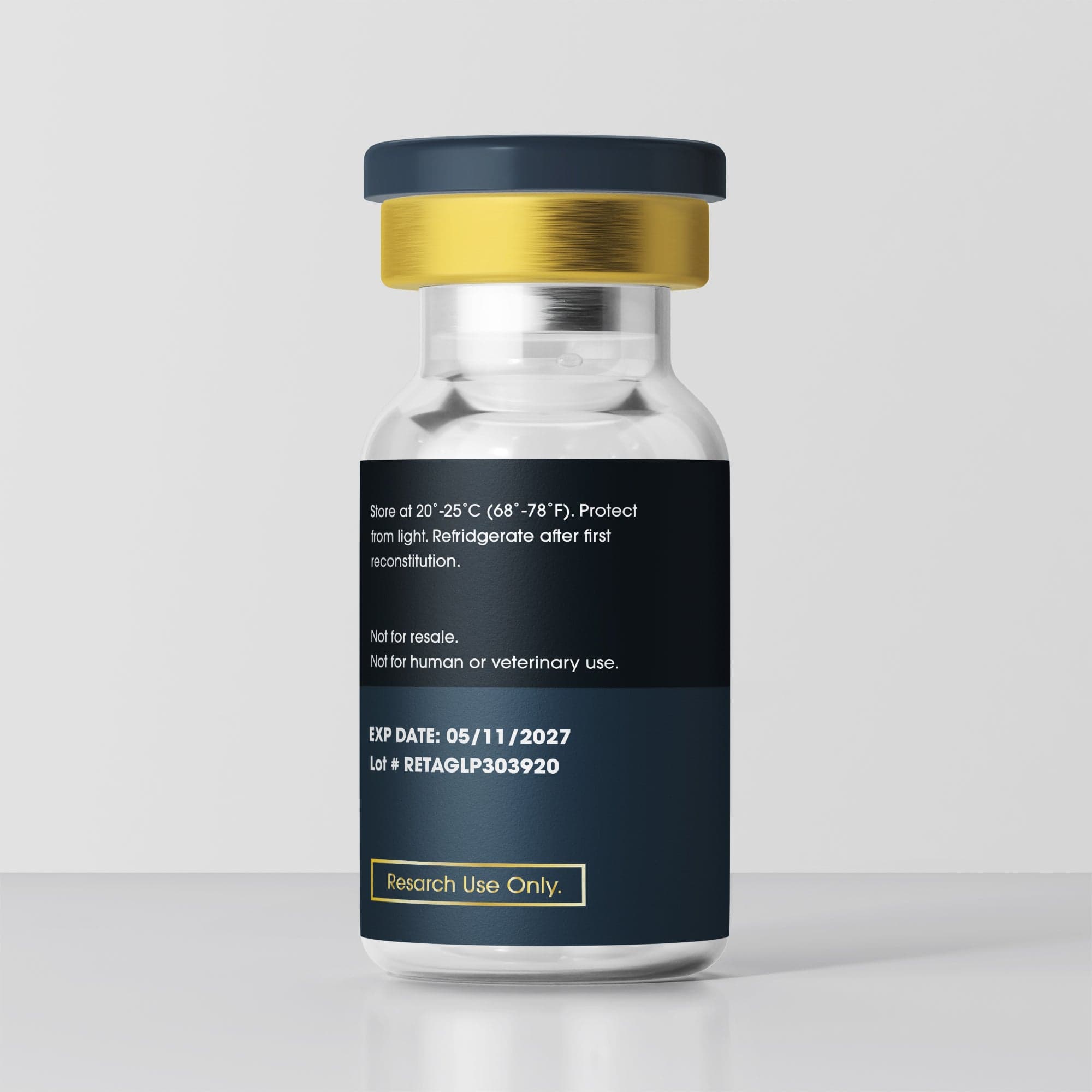
As laboratory documentation for the lyophilized material: store sealed vials cold, dark and dry. Long-term inventory is generally held at approximately -20 °C, with short-term holding at 2–8 °C acceptable for working stock. Keep vials in their original light-resistant packaging or a closed secondary container, since ultraviolet and visible light exposure can promote degradation of peptide powders. Maintain desiccated conditions and avoid repeated warming and re-cooling of sealed material, which encourages condensation and moisture uptake. Good practice is to log the lot number, receipt date and storage location on receipt, and to archive the lot-specific certificate of analysis alongside internal records so that analytical identity and study data remain traceable.
Regulatory Status
This material is sold for research use only. It is not a drug, is not approved for any therapeutic indication, and is not for human or veterinary use, diagnostic use, or any household application. Purchase is limited to qualified researchers and institutional buyers working in appropriately equipped laboratory settings under applicable local rules and institutional oversight.



 Ships within 24 hours
 Free standard shipping on orders $250+
 Lab report included