

Top GHK-Cu Studies — Research Evidence Breakdown
Top GHK-Cu studies reveal wound healing, collagen synthesis, and antioxidant



Top GHK-Cu studies reveal wound healing, collagen synthesis, and antioxidant
GHK-Cu animal research demonstrates accelerated wound closure, collagen synthesis, and
GHK-Cu in vitro research reveals copper-peptide mechanisms in wound healing,

GHK-Cu pharmacology studies show copper peptides activate tissue repair pathways
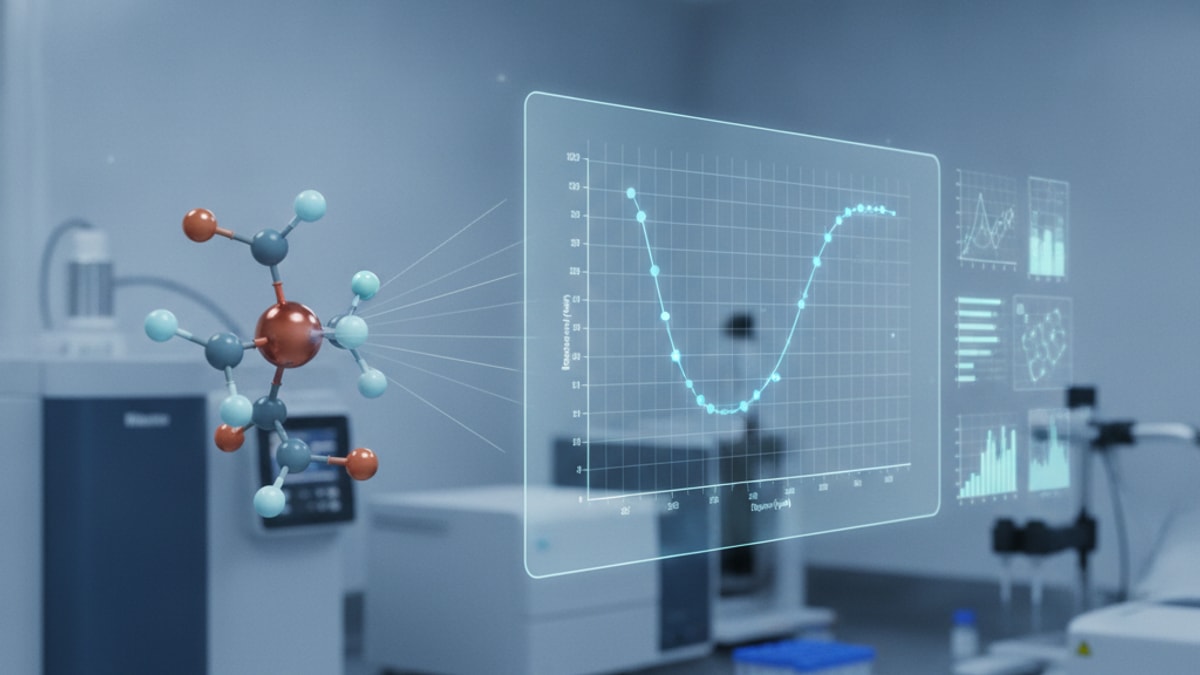
GHK-Cu dose response research shows peak tissue repair at 1–10

GHK-Cu long term studies show promising tissue repair and anti-inflammatory

GHK-Cu demonstrates excellent safety across 40+ clinical studies with zero

Sermorelin study data shows 15–30% IGF-1 increases within 3–6 months.
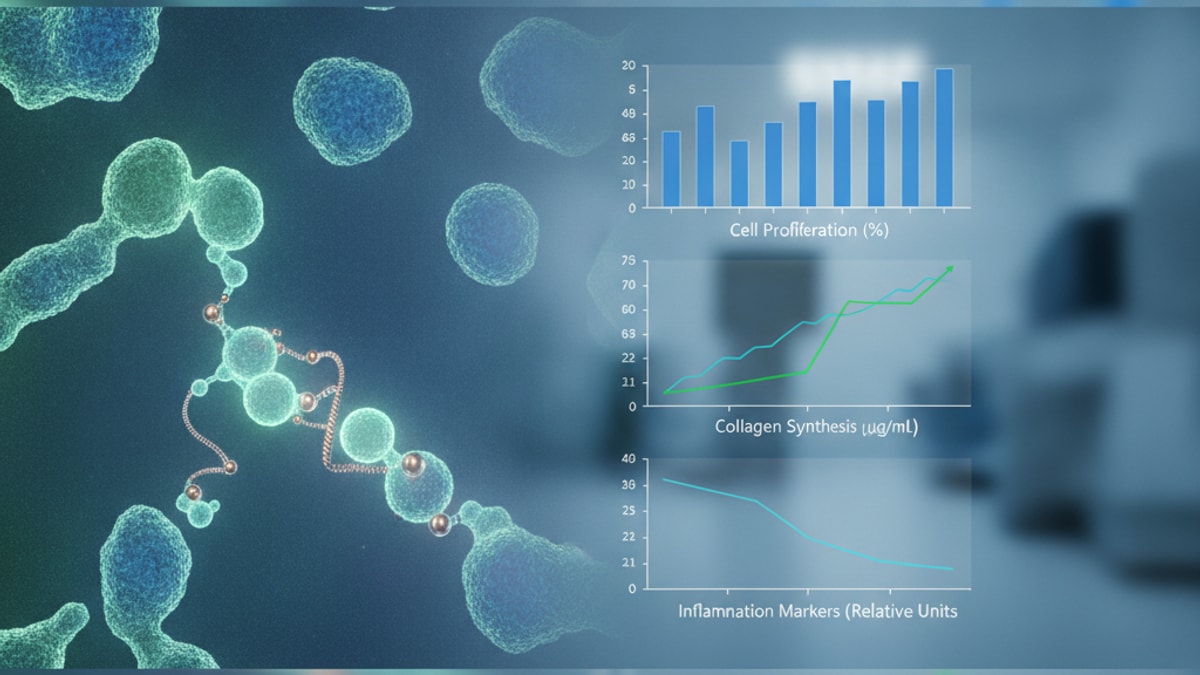
GHK-Cu comparative studies reveal 30% faster wound healing vs controls
GHK-Cu mechanism studies reveal how this tripeptide activates tissue repair

The top sermorelin studies show 14–20% IGF-1 increases in adults
Sermorelin animal research reveals GH-pulse restoration in rodents and primates,

Sermorelin dose response research shows linear GH increases up to
Sermorelin in vitro research reveals GH secretagogue activity in cultured

Sermorelin stimulates endogenous growth hormone release via GHRH receptor activation

Sermorelin long term studies show sustained IGF-1 elevation and minimal

Sermorelin comparative studies reveal it stimulates endogenous GH pulsatility without
CJC-1295 study data shows sustained GH elevation over 6+ days

Sermorelin stimulates endogenous GH by binding GHRH receptors in the

Sermorelin safety studies show consistent tolerability across decades of clinical

Top CJC-1295 studies show mean GH secretion increases of 200–300%
