
Research notes
Blog

What is Cagrilintide Retatrutide for Men
What is Cagrilintide Retatrutide for men? Cagrilintide and retatrutide are investigational peptides being studied for their potential in weight management and metabolic health, particularly in men. Here’s what you need to know: Cagrilintide: A long-acting amylin analog that helps regulate appetite and slows gastric emptying. In trials, it resulted in up to 10.8% weight loss over 68 weeks. Retatrutide: A triple hormone receptor agonist targeting GLP-1, GIP, and glucagon receptors. It demonstrated up to 24% weight loss over 48 weeks in clinical trials. Both compounds are in clinical trials and show promise for addressing obesity, metabolic disorders, and related health issues. Retatrutide stands out for its broad metabolic effects, while cagrilintide is being explored for combination therapies, such as with semaglutide. These peptides provide researchers tools to study obesity-related conditions like cardiovascular risks and hormonal imbalances, which are particularly relevant to men. For laboratory research, cagrilintide and retatrutide are available through suppliers like Real Peptides, meeting high purity standards for experimental use. Cagrilintide Explained | The Next BIG Peptide for Fat Loss? How Cagrilintide and Retatrutide Work Understanding how these two compounds function sheds light on different strategies for managing weight and improving metabolic health in men. Each operates through unique biological pathways, providing valuable insights into tackling obesity and related conditions. Cagrilintide’s Mechanism of Action Cagrilintide is a long-acting amylin analog, designed to mimic the effects of pancreatic amylin. Unlike natural amylin, this synthetic version is engineered for a prolonged therapeutic effect. This peptide works by activating amylin and calcitonin receptors in the body. When activated, these receptors slow down gastric emptying, enhance feelings of fullness (satiety), and suppress glucagon – a hormone responsible for raising blood sugar levels. Additionally, cagrilintide influences both metabolic and reward-based eating behaviors by targeting key regions in the brain. Clinical trials have shown promising results. Participants experienced dose-dependent weight loss, shedding between 3.0 kg and 8.2 kg more than those receiving a placebo, depending on the dosage level (0.3–4.5 mg). At the highest dose of 4.5 mg weekly, cagrilintide even surpassed liraglutide 3.0 mg daily by 1.9 kg. This mechanism makes it a valuable tool for complementing other metabolic treatments, such as retatrutide. Retatrutide’s Mechanism of Action Retatrutide employs a different strategy as a triple hormone receptor agonist. This 39-amino acid peptide simultaneously activates three key receptors: GLP-1, GIP, and glucagon. It is built on a GIP peptide backbone but is modified to stimulate all three pathways. This triple activation creates a synergistic effect. The GLP-1 pathway enhances insulin secretion and slows gastric emptying, while the GIP pathway boosts glucose-dependent insulin release. Meanwhile, glucagon receptor activation drives weight loss by increasing energy expenditure and promoting fat breakdown. With a half-life of around six days, retatrutide is suitable for once-weekly subcutaneous injections. Phase 2 clinical trials have demonstrated substantial weight loss, highlighting the effectiveness of its multi-pathway mechanism. Impact on Men’s Metabolic Health These peptides offer complementary solutions to address the metabolic challenges often seen in men. Cagrilintide, with its amylin-based action, helps regulate blood sugar after meals and may reduce reward-driven eating habits linked to obesity. Retatrutide, on the other hand, delivers broader benefits by targeting insulin resistance, glucose control, and energy expenditure all at once. Studies show that even modest weight loss of 5–10% can significantly reduce the risk of type 2 diabetes and cardiometabolic diseases. However, achieving greater weight loss (10% or more) is often necessary to alleviate complications like obstructive sleep apnea and knee osteoarthritis. For researchers focusing on men’s metabolic health, cagrilintide and retatrutide are available through Real Peptides. These compounds provide distinct but complementary ways to explore the intricate metabolic pathways involved in obesity and related health issues in male subjects. Current Research Applications and Study Results Recent studies highlight promising results with cagrilintide and retatrutide in improving metabolic health and aiding weight loss, particularly addressing challenges specific to men. Results from Clinical and Preclinical Studies A Phase 2 clinical trial conducted between May 2021 and November 2022 involved 338 obese adults. Participants receiving a 12-mg dose of retatrutide experienced an impressive 24.2% reduction in body weight over 48 weeks. Among prediabetic patients, an encouraging 72% reverted to normoglycemia during the trial. Cagrilintide, when used alone, showed dose-dependent weight loss ranging from 6.0% to 10.8% over 68 weeks. Researchers are now exploring combination therapies to further enhance its metabolic benefits. Both peptides also demonstrated improvements in glucose control and lipid profiles, which are key to reducing cardiometabolic risks. These findings suggest potential benefits for liver health, a critical factor in long-term metabolic well-being. Building on these results, ongoing research aims to broaden the therapeutic applications of these peptides. Current Research and Trials Retatrutide is currently being tested in Phase 3 trials for various conditions, including weight loss, type 2 diabetes, metabolic dysfunction-associated steatohepatitis (MASH), chronic kidney disease, cardiovascular risk reduction, and knee osteoarthritis. Meanwhile, cagrilintide is being developed in combination with semaglutide (marketed as CagriSema) to target obesity and type 2 diabetes, with Phase 3 trials underway . Experts predict that retatrutide may not be commercially available until 2026 at the earliest. However, both peptides are already accessible for laboratory research through specialized suppliers. In parallel, laboratory studies are following standardized protocols to validate these clinical outcomes. Standard Lab Research Protocols Laboratory research plays a crucial role in complementing clinical findings on metabolic health. Protocols typically include tracking weekly weight changes, fasting glucose levels, HbA1c, insulin sensitivity, and lipid profiles. Cardiovascular health is assessed through blood pressure, heart rate variability, and inflammatory markers like C-reactive protein. In some cases, arterial stiffness and echocardiography are also evaluated. To monitor gastrointestinal tolerance, researchers use standardized questionnaires to document nausea and vomiting severity. These insights help refine dosing strategies for future applications. For researchers, high-quality cagrilintide and retatrutide can be sourced through Real Peptides, ensuring access to rigorously tested materials for advancing metabolic health studies. sbb-itb-9529e2d Comparing Cagrilintide and Retatrutide for Research It’s essential for researchers to weigh the unique strengths and limitations of each peptide when planning experiments. Understanding
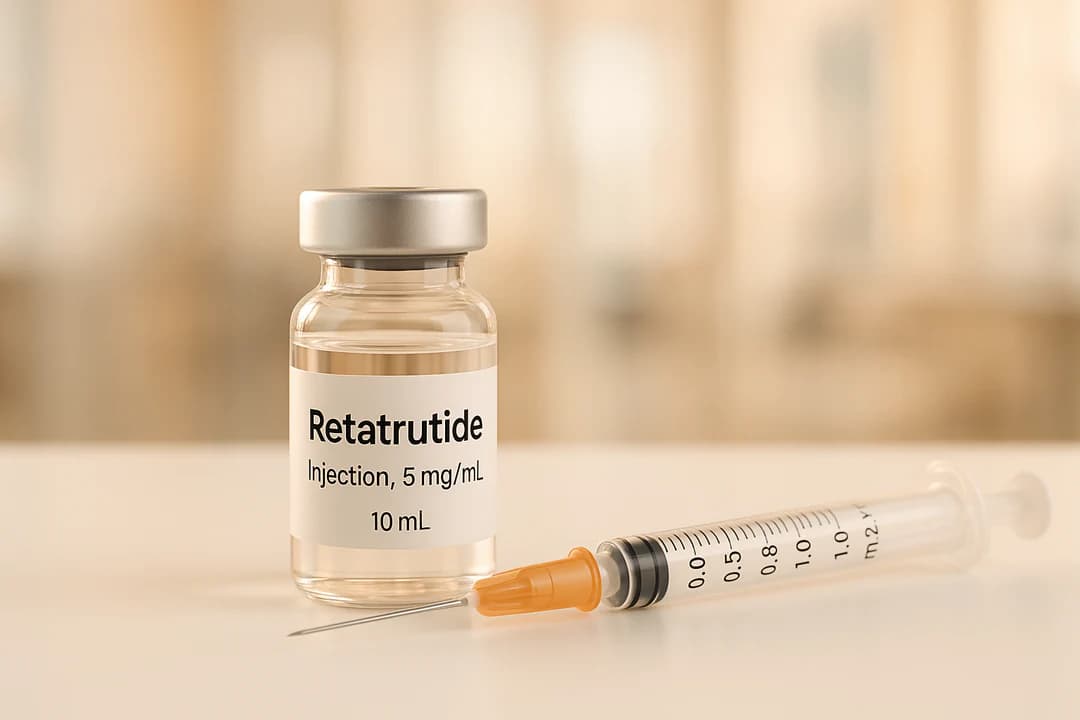
What is the Retatrutide Doseage
What is the Retatrutide Doseage Retatrutide is a research peptide studied for its effects on obesity, type 2 diabetes, and other metabolic conditions. It is administered via weekly subcutaneous injections, with dosing protocols typically starting low and increasing gradually to minimize side effects. Starting Dose: 1 mg or 2 mg per week. Dose Escalation: Increase every 4 weeks, often reaching 4 mg or higher over 12 weeks. Maximum Dose: Up to 12 mg weekly, with some studies reporting significant weight loss (24% over 48 weeks) at this level. Maintenance Doses: Typically range from 4 mg to 12 mg per week, adjusted based on study goals and subject tolerance. Important: Retatrutide is strictly for research purposes and not approved for human use outside clinical trials. Proper handling, storage, and lab safety protocols are essential for preserving its integrity and ensuring accurate results. Find Your Perfect Dose of Retatrutide: Wean Up & Down for Best Results! Retatrutide Dosage Ranges and Protocols Accurate dosing of retatrutide is essential for producing reliable research outcomes. Below are clinically tested protocols to guide researchers in achieving consistent results. Starting Doses and Escalation Steps Most research protocols begin with low initial doses to allow subjects to adjust gradually. Clinical studies suggest starting doses of 1 mg or 2 mg administered weekly are the most common in laboratory settings. This cautious approach helps reduce the risk of adverse effects while establishing baseline responses. Dose escalation typically occurs every four weeks, giving researchers time to evaluate responses and adjust as needed. For target doses of 4 mg or higher, subjects generally start with 1 mg or 2 mg, increasing every four weeks until reaching the desired level, often over a 12-week period. Once the initial escalation phase is complete, researchers focus on identifying maximum and maintenance doses. Maximum and Maintenance Doses In research environments, the maximum dose of retatrutide has reached up to 12 mg per week. Phase 2 trials have highlighted dose-dependent effects, with higher doses correlating to greater outcomes. For instance, clinical trials reported that a 12 mg weekly dose resulted in an average weight loss of approximately 24% over 48 weeks. For maintenance protocols, doses are typically adjusted within the 4 mg to 12 mg per week range, depending on the study’s objectives and the subject’s tolerance. This flexibility allows researchers to fine-tune the dosage to meet experimental goals while monitoring safety. Step-by-Step Dosing Schedule The following table outlines a commonly used dosing schedule based on clinical research. These step-by-step protocols provide a structured framework for dose adjustments during experiments: Escalation Protocol Week 0-4 Week 4-8 Week 8-12 Week 12+ Standard Protocol 1 1 mg 2 mg 4 mg 8 mg Accelerated Protocol 2 2 mg 4 mg 8 mg 12 mg These schedules offer flexibility to accommodate specific research needs while ensuring sufficient time for biological adaptation and thorough data collection between dose increases. It’s crucial for research teams to adhere to these structured protocols and maintain close monitoring throughout the study. These guidelines are designed to strike a balance between achieving effective results and minimizing potential side effects. Administration Methods and Lab Handling When working with retatrutide, proper administration and meticulous lab handling are essential to ensure accurate results. Following strict sterile techniques and precise procedures helps maintain the peptide’s stability and the integrity of research outcomes. Preparation and Injection Methods Retatrutide is delivered through subcutaneous injection, typically in the stomach area, upper thigh, or upper arm. These steps are designed to safeguard the peptide’s integrity throughout the process. Before administering the injection, researchers should wash their hands thoroughly with soap and water. Gather all necessary materials, including the retatrutide pen, alcohol swabs, and a sharps container. Allow the pen to warm to room temperature for about 30 minutes. Clean the chosen injection site with an alcohol swab, attach and prime a new needle, and insert it at a 90° angle into a fold of skin. Depress the plunger until you hear a click, then hold it in place for six seconds. To minimize skin irritation, rotate injection sites among the recommended areas. Storage Requirements Proper storage is crucial for preserving retatrutide’s molecular structure. It should be kept refrigerated at temperatures between 36°F and 46°F (2°C to 8°C) and stored in its original packaging to shield it from light and contamination. Exposure to extreme temperatures, whether freezing or excessive heat, can compromise its stability. For short-term transport or field studies, retatrutide can be stored in insulated containers with ice packs for up to four weeks, as long as the temperature stays below 86°F (30°C) and freezing is avoided. Accurate Dosing Methods Precision in dosing is key to ensuring consistent and reliable research results. Accurate measurements not only enhance experimental outcomes but also uphold safety standards. To achieve this, researchers should implement rigorous calibration and regular verification of dosing equipment. Analytical testing of peptide concentrations and routine quality control checks are essential steps to maintain dosing accuracy and consistency. sbb-itb-9529e2d Safety Precautions for Laboratory Use Handling retatrutide in a laboratory setting demands strict safety practices and adherence to regulatory guidelines. These measures are essential to protect researchers and maintain the integrity of experiments while complying with institutional standards. Biosafety and PPE Requirements Personal protective equipment (PPE) is the cornerstone of safe laboratory practices when working with retatrutide. The basic PPE includes protective eyewear, a lab coat, long pants, and closed-toe shoes. Before starting any work, conduct a hazard assessment to determine if additional protective gear is necessary for your specific research environment. For hand protection, disposable nitrile gloves are recommended. The choice of gloves should be based on the chemicals being handled, their concentrations, and the likelihood of skin exposure. Eye and face protection is critical when working with retatrutide solutions. Use goggles to shield against liquid splashes and chemical vapors. If there’s a risk of splashing, pair goggles with a face shield for added safety. Before using any PPE, inspect it for defects and replace any damaged items immediately. Proper training on how

How to Get Retatrutide
How to get Retatrutide Retatrutide, a synthetic peptide developed by Eli Lilly, is primarily used in metabolic research. It targets GLP-1, GIP, and glucagon receptors and has shown promising results in weight reduction and glycemic control studies. To obtain high-quality retatrutide for research purposes, follow these steps: Find Reliable Suppliers: Look for U.S.-based suppliers with ISO 9001 and GMP certifications. Ensure they provide batch-specific Certificates of Analysis (COAs) with detailed quality metrics like purity (≥99%), molecular weight, and endotoxin levels. Check Product Formats: Retatrutide is typically sold as lyophilized powder. Start with small test orders (e.g., 10 mg) to evaluate quality before scaling up. Ensure Proper Shipping and Storage: Maintain cold chain shipping (-20°C) to preserve peptide integrity. Store lyophilized vials at -20°C and reconstituted solutions at 2–8°C. Verify Documentation: Request COAs, inspect HPLC/MS results, and consider third-party testing to confirm authenticity. Follow Regulatory Guidelines: Ensure peptides are labeled “For research use only” and sourced from FDA-compliant suppliers. Suppliers like Real Peptides meet these standards, offering high-purity retatrutide with transparent documentation and rigorous shipping protocols to support research needs. Inside the world of internet peptides Finding Suppliers and Product Options Securing high-quality retatrutide for research demands careful selection of suppliers and a clear understanding of the available product formats. Quality can vary widely, so due diligence is key. How to Find Reliable Suppliers When sourcing retatrutide, focus on U.S.-based suppliers that are transparent and hold ISO 9001 and GMP certifications. Suppliers with academic affiliations or research partnerships often provide an added layer of trustworthiness. For example, Real Peptides offers U.S.-manufactured, research-grade peptides that meet these standards. Their products undergo HPLC verification to ensure ≥99% purity, and they provide detailed documentation and rigorous quality checks. This makes them a reliable option for scientific research. You can explore their retatrutide offerings with confidence. Before placing a large order, start small – such as with a 10 mg sample – to verify the supplier’s reliability and the product’s purity and stability. Once satisfied, review the available formats and packaging options to streamline your procurement process. Product Formats Available Retatrutide is commonly sold as a lyophilized (freeze-dried) powder in sterile vials. Pricing varies across suppliers, and some also provide pre-blended research stacks. These stacks combine retatrutide with complementary peptides, which can simplify workflows for studies focusing on metabolic pathways or comparative analyses. Real Peptides offers both individual peptides and research stacks. They even provide discounts – 10% off for two products and 20% off for three. These ready-to-use formats eliminate the potential for weighing errors, saving time in the lab. Bulk ordering options are also available for larger projects, so it’s worth inquiring about lead times and volume discounts. Remember, all research peptides should be labeled clearly as “For laboratory research use only. Not for human or veterinary use”. Packaging and Shipping Requirements Maintaining temperature control is critical to preserving retatrutide’s integrity. The peptide begins to degrade rapidly at temperatures above –20°C, and a 2023 study revealed that improper shipping can lead to a 30% loss in potency within 72 hours. Reputable suppliers use insulated packaging with GPS-enabled temperature loggers to ensure the peptide remains cold throughout transit. Some carriers also offer real-time temperature tracking, which helps monitor shipping conditions. Amber vials with vacuum seals are typically used to protect against photodegradation and moisture exposure. Upon delivery, inspect shipments immediately for any signs of temperature breaches, such as ice crystallization. To avoid delays, schedule shipments during off-peak hours. Reliable suppliers often provide replacements if delays compromise the order. Once received, transfer the retatrutide to a –20°C freezer within 15 minutes and consider aliquoting it into single-use vials to minimize freeze-thaw cycles. Following these steps is essential to ensure consistent and reproducible research results. Real Peptides adheres to strict temperature-controlled shipping protocols, ensuring that your retatrutide arrives in peak condition and ready for immediate use in the lab. Their thorough packaging and shipping processes safeguard the peptide’s stability from their facility to your freezer, supporting dependable research outcomes. Checking Peptide Quality and Authenticity Ensuring peptide quality goes hand-in-hand with selecting the right supplier. This step is essential for reliable research outcomes. Alarmingly, in 2025, the FDA discovered that 41% of third-party Certificates of Analysis (COAs) had been digitally altered, underscoring the need for careful scrutiny when evaluating peptide quality. Using subpar peptides can jeopardize your entire study. How to Read Certificates of Analysis (COAs) A Certificate of Analysis (COA) is your go-to document for verifying peptide quality. Always request a batch-specific COA before making a purchase – generic COAs can signal potential quality issues. When reviewing a COA, here’s what to look for: Purity Levels: Ensure the peptide shows a purity of at least 99%, verified through HPLC and mass spectrometry. Molecular Weight: Confirm the molecular weight matches the expected value exactly. Endotoxin Levels: These should be below 0.1 EU/mg. Higher levels could indicate contamination that may compromise your research. The COA should also include detailed HPLC-UV/MS chromatograms that clearly display peptide peaks and any impurities. A recent case highlights the importance of this: in May 2025, Janoshik reported that discount retatrutide contained endotoxin levels of 8,000 EU/mg – 80,000 times the safe limit. Additionally, check for residual solvent testing and ISO 10993 compliance. Some suppliers have been caught selling retatrutide with unsafe residual solvent levels, posing serious safety risks. For example, Real Peptides provides detailed, batch-specific COAs for their retatrutide products. Their documentation includes HPLC verification, mass spectrometry results, and endotoxin testing. You can explore their retatrutide offerings for more insights into their quality control measures. After reviewing the COA, take further steps to verify authenticity using a systematic checklist. Authenticity Verification Checklist A structured approach to verifying authenticity safeguards your research and ensures consistent results. The stakes are high: 68% of “discount” retatrutide has been found to be sub-potent. Here’s how to verify authenticity: Supplier Credentials: Confirm the supplier is ISO 9001 or GMP certified. Also, check pricing – authentic retatrutide typically costs $28–$32 per mg. Significant price deviations should raise concerns.
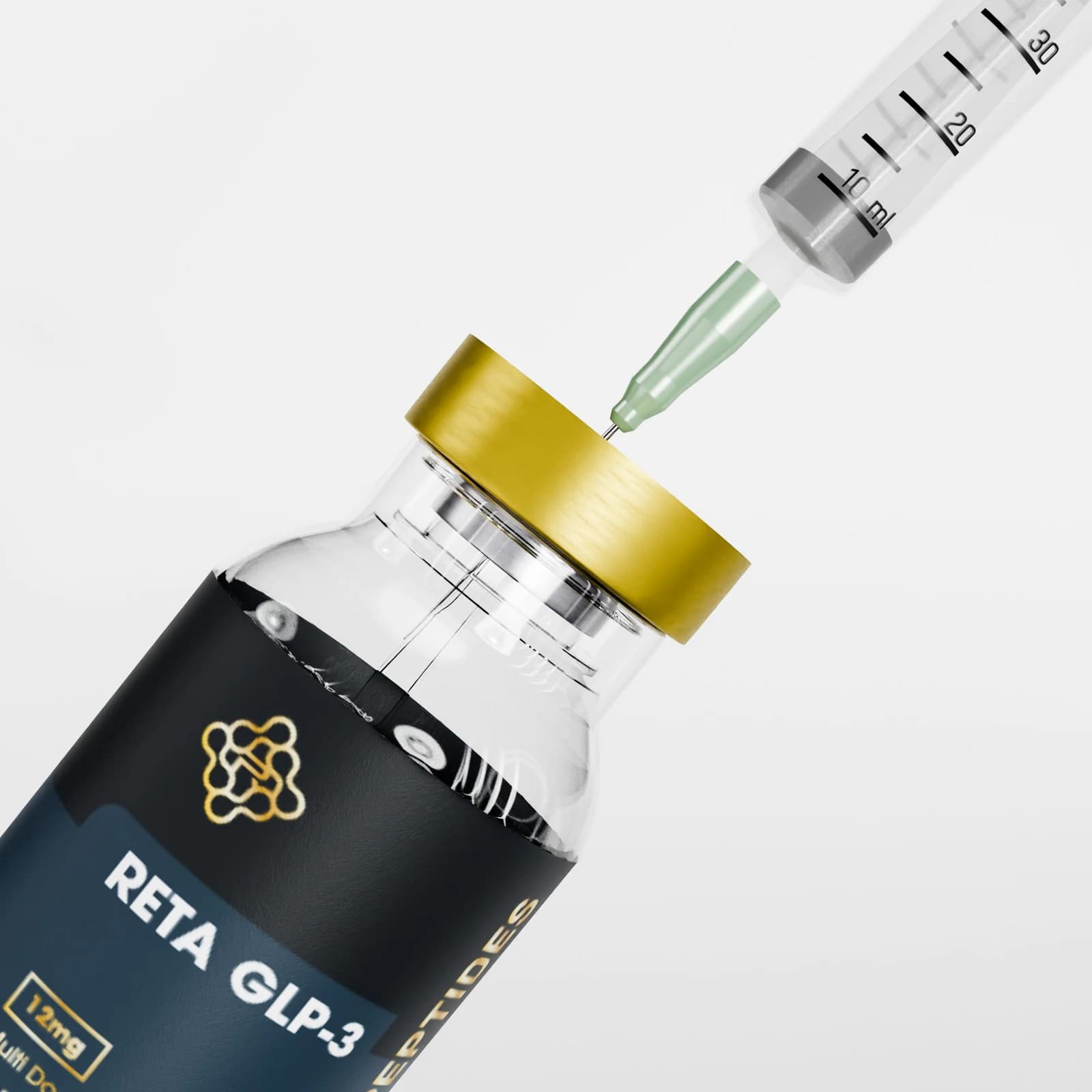
Retatrutide Dosage Schedule After High Dose Tirzepatide in Research
By diligently applying these monitoring strategies, researchers can effectively manage and interpret peptide sequencing studies, ensuring that the effects observed during the retatrutide dosage schedule after tirzepatide are clear and robust. Real Peptides provides high-purity Retatrutide and Tirzepatide, enabling the kind of precise and controlled research necessary to monitor these complex interactions.
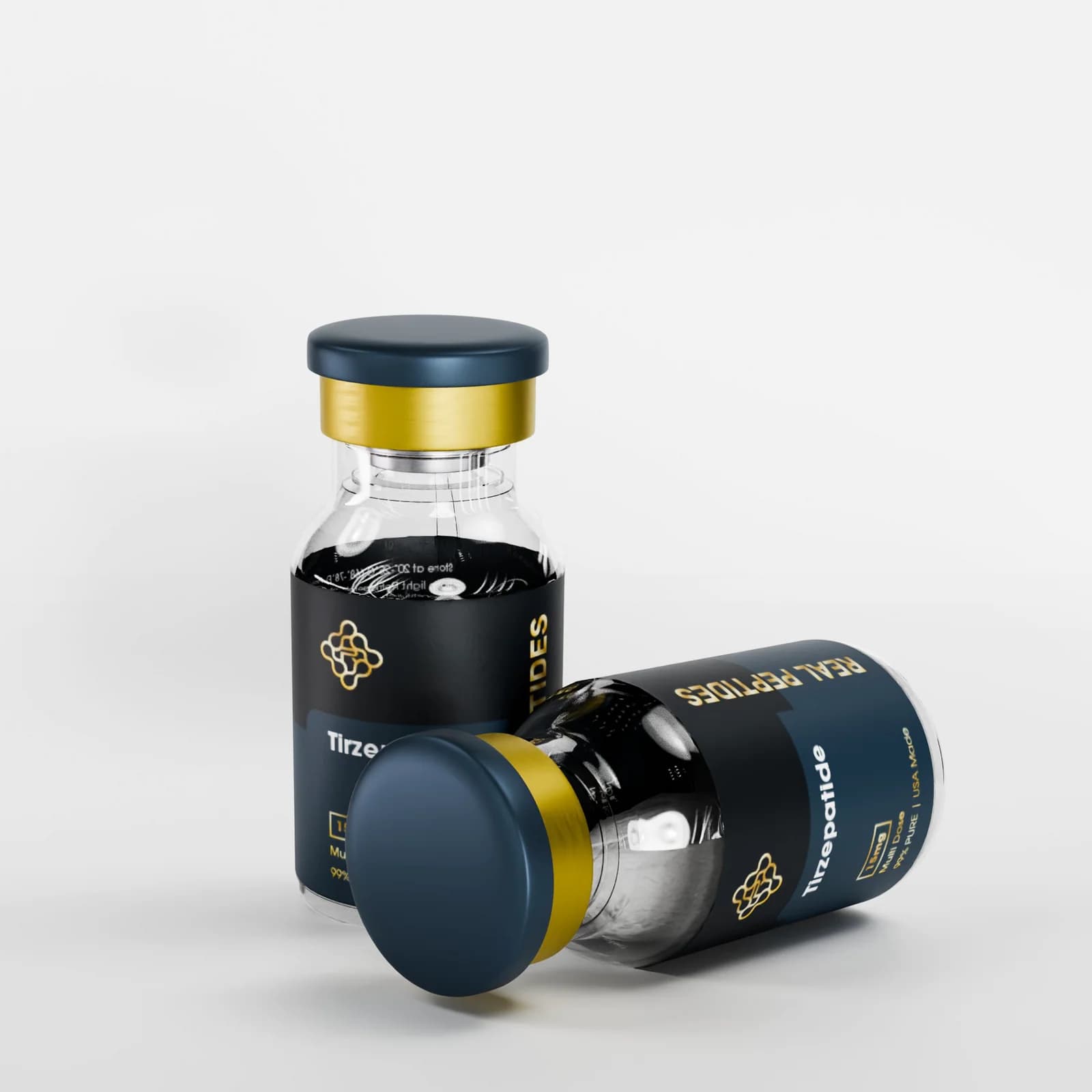
Retatrutide vs Tirzepatide: How Do These Peptides Compare in Research?
In summary, while Tirzepatide currently dominates the research landscape due to its maturity, Retatrutide is quickly gaining traction as a powerful new investigational peptide. Researchers aiming for well-established experimental models might lean towards Tirzepatide, while those exploring cutting-edge, potentially more impactful metabolic interventions might prioritize Retatrutide. For both current and future research needs, Real Peptides provides high-purity Retatrutide and Tirzepatide, enabling scientists to conduct comprehensive studies and accurately compare retatrutide and tirzepatide peptides. Other peptides like Semax Amidate Peptide or Epithalon Peptide serve different research areas, highlighting the diverse needs of the scientific community.

How Many Units Is 2.5 mg of Tirzepatide in Research Settings?
Following these detailed administration guidelines ensures that the desired 2.5 mg of tirzepatide in units is delivered consistently and effectively in research. For other research peptides, such as BPC-157 Peptide or GHK-Cu Copper Peptide, subcutaneous administration often follows similar principles, though specific protocols should always be tailored to the peptide and research objectives. Real Peptides supports researchers by providing high-quality Tirzepatide to aid in precise and reliable administration for your scientific endeavors.
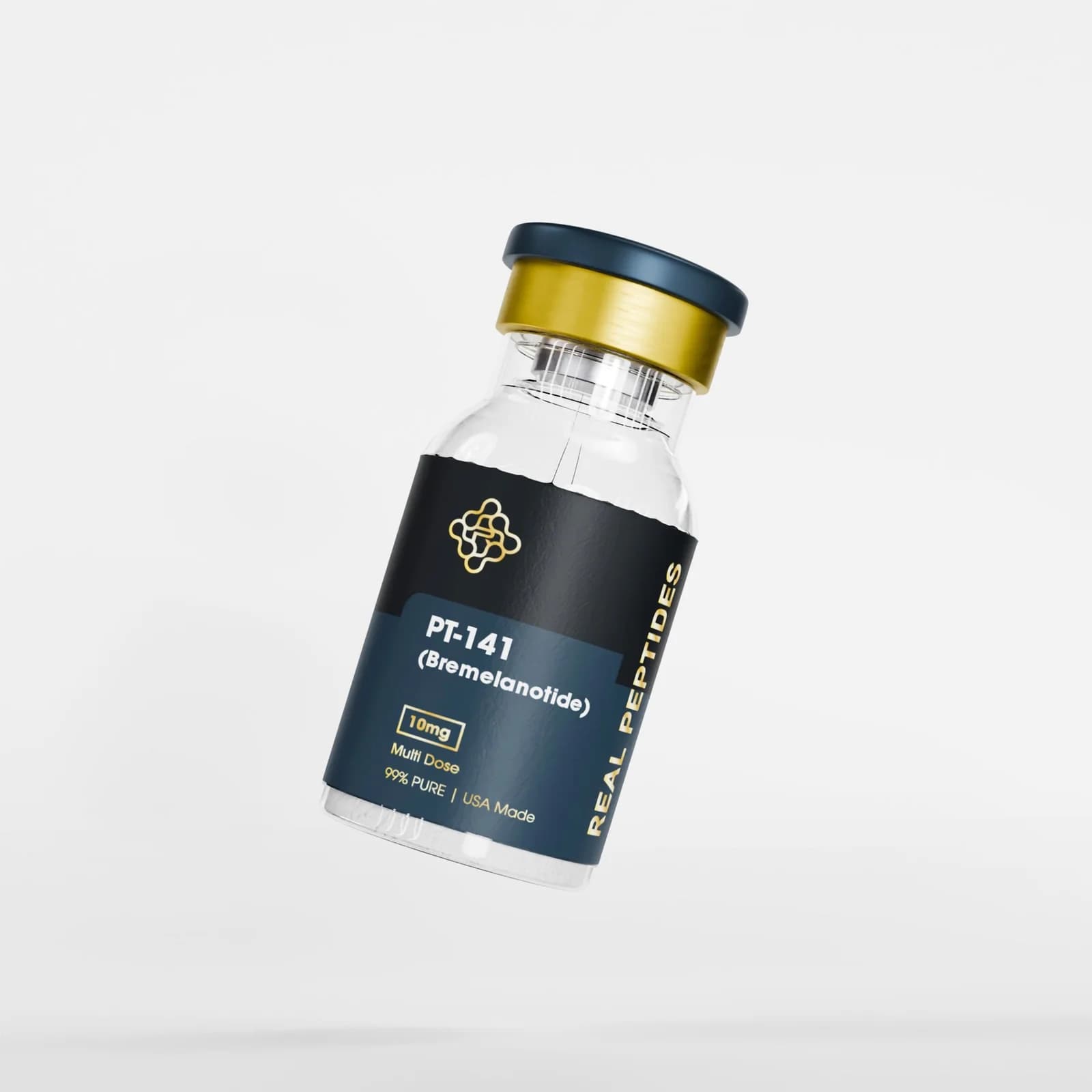
How to Reconstitute PT-141 for Laboratory Use
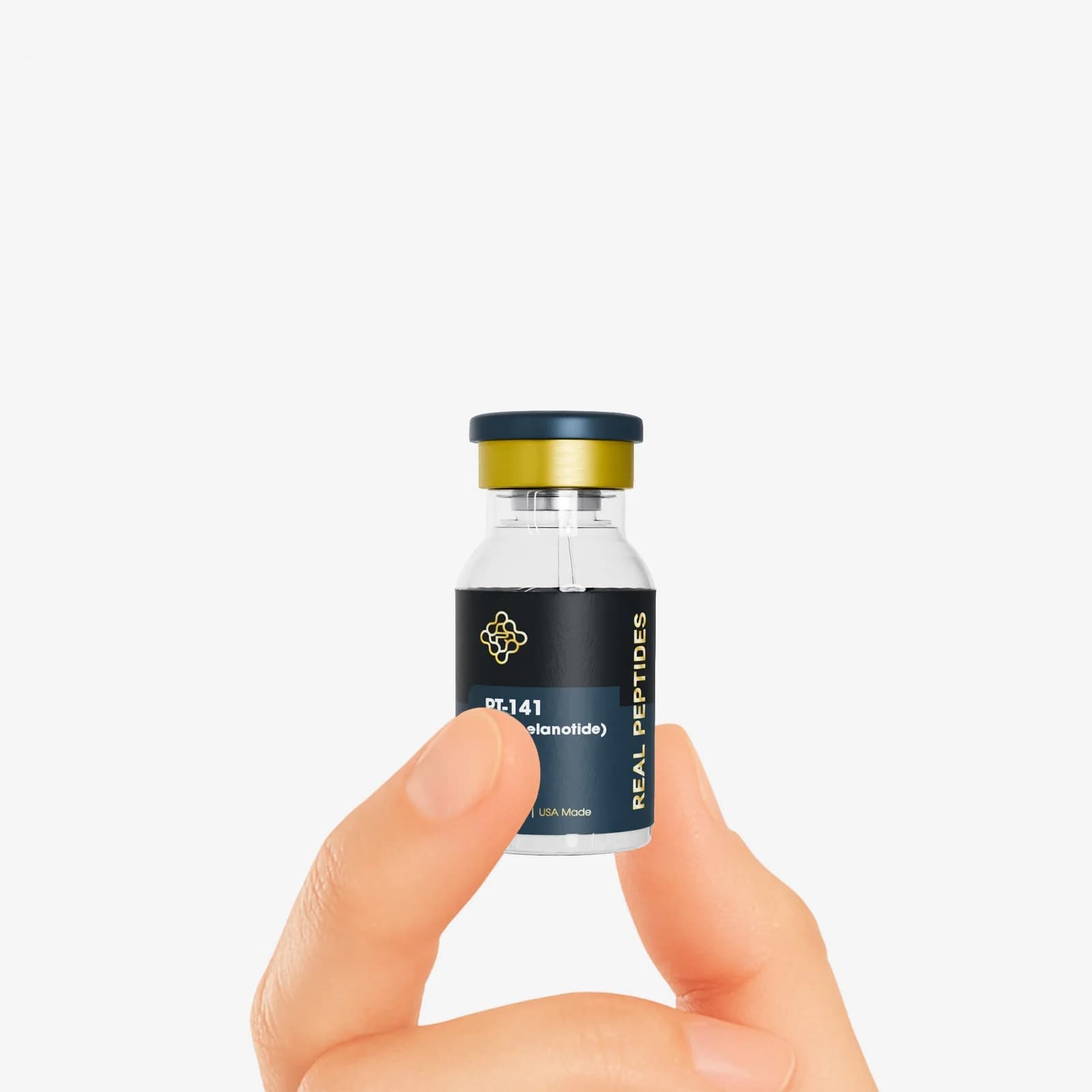
By understanding and actively avoiding these common pt-141 reconstitution errors, researchers can ensure they are preparing high-quality, stable solutions of PT-141 (Bremelanotide) for their laboratory studies. Real Peptides provides peptides of the highest purity to help minimize variables and maximize pt-141 stability after mixing, making your reconstituted pt-141 storage effective and reliable for your important research.
How Long Does PT-141 Last in Lab-Based Research?
Real Peptides provides high-purity PT-141 (Bremelanotide) to ensure that its inherent properties are consistent, allowing researchers to accurately determine the optimal reapplication frequency for their specific studies and precisely characterize how long does pt 141 last and optimize their research timing for pt-141 peptide.
What Is PT-141 Peptide? Bremelanotide Research Explained
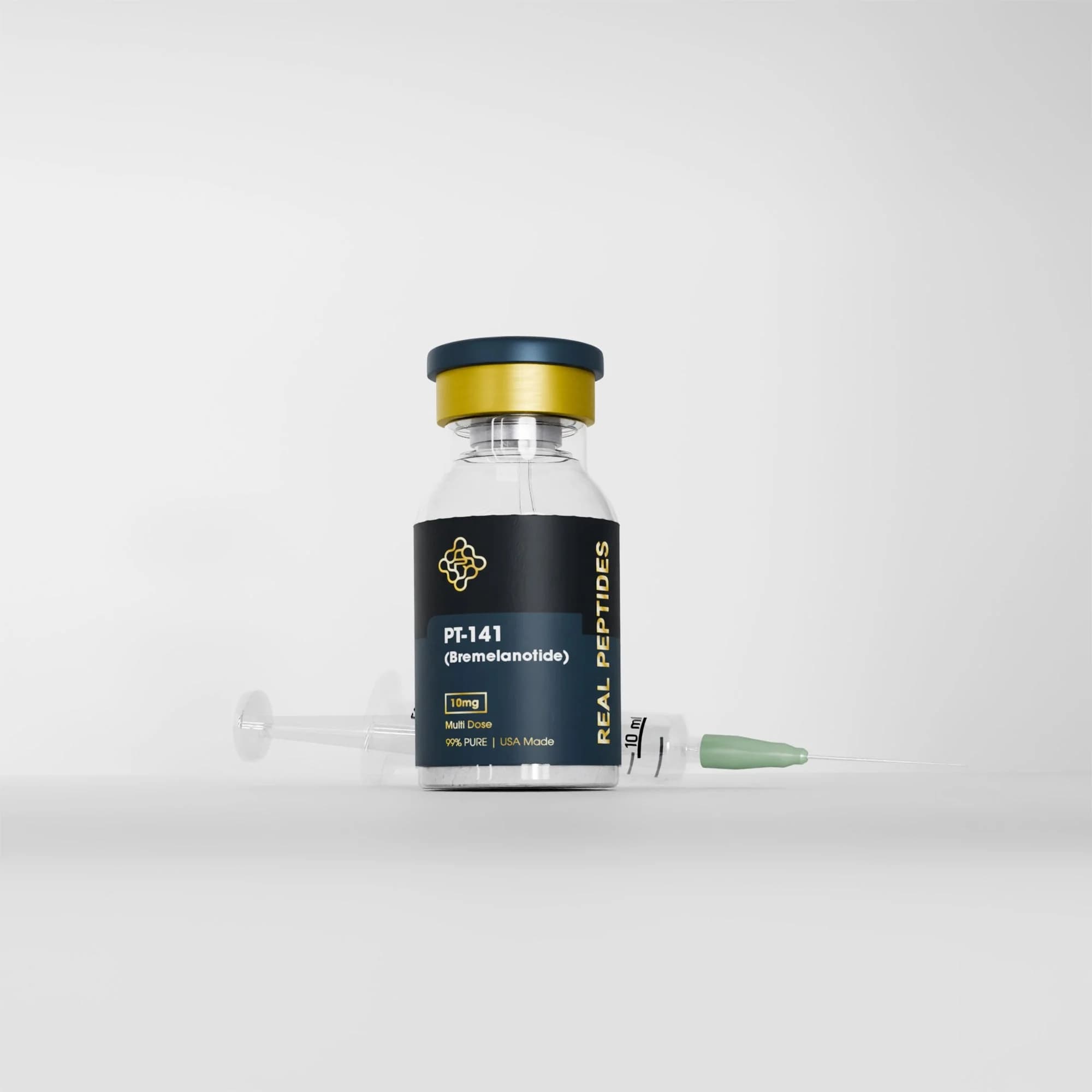
Real Peptides is a leading provider of high-quality research compounds, including PT-141 (Bremelanotide). We understand the critical need for purity and reliability in scientific research. Our commitment to rigorous third-party testing ensures that every batch of what is PT-141 peptide meets stringent quality standards. We provide transparent analytical data, allowing researchers to have full confidence in the material they are using for their pt-141 peptide analysis and generation of valid bremelanotide compound research data. By choosing Real Peptides, you are partnering with a supplier dedicated to supporting your scientific endeavors with the highest quality research materials, enabling robust and reproducible experimental outcomes.
How Does MK 677 Work in Controlled Research Settings?
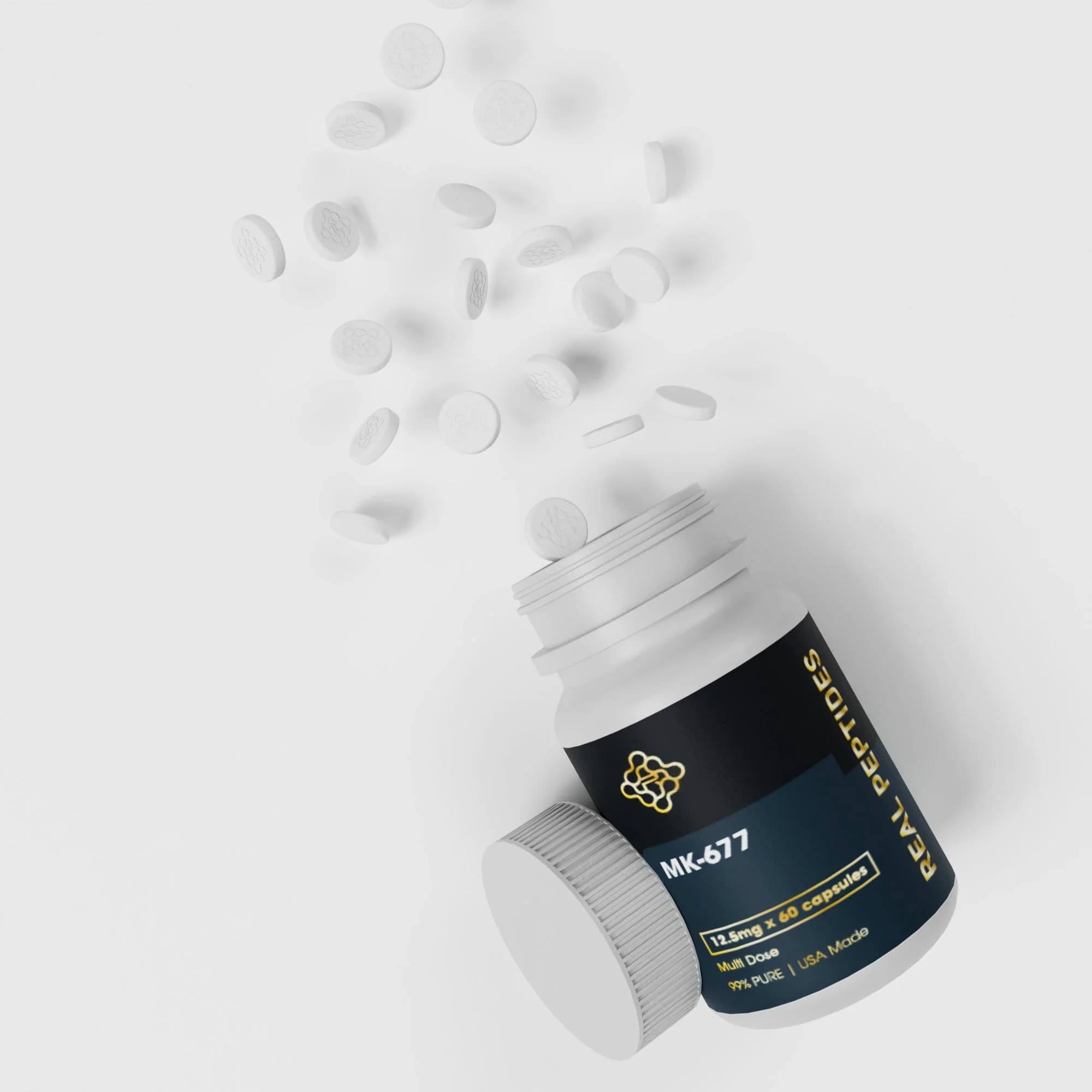
These ongoing experiments continually refine our understanding of how does mk 677 work and its multifaceted actions. Real Peptides supports this cutting-edge research by providing high-quality MK-677 and other compounds like Tesamorelin that enable scientists to push the boundaries of knowledge, advancing our comprehension of the mk-677 mechanism in lab conditions and the broader scope of mk677 peptide function in studies.

Is MK 677 a Peptide? Classification in Research Context
Even though it’s often discussed alongside actual peptides like GHRP-6 or Tesamorelin due to shared functional outcomes (GH release), the scientific literature is clear on its distinct chemical identity. This precise mk-677 classification in peptide research allows for accurate comparison and avoids misinterpretation. Real Peptides aligns with these scientific findings, providing researchers with accurately categorized and high-purity MK-677 to ensure their studies are based on sound scientific principles, correctly addressing What does current research say about its categorization? and its distinct ibutamoren peptide vs non-peptide status.
What Does MK 677 Do in Scientific Research?
These robust research-based observations of mk-677 from controlled studies underscore its utility as a research tool. Real Peptides is dedicated to supplying high-purity MK-677 to ensure that your experiments can build upon these consistent findings, providing reliable data for what does MK 677 do and furthering the understanding of its various effects.

What Is MK 677? Ibutamoren Peptide Research Overview
Real Peptides is a prime example of where can researchers acquire MK 677 for experimental use reliably. We specialize in providing high-quality research-grade peptides and compounds, including MK-677, ensuring that our products meet the stringent requirements of scientific investigation. Our commitment to transparent quality control and comprehensive product information positions us as a trusted mk-677 compound overview provider, empowering researchers to confidently explore what is MK 677 in their studies.
What Does IGF-1 Do in Research-Based Applications?
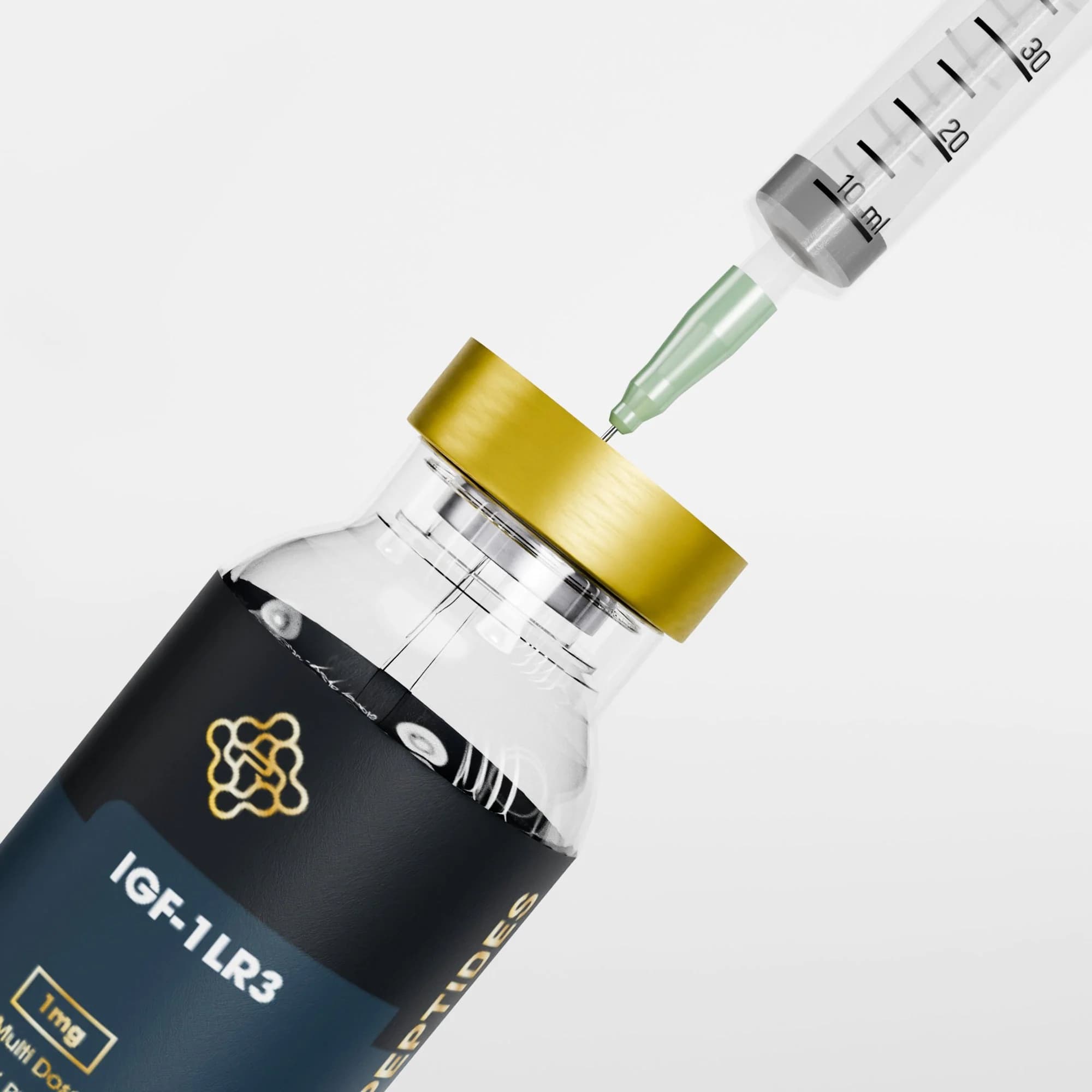
Researchers must conduct pilot studies to establish the optimal dose and frequency for their specific experimental setup and desired igf1 observed research outcomes. Real Peptides understands the critical importance of dose and frequency in research. Our commitment to providing high-quality IGF-1 LR3 ensures that when you meticulously control these variables, you can confidently determine what does IGF-1 do in your unique experimental model, leading to reliable scientific findings.

Where to Get IGF LR3 for Research Purposes Only
By adhering to these careful handling procedures, researchers can ensure the IGF-1 LR3 retains its full potency, allowing for reliable investigation into what is igf-1 responsible for and accurate lab analysis of igf-1 effects. Real Peptides provides high-quality compounds, understanding the importance of meticulous preparation for uncovering the true igf-1 biological function in vitro.
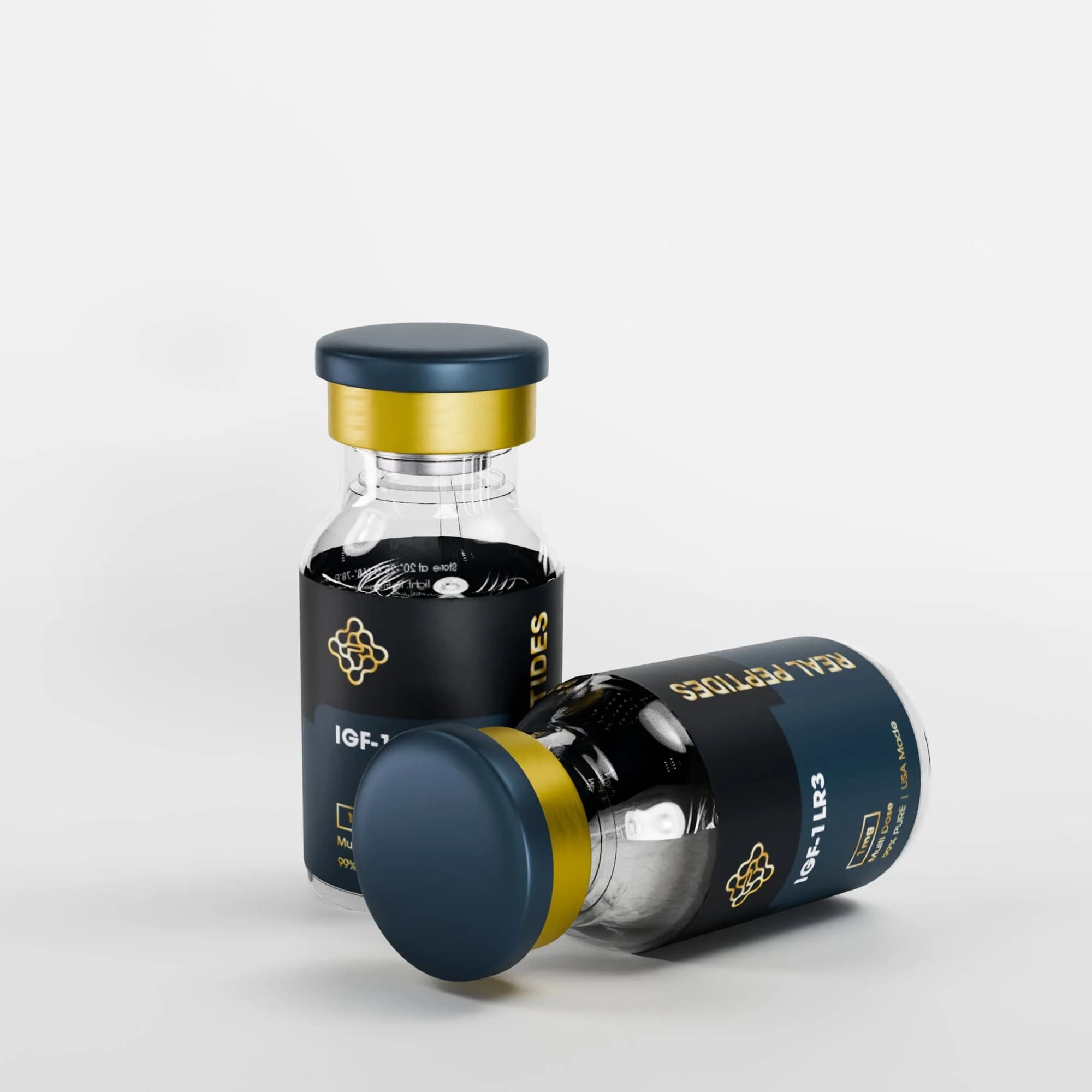
What Is IGF-1 Responsible For in Scientific Research?
These rigorous evaluation methods, combined with meticulously recorded igf-1 biological function in vitro data, allow researchers to build a comprehensive understanding of IGF-1’s experimental role. Real Peptides provides the high-quality IGF-1 LR3 that is essential for dependable research, ensuring that what is igf-1 responsible for can be accurately and reliably determined through precise lab analysis of igf-1 effects in any experimental design. Our dedication to purity supports the integrity of your research.
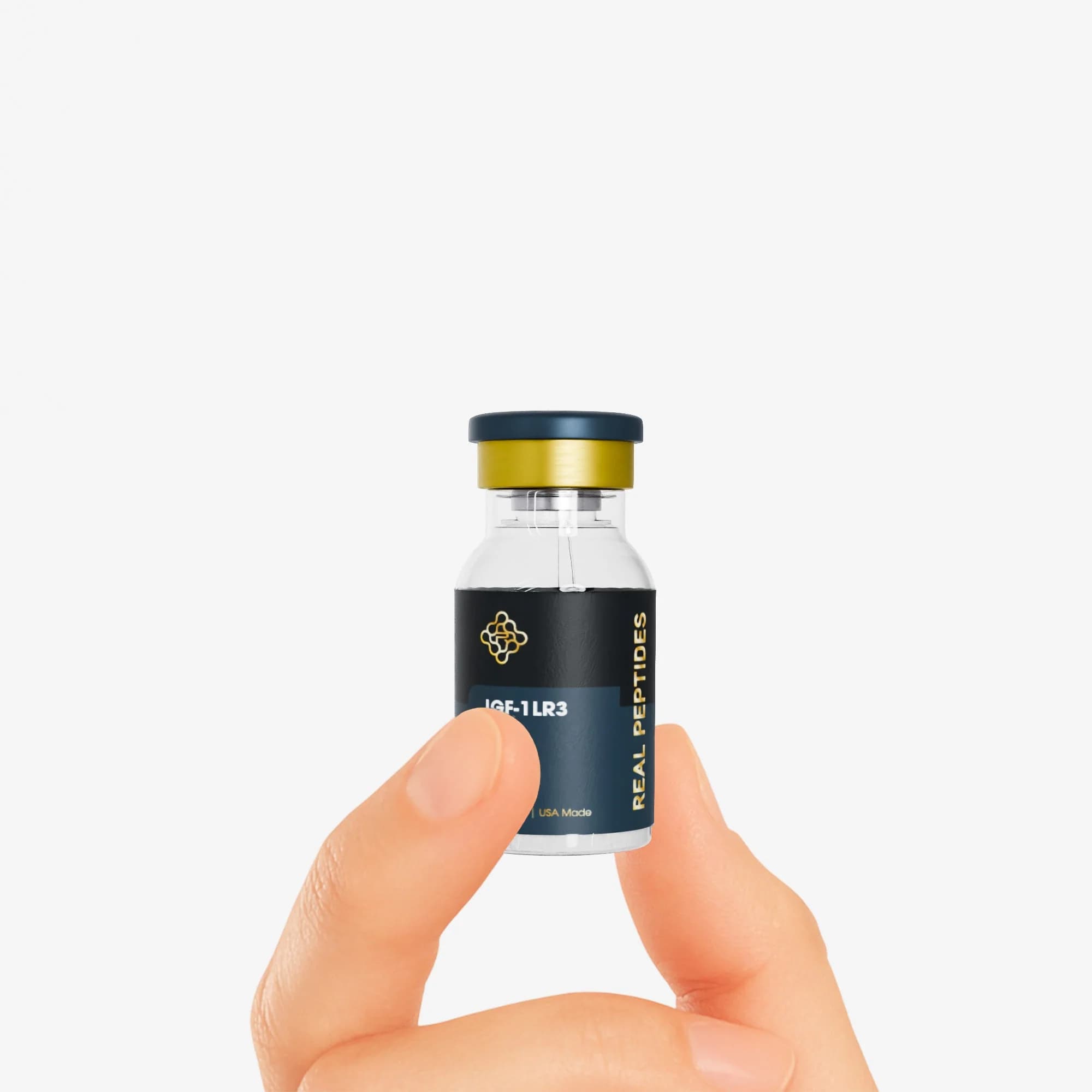
What Is IGF-1? Peptide Research Overview & Profile
By choosing a reputable supplier like Real Peptides, researchers can ensure they acquire IGF-1 that is suitable for rigorous scientific investigation. Our focus is on providing the foundational materials that empower researchers to generate accurate igf-1 peptide data and contribute significantly to the scientific understanding of this crucial growth factor. We are dedicated to being the reliable source for all your experimental peptide needs.
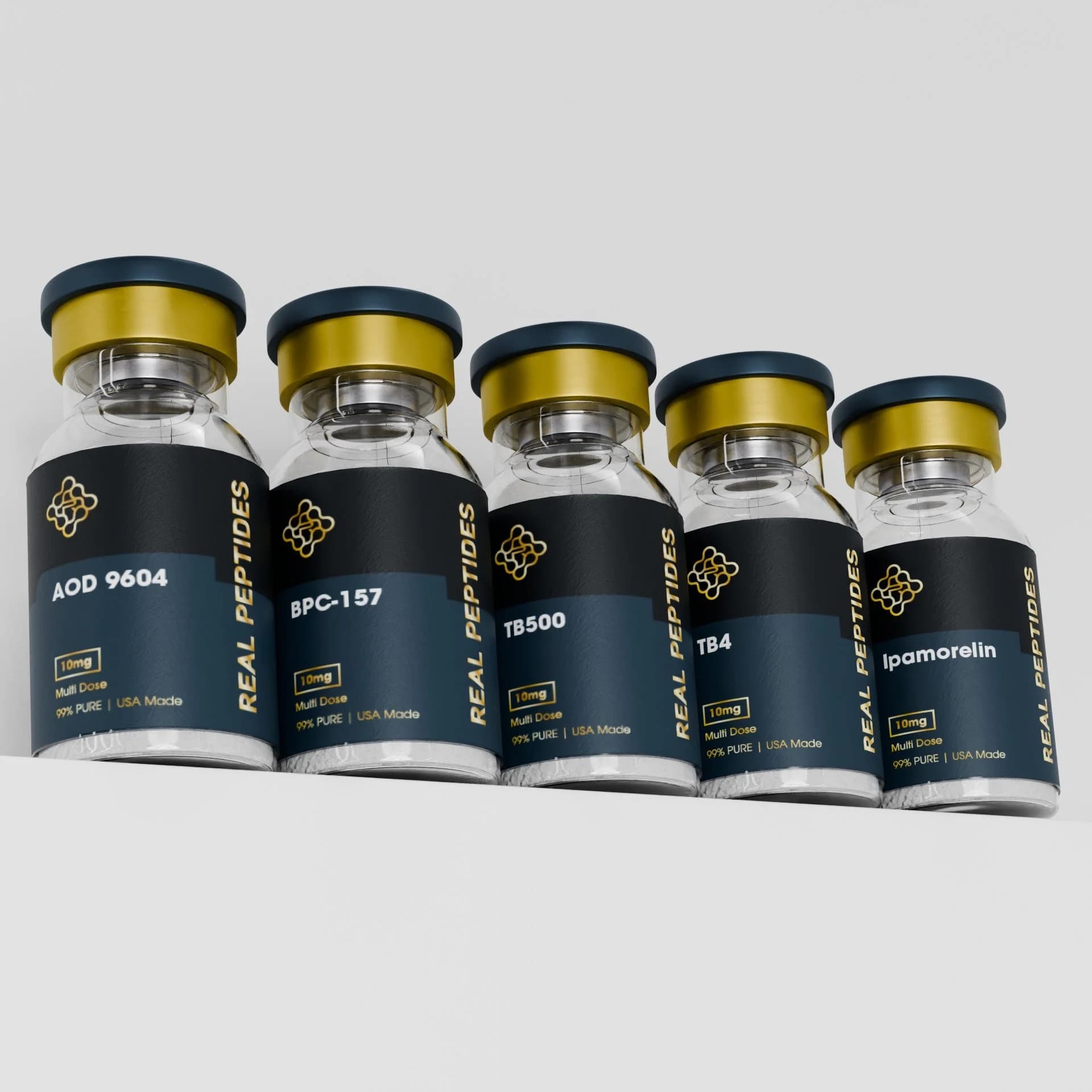
What Does CJC-1295 with DAC, Ipamorelin, and GHRP-2 Do in Research?
Researchers investigating the cjc-1295 dac with ipamorelin and ghrp-2 effects in research must also be vigilant for any unexpected observations and meticulously document all procedures and results. Consistent methodology is crucial for data reproducibility and for building a comprehensive understanding of what does cjc-1295 with dac ipamorelin ghrp-2 do. Real Peptides is your reliable partner in ensuring that you have the premium quality peptides, like Tesamorelin or the Tesamorelin-Ipamorelin Growth Hormone Stack, needed to meet these stringent research guidelines and advance scientific discovery.
Can You Mix Sermorelin and Ipamorelin in Research Settings?
The comprehensive evaluation of these parameters allows researchers to understand the broad spectrum of effects from can you mix sermorelin and ipamorelin and how the ipamorelin sermorelin co-use in peptide research influences various biological systems. Our commitment at Real Peptides is to provide pure sermorelin and ipamorelin, along with related compounds like CJC 1295 no DAC and the Tesamorelin-Ipamorelin Growth Hormone Stack, enabling accurate and reliable outcome measurement in diverse research protocols.
What Is Ipamorelin? Peptide Profile & Lab-Based Overview
Avoiding unregulated or suspicious sources is a significant safety consideration in research. Purchasing from unverified vendors can lead to receiving mislabeled, impure, or even counterfeit products, which can invalidate research findings and potentially pose risks in experimental models. Our position as a reliable provider of research chemicals, including a comprehensive ipamorelin compound overview, means that Real Peptides is a trusted solution for researchers. We understand the stringent requirements of scientific investigation and provide the consistent quality needed for critical studies. When considering where to get your research compounds, choosing a dedicated and transparent supplier like Real Peptides is the best approach for ensuring the integrity of your work.
What Is the CJC 1295 / Ipamorelin Research Cycle?
Some studies might highlight improvements in lean body mass, others in fat reduction, and some in markers of tissue repair. For example, some researchers observe accelerated wound healing, while others focus on improved sleep quality or cognitive function related to enhanced GH levels. The variations in results often stem from the specific physiological parameters being prioritized and measured by the research team. Real Peptides is a solution for researchers seeking consistent and reliable peptides for their diverse study designs, including compounds like BPC-157 Peptide and Tesamorelin for comparative studies. Understanding these potential variations helps researchers interpret their findings and contributes to a broader scientific picture of how combining these peptides impacts various biological systems.
Can Tesamorelin and Ipamorelin Be Combined for Research Use?
Adhering to these considerations is fundamental for any responsible scientific investigation involving co-administering tesamorelin ipamorelin in lab studies. It helps to ensure that the research is conducted ethically and that the data collected is reliable and interpretable within the confines of a controlled research environment.
What Is Hexarelin? Complete Research Profile & Peptide Guide
These effects are often investigated in preclinical models to understand the fundamental biological mechanisms at play. For example, studies could assess how hexarelin affects the expression of genes involved in fat metabolism or the activity of enzymes crucial for glucose processing. The precision required for such metabolic investigations necessitates high-purity research materials. Real Peptides ensures the quality of compounds like Tirzepatide and AOD9604, which are also intensely studied for their metabolic effects, offering reliable options for comparative research. Understanding what is hexarelin’s full spectrum of metabolic influence can contribute significantly to the broader understanding of metabolic disorders and their potential management strategies in a research context. This continuous exploration helps to unravel the complex interplay between hormones and metabolic functions.
Tirzepatide Dosing for Weight Loss in Units
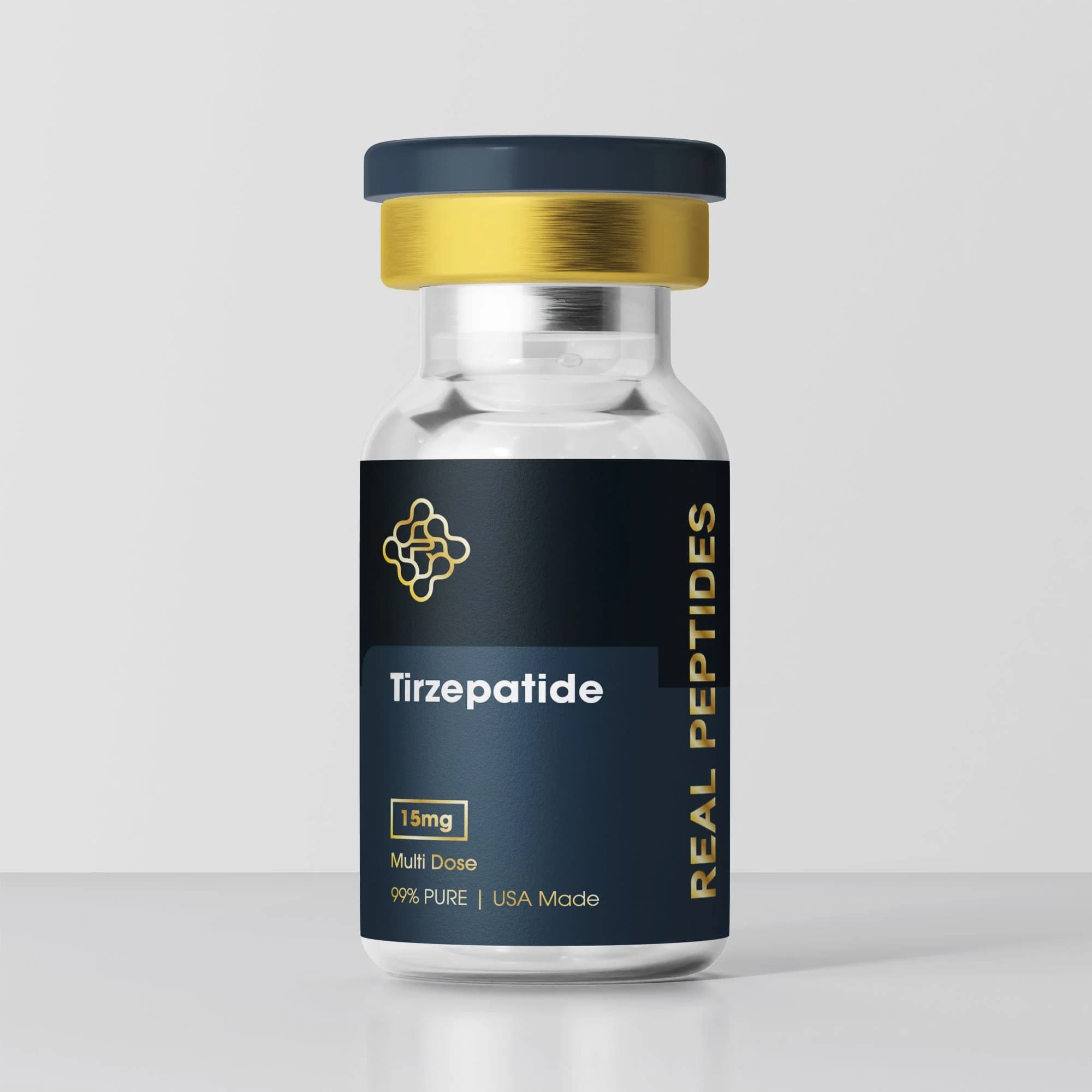
Tirzepatide Dosing for Weight Loss in Units: How It’s Handled in Lab Research As an astute investigator, understanding the precise “What protocols are used for studying weight-related outcomes?” is paramount when dealing with Tirzepatide dosing for weight loss in units. The effectiveness of Tirzepatide in research, particularly regarding Tirzepatide dosing for weight loss in units, hinges entirely on well-defined research protocols. These protocols are the very foundation for any meaningful Tirzepatide dose units for research protocols. Real Peptides provides the high-quality Tirzepatide essential for executing these rigorous weight-related research protocols and examining Tirzepatide dosing for weight loss in units. What Protocols Are Used for Studying Weight-Related Outcomes? Let’s meticulously examine the protocols for Tirzepatide dosing for weight loss in units: Meticulous adherence to these protocols ensures that research on Tirzepatide dosing for weight loss in units yields accurate and reproducible data. Are Titration Schedules Studied in Preclinical Tirzepatide Trials? As astute investigators, a pertinent question that arises when considering Tirzepatide dosing for weight loss in units is: “Are titration schedules studied in preclinical Tirzepatide trials?” Understanding how dosages are incrementally adjusted in research models is crucial for optimizing Tirzepatide dose units for research protocols. Titration, or dose escalation, is a common strategy to assess response and manage potential effects when examining Tirzepatide dosing for weight loss in units. This careful approach provides valuable data. Real Peptides offers the consistent quality of Tirzepatide necessary for conducting precise titration studies involving Tirzepatide dosing for weight loss in units. Escalation Methods and Stability Over Time Let’s meticulously analyze titration schedules for Tirzepatide dosing for weight loss in units: Titration schedules are indeed a critical component of rigorous preclinical Tirzepatide research, providing layered insights into Tirzepatide dosing for weight loss in units. How to Store and Prepare Tirzepatide for Lab-Based Use Only For any astute investigator, the meticulous details of “How to store and prepare Tirzepatide for lab-based use only” are non-negotiable when dealing with Tirzepatide dosing for weight loss in units. Proper handling ensures the integrity and efficacy of the peptide, which is fundamental to the reliability of your Tirzepatide dose units for research protocols. Deviations in storage or preparation can compromise your entire study on Tirzepatide dosing for weight loss in units. Real Peptides is dedicated to providing Tirzepatide with clear instructions for storage and preparation, supporting accurate Tirzepatide dosing for weight loss in units. Solvent, Concentration, Light Protection Let’s carefully outline the essential steps for handling Tirzepatide dosing for weight loss in units: Meticulous attention to these storage and preparation guidelines ensures the integrity of Tirzepatide for all Tirzepatide dosing for weight loss in units. What Does Tirzepatide Dosing Look Like in Research Models? An astute investigator seeks specific details regarding “What does Tirzepatide dosing look like in research models?” when exploring Tirzepatide dosing for weight loss in units. Understanding the common concentrations and measurement units used in lab settings is fundamental for replicating and building upon existing Tirzepatide dose units for research protocols. This precision in Tirzepatide dosing for weight loss in units is paramount for accurate research. Real Peptides ensures that our Tirzepatide is of the highest quality, facilitating accurate Tirzepatide dosing for weight loss in units across various research models. Common Concentrations Used in Studies (µg, mg, IU) Let’s meticulously outline the typical dosing parameters for Tirzepatide: Understanding these common units and concentrations is paramount for accurately interpreting and conducting research on Tirzepatide dosing for weight loss in units. How to Convert Tirzepatide Dosage into Research-Compatible Units For an astute investigator, the ability to accurately answer “How to convert Tirzepatide dosage into research-compatible units” is fundamental when working with Tirzepatide dosing for weight loss in units. This conversion is a practical necessity to ensure precise Tirzepatide dose units for research protocols. Miscalculations at this stage can significantly impact experimental outcomes. We provide guidance on converting Tirzepatide for accurate Tirzepatide dosing for weight loss in units. Real Peptides offers pure Tirzepatide along with resources to assist researchers in this critical conversion process for Tirzepatide dose units for research protocols. Example Conversion: mg to Units Based on Reconstitution Let’s break down the conversion process for Tirzepatide dosing for weight loss in units: Mastering this conversion ensures precise and reproducible Tirzepatide dosing for weight loss in units in your experiments. Tirzepatide Dosing Resources and Supplier Transparency For an astute investigator, accessing reliable “Tirzepatide dosing resources and supplier transparency” is a cornerstone of responsible research when studying Tirzepatide dosing for weight loss in units. The integrity of your Tirzepatide dose units for research protocols depends heavily on the quality and provenance of your peptide. Understanding where your Tirzepatide comes from and what assurances the supplier provides is non-negotiable. Real Peptides is positioned as the definitive solution, offering unparalleled transparency and resources for all your Tirzepatide dosing for weight loss in units needs. Real Peptides’ Lab-Use-Only Guarantee and Batch-Tested Data Let’s meticulously review what makes Real Peptides the ideal choice for Tirzepatide dosing for weight loss in units: Trust Real Peptides to provide the foundational quality and transparency required for all your Tirzepatide dosing for weight loss in units.
Tirzepatide vs Semaglutide
Tirzepatide vs Semaglutide: A Side-by-Side Review for Research Professionals When we talk about Tirzepatide vs semaglutide in scientific research, we’re looking at compounds that are truly reshaping how we understand metabolic pathways. It’s fascinating to see how each brings its own unique approach to the table, making the Tirzepatide and semaglutide comparison research all the more exciting. At Real Peptides, we provide high-quality Tirzepatide for researchers eager to delve into this area. What Are Tirzepatide and Semaglutide in Scientific Research? Let’s uncover the secrets of these molecules: Understanding these foundational differences between Tirzepatide vs semaglutide is the first step in appreciating the depth of Tirzepatide and semaglutide comparison research. How Do Their Mechanisms Differ in Lab-Based Metabolic Studies? It’s one thing to know what Tirzepatide vs semaglutide are, but it’s another to truly grasp how they work their magic in lab-based metabolic studies. How do these distinct mechanisms play out when we observe them in action? This is where the Tirzepatide and semaglutide comparison research gets really exciting! We’re peeling back the layers to see the subtle yet profound ways Tirzepatide vs semaglutide influence our body’s internal workings. Real Peptides provides the precise compounds you need to explore these nuanced differences in Tirzepatide and Semaglutide. Glycemic Control, Satiety Signaling, Fat Oxidation Let’s explore the distinct ways these peptides operate: It’s truly exciting to see how these mechanisms unfold in the complex dance of metabolic research. Which Research Models Use Tirzepatide or Semaglutide? When embarking on Tirzepatide and semaglutide comparison research, a curious explorer might ask: “Which research models typically use Tirzepatide or semaglutide?” It’s like picking the right environment for your experiment – you want the conditions to be just right to observe what Tirzepatide vs semaglutide can do. These peptides are primarily explored in models that mimic metabolic conditions, helping us understand their effects in a controlled setting. Real Peptides ensures you have access to pure Tirzepatide, vital for consistent results across various research models. Obesity, Insulin Sensitivity, Glucose Clamp Studies Let’s explore the common research playgrounds for these peptides: Understanding these common research models helps us appreciate the depth and breadth of Tirzepatide and semaglutide comparison research. Tirzepatide vs Semaglutide: Molecular Structure and Binding Sites As curious explorers, once we understand what Tirzepatide vs semaglutide are and how they generally work, the next frontier is to investigate their very building blocks: “Tirzepatide vs Semaglutide: Molecular Structure and Binding Sites.” How do these tiny differences at the molecular level lead to different outcomes in Tirzepatide and semaglutide comparison research? It’s like examining the unique shape of a key and how it fits into a lock. This understanding is crucial when looking at Tirzepatide vs semaglutide. At Real Peptides, we ensure the purity of our Tirzepatide and other metabolic peptides for precise structural studies. Receptor Affinity and Interaction Duration Let’s explore the molecular dance of Tirzepatide vs semaglutide: Exploring these molecular details provides a deeper appreciation for the fascinating science behind Tirzepatide vs semaglutide. What Metrics Are Used to Compare Their Research Performance? As curious explorers tracking the impact of new compounds, we naturally ask: “What metrics are used to compare the research performance of Tirzepatide vs semaglutide?” It’s like having a scientific scorecard to see which peptide excels in different categories during Tirzepatide and semaglutide comparison research. Measuring the right things helps us truly understand the unique strengths of Tirzepatide vs semaglutide in lab settings. Real Peptides supports your precise measurements by providing consistently high-quality Tirzepatide and other metabolic peptides. Weight, A1C, GLP-1R Activation Let’s look at the key performance indicators for Tirzepatide vs semaglutide: These key metrics provide a comprehensive picture, guiding researchers through the nuances of Tirzepatide vs semaglutide performance. How to Legally Source Both Peptides for Comparative Studies After exploring the fascinating differences and shared potentials of Tirzepatide vs semaglutide, the practical explorer will eventually ask: “How can I legally source both peptides for comparative studies?” This is a crucial question for ensuring ethical, compliant, and successful Tirzepatide and semaglutide comparison research. Knowing where to get high-quality, research-grade Tirzepatide vs semaglutide is fundamental for reliable results. Real Peptides is positioned as your go-to solution for legally sourcing these peptides, providing the confidence you need for your Tirzepatide and semaglutide comparison research. Real Peptides Product Line and Documentation Let’s discover the best way to acquire your research materials for Tirzepatide vs semaglutide: By choosing Real Peptides, you ensure that your journey into Tirzepatide vs semaglutide research is built on a foundation of quality, legality, and scientific integrity.

What Is Selank?
What Is Selank? How Researchers Are Studying This Peptide in Neurological Models For researchers exploring neurological compounds, a key question often arises: “What is Selank?” Understanding what is Selank and how it’s classified is the critical first step in its study. So, what is Selank, exactly? It’s a synthetic peptide that has drawn significant attention in selank peptide for neurological studies due to its unique properties. Knowing what is Selank fundamentally helps guide research applications. Real Peptides offers pure Selank Amidate Peptide for your precise research needs, ensuring you always know what is Selank when you receive it for your selank peptide for neurological studies. What Is Selank and How Is It Classified in Peptide Research? Let’s clarify what is Selank and its place in research: Understanding what is Selank as a synthetic tuftsin analog with neuromodulatory properties is essential for effective selank peptide for neurological studies. Why Is Selank of Interest in Cognitive and Anxiety Studies? Once we grasp what is Selank, the natural progression for researchers is to ask: “Why is Selank of interest in cognitive and anxiety studies?” The answer lies in its observed effects on brain chemistry and function in lab models, making it a critical compound for selank peptide for neurological studies. The potential to modulate neurological processes is a driving force behind research into what is Selank. Real Peptides provides pure Selank Amidate Peptide for your precise investigations into what is Selank’s impact on cognitive and anxiety-related markers in the brain. Lab Models on Neurotransmitter Regulation (Serotonin, Dopamine) Let’s explore the reasons for Selank’s relevance in these studies: The ability of what is Selank to influence crucial neurotransmitter systems and cognitive markers makes it a highly promising subject for selank peptide for neurological studies. How Does Selank Differ from Other Peptides Like Semax? After grasping what is Selank and its applications, a curious researcher might compare it to similar compounds: “How does Selank differ from other peptides like Semax?” While both are synthetic peptides of interest in selank peptide for neurological studies, understanding their distinctions is crucial for precise research. Knowing the unique aspects of what is Selank versus Semax helps direct more effective experiments. Real Peptides offers both Selank Amidate Peptide and Semax Amidate Peptide for researchers conducting comparative selank peptide for neurological studies. Structural Comparison and Mechanistic Pathways Let’s compare what is Selank to Semax: Understanding these structural and mechanistic distinctions is key when choosing between what is Selank and other peptides like Semax for your neurological research. How Is Selank Reconstituted for Research Purposes? A crucial step for any researcher working with peptides is understanding: “How is Selank reconstituted for research purposes?” Correct reconstitution is vital for valid results when studying what is Selank and its effects in selank peptide for neurological studies. If you don’t prepare what is Selank properly, your experimental outcomes could be inconsistent. This section offers a focused guide on the best practices for handling and preparing what is Selank for your lab work. Real Peptides ensures our Selank Amidate Peptide comes with clear guidelines to help you accurately reconstitute what is Selank for your selank peptide for neurological studies. Dosage Prep and pH/Stability Factors Let’s detail the reconstitution process for what is Selank: Proper reconstitution and handling of what is Selank are fundamental steps for successful selank peptide for neurological studies. What Are the Key Benefits Observed in Preclinical Selank Studies? After understanding what is Selank and how to prepare it, researchers often inquire: “What are the key benefits observed in preclinical Selank studies?” This delves into the practical applications and potential impacts of what is Selank in a research setting. The observed effects in various models highlight why what is Selank is a significant compound for selank peptide for neurological studies. Identifying these “benefits” is key to guiding further inquiry into what is Selank. Real Peptides provides the high-quality Selank Amidate Peptide to support your exploration of what is Selank’s unique properties in preclinical models. Focus, Memory, Mood-Related Markers Let’s examine the compelling observations from Selank studies: These observed “benefits” in preclinical models make what is Selank a highly interesting subject for ongoing selank peptide for neurological studies. Why Selank Must Be Labeled for Research Use Only As a focused guide, it is absolutely essential to address: “Why Selank must be labeled for research use only?” This is a non-negotiable instruction for anyone handling what is Selank. The strict labeling ensures that the peptide is used responsibly and ethically within a controlled scientific environment. Understanding why what is Selank carries this specific label is crucial for compliance in all selank peptide for neurological studies. Real Peptides is committed to regulatory compliance and provides only research-grade Selank Amidate Peptide, clearly marked for “research use only,” reinforcing this critical point about what is Selank. Regulatory Explanation + Sourcing from Real Peptides Let’s clarify the “research use only” designation for what is Selank: Adhering to the “research use only” label for what is Selank is a critical responsibility for all parties involved in selank peptide for neurological studies.
What Is KPV Peptide?
What Is KPV Peptide? A Lab-Focused Look at Its Anti-Inflammatory Potential It’s a small but mighty molecule that has garnered significant attention in various lab studies. Real Peptides provides pure KPV 5mg for your rigorous investigations, ensuring you always know what is KPV peptide in your hands for your specific experiments, especially if you’re interested in kpv peptide for inflammation research. What Is KPV Peptide and What Does It Stand For? Let’s break down what is KPV peptide and its unique characteristics: Understanding what is KPV peptide, down to its basic structure and biological connections, is essential for its effective use in advanced research. How Is KPV Studied in Inflammatory Response Models? Once we know what is KPV peptide, the next logical step for a diligent analyst is to delve into: “How is KPV peptide studied in inflammatory response models?” This question directly addresses the application of kpv peptide for inflammation research. Researchers employ specific methods to investigate how the KPV peptide exerts its anti-inflammatory effects. Understanding these models is critical for anyone conducting kpv peptide for inflammation research. Real Peptides supplies high-quality KPV 5mg so your studies into how kpv peptide affects inflammation are robust and reliable. Effects on TNF-α, IL-1β, and NF-κB Pathways Let’s meticulously examine how kpv peptide for inflammation research is conducted: By employing these rigorous methods, researchers gain a clear picture of how KPV peptide effectively modulates inflammatory responses. What Makes KPV a Focus in Gut and Skin Inflammation Research? Having understood what is KPV peptide and how it modulates inflammation at a molecular level, a key question for researchers is: “What makes KPV peptide a focus in gut and skin inflammation research?” These specific areas are where the KPV peptide shows significant promise in lab models, making it a critical compound for kpv peptide for inflammation research. The targeted nature of what is KPV peptide’s effects makes it highly valuable in these specialized studies. Real Peptides offers the precise KPV 5mg required for your in-depth studies on kpv peptide for inflammation research in these specific systems. Use in Colitis and Dermatitis Lab Models Let’s analyze why kpv peptide is so relevant for these research areas: The targeted benefits make what is KPV peptide a standout compound for specific investigations into gut and skin inflammation. How Is KPV Reconstituted and Handled for Research Use? A critical step for any diligent analyst when working with KPV peptide is understanding: “How is KPV peptide reconstituted and handled for research use?” Proper preparation is paramount for ensuring the accuracy and effectiveness of your experiments, especially in kpv peptide for inflammation research. If what is KPV peptide isn’t prepared correctly, your research into kpv peptide’s effects on inflammation could be compromised. This section will guide you through the precise methods for handling this important peptide. Real Peptides ensures that our KPV 5mg comes with clear guidelines for optimal preparation, supporting your kpv peptide for inflammation research from the start. Proper Dilution, Light Sensitivity, Storage Practices Let’s meticulously detail how to handle KPV peptide: Following these precise steps is fundamental for consistent and reliable results when working with what is KPV peptide. Is KPV Considered a Safe and Stable Peptide in Lab Use? A diligent analyst always considers the practical aspects of working with any research compound, including: “Is KPV peptide considered a safe and stable peptide in lab use?” Understanding the stability profile and general handling considerations for what is KPV peptide is crucial for ensuring the reliability of your kpv peptide for inflammation research. Knowing the stability of the KPV peptide provides confidence in your experimental outcomes. Real Peptides prioritizes quality, offering KPV 5mg with verified purity and comprehensive handling data, ensuring the stability of our KPV peptide for your demanding kpv peptide for inflammation research. Discuss In-Vitro Stability and Handling Notes Let’s investigate the stability and safety aspects of what is KPV peptide: By understanding these stability and handling notes, researchers can ensure the optimal performance of what is KPV peptide in their investigations.
GHK-Cu Hair Growth
GHK-Cu Hair Growth: How This Copper Peptide Is Used in Lab-Based Hair Regeneration Studies When researchers explore new avenues for regenerative studies, the question often arises: “What is GHK-Cu and why is it studied in GHK-Cu hair growth research?” It’s a fascinating peptide, and its potential for GHK-Cu hair growth has captured significant interest in lab settings. Understanding what GHK-Cu is at its core provides the foundation for exploring why GHK-Cu hair growth is such a hot topic. Why does this copper peptide stand out in discussions of hair follicle research? Real Peptides offers pure GHK-Cu Copper Peptide and GHK-Cu Cosmetic 5mg for your GHK-Cu hair growth studies. What Is GHK-Cu and Why Is It Studied in Hair Growth Research? Let’s investigate the reasons behind the excitement for GHK-Cu hair growth: The unique structure and wide-ranging regenerative potential of GHK-Cu make it a compelling subject for GHK-Cu hair growth research in lab environments. How Does GHK-Cu Interact with Hair Follicles in Lab Models? Once we understand what GHK-Cu is and why researchers are curious about GHK-Cu hair growth, the next big question for the inquisitive investigator is: “How does GHK-Cu interact with hair follicles in lab models to support GHK-Cu hair growth?” This delves into the specific mechanisms that make GHK-Cu a focal point in hair follicle research. Understanding these interactions is key to unraveling the full potential of GHK-Cu hair growth. Real Peptides offers the highly purified GHK-Cu Copper Peptide and GHK-Cu Cosmetic 5mg to ensure your studies on GHK-Cu hair growth are precise and reliable. Research on Growth Cycle Regulation, Angiogenesis Let’s investigate the specific interactions behind GHK-Cu hair growth: By studying these precise interactions in lab models, researchers can better understand the cellular and molecular pathways that contribute to GHK-Cu hair growth. What Are the Most Common In-Vitro Models for GHK-Cu Hair Studies? As an inquisitive investigator looking into GHK-Cu hair growth, you might be wondering: “What are the most common in-vitro models used for GHK-Cu hair studies?” Understanding these lab-based setups is essential for accurate research into GHK-Cu hair growth and how this GHK-Cu peptide influences hair follicle research. These models allow scientists to precisely control variables and delve into the cellular mechanisms behind GHK-Cu hair growth. Real Peptides provides the high-quality GHK-Cu Copper Peptide and GHK-Cu Cosmetic 5mg crucial for reliable in-vitro studies on GHK-Cu hair growth. Follicular Cell Culture, Scalp Skin Equivalents Let’s explore the in-vitro tools for studying GHK-Cu hair growth: These diverse in-vitro models provide powerful ways to systematically investigate GHK-Cu hair growth and the role of the GHK-Cu peptide. How Is GHK-Cu Typically Reconstituted for Research Applications? Once you’ve decided to investigate GHK-Cu hair growth in your lab, a practical and critical question arises: “How is GHK-Cu typically reconstituted for research applications?” Proper reconstitution is paramount for accurate and reproducible results in GHK-Cu hair growth studies. If GHK-Cu is not prepared correctly, your data on GHK-Cu hair growth may be compromised. This section will guide you through the standard procedures for handling GHK-Cu peptide for hair follicle research. Real Peptides provides clear reconstitution instructions for our pure GHK-Cu Copper Peptide and GHK-Cu Cosmetic 5mg, essential for your GHK-Cu hair growth experiments. Mixing Protocols, Concentration, Storage Notes Let’s investigate the proper preparation for GHK-Cu hair growth studies: Following these reconstitution steps precisely is paramount for successful and meaningful GHK-Cu hair growth research.
What Does Thymosin Do?
What Does Thymosin Do? Exploring Its Role in Research-Only Immunological Models Researchers often dive into the world of peptides and quickly encounter a key question: “What does thymosin do?” It’s a broad question because “thymosin” isn’t just one thing. It’s a family of peptides, each with its own unique characteristics and research applications. So, what does thymosin do, specifically when we talk about its different variants? Understanding these variations is crucial for any targeted research. Real Peptides provides pure versions of key thymosin peptides like Thymosin Alpha-1 Peptide and TB-500 Peptide Thymosin Beta-4 for your investigative work. Exploring what does thymosin do starts with knowing its family members. What Is Thymosin and What Variants Exist in Research? Let’s explore the different answers to “what does thymosin do” by looking at its variants: Understanding these different thymosin variants helps researchers pinpoint precisely what does thymosin do in their specific experimental models. How Is Thymosin Alpha-1 Studied in Immunological Models? Having identified Thymosin Alpha-1 as a key player in immune research, the next practical question for scientists is: “How is Thymosin Alpha-1 studied in immunological models?” It’s not enough to know generally what does thymosin do; researchers need specific methodologies. This section explores the primary ways scientists investigate what does thymosin Alpha-1 do in lab settings. Real Peptides provides high-purity Thymosin Alpha-1 Peptide, which is essential for accurate and repeatable studies into what does thymosin Alpha-1 do in the immune system. T-cell Modulation, Cytokine Stimulation Here’s how researchers typically investigate what does thymosin Alpha-1 do: By focusing on these specific mechanisms, researchers gain a deeper understanding of what does thymosin Alpha-1 do to modulate and support immune function in a controlled lab environment. Thymosin Beta-4: Regeneration and Repair in Lab-Based Studies After exploring what does thymosin do in the immune system with Thymosin Alpha-1, let’s shift our focus to another fascinating variant: Thymosin Beta-4. So, what does thymosin do when it’s Beta-4? This peptide is a key area of interest for researchers studying regeneration and repair in lab models. Understanding exactly what does thymosin do in these contexts is vital for advancements in cellular and tissue recovery research. Real Peptides provides the high-purity TB-500 Peptide Thymosin Beta-4, which is a synthetic form of a potent fragment of this peptide, allowing precise investigation into what does thymosin do for repair. Wound Healing, Cardiac Models Let’s explore the powerful regenerative roles of what does thymosin do: The extensive research into what does thymosin do, particularly Thymosin Beta-4, paints a clear picture of its vital role in various models of healing and tissue regeneration. Are Thymosins Studied Alone or in Peptide Combinations? Once researchers grasp what does thymosin do individually, a very common question arises: “Are thymosins studied alone, or are they often used in peptide combinations?” This is a key query for optimizing research protocols and exploring synergistic effects. Understanding whether to study what does thymosin do on its own or as part of a stack is important for advanced investigations. Real Peptides provides a wide range of high-purity peptides, including Thymosin Alpha-1 Peptide and TB-500 Peptide Thymosin Beta-4, enabling researchers to explore what does thymosin do both in isolation and in various combinations. Pairings with BPC-157, TB500, and Others Let’s explore how researchers investigate what does thymosin do in combination strategies: Exploring what thymosin does in combination studies pushes the boundaries of peptide research, opening new avenues for understanding complex biological interactions.
What Is TB500?
What Is TB500? A Comprehensive Overview of This Research Peptide’s Potential Many researchers come to us asking, “What is TB500?” It’s a key question, especially for those interested in tissue repair and recovery in lab settings. Understanding what is TB500 fundamentally is the first step in unlocking its research potential. So, what is TB500? It’s a synthetic peptide with a very specific origin. Real Peptides provides high-quality TB-500 Peptide Thymosin Beta-4 for your precise research needs, ensuring you always know what is TB500 when you receive it. What Is TB500 and How Is It Derived? Let’s break down what is TB500 and how it comes to be: In essence, what is TB500 is a precisely engineered research peptide, a targeted fragment of a natural protein, designed for accurate scientific investigation. What Is TB500 Studied for in Scientific Research? Once you know what is TB500 and its origins, the next logical step is to explore its significant research applications. Researchers are keenly interested in what is TB500 capable of in various lab models, particularly concerning healing and regeneration. The diverse areas of study highlight the broad potential of what is TB500. Real Peptides provides the high-purity TB-500 Peptide Thymosin Beta-4 specifically for these critical investigations, ensuring you can reliably study what is TB500 for your projects. So, what is TB500 studied for? Cell Migration, Tissue Repair, Angiogenesis The research into what is TB500 focuses on several key cellular processes: These research applications demonstrate the immense interest in what is TB500 and its potential to contribute to scientific understanding of repair processes. How TB500 Functions at the Molecular Level in Lab Models We’ve explored what is TB500 and what is TB500 used for in general research. Now, let’s dig a bit deeper into the intricate details of how TB500 actually works inside lab models, right down to the molecular level. Understanding this mechanism is key for researchers to truly grasp what is TB500 and its effects. Knowing how what is TB500 performs its actions allows for more precise experimental design. Real Peptides offers the high-purity TB-500 Peptide Thymosin Beta-4 vital for these detailed mechanistic studies into what is TB500. Actin Binding, Anti-inflammatory Action, Unique Structure Here’s a breakdown of how what is TB500 operates at the cellular level: This deep dive into what is TB500’s molecular function provides valuable insights for researchers focused on cellular repair and Regeneration & Recovery. TB500 vs Thymosin Beta-4: What’s the Difference? When discussing what is TB500, a common question arises: “What’s the difference between TB500 and Thymosin Beta-4?” It’s important for researchers to understand this distinction clearly. While TB500 is derived from Thymosin Beta-4, they are not exactly the same, and knowing their differences is crucial for precise research. So, what is TB500 versus its parent molecule? Real Peptides offers both TB-500 Peptide Thymosin Beta-4 and Thymosin Alpha-1 Peptide (a related but different thymosin) for comparative studies, ensuring you always know what is TB500 and its counterparts. Structural and Functional Distinctions in Peptide Research Let’s clarify what is TB500 in relation to Thymosin Beta-4: Understanding these distinctions helps researchers choose the most appropriate compound for their specific research goals when investigating what is TB500 and its related molecules.
How Tesamorelin Works
How Tesamorelin Works: Breaking Down the Science Behind This Research Peptide If you’re a researcher looking into growth hormone, you’ve probably asked, “How Tesamorelin works?” It’s a question that opens up a fascinating area of study. Tesamorelin isn’t just any peptide; it’s a specially designed compound with a very specific mission in the lab. Understanding how Tesamorelin works begins with knowing its identity. Real Peptides provides pure Tesamorelin Peptide for your investigations, ensuring you have the exact compound to study how Tesamorelin works in your research models. This foundational knowledge is key to exploring the full potential of how Tesamorelin works. What Is Tesamorelin and What Is Its Research Role? Let’s tell the story of Tesamorelin and its role: By understanding what Tesamorelin is and its precise research role, we gain a clear picture of how Tesamorelin works as a powerful tool in scientific exploration. How Does Tesamorelin Work Mechanistically in Lab Models? Once we know what Tesamorelin is, the next deep dive for any curious researcher is: “How does Tesamorelin work mechanistically in lab models?” This isn’t just about general effects; it’s about tracing the exact pathways and molecular signals that unfold when Tesamorelin is introduced. Understanding the detailed mechanics of how Tesamorelin works is crucial for interpreting research data accurately. Real Peptides provides the high-purity Tesamorelin Peptide essential for precise mechanistic studies into how Tesamorelin works. Let’s unravel the intricate science of how Tesamorelin works. GH-Releasing Pathways, IGF-1 Expression Here’s the step-by-step story of how Tesamorelin works at a cellular level: This detailed look at how Tesamorelin works helps researchers understand its profound impact in various experimental settings. What Are the Most Common Research Applications for Tesamorelin? Once you grasp the fundamental science behind how Tesamorelin works, the next natural step for researchers is to understand its practical applications in the lab. How Tesamorelin works isn’t just a theoretical concept; it translates into concrete research areas. Knowing where Tesamorelin is most frequently studied helps you identify relevant paths for your own work. Real Peptides provides the high-purity Tesamorelin Peptide that makes these diverse research applications possible. The broad utility of how Tesamorelin works makes it a key research compound. Fat Distribution, Aging, Neuroprotection Studies The story of how Tesamorelin works extends into several exciting research applications: These diverse applications highlight the significance of understanding how Tesamorelin works in various complex biological systems. Real Peptides is dedicated to providing researchers with the highest quality Tesamorelin to explore all facets of how Tesamorelin works. Tesamorelin vs Other GHRH Analogs in Experimental Use When planning research around how Tesamorelin works, it’s common for scientists to compare it with other Growth Hormone-Releasing Hormone (GHRH) analogs. Why? Because while they share a common goal – stimulating GH – how Tesamorelin works can differ subtly from how other GHRH analogs work. Understanding these distinctions is crucial for selecting the right compound for your specific experimental design. Real Peptides offers a range of Growth Hormone Secretagogues (GHS), including Tesamorelin and other GHRH analogs, allowing for precise comparative studies on how Tesamorelin works relative to its counterparts. Compare with CJC-1295, Sermorelin Let’s look at how Tesamorelin works when put side-by-side with other popular GHRH analogs: Understanding these comparisons helps researchers make informed decisions about which GHRH analog, and how Tesamorelin works best for their specific experimental questions. Real Peptides is your go-to source for authentic research peptides to explore how Tesamorelin works and how it compares to others.
Can You Combine Tesamorelin and Retatrutide?
Can You Combine Tesamorelin and Retatrutide? A Lab-Based Look at Peptide Stacking Researchers often ask a critical question: “Can you combine tesamorelin and retatrutide?” Before we dive into how to combine tesamorelin and retatrutide, it’s essential to understand what each of these powerful research peptides is, individually. Knowing their individual roles is the first step to figuring out if you can combine tesamorelin and retatrutide effectively in your lab studies. At Real Peptides, we provide both Tesamorelin Peptide and Retatrutide with the purity your research demands. Our goal is to help you confidently explore whether you can combine tesamorelin and retatrutide. What Are Tesamorelin and Retatrutide in Research Contexts? Let’s look at what makes Tesamorelin and Retatrutide distinct and why you might consider if you can combine tesamorelin and retatrutide: Understanding these foundational aspects helps researchers accurately assess the potential benefits and challenges if they choose to combine tesamorelin and retatrutide in their rigorous lab environments. Real Peptides is your trusted source for both. Why Might Researchers Study These Peptides Together? Now that we know the basics of each peptide, the next logical step is to explore the “why.” Why would researchers ask, “Can you combine tesamorelin and retatrutide?” It’s not just about mixing them; it’s about looking for enhanced, synergistic, or more comprehensive effects in their metabolic research models. The scientific community is always looking for novel approaches, and studying how to combine tesamorelin and retatrutide is a prime example of this innovative thinking. Real Peptides is at the forefront, providing the high-purity Tesamorelin Peptide and Retatrutide needed for these advanced investigations. The potential benefits are why scientists actively explore whether you can combine tesamorelin and retatrutide. Complementary Effects in Metabolic Models The primary motivation to combine tesamorelin and retatrutide lies in their potential to work together in complementary ways within metabolic research: The motivation to combine tesamorelin and retatrutide is rooted in seeking more comprehensive and potentially synergistic insights in metabolic research. Real Peptides is committed to providing the high-purity peptides to facilitate these important studies, helping you explore if you can combine tesamorelin and retatrutide. Are There Any Known Conflicts in Co-Studying These Peptides? It’s a really smart move to ask: “Are there any known conflicts when you combine tesamorelin and retatrutide in research?” Just because two peptides might offer great individual benefits doesn’t mean they’ll always play nicely together in a lab setting. Researchers need to be very careful to assess compatibility. Understanding potential conflicts is a key step in responsible research, especially when you plan to combine tesamorelin and retatrutide. Real Peptides provides the high-purity Tesamorelin Peptide and Retatrutide needed for these important compatibility studies. Before you combine tesamorelin and retatrutide, always consider the research literature. Compatibility and Variable Responses in Lab Environments When you’re trying to combine tesamorelin and retatrutide, here are some things researchers typically watch out for: Thorough, controlled experimentation is the only way to truly assess potential conflicts when you combine tesamorelin and retatrutide. Real Peptides supports this rigorous approach by supplying the consistent, high-quality peptides you need to confidently explore if you can combine tesamorelin and retatrutide. How to Dose and Schedule Combined Peptides for Research Only So, you’ve decided to explore if you can combine tesamorelin and retatrutide in your research. The next practical question is about how to properly dose and schedule their use in your lab models. This isn’t just guesswork; it requires careful planning based on existing literature and your specific research goals. Precise dosing and scheduling are fundamental to getting meaningful results when you combine tesamorelin and retatrutide. Real Peptides understands the importance of accuracy in research, which is why we provide detailed information for the reconstitution and handling of our pure Tesamorelin Peptide and Retatrutide to help you confidently combine tesamorelin and retatrutide. Reconstitution and Lab-Based Stacking Methods When you combine tesamorelin and retatrutide, here’s a pragmatic guide for lab-based approaches: By carefully planning your dosing and scheduling, you maximize the potential for successful research when you combine tesamorelin and retatrutide. Real Peptides is dedicated to providing the high-purity peptides to ensure your methods are sound and your results are trustworthy when you seek to combine tesamorelin and retatrutide.
Is NAD a Peptide?
Is NAD a Peptide? Understanding Its Role and Classification in Lab-Based Research Many researchers ask, “Is NAD a peptide?” It’s a common question, especially since both NAD and peptides are crucial in many areas of biological research. To clear things up right away: NAD is not a peptide. But understanding what NAD is and how it functions is really important for distinguishing it. Real Peptides offers pure NAD 100mg for your research, knowing how vital it is for various studies, particularly those in Mitochondrial Energy. So, let’s explore what NAD is, before we fully answer is NAD a peptide. What Is NAD and How Is It Defined in Biochemical Research? NAD stands for Nicotinamide Adenine Dinucleotide. It’s a mouthful, but its role in biology is fundamental. So, is NAD a peptide? No, here’s why: So, when you next wonder, is NAD a peptide, remember its unique structure as a coenzyme. Real Peptides provides both NAD and a range of true peptides, allowing researchers to explore their distinct and sometimes complementary roles. Is NAD Classified as a Peptide in Scientific Terms? We’ve established what NAD is – a powerhouse coenzyme. So, to directly address the common inquiry, “Is NAD a peptide?” in clear scientific terms: the answer is a firm no. It’s important for researchers to classify their compounds correctly, and understanding this distinction helps prevent confusion in your studies. Real Peptides ensures all our products, whether NAD or true peptides, are clearly labeled for their research use. Clarifying whether is NAD a peptide helps streamline your research focus. Clarify Peptide vs Coenzyme Roles Let’s break down why NAD is not a peptide based on their fundamental classifications: At Real Peptides, we provide both high-purity NAD and a wide array of research peptides, ensuring you have the correct compounds for your specific experiments. Knowing that NAD is not a peptide but a crucial coenzyme helps researchers make informed decisions about their study design. Why NAD Is Often Confused with Peptides in Lab Discussions It’s completely understandable why researchers might ask, “Is NAD a peptide?” The confusion often comes from how both NAD and peptides are discussed in lab settings and their roles in exciting areas like anti-aging or metabolic research. Even though we’ve clarified that NAD is not a peptide, their shared presence in cutting-edge studies can make it tricky to tell them apart without a clear explanation. Real Peptides offers both NAD 100mg and a wide range of research peptides, so we often see these questions from our valued researchers. Let’s dive into why is NAD a peptide often a confusing question. Functional Overlaps in Energy Metabolism Studies The main reason for the confusion about is NAD a peptide lies in their overlapping functional areas in research, especially related to energy and cellular health: Understanding these overlaps helps clarify why “is NAD a peptide” is a common query, even though structurally and functionally, NAD is not a peptide. Real Peptides is your reliable source for both. How Is NAD Studied in Comparison to Peptides? Since we’ve clearly established that NAD is not a peptide, the next logical question for researchers is how NAD is actually studied in comparison to or alongside peptides. Researchers delve into the distinct and sometimes complementary ways these compounds function in cellular and animal models (for research purposes only). It’s an important area for clarifying roles. Real Peptides provides both high-quality NAD 100mg and various peptides, giving you the tools to conduct these comparative studies. Understanding how NAD is studied helps fully answer “is NAD a peptide” by focusing on their unique contributions. Side-by-Side in Mitochondrial and Aging Research Models Researchers approach the study of NAD and peptides with specific hypotheses, focusing on their unique biochemical roles: By studying them both individually and in combination, scientists gain a comprehensive understanding of their roles. Real Peptides provides the high-quality NAD and pure peptides necessary for these detailed comparative studies, ensuring you can confidently answer the question of “is NAD a peptide?” for your own research. Does NAD Interact with Peptides in Research Models? Even though we’ve firmly established that NAD is not a peptide, a very common and important question for researchers is whether NAD interacts with peptides in various research models. It’s an insightful question because, in complex biological systems, different molecules rarely work in isolation. Understanding if and how NAD interacts with peptides is crucial for comprehensive research. Real Peptides offers both high-quality NAD 100mg and a wide array of research peptides, enabling you to explore these precise interactions. The question isn’t whether is NAD a peptide, but rather how they influence each other. NAD-Peptide Interplay in SIRT1 and AMPK Pathways The potential for NAD-peptide interplay is a fascinating area of study: Understanding these interactions is vital for comprehensive biological research. Real Peptides is your go-to source for both NAD and a diverse range of peptides, ensuring your studies into their fascinating interplay are built on quality and precision. Research-Only Use: Sourcing NAD and Peptides for Lab Testing We’ve now covered what NAD is, why it’s not a peptide, and how it interacts with peptides in research models. The final, critical point is about sourcing these compounds correctly. For any responsible researcher, obtaining high-purity NAD and peptides that are strictly for research use only is non-negotiable. Your experiments demand materials that are reliable and compliant. This is where Real Peptides truly excels. We provide both NAD and a vast selection of pure peptides, always with the clear understanding that they are for laboratory testing, not for human or veterinary consumption. This focus on “research-only use” is paramount when you’re looking for NAD and other peptides. Legal Disclaimers, Non-Consumable Labeling, Real Peptides’ Compliance Proper sourcing ensures the integrity of your research and compliance with regulations: Choosing the right source for your NAD and peptides is as important as the research itself. Real Peptides is your reliable partner in providing the high-purity, research-use-only materials you need to confidently answer complex questions, including if NAD is a
Peptides with Retinol
Can You Use Peptides with Retinol? Research Insights into Compatibility and Use It’s a really smart question that often comes up in dermatological research: “Can you use peptides with retinol?” For a long time, there’s been curiosity about how these two powerful research compounds might interact, especially when thinking about skin health models. The exciting news is, yes, absolutely, researchers are studying peptides with retinol! It’s a dynamic area of investigation, exploring whether combining them can lead to even more interesting effects in lab settings. Real Peptides understands this scientific curiosity, which is why we provide the high-purity peptides that allow for these advanced compatibility studies. Investigating whether you can use peptides with retinol is a frontier for new discoveries. Are Peptides and Retinol Studied Together in Research? When researchers explore can you use peptides with retinol, they are often looking for synergistic outcomes. Here’s why and how they approach it: The exploration of combining peptides with retinol is a fascinating journey, constantly revealing new insights into how these compounds interact. Real Peptides is dedicated to supporting this cutting-edge research, providing the pure materials needed to accurately determine can you use peptides with retinol for your specific study goals. What Are the Potential Interactions Between Peptides and Retinoids? Okay, so we’re curious about whether you can use peptides with retinol. The next logical step for any researcher is to dig into the potential interactions. It’s not enough to just combine them; we need to understand how they might behave together in a lab setting. Will they play nice? Will one affect the other’s stability or efficacy? These are vital questions when studying peptides with retinol. Real Peptides emphasizes the importance of understanding these interactions for reliable research outcomes. Investigating these molecular dance moves between peptides with retinol is what makes the science truly compelling. Protein Signaling, Skin Barrier Response, Inflammation Models Let’s explore some areas of potential interaction when combining peptides with retinol in research: The interactions between peptides with retinol are complex and ripe for discovery. Real Peptides is excited to provide the top-quality compounds, like Retatrutide or Tirzepatide, that enable researchers to explore these questions and truly understand can you use peptides with retinol to achieve the best research outcomes. What Conditions Are Typically Modeled Using Peptides + Retinol? So, you’re curious about whether you can use peptides with retinol, and we’ve explored their potential interactions. Now, the big question for researchers is, what kinds of skin conditions or processes are typically modeled when studying peptides with retinol? It’s truly fascinating to see how these powerful compounds are put to the test in a lab setting. At Real Peptides, we provide the pure peptides that make these specific research models possible. When you’re asking about what conditions are typically studied with peptides with retinol, you’re getting to the heart of their research potential. Wrinkle Reduction, Elasticity, Photodamage In Vitro Models Researchers use peptides with retinol to investigate a range of skin concerns in controlled lab environments: By carefully modeling these conditions, researchers continue to unlock the full potential of whether you can use peptides with retinol to address complex skin challenges. Real Peptides is your reliable partner in providing the high-quality peptides needed for these detailed and vital research endeavors. How Do Researchers Formulate Co-Applications in Lab Settings? So, you’re convinced about studying peptides with retinol in your lab. But how do you actually mix them? That’s a practical and vital question! Researchers don’t just dump them together; careful formulation is key to ensuring stability, delivery, and accurate results. Understanding how researchers formulate co-applications in lab settings is essential for any study involving peptides with retinol. Real Peptides provides pure, consistent peptides, like our Retatrutide or Tirzepatide, which are crucial as reliable starting materials for these precise formulations. When pondering if you can use peptides with retinol in your studies, formulation is critical. Base Cream Compatibility, Layering Techniques, Vehicle Effects Here’s how researchers typically approach formulating and applying peptides with retinol in the lab: Mastering these formulation techniques is vital for accurate and reproducible research when studying peptides with retinol. Real Peptides is dedicated to supplying the high-purity peptides that empower you to conduct these detailed formulation studies and answer the complex question: can you use peptides with retinol effectively in your research?
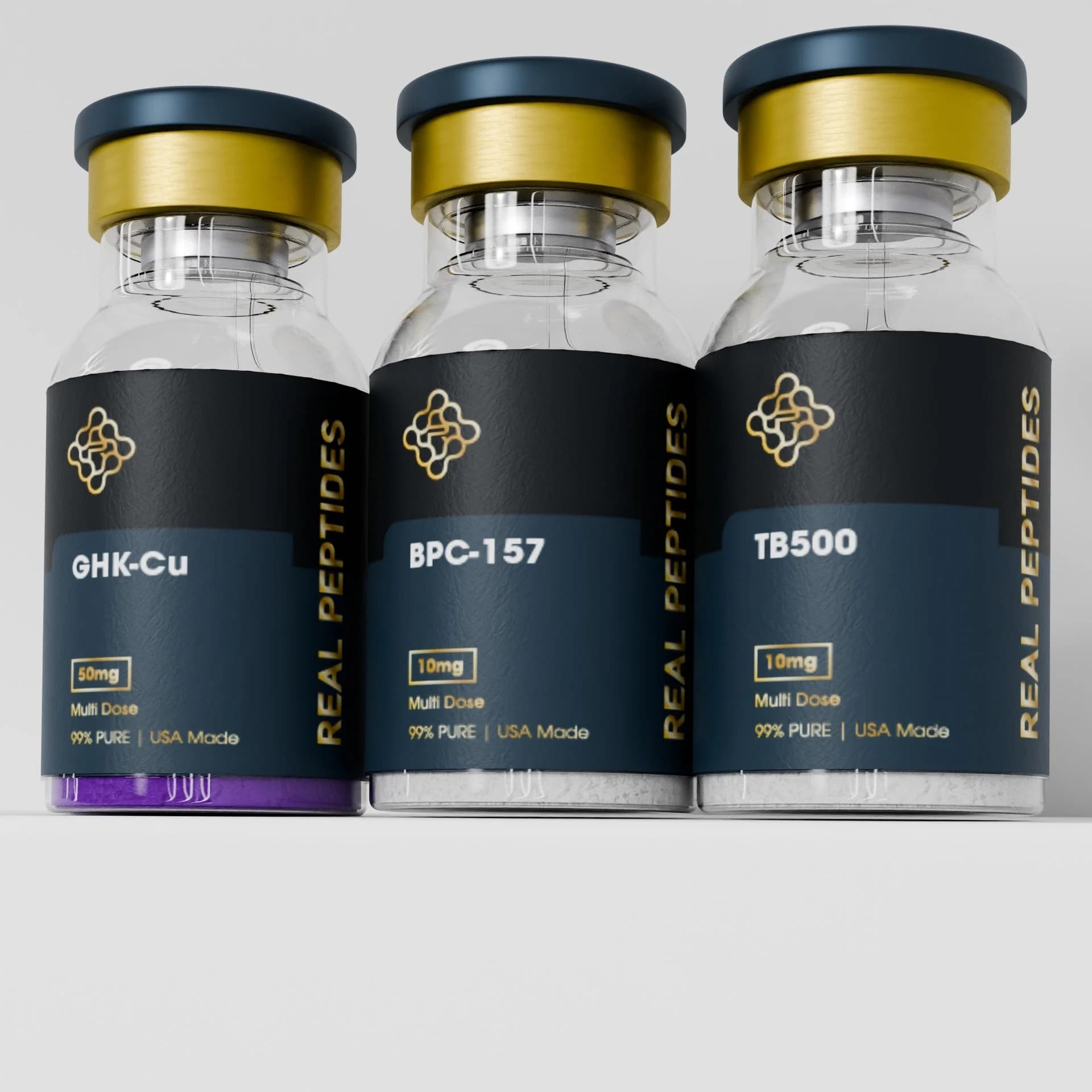
Best Peptides for Skin
What Are the Best Peptides for Skin? Top Picks Backed by Research Use When researchers ask, “what are the best peptides for skin?”, they’re diving into an incredibly exciting area of cosmetic and dermatological research! It’s a field brimming with potential, and many peptides are showing truly fascinating properties in lab settings. Here at Real Peptides, we’re thrilled to provide some of the very compounds that scientists are using to unlock these secrets. Discovering what are the best peptides for skin often starts with exploring those already showing promise in numerous studies. We truly believe the best peptides for skin research are those backed by solid data. Which Peptides Are Most Frequently Studied for Skin Health? Let’s look at some of the top contenders when we talk about what are the best peptides for skin, and why they’re so popular in research: These are just a few examples of what are the best peptides for skin that researchers are actively investigating. At Real Peptides, we’re proud to be a part of this groundbreaking work by supplying the quality research peptides that make these discoveries possible. The journey to understand what are the best peptides for skin is truly exciting! What Roles Do These Peptides Play in Skin-Based Research? It’s one thing to list what are the best peptides for skin, but it’s even more exciting to understand what they actually do in a lab setting. The beauty of these peptides lies in their specific, targeted actions that can influence various aspects of skin health in research models. When you’re using products from Real Peptides, you’re tapping into compounds that offer incredible precision for your studies. Understanding the roles these compounds play really highlights why they’re considered the best peptides for skin research. Collagen Production, Hydration, Cell Signaling Let’s break down the fascinating roles these best peptides for skin play in research: The diverse roles of these peptides make them incredibly valuable tools for researchers exploring skin health. Real Peptides is proud to supply these best peptides for skin, helping the scientific community uncover new pathways and potential applications. Knowing what are the best peptides for skin means understanding their diverse and exciting functions. How Are Skin Peptides Typically Tested in Laboratory Models? So, you’ve identified what are the best peptides for skin and understand their roles. But how do researchers actually study these amazing compounds in a lab? This is where the real science happens, and it’s fascinating! At Real Peptides, we know the rigorous demands of scientific inquiry, which is why we provide the high-purity peptides needed for these precise investigations. Understanding how skin peptides are tested in laboratory models helps you appreciate why certain peptides are consistently highlighted as the best peptides for skin. It’s a key part of determining what are the best peptides for skin in terms of scientific evidence. In-vitro Tests, 3D Skin Models, Non-human Cell Lines Researchers employ various sophisticated methods to evaluate what are the best peptides for skin: All these testing methods contribute to our growing knowledge of what are the best peptides for skin. At Real Peptides, we understand the importance of quality reagents for these detailed studies. We are committed to supplying the best peptides for skin research, helping uncover their full potential. Can Peptides Be Combined in Skin Research Formulas? It’s a fantastic question once you know what are the best peptides for skin individually: can these peptides be combined in skin research formulas? The answer is a resounding yes! In fact, much of the cutting-edge research around what are the best peptides for skin involves exploring how different peptides interact and potentially enhance each other’s effects. This is where the science gets even more intricate and exciting! Real Peptides supports this multi-faceted research by providing a wide range of individual high-purity peptides, allowing researchers to create their own synergistic formulations. It’s about building on the knowledge of what are the best peptides for skin alone, and discovering what are the best peptides for skin in combination. Studying Interactions, Layering, and Delivery Systems When researchers combine peptides, they’re typically looking at several key areas: The ability to combine what are the best peptides for skin opens up vast possibilities for advanced dermatological research. At Real Peptides, we are enthusiastic about supporting your innovative studies into combined peptide formulations, helping to reveal the next generation of insights into what are the best peptides for skin. What Factors Determine Effectiveness in Skin Peptide Studies? Once you’ve got your hands on what are the best peptides for skin from Real Peptides, and you’re planning your experiments, you’re going to ask, “What really makes these peptides effective in my studies?” It’s a brilliant question, because knowing the key factors helps you design truly robust research. It’s not just about having the best peptides for skin; it’s about how you use them. Understanding these elements is crucial for interpreting your results and truly pinpointing what are the best peptides for skin in various contexts. Real Peptides is here to help you get the most out of your research. Concentration, Solubility, Duration of Exposure Several critical factors determine the effectiveness of the best peptides for skin in a research setting: These factors are interconnected, and mastering them helps unlock the true potential of what are the best peptides for skin in your valuable research. At Real Peptides, we supply the consistent quality needed for these detailed investigations. How to Source High-Purity Skin Peptides for Research Use Only After understanding what are the best peptides for skin and how to study them, the final, crucial step is sourcing them correctly. This isn’t just about finding any supplier; it’s about finding one that guarantees high-purity, research-grade compounds. Your research results are only as good as the materials you use, and when it comes to what are the best peptides for skin, purity is paramount. At Real Peptides, we stand by our commitment to providing top-tier research peptides, explicitly for laboratory use only. We truly offer the

How to Reconstitute Peptides
How to Reconstitute Peptides for Research: Accurate and Safe Lab Guidelines If you’re getting ready to work with peptides in your lab, one of the first things you’ll need to know is how to reconstitute peptides. It’s a fundamental step, and when we talk about how to reconstitute peptides, we simply mean preparing them from their dry, powdered form into a liquid solution that you can accurately measure and use in your experiments. This is crucial for precise research. At Real Peptides, we provide our high-purity research peptides in a stable, lyophilized (freeze-dried) powder form, which is ideal for storage. Learning how to reconstitute peptides properly ensures the integrity of your studies. What Does It Mean to Reconstitute Peptides in a Lab Setting? So, what exactly does it mean to reconstitute peptides? It means adding a liquid, typically bacteriostatic water (often called “bac water”), to the peptide powder. This creates a solution that allows you to draw up exact amounts for your specific research needs. Understanding how to reconstitute peptides is vital because: Common scenarios where you’ll need to reconstitute peptides include preparing them for in vitro cell culture studies, preparing solutions for in vivo animal models (strictly research-only), or even preparing stock solutions for further dilution. The process of how to reconstitute peptides is universal across many lab settings. Real Peptides provides the pure peptide powders, like our BPC-157 Peptide or GHK-Cu Copper Peptide, so you can reliably reconstitute peptides for your specific research objectives. What Supplies Are Needed to Reconstitute Peptides Safely? Knowing how to reconstitute peptides is one thing, but having the right tools is just as important. To safely and accurately reconstitute peptides for your research, you’ll need a few specific supplies. Using the correct, sterile equipment prevents contamination and ensures the integrity of your valuable research materials. At Real Peptides, we stress the importance of proper lab practices, and that definitely includes having all your supplies ready before you reconstitute peptides. This preparation is key to ensuring your research is effective and safe. Bac Water, Sterile Vials, Syringes, Gloves Here’s a checklist of the essential supplies you’ll need to reconstitute peptides safely and effectively: Having these supplies on hand ensures a smooth and sterile process when you prepare to reconstitute peptides from Real Peptides, whether it’s MOTS-c Peptide for Mitochondrial Energy research or DSIP Peptide for Cognitive & Neurological Optimization. Properly understanding how to reconstitute peptides starts with gathering the right tools. How to Store Reconstituted Peptides for Research Use After you’ve successfully learned how to reconstitute peptides and calculated their concentration, the next crucial step is proper storage. Storing your reconstituted peptides correctly is vital for maintaining their stability and potency for your research. If you don’t store them right, all that careful work to reconstitute peptides could be wasted. At Real Peptides, we emphasize good lab practices to ensure your valuable research compounds, like our Semax Amidate Peptide or Selank Amidate Peptide, remain effective throughout your study. Knowing how to store reconstituted peptides is just as important as knowing how to reconstitute peptides in the first place. Refrigeration, Shelf Life, Labeling Best Practices Proper storage safeguards your research. Here’s how to store reconstituted peptides: By following these storage guidelines, you ensure that your efforts to how to reconstitute peptides lead to stable, usable solutions for your experiments. Our commitment at Real Peptides is to support your research from purchase through use, including best practices for how to reconstitute peptides and store them. Common Mistakes to Avoid During Peptide Reconstitution Even seasoned researchers can sometimes make small slips when they reconstitute peptides. Avoiding these common mistakes will save you time, money, and most importantly, ensure the accuracy of your experimental data. Learning how to reconstitute peptides correctly also means knowing what not to do. At Real Peptides, we want to help you get the best possible results from our high-purity research compounds, like our Tesamorelin Ipamorelin Growth Hormone Stack or AOD9604. Let’s look at pitfalls to avoid when you reconstitute peptides. Contamination, Over-Dilution, Temperature Exposure Here are some common errors to watch out for when you reconstitute peptides: Avoiding these common mistakes will significantly improve the quality and reliability of your research. At Real Peptides, we are committed to helping you understand not just how to reconstitute peptides, but also how to do it perfectly every time, ensuring your research integrity.

Are Peptides Legal?
Are Peptides Legal? What Researchers Should Know About Purchasing Compliance When you’re working in a research lab, safety is always number one. This is especially true when handling different compounds. So, if you’ve been asking, “Are peptides legal?” then naturally you might wonder if they are. And the answer is a definite yes, they are. We at Real Peptides understand the strict safety needs of your lab, and our commitment is to provide pure research peptides that come with clear guidelines, ensuring your work is compliant and safe. Which Regulatory Guidelines Apply to Peptides in Research Settings? Navigating the legal landscape for research materials can be complex, and a common question we encounter is, “Are peptides legal?” Specifically, researchers want to know which regulatory guidelines apply to peptides in research settings. It’s crucial to understand that while peptides are perfectly legal to purchase and use for legitimate research purposes in the United States, they are not approved for human or veterinary use. This is the cornerstone of all regulations concerning peptides. At Real Peptides, we strictly adhere to these guidelines to ensure that when you purchase from us, you’re always buying legal, compliant research peptides. If you’re asking, are peptides legal, you’re asking the right questions, and we’re here to provide the answers. Federal Guidelines on Peptides for Research Use Only In the United States, the primary legal distinction for peptides revolves around their intended use. For researchers asking, are peptides legal, the answer depends entirely on whether they are for “research use only.” So, when you’re asking, “Are peptides legal to acquire for my lab?”, rest assured that the answer is yes, provided they are sourced from compliant vendors like us and used strictly for research. We maintain the highest standards to ensure our peptides, whether for Fat Loss & Metabolic Health or Cognitive & Neurological Optimization, meet all legal requirements for research use. This emphasis on “research use only” directly addresses whether peptides are legal. Why Human or Veterinary Use Is Prohibited by Law It’s essential to reiterate why human or veterinary use of these research peptides is prohibited by law. This isn’t just a disclaimer; it’s a legal and safety imperative. Understanding this helps you fully grasp the context of “are peptides legal.” At Real Peptides, our operations are built around strict compliance to ensure that when you ask, are peptides legal, you can be confident in our answer and our products. We are here to support legitimate scientific discovery, not to facilitate misuse. Always ensure your supplier provides proper Certificates of Analysis (COAs) and clear disclaimers, as these are hallmarks of a compliant vendor. If you’re wondering, are peptides legal for your lab, reaching out to a compliant supplier like us is always the best first step. Where Can Researchers Legally Buy Peptides Online? So, if you’re confidently asking, are peptides legal for your lab, the next big question is often, “Where can I legally buy peptides online?” This is a crucial step for any researcher, and choosing the right supplier is just as important as the peptide itself. You need a vendor who understands the regulations and strictly operates within them. At Real Peptides, we pride ourselves on being that trusted source for legal research peptides, ensuring you can focus on your experiments without legal worries. We make sure our peptides are legal and ready for your work. Reputable Vendors Like Real Peptides with Proper COAs When you’re looking to legally buy peptides, the key is to find reputable vendors that prioritize transparency and compliance. We, Real Peptides, are dedicated to providing only the highest quality research-grade peptides. What should you look for? When you purchase from us, you’re getting peptides that are legal for your research, backed by rigorous quality control. This takes the guesswork out of “are peptides legal” for you. What Paperwork or Licensing Is Needed for Institutional Use? If you’re part of a university, biotech firm, or pharmaceutical lab, you might be wondering, “Are peptides legal for institutional use, and what extra paperwork or licensing is involved?” The good news is that for legitimate research, acquiring peptides is generally straightforward, but there are specific considerations for larger organizations. Knowing these details ensures your institution remains compliant and that your peptides are legal for all your projects. University, Biotech, Pharma Lab Considerations Institutional use often means additional layers of internal procedures and documentation to ensure compliance. While the fundamental answer to “are peptides legal for research?” remains yes, the process can involve more steps. We at Real Peptides understand the complexities of institutional purchasing and compliance. We provide all necessary documentation, like COAs for our GHK-Cu Copper Peptide or Calgrilintide 10mg, to help streamline your procurement process and ensure that your peptides are legal for your institution’s specific research needs. This ensures your institution maintains full compliance with all relevant regulations, clarifying that peptides are legal and properly handled. How to Verify if a Supplier Is Compliant with Research Standards When you’re trying to figure out “are peptides legal” for your research, knowing how to pick the right supplier is absolutely critical. It’s not just about getting the product; it’s about getting a legal product that meets research standards. You want to make sure your supplier is compliant, and at Real Peptides, we believe in being fully transparent so you can trust us. This section will give you a simple checklist to help you verify if a supplier is truly compliant when you’re asking, are peptides legal from this source? Checklist: COAs, Disclaimers, U.S. Facility Status To truly verify that your peptides are legal and that your supplier is compliant, here’s what to look for: By using this checklist, you can confidently determine if a supplier is selling peptides legal for your research. It’s essential to avoid any vendor that seems evasive or makes claims that don’t align with the “research use only” status, as this could jeopardize the legality of your peptides. Are peptides legal? Yes, from the right source.
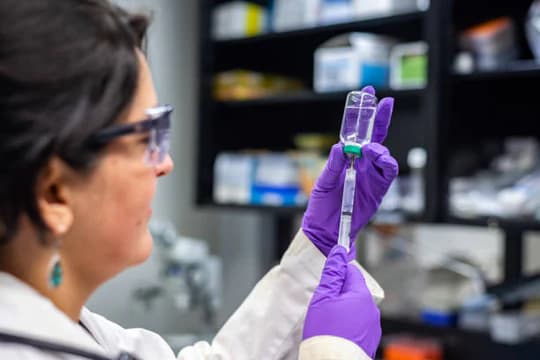
Are Peptides Steroids?
Are Peptides Steroids? Key Differences for Research Purposes Only So, you’re asking, “Are peptides steroids?” That’s a really common question for folks in the lab, and it makes perfect sense why there’s confusion. At Real Peptides, our job isn’t just to provide the highest quality research materials like our Melanotan 2 10mg or our Tesamorelin; it’s also to help clear up common misunderstandings in the scientific community. Let’s make this simple: peptides and steroids are fundamentally different. What Are Peptides and How Do They Differ from Steroids? When you consider peptides steroids, you’re looking at two entirely distinct classes of biomolecules. This isn’t just a small detail; it’s a core scientific distinction that impacts how you design your research and interpret your findings. It’s why understanding that peptides steroids are separate entities is so vital for any serious investigation. If you’re wondering, are peptides steroids, the answer is a clear no, and we’ll explain why. Defining Peptides for Research Let’s break down what peptides actually are. For researchers, a peptide is basically a short string of amino acids. Think of amino acids as the tiny building blocks of life. When these blocks connect in a specific order, they form a peptide. If you connect a lot more of them, you get a protein. What makes each peptide unique is the exact sequence and number of these amino acids, giving it a particular job in biological systems. Many peptides act as messengers, telling cells how to behave. This is often where confusion arises, as some might assume these powerful messengers mean are peptides steroids. But they work very differently. Peptides are widely studied for: When you ask, are peptides steroids, remember that peptides are built from amino acids, and they interact with very specific targets, usually on the outside of cells. They don’t share the core chemical structure that defines steroids. We ensure that every peptide we offer, from Epithalon Peptide to Thymosin Alpha-1 Peptide, is exactly what it’s supposed to be – a pure research peptide, and definitively not one of the peptides steroids. Defining Steroids for Research Now, let’s talk about what steroids are. When most people use the word “steroids,” they’re often thinking about anabolic steroids, which are similar to the hormone testosterone and are known for their effects on muscle growth. But in chemistry, “steroid” refers to a whole family of organic compounds that all share a very specific four-ring carbon structure. This unique chemical blueprint is the big thing that makes them fundamentally different from peptides. Common steroids you might know include: The main takeaway for understanding peptides steroids is their chemical makeup. Peptides are all about amino acid chains. Steroids are all about that distinctive, rigid four-ring structure. This structural difference is not just trivial; it determines how they act in biological systems, how long they stick around in the body, and how they’re broken down. So, if your question is truly, are peptides steroids, from a chemical standpoint, the answer is a very clear no. We at Real Peptides focus purely on peptides for your research needs, ensuring no confusion between peptides steroids exists in our offerings. For researchers asking, “What’s the real chemical difference between peptides and steroids?”, it’s about their fundamental chemical blueprints. Peptides are long chains; steroids are rigid rings. This foundational difference means they usually bind to different kinds of receptors and set off different chains of events inside cells in research models. So, when discussing peptides steroids, it’s vital to stick to the true chemical facts to avoid any misinterpretations. Our research-only peptides are rigorously tested for purity and structure to ensure you always know precisely what you’re working with, keeping the distinction between peptides steroids perfectly clear. Are Peptides Considered Steroids in Scientific Classification? Let’s really tackle the main question: are peptides considered steroids in how scientists classify biological molecules? The definitive answer, for anyone in research, is absolutely not. They belong to completely separate categories of biomolecules. This isn’t just a technicality; it has significant practical consequences for how you study these compounds, what effects you might expect in your research models, and all the rules you need to follow. Understanding that peptides steroids are distinct is a cornerstone of responsible research. When you are looking into peptides steroids, recognizing their separate classifications is step one. Differences in Function and Classification The way biomolecules are classified is based on their chemical structure and what they do. Peptides are polymers of amino acids; they’re built by linking many amino acid units together. Their jobs in the body are incredibly varied. They can act as powerful hormones (like insulin), neurotransmitters, antibiotics, or even parts of complex toxins. They generally work by docking onto very specific receptors found on the surface of cells, kind of like a key fitting a specific lock. This “lock and key” mechanism then sets off a chain reaction inside the cell. For example, some peptides we offer in our Fat Loss & Metabolic Health range might influence specific metabolic enzymes or signaling pathways. This is a very different mode of action compared to peptides steroids. Steroids, on the other hand, are part of the lipid (fat) family. Their defining feature is that unique four-ring carbon structure. Their functions are also varied, but they typically act as signaling molecules that can often slip right through the cell membrane to connect with receptors inside the cell, where they often directly influence gene activity. This is a crucial functional difference when you’re asking, are peptides steroids. The way peptides like our Tesamorelin Ipamorelin Growth Hormone Stack interact with target cells is fundamentally different from how steroid hormones operate. Our pure research peptides are designed for specific, often external, receptor interactions, not the broad, internal signaling typical of steroids. This is why peptides steroids are never grouped together scientifically. Usage in Research: Peptides vs. Steroids Because they are so fundamentally different, the way peptides and steroids are used in research is also quite distinct. When you find yourself
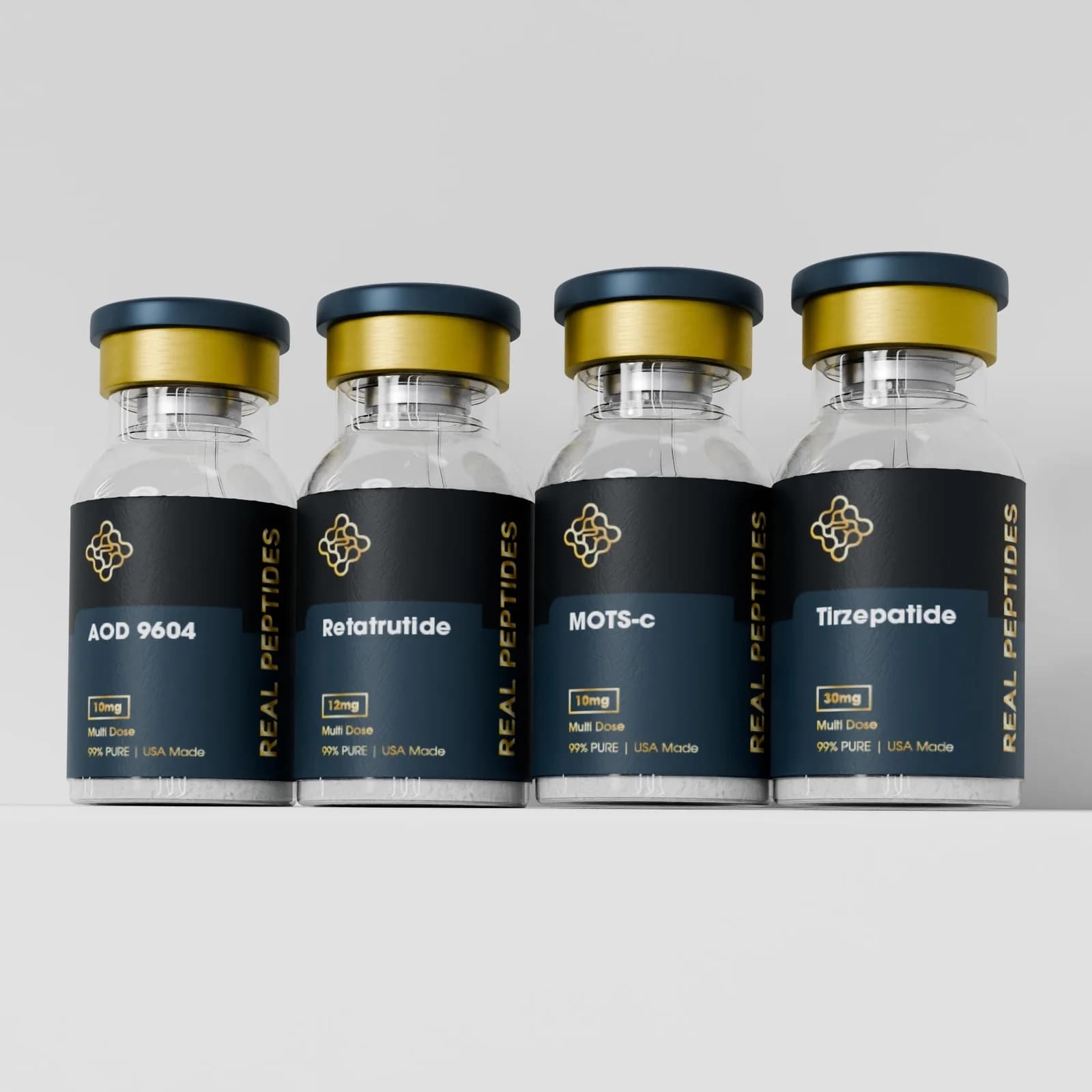
Best Peptide for Burning Belly Fat
Which Is the Best Peptide for Burning Belly Fat? A Research-Focused Comparison When researchers tackle the challenge of burning belly fat, they focus on peptides that influence fat metabolism, energy regulation, and hormonal control. Visceral fat, which surrounds organs, is notoriously resistant, so selecting the right peptide is crucial in fat loss research. What Types of Peptides Are Studied in Fat Reduction Research? Growth hormone analogs like Tesamorelin Peptide are key players. Tesamorelin acts as a growth hormone-releasing hormone (GHRH) analog, stimulating the pituitary to secrete more GH, which boosts lipolysis in visceral fat. Labs favor Tesamorelin for its targeted fat reduction without widespread anabolic effects, making it a staple in fat metabolism studies. AOD 9604 Peptide AOD 9604 is a fragment of human growth hormone designed specifically to promote fat loss by stimulating lipolysis. Unlike full HGH, it doesn’t affect insulin-like growth factor 1 (IGF-1) levels, reducing side effects. This makes AOD 9604 peptide for men and other models an ideal candidate for isolated fat metabolism research. Mitochondrial Peptides Like MOTS-c MOTS-c Peptide works differently by targeting cellular energy balance. It activates AMP-activated protein kinase (AMPK), which enhances mitochondrial fat oxidation. This mechanism supports fat loss at the cellular energy production level, important for metabolic syndrome and obesity research. Additional Peptides in Fat Metabolism Research Other peptides gaining interest include: These peptides represent diverse approaches to targeting fat storage and breakdown. Why Choosing the Right Peptide Matters Selecting peptides with clear mechanisms and reliable sources is key. Real Peptides offers these compounds with verified purity and thorough documentation, supporting consistent research outcomes. Our Fat Loss & Metabolic Health collection helps labs access trusted peptides optimized for metabolic studies. How Do Peptides Interact With Metabolic Pathways in Lab Models? Understanding how peptides affect metabolic pathways helps determine which is the best peptide for burning belly fat. Fat-burning peptides influence pathways controlling lipid breakdown, energy usage, and hormone secretion. Lipolysis Activation Lipolysis, the breakdown of triglycerides into free fatty acids, is the primary fat-burning process. Peptides like AOD 9604 and Tesamorelin Peptide stimulate lipolysis either directly or via increased growth hormone secretion. Labs often measure hormone-sensitive lipase (HSL) activity after peptide treatment to assess fat breakdown. Accurate dosing of peptides from Real Peptides supports these measurements. AMPK Pathway Stimulation Peptides such as MOTS-c Peptide activate AMP-activated protein kinase (AMPK), a central energy sensor in cells. AMPK activation boosts fat oxidation and improves insulin sensitivity, critical for metabolic health research. Growth Hormone Secretion Effects Growth hormone secretagogues like Tesamorelin and Ipamorelin promote endogenous GH release, enhancing visceral fat loss. These peptides are often used in combination for additive effects in research. Adipose Tissue Gene Regulation Peptides like BPC-157 Peptide influence gene expression and inflammation in adipose tissue, indirectly modulating fat storage and metabolism. This adds another layer to fat reduction mechanisms. Research Implications Knowing these pathways helps researchers select peptides based on specific fat-burning goals. With Real Peptides, labs get research-grade compounds such as GHK-Cu Copper Peptide and Calgrilintide 10mg, enabling detailed exploration of fat metabolism. Comparing Peptides Studied for Abdominal Fat-Specific Models When it comes to fat reduction research, especially targeting belly fat, not all peptides are created equal. The best peptide for burning belly fat depends on a variety of factors including the mechanism of action, half-life, receptor binding affinity, and how well the peptide performs in abdominal fat-specific studies. Let’s break down the most studied peptides in this area and how they compare. Tesamorelin Peptide Tesamorelin is one of the most studied peptides for targeting visceral fat. It works by stimulating the secretion of growth hormone, which in turn enhances fat metabolism specifically in the abdominal region. Clinical trials and non-human models have shown that Tesamorelin reduces visceral fat while preserving lean body mass, making it a preferred peptide for researchers studying obesity and lipodystrophy. Research involving Tesamorelin Peptide demonstrates that this peptide also improves lipid profiles and insulin sensitivity, important factors in metabolic health. Real Peptides offers lab-grade Tesamorelin with high purity and consistent batch testing, crucial for producing reliable data in these studies. AOD 9604 Peptide AOD 9604 peptide is another major contender in fat-burning research. Unlike Tesamorelin, AOD 9604 works independently of growth hormone release by directly stimulating lipolysis—the breakdown of fat cells—without affecting insulin or growth hormone pathways. This specificity makes it an attractive option for labs wanting to isolate fat-burning effects without confounding hormonal influences. Studies using AOD 9604 show promising results in reducing adipose tissue mass, especially around the abdomen, in animal models. Researchers appreciate its longer half-life and low side effect profile, making it one of the best peptides for burning belly fat in controlled lab settings. MOTS-c Peptide MOTS-c, a mitochondrial-derived peptide, offers a unique angle by influencing energy metabolism directly at the cellular level. It activates AMPK pathways, which promote fatty acid oxidation and enhance mitochondrial efficiency. Lab studies have observed that MOTS-c Peptide can improve metabolic markers associated with fat accumulation and insulin resistance. Because MOTS-c targets mitochondrial function, it’s often used alongside peptides like Tesamorelin or AOD 9604 in combination studies to evaluate synergistic fat reduction effects. Other Peptides in Abdominal Fat Research At Real Peptides, we ensure these compounds come with full Certificates of Analysis (COAs) and are backed by consistent manufacturing processes. This trustworthiness is key when comparing peptides in fat-burning research. What Makes a Peptide “Best” in Fat-Burning Research Contexts? Labeling a peptide as the best peptide for burning belly fat is more than just looking at fat loss results. Several markers determine peptide effectiveness and suitability for specific research needs. Efficacy Markers Efficacy in fat-burning peptides is primarily measured by how effectively the peptide reduces adipose tissue mass, particularly in visceral fat. But researchers also consider: Pharmacokinetics and Half-Life A peptide’s half-life affects dosing frequency and study design. For example, Tesamorelin’s moderate half-life allows for controlled, daily administration in lab models, whereas peptides with shorter half-lives may require continuous infusion or multiple doses. Binding Affinity and Specificity Peptides with high receptor binding affinity

High Peptide FDR vs Low Protein FDR
Why High Peptide FDR Could Result in Low Protein FDR: A Mass Spec Breakdown for Researchers Let’s start with the basics: what is FDR in peptide and protein analysis? FDR stands for False Discovery Rate, and it’s a crucial concept when you’re looking at tons of data from mass spectrometry. Think of it this way: when your mass spec machine identifies a peptide or a protein, there’s always a chance it got it wrong. FDR helps us put a number on how many of those identifications are likely to be incorrect, or “false discoveries.” Understanding why high peptide FDR could result in low protein FDR starts right here, with this fundamental definition. This understanding is key for anyone trying to interpret their proteomics results with confidence. What Is FDR in Peptide and Protein Analysis? For peptides, the FDR tells you the expected percentage of identified peptides that are actually wrong. So, if you set your peptide FDR to, say, 1%, it means you expect that out of every 100 peptides your software “found,” about 1 of them might be a false identification. This is about being confident in each individual peptide match. Researchers often ask, “What is a good FDR for peptides?” The answer often depends on the experiment’s goals and the downstream analysis, but generally, lower is better for individual peptide confidence. We at Real Peptides understand that ensuring the accuracy of your peptide identifications is as important as the purity of the peptides themselves, whether you’re studying something for Regeneration & Recovery or Cognitive & Neurological Optimization. This helps to explain why high peptide FDR could result in low protein FDR. False Discovery Rate for Proteins Now, for proteins, the FDR works a bit differently. A protein is identified based on the peptides that belong to it. Usually, a protein needs to have at least two unique peptides identified with high confidence to be considered “found.” So, the protein FDR tells you the expected percentage of identified proteins that are actually false. Why high peptide FDR could result in low protein FDR? It’s because even if a few individual peptide identifications are wrong (contributing to a high peptide FDR), it’s much less likely that all the peptides used to identify a protein are wrong. This is the core reason why high peptide FDR low protein FDR is a common scenario in proteomics. The protein identification is usually supported by multiple pieces of evidence (peptides). Let’s imagine you’re fishing for tiny fish (peptides) to identify big fish (proteins). You might accidentally catch a few pieces of seaweed (false peptide discoveries). If you only identify a big fish if you’ve caught at least two different tiny fish that belong to it, then even if you caught a few pieces of seaweed by mistake, it’s very unlikely that both of the two different tiny fish you caught to identify a specific big fish were actually seaweed. This aggregative nature is key. Our expertise at Real Peptides is in providing the very building blocks, the pure peptides, for your research, ensuring that your starting materials are as reliable as possible, whether you are examining Mots-c peptide or Tesamorelin. So, if you’re ever wondering why high peptide FDR could result in low protein FDR, remember the multiple evidence rule. So, when you set your protein FDR to, say, 1%, it means you’re aiming for a list of proteins where only about 1 out of 100 identified proteins is likely to be a false positive. This gives you a high level of confidence in your overall protein list. Understanding this difference is really important for interpreting your proteomics data. You’ll often see researchers talking about “how to calculate protein FDR” or “what is the best FDR for proteomics studies,” and it all comes back to this distinction between peptide and protein level confidence. This fundamental understanding is why high peptide FDR low protein FDR is such a common and accepted outcome in mass spectrometry research. Why Can a High Peptide FDR Still Lead to a Low Protein FDR? This is where the magic, or rather the math, happens in proteomics. The question of why high peptide FDR could result in low protein FDR comes down to how proteins are put together from peptides, and the statistical methods used to confirm those identifications. It’s not about hiding errors; it’s about robust validation. It’s a key aspect of why high peptide FDR low protein FDR is scientifically sound. The Aggregative Analysis Principle Think about it this way: your mass spectrometer identifies thousands, maybe even hundreds of thousands, of peptide fragments. Each of these identifications has a certain probability of being correct. When you set a peptide FDR, you’re accepting a certain percentage of these individual peptide calls might be wrong. So, if you set a peptide FDR of 5%, it means 5 out of every 100 peptide identifications are expected to be false positives. That sounds like a lot if you’re only looking at a single peptide identification. But that’s not how proteins are identified. This is a fundamental reason why high peptide FDR could result in low protein FDR. Proteins are generally identified based on the detection of multiple unique peptides that are confidently assigned to that specific protein. This is the “aggregative analysis” part. Imagine you’re trying to prove a person is present by seeing their fingerprints. If you only see one fingerprint, there’s a small chance it’s a smudge or a mistake (a false peptide identification). But if you see five different, clear fingerprints, all matching that person, your confidence that the person is there goes way up. The individual “false discovery” chance for one fingerprint might be 5%, but the chance of all five being false and still matching is incredibly small. This is precisely why high peptide FDR low protein FDR happens. Even with some “noisy” individual peptide identifications, the requirement for multiple supporting peptides drastically reduces the likelihood of incorrectly identifying an entire protein. Statistical Reasoning for Protein Confidence
Read Peptide Elution Time & Heatmap
How to Read Peptide Elution Time and Intensity Heatmap for Accurate Data Analysis Understanding how to read a peptide elution time and intensity heatmap is essential when you’re dealing with LC-MS/MS data. These heatmaps are visual tools that display how peptides move through a chromatography column and at what signal strength. For research labs, they’re a quick way to pinpoint which compounds are active and how they behave under specific test conditions. What Is an Elution Time and Intensity Heatmap? A peptide elution time and intensity heatmap gives you two important variables: time and intensity. Think of the X-axis as the peptide’s journey across the LC column and the Y-axis as the intensity of the signal detected for each compound. These heatmaps are generated after mass spectrometry and are key in protein and peptide profiling work. If you’re working with complex research peptides like TB-500 or GHK-Cu, reading this data helps you spot variations that matter. Real-World Example of Heatmap Use Let’s say your lab is studying Selank. You reconstitute and run it through an LC-MS/MS system. The resulting heatmap shows several peaks. Each peak has a time stamp (elution time) and a height (intensity). That’s how you determine what’s active, stable, or potentially degraded. Whether you’re new or experienced in LC data reading, knowing how to read peptide elution time and intensity heatmap visuals helps prevent errors, verify purity, and optimize sample prep techniques. Why Real Peptides Supports Visual Data Tools We include purity data and suggested elution patterns with our research peptides. When you order from us at Real Peptides, you’ll get research-grade peptides that are tested and COA-backed, perfect for labs conducting heatmap-driven validation or compound profiling. If your lab is analyzing peptides in the mitochondrial energy collection or the cognitive optimization series, heatmap data makes your results more precise and reliable. And that starts with understanding exactly what those elution patterns mean. Why Are Peptide Heatmaps Used in Proteomic Research? Knowing how to read peptide elution time and intensity heatmap visuals isn’t just a skill—it’s a research standard in proteomics. These heatmaps make complex data easy to understand, allowing researchers to visually scan for important markers across a study. Peptide Heatmaps in Lab Environments If you’re working with multiple compounds—say DSIP, Tesamorelin, and Retatrutide—a peptide elution time and intensity heatmap lets you separate signal sources. The visual nature of the map helps clarify overlap, retention times, and potential cross-contamination issues. These maps are especially useful when: Common Use Cases in Proteomics Here’s how real-world researchers are using heatmaps in peptide profiling: If you’ve asked yourself how to read peptide elution time and intensity heatmap layouts for faster decision-making, this is exactly where the value comes in. You don’t have to dig through thousands of lines of raw MS data—heatmaps show you what matters. Real Peptides Products Fit These Research Goals We make it easier by offering COAs and quality benchmarks that align with LC-MS workflows. When you use peptides from our GHS collection or fat loss and metabolic health range, you’re getting materials that respond clearly in LC systems. This means better elution data, cleaner heatmaps, and more actionable results. If your lab uses visual tools to analyze experimental outputs, our peptides will integrate seamlessly. Everything we sell is for research only—not for human or veterinary use—and our goal is to make your data clean and trustworthy. How to Interpret Elution Time in a Peptide Map The elution time in a peptide elution time and intensity heatmap refers to when a peptide exits the chromatography column. This timing matters because it shows how long the peptide stayed in the column during LC-MS/MS analysis. On the heatmap, this is usually shown along the x-axis. What Does Elution Time Reveal? Peptides with longer elution times tend to interact more strongly with the column’s material. This helps researchers separate compounds and spot peptides with distinct properties. If you’re working with complex samples, understanding how to read peptide elution time and intensity heatmap visuals lets you isolate patterns with greater confidence. Visual Patterns to Watch For You’ll often see heatmap “stripes” or peak groupings along the time axis. These visual cues help spot reproducibility and possible errors. To get accurate readings, retention time alignment should be part of every peptide study workflow. What Affects Elution Time? Several lab factors influence the elution time: That’s why it’s critical to use quality-controlled materials. Researchers sourcing from Real Peptides often choose compounds like Tesamorelin Peptide or Epithalon Peptide, both of which are consistent and ideal for accurate LC-MS/MS mapping. How to Interpret Intensity Readings for Research Accuracy Now let’s shift focus to intensity, the other key metric in a peptide elution time and intensity heatmap. While the x-axis shows time, the y-axis reflects intensity—the strength of the peptide signal detected. This matters in lab analysis because signal strength helps determine how much peptide was present and how well the detection worked. Why Intensity Peaks Matter When learning how to read peptide elution time and intensity heatmap data, pay attention to peak size and shape: The goal is to see clean, symmetrical peaks that indicate proper separation and detection. If you’re analyzing compounds like KPV Peptide or Thymosin Alpha 1 Peptide, this clarity makes a big difference in your results. Troubleshooting Common Intensity Errors Peaks that appear too wide, misshapen, or inconsistent could point to: These issues can mislead interpretation. If intensity is off, your entire data set could be skewed. Useful Intensity Optimization Tips To improve your intensity data: At Real Peptides, we help eliminate one variable: inconsistency in peptide sourcing. All of our research-use peptides—from GHK-Cu Copper Peptide to Tirzepatide—are backed by verified purity and trusted documentation. What Factors Can Skew Peptide Elution Heatmap Data When analyzing a peptide elution time and intensity heatmap, it is critical to recognize the factors that can skew your data. These factors can create misleading results if not controlled carefully, and they often affect both the elution time and intensity measurements. Sample Preparation and Its
How Much Bac Water to Mix 10mg Peptides
How Much Bac Water to Mix 10mg Peptides? Safe Reconstitution Protocols for Research Labs When working with peptides in a research setting, knowing how much bac water to mix 10mg peptides is one of the first things every lab tech or researcher needs to understand. The term “bac water” stands for bacteriostatic water. It’s sterile water with 0.9% benzyl alcohol added to prevent bacteria growth once opened. This keeps the solution stable long enough for repeated use in the lab. What Is Bacteriostatic Water and Why Is It Used in Research Most peptides, like those found in our growth hormone secretagogues collection, come in a lyophilized (freeze-dried) form. Before you can work with them, they need to be reconstituted with a liquid that’s both sterile and stable. That’s where bac water comes in. Using bac water to mix 10mg peptides ensures: Some researchers ask if they can use sterile water instead. While sterile water works for single-use reconstitution, bac water is preferred because it’s preserved and lasts longer once a vial is opened. How Bac Water Interacts With Peptide Powder When combining bac water with a 10mg peptide, the benzyl alcohol content doesn’t damage the peptide structure. It simply maintains sterility. However, the amount of bac water added will affect the concentration of your solution—more on that in the next section. At Real Peptides, we always recommend researchers use fresh, high-quality bacteriostatic water from regulated suppliers. You can find both research peptides and peptide-safe diluents in our store, made and tested in the U.S. for lab use only. If you’re wondering how much bac water to mix 10mg peptides in various experimental designs, the next section gives clear, step-by-step examples to keep your protocols safe and accurate. What’s The Standard Bac Water-To-Peptide Ratio For 10mg One of the most common lab questions is how much bac water to mix 10mg peptides. There’s no one-size-fits-all answer, but there are several standard approaches that give consistent results in research studies. The amount of bac water to use directly affects how strong the solution will be—also called concentration—and that matters when dosing experiments in cell cultures or test animals. Standard Volume Ratios For Bac Water To Mix 10mg Peptides Let’s break this down with common lab examples. If you have 10mg of peptide powder, here are a few ways you might mix it using bacteriostatic water: Each choice affects how you calculate and measure doses during research. For tighter control in small-dose protocols, some researchers prefer 1 mL of bac water to keep the solution strong. For broader dilution needs, especially when working across many wells or test subjects, 5–10 mL is more manageable. Matching Volume To Application If your research involves small, precise doses (like neuropeptide testing using Selank or Semax), a 10mg/mL solution gives high control. If you’re running a longer protocol with larger doses, like metabolic work using Tirzepatide, a 1mg/mL solution may be more practical. When choosing how much bac water to mix 10mg peptides, you should think about: Real-World Tip: Use Insulin Syringes Or Micro-Pipettes To keep research precise, labs often use insulin syringes or pipettes that can measure to the hundredth of a milliliter. That’s why understanding the volume you add during reconstitution is essential. If your solution is 5mg/mL and you need a 1mg dose, it’s simple math—but only if you mixed it correctly. Our team at Real Peptides regularly helps labs determine which mixing ratio works best for their protocol. When you order peptides like BPC-157 or TB-500, we include clear labeling so you know exactly how to reconstitute based on your desired use case. How To Calculate Peptide Concentration Per Unit Volume Once you’ve decided how much bac water to mix 10mg peptides, the next step is figuring out how much peptide you get per unit of volume. In other words, what is the concentration of your solution after adding bacteriostatic water? This part is critical for researchers measuring small doses and trying to stay precise across every phase of a lab experiment. Why Concentration Matters In Peptide Studies Concentration tells you exactly how much of your peptide is present in each mL of solution. If you’re working with a peptide like DSIP or KPV, and you’re preparing microdoses, it’s especially important to get this math right from the beginning. Here’s a simple breakdown: So, if you’re wondering how much bac water to mix 10mg peptides for a lower concentration, use a higher volume of bac water. If you want it more potent, use less bac water. Basic Math You Can Use Let’s say your protocol needs 0.25mg per dose, and you’ve mixed your 10mg peptide with 2mL of bac water. You now have 5mg per mL. That means: We’ve seen a lot of labs overestimate or underestimate doses just because they weren’t clear on this conversion. If you’re working with high-cost peptides like GHK-Cu, that’s the kind of mistake that can set back an entire study. Real-World Research Example A mitochondrial peptide like MOTS-c might be studied in lab subjects using very specific mg/kg ratios. If your vial is reconstituted improperly, you’ll be dosing inconsistently, and your data becomes unreliable. That’s why knowing exactly how much bac water to mix 10mg peptides is foundational to reliable research outcomes. Our team at Real Peptides is happy to help labs calculate concentration for any compound we sell. We also label our peptide vials clearly, and our documentation includes research-recommended reconstitution instructions where applicable. Does Peptide Solubility Affect How Much Bac Water To Use Now let’s talk about a factor many labs overlook when deciding how much bac water to mix 10mg peptides—solubility. Just because you want to use a specific volume doesn’t mean the peptide will dissolve in that amount. Some peptides need more liquid to fully dissolve, while others break down easily with very little. Understanding Peptide Solubility In Research Solubility refers to how well a peptide dissolves into the bac water you use. This is affected by: For example, a simple peptide
What Is AOD 9604 Peptide for Men
What Is AOD 9604 Peptide for Men? Benefits and Research Uses AOD 9604 peptide for men is a lab-synthesized peptide derived from a portion of human growth hormone (HGH), specifically amino acids 176–191. It’s a metabolic-focused peptide that isolates the fat-burning action of HGH without affecting IGF-1 levels or triggering anabolic growth. This makes it a targeted compound for researchers studying weight management, fat breakdown, and energy metabolism in male test models. What Is AOD 9604 and How Is It Classified in Research Unlike full-length growth hormone, AOD 9604 is classified as a modified fragment that delivers lipolytic activity without stimulating muscle growth. This peptide is ideal for labs that want to focus strictly on fat metabolism without the complications of hormonal elevation. What is AOD 9604 peptide for men used for in the lab? It’s primarily involved in studies that examine how fat is broken down and regulated at a cellular level. How AOD 9604 Peptide for Men Differs from HGH While both peptides share a common structure, their functions in research are not the same. AOD 9604 lacks the ability to promote growth or raise IGF-1 levels, making it safer and more controlled in isolated fat loss experiments. If you’re planning a study that looks at abdominal fat metabolism, AOD 9604 provides a clean window into that process. Research Models Commonly Using AOD 9604 Most of the time, AOD 9604 is applied in: Real Peptides offers AOD 9604 for research in highly purified form. Our products are U.S.-made and third-party tested, suitable only for laboratory studies and not for human or veterinary consumption. Why Is AOD 9604 of Interest in Male-Focused Research There’s a reason search intent is surging for terms like “AOD 9604 peptide for men” and “what is AOD 9604 peptide for men used for in labs.” It’s because this compound is uniquely suited for exploring male-specific fat loss dynamics without triggering hormone-sensitive variables like IGF-1 or testosterone. Why Male Test Models Are Chosen in Fat Research In controlled studies, male-based systems often display more stable fat accumulation patterns, making them useful for: This is especially important when researchers are comparing AOD 9604 to peptides like Tirzepatide or Tesamorelin, where the latter can increase IGF-1 levels and shift lean body mass. How AOD 9604 Is Being Used in Male-Oriented Lab Trials Many labs are pairing AOD 9604 peptide for men with other non-anabolic compounds to study: These studies are not about boosting testosterone or promoting athletic outcomes—they’re purely about scientific analysis of how male test environments respond to fat-targeting peptides like AOD 9604. Why Real Peptides Is a Trusted Source When sourcing peptides like AOD 9604 peptide for men, accuracy and documentation matter. At Real Peptides, we: Our AOD 9604 peptide is ideal for metabolic researchers, endocrinology teams, and institutions exploring obesity models—all with full transparency and legality for lab use only. What Are the Key Mechanisms of AOD 9604 in Lab Models Understanding how AOD 9604 peptide for men works in controlled lab environments is essential for any researcher studying fat breakdown, energy regulation, or body composition in male-focused research. One reason there’s so much interest in what is AOD 9604 peptide for men is the fact that this compound offers specific mechanisms related to fat metabolism without interfering with lean muscle or hormone levels like IGF-1. AOD 9604 Peptide for Men in Lipolysis Studies Most labs studying AOD 9604 peptide for men are testing its influence on lipolysis. Lipolysis is the breakdown of triglycerides into free fatty acids and glycerol, and it’s a key metabolic process researchers look at in fat reduction models. AOD 9604 activates beta-3 adrenergic receptors in lab models, which helps researchers trigger this pathway without stimulating growth-related effects seen in full HGH peptides. Signaling Pathways in Male-Specific Cell Models What is AOD 9604 peptide for men doing at the cellular level? Studies using male-derived adipocytes or male rodent models have shown that AOD 9604 may impact: These are important for researchers evaluating body composition and energy efficiency. Because of its narrow focus, AOD 9604 peptide for men is now often tested alongside metabolic regulators like MOTS-c and Calgrilintide to track combined impact on metabolic biomarkers. AOD 9604 and Appetite-Independent Fat Loss In several preclinical models, AOD 9604 has been shown to impact fat metabolism without changing feeding behavior. This matters when researchers want to isolate fat metabolism in male systems from confounding variables like caloric restriction. That’s why the keyword “aod 9604 peptide for men” is often paired in search queries with “non-diet fat loss peptide research” or “appetite-independent fat reduction.” AOD 9604 is also being evaluated in conjunction with Tirzepatide, not for dual administration, but for comparison between GLP-1 related fat loss mechanisms and non-hormonal lipolytic triggers like AOD 9604. Key Benefits in the Lab Here’s why AOD 9604 peptide for men is so popular in lab-based fat metabolism studies: If your lab is studying metabolic peptides or testing new approaches to body composition, you can get AOD 9604 peptide directly from us at Real Peptides. All compounds are research-only, third-party tested, and come with documentation needed for institutional use. How Is AOD 9604 Administered in Controlled Research Settings One of the most frequently asked questions in research circles is: how is AOD 9604 peptide for men used in actual lab studies? That’s because getting the administration protocol right is key to reliable, repeatable results. If you’re asking what is AOD 9604 peptide for men and how is it delivered, this section covers reconstitution, unit calculation, and lab-use methodology. Reconstitution of AOD 9604 for Lab Studies AOD 9604 typically comes in lyophilized powder form. To prepare it for research, it must be reconstituted with bacteriostatic water. At Real Peptides, we recommend labs use 1–2 mL of bac water per 5 mg vial depending on concentration needs. Steps for reconstitution: This preparation process is crucial for those studying the biochemical effects of aod 9604 peptide for men in metabolic assays. For ease, check our inventory for companion items like
What Is the Difference Between Microplastics and Nanoplastics?
When people ask about the difference between microplastics and nanoplastics, they’re usually thinking about size—but the distinction goes deeper than that. Microplastics are typically defined as plastic particles between 1 micron and 5 millimeters in diameter. In contrast, nanoplastics are particles smaller than 1 micron. This scale is important because it changes how these particles behave, move, and affect both the environment and the human body. Defining Microplastics and Nanoplastics Understanding the difference between microplastics and nanoplastics starts with their sources. Microplastics often form from the breakdown of larger plastic items—like water bottles, synthetic clothing, or packaging—through wear and tear, sunlight, or friction. Nanoplastics, however, are more likely to be generated by continued degradation of microplastics or by industrial processes that produce plastic at the nano-scale intentionally. These particles are found everywhere. The difference between microplastics and nanoplastics influences how they travel through air, settle in oceans, and accumulate in soil. The larger size of microplastics makes them more visible in studies, while nanoplastics are harder to detect due to their size and require specialized equipment. Despite these technical differences, both contribute to serious pollution problems. That’s why it’s critical to keep asking: what is the real difference between microplastics and nanoplastics, and why does it matter? The answer is about understanding risk. Because nanoplastics can cross cell membranes more easily, they may pose a higher health threat. To assess personal exposure, using a tool like our microplastics blood test kit is a strong first step. At MicroplastX, we make it simple to measure your body’s microplastic load, giving you the data you need to take action. Summary of Size and Source Differences If you’re trying to compare these pollutants, understanding the full microplastic nanoplastic comparison gives you insight into their behaviors and dangers. Visit MicroplastX to see how we’re helping people take control of their exposure. Environmental Breakdown Creating Nanoplastics The next part of understanding the difference between microplastics and nanoplastics is looking at how nanoplastics form in the environment. Microplastics break down through physical, chemical, and biological processes. Over time, these larger particles degrade and become nanoplastics, which makes this transition a key point in any microplastic nanoplastic comparison. Physical breakdown occurs due to heat, friction, or mechanical pressure. For example, waves grinding plastic waste against rocks or tires shedding plastic dust on roads can both release microplastics. Eventually, these particles degrade into nanoplastics through continuous fragmentation. Chemical degradation plays a huge role too. Sunlight, particularly UV rays, weakens plastic polymers, making them brittle. This accelerates the formation of nanoplastics from their microplastic counterparts. When thinking about microplastics vs nanoplastics, this difference in how they’re chemically transformed is crucial. Biological activity also helps form nanoplastics. Microbes, fungi, and enzymes in soil and water can break down plastics on a molecular level. Although slower, this method is one of the least understood in microplastic nanoplastic comparison studies, and it’s a growing focus in environmental research. We often get asked, “How are nanoplastics formed?” The answer lies in this layered process—starting with a microplastic and ending with a tiny particle small enough to penetrate organs and tissues. That’s what makes the difference between microplastics and nanoplastics not just academic, but urgent. To better understand your personal exposure to these particles, our blood testing kit for microplastics offers valuable insight. By testing for the presence of microplastics and nanoplastics in your bloodstream, you can take meaningful steps to reduce your risk. Formation Process Overview If you’re ready to take your awareness to the next level, MicroplastX can help you understand how the difference between microplastics and nanoplastics applies to your everyday life. Environmental Movement and Impact Understanding the environmental impact of these particles begins with how they behave in the natural world. When we explore the difference between microplastics and nanoplastics, we’re really examining how each affects ecosystems differently. How Microplastics and Nanoplastics Move Through Ecosystems Microplastics tend to accumulate in rivers, oceans, and soils. They are often eaten by marine animals, which can lead to physical blockages, nutrient dilution, and reproductive issues. Nanoplastics move differently. Due to their smaller size, nanoplastics can pass through biological membranes and enter the food web at a cellular level. That difference between microplastics and nanoplastics becomes critical when we look at long-term contamination. Microplastics may settle into sediment, while nanoplastics can remain suspended in water columns or even travel through air. Bioaccumulation Risks One of the biggest concerns surrounding microplastics vs nanoplastics is bioaccumulation. Microplastics may be excreted by larger animals, but nanoplastics are small enough to remain inside tissues and organs. This raises serious concerns about long-term environmental buildup and transfer up the food chain. This environmental persistence is exactly why we designed our MicroplastX microplastics blood test kit—to give people the power to track how much exposure they may already have from their surroundings. Common Exposure Points Here’s where these particles show up most often in the environment: The microplastic nanoplastic comparison isn’t just science—it’s personal. It touches what we drink, eat, and breathe. If you want to learn more about how our testing helps with tracking environmental exposure, visit MicroplastX, or see how our team and mission are leading consumer-focused testing solutions. Health Concerns and Research Gaps We often talk about plastic pollution as an environmental crisis. But when people ask about the difference between microplastics and nanoplastics, the real question they’re asking is—how do these particles affect our health? Known Health Effects of Microplastics Microplastics can irritate the digestive system, disrupt gut bacteria, and may be linked to inflammation. While many studies are still early-stage, there’s growing evidence that chronic exposure to microplastics might increase oxidative stress in cells or impair immune function. But again, microplastics are often expelled by the body. It’s not ideal, but it’s manageable. The concern escalates with nanoplastics. Nanoplastics: The Greater Health Risk? Nanoplastics are different. Due to their extremely small size and surface properties, they can pass through the intestinal wall, enter the bloodstream, and even cross the blood-brain barrier. That’s a critical difference between microplastics and nanoplastics. We’re seeing early research that links nanoplastics to: These
Tirzepatide Dosing for Weight Loss in Units
Tirzepatide Dosing for Weight Loss in Units: How It’s Handled in Lab Research As an astute investigator, understanding the precise “What protocols are used for studying weight-related outcomes?” is paramount when dealing with Tirzepatide dosing for weight loss in units. The effectiveness of Tirzepatide in research, particularly regarding Tirzepatide dosing for weight loss in units, hinges entirely on well-defined research protocols. These protocols are the very foundation for any meaningful Tirzepatide dose units for research protocols. Real Peptides provides the high-quality Tirzepatide essential for executing these rigorous weight-related research protocols and examining Tirzepatide dosing for weight loss in units. What Protocols Are Used for Studying Weight-Related Outcomes? Let’s meticulously examine the protocols for Tirzepatide dosing for weight loss in units: Dosing Schedules: When investigating Tirzepatide dosing for weight loss in units, researchers must establish clear dosing schedules. This includes the frequency (e.g., once weekly), the duration of administration, and the timing within the model’s daily cycle. These schedules are meticulously designed to observe the sustained effects of Tirzepatide on weight. Precision in Tirzepatide dose units for research protocols dictates the validity of findings. Endpoint Measurements: What specific outcomes are measured when studying Tirzepatide dosing for weight loss in units? Key endpoints include total body weight, body composition (e.g., fat mass vs. lean mass, often assessed via DEXA scans in models), and changes in appetite or food intake. These measurements provide a comprehensive picture of the impact of Tirzepatide dosing for weight loss in units. Each endpoint contributes to the broader understanding of Tirzepatide dose units for research protocols. Model Selection for Weight Outcomes: Selecting the appropriate research model is critical for Tirzepatide dosing for weight loss in units. Common models include diet-induced obesity (DIO) models, where subjects are fed a high-fat diet to induce obesity, or genetic obesity models. The choice of model directly influences how Tirzepatide dosing for weight loss in units is applied and interpreted. This selection is a core component of effective Tirzepatide dose units for research protocols. Metabolic Markers: Beyond just weight, protocols for Tirzepatide dosing for weight loss in units often include metabolic markers. These might encompass blood glucose levels, insulin sensitivity (via glucose tolerance tests or insulin clamps), and lipid profiles. These markers reveal deeper insights into the metabolic improvements alongside weight changes from Tirzepatide dosing for weight loss in units. Our Fat Loss & Metabolic Health collection is highly relevant here for Tirzepatide dose units for research protocols. Meticulous adherence to these protocols ensures that research on Tirzepatide dosing for weight loss in units yields accurate and reproducible data. Are Titration Schedules Studied in Preclinical Tirzepatide Trials? As astute investigators, a pertinent question that arises when considering Tirzepatide dosing for weight loss in units is: “Are titration schedules studied in preclinical Tirzepatide trials?” Understanding how dosages are incrementally adjusted in research models is crucial for optimizing Tirzepatide dose units for research protocols. Titration, or dose escalation, is a common strategy to assess response and manage potential effects when examining Tirzepatide dosing for weight loss in units. This careful approach provides valuable data. Real Peptides offers the consistent quality of Tirzepatide necessary for conducting precise titration studies involving Tirzepatide dosing for weight loss in units. Escalation Methods and Stability Over Time Let’s meticulously analyze titration schedules for Tirzepatide dosing for weight loss in units: Purpose of Titration: Why are titration schedules relevant for Tirzepatide dosing for weight loss in units? Researchers use titration to find the optimal dose that produces the desired metabolic effects while minimizing any potential challenges. It helps identify a dose-response relationship for Tirzepatide. This stepwise approach is essential for understanding the full spectrum of Tirzepatide dose units for research protocols. Common Escalation Methods: How are titration schedules implemented when examining Tirzepatide dosing for weight loss in units? Typically, researchers start with a lower Tirzepatide dose unit and gradually increase it over weeks or months, depending on the research model and specific objectives. This allows the model to adapt and helps determine the most effective Tirzepatide dosing for weight loss in units. Observing Stability Over Time: Titration also allows investigators to observe the stability of Tirzepatide’s effects over extended periods. Does the response to a specific Tirzepatide dose unit remain consistent, or does it change as the study progresses? This long-term data is invaluable for comprehensive Tirzepatide dose units for research protocols, especially for Tirzepatide dosing for weight loss in units. Individual Variability in Models: Even in controlled preclinical settings, there can be some variability in response. Titration schedules for Tirzepatide dosing for weight loss in units can help account for this, allowing for individualized adjustments in certain models to achieve desired outcomes. This refined approach enhances the precision of Tirzepatide dose units for research protocols. Linking to Long-Term Outcomes: The data from titration studies on Tirzepatide dosing for weight loss in units can inform future research by suggesting optimal starting doses and escalation patterns. This forward-looking aspect is crucial for advancing the understanding of Tirzepatide dose units for research protocols. Our Fat Loss & Metabolic Health collection includes compounds where such titration studies are often key for optimal use in research. Titration schedules are indeed a critical component of rigorous preclinical Tirzepatide research, providing layered insights into Tirzepatide dosing for weight loss in units. How to Store and Prepare Tirzepatide for Lab-Based Use Only For any astute investigator, the meticulous details of “How to store and prepare Tirzepatide for lab-based use only” are non-negotiable when dealing with Tirzepatide dosing for weight loss in units. Proper handling ensures the integrity and efficacy of the peptide, which is fundamental to the reliability of your Tirzepatide dose units for research protocols. Deviations in storage or preparation can compromise your entire study on Tirzepatide dosing for weight loss in units. Real Peptides is dedicated to providing Tirzepatide with clear instructions for storage and preparation, supporting accurate Tirzepatide dosing for weight loss in units. Solvent, Concentration, Light Protection Let’s carefully outline the essential steps for handling Tirzepatide dosing for weight loss in units: Reconstitution
Tirzepatide vs Semaglutide
Tirzepatide vs Semaglutide: A Side-by-Side Review for Research Professionals When we talk about Tirzepatide vs semaglutide in scientific research, we’re looking at compounds that are truly reshaping how we understand metabolic pathways. It’s fascinating to see how each brings its own unique approach to the table, making the Tirzepatide and semaglutide comparison research all the more exciting. At Real Peptides, we provide high-quality Tirzepatide for researchers eager to delve into this area. What Are Tirzepatide and Semaglutide in Scientific Research? Let’s uncover the secrets of these molecules: Semaglutide: The GLP-1 Maestro: So, what is semaglutide? Think of semaglutide as a master conductor for one specific orchestra: the GLP-1 receptor. GLP-1, or glucagon-like peptide-1, is a natural hormone in our bodies. Semaglutide cleverly mimics this hormone. When semaglutide activates the GLP-1 receptor, it can influence how our bodies handle sugar, how quickly food leaves our stomach, and even signals to our brain that we’re full. This makes semaglutide a key player in many Tirzepatide vs semaglutide studies, forming the foundation of much of the Tirzepatide and semaglutide comparison research. Tirzepatide: The Dual Hormone Explorer: Now, what about Tirzepatide? This is where it gets even more intriguing! Tirzepatide is often called a “dual agonist” because it doesn’t just mimic GLP-1; it also mimics another important hormone called GIP, or glucose-dependent insulinotropic polypeptide. So, when you’re looking at Tirzepatide vs semaglutide, Tirzepatide is essentially interacting with two key metabolic pathways instead of just one. This dual action is a major focus in Tirzepatide and semaglutide comparison research, suggesting why Tirzepatide might have distinct effects. A Different Approach: Imagine two different keys unlocking two different doors to better metabolic health. Semaglutide uses one key, while Tirzepatide uses two. This fundamental difference in how Tirzepatide vs semaglutide interact with our body’s systems is what makes the Tirzepatide and semaglutide comparison research so vital for understanding their full potential. Both are powerful tools for researchers. Understanding these foundational differences between Tirzepatide vs semaglutide is the first step in appreciating the depth of Tirzepatide and semaglutide comparison research. How Do Their Mechanisms Differ in Lab-Based Metabolic Studies? It’s one thing to know what Tirzepatide vs semaglutide are, but it’s another to truly grasp how they work their magic in lab-based metabolic studies. How do these distinct mechanisms play out when we observe them in action? This is where the Tirzepatide and semaglutide comparison research gets really exciting! We’re peeling back the layers to see the subtle yet profound ways Tirzepatide vs semaglutide influence our body’s internal workings. Real Peptides provides the precise compounds you need to explore these nuanced differences in Tirzepatide and Semaglutide. Glycemic Control, Satiety Signaling, Fat Oxidation Let’s explore the distinct ways these peptides operate: Glycemic Control: Precision Tuning: When it comes to managing blood sugar (glycemic control), how do Tirzepatide vs semaglutide compare? Both are fantastic at helping regulate glucose, but Tirzepatide, with its dual GIP/GLP-1 action, might offer a slightly different angle. The GIP part of Tirzepatide might bring an added dimension to glucose management. This is a key area of Tirzepatide and semaglutide comparison research, seeking to understand the most effective ways to stabilize blood sugar. Satiety Signaling: Feeling Full: Have you ever wondered how these peptides might influence appetite? Both Tirzepatide vs semaglutide are known to help with satiety signaling, meaning they can help subjects feel fuller for longer. This is a big deal in studies focused on weight management. The GLP-1 component in both is a major contributor here, but how does the added GIP in Tirzepatide affect this? That’s what Tirzepatide and semaglutide comparison research aims to uncover. Fat Oxidation: Burning Fuel: This is a truly intriguing area! Some early research suggests that Tirzepatide might uniquely influence energy expenditure and fat oxidation, potentially leading to a more pronounced effect on how the body burns fat as fuel. This is a fascinating distinction in the Tirzepatide vs semaglutide debate. Semaglutide also promotes fat oxidation, but the dynamic might be different. Understanding these subtle metabolic shifts is why Tirzepatide and semaglutide comparison research is so vital in metabolic health studies. Gastric Emptying Rates: Both can slow down how fast food moves from the stomach. This slower emptying contributes to feeling full and can also help with glucose control. But are there differences in the degree to which Tirzepatide vs semaglutide affect this? That’s a question for ongoing Tirzepatide and semaglutide comparison research. Why These Differences Matter: Each of these subtle differences between Tirzepatide vs semaglutide, from glycemic control to fat oxidation, adds another layer to our understanding of their potential in research. This continuous exploration helps us pinpoint the unique strengths of each peptide for specific metabolic challenges. Our Fat Loss & Metabolic Health collection provides materials for exploring these areas. It’s truly exciting to see how these mechanisms unfold in the complex dance of metabolic research. Which Research Models Use Tirzepatide or Semaglutide? When embarking on Tirzepatide and semaglutide comparison research, a curious explorer might ask: “Which research models typically use Tirzepatide or semaglutide?” It’s like picking the right environment for your experiment – you want the conditions to be just right to observe what Tirzepatide vs semaglutide can do. These peptides are primarily explored in models that mimic metabolic conditions, helping us understand their effects in a controlled setting. Real Peptides ensures you have access to pure Tirzepatide, vital for consistent results across various research models. Obesity, Insulin Sensitivity, Glucose Clamp Studies Let’s explore the common research playgrounds for these peptides: Obesity Models: This is a big one for Tirzepatide vs semaglutide. Researchers use various preclinical models of obesity to study how these peptides influence weight reduction, body composition, and appetite suppression. Observing how Tirzepatide vs semaglutide impact weight gain and loss is a core part of Tirzepatide and semaglutide comparison research. It’s truly fascinating to see the changes. Insulin Sensitivity Models: How do these peptides help cells respond better to insulin? This is a key question in insulin sensitivity studies. Researchers utilize models to measure how
What Is Selank?
What Is Selank? How Researchers Are Studying This Peptide in Neurological Models For researchers exploring neurological compounds, a key question often arises: “What is Selank?” Understanding what is Selank and how it’s classified is the critical first step in its study. So, what is Selank, exactly? It’s a synthetic peptide that has drawn significant attention in selank peptide for neurological studies due to its unique properties. Knowing what is Selank fundamentally helps guide research applications. Real Peptides offers pure Selank Amidate Peptide for your precise research needs, ensuring you always know what is Selank when you receive it for your selank peptide for neurological studies. What Is Selank and How Is It Classified in Peptide Research? Let’s clarify what is Selank and its place in research: A Synthetic Origin: What is Selank’s origin? It is a synthetic peptide, meaning it is not found naturally in the body but is created in a lab. This controlled synthesis ensures high purity and consistency, vital for accurate selank peptide for neurological studies. The synthetic nature defines what is Selank in the research context. Tuftsin Analog: What is Selank closely related to? It is a synthetic analog of tuftsin, a naturally occurring immunomodulatory peptide. While tuftsin primarily affects the immune system, Selank was designed with modifications to specifically target neurological pathways. This distinction is key to understanding what is Selank. Neuromodulator Classification: In peptide research, what is Selank typically classified as? It’s considered a neuromodulator. This means it can influence the activity of neurons and neurotransmitters in the brain. This classification clearly points to its primary use in selank peptide for neurological studies. Researchers often ask what is Selank’s impact on brain chemistry. Anxiolytic Properties: What is Selank also studied for? A key area of interest for what is Selank is its potential anxiolytic effects, meaning it may reduce anxiety in lab models. This makes it a significant compound for selank peptide for neurological studies focused on stress and mood. Cognitive Enhancement Focus: Beyond anxiety, what is Selank researched for in cognitive function? Studies explore what is Selank’s ability to potentially support memory, attention, and focus in preclinical settings. This dual focus on mood and cognition makes what is Selank a versatile tool for selank peptide for neurological studies, aligning with our Cognitive Neurological Optimization collection. Understanding what is Selank as a synthetic tuftsin analog with neuromodulatory properties is essential for effective selank peptide for neurological studies. Why Is Selank of Interest in Cognitive and Anxiety Studies? Once we grasp what is Selank, the natural progression for researchers is to ask: “Why is Selank of interest in cognitive and anxiety studies?” The answer lies in its observed effects on brain chemistry and function in lab models, making it a critical compound for selank peptide for neurological studies. The potential to modulate neurological processes is a driving force behind research into what is Selank. Real Peptides provides pure Selank Amidate Peptide for your precise investigations into what is Selank’s impact on cognitive and anxiety-related markers in the brain. Lab Models on Neurotransmitter Regulation (Serotonin, Dopamine) Let’s explore the reasons for Selank’s relevance in these studies: Anxiety Reduction Potential: Why is what is Selank studied for anxiety? Research in lab models suggests that what is Selank may exhibit anxiolytic effects. This could be due to its influence on neurotransmitter systems that regulate stress and mood, making it a key focus for selank peptide for neurological studies on anxiety. Modulating Neurotransmitters: A primary mechanism being investigated for what is Selank involves its impact on neurotransmitters like serotonin and dopamine. These chemicals play crucial roles in mood, cognition, and reward. Researchers study how what is Selank can influence their balance and activity, directly contributing to our understanding of selank peptide for neurological studies. Impact on Serotonin Levels: What is Selank’s specific effect on serotonin? Studies explore how what is Selank might affect serotonin levels or receptor sensitivity. Serotonin is often linked to feelings of well-being and happiness, so this modulation is central to its interest in anxiety studies. This reveals more about what is Selank’s mechanisms. Dopamine System Interaction: In addition to serotonin, what is Selank also researched for its interaction with the dopamine system. Dopamine is involved in motivation, focus, and pleasure. Understanding how what is Selank influences dopamine can shed light on its potential cognitive benefits. This demonstrates the breadth of selank peptide for neurological studies. Cognitive Enhancement Markers: What is Selank’s role in cognition? Research models assess what is Selank’s impact on learning, memory, and attention. By influencing neural pathways and potentially promoting neurogenesis (new brain cell formation), what is Selank is explored for its ability to support cognitive function. Our Cognitive Neurological Optimization collection highlights Selank’s potential in this area. The ability of what is Selank to influence crucial neurotransmitter systems and cognitive markers makes it a highly promising subject for selank peptide for neurological studies. How Does Selank Differ from Other Peptides Like Semax? After grasping what is Selank and its applications, a curious researcher might compare it to similar compounds: “How does Selank differ from other peptides like Semax?” While both are synthetic peptides of interest in selank peptide for neurological studies, understanding their distinctions is crucial for precise research. Knowing the unique aspects of what is Selank versus Semax helps direct more effective experiments. Real Peptides offers both Selank Amidate Peptide and Semax Amidate Peptide for researchers conducting comparative selank peptide for neurological studies. Structural Comparison and Mechanistic Pathways Let’s compare what is Selank to Semax: Structural Composition: What is Selank structurally? It is a heptapeptide (seven amino acids long) derived as a synthetic analog of tuftsin. Semax, on the other hand, is also a synthetic peptide, but it is an analog of adrenocorticotropic hormone (ACTH) and is six amino acids long. This fundamental difference in their origin and length is the first distinction when asking what is Selank vs Semax. Primary Research Focus: What is Selank primarily studied for? Its main research focus is typically on its anxiolytic and
What Is KPV Peptide?
What Is KPV Peptide? A Lab-Focused Look at Its Anti-Inflammatory Potential It’s a small but mighty molecule that has garnered significant attention in various lab studies. Real Peptides provides pure KPV 5mg for your rigorous investigations, ensuring you always know what is KPV peptide in your hands for your specific experiments, especially if you’re interested in kpv peptide for inflammation research. What Is KPV Peptide and What Does It Stand For? Let’s break down what is KPV peptide and its unique characteristics: A Compact Structure: What is KPV peptide in its simplest form? It’s a very short peptide, a tripeptide, meaning it’s made up of just three amino acids. These amino acids are Lysine (K), Proline (P), and Valine (V) – which gives the KPV peptide its name. This compact size contributes to its research versatility. Active Fragment: While small, what is KPV peptide is often considered an active fragment of a larger, naturally occurring protein called alpha-melanocyte-stimulating hormone (α-MSH). This connection helps explain why researchers are interested in what is KPV peptide. This link to α-MSH is crucial for understanding how the KPV peptide operates. Melanocortin System Connection: KPV peptide is associated with the melanocortin system, a network involved in many biological processes, including inflammation and pain. Research into what is KPV peptide frequently explores its interactions within this system. For those interested in kpv peptide for inflammation research, this link is particularly important. Anti-Inflammatory Potential: The primary reason researchers investigate what is KPV peptide is its powerful anti-inflammatory properties observed in various preclinical models. This makes the KPV peptide a central focus for understanding how to modulate inflammatory responses. If your goal is kpv peptide for inflammation research, this is the core of its appeal. Broad Research Interest: From skin conditions to gut health, the interest in what is KPV peptide spans multiple areas. Its small size and potent activity make what is KPV peptide a convenient tool for targeted studies. Real Peptides ensures that the KPV peptide you receive is of the highest quality for your specific kpv peptide for inflammation research needs. Understanding what is KPV peptide, down to its basic structure and biological connections, is essential for its effective use in advanced research. How Is KPV Studied in Inflammatory Response Models? Once we know what is KPV peptide, the next logical step for a diligent analyst is to delve into: “How is KPV peptide studied in inflammatory response models?” This question directly addresses the application of kpv peptide for inflammation research. Researchers employ specific methods to investigate how the KPV peptide exerts its anti-inflammatory effects. Understanding these models is critical for anyone conducting kpv peptide for inflammation research. Real Peptides supplies high-quality KPV 5mg so your studies into how kpv peptide affects inflammation are robust and reliable. Effects on TNF-α, IL-1β, and NF-κB Pathways Let’s meticulously examine how kpv peptide for inflammation research is conducted: Cytokine Modulation: A key way researchers investigate what is KPV peptide’s effect on inflammation is by studying its impact on pro-inflammatory cytokines. These are signaling molecules like Tumor Necrosis Factor-alpha (TNF-α) and Interleukin-1 beta (IL-1β). When there’s inflammation, these cytokines increase. Researchers observe how KPV peptide reduces these levels. This shows how kpv peptide for inflammation research targets core inflammatory markers. NF-κB Pathway Inhibition: What is KPV peptide doing at a deeper level? A major pathway in inflammation is the NF-κB pathway. KPV peptide is studied for its ability to inhibit or modulate this pathway. By interfering with NF-κB activation, KPV peptide can effectively dampen the inflammatory cascade. This mechanism is central to understanding kpv peptide for inflammation research. In-Vitro Cell Models: Many studies into what is KPV peptide involve in-vitro cell culture models. Researchers might expose immune cells (like macrophages) to inflammatory stimuli and then treat them with KPV peptide. They then measure cytokine release or NF-κB activation to see how the KPV peptide intervenes. This provides direct evidence for kpv peptide for inflammation research. Animal Models of Inflammation: Beyond cell cultures, what is KPV peptide studied for in living systems? Animal models are crucial for understanding the in-vivo effects of kpv peptide. These models might simulate conditions like inflammatory bowel disease or dermatitis, allowing researchers to observe how KPV peptide reduces symptoms or inflammation markers in a whole organism. This provides comprehensive data on kpv peptide for inflammation research. Histological Analysis: After KPV peptide treatment in models, tissue samples are often analyzed histologically. This involves examining tissues under a microscope to look for reductions in inflammatory cell infiltration or tissue damage. This visual evidence further supports the findings on what is KPV peptide and its anti-inflammatory actions. Real Peptides supports all types of kpv peptide for inflammation research with verified products. By employing these rigorous methods, researchers gain a clear picture of how KPV peptide effectively modulates inflammatory responses. What Makes KPV a Focus in Gut and Skin Inflammation Research? Having understood what is KPV peptide and how it modulates inflammation at a molecular level, a key question for researchers is: “What makes KPV peptide a focus in gut and skin inflammation research?” These specific areas are where the KPV peptide shows significant promise in lab models, making it a critical compound for kpv peptide for inflammation research. The targeted nature of what is KPV peptide’s effects makes it highly valuable in these specialized studies. Real Peptides offers the precise KPV 5mg required for your in-depth studies on kpv peptide for inflammation research in these specific systems. Use in Colitis and Dermatitis Lab Models Let’s analyze why kpv peptide is so relevant for these research areas: Targeting Gut Inflammation (Colitis Models): Researchers are intensely interested in what is KPV peptide’s role in gut health. In lab models of colitis (inflammation of the colon), KPV peptide has been studied for its ability to reduce inflammation and promote mucosal healing. This makes kpv peptide a compelling focus for inflammatory bowel disease (IBD) research. Studies investigate how KPV peptide for inflammation research specifically impacts gut barrier function and reduces inflammatory
GHK-Cu Hair Growth
GHK-Cu Hair Growth: How This Copper Peptide Is Used in Lab-Based Hair Regeneration Studies When researchers explore new avenues for regenerative studies, the question often arises: “What is GHK-Cu and why is it studied in GHK-Cu hair growth research?” It’s a fascinating peptide, and its potential for GHK-Cu hair growth has captured significant interest in lab settings. Understanding what GHK-Cu is at its core provides the foundation for exploring why GHK-Cu hair growth is such a hot topic. Why does this copper peptide stand out in discussions of hair follicle research? Real Peptides offers pure GHK-Cu Copper Peptide and GHK-Cu Cosmetic 5mg for your GHK-Cu hair growth studies. What Is GHK-Cu and Why Is It Studied in Hair Growth Research? Let’s investigate the reasons behind the excitement for GHK-Cu hair growth: The Copper Connection: What makes GHK-Cu unique for GHK-Cu hair growth? It’s a complex of a small peptide (Glycyl-L-Histidyl-L-Lysine) and a copper ion (Cu2+). This copper binding is crucial because copper is an essential trace element involved in many biological processes, including those relevant to hair growth. The “Cu” part of GHK-Cu hair growth is critical for its function. Natural Presence: GHK-Cu is naturally found in human plasma, saliva, and urine, and its levels tend to decrease with age. This natural presence sparks the inquiry into how GHK-Cu hair growth might be supported through external application in research. Researchers want to know what GHK-Cu hair growth looks like in lab models. Regenerative Potential: The primary reason GHK-Cu is studied for GHK-Cu hair growth lies in its well-documented regenerative properties. In various research contexts, GHK-Cu has been shown to support wound healing, collagen production, and antioxidant activity. These general regenerative capabilities point towards its potential in hair follicle health, making GHK-Cu hair growth a logical research area. Angiogenesis Support: Why is GHK-Cu hair growth linked to blood vessels? GHK-Cu has been observed to promote angiogenesis (the formation of new blood vessels) in lab models. Hair follicles, especially active ones, require a robust blood supply to deliver nutrients and oxygen. Therefore, a peptide that enhances blood flow, like GHK-Cu, becomes a prime candidate for GHK-Cu hair growth investigations. Antioxidant and Anti-Inflammatory Actions: GHK-Cu also shows antioxidant and anti-inflammatory properties. These qualities are important for maintaining a healthy environment for hair follicles, protecting them from damage, and reducing inflammation that can hinder hair growth. This dual action further supports the research into GHK-Cu hair growth. Our Regeneration & Recovery collection includes GHK-Cu for its broad regenerative properties, impacting GHK-Cu hair growth. The unique structure and wide-ranging regenerative potential of GHK-Cu make it a compelling subject for GHK-Cu hair growth research in lab environments. How Does GHK-Cu Interact with Hair Follicles in Lab Models? Once we understand what GHK-Cu is and why researchers are curious about GHK-Cu hair growth, the next big question for the inquisitive investigator is: “How does GHK-Cu interact with hair follicles in lab models to support GHK-Cu hair growth?” This delves into the specific mechanisms that make GHK-Cu a focal point in hair follicle research. Understanding these interactions is key to unraveling the full potential of GHK-Cu hair growth. Real Peptides offers the highly purified GHK-Cu Copper Peptide and GHK-Cu Cosmetic 5mg to ensure your studies on GHK-Cu hair growth are precise and reliable. Research on Growth Cycle Regulation, Angiogenesis Let’s investigate the specific interactions behind GHK-Cu hair growth: Hair Follicle Growth Cycle Regulation: How does GHK-Cu hair growth involve the hair cycle? Hair follicles go through distinct phases: anagen (growth), catagen (regression), and telogen (rest). Research suggests that GHK-Cu may influence these phases, potentially prolonging the anagen phase or encouraging follicles to enter it. This regulation is a critical aspect of how GHK-Cu promotes GHK-Cu hair growth. Stimulating Follicular Activity: Studies indicate that GHK-Cu might directly stimulate hair follicle cells. This means it could encourage the cells responsible for hair production to become more active. Investigating this direct stimulation is crucial for understanding how GHK-Cu hair growth is achieved. The GHK-Cu peptide plays a significant role here. Enhancing Angiogenesis in the Scalp: We know GHK-Cu supports new blood vessel formation. In the context of GHK-Cu hair growth, this means potentially increasing blood supply to the hair follicles. A richer blood supply delivers more nutrients and oxygen, which are vital for healthy hair growth. This improved vascularization is a key mechanism for how GHK-Cu supports GHK-Cu hair growth. Anti-Apoptotic Effects: Research also explores how GHK-Cu might protect hair follicle cells from programmed cell death (apoptosis). By helping these cells survive and thrive, GHK-Cu could contribute to stronger, more resilient follicles, thereby supporting GHK-Cu hair growth. This protective role is another aspect of GHK-Cu peptide in hair follicle research. Extracellular Matrix Remodeling: GHK-Cu is known to influence the extracellular matrix (ECM) – the scaffolding around cells. In hair follicles, a healthy ECM is important for proper structure and function. By supporting ECM remodeling, GHK-Cu indirectly contributes to an optimal environment for GHK-Cu hair growth. This complex interaction is part of how GHK-Cu hair growth is being investigated. By studying these precise interactions in lab models, researchers can better understand the cellular and molecular pathways that contribute to GHK-Cu hair growth. What Are the Most Common In-Vitro Models for GHK-Cu Hair Studies? As an inquisitive investigator looking into GHK-Cu hair growth, you might be wondering: “What are the most common in-vitro models used for GHK-Cu hair studies?” Understanding these lab-based setups is essential for accurate research into GHK-Cu hair growth and how this GHK-Cu peptide influences hair follicle research. These models allow scientists to precisely control variables and delve into the cellular mechanisms behind GHK-Cu hair growth. Real Peptides provides the high-quality GHK-Cu Copper Peptide and GHK-Cu Cosmetic 5mg crucial for reliable in-vitro studies on GHK-Cu hair growth. Follicular Cell Culture, Scalp Skin Equivalents Let’s explore the in-vitro tools for studying GHK-Cu hair growth: Dermal Papilla Cell Culture: One of the most common ways to study GHK-Cu hair growth is by using dermal papilla cells. These are special cells found
What Does Thymosin Do?
What Does Thymosin Do? Exploring Its Role in Research-Only Immunological Models Researchers often dive into the world of peptides and quickly encounter a key question: “What does thymosin do?” It’s a broad question because “thymosin” isn’t just one thing. It’s a family of peptides, each with its own unique characteristics and research applications. So, what does thymosin do, specifically when we talk about its different variants? Understanding these variations is crucial for any targeted research. Real Peptides provides pure versions of key thymosin peptides like Thymosin Alpha-1 Peptide and TB-500 Peptide Thymosin Beta-4 for your investigative work. Exploring what does thymosin do starts with knowing its family members. What Is Thymosin and What Variants Exist in Research? Let’s explore the different answers to “what does thymosin do” by looking at its variants: Thymosin Alpha-1 (TA1): So, what does thymosin do when it’s Thymosin Alpha-1? This variant is primarily studied for its role in modulating the immune system. Researchers investigate what does thymosin Alpha-1 do to support T-cell function and influence cytokine production. It’s a significant area of research for understanding immune responses. If you’re asking what does thymosin do for immunity, TA1 is often the answer. Thymosin Beta-4 (TB4): Next, what does thymosin do when it’s Thymosin Beta-4? TB4 is widely researched for its role in cell migration, tissue repair, and regeneration. It’s involved in processes like wound healing and angiogenesis (new blood vessel formation). When considering what does thymosin do for recovery, TB4 is often the focus. Our product, TB-500 Peptide Thymosin Beta-4, is a synthetic fragment derived from TB4, designed to capture specific regenerative properties. This helps illustrate what does thymosin do in practical research. Thymosin Beta-10 (TB10): While less commonly studied than TA1 and TB4, what does thymosin do when it’s Thymosin Beta-10? TB10 also plays a role in actin dynamics, similar to TB4, and is being explored for its involvement in various cellular processes. The research continues to uncover the full scope of what does thymosin do across its many forms. Diverse Roles: The key takeaway is that “what does thymosin do” depends heavily on which specific thymosin peptide you are examining. Each has distinct, though sometimes overlapping, functions. Real Peptides ensures the purity of each variant so your research into what does thymosin do is as accurate as possible. Understanding these different thymosin variants helps researchers pinpoint precisely what does thymosin do in their specific experimental models. How Is Thymosin Alpha-1 Studied in Immunological Models? Having identified Thymosin Alpha-1 as a key player in immune research, the next practical question for scientists is: “How is Thymosin Alpha-1 studied in immunological models?” It’s not enough to know generally what does thymosin do; researchers need specific methodologies. This section explores the primary ways scientists investigate what does thymosin Alpha-1 do in lab settings. Real Peptides provides high-purity Thymosin Alpha-1 Peptide, which is essential for accurate and repeatable studies into what does thymosin Alpha-1 do in the immune system. T-cell Modulation, Cytokine Stimulation Here’s how researchers typically investigate what does thymosin Alpha-1 do: T-Cell Modulation: A major focus of research into what does thymosin Alpha-1 do involves its effects on T-cells, which are critical components of the adaptive immune system. Studies look at how TA1 influences the maturation, differentiation, and activity of T-cells. For instance, researchers might investigate what does thymosin Alpha-1 do to enhance specific T-cell responses in an in vitro setting. Cytokine Stimulation: Another key area for understanding what does thymosin Alpha-1 do is its impact on cytokine production. Cytokines are signaling molecules that regulate immune responses. Researchers often study how TA1 affects the release of specific cytokines to gauge its immunomodulatory potential. This helps define what does thymosin Alpha-1 do in complex immune signaling. Infection and Immune Challenge Models: What does thymosin do in the face of an immune challenge? Scientists often introduce pathogens or antigens to cell cultures or animal models and then observe how Thymosin Alpha-1 influences the immune system’s response. This type of research aims to clarify what does thymosin Alpha-1 do to support the immune system under stress. Apoptosis and Cell Survival: Researchers also investigate what does thymosin Alpha-1 do regarding programmed cell death (apoptosis) and the survival of immune cells, particularly during immune responses. This adds another layer to understanding the protective or supportive role of what does thymosin Alpha-1 do. Combination Studies: Sometimes, researchers explore what does thymosin Alpha-1 do in combination with other compounds to see if synergistic effects can be achieved. This highlights the versatility of what does thymosin Alpha-1 do in broader immunological strategies. Real Peptides supports all such research, providing the foundational peptides for your studies into what does thymosin do. By focusing on these specific mechanisms, researchers gain a deeper understanding of what does thymosin Alpha-1 do to modulate and support immune function in a controlled lab environment. Thymosin Beta-4: Regeneration and Repair in Lab-Based Studies After exploring what does thymosin do in the immune system with Thymosin Alpha-1, let’s shift our focus to another fascinating variant: Thymosin Beta-4. So, what does thymosin do when it’s Beta-4? This peptide is a key area of interest for researchers studying regeneration and repair in lab models. Understanding exactly what does thymosin do in these contexts is vital for advancements in cellular and tissue recovery research. Real Peptides provides the high-purity TB-500 Peptide Thymosin Beta-4, which is a synthetic form of a potent fragment of this peptide, allowing precise investigation into what does thymosin do for repair. Wound Healing, Cardiac Models Let’s explore the powerful regenerative roles of what does thymosin do: Wound Healing: One of the most significant areas where researchers investigate what does thymosin do is in wound healing. Studies often examine how Thymosin Beta-4 influences the speed and quality of repair in various types of wounds, from skin abrasions to more complex tissue damage in models. The ability to promote cell migration and foster a healing environment is a core aspect of what does thymosin do for recovery. Cell Migration & Differentiation: A
What Is TB500?
What Is TB500? A Comprehensive Overview of This Research Peptide’s Potential Many researchers come to us asking, “What is TB500?” It’s a key question, especially for those interested in tissue repair and recovery in lab settings. Understanding what is TB500 fundamentally is the first step in unlocking its research potential. So, what is TB500? It’s a synthetic peptide with a very specific origin. Real Peptides provides high-quality TB-500 Peptide Thymosin Beta-4 for your precise research needs, ensuring you always know what is TB500 when you receive it. What Is TB500 and How Is It Derived? Let’s break down what is TB500 and how it comes to be: A Unique Origin: What is TB500 at its core? It’s a synthetic version of a naturally occurring peptide fragment. Specifically, it’s a piece of a larger protein called Thymosin Beta-4 (TB4). TB4 is found in virtually all human and animal cells. So, when asking what is TB500, remember it’s a targeted, synthetic copy of a vital natural component. Targeted Fragment: The full Thymosin Beta-4 molecule is quite large. Researchers found that a specific sequence, generally considered to be the active part for certain functions, could be synthesized. This active fragment is what is TB500. It’s often referred to as a “synthetic peptide” because it’s made in a lab, not extracted directly from a natural source. This controlled synthesis is key to understanding what is TB500. Designed for Research: Because what is TB500 is a synthetic version, it offers consistency and purity that are vital for repeatable lab experiments. This controlled creation allows researchers to study its specific effects without interference from other compounds that might be present in a natural extract. Real Peptides ensures that what is TB500 from our inventory meets these high standards of purity. Connection to Recovery: The interest in what is TB500 largely stems from the known roles of its parent protein, Thymosin Beta-4, in cellular repair and regeneration. This connection drives many studies into what is TB500 and its applications. Our Regeneration & Recovery collection features TB500 for this very reason. So, when considering what is TB500, think of its role in cellular recovery. In essence, what is TB500 is a precisely engineered research peptide, a targeted fragment of a natural protein, designed for accurate scientific investigation. What Is TB500 Studied for in Scientific Research? Once you know what is TB500 and its origins, the next logical step is to explore its significant research applications. Researchers are keenly interested in what is TB500 capable of in various lab models, particularly concerning healing and regeneration. The diverse areas of study highlight the broad potential of what is TB500. Real Peptides provides the high-purity TB-500 Peptide Thymosin Beta-4 specifically for these critical investigations, ensuring you can reliably study what is TB500 for your projects. So, what is TB500 studied for? Cell Migration, Tissue Repair, Angiogenesis The research into what is TB500 focuses on several key cellular processes: Promoting Cell Migration: One of the primary areas where researchers investigate what is TB500 is its role in cell migration. This means how cells move towards an injury site to begin the repair process. TB500 is believed to support this crucial movement, which is foundational to tissue healing. Understanding how what is TB500 influences this process is vital. Accelerating Tissue Repair: Because of its influence on cell migration and other cellular activities, what is TB500 is extensively studied for its potential to accelerate tissue repair and regeneration in various models. This includes research on skin wounds, muscle injuries, and even organ damage in preclinical studies. Researchers are always asking what is TB500’s full potential in this area. Our Regeneration & Recovery collection specifically addresses these research interests related to what is TB500. Supporting Angiogenesis: Another significant application where what is TB500 is studied is angiogenesis – the formation of new blood vessels. Adequate blood supply is crucial for healing, and researchers are investigating how TB500 might support this process, especially in damaged tissues. The capacity for what is TB500 to influence angiogenesis is a key research focus. Reducing Inflammation: While not its sole purpose, what is TB500 is also explored for its potential anti-inflammatory properties in research models. By modulating inflammatory responses, it could create a more favorable environment for healing. This adds another layer to understanding what is TB500’s multifaceted actions. Broad Biological Relevance: Ultimately, what is TB500 is a peptide with broad biological relevance in various models, making it a valuable tool for researchers aiming to understand and support cellular recovery mechanisms. Real Peptides is dedicated to providing high-quality TB500 to aid these important studies into what is TB500. These research applications demonstrate the immense interest in what is TB500 and its potential to contribute to scientific understanding of repair processes. How TB500 Functions at the Molecular Level in Lab Models We’ve explored what is TB500 and what is TB500 used for in general research. Now, let’s dig a bit deeper into the intricate details of how TB500 actually works inside lab models, right down to the molecular level. Understanding this mechanism is key for researchers to truly grasp what is TB500 and its effects. Knowing how what is TB500 performs its actions allows for more precise experimental design. Real Peptides offers the high-purity TB-500 Peptide Thymosin Beta-4 vital for these detailed mechanistic studies into what is TB500. Actin Binding, Anti-inflammatory Action, Unique Structure Here’s a breakdown of how what is TB500 operates at the cellular level: Actin Binding: A central part of how what is TB500 functions involves its strong ability to bind to actin. Actin is a protein that’s super important for cell movement, cell structure, and many cellular processes. By binding to actin, what is TB500 can influence how cells move, organize, and interact. This unique binding capability is a defining feature of what is TB500 at the molecular level. Researchers studying cell motility often look at what is TB500 for this reason. Promoting Cell Migration: Because it influences actin, what is TB500 helps promote cell migration.
How Tesamorelin Works
How Tesamorelin Works: Breaking Down the Science Behind This Research Peptide If you’re a researcher looking into growth hormone, you’ve probably asked, “How Tesamorelin works?” It’s a question that opens up a fascinating area of study. Tesamorelin isn’t just any peptide; it’s a specially designed compound with a very specific mission in the lab. Understanding how Tesamorelin works begins with knowing its identity. Real Peptides provides pure Tesamorelin Peptide for your investigations, ensuring you have the exact compound to study how Tesamorelin works in your research models. This foundational knowledge is key to exploring the full potential of how Tesamorelin works. What Is Tesamorelin and What Is Its Research Role? Let’s tell the story of Tesamorelin and its role: A Clever Mimic: Tesamorelin is what we call a synthetic Growth Hormone-Releasing Hormone (GHRH) analog. What does that mean? It’s a man-made peptide that looks and acts very much like the natural GHRH your body produces. This mimicry is central to how Tesamorelin works. Researchers are keenly interested in how Tesamorelin works as a GHRH mimic. The Pituitary Connection: Its main research role revolves around stimulating the pituitary gland. Think of the pituitary as the control center for many hormones, including growth hormone (GH). Tesamorelin binds to specific receptors on the pituitary, signaling it to release more GH. This direct action on the pituitary is a key part of understanding how Tesamorelin works. Our high-purity Tesamorelin from Real Peptides is perfect for studying this precise interaction. Targeted Stimulation: Unlike some other compounds that might have broader effects, Tesamorelin is quite targeted. Its design focuses on gently but effectively encouraging GH release. This specificity is a major reason why researchers choose to investigate how Tesamorelin works in various models. This makes it a preferred compound when studying how Tesamorelin works to modulate GH. Applications in Research: Tesamorelin is widely used in studies focused on conditions where GH levels might be a factor, such as specific metabolic changes or body composition research. Scientists are exploring how Tesamorelin works to influence these areas. For instance, it’s often included in our Growth Hormone Secretagogues (GHS) collection. Real Peptides supports all types of research into how Tesamorelin works, providing the reliable compounds you need. By understanding what Tesamorelin is and its precise research role, we gain a clear picture of how Tesamorelin works as a powerful tool in scientific exploration. How Does Tesamorelin Work Mechanistically in Lab Models? Once we know what Tesamorelin is, the next deep dive for any curious researcher is: “How does Tesamorelin work mechanistically in lab models?” This isn’t just about general effects; it’s about tracing the exact pathways and molecular signals that unfold when Tesamorelin is introduced. Understanding the detailed mechanics of how Tesamorelin works is crucial for interpreting research data accurately. Real Peptides provides the high-purity Tesamorelin Peptide essential for precise mechanistic studies into how Tesamorelin works. Let’s unravel the intricate science of how Tesamorelin works. GH-Releasing Pathways, IGF-1 Expression Here’s the step-by-step story of how Tesamorelin works at a cellular level: Binding to GHRH Receptors: The first step in how Tesamorelin works involves it binding to the Growth Hormone-Releasing Hormone Receptors (GHRHR) found on specialized cells in the pituitary gland. These receptors are like specific locks, and Tesamorelin is the key. This binding action is the direct trigger for how Tesamorelin works. Stimulating GH Secretion: Once bound, Tesamorelin activates these receptors, which in turn leads to a cascade of events within the pituitary cells. This cascade results in the increased synthesis and release of growth hormone (GH) into the circulation within the research model. This is the core process of how Tesamorelin works to increase GH levels. Real Peptides ensures our Tesamorelin is effective for studying this precise pathway. Influencing IGF-1 Expression: As GH levels rise, another important effect related to how Tesamorelin works comes into play: the liver produces more Insulin-like Growth Factor-1 (IGF-1). GH stimulates the liver to produce IGF-1, which then mediates many of the growth-promoting and metabolic effects associated with GH. So, understanding how Tesamorelin works also means understanding its indirect effect on IGF-1. Maintaining Physiological Pulsatility: One fascinating aspect of how Tesamorelin works is that it’s designed to stimulate GH release in a more physiological, pulsatile manner, rather than a continuous flood. This mimics the body’s natural rhythm of GH secretion, which can be important in research outcomes. This subtle but significant detail highlights the sophistication of how Tesamorelin works. Broader Metabolic Changes: The increased GH and IGF-1 levels, driven by how Tesamorelin works, then lead to downstream effects in research models, particularly concerning fat metabolism. Researchers often study how Tesamorelin works to reduce visceral fat. Our Tesamorelin Ipamorelin Growth Hormone Stack offers a synergistic approach for deeper metabolic studies. Real Peptides is dedicated to enabling comprehensive research into how Tesamorelin works. This detailed look at how Tesamorelin works helps researchers understand its profound impact in various experimental settings. What Are the Most Common Research Applications for Tesamorelin? Once you grasp the fundamental science behind how Tesamorelin works, the next natural step for researchers is to understand its practical applications in the lab. How Tesamorelin works isn’t just a theoretical concept; it translates into concrete research areas. Knowing where Tesamorelin is most frequently studied helps you identify relevant paths for your own work. Real Peptides provides the high-purity Tesamorelin Peptide that makes these diverse research applications possible. The broad utility of how Tesamorelin works makes it a key research compound. Fat Distribution, Aging, Neuroprotection Studies The story of how Tesamorelin works extends into several exciting research applications: Targeting Fat Distribution: A significant area where researchers investigate how Tesamorelin works is in studies concerning fat distribution, particularly visceral fat. Visceral fat is the fat around organs, and its reduction is a key interest in metabolic research. Models often examine how Tesamorelin works to influence lipolysis (fat breakdown) and body composition. Understanding precisely how Tesamorelin works in this regard is vital for studies in Fat Loss & Metabolic Health. This application deeply explores how Tesamorelin
Can You Combine Tesamorelin and Retatrutide?
Can You Combine Tesamorelin and Retatrutide? A Lab-Based Look at Peptide Stacking Researchers often ask a critical question: “Can you combine tesamorelin and retatrutide?” Before we dive into how to combine tesamorelin and retatrutide, it’s essential to understand what each of these powerful research peptides is, individually. Knowing their individual roles is the first step to figuring out if you can combine tesamorelin and retatrutide effectively in your lab studies. At Real Peptides, we provide both Tesamorelin Peptide and Retatrutide with the purity your research demands. Our goal is to help you confidently explore whether you can combine tesamorelin and retatrutide. What Are Tesamorelin and Retatrutide in Research Contexts? Let’s look at what makes Tesamorelin and Retatrutide distinct and why you might consider if you can combine tesamorelin and retatrutide: Tesamorelin: A GHRH Analog: Tesamorelin is a synthetic peptide that mimics Growth Hormone-Releasing Hormone (GHRH). In research, it’s primarily studied for its ability to stimulate the pituitary gland to release growth hormone. This mechanism makes it a key focus in metabolic studies, particularly those involving fat metabolism. When researchers explore how to combine tesamorelin and retatrutide, they are often interested in its growth hormone-related effects. Real Peptides ensures our Tesamorelin is research-grade for your studies. Retatrutide: A Multi-Agonist Peptide: Retatrutide is a cutting-edge peptide that acts as an agonist for multiple receptors, including GLP-1, GIP, and glucagon receptors. It’s a newer peptide being intensely studied for its potential in metabolic health, often in models related to glucose regulation and body composition. Researchers looking at combine tesamorelin and retatrutide are tapping into a very potent compound with broad metabolic influence. This makes understanding Retatrutide vital for any research exploring if you can combine tesamorelin and retatrutide. Distinct but Complementary Roles: Tesamorelin directly impacts growth hormone release, while Retatrutide influences a wider range of metabolic pathways. This distinct yet potentially complementary action is exactly why researchers consider if you can combine tesamorelin and retatrutide. Our Real Peptides collection includes both of these peptides, allowing for detailed comparative and combined research. Primary Research Applications: Tesamorelin is widely used in studies focusing on growth hormone deficiency models and body composition. Retatrutide is heavily researched in obesity, diabetes, and metabolic syndrome models. The question of whether you can combine tesamorelin and retatrutide often arises from a desire to address these complex metabolic issues from multiple angles in research. Understanding these foundational aspects helps researchers accurately assess the potential benefits and challenges if they choose to combine tesamorelin and retatrutide in their rigorous lab environments. Real Peptides is your trusted source for both. Why Might Researchers Study These Peptides Together? Now that we know the basics of each peptide, the next logical step is to explore the “why.” Why would researchers ask, “Can you combine tesamorelin and retatrutide?” It’s not just about mixing them; it’s about looking for enhanced, synergistic, or more comprehensive effects in their metabolic research models. The scientific community is always looking for novel approaches, and studying how to combine tesamorelin and retatrutide is a prime example of this innovative thinking. Real Peptides is at the forefront, providing the high-purity Tesamorelin Peptide and Retatrutide needed for these advanced investigations. The potential benefits are why scientists actively explore whether you can combine tesamorelin and retatrutide. Complementary Effects in Metabolic Models The primary motivation to combine tesamorelin and retatrutide lies in their potential to work together in complementary ways within metabolic research: Broadening Metabolic Impact: Tesamorelin primarily targets growth hormone, affecting fat metabolism. Retatrutide, with its multi-receptor action, influences glucose regulation, insulin sensitivity, and appetite signals. By asking “can you combine tesamorelin and retatrutide,” researchers aim to hit more metabolic targets simultaneously in their models. This comprehensive approach is a key reason to combine tesamorelin and retatrutide. Real Peptides supports holistic metabolic research. Addressing Complex Conditions: Many metabolic conditions are multifaceted. Researchers might hypothesize that combining the specific actions of Tesamorelin with the broad metabolic influence of Retatrutide could offer a more complete picture or solution in preclinical models. This line of inquiry directly addresses the question of whether you can combine tesamorelin and retatrutide for complex metabolic challenges. Potential for Synergy: The hope is that the effects of combining tesamorelin and retatrutide might be synergistic, meaning the combined effect is greater than the sum of their individual parts. For instance, Tesamorelin boosts fat breakdown, while Retatrutide improves glucose disposal. Investigating this synergy is a major driver for asking if you can combine tesamorelin and retatrutide. Real Peptides provides the quality compounds to test this hypothesis. Optimizing Research Outcomes: For researchers, finding the most effective experimental protocols is always the goal. If data suggests that you can combine tesamorelin and retatrutide to achieve superior results in their specific research models, it provides valuable insights. This ongoing optimization of research protocols makes the question of can you combine tesamorelin and retatrutide highly relevant. Investigating Novel Pathways: Combining peptides can sometimes reveal novel biochemical pathways or interactions that might not be apparent when studying them in isolation. This exploration of new scientific territory is an exciting aspect of why researchers seek to combine tesamorelin and retatrutide. Our Growth Hormone Secretagogues (GHS) collection perfectly complements this type of advanced research. The motivation to combine tesamorelin and retatrutide is rooted in seeking more comprehensive and potentially synergistic insights in metabolic research. Real Peptides is committed to providing the high-purity peptides to facilitate these important studies, helping you explore if you can combine tesamorelin and retatrutide. Are There Any Known Conflicts in Co-Studying These Peptides? It’s a really smart move to ask: “Are there any known conflicts when you combine tesamorelin and retatrutide in research?” Just because two peptides might offer great individual benefits doesn’t mean they’ll always play nicely together in a lab setting. Researchers need to be very careful to assess compatibility. Understanding potential conflicts is a key step in responsible research, especially when you plan to combine tesamorelin and retatrutide. Real Peptides provides the high-purity Tesamorelin Peptide and Retatrutide needed for these important compatibility studies. Before
Is NAD a Peptide?
Is NAD a Peptide? Understanding Its Role and Classification in Lab-Based Research Many researchers ask, “Is NAD a peptide?” It’s a common question, especially since both NAD and peptides are crucial in many areas of biological research. To clear things up right away: NAD is not a peptide. But understanding what NAD is and how it functions is really important for distinguishing it. Real Peptides offers pure NAD 100mg for your research, knowing how vital it is for various studies, particularly those in Mitochondrial Energy. So, let’s explore what NAD is, before we fully answer is NAD a peptide. What Is NAD and How Is It Defined in Biochemical Research? NAD stands for Nicotinamide Adenine Dinucleotide. It’s a mouthful, but its role in biology is fundamental. So, is NAD a peptide? No, here’s why: Not a Peptide: Peptides are short chains of amino acids linked by peptide bonds. NAD, on the other hand, is a coenzyme. It’s a larger molecule made up of two nucleotides joined together through their phosphate groups. This structural difference is key to understanding why NAD is not a peptide. Crucial Coenzyme: Think of NAD as a vital helper molecule in nearly all your body’s cells (and therefore, in many research models). It plays a central role in metabolism. It acts as an electron carrier in oxidation-reduction reactions. This means it helps move energy around the cell. This function is totally different from how peptides work. Two Forms: NAD+ and NADH: NAD exists in two main forms: NAD+ (the oxidized form) and NADH (the reduced form). They constantly cycle between these forms, facilitating energy production and other cellular processes. This dynamic role is distinct from the signaling or structural roles many peptides play. Involved in Many Pathways: NAD is involved in hundreds of metabolic reactions. It’s a cornerstone for energy production, DNA repair, and cellular signaling, often interacting with sirtuins and PARPs. This broad involvement highlights its importance in research, which is why Real Peptides offers high-quality NAD for your lab’s needs. So, when you next wonder, is NAD a peptide, remember its unique structure as a coenzyme. Real Peptides provides both NAD and a range of true peptides, allowing researchers to explore their distinct and sometimes complementary roles. Is NAD Classified as a Peptide in Scientific Terms? We’ve established what NAD is – a powerhouse coenzyme. So, to directly address the common inquiry, “Is NAD a peptide?” in clear scientific terms: the answer is a firm no. It’s important for researchers to classify their compounds correctly, and understanding this distinction helps prevent confusion in your studies. Real Peptides ensures all our products, whether NAD or true peptides, are clearly labeled for their research use. Clarifying whether is NAD a peptide helps streamline your research focus. Clarify Peptide vs Coenzyme Roles Let’s break down why NAD is not a peptide based on their fundamental classifications: Peptides Defined: Peptides are molecular chains built from amino acids. Imagine tiny building blocks (amino acids) strung together. Examples of peptides we provide for research include BPC-157 Peptide for Regeneration & Recovery, or Melanotan 2 10mg. Their roles often involve signaling, regulating specific cellular functions, or forming structures. Coenzymes Defined: Coenzymes, like NAD, are non-protein organic molecules that help enzymes function. Enzymes are the cellular machines that carry out specific biochemical reactions. Coenzymes act as shuttles or carriers of atoms or groups of atoms (like electrons in NAD’s case), enabling enzymes to do their work. This is a very different function from a peptide. So, is NAD a peptide? No, it’s a critical helper for enzymes. Structural Differences are Key: The core difference lies in their chemical structure. A peptide has specific amide bonds (peptide bonds) linking amino acids. NAD’s structure is fundamentally different, characterized by its adenine, ribose, and nicotinamide components. This chemical makeup is why NAD is not a peptide. It’s not a short protein chain. Functional Differences Reinforce Classification: The way they operate in a cell also separates them. Peptides often convey information or act on specific receptors. NAD’s primary job is in energy transfer and redox reactions. While both are vital to life, their operational mechanisms are distinct. Thus, when you ask, is NAD a peptide, the answer from a biochemical standpoint is clear. At Real Peptides, we provide both high-purity NAD and a wide array of research peptides, ensuring you have the correct compounds for your specific experiments. Knowing that NAD is not a peptide but a crucial coenzyme helps researchers make informed decisions about their study design. Why NAD Is Often Confused with Peptides in Lab Discussions It’s completely understandable why researchers might ask, “Is NAD a peptide?” The confusion often comes from how both NAD and peptides are discussed in lab settings and their roles in exciting areas like anti-aging or metabolic research. Even though we’ve clarified that NAD is not a peptide, their shared presence in cutting-edge studies can make it tricky to tell them apart without a clear explanation. Real Peptides offers both NAD 100mg and a wide range of research peptides, so we often see these questions from our valued researchers. Let’s dive into why is NAD a peptide often a confusing question. Functional Overlaps in Energy Metabolism Studies The main reason for the confusion about is NAD a peptide lies in their overlapping functional areas in research, especially related to energy and cellular health: Both are Key in Cellular Processes: Both NAD and many peptides play vital roles in regulating cellular functions. For example, our Mots-c Peptide is researched for its influence on mitochondrial function, and NAD is a direct player in mitochondrial energy production. This functional overlap makes researchers wonder if NAD is a peptide. Real Peptides provides both for your in-depth studies. Involvement in “Anti-Aging” Research: A significant area of overlap where people frequently ask is NAD a peptide is in the field of aging research. NAD+ levels decline with age, and boosting NAD+ is a major research focus for its potential to support cellular longevity pathways.
Peptides with Retinol
Can You Use Peptides with Retinol? Research Insights into Compatibility and Use It’s a really smart question that often comes up in dermatological research: “Can you use peptides with retinol?” For a long time, there’s been curiosity about how these two powerful research compounds might interact, especially when thinking about skin health models. The exciting news is, yes, absolutely, researchers are studying peptides with retinol! It’s a dynamic area of investigation, exploring whether combining them can lead to even more interesting effects in lab settings. Real Peptides understands this scientific curiosity, which is why we provide the high-purity peptides that allow for these advanced compatibility studies. Investigating whether you can use peptides with retinol is a frontier for new discoveries. Are Peptides and Retinol Studied Together in Research? When researchers explore can you use peptides with retinol, they are often looking for synergistic outcomes. Here’s why and how they approach it: Complementary Mechanisms: Retinol (a retinoid) is well-known in research for its impact on cell turnover and collagen production pathways. Peptides, like our GHK-Cu Cosmetic 5mg or other compounds in our Regeneration & Recovery collection, often work as signaling molecules that can encourage collagen synthesis, wound healing, or antioxidant defense. The hypothesis is that using peptides with retinol might cover more ground than either compound alone. So, can you use peptides with retinol to tackle multiple aspects of skin repair? Researchers are actively exploring this. Targeting Different Pathways: Some researchers speculate that certain peptides with retinol might address different pathways within skin cells. For example, while retinol might directly influence gene expression for collagen, a peptide might activate different signaling cascades that also lead to collagen increase or inflammation reduction. This approach is key when considering if you can use peptides with retinol for broad-spectrum effects. Seeking Enhanced Results: The primary driver for combining peptides with retinol is the pursuit of enhanced results in in vitro or 3D skin models. Could the combined effect be greater than the sum of its parts? This is a core question when designing studies to see if you can use peptides with retinol. Real Peptides ensures our individual peptides are of the highest quality for these precise co-application experiments. We offer the compounds to see if you can use peptides with retinol effectively. The exploration of combining peptides with retinol is a fascinating journey, constantly revealing new insights into how these compounds interact. Real Peptides is dedicated to supporting this cutting-edge research, providing the pure materials needed to accurately determine can you use peptides with retinol for your specific study goals. What Are the Potential Interactions Between Peptides and Retinoids? Okay, so we’re curious about whether you can use peptides with retinol. The next logical step for any researcher is to dig into the potential interactions. It’s not enough to just combine them; we need to understand how they might behave together in a lab setting. Will they play nice? Will one affect the other’s stability or efficacy? These are vital questions when studying peptides with retinol. Real Peptides emphasizes the importance of understanding these interactions for reliable research outcomes. Investigating these molecular dance moves between peptides with retinol is what makes the science truly compelling. Protein Signaling, Skin Barrier Response, Inflammation Models Let’s explore some areas of potential interaction when combining peptides with retinol in research: Impact on Protein Signaling: Peptides, by their nature, are signaling molecules. They often bind to specific receptors to trigger cellular responses. Retinoids, too, influence cell behavior, often by binding to nuclear receptors that affect gene expression. The big question for researchers is, can you use peptides with retinol without one interfering with the other’s signaling pathway? Or, even better, can they enhance each other’s signals? Studies would look for changes in protein markers or cellular activity to see if these peptides with retinol are truly working together. Effects on Skin Barrier Response: Retinoids are known to sometimes cause irritation or disrupt the skin barrier in some models, especially during initial exposure. Could certain peptides, such as our BPC-157 Peptide from our Regeneration & Recovery collection, help to mitigate this response in lab settings? Researchers are investigating if you can use peptides with retinol to potentially buffer any undesirable effects, maintaining barrier integrity. This is a crucial area of study for improving the tolerability of future applications involving peptides with retinol. Influence on Inflammation Models: Both peptides and retinoids can influence inflammatory pathways. Some peptides, like KPV 5mg, are studied for their anti-inflammatory potential. When exploring can you use peptides with retinol, researchers might investigate if the peptide can modulate any inflammatory response induced by the retinoid in a cell culture or tissue model. This is key to understanding the full scope of interactions between peptides with retinol. Stability Concerns: A practical concern is the chemical stability. Peptides are fragile, and retinoids can be sensitive to light and air. Researchers must test if the combination of peptides with retinol remains stable over time in a given formulation. Our high-purity peptides from Real Peptides are ideal for these stability studies, ensuring reliable starting materials. The interactions between peptides with retinol are complex and ripe for discovery. Real Peptides is excited to provide the top-quality compounds, like Retatrutide or Tirzepatide, that enable researchers to explore these questions and truly understand can you use peptides with retinol to achieve the best research outcomes. What Conditions Are Typically Modeled Using Peptides + Retinol? So, you’re curious about whether you can use peptides with retinol, and we’ve explored their potential interactions. Now, the big question for researchers is, what kinds of skin conditions or processes are typically modeled when studying peptides with retinol? It’s truly fascinating to see how these powerful compounds are put to the test in a lab setting. At Real Peptides, we provide the pure peptides that make these specific research models possible. When you’re asking about what conditions are typically studied with peptides with retinol, you’re getting to the heart of their research potential. Wrinkle Reduction, Elasticity, Photodamage
Best Peptides for Skin
What Are the Best Peptides for Skin? Top Picks Backed by Research Use When researchers ask, “what are the best peptides for skin?”, they’re diving into an incredibly exciting area of cosmetic and dermatological research! It’s a field brimming with potential, and many peptides are showing truly fascinating properties in lab settings. Here at Real Peptides, we’re thrilled to provide some of the very compounds that scientists are using to unlock these secrets. Discovering what are the best peptides for skin often starts with exploring those already showing promise in numerous studies. We truly believe the best peptides for skin research are those backed by solid data. Which Peptides Are Most Frequently Studied for Skin Health? Let’s look at some of the top contenders when we talk about what are the best peptides for skin, and why they’re so popular in research: GHK-Cu (Copper Peptide): This is consistently one of the most talked-about peptides in skin research. It’s famous for its role in wound healing and its potential to encourage collagen production. Researchers use our GHK-Cu Copper Peptide from Real Peptides to investigate these remarkable properties. If you’re asking what are the best peptides for skin regeneration, GHK-Cu is always on the list. We provide high-purity GHK-Cu as one of the best peptides for skin studies. Matrixyl (Palmitoyl Pentapeptide-4/Palmitoyl Tetrapeptide-7): This is a synthetic peptide that researchers are keen on studying for its potential to stimulate collagen and hyaluronic acid synthesis. It’s a fantastic example of what are the best peptides for skin elasticity research. Real Peptides supplies top-tier compounds for these investigations. Argireline (Acetyl Hexapeptide-8): Often called “Botox in a jar” in casual talk, researchers study Argireline for its theoretical effects on muscle contraction relaxation in models, potentially reducing the appearance of lines. It’s definitely one of the best peptides for skin research focused on expression lines. Our commitment at Real Peptides is to support your understanding of what are the best peptides for skin. Snap-8 (Acetyl Octapeptide-3): Similar to Argireline, Snap-8 is another exciting peptide researched for its potential impact on muscle contraction pathways in lab settings. When exploring what are the best peptides for skin, these compounds are highly sought after. These are just a few examples of what are the best peptides for skin that researchers are actively investigating. At Real Peptides, we’re proud to be a part of this groundbreaking work by supplying the quality research peptides that make these discoveries possible. The journey to understand what are the best peptides for skin is truly exciting! What Roles Do These Peptides Play in Skin-Based Research? It’s one thing to list what are the best peptides for skin, but it’s even more exciting to understand what they actually do in a lab setting. The beauty of these peptides lies in their specific, targeted actions that can influence various aspects of skin health in research models. When you’re using products from Real Peptides, you’re tapping into compounds that offer incredible precision for your studies. Understanding the roles these compounds play really highlights why they’re considered the best peptides for skin research. Collagen Production, Hydration, Cell Signaling Let’s break down the fascinating roles these best peptides for skin play in research: Boosting Collagen and Elastin Production: Many of the best peptides for skin, like GHK-Cu and Matrixyl, are studied for their ability to signal fibroblasts – the cells responsible for making collagen and elastin. Collagen gives skin its firmness, and elastin provides its stretch. In lab models, these peptides encourage the skin’s natural repair processes. This is why researchers are constantly exploring what are the best peptides for skin regeneration and anti-aging mechanisms. Real Peptides provides the compounds that make these studies possible. Enhancing Hydration and Barrier Function: Some peptides are being investigated for their role in improving the skin’s barrier function, helping it retain moisture. For example, our GHK-Cu Cosmetic 5mg is a key focus in studies related to improving overall skin health. This research into what are the best peptides for skin hydration is critical for understanding skin integrity. Modulating Cell Signaling: Peptides are essentially molecular messengers. Some of the best peptides for skin work by sending signals that can influence inflammation, wound healing, or even muscle relaxation in lab models. This targeted signaling is why peptides are so promising. For instance, peptides like Argireline affect specific pathways in neuronal-muscle junctions within in vitro systems, making them what are the best peptides for skin for certain cosmetic research areas. At Real Peptides, we ensure our peptides are pure so their signaling properties are consistent in your experiments. Antioxidant and Anti-inflammatory Properties: Beyond structural support, some peptides, including certain copper peptides, are researched for their potential antioxidant and anti-inflammatory effects within skin cells. This contributes to their overall status as some of the best peptides for skin health. The diverse roles of these peptides make them incredibly valuable tools for researchers exploring skin health. Real Peptides is proud to supply these best peptides for skin, helping the scientific community uncover new pathways and potential applications. Knowing what are the best peptides for skin means understanding their diverse and exciting functions. How Are Skin Peptides Typically Tested in Laboratory Models? So, you’ve identified what are the best peptides for skin and understand their roles. But how do researchers actually study these amazing compounds in a lab? This is where the real science happens, and it’s fascinating! At Real Peptides, we know the rigorous demands of scientific inquiry, which is why we provide the high-purity peptides needed for these precise investigations. Understanding how skin peptides are tested in laboratory models helps you appreciate why certain peptides are consistently highlighted as the best peptides for skin. It’s a key part of determining what are the best peptides for skin in terms of scientific evidence. In-vitro Tests, 3D Skin Models, Non-human Cell Lines Researchers employ various sophisticated methods to evaluate what are the best peptides for skin: In-vitro Tests (Cell Culture Studies): This is a foundational step. Scientists apply peptides,
How to Reconstitute Peptides
How to Reconstitute Peptides for Research: Accurate and Safe Lab Guidelines If you’re getting ready to work with peptides in your lab, one of the first things you’ll need to know is how to reconstitute peptides. It’s a fundamental step, and when we talk about how to reconstitute peptides, we simply mean preparing them from their dry, powdered form into a liquid solution that you can accurately measure and use in your experiments. This is crucial for precise research. At Real Peptides, we provide our high-purity research peptides in a stable, lyophilized (freeze-dried) powder form, which is ideal for storage. Learning how to reconstitute peptides properly ensures the integrity of your studies. What Does It Mean to Reconstitute Peptides in a Lab Setting? So, what exactly does it mean to reconstitute peptides? It means adding a liquid, typically bacteriostatic water (often called “bac water”), to the peptide powder. This creates a solution that allows you to draw up exact amounts for your specific research needs. Understanding how to reconstitute peptides is vital because: Accuracy: Dry peptide powder is hard to measure precisely in very small amounts. Learning how to reconstitute peptides into a solution makes precise dosing for your experimental models simple and reliable. Stability: Many peptides are more stable in their powdered form for long-term storage. Reconstituting them right before use helps maintain their potency during the experiment. Application: For most lab applications, a liquid solution is necessary for administering the peptide in your research. You absolutely need to know how to reconstitute peptides correctly for this. Common scenarios where you’ll need to reconstitute peptides include preparing them for in vitro cell culture studies, preparing solutions for in vivo animal models (strictly research-only), or even preparing stock solutions for further dilution. The process of how to reconstitute peptides is universal across many lab settings. Real Peptides provides the pure peptide powders, like our BPC-157 Peptide or GHK-Cu Copper Peptide, so you can reliably reconstitute peptides for your specific research objectives. What Supplies Are Needed to Reconstitute Peptides Safely? Knowing how to reconstitute peptides is one thing, but having the right tools is just as important. To safely and accurately reconstitute peptides for your research, you’ll need a few specific supplies. Using the correct, sterile equipment prevents contamination and ensures the integrity of your valuable research materials. At Real Peptides, we stress the importance of proper lab practices, and that definitely includes having all your supplies ready before you reconstitute peptides. This preparation is key to ensuring your research is effective and safe. Bac Water, Sterile Vials, Syringes, Gloves Here’s a checklist of the essential supplies you’ll need to reconstitute peptides safely and effectively: Bacteriostatic Water (Bac Water): This is the most common and recommended liquid to reconstitute peptides. Bac water is sterile water that contains a small amount of benzyl alcohol, which acts as a preservative. This helps prevent bacterial growth, extending the shelf life of your reconstituted peptide solution. When considering how to reconstitute peptides, bac water is usually the best choice. Sterile Vials: Your peptides will typically arrive in sterile, sealed vials. You’ll also need additional sterile, empty vials if you plan to divide your reconstituted solution into smaller portions for storage. Always ensure your vials are sealed and free from contaminants when you reconstitute peptides. Sterile Syringes: You’ll need syringes of appropriate sizes for precise measurement. A smaller syringe (e.g., 1mL or insulin syringe) allows for very accurate measurement of the bac water to reconstitute peptides. Using a sterile syringe is crucial to avoid introducing contaminants. Sterile Needles: Along with syringes, you’ll need sterile needles to draw up and inject the bac water into your peptide vial. Alcohol Wipes or Swabs: For cleaning the tops of vials before inserting a needle. This minimizes contamination risks when you reconstitute peptides. Gloves: Always wear clean laboratory gloves to protect both yourself and your peptide sample from contamination. This is a basic but vital safety step when you reconstitute peptides. Having these supplies on hand ensures a smooth and sterile process when you prepare to reconstitute peptides from Real Peptides, whether it’s MOTS-c Peptide for Mitochondrial Energy research or DSIP Peptide for Cognitive & Neurological Optimization. Properly understanding how to reconstitute peptides starts with gathering the right tools. How to Store Reconstituted Peptides for Research Use After you’ve successfully learned how to reconstitute peptides and calculated their concentration, the next crucial step is proper storage. Storing your reconstituted peptides correctly is vital for maintaining their stability and potency for your research. If you don’t store them right, all that careful work to reconstitute peptides could be wasted. At Real Peptides, we emphasize good lab practices to ensure your valuable research compounds, like our Semax Amidate Peptide or Selank Amidate Peptide, remain effective throughout your study. Knowing how to store reconstituted peptides is just as important as knowing how to reconstitute peptides in the first place. Refrigeration, Shelf Life, Labeling Best Practices Proper storage safeguards your research. Here’s how to store reconstituted peptides: Refrigeration is Key: Most reconstituted peptides should be stored in a refrigerator, typically between 2°C and 8°C (36°F and 46°F). This cool temperature significantly slows down degradation. Never freeze reconstituted peptides unless specifically instructed, as freezing and thawing can damage their delicate structure. This advice on how to reconstitute peptides extends to their storage. Optimal Shelf Life: The shelf life of reconstituted peptides varies depending on the specific peptide, its concentration, and the solvent used. Generally, when you reconstitute peptides with bacteriostatic water, they can last for several weeks to a few months in the refrigerator. Always consult the product’s specific guidelines. Our team at Real Peptides provides information to help you manage the shelf life of your reconstituted peptides. Protect from Light: Light can degrade peptides. Store reconstituted peptides in opaque vials or wrapped in foil to protect them from light exposure. This is a simple but effective way to maintain stability after you reconstitute peptides. Proper Labeling: Clearly label each vial with: The peptide
Are Peptides Legal?
Are Peptides Legal? What Researchers Should Know About Purchasing Compliance When you’re working in a research lab, safety is always number one. This is especially true when handling different compounds. So, if you’ve been asking, “Are peptides legal?” then naturally you might wonder if they are. And the answer is a definite yes, they are. We at Real Peptides understand the strict safety needs of your lab, and our commitment is to provide pure research peptides that come with clear guidelines, ensuring your work is compliant and safe. Which Regulatory Guidelines Apply to Peptides in Research Settings? Navigating the legal landscape for research materials can be complex, and a common question we encounter is, “Are peptides legal?” Specifically, researchers want to know which regulatory guidelines apply to peptides in research settings. It’s crucial to understand that while peptides are perfectly legal to purchase and use for legitimate research purposes in the United States, they are not approved for human or veterinary use. This is the cornerstone of all regulations concerning peptides. At Real Peptides, we strictly adhere to these guidelines to ensure that when you purchase from us, you’re always buying legal, compliant research peptides. If you’re asking, are peptides legal, you’re asking the right questions, and we’re here to provide the answers. Federal Guidelines on Peptides for Research Use Only In the United States, the primary legal distinction for peptides revolves around their intended use. For researchers asking, are peptides legal, the answer depends entirely on whether they are for “research use only.” “For Research Use Only” (RUO) designation: This is the critical classification. Peptides sold for research are typically labeled “For Research Use Only,” meaning they have not been evaluated or approved by agencies like the FDA for use in humans or animals. This is what makes their sale and purchase legal for legitimate scientific inquiry. Our website, from Retatrutide to Tirzepatide, clearly states this. This distinction is vital for understanding why peptides are legal for labs. No claims for human use: Reputable suppliers, like Real Peptides, will never market or sell peptides with claims of benefits for human consumption or therapeutic use. Our communication is strictly about their potential in controlled research models. This is a crucial line that distinguishes legal peptide suppliers from those operating outside the law. This is a key part of “are peptides legal” compliance. Import/Export regulations: While most peptides are not scheduled substances, import and export can still be subject to customs regulations. Responsible suppliers manage these aspects to ensure a smooth and legal supply chain for their research peptides. We always ensure our processes align with federal guidelines for peptides legal for research. So, when you’re asking, “Are peptides legal to acquire for my lab?”, rest assured that the answer is yes, provided they are sourced from compliant vendors like us and used strictly for research. We maintain the highest standards to ensure our peptides, whether for Fat Loss & Metabolic Health or Cognitive & Neurological Optimization, meet all legal requirements for research use. This emphasis on “research use only” directly addresses whether peptides are legal. Why Human or Veterinary Use Is Prohibited by Law It’s essential to reiterate why human or veterinary use of these research peptides is prohibited by law. This isn’t just a disclaimer; it’s a legal and safety imperative. Understanding this helps you fully grasp the context of “are peptides legal.” Lack of FDA approval: Peptides sold for research have not undergone the rigorous testing and clinical trials required by regulatory bodies like the FDA for approval as drugs or therapies. This means their safety and efficacy in humans or animals for specific conditions are unknown. This is the core reason why peptides legal for research are not legal for personal use. Legal ramifications of misuse: Companies or individuals who market or sell research peptides for human or veterinary use, or who use them for such purposes, risk severe legal penalties, including fines and imprisonment. This is why trusted vendors explicitly state “not for human or veterinary consumption.” It’s a critical boundary for “are peptides legal” discussions. Labeling compliance: Strict labeling rules apply. Products must clearly state “For Research Use Only” and contain no misleading claims about treating, curing, or preventing any disease in humans or animals. Our packaging and website, including products like GHK-Cu Copper Peptide and NAD 100mg for Mitochondrial Energy, reflect this compliance. This is how we ensure our peptides are legal within the research framework. At Real Peptides, our operations are built around strict compliance to ensure that when you ask, are peptides legal, you can be confident in our answer and our products. We are here to support legitimate scientific discovery, not to facilitate misuse. Always ensure your supplier provides proper Certificates of Analysis (COAs) and clear disclaimers, as these are hallmarks of a compliant vendor. If you’re wondering, are peptides legal for your lab, reaching out to a compliant supplier like us is always the best first step. Where Can Researchers Legally Buy Peptides Online? So, if you’re confidently asking, are peptides legal for your lab, the next big question is often, “Where can I legally buy peptides online?” This is a crucial step for any researcher, and choosing the right supplier is just as important as the peptide itself. You need a vendor who understands the regulations and strictly operates within them. At Real Peptides, we pride ourselves on being that trusted source for legal research peptides, ensuring you can focus on your experiments without legal worries. We make sure our peptides are legal and ready for your work. Reputable Vendors Like Real Peptides with Proper COAs When you’re looking to legally buy peptides, the key is to find reputable vendors that prioritize transparency and compliance. We, Real Peptides, are dedicated to providing only the highest quality research-grade peptides. What should you look for? Certificates of Analysis (COAs): Every batch of our peptides, like our Retatrutide or BPC-157 Peptide, comes with a detailed COA. This document confirms the purity,
Are Peptides Steroids?
Are Peptides Steroids? Key Differences for Research Purposes Only So, you’re asking, “Are peptides steroids?” That’s a really common question for folks in the lab, and it makes perfect sense why there’s confusion. At Real Peptides, our job isn’t just to provide the highest quality research materials like our Melanotan 2 10mg or our Tesamorelin; it’s also to help clear up common misunderstandings in the scientific community. Let’s make this simple: peptides and steroids are fundamentally different. What Are Peptides and How Do They Differ from Steroids? When you consider peptides steroids, you’re looking at two entirely distinct classes of biomolecules. This isn’t just a small detail; it’s a core scientific distinction that impacts how you design your research and interpret your findings. It’s why understanding that peptides steroids are separate entities is so vital for any serious investigation. If you’re wondering, are peptides steroids, the answer is a clear no, and we’ll explain why. Defining Peptides for Research Let’s break down what peptides actually are. For researchers, a peptide is basically a short string of amino acids. Think of amino acids as the tiny building blocks of life. When these blocks connect in a specific order, they form a peptide. If you connect a lot more of them, you get a protein. What makes each peptide unique is the exact sequence and number of these amino acids, giving it a particular job in biological systems. Many peptides act as messengers, telling cells how to behave. This is often where confusion arises, as some might assume these powerful messengers mean are peptides steroids. But they work very differently. Peptides are widely studied for: Regeneration and repair: For instance, our BPC-157 Peptide is frequently used in research on tissue healing, falling under our Regeneration & Recovery category. This is a very different mechanism than what you’d see with peptides steroids. Metabolic processes: Peptides like our MOTS-c Peptide are being investigated for their role in how cells use energy, a key area within our Mitochondrial Energy research products. Are peptides steroids here? Absolutely not; the metabolic pathways are distinct. Hormonal signaling: Some peptides can influence hormone release, such as our Tesamorelin which is part of our Growth Hormone Secretagogues (GHS) research offerings. This type of influence is a classic peptide function, and very different from how you might think about peptides steroids affecting hormones. When you ask, are peptides steroids, remember that peptides are built from amino acids, and they interact with very specific targets, usually on the outside of cells. They don’t share the core chemical structure that defines steroids. We ensure that every peptide we offer, from Epithalon Peptide to Thymosin Alpha-1 Peptide, is exactly what it’s supposed to be – a pure research peptide, and definitively not one of the peptides steroids. Defining Steroids for Research Now, let’s talk about what steroids are. When most people use the word “steroids,” they’re often thinking about anabolic steroids, which are similar to the hormone testosterone and are known for their effects on muscle growth. But in chemistry, “steroid” refers to a whole family of organic compounds that all share a very specific four-ring carbon structure. This unique chemical blueprint is the big thing that makes them fundamentally different from peptides. Common steroids you might know include: Sex hormones: Like testosterone and estrogen, which drive reproductive and developmental processes. Corticosteroids: Such as cortisol, which helps manage stress, inflammation, and immune responses. Cholesterol: Yes, even cholesterol, which is essential for cell membranes and as a starting point for making other steroid hormones. The main takeaway for understanding peptides steroids is their chemical makeup. Peptides are all about amino acid chains. Steroids are all about that distinctive, rigid four-ring structure. This structural difference is not just trivial; it determines how they act in biological systems, how long they stick around in the body, and how they’re broken down. So, if your question is truly, are peptides steroids, from a chemical standpoint, the answer is a very clear no. We at Real Peptides focus purely on peptides for your research needs, ensuring no confusion between peptides steroids exists in our offerings. For researchers asking, “What’s the real chemical difference between peptides and steroids?”, it’s about their fundamental chemical blueprints. Peptides are long chains; steroids are rigid rings. This foundational difference means they usually bind to different kinds of receptors and set off different chains of events inside cells in research models. So, when discussing peptides steroids, it’s vital to stick to the true chemical facts to avoid any misinterpretations. Our research-only peptides are rigorously tested for purity and structure to ensure you always know precisely what you’re working with, keeping the distinction between peptides steroids perfectly clear. Are Peptides Considered Steroids in Scientific Classification? Let’s really tackle the main question: are peptides considered steroids in how scientists classify biological molecules? The definitive answer, for anyone in research, is absolutely not. They belong to completely separate categories of biomolecules. This isn’t just a technicality; it has significant practical consequences for how you study these compounds, what effects you might expect in your research models, and all the rules you need to follow. Understanding that peptides steroids are distinct is a cornerstone of responsible research. When you are looking into peptides steroids, recognizing their separate classifications is step one. Differences in Function and Classification The way biomolecules are classified is based on their chemical structure and what they do. Peptides are polymers of amino acids; they’re built by linking many amino acid units together. Their jobs in the body are incredibly varied. They can act as powerful hormones (like insulin), neurotransmitters, antibiotics, or even parts of complex toxins. They generally work by docking onto very specific receptors found on the surface of cells, kind of like a key fitting a specific lock. This “lock and key” mechanism then sets off a chain reaction inside the cell. For example, some peptides we offer in our Fat Loss & Metabolic Health range might influence specific metabolic enzymes or
Best Peptide for Burning Belly Fat
Which Is the Best Peptide for Burning Belly Fat? A Research-Focused Comparison When researchers tackle the challenge of burning belly fat, they focus on peptides that influence fat metabolism, energy regulation, and hormonal control. Visceral fat, which surrounds organs, is notoriously resistant, so selecting the right peptide is crucial in fat loss research. What Types of Peptides Are Studied in Fat Reduction Research? Growth hormone analogs like Tesamorelin Peptide are key players. Tesamorelin acts as a growth hormone-releasing hormone (GHRH) analog, stimulating the pituitary to secrete more GH, which boosts lipolysis in visceral fat. Labs favor Tesamorelin for its targeted fat reduction without widespread anabolic effects, making it a staple in fat metabolism studies. AOD 9604 Peptide AOD 9604 is a fragment of human growth hormone designed specifically to promote fat loss by stimulating lipolysis. Unlike full HGH, it doesn’t affect insulin-like growth factor 1 (IGF-1) levels, reducing side effects. This makes AOD 9604 peptide for men and other models an ideal candidate for isolated fat metabolism research. Mitochondrial Peptides Like MOTS-c MOTS-c Peptide works differently by targeting cellular energy balance. It activates AMP-activated protein kinase (AMPK), which enhances mitochondrial fat oxidation. This mechanism supports fat loss at the cellular energy production level, important for metabolic syndrome and obesity research. Additional Peptides in Fat Metabolism Research Other peptides gaining interest include: Tesamorelin-Ipamorelin Growth Hormone Stack, combining GH secretagogues for enhanced fat-burning Calgrilintide 10mg, a dual amylin and calcitonin receptor agonist studied for metabolic effects BPC-157 Peptide, known for tissue repair, also modulates metabolic pathways These peptides represent diverse approaches to targeting fat storage and breakdown. Why Choosing the Right Peptide Matters Selecting peptides with clear mechanisms and reliable sources is key. Real Peptides offers these compounds with verified purity and thorough documentation, supporting consistent research outcomes. Our Fat Loss & Metabolic Health collection helps labs access trusted peptides optimized for metabolic studies. How Do Peptides Interact With Metabolic Pathways in Lab Models? Understanding how peptides affect metabolic pathways helps determine which is the best peptide for burning belly fat. Fat-burning peptides influence pathways controlling lipid breakdown, energy usage, and hormone secretion. Lipolysis Activation Lipolysis, the breakdown of triglycerides into free fatty acids, is the primary fat-burning process. Peptides like AOD 9604 and Tesamorelin Peptide stimulate lipolysis either directly or via increased growth hormone secretion. Labs often measure hormone-sensitive lipase (HSL) activity after peptide treatment to assess fat breakdown. Accurate dosing of peptides from Real Peptides supports these measurements. AMPK Pathway Stimulation Peptides such as MOTS-c Peptide activate AMP-activated protein kinase (AMPK), a central energy sensor in cells. AMPK activation boosts fat oxidation and improves insulin sensitivity, critical for metabolic health research. Growth Hormone Secretion Effects Growth hormone secretagogues like Tesamorelin and Ipamorelin promote endogenous GH release, enhancing visceral fat loss. These peptides are often used in combination for additive effects in research. Adipose Tissue Gene Regulation Peptides like BPC-157 Peptide influence gene expression and inflammation in adipose tissue, indirectly modulating fat storage and metabolism. This adds another layer to fat reduction mechanisms. Research Implications Knowing these pathways helps researchers select peptides based on specific fat-burning goals. With Real Peptides, labs get research-grade compounds such as GHK-Cu Copper Peptide and Calgrilintide 10mg, enabling detailed exploration of fat metabolism. Comparing Peptides Studied for Abdominal Fat-Specific Models When it comes to fat reduction research, especially targeting belly fat, not all peptides are created equal. The best peptide for burning belly fat depends on a variety of factors including the mechanism of action, half-life, receptor binding affinity, and how well the peptide performs in abdominal fat-specific studies. Let’s break down the most studied peptides in this area and how they compare. Tesamorelin Peptide Tesamorelin is one of the most studied peptides for targeting visceral fat. It works by stimulating the secretion of growth hormone, which in turn enhances fat metabolism specifically in the abdominal region. Clinical trials and non-human models have shown that Tesamorelin reduces visceral fat while preserving lean body mass, making it a preferred peptide for researchers studying obesity and lipodystrophy. Research involving Tesamorelin Peptide demonstrates that this peptide also improves lipid profiles and insulin sensitivity, important factors in metabolic health. Real Peptides offers lab-grade Tesamorelin with high purity and consistent batch testing, crucial for producing reliable data in these studies. AOD 9604 Peptide AOD 9604 peptide is another major contender in fat-burning research. Unlike Tesamorelin, AOD 9604 works independently of growth hormone release by directly stimulating lipolysis—the breakdown of fat cells—without affecting insulin or growth hormone pathways. This specificity makes it an attractive option for labs wanting to isolate fat-burning effects without confounding hormonal influences. Studies using AOD 9604 show promising results in reducing adipose tissue mass, especially around the abdomen, in animal models. Researchers appreciate its longer half-life and low side effect profile, making it one of the best peptides for burning belly fat in controlled lab settings. MOTS-c Peptide MOTS-c, a mitochondrial-derived peptide, offers a unique angle by influencing energy metabolism directly at the cellular level. It activates AMPK pathways, which promote fatty acid oxidation and enhance mitochondrial efficiency. Lab studies have observed that MOTS-c Peptide can improve metabolic markers associated with fat accumulation and insulin resistance. Because MOTS-c targets mitochondrial function, it’s often used alongside peptides like Tesamorelin or AOD 9604 in combination studies to evaluate synergistic fat reduction effects. Other Peptides in Abdominal Fat Research Calgrilintide 10mg: Explored for its dual amylin and calcitonin receptor effects on appetite and weight regulation. Tesamorelin-Ipamorelin Growth Hormone Stack: Combines two growth hormone secretagogues for enhanced fat loss in experimental models. At Real Peptides, we ensure these compounds come with full Certificates of Analysis (COAs) and are backed by consistent manufacturing processes. This trustworthiness is key when comparing peptides in fat-burning research. What Makes a Peptide “Best” in Fat-Burning Research Contexts? Labeling a peptide as the best peptide for burning belly fat is more than just looking at fat loss results. Several markers determine peptide effectiveness and suitability for specific research needs. Efficacy Markers Efficacy in fat-burning peptides is primarily